
Review · HIKING & TREKKING
Circle the Annapurna: A Life-Changing Trek Adventure
Annapurna Circuit gets under your skin.
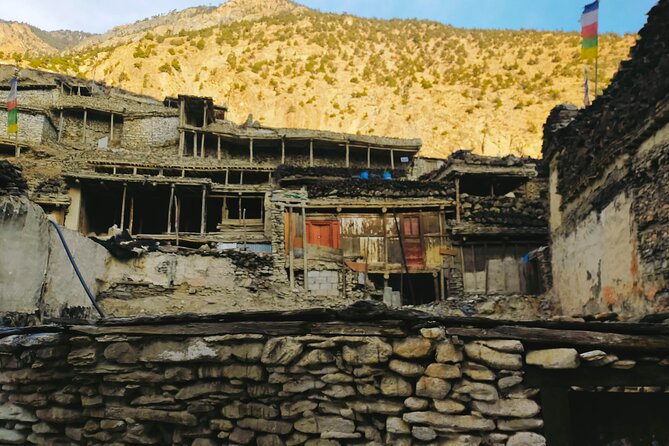
This 21-day trek circles the Annapurna range for big views, local Gurung and Thakali hospitality, and the big high point of Thorong La (5,416m). I especially liked the way the days build gradually (then hit the dramatic passes), and how the trip leans on real mountain towns instead of a speed-run through postcard stops. One thing to keep in mind: you need serious altitude readiness and physical fitness, because several days run 5–8 hours and the route climbs to extreme elevations.
This trip works like a guided camp adventure with a small crew (maximum 10 travelers), a clear Kathmandu pre-trek setup, and a start time that’s early enough to make you wake up fast. You meet at Bagawan Bahal Marg 29 in Kathmandu at 6:15am, and you’ll get pickup plus transfers as the plan moves from Kathmandu to the trekking start and back again. Reviews praise guides like Govinda and Badri (plus porter Purna), and others highlight Dhruba and porter Keshab—so the human side of the trek seems like a real strength, not an afterthought.
In This Review
- Quick hits before you go
- Why this Annapurna Circuit route feels like a full circle
- Kathmandu handoff: meeting point, hotel altitude, and prep day
- The long drive to Ngadi, then Jagat and Dharapani
- Chame to Manang: higher footpaths and your acclimatization pause
- From Yak Kharka to Thorong Phedi: dialing in for 5,416m
- Crossing Thorong La to Muktinath, then down to Kagbeni and Marpha
- Ghasa, Tatopani, and the climb toward Ghorepani
- Nayapul, Pokhara, and getting back to Kathmandu
- Price and logistics: is $2,100 a good deal?
- Guides, porters, and the small-group difference (max 10)
- Tea-house nights and the kind of food that actually matters
- Who this trek fits best (and what to plan around)
- Should you book this tour?
- FAQ
- Where is the meeting point and what time does the trip start?
- How long is the Annapurna Circuit trek?
- Does the tour include pickup in Kathmandu?
- What’s included in the $2,100 per person price?
- What is not included?
- Do I need a particular fitness level?
- What happens if the trek can’t run due to poor weather?
Quick hits before you go
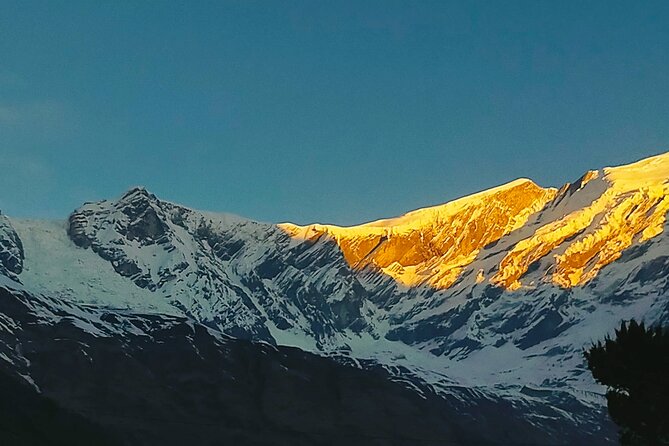
- Thorong La at 5,416m is the headline, built up with an acclimatization pause in Manang
- Tea-house rhythm is a big part of the experience, with most nights spent there (aside from Kathmandu/Pokhara)
- Small group (max 10) helps the trek feel more personal and easier to manage
- Route variety: river valleys, higher Himalayan settlements, then a steep-feeling return down toward lower elevations
- Guides and porters get real credit in reviews, especially Govinda/Purna and Dhruba/Keshab
More trails out of Kathmandu, boots ready
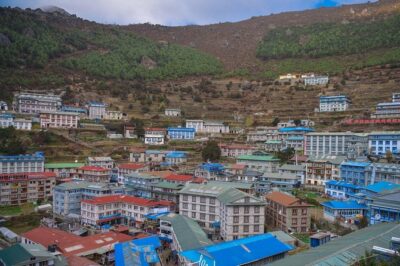
- Everest Base Camp Trek – 14 Days★ 5.0 · 1,499 reviews
- Everest Base Camp Trek★ 5.0 · 842 reviews
- Everest Base Camp Trekking★ 5.0 · 485 reviews
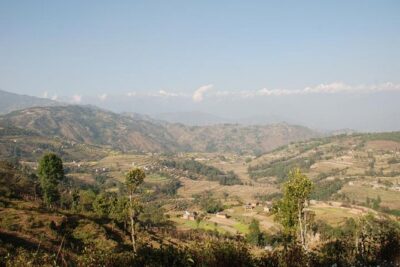
- Nagarkot Sunrise View and Day Hiking from Kathmandu★ 5.0 · 471 reviews
Why this Annapurna Circuit route feels like a full circle
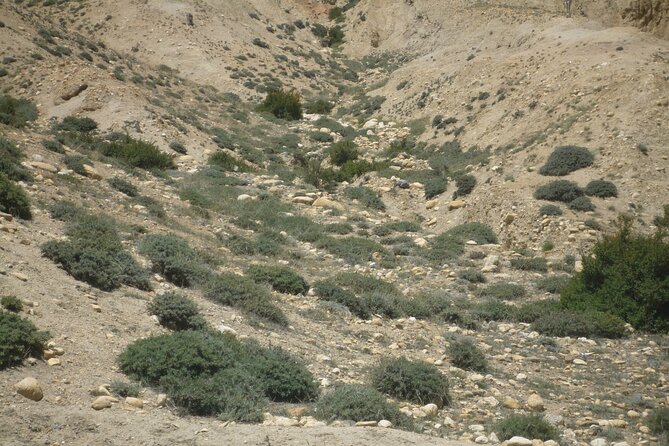
The Annapurna Circuit earns its reputation because it’s not just one mountain view—it’s a long arc of changing elevation, weather exposure, and village life. You start in Kathmandu at 1,334m, then work your way outward and upward until the air thins and the terrain shifts into that high-mountain trekking zone. After the main pass day, you keep moving through different valleys and settlements, so the whole trip feels like you’re circling the massif instead of doing one long out-and-back hike.
What I like about this version of the circuit is how the itinerary is clearly staged. You don’t jump straight to the hardest altitude. There’s a deliberate climb phase, a real rest day in Manang at 3,500m, then another push toward Thorong Phedi before crossing Thorong La. That pacing matters because your body adapts (or fails to adapt) long before your legs feel tired.
Kathmandu handoff: meeting point, hotel altitude, and prep day
Your trek begins in Kathmandu, with a practical first move: arrival and transfer to the hotel at 1,334m. If you’re coming in from a long flight, this matters because it lets you settle in at altitude without instantly launching into strenuous walking.
Day 2 is your Kathmandu valley sightseeing and preparation day, paired with breakfast and dinner (the plan notes B/D). This is the day for getting oriented—sleeping well, confirming gear needs, and making sure you’re mentally ready for the long drive out to the trailhead the next morning.
The logistics are straightforward: you start at 6:15am from Bagawan Bahal Marg 29, Kathmandu, and the trip ends back at the meeting point. Also, pickup is offered, which reduces the usual Kathmandu stress.
The long drive to Ngadi, then Jagat and Dharapani
Day 3 is a big one: a drive to Ngadi at 890m that runs about 8–9 hours for roughly 200 km. Sitting that long can make your body feel rusty, so think of Day 3 as the transition day—get comfortable, hydrate, and treat Day 4 as your first real walking test.
Day 4: Ngadi to Jagat (around 1,300m, about 4–5 hours and roughly 7 km). This is a good “wake up your legs” stretch. It’s long enough to feel like trekking, but not so intense that you’re destroyed before you’ve even started the real altitude work.
Day 5: Jagat to Dharapani (1,860m, about 5–6 hours, around 8 km). Here the climbing begins to feel more purposeful. You’re gaining height while keeping a steady trekking pace, which is exactly how you want to build confidence early.
Chame to Manang: higher footpaths and your acclimatization pause
Day 6: Dharapani to Chame (2,670m, about 5–6 hours, ~8 km). Chame is one of those middle stops that turns the hike from gentle valley travel into something more serious. Expect thinner air and colder nights, even if the daytime trekking feels manageable.
Day 7: Chame to Lower Pisang (3,200m, about 4–5 hours, ~7 km). This segment keeps the rhythm moving upward without making distance explode. It’s a climb with control.
Day 8: Lower Pisang to Manang (3,500m, about 5–6 hours, ~8 km). By now, you’re fully in the altitude zone where every decision—pace, breathing, hydration—starts to matter.
Day 9: rest in Manang at 3,500m. This rest day is a big deal. It’s not filler. It’s the plan acknowledging altitude reality: taking time here helps you go into the next stages with better legs and a better chance of adapting. If you’ve ever heard trekking advice that sounds vague, this day is why it isn’t. You’re buying adaptation time before the route pushes higher.


From Yak Kharka to Thorong Phedi: dialing in for 5,416m
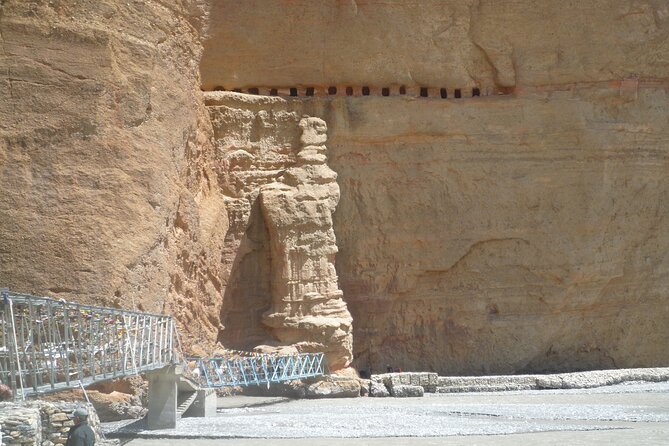
Day 10: Manang to Yak Kharka (4,050m, about 4–5 hours, ~7 km). You feel the jump. The body often complains more at this point than earlier in the trek, so keep expectations realistic: steady effort beats dramatic surges.
Day 11: Yak Kharka to Thorong Phedi (4,525m, about 4–5 hours, ~7 km). Thorong Phedi is your staging point. You’re not just “going to another town”—you’re positioning yourself for the pass day.
This is also where you’ll want to be extra strict with your routine. The itinerary gives you the altitude and timing structure; your job is to make sure you respect it. If you try to force speed here, you’ll pay for it on the pass.
Crossing Thorong La to Muktinath, then down to Kagbeni and Marpha
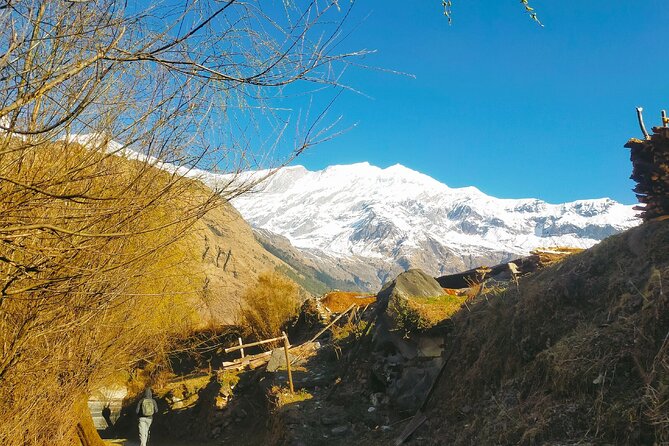
Day 12 is the headline: cross Thorong La (5,416m) and then trek to Muktinath (3,800m), about 7–8 hours and roughly 9 km. This is a long day with both climbing and descending, which means fatigue can build in different ways. You’ll likely feel the altitude even before the trail gets steep, so plan to take the crossing seriously.
Day 13: Muktinath to Kagbeni (2,810m, about 4–5 hours, ~6 km). After a high pass day, this descent-style day can feel like relief—but don’t let that trick you. Your legs can still take a beating, and the lower elevation doesn’t automatically remove soreness.
Day 14: Kagbeni to Marpha (2,670m, about 5–6 hours, ~8 km). This keeps you moving through the post-pass landscape, where the route starts to feel more like village hopping between valleys. It’s also a day that can help reset your pace before the next series of climbs and drops.
Ghasa, Tatopani, and the climb toward Ghorepani
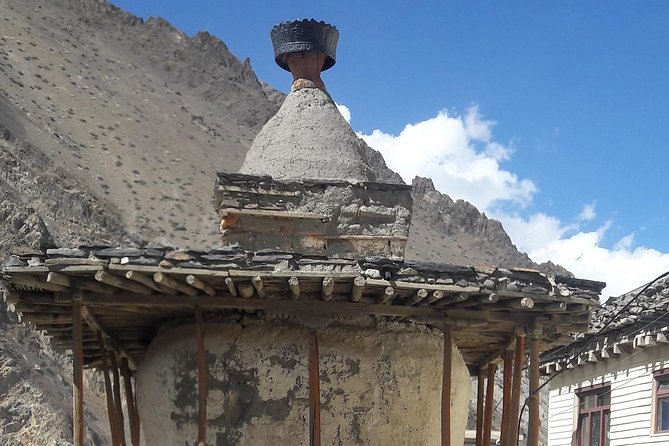
Day 15: Marpha to Ghasa (2,010m, about 5–6 hours, ~8 km). You drop significantly in elevation. That kind of change is great for recovery in theory, but it can bring its own discomfort as you tackle downhill footwork.
Day 16: Ghasa to Tatopani (1,190m, about 5–6 hours, ~7 km). Tatopani sits much lower than where you’ve been. This is the part of the itinerary where the trekking starts to feel less like “high-altitude endurance” and more like “long hiking day after long hiking day,” which is still hard, just different.
Day 17: Tatopani to Ghorepani (2,860m, ~8 km). Now you climb again. The itinerary doesn’t give the exact hours here, but the elevation gain signals this is no stroll. Ghorepani sets you up perfectly for Day 18.
Day 18: hike Poon Hill (3,210m, about 1 hour, ~2.5 km), then trek to Ghandruk (2,600m, about 6–7 hours, ~15 km). This is a split day: a short hike to a viewpoint area, then a longer downhill run into Ghandruk. That second part is the real time commitment—15 km is the kind of distance that turns the day into a “finish strong” challenge.
Nayapul, Pokhara, and getting back to Kathmandu
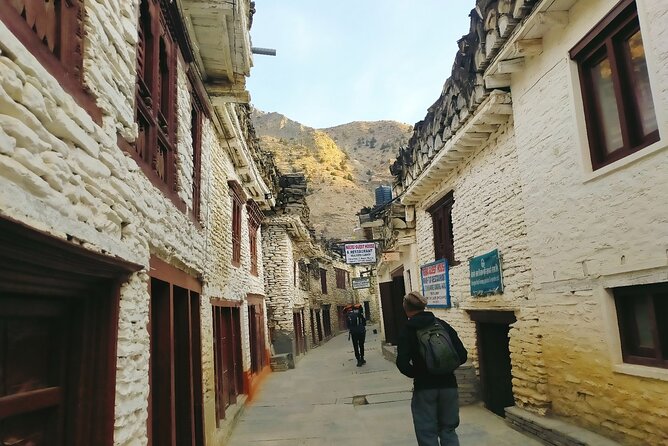
Day 19: trek to Nayapul (950m, about 4–5 hours, ~7 km), then drive to Pokhara (820m, about 1.5 hours). This is your big “we’re leaving the trail” day. The walking is still real, but the end is now clearly in sight.
Day 20: drive or fly back to Kathmandu—either 6–7 hours by road or 30 minutes by flight. This flexibility is useful if you want to trade comfort for speed (or vice versa). Either way, you’re returning to Kathmandu for the final wrap-up.
Day 21: fly back home. The itinerary keeps the last day simple: you’re not trying to cram in more walking.
Price and logistics: is $2,100 a good deal?
The price is listed at $2,100 per person, and the value depends on what you compare it to.
Here’s what’s included:
- 3 meals during the trek
- All overnight accommodations while on the trek
- Kathmandu accommodation on a bed-and-breakfast basis (B/B)
- Staff salary/wages and travel/rescue fees of office staff
- All meals and accommodation of office staff
What’s not included:
- Lunch and dinner in Kathmandu
- International airfare and airport departure tax
- Personal equipment and extra services
- Travel and rescue insurance and trip cancellation
- Nepal visa fees
- Beverages
So what does that mean for you? You’re paying for the core trek package: guided movement, sleeping, and most daily food during trekking. You’ll still want to budget for flights, visa, and insurance, plus drinks and Kathmandu meals. If you’ve been planning your own trek, the biggest difference is that you’re buying organization and the human support that helps keep the route moving.
At the same time, this trek isn’t “cheap” in the backpacker sense. It’s closer to a guided, structured adventure where the convenience is the product.
Guides, porters, and the small-group difference (max 10)
Small group size (maximum 10 travelers) shapes the feel of the trip. It’s easier for your guide to manage pacing, answer questions, and adjust to the real state of the group rather than a packed schedule.
The reviews put a spotlight on the guide-and-porter pairing:
- One traveler called out Govinda for taking amazing care, plus Purna as a true rock throughout the trek
- Another highlighted Dhruba as an excellent guide and Keshab as funny and always helping
- Badri is also praised for supervision and support before the trip
Even without knowing every person’s exact role behind the scenes, this adds up to a practical takeaway: you’ll likely get a human team that feels present, not just a stamped itinerary. And if you’re tackling altitude and long days, that kind of day-to-day support can be the difference between frustration and momentum.
Tea-house nights and the kind of food that actually matters
Food is one of the easiest parts of the trek to underestimate. One review notes that they spent all night in tea houses except Pokhara and Kathmandu, and also says the tea-house food was absolutely delicious. Since this trek includes three meals during the trek, you won’t be scrambling for lunches every day.
That matters because when you’re walking 5–8 hours, you need meals that keep you functioning. Your taste preferences still apply, but the practical win is consistency: you’re not forced to improvise food under time pressure.
Who this trek fits best (and what to plan around)
This trek specifically calls for strong physical fitness. The day timing alone supports that:
- Many days sit in the 4–6 hour range
- Some days hit 7–8 hours, especially the Thorong La crossing day
- Multiple stages involve meaningful elevation changes, including high points like Yak Kharka (4,050m), Thorong Phedi (4,525m), and the pass at 5,416m
It also requires weather stability in practice. The experience says it requires good weather and can be affected by poor conditions.
If you’re an experienced hiker, you’ll probably appreciate the structured pacing. If you’re less experienced, you can still consider it—but you should be honest about your fitness level and your tolerance for altitude and long trekking days.
Should you book this tour?
I think you should book if you want a guided Annapurna Circuit that gives you structure: Kathmandu prep, a clear build toward Thorong La, a rest day in Manang, and a planned route back through villages and viewpoints to Nayapul and Pokhara. The small group cap and the repeated praise for guides and porters are also strong signals that the trip’s “human support” is real.
I’d think twice if you’re not ready for altitude and long days. The itinerary repeatedly climbs and includes a major pass day. Also, because international airfare, insurance, and key travel costs aren’t included, make sure your total budget is comfortable—not just the trek price.
If you want my simple checklist before committing:
- Be sure you can handle a strong fitness push with altitude exposure
- Budget for insurance, visa, and flights (not just the trek cost)
- Pick the season that fits your comfort, since weather can affect whether the trek runs
FAQ
Where is the meeting point and what time does the trip start?
You meet at Bagawan Bahal Marg 29, Kathmandu 44600, Nepal, with a start time of 6:15am.
How long is the Annapurna Circuit trek?
The duration is listed as 21 days approximately, including Kathmandu start and a return back to the meeting point.
Does the tour include pickup in Kathmandu?
Yes, pickup is offered.
What’s included in the $2,100 per person price?
Included are 3 meals during the trek, all overnight accommodations while on the trek, Kathmandu accommodation on a bed-and-breakfast basis, and staff wages/office travel and rescue fees, plus meals and accommodation for office staff.
What is not included?
Not included are lunch and dinner in Kathmandu, international airfare, airport departure tax, personal equipment and extra services, travel/rescue insurance and trip cancellation, Nepal visa fees, and beverages.
Do I need a particular fitness level?
Yes. The experience specifies that travelers should have a strong physical fitness level.
What happens if the trek can’t run due to poor weather?
This experience requires good weather. If it’s canceled due to poor weather, you’ll be offered a different date or a full refund. Outside of weather issues, the experience is non-refundable and cannot be changed.
More Trekking Out of Kathmandu






More Tour Reviews in Kathmandu




Just Reviewed in Kathmandu
- Mountain Bike Tour
★ 5.0 · 3 reviews - Annapurna Panaroma
★ 5.0 · 3 reviews - Mount Everest Scenic Flight 50 Minutes
★ 5.0 · 3 reviews - Kathmandu : Swambhunath & Durbar Square Guided Half Day Tour
★ 3.3 · 3 reviews - Chandragiri Cable Car & Monkey Temple Tour – Private/Group
★ 5.0 · 3 reviews - Kathmandu: Shivapuri National Park Hiking Day Trip
★ 3.3 · 3 reviews
Hiking & Trekking, compared.
 ★ 5.0Everest Base Camp Trek – 14 DaysFrom $1,8001,499 reviews
 ★ 5.0Everest Base Camp TrekFrom $1,790842 reviews
 ★ 5.0Everest Base Camp TrekkingFrom $1,350485 reviews
 ★ 5.0Nagarkot Sunrise View and Day Hiking from KathmanduFrom $45471 reviews
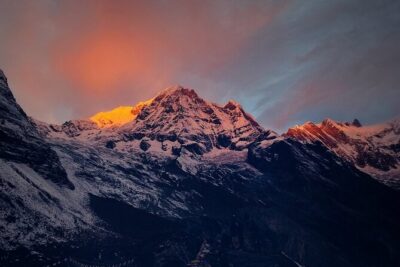 ★ 5.0Annapurna Circuit Trek with Tilicho LakeFrom $1,093368 reviews
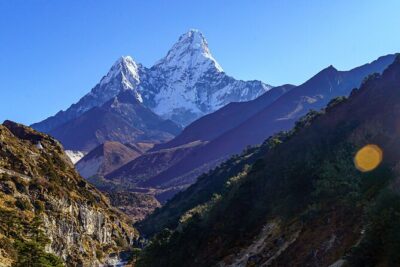 ★ 5.0Everest Base Camp Trekking – 13 DayFrom $1,399365 reviews
★ 5.0Everest Base Camp TrekFrom $1,445350 reviews
★ 5.0Everest Base Camp Trek -14 DaysFrom $1,420321 reviews