
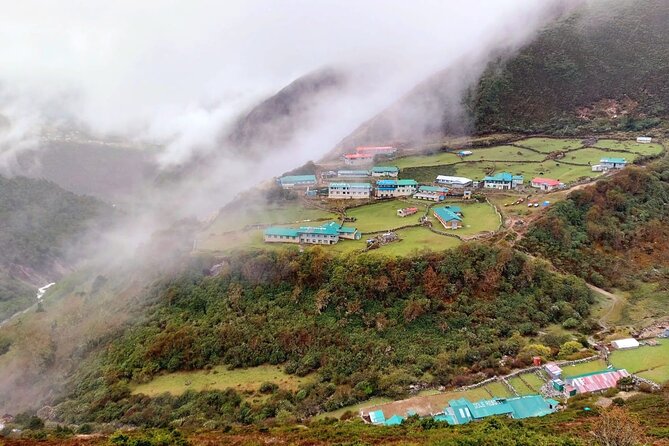
Review · HIKING & TREKKING
Everest Base Camp Adventure Trek 12 days
One flight puts you in Everest’s orbit. This 12-day Everest Base Camp trek pairs a classic route through the Khumbu with key cultural stops in Sherpa country, including monasteries and Namche Bazaar, plus big views from Everest View Hotel and Kala Patthar.
I especially liked how the trip is built for real altitude time, with an extra acclimatization day around Dingboche. And I like that you get a professional certified guide handling the details—when my guide was Ashok, he coordinated everything from pickup and gear to the daily rhythm of the hike.
The main thing to plan for is the practical reality: lunch and dinner are not included, and drinks and hot water cost extra, so your food budget matters. Also, this trek depends on weather and flight conditions around Lukla, so flexibility helps.
In This Review
- Key things to know before you go
- Lukla to Namche Bazaar: the trek’s real start is altitude + timing
- Everest View Hotel via the Sagarmatha National Park museum stop
- Tengboche Gompa: where the spiritual part actually feels real
- Ama Dablam views and Dingboche’s altitude lesson
- Lobuche to Everest Base Camp: the payoff is both huge and emotional
- Kala Patthar sunrise: the highlight with a hard start
- The return loop: Namche again, then Lukla and Kathmandu
- Price and value: what $1,565 covers on this Everest Base Camp trek
- How I’d judge the value
- Altitude, pacing, and what you should pack with this route in mind
- Pacing advice that matches this itinerary
- Porter question (and why it matters)
- Who this trek is best for (and who should think twice)
- Should you book this Everest Base Camp trek?
- FAQ
- FAQ
- How long is the Everest Base Camp adventure trek?
- Where does the tour start, and what time does it begin?
- Are flights included in the price?
- What is included in the package price?
- Is lunch or dinner included?
- Is a porter included to carry your gear?
- What fitness level do I need?
- What happens if weather is poor?
Key things to know before you go
- Lukla flight is the dramatic kickoff into the Everest region
- Namche Bazaar gives you markets, Sherpa life, and early big-peak views
- Tengboche Gompa is one of the most sacred stops in the area
- Dingboche extra day helps you adjust before pushing higher
- Everest Base Camp is the emotional mid-trip payoff
- Kala Patthar sunrise is a timing-heavy highlight (and worth it)
More trails out of Kathmandu, boots ready
- Everest Base Camp Trek – 14 Days★ 5.0 · 1,499 reviews
- Everest Base Camp Trek★ 5.0 · 842 reviews
- Everest Base Camp Trekking★ 5.0 · 485 reviews
- Nagarkot Sunrise View and Day Hiking from Kathmandu★ 5.0 · 471 reviews
Lukla to Namche Bazaar: the trek’s real start is altitude + timing
Your trip begins in Kathmandu and then moves quickly toward the Khumbu. The big moment is the domestic flight into Lukla, often described as the gateway village for Everest. From there, your trek starts feeling real fast: steep trails, sharper air, and the sense that the mountain is no longer a concept—it’s right in front of you.
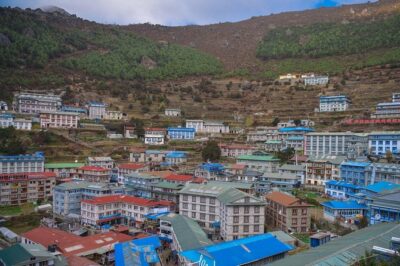
Then comes Namche Bazaar, the Sherpa hub that feels both traditional and practical. This is where you’ll see upgraded hotels and lodges, plus local markets where you can buy trekking gear or basic supplies if you find you forgot something. It’s also the kind of place where you can take a breath, watch how people live at high altitude, and get your footing—literally and mentally—before you climb higher.
What I like about this pacing: it doesn’t throw you immediately into the toughest sections. You get a proper “base” village first, so your body can start adapting even before the dramatic scenery hits.
What to consider: Namche is busy compared with the villages higher up. If you love quiet, you might feel a little overstimulated on day two.
Everest View Hotel via the Sagarmatha National Park museum stop
Before you move deeper into the Everest area, you go to the Sagarmatha National Park Museum near Namche. It’s a small but useful way to understand what you’re walking through: the protected region, the people, and the landscape you’re about to cross (including the park context around the Khumbu area).
Then you take a short hike to Everest View Hotel, at 3,880 meters. This is one of those stops that makes the whole trek feel legitimate. You’re not yet at Base Camp, but you already get a panorama of peaks like Everest, Lhotse, and Ama Dablam. It’s also a great “orientation” moment for the rest of the route—suddenly you can see what you’ll be chasing later.
Practical tip: treat this as more than a photo stop. Walk with steady effort, keep your breathing calm, and use the time to figure out your pace.
Tengboche Gompa: where the spiritual part actually feels real
Tengboche is where the trip turns from scenic hiking into something more personal. You head to Tengboche Gompa, described as one of the most sacred monasteries in the Everest region and the biggest monastery in the area.
Even if you’re not a “temple person,” this is valuable because it gives you a pause from purely vertical travel. You see another side of life in Khumbu: the role of Sherpa Buddhist traditions, and the way the mountain and faith sit side by side for people who live here.
The upside for most walkers: it’s a meaningful rest stop. Your body gets a breather, and your mind gets a different kind of perspective.
The drawback: it’s also a day where you’ll likely want to be present and quiet for a while—so don’t treat it like a quick checkpoint.
Ama Dablam views and Dingboche’s altitude lesson
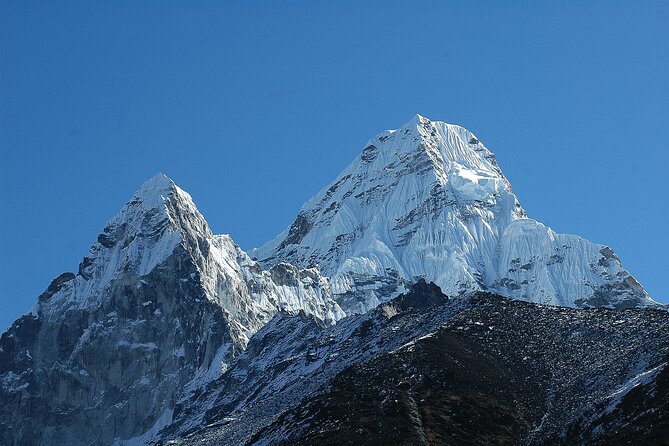
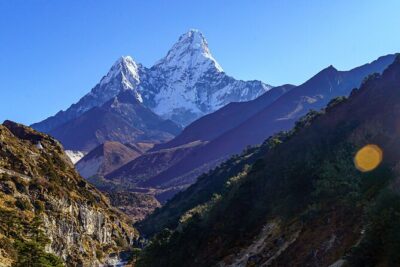
As you continue, you get pulled toward the wall of peaks around Ama Dablam. The route is built to let you see Ama Dablam more than once, because the views change as you move. A single photo never tells the full story here—you notice different angles and scale only after you’ve walked the trail and gained elevation.
Then you reach Dingboche and get something that many people underestimate: an extra day to adapt to altitude. This is listed as staying in Dingboche for additional acclimatization time (and there’s also an optional hike option around Nangkartshang Peak for more vistas over the Khumbu valley).
This is one of the strongest parts of the itinerary for you if you’re worried about altitude. An extra day reduces the chance that you’ll feel like you’re racing your body instead of listening to it.
My advice: if you want the best chance of feeling good later, take the acclimatization day seriously. Even if the optional hike sounds tempting, keep it sensible and let the day do its job.


Lobuche to Everest Base Camp: the payoff is both huge and emotional
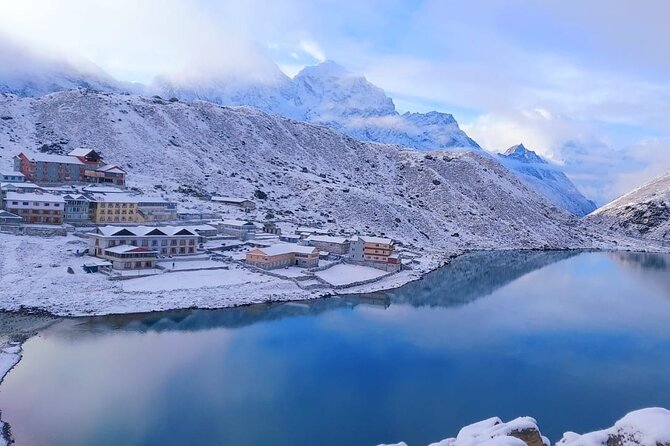
From Dingboche you keep moving closer, reaching Lobuche. It’s a point where the terrain and the feeling shift—you’re closer to the Everest zone, and the unspoiled natural views around you start to feel more dramatic and exposed.
Then comes Everest Base Camp, where climbers gather to prepare. This is the moment most people dream about. It’s also one of those days where time seems to stand still. Base Camp isn’t just “a place.” It’s a feeling: you’re surrounded by the practical reality of expedition life, and you’re in the Everest story at the spot people have trained for and worked toward.
What I like about the way this trek reaches Base Camp: it doesn’t shove the big moment too early. By the time you’re there, you’ve had time for culture, acclimatization, and gradual elevation changes, so the arrival feels earned.
What to watch: crowds can be a factor at Base Camp depending on the season (and conditions). If you’re sensitive to busier spaces, arrive with a calm mindset and plan to enjoy the area in your own pacing.
Kala Patthar sunrise: the highlight with a hard start
The next big step is Kala Patthar. You’ll get up early and hike for sunrise views over Everest. The payoff is described as visibility of major giants—Everest, Nuptse, and Lhotse—from this panoramic viewpoint at 5,545 meters.
This is the trek’s “pinch-me” day. The reason Kala Patthar is so popular is simple: sunrise light changes everything. Peaks that looked sharp in daylight can turn stunningly dramatic at first light, and the valley views tend to look deeper and wider.
The tradeoff: waking early at high elevation is tiring, and the route to Kala Patthar requires effort. You need to start with good energy and not cut corners on rest the night before.
The return loop: Namche again, then Lukla and Kathmandu
After Kala Patthar and the push back, you route through Namche Bazaar again. This part is often overlooked in excitement for Base Camp, but it’s useful. You can take time for local markets and Sherpa cuisine, and you get a chance to look back on what you’ve done with a less frantic pace.
Then you head to Lukla, wrapping up the trek with the final moments of the journey. You fly Lukla to Kathmandu in the morning and transfer to your booked Kathmandu hotel afterward. This gives you a soft landing after a physically intense week-plus.
What you gain on the last day: a reset. Your body is still recovering, but you get to stop hiking, shower (if you’ve brought the patience), and process the trek while the views are still fresh.
Price and value: what $1,565 covers on this Everest Base Camp trek
At $1,565 per person, you’re paying for a bundle of big-ticket items that add up fast in Nepal—especially the flights and the permits.
From the included list, you get:
- Domestic flights Kathmandu ↔ Lukla (round-trip)
- Vehicle transfers 2-way
- Accommodation during the trek for 11 nights
- Breakfast every day (12 breakfasts)
- All Sagarmatha Permits
- A professional certified guide
- Pickup offered, plus a mobile ticket
So what’s not included is also important for your budgeting:
- Lunch and dinner are not included
- Coffee/tea and all hot/cold drinks are not included
- Personal expenses like wifi, hot shower, and battery charge fees are not included
- A support porter is listed as not included (carrying bedding/duffle bag)
- Kathmandu hotel before and after the trek costs extra (US$ 30 per person per night on B&B basis), based on what’s stated
How I’d judge the value
If you were to book flights, permits, and guided logistics separately, it’s easy for costs to spiral. Here, the main cost drivers are handled, and you get the kind of structure that matters on a trek where weather and timing can affect everything.
Still, your total trip cost will likely rise once you add:
- lunches/dinners for 12 days
- drinks and water/hot-water costs
- Kathmandu hotel (if you need it on both ends)
- any extra porter help you decide to arrange
My practical takeaway: the trek price is fair if you budget for daily meals and small extras. If you want everything fully covered, look for a different package, because this one focuses on core trekking logistics and breakfast.
Altitude, pacing, and what you should pack with this route in mind
You’re trekking through high-altitude areas like the region around Dingboche and then up to Kala Patthar (5,545 meters). The tour calls for moderate physical fitness, which is a real clue: you don’t need to be an athlete, but you do need stamina and the ability to walk uphill for hours while adjusting to thinner air.
Also, weather matters. The experience notes that it requires good weather and flights are part of the plan. That means you should travel with patience, not certainty.
Pacing advice that matches this itinerary
- Use the acclimatization day at Dingboche as your “slow down” day.
- On early hiking mornings, keep your effort controlled. It’s easy to burn too much energy too fast when you’re excited.
- Treat breakfast as fuel, not as a quick formality.
Porter question (and why it matters)
A support porter for bedding or a duffle bag is listed as not included. In practice, even if you feel strong, carrying less can help you conserve energy for higher sections and long early mornings. If you’re trekking alone or you want to reduce strain, you’ll likely feel the value of additional carrying help.
Who this trek is best for (and who should think twice)
This Everest Base Camp trek suits you if you want:
- a classic Everest Region route with key cultural stops (Namche, Tengboche Gompa, Sherpa Buddhist monasteries)
- real altitude management (including that extra Dingboche day)
- a guide-led experience where someone else handles permits and logistics
- a balance of sightseeing and effort, capped by Base Camp and Kala Patthar
It might not be the best match if:
- you dislike early mornings (sunrise Kala Patthar is built in)
- you’re not ready for extra costs on food and drinks
- you’re uncomfortable with altitude changes even with acclimatization time
If you’re an experienced hiker, you’ll enjoy the route details. If you’re a first-timer, the structure helps—especially the pacing and acclimatization.
Should you book this Everest Base Camp trek?
I’d book it if you want a well-organized, guide-led Everest Base Camp journey that includes the big “wow” moments—Everest Base Camp and Kala Patthar—without skipping the altitude reality in the middle. The combination of permits, flights, breakfast, and certified guiding is strong value, and the cultural stops add depth beyond the mountain chase.
I’d hesitate if you’re on a tight daily food/drink budget or you know you struggle with early starts. You’ll need to plan for lunch, dinner, and extra on-the-ground charges.
If you can travel calmly, hike steadily, and accept the basics of high-altitude travel, this is the kind of trek that turns Everest from a distant idea into a personal memory.
FAQ
FAQ
How long is the Everest Base Camp adventure trek?
It runs for about 12 days.
Where does the tour start, and what time does it begin?
It starts back at Kathmandu Guest House, Saathgumti-16, Kathmandu, Nepal, with a start time of 8:15 am.
Are flights included in the price?
Yes. Domestic flights Kathmandu to Lukla and Lukla to Kathmandu are included, along with two-way vehicle transfers.
What is included in the package price?
Included are domestic flights and transfers, trekking accommodation for 11 nights, breakfasts, all Sagarmatha permits, and a professional certified guide.
Is lunch or dinner included?
No. Lunch and dinner are not included, and breakfast is the only daily meal listed as included.
Is a porter included to carry your gear?
A support porter for carrying bedding or a duffle bag is listed as not included.
What fitness level do I need?
The trip is for travelers with moderate physical fitness.
What happens if weather is poor?
The experience requires good weather. If it’s canceled due to poor weather, you’ll be offered a different date or a full refund.
More Trekking Out of Kathmandu






More Tour Reviews in Kathmandu




Just Reviewed in Kathmandu
- Mountain Bike Tour
★ 5.0 · 3 reviews - Annapurna Panaroma
★ 5.0 · 3 reviews - Mount Everest Scenic Flight 50 Minutes
★ 5.0 · 3 reviews - Kathmandu : Swambhunath & Durbar Square Guided Half Day Tour
★ 3.3 · 3 reviews - Chandragiri Cable Car & Monkey Temple Tour – Private/Group
★ 5.0 · 3 reviews - Kathmandu: Shivapuri National Park Hiking Day Trip
★ 3.3 · 3 reviews
Hiking & Trekking, compared.
 ★ 5.0Everest Base Camp Trek – 14 DaysFrom $1,8001,499 reviews
 ★ 5.0Everest Base Camp TrekFrom $1,790842 reviews
 ★ 5.0Everest Base Camp TrekkingFrom $1,350485 reviews
 ★ 5.0Nagarkot Sunrise View and Day Hiking from KathmanduFrom $45471 reviews
 ★ 5.0Annapurna Circuit Trek with Tilicho LakeFrom $1,093368 reviews
 ★ 5.0Everest Base Camp Trekking – 13 DayFrom $1,399365 reviews
★ 5.0Everest Base Camp TrekFrom $1,445350 reviews
★ 5.0Everest Base Camp Trek -14 DaysFrom $1,420321 reviews