
Review · HIKING & TREKKING
Everest Basecamp Trek: 14 days
Your legs start working in Lukla. This Everest Base Camp trek strings together Kathmandu orientation, a flight into the Khumbu, and classic high-altitude stops like Namche Bazaar, Tengboche, and Kala Patthar.
I especially like the way the itinerary builds in acclimatization time instead of rushing. Namche Bazaar gets a proper rest day, then you head out again with a targeted hike to help your body adjust. I also like the practical support: you get an experienced, government-licensed English-speaking trekking guide, plus porters (1 porter for every 2 clients) so your pack load stays reasonable.
One real consideration is altitude. Even with acclimatization days, you should treat slow pacing as non-negotiable and know that this is a serious mountain trek, best suited to people with moderate fitness.
In This Review
- Key highlights that make this trek feel worth it
- Kathmandu and Thamel: get your footing before the mountains
- The Lukla flight: scenic, early, and not something to take lightly
- Phakding to Namche Bazaar: bridges, uphill work, and Sherpa village rhythm
- Namche rest day and the hike to Syangboch: acclimatization you can feel
- Tengboche morning: monastery atmosphere and the Dudh Kosi valley route
- Nangkartshang Peak day: learning your altitude limits
- From Dingboche toward Dughla and the glacial feel
- Everest Base Camp day: the checkpoint you came for
- Kala Patthar before sunrise: the view that costs sweat
- Trek back down: Namche, suspension bridges, and the quieter stretch
- Fly back to Kathmandu: trading steps for aerial views
- Price and value: what $1,650 buys (and what it doesn’t)
- Group size, privacy, and how the “private tour” works
- What to know about meals, water, and energy planning
- Fitness and altitude reality check
- Should you book this Everest Base Camp trek?
- FAQ
- Where does the trek start?
- How long is the Everest Base Camp trek?
- What is the price per person?
- Are permits and airfare included?
- Is there porter support?
- What meals are included on the trek and in Kathmandu?
- Do I need travel insurance?
Key highlights that make this trek feel worth it
- Lukla round-trip flights included: you remove one big unknown from planning, and the early flights set the tone for the whole adventure.
- Namche Bazaar acclimatization built in: you don’t just pass through; you rest and then hike for altitude adjustment.
- Tengboche monastery time in the morning: you explore Tengboche Gompa at the start of the day before descending.
- Kala Patthar before sunrise: you hike out for the closest Everest mountain panorama right as the day begins.
- Porter support with a clear ratio: 1 porter for every 2 clients helps keep the trek more enjoyable and less “pack combat.”
- Meals included on the trail: breakfast every day on trek, plus 11 lunches and 11 dinners, so your energy stays steady.
More trails out of Kathmandu, boots ready
- Everest Base Camp Trek – 14 Days★ 5.0 · 1,499 reviews
- Everest Base Camp Trek★ 5.0 · 842 reviews
- Everest Base Camp Trekking★ 5.0 · 485 reviews
- Nagarkot Sunrise View and Day Hiking from Kathmandu★ 5.0 · 471 reviews
Kathmandu and Thamel: get your footing before the mountains
Your trek starts in Kathmandu, with airport pickup and transport into Thamel, the busy, central hub where you’ll find most trekking shops, restaurants, and travel services. On your first day, you’ll have time to settle in and get oriented.
Thamel is also where you’ll feel the contrast right away: town noise and street life, then the quiet reality that tomorrow you’ll be hopping to Lukla. It’s a good place to handle small needs—like last-minute trekking essentials—because the rest of your trip is mostly off the clock and out on the trail.
What I like here: having those first hours in Thamel means you’re not scrambling later when you’re tired and altitude-readying your body.
What to watch: Kathmandu meals (lunch and dinner) aren’t included, so plan on budgeting your food days before the trek starts.
The Lukla flight: scenic, early, and not something to take lightly
Day 2 moves you fast from Kathmandu to Lukla via a morning flight (the exact departure airport in the region depends on flight status). Lukla Airport is busy in trekking season and is widely regarded as one of the more demanding airstrips due to the surrounding terrain.
Practically, this means you’ll want to be mentally ready for the morning push. The reward is that the flight is part of the “wow” factor: you’re going from city energy to Khumbu air and mountain views in a short span of time.
Tip for your plan: if you’re prone to stress around travel delays, build a calm buffer into your first Kathmandu day so the rest of the trip stays smooth.
Phakding to Namche Bazaar: bridges, uphill work, and Sherpa village rhythm
From Lukla, the trek starts with a classic early-day grind: the Phakding to Namche Bazaar trail is described as a bit tough, with uphill walking and frequent suspension bridges. You’ll pass settlement areas and keep moving through the kind of mountain valley scenery that makes the Everest region famous.
Then comes Namche Bazaar, one of the most important stops in the Khumbu. It’s also a place that feels more developed than you might expect for a mountain town—there are modern hotels, restaurants, and tea houses.
Namche is often where people feel both excited and stretched. It’s high enough to start affecting sleep and breathing, which is exactly why you don’t just keep trekking the same day.
Why this segment matters: you’re not only moving through pretty villages—you’re starting to build your altitude routine. That makes the next part of the trek safer and more comfortable.
Namche rest day and the hike to Syangboch: acclimatization you can feel
Day 4 is a rest day in Namche Bazaar, and that’s not a throwaway detail—it’s the core safety piece of the itinerary. The guidance here is clear: after rising altitude over the last couple of days, you need acclimatization days to reduce the risk of altitude sickness.
In the morning, you hike toward Syangboch (spelled as given in the plan). It’s the kind of outing where you take in views and keep your body learning how to handle height.
What I like: this rest day isn’t just sitting. You get a guided rhythm of mild effort plus recovery. It’s the difference between feeling like the trek is working with you versus working against you.


Tengboche morning: monastery atmosphere and the Dudh Kosi valley route
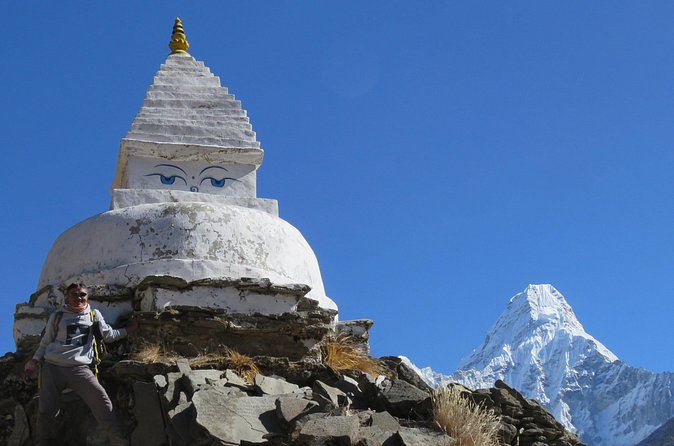
Day 5 brings a full walking day toward Tengboche. The route includes descents and climbs: you initially go down toward the Dudh Kosi valley area, reach Phungi Thanka, then keep moving while passing the Imja Khola and ascending toward Tengboche.
When you arrive, the scenery and the cultural shift are usually the highlight: the Khumbu region is deeply tied to Sherpa traditions, and Tengboche is one of the spiritual anchor points in the trekking circuit.
On Day 6, you rise early and explore Tengboche Gompa, the monastery. It’s timed for the morning, before you descend. After breakfast, you trek down toward the Imja River, passing through Pangboche on the way.
What to expect: mornings here feel quieter and more reflective than the trail hustle earlier in the week. It’s also when you’ll notice the small details—paths used for years, local religious markers, and that steady village-to-village sense of place.
Nangkartshang Peak day: learning your altitude limits
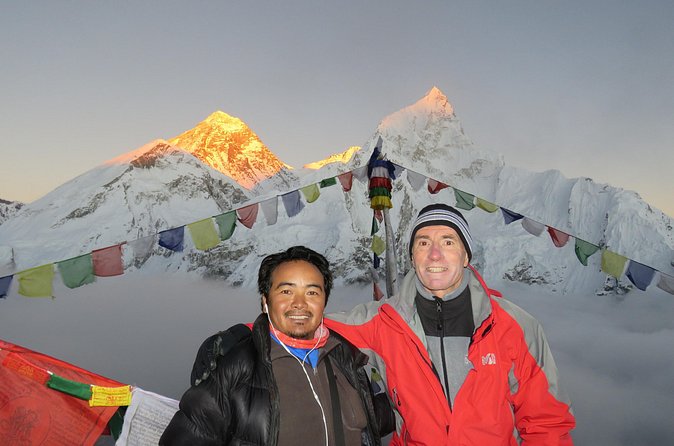
Day 7 is another rest day focused on altitude adjustment. The plan explicitly frames it as adapting to increasing altitude and changing conditions to help prevent altitude sickness.
You’ll head toward Nangkartshang Peak for a short hike (the plan calls out about 1 hour), then return and recover.
This is one of those days that feels slow on paper, but it can be a game-changer physically. If you’ve ever pushed too hard too soon on a mountain trip, you know how helpful it is to have a built-in “listen to your body” day before the trail turns more serious.
From Dingboche toward Dughla and the glacial feel
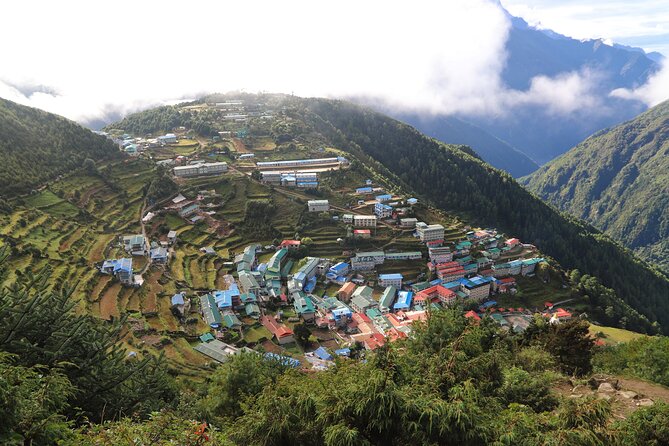
Day 8 brings you closer to the Everest Base Camp zone, leaving Dingboche and trekking via bare fields. The route gradually steepens, and you hike to Dughla following the glacial route.
Once you’re on a glacial route, you’re also moving into a very different physical experience—air can feel sharper, your pace needs to stay controlled, and the terrain feels more exposed. This is where the trek starts to feel like a true expedition, even though you still have the comfort of guesthouse nights.
Practical note: because the trek is climbing and increasingly exposed, you’ll want your clothing system to be ready for temperature swings. Pre-sunrise and cold morning starts show up later too, so start thinking in layers.
Everest Base Camp day: the checkpoint you came for
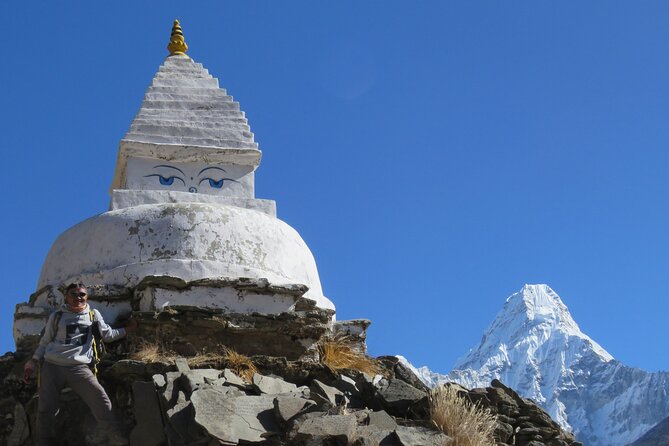
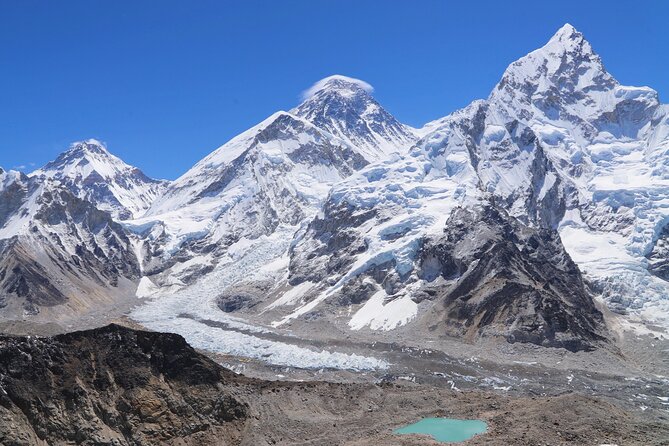
Day 9 is the big one: the walk finally takes you to Everest Base Camp. From Lobuche, the trail ascends steeply along the Khumbu glacier, reaching Gorak Shep (noted in the plan as the old base camp area) before continuing toward Base Camp.
Even if you’ve seen photos for years, being there changes how you process it. The effort you spent becomes real. The high-altitude cold is real. And the scale can feel both huge and oddly personal—because you’re only as fast as your lungs.
What I like about this structure: you approach Base Camp from the glacier side after a steep morning ascent, so the day feels earned rather than granted.
Kala Patthar before sunrise: the view that costs sweat
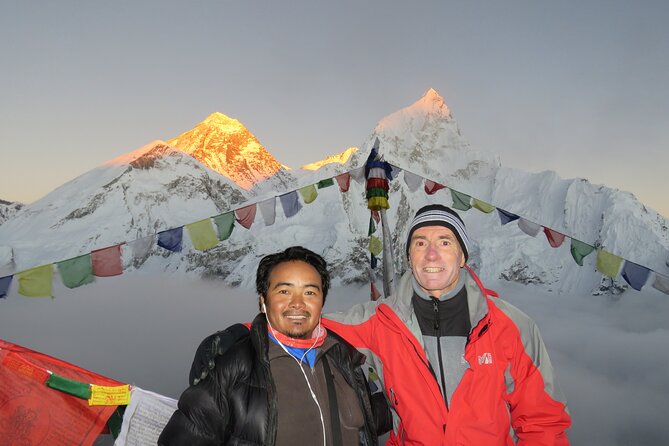
Day 10 is a pre-sunrise hike to Kala Patthar, located above Gorak Shep. This spot is famous because it gives you one of the nearest panoramas of Mount Everest.
You go out before sunrise, so expect early cold and an energy-focused hike. The payoff is usually worth it: your effort lines up with that exact window where the mountains catch the light.
Tip that matters: this is the kind of day where starting slow is smarter than starting fast. If you spend the first hour gasping, you’ll pay for it on the climb back.
Trek back down: Namche, suspension bridges, and the quieter stretch
After Base Camp and Kala Patthar, Day 11 brings the return down toward Namche. The plan has you hike along the trail you came earlier, passing Pangboche and crossing a suspension bridge back into Tengboche area before reaching Namche.
Day 12 continues the descent route: you first steeply descend for some time, then transition to a densely forested path through small settlements. You cross Dudh Koshi River multiple times on suspension bridges and keep moving toward the next overnight stop.
This return segment is where you can finally feel your trail muscles loosen up, but it can still be demanding because downhill hiking is hard on knees and ankles. Plan for slower steps and extra time at bridge crossings, where the footing and rhythm matter.
Fly back to Kathmandu: trading steps for aerial views
Day 13 is an early morning return flight to Kathmandu. The plan calls out the flight as phenomenal, with enchanting aerial views over the region. Once you land, the team drops you at your hotel, and you get time to rest before the trip ends.
Day 14 is simply the wrap-up day: you leave for your next destination, with airport drop according to your departure time.
What I like: the trek doesn’t drag into a second travel day. You end with a clear transition from mountain time back to city time.
Price and value: what $1,650 buys (and what it doesn’t)
At $1,650 per person for about 14 days, this trek prices itself as a “full package” approach, not a DIY outline. The big value items included are:
- Round-trip airfare Kathmandu–Lukla
- Permits
- 2 nights in Kathmandu hotel with breakfast
- 11 nights in guesthouses during the trek (twin-sharing)
- An English-speaking trekking guide plus porters (1 per every 2 clients)
- Meals on the trail: breakfast (14), lunch (11), dinner (11)
When you price those elements separately, the trek starts to make more sense. Lukla flights alone can be a major cost, and permits aren’t optional. Add guided logistics plus porter support, and you’re paying for a smoother experience that keeps you focused on trekking instead of constant planning.
What’s not included is also important:
- Lunch and dinner in Kathmandu
- Any beverages, including bottled and boiled water
- Travel insurance with high-altitude emergency evacuation coverage
- Tips to trekking staff and driver
My take: if you want the Everest Base Camp trek experience without building the whole machine yourself, this price is competitive. If you plan to cover many costs independently anyway, your personal value might depend more on insurance, water planning, and how much you buy in Kathmandu.
Group size, privacy, and how the “private tour” works
The tour is described as private for your group, so it should be more coordinated than a crowded group experience. At the same time, the plan also mentions group discounts. That usually means the operator can adjust pricing depending on how many people book together.
The practical effect for you: you’ll still be trekking with others in guesthouses and villages (that’s how Everest treks work), but the guiding and logistics should be organized around your booking group.
What to know about meals, water, and energy planning
On paper, the meals included are strong on the trail. You get breakfast daily, plus lunch and dinner on trek days (11 each for lunch and dinner). That matters because it reduces decision fatigue when you’re tired.
In Kathmandu, lunch and dinner aren’t included. So budget for your first days while you’re in Thamel.
Water and beverages are also on you. Since any beverages, including bottled and boiled water, are not included, factor in daily costs for drinks once you’re trekking. Also remember that pre-sunrise days and cold mornings can change how much you feel like drinking.
Fitness and altitude reality check
The plan says travelers should have moderate physical fitness. That’s a fair baseline for this kind of itinerary, but “moderate” doesn’t mean easy. You’ll be walking uphill and descending for multiple days at elevation, including steep sections on glacier routes.
Altitude is handled by the schedule: Namche rest day plus a first acclimatization hike, then more time before reaching the higher Everest Base Camp area. Still, you should treat symptoms seriously and keep your pace conservative.
Should you book this Everest Base Camp trek?
I’d book this trek if you want a structured Everest Base Camp itinerary where the operator handles the big moving parts: Lukla flights, permits, guide, porter support, and most meals. It’s especially attractive if you value acclimatization time in Namche and a sunrise push to Kala Patthar.
I’d think twice if you know you struggle with early mornings, or if you’re not comfortable managing altitude risk even with rest days. And if you haven’t budgeted for insurance and water costs, adjust your plans before you lock anything in.
If you do book, plan to bring your patience as much as your hiking boots. On this trek, the best strategy is simple: slow steps, steady breathing, and respect for the mountain’s timetable.
FAQ
Where does the trek start?
The start point is Tribhuvan Airport in Kathmandu, Nepal.
How long is the Everest Base Camp trek?
The duration is 14 days approximately.
What is the price per person?
The price is $1,650.00 per person.
Are permits and airfare included?
Yes. Permits are included, and round-trip airfare between Kathmandu and Lukla is included.
Is there porter support?
Yes. Porters are provided for carrying luggage, with a ratio of 1 porter for every 2 clients.
What meals are included on the trek and in Kathmandu?
On the trek, breakfast is included (14), and lunch (11) and dinner (11) are included. In Kathmandu, meals are not fully included: lunch and dinner in Kathmandu are not included.
Do I need travel insurance?
Travel insurance is not included, and it specifically notes that high-altitude emergency evacuation coverage is not provided by the tour.
More Trekking Out of Kathmandu






More Tour Reviews in Kathmandu




Just Reviewed in Kathmandu
- Mountain Bike Tour
★ 5.0 · 3 reviews - Annapurna Panaroma
★ 5.0 · 3 reviews - Mount Everest Scenic Flight 50 Minutes
★ 5.0 · 3 reviews - Kathmandu : Swambhunath & Durbar Square Guided Half Day Tour
★ 3.3 · 3 reviews - Chandragiri Cable Car & Monkey Temple Tour – Private/Group
★ 5.0 · 3 reviews - Kathmandu: Shivapuri National Park Hiking Day Trip
★ 3.3 · 3 reviews
Hiking & Trekking, compared.
 ★ 5.0Everest Base Camp Trek – 14 DaysFrom $1,8001,499 reviews
 ★ 5.0Everest Base Camp TrekFrom $1,790842 reviews
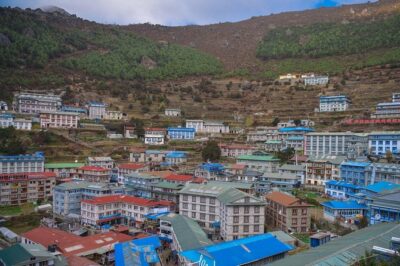 ★ 5.0Everest Base Camp TrekkingFrom $1,350485 reviews
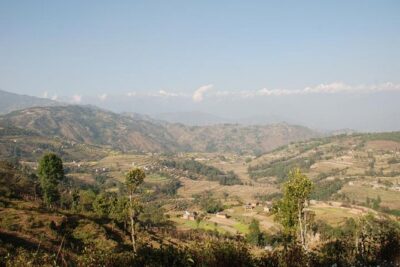 ★ 5.0Nagarkot Sunrise View and Day Hiking from KathmanduFrom $45471 reviews
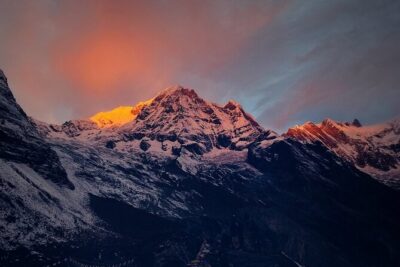 ★ 5.0Annapurna Circuit Trek with Tilicho LakeFrom $1,093368 reviews
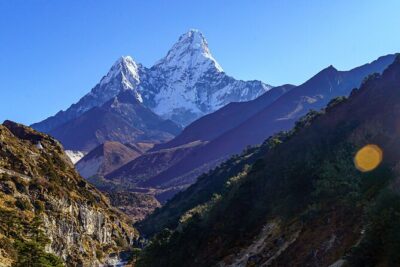 ★ 5.0Everest Base Camp Trekking – 13 DayFrom $1,399365 reviews
★ 5.0Everest Base Camp TrekFrom $1,445350 reviews
★ 5.0Everest Base Camp Trek -14 DaysFrom $1,420321 reviews