
Review · HIKING & TREKKING
Everest Panorama Trek
Everest views, minus the full grind. That’s the promise of this Everest Panorama Trek, built around the famous Everest-region scenery you actually want—without spending weeks getting beat up by altitude. I like the way the route strings together Sherpa villages, old-school trekking towns, and clifftop monasteries with big panoramic views. I also like that meals and overnights are included, so you’re focused on walking and soaking it in instead of managing the next meal plan.
The one thing to keep in mind: even though this is the gentler option, you’re still trekking in thin air, and the early start (around 5:00 am) means you’ll feel altitude and schedule pressure. If you’re the type who hates early mornings or worries about stamina, this trek will demand some patience.
What makes it feel well-matched for real people is the small group size (max 15 travelers) and the emphasis on guides and crew who keep you moving and comfortable along the way. And based on the way Epic Adventures operates, the human side matters—guides and porters are frequently praised by name for helping trekkers stay upbeat and looked after.
In This Review
- Key points to know before you go
- From Kathmandu to Lukla: the fast start and why it matters
- Phakding to Namche Bazaar: pine forests, Dudh Koshi, and bridge energy
- Tengboche monastery views: Everest, Nuptse, Lhotse, and Ama Dablam day
- The Namche to Monjo section: where the trail turns steeper
- Lukla finale and the last mountain evening you’ll remember
- Price and logistics: is $1,225 good value for this trek?
- Guides, Sherpa villages, and the human side of the mountains
- Weather and mountain reality: why flexibility is part of the price
- Who should choose this Everest Panorama Trek?
- Should you book Everest Panorama Trek with Epic Adventures?
- FAQ
- How long is the Everest Panorama Trek?
- Where does the trek start?
- What time does the tour start each day?
- How many people are in a group?
- What kind of fitness level do I need?
- Are meals and overnight stays included?
- How long are the trekking days?
- Does the itinerary include flying back to Kathmandu?
- What happens if the trip can’t run due to poor weather?
- Is there a mobile ticket?
Key points to know before you go
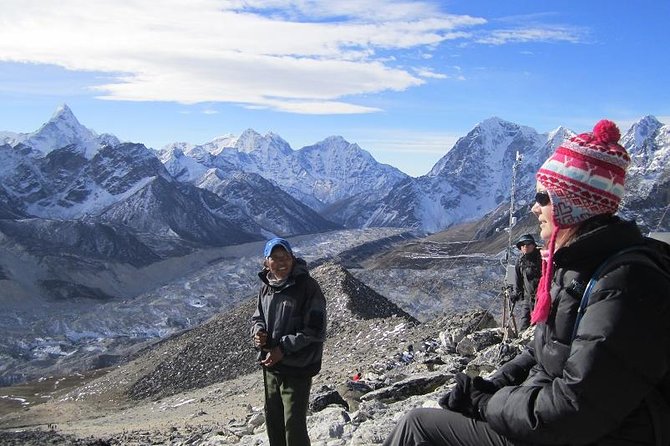
- You’ll see Everest-style views from multiple angles without committing to the toughest Base Camp slog
- Lukla is the gateway at 2,800m, so acclimatization and pacing matter from Day 2 onward
- Dudh Koshi River scenery is a big part of the fun, including the famous Hillary Suspension Bridge
- Tengboche delivers the monastery-and-mountain combo with a slightly tougher climb to earn the view
- Small-group trekking keeps things friendly and easier to manage (max 15 travelers)
- This is a meals-and-lodges trek, so you’re not doing extra logistics after a long walking day
More trails out of Kathmandu, boots ready
- Everest Base Camp Trek – 14 Days★ 5.0 · 1,499 reviews
- Everest Base Camp Trek★ 5.0 · 842 reviews
- Everest Base Camp Trekking★ 5.0 · 485 reviews
- Nagarkot Sunrise View and Day Hiking from Kathmandu★ 5.0 · 471 reviews
From Kathmandu to Lukla: the fast start and why it matters
Your trip begins in Kathmandu, with an airport meet-and-greet and a transfer to your hotel. The next morning is the “go time” part: you’re escorted to the domestic terminal for an early flight to Lukla (2,800m/9,186ft), the gateway village where the trek truly starts.
That altitude jump isn’t just trivia. It’s why you should treat the first walking days as warm-up days, not personal best-day attempts. The route gives you a gradual feel for the air by mixing river walking, forest sections, and a steady progression toward the main viewpoints.
One practical note: the itinerary has a start time listed at 5:00 am, and the Lukla flight is early. If you’re not a morning person, build in extra sleep the night before and plan to be flexible. Trekking in Nepal runs on local rhythms, not your jet lag calendar.
Phakding to Namche Bazaar: pine forests, Dudh Koshi, and bridge energy
Day 2 is a trek of about 3 to 4 hours from Lukla through the village of Lukla until you reach Phakding. It’s a good first day because you’re not thrown into the biggest climbs immediately—you’re introduced to the terrain while still keeping your legs fresh enough for what comes next.
Day 3 steps it up to about 5 to 6 hours and follows a track through pine forest along the Dudh Koshi River, crossing suspension bridges (including the well-known Hillary Suspension Bridge). This is one of the best “feel it in your legs” sections of the whole trip. The bridges break up the walking rhythm, and the river valley keeps the views changing as you move.
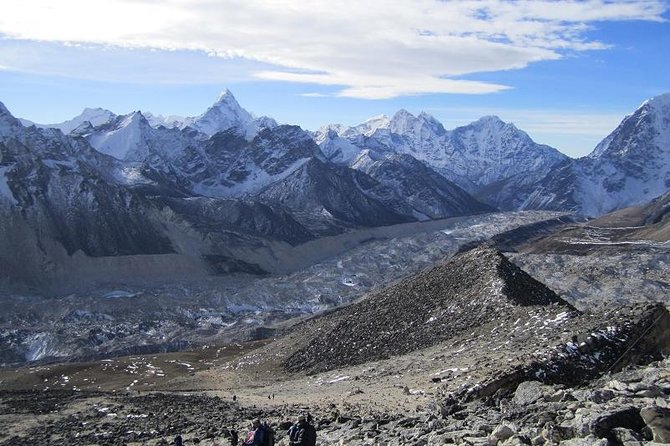
It also sets the tone for the Everest-region drama. Along the way, you get a wonderful prospect of Mt. Thamserku. I love these moments because they remind you you’re not just hiking through villages—you’re walking inside a real mountain system, with peaks that keep reappearing like they’re on cue.
Tengboche monastery views: Everest, Nuptse, Lhotse, and Ama Dablam day
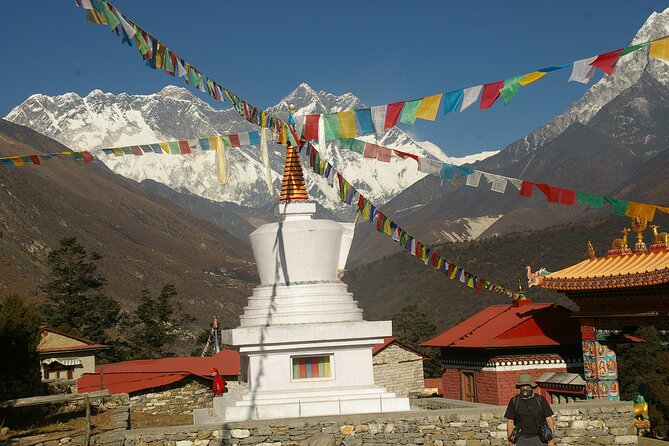
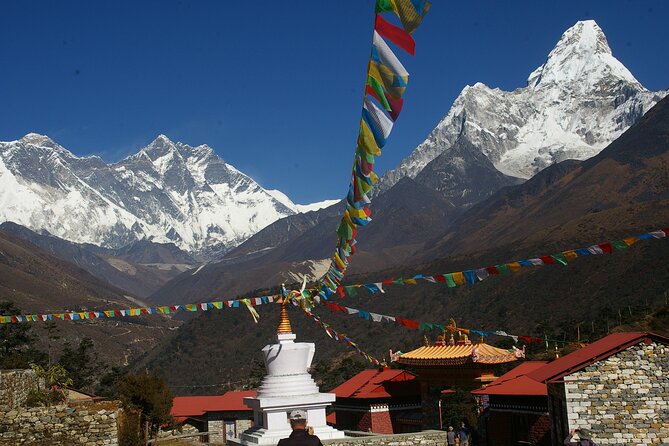
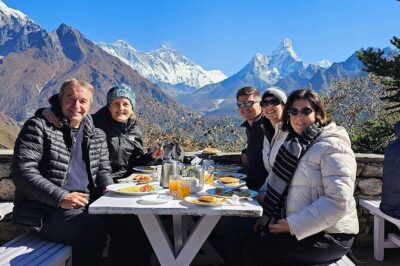
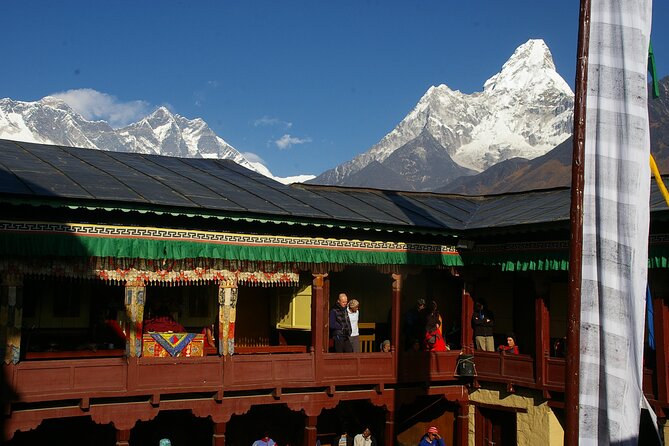
Day 4 is about 5 to 6 hours, and it’s the day built for the classic Everest-region viewpoint payoff. After breakfast, you head toward Tengboche, with superb views of Mt. Everest, Mt. Nuptse, Mt. Lhotse, Mt. Ama Dablam, and more Thamserku scenery as well.
What I like here is the pacing: you get meaningful mountain sightlines first, then you work your way through pine forests and a slightly tougher climb to reach Tengboche. There’s also a relaxed lunch at Phunki Thenga, which matters. In high-altitude trekking, eating well and not rushing your rest time makes you walk smarter later.
Tengboche itself is famous for the monastery setting on a clifftop vibe. Even if you’re not chasing cultural stops, it’s worth soaking in because the views are framed in a way photos can’t fully replicate. You’ll feel small in the best way—like the mountains are doing the talking.
The Namche to Monjo section: where the trail turns steeper
Day 5 runs about 5 to 6 hours and follows a trail that clings to a steep, wooded slope beyond Kyangjuma. The path winds through bends, and the upside of a steeper route is that your effort often buys you changing scenery and a strong sense of “we’re really in it now.”
This day also includes wildlife watch moments. You might spot mountain goats or colorful pheasants, and even if you don’t get dramatic sightings, it’s a reminder to slow down for a second and look beyond just the next switchback.
Then comes the big geography shift: you’ll descend steeply from Namche Hill to cross a suspension bridge over the Dudh Koshi near where the Dudh Koshi and Bhote Koshi rivers meet. The itinerary specifically notes that this descent makes tomorrow easier for porters, which tells you how the route planning works—these details affect who gets tired, not just who gets a view.
Overnight in Monjo keeps you grounded and helps reset after the ups-and-downs. It’s also a good base for the final “lower altitude” day.
Lukla finale and the last mountain evening you’ll remember
Day 6 is about 4 to 5 hours, and it’s described as the last walk at lower altitude in the Everest region. A good chunk of the track is flat, with undulating terrain that runs through open plains, rhododendron, and pine forests. In the distant background, Kwangde peak shows up—small, but a nice reward after days focused on the bigger names.
This is the day I’d call a mental reset. Your body still needs careful pacing, but the route feels less grindy than the earlier climbs. You also get a chance to spend some relaxing moments with the whole crew, and the itinerary hints at something real: not everyone in your group may return with you to Kathmandu, depending on how your travel plans line up.
Overnight back in Lukla sets you up for Day 7, when you fly back to Kathmandu. Day 8 is a farewell with the standard closing energy you get after a trek—part relief, part wishing your legs didn’t remember that terrain so vividly.
Price and logistics: is $1,225 good value for this trek?
For $1,225 per person, you’re paying for more than “time on a trail.” You’re paying for a managed, supported mountain experience with meals, overnight stays, and guided movement through multiple days of lodging. The itinerary also includes the big transport steps: getting from Kathmandu to Lukla by domestic flight early, and then flying back to Kathmandu later.
It’s worth treating the price like this: trekking in Nepal isn’t just your shoes and your motivation. It’s the logistics of getting people into the right valleys, matching you with the pace of your group, and keeping the daily plan working even when trail conditions change.
A few practical value signals in the tour details:
- Small group size (max 15 travelers) usually means less chaos and more attention
- Pickup offered in Kathmandu makes your first day easier to start right
- Mobile ticket is mentioned, which can reduce paperwork stress
- The itinerary is structured with daily trek hour windows (often 4–6 hours), so you can plan your energy
What you should plan for personally (because it’s not listed, but it matters): you’ll want the right layers for cool mornings and changeable weather, plus footwear that handles rocky trail days and river-bridge crossings. This trek is moderate physically, but it’s not a stroll.
Guides, Sherpa villages, and the human side of the mountains
In the Everest region, the difference between a good trek and a memorable one often comes down to the people helping you manage it. This trek runs with a guide-led structure and includes the kind of local expertise that keeps you safe, moving at the right speed, and understanding what you’re seeing beyond the postcard view.
In the wider Epic Adventures experience set, guides like Ramkumar, Anil, Basu, Shree, OM, and Gyanashwor Adhikari are repeatedly praised in the provided feedback for being helpful and supportive, including motivation when people feel low and clear communication on the route. Porters are also highlighted—names like Santosh show up as people who keep comfort and care part of the plan, not an afterthought.
You can use this to your advantage. If you’re booking and you have preferences, it can be worth asking who will lead your group and whether you can request a specific guide (when options are available). For a trek like this, that personal fit matters.
And don’t skip the Sherpa village moments just because you’re chasing peaks. Those stops are where you get the texture of daily mountain life—food smells, trail chatter, small storefronts, and the pace of local routines.
Weather and mountain reality: why flexibility is part of the price
The tour data makes it clear this experience requires good weather. That isn’t a vague warning. In the Everest region, visibility can change fast, and flights can be affected by conditions.
So the best way to “win” this trek is to travel with flexibility in your schedule. If your entire Nepal trip is locked to one strict date range, you can get stressed fast when weather forces adjustments.
When weather is good, this trek delivers exactly what you want: multiple days of Everest-region panoramas framed by forests, bridges, and monastery settings. When it’s not, it’s the kind of trip where waiting a bit (or shifting dates) usually makes the difference between a decent view and a truly satisfying one.
Who should choose this Everest Panorama Trek?
This is a solid pick if you want Everest-region scenery but you’re not aiming for the full endurance of the harshest high-altitude route. The itinerary is designed around multi-day walking with moderate physical fitness recommended, and the daily hours are kept in a manageable range for many first-time trekkers who train a bit first.
You’ll likely enjoy it most if:
- you like structured days (trek hours spelled out, lodging planned)
- you want classic Everest views like Everest/Nuptse/Lhotse/Ama Dablam sightlines
- you value a smaller-group feel over big-tour bus energy
- you want the Sherpa villages and monasteries, not just altitude bragging rights
You might want a tougher Everest option instead if you’re chasing a harder objective or want the full Base Camp journey. This trek gives you a taste with big rewards, not a full conquest.
Should you book Everest Panorama Trek with Epic Adventures?
If you want Everest views with sensible pacing and you like the idea of having meals, overnights, and daily logistics handled, I’d book it. For the price, the value is in the support: you fly into the right starting point, walk a well-planned route through iconic scenery, and get back without having to solve mountain logistics mid-trek.
Book if you’re willing to treat this like a mountain experience, not a casual hike. Get your sleep the night before, move steadily, and plan on feeling tired in the best way.
Skip (or consider a different plan) if early mornings and altitude discomfort scare you more than they motivate you. This trek is “gentler,” not “easy.”
If you’re good with that trade, Everest Panorama Trek is one of those rare trips that feels like it hits the highlights of the Everest region while still leaving room to enjoy the journey itself.
FAQ
How long is the Everest Panorama Trek?
The trek is listed as 8 days (approx.).
Where does the trek start?
You start in Lukla (2,800m/9,186ft) after an early morning domestic flight from Kathmandu.
What time does the tour start each day?
The start time is listed as 5:00 am.
How many people are in a group?
This tour has a maximum group size of 15 travelers.
What kind of fitness level do I need?
The tour notes that travelers should have moderate physical fitness.
Are meals and overnight stays included?
Yes. Dinner and breakfasts are included, along with overnight stays in lodges as described by the trek days.
How long are the trekking days?
Walking times vary by day, including 3 to 4 hours, 5 to 6 hours, and 4 to 5 hours on different days.
Does the itinerary include flying back to Kathmandu?
Yes. After your final trekking day, you fly back to Kathmandu.
What happens if the trip can’t run due to poor weather?
The experience requires good weather. If it’s canceled due to poor weather, you’ll be offered a different date or a full refund.
Is there a mobile ticket?
Yes. The tour details mention mobile ticket.
More Trekking Out of Kathmandu
More Tour Reviews in Kathmandu
Just Reviewed in Kathmandu
- Mountain Bike Tour
★ 5.0 · 3 reviews - Annapurna Panaroma
★ 5.0 · 3 reviews - Mount Everest Scenic Flight 50 Minutes
★ 5.0 · 3 reviews - Kathmandu : Swambhunath & Durbar Square Guided Half Day Tour
★ 3.3 · 3 reviews - Chandragiri Cable Car & Monkey Temple Tour – Private/Group
★ 5.0 · 3 reviews - Kathmandu: Shivapuri National Park Hiking Day Trip
★ 3.3 · 3 reviews
Hiking & Trekking, compared.
 ★ 5.0Everest Base Camp Trek – 14 DaysFrom $1,8001,499 reviews
 ★ 5.0Everest Base Camp TrekFrom $1,790842 reviews
 ★ 5.0Everest Base Camp TrekkingFrom $1,350485 reviews
 ★ 5.0Nagarkot Sunrise View and Day Hiking from KathmanduFrom $45471 reviews
 ★ 5.0Annapurna Circuit Trek with Tilicho LakeFrom $1,093368 reviews
 ★ 5.0Everest Base Camp Trekking – 13 DayFrom $1,399365 reviews
★ 5.0Everest Base Camp TrekFrom $1,445350 reviews
★ 5.0Everest Base Camp Trek -14 DaysFrom $1,420321 reviews
★ 5.0Everest Base Camp Trekking – 13 DayFrom $1,399365 reviews
★ 5.0Everest Base Camp TrekFrom $1,445350 reviews
★ 5.0Everest Base Camp Trek -14 DaysFrom $1,420321 reviews