
Review · KATHMANDU CITY SIGHTSEEING TOURS
Full-Day Kathmandu Private Sightseeing Tour
Four UNESCO stops, one smooth day. This private tour is a smart way to pack Kathmandu’s top spiritual and cultural landmarks into one organized circuit, with an English-speaking guide who helps you read what you’re seeing. I especially like the calm of the air-conditioned pickup-and-dropoff ride, and the way the stops connect—starting at Swaymbhunath and building toward the powerful Bagmati River rituals you can watch from outside the main temple area.
One thing to double-check before you go: the stop details list admission tickets as not included, but the tour package also states that entrance fees are included. Double-check admission fees with the provider so you’re not surprised on the day, especially at major temple sites.
In This Review
- Key Points to Know Before You Go
- How the AC Pickup Turns a Long Day into a Doable One
- Swaymbhunath: Stupa Views, Shrine Details, and a Hilltop Lesson in Symbols
- Kathmandu Durbar Square: Royal Spaces, Temple Variety, and Why It Feels Like the City’s Center
- Pashupatinath: Shiva Lingams, Golden Temple Architecture, and the Bagmati Cremation View
- Boudhanath Stupa: A Big Dome, Prayer Flags, and a Slower Buddhist Rhythm
- Price and Value: What $75 Buys in Kathmandu
- Timing, Comfort, and What to Bring for a Temple Circuit
- Who This Tour Fits Best
- Should You Book This Private Kathmandu Sightseeing Tour?
- FAQ
- FAQ
- What is the duration of the Full-Day Kathmandu Private Sightseeing Tour?
- Where does the tour start and end?
- Is pickup included?
- What sites are visited during the tour?
- How long do you spend at each stop?
- Are entrance fees included?
- What is included in the price besides the guide?
- What is not included?
- Is this a private tour?
- Do I need to worry about last-minute cancellation?
Key Points to Know Before You Go
- Private air-conditioned vehicle keeps a full day of hopping between hilltop and riverfront sites easier.
- Experienced English-speaking guide helps turn stone, symbols, and city layout into a story you can follow.
- Swaymbhunath’s stupa complex includes monasteries, temples, and shrine areas—not just one viewpoint.
- Pashupatinath is about what you can see from the outside, including the Bagmati River cremation area.
- Boudhanath’s dome and prayer flags set a slower rhythm for reflection before you head back.
- Tickets may need confirmation since the inclusions say entrance fees are covered while the stop notes say admission tickets aren’t included.
Just your group, at your own pace
- Private Kathmandu Sightseeing Tour | UNESCO World Heritage sites★ 5.0 · 756 reviews
- Kathmandu: Full Day 7 UNESCO Tour with Lunch – Private/Group★ 5.0 · 415 reviews
- Private Bhaktapur and Nagarkot Day Tour From Kathmandu★ 5.0 · 305 reviews
- Kathmandu: Full Day Top 4 UNESCO Tour with Lunch – Private/Group★ 5.0 · 269 reviews
How the AC Pickup Turns a Long Day into a Doable One
Kathmandu can feel like a city of moving parts: hills, rivers, traffic, and crowds at the most meaningful places. What makes this tour work is the private air-conditioned vehicle and the simple promise that you’ll be picked up and returned to the same meeting point at Nepali Ghar Hotel on Amrit Marg. For an 8-hour day, that matters. You spend less energy guessing transport and more time actually looking at temples.
The vehicle also helps with timing. Each major stop is set for about two hours, which is long enough to walk at your own pace but short enough that you’re not exhausted by the time you reach the next site. And because this is private, the day feels less like a conveyor belt and more like a guided walk—your group can pause for photos, rest, and ask questions without being rushed by a bigger group schedule.
One more quiet win: the package includes bottled water and covers local and government taxes. That reduces the little stress costs that add up when you’re paying on the fly.
Swaymbhunath: Stupa Views, Shrine Details, and a Hilltop Lesson in Symbols
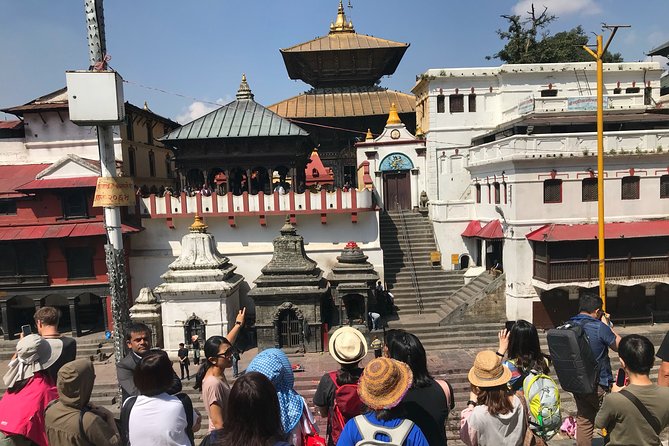
Swaymbhunath (often called the Monkey Temple area) sits on a western hillock of Kathmandu, and it’s the kind of place where the first look is only the beginning. You’re not just visiting one monument. The site is described as an ancient Buddhist stupa with a cluster of shrines—monasteries, temples, a museum, and a library area. That means your two hours here can be split between viewpoints and temple-to-temple wandering.
What I like about starting with Swaymbhunath is that it sets a visual and spiritual language for the rest of the day. You’ll see Buddhist symbolism and architecture, and you’ll also notice how the site fits into both Buddhist and Hindu cultural life. That overlap is part of why Kathmandu feels unique: religious spaces don’t always stay neatly in one box.
Practical tip: wear shoes you can trust on uneven stone. Hilltop sites in Kathmandu can include steps, narrow paths, and changes in surface texture. If you’re sensitive to altitude breathing or just long walks, plan a slower pace at the beginning rather than saving your energy for later.
Kathmandu Durbar Square: Royal Spaces, Temple Variety, and Why It Feels Like the City’s Center
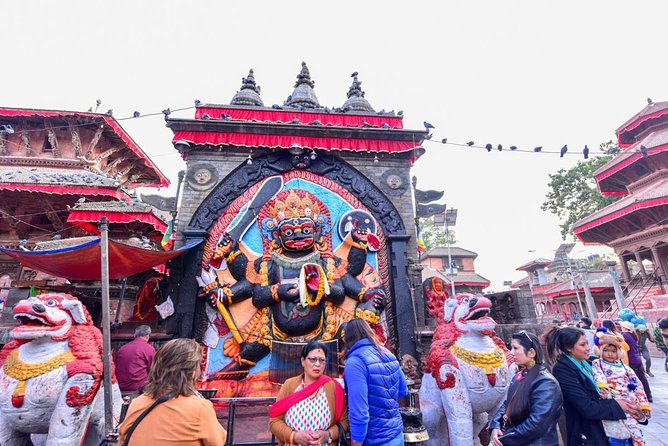
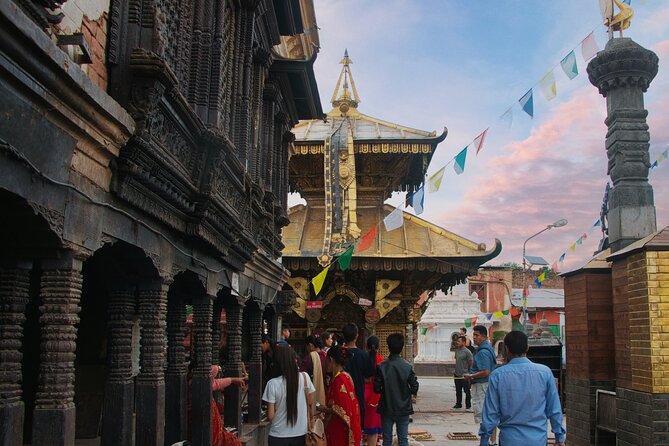
Kathmandu Durbar Square is in the heart of the city, and that central location is key. This isn’t just a scenic temple stop; it’s tied to the area’s historic royalty. The site holds the Royal square and a range of temples dedicated to Hindu gods and goddesses, so it reads like a map of beliefs rather than a single attraction.
Within the square, you can expect to see named landmarks such as Kumari Ghar and Taleju Temple, plus Kasthamandap, Kaal Bhairav, and Jagannath Temple. Even if you only catch portions of each area, the variety helps you understand why Durbar Square remains a “main” stop. Different temple styles and figures point to different roles in how power and devotion were expressed in earlier eras.
Durbar Square can also be more about atmosphere than quiet reflection. If you’re the type who likes people-watching, you’ll probably enjoy the sense that this is still part of everyday Kathmandu identity, not only a preserved museum-like zone. If you prefer calm, keep moving at a steady pace so you don’t get stuck waiting for views around the busiest temple corners.
Pashupatinath: Shiva Lingams, Golden Temple Architecture, and the Bagmati Cremation View
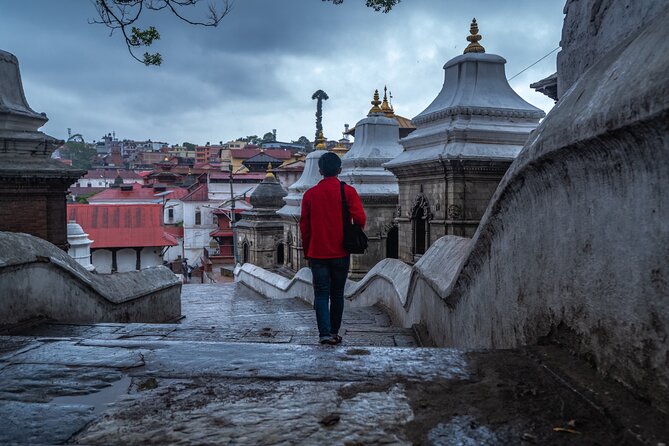
Pashupatinath Temple is one of the holiest Hindu shrines in the region and it’s also described as the largest Hindu temple in South Asia. The golden, two-tiered design is a major architectural highlight, and the presence of hundreds of Shiva lingams gives the place a strong visual focus. You’ll learn quickly that this is not a casual sightseeing stop. It’s a working sacred environment with real religious meaning.
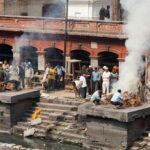
Here’s the crucial practical detail for your expectations: tourists are not allowed inside the temple premises. But you can still witness an open cremation area on the bank of the Bagmati River. That’s the moment many people remember, because it’s direct and unfiltered—something you see from the public viewing side while the religious process continues around you.
This is also where a good guide really earns their fee. The temple complex can feel overwhelming on first glance. Your guide’s role is to help you connect the visual details—architecture, shrine areas, and the placement of sacred elements—with what they represent in Hindu practice.
A balanced note: the cremation viewing area is powerful, and it may feel emotional or intense if you’re not used to seeing funeral rituals up close. If you know you’re sensitive to that kind of scene, plan how long you’ll spend there. You can keep the overall stop meaningful without forcing yourself to stay longer than you want.
Also, dress code matters at religious sites. The tour info doesn’t spell out clothing rules, so treat this as a “when in doubt, dress respectfully” moment: covered shoulders and modest clothing usually helps you feel comfortable and avoid attention.
More full days, well spent
Boudhanath Stupa: A Big Dome, Prayer Flags, and a Slower Buddhist Rhythm
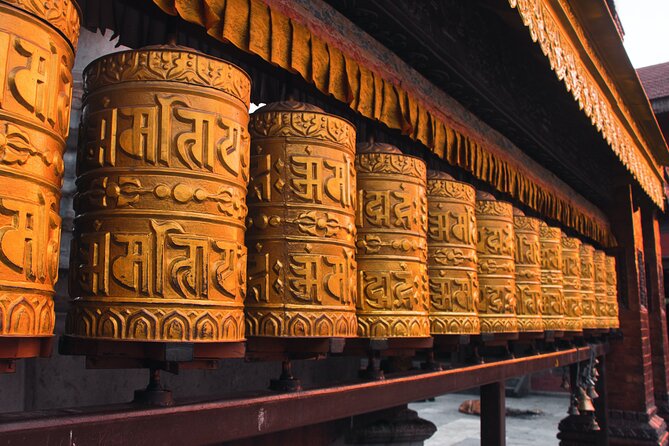
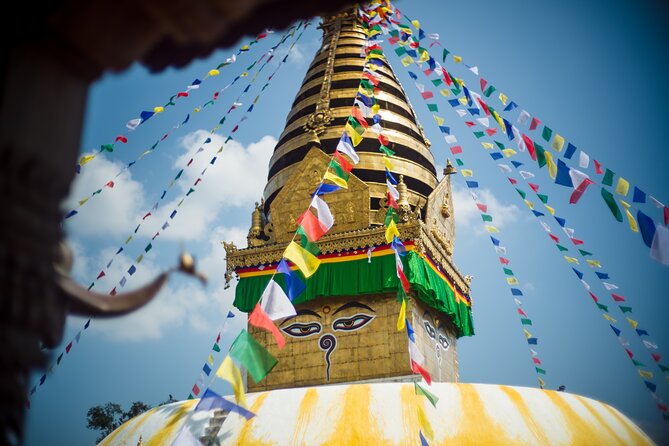
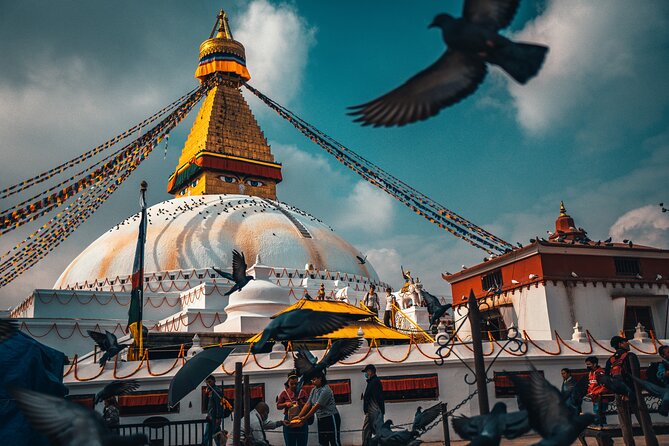
Boudhanath Stupa is one of the biggest and oldest Buddhist monuments in the world, and it has a strong identity even before you get close. The stupa is described as dome-shaped and built with three levels in a mandala style, plus colorful prayer flags. When you arrive, you’ll feel the shift in tone compared to more active temple areas.
The stupa is also tied to a Buddhist story: it’s considered the tomb of Kassapa Buddha. Whether you’re deeply Buddhist, loosely interested, or just a curious traveler, having a story attached to what you’re seeing helps your brain stop treating it like a decoration and start reading it as a spiritual marker.
What I like about including Boudhanath as the final major stop is the pace. After Pashupatinath’s intense emotional weight, Boudhanath gives you a chance to settle your senses. Two hours is enough to walk around, look up at the flags, and notice how the stupa’s architecture holds attention without pushing you to rush.
Practical tip: look for a spot where you can pause and actually watch how people move around the stupa. You’ll learn a lot just by observing the rhythm of quiet movement.
Price and Value: What $75 Buys in Kathmandu
At $75.00 per person, this private tour sits in a sensible mid-range category for Kathmandu. The value isn’t only that you’re paying for a guide. You’re paying for time saved and stress reduced: a private vehicle, an experienced English-speaking guide, bottled water, and taxes handled.
The other value is access to context. When you visit UNESCO World Heritage sites, your eyes can only do so much on their own. A guide helps you connect the architecture, the sacred objects, and the names you see on site—like Swaymbhunath’s stupa complex, Durbar Square’s Kumari Ghar and Taleju Temple areas, Pashupatinath’s golden structure and Shiva lingams, and Boudhanath’s three-level mandala-style dome.
Now, the one value-related caveat: the provided stop notes mention admission tickets aren’t included, while the package inclusions say entrance fees for sightseeing sites are included. That doesn’t mean the tour isn’t good—it means you should confirm what you’ll pay (if anything) on arrival. If entrance fees truly are covered, this becomes excellent value. If you end up paying extra, the price becomes less of a bargain.
Still, for a full-day circuit that ends back at your start point, you’re mostly buying convenience and clarity.
Timing, Comfort, and What to Bring for a Temple Circuit
This is an 8-hour day with four major stops, each around two hours. That’s a workable schedule if you plan for a full day outdoors and expect walking, stairs, and close-up crowds at religious sites.
Bring basics:
- Comfortable walking shoes for stone steps and uneven surfaces
- Sun protection (even when you think you’ll be in shade, hilltop areas can surprise you)
- Modest clothing that suits temple environments
- A small snack buffer, even though bottled water is included (the tour info doesn’t list lunch)
A helpful mindset: treat the day like a guided route through Kathmandu’s sacred map. You’ll get the most out of it if you keep your questions simple and focused, like asking what symbol you’re looking at or why a site is considered holy.
Also, use the private setup to your advantage. If you need a restroom break or want a slower pace near a particular shrine, a private guide can usually adjust better than a group tour.
Who This Tour Fits Best
This works best if you want a single-day overview of Kathmandu’s UNESCO highlights with real cultural context. If you’re short on time, it’s also a good way to avoid the mental overhead of coordinating separate tickets and transport.
It’s a strong choice for:
- First-timers who want the main spiritual sites without juggling logistics
- Travelers who like guided explanation at places with symbols and sacred objects
- Groups who want private transport and pacing rather than a crowded bus day
It may be less ideal if:
- You dislike emotionally intense scenes, especially around public funeral rituals
- You prefer very slow, unstructured days and hate feeling scheduled
- You strongly need certainty on admission fees without any confirmation step (due to the inclusion/ticket note mismatch)
Should You Book This Private Kathmandu Sightseeing Tour?
Yes—if you want a structured, guide-led day that hits the big UNESCO spiritual landmarks and explains what they mean, this is a solid pick. The combination of private air-conditioned transport, an English-speaking guide, and a route that moves from Swaymbhunath to Durbar Square, then onward to Pashupatinath and Boudhanath, makes the day feel focused instead of scattered.
Before you book, do one practical thing: confirm how entrance fees work for your exact dates. The package says entrance fees are included, while the stop details state admission tickets aren’t included. A quick message to the provider can clear up the only confusing part.
If you’re okay with a full day of walking and you’re prepared for the intensity of Pashupatinath’s cremation viewing from the riverside area, you’re likely to feel that the time was well spent.
FAQ
FAQ
What is the duration of the Full-Day Kathmandu Private Sightseeing Tour?
It runs for about 8 hours.
Where does the tour start and end?
It starts at Nepali Ghar Hotel, Amrit Marg 26, Kathmandu 44600, Nepal, and ends back at the same meeting point.
Is pickup included?
Yes, pickup is offered.
What sites are visited during the tour?
You visit Swaymbhunath, Kathmandu Durbar Square, Pashupatinath Temple, and Boudhanath Stupa.
How long do you spend at each stop?
Each stop is listed for about 2 hours.
Are entrance fees included?
The tour package states that entrance fees for sightseeing sites are included, but the stop notes list admission tickets as not included. You should confirm what applies for your booking.
What is included in the price besides the guide?
Included items include a private air-conditioned vehicle, an experienced English-speaking tour guide, bottled water, and all government and local taxes.
What is not included?
Personal expenses are not included.
Is this a private tour?
Yes. It is a private tour/activity, so only your group participates.
Do I need to worry about last-minute cancellation?
Cancellation is free up to 24 hours in advance for a full refund, based on local time. If you cancel less than 24 hours before the start time, the amount paid is not refunded.
Private Days, Your Group Only


More Tours in Kathmandu


More Tour Reviews in Kathmandu




Just Reviewed in Kathmandu
- Mountain Bike Tour
★ 5.0 · 3 reviews - Annapurna Panaroma
★ 5.0 · 3 reviews - Mount Everest Scenic Flight 50 Minutes
★ 5.0 · 3 reviews - Kathmandu : Swambhunath & Durbar Square Guided Half Day Tour
★ 3.3 · 3 reviews - Chandragiri Cable Car & Monkey Temple Tour – Private/Group
★ 5.0 · 3 reviews - Kathmandu: Shivapuri National Park Hiking Day Trip
★ 3.3 · 3 reviews
Kathmandu City Sightseeing Tours, compared.
 ★ 5.0Kathmandu Private Sightseeing Tour | UNESCO World Heritage SitesFrom $35109 reviews
 ★ 4.7Private Patan and Bhaktapur Sightseeing TourFrom $4964 reviews
 ★ 5.0Kathmandu Highlights: Private UNESCO World Heritage Sites TourFrom $4950 reviews
 ★ 5.0Explore Kathmandu in 2 Days: UNESCO Sites & Nagarkot Sunrise TourFrom $10037 reviews
 ★ 5.01 Day Kathmandu Valley Sightseeing TourFrom $3537 reviews
 ★ 5.04 UNESCO City Sightseeing in KathmanduFrom $5036 reviews
 ★ 5.0Full Day Kathmandu City Sightseeing Tour of UNESCO Heritage SitesFrom $5036 reviews
 ★ 5.0Private Full-Day Kathmandu All 7 UNESCO World Heritage Sites TourFrom $8030 reviews
Browse the lists this tour appears in