
Review · HIKING & TREKKING
Goisankunda, Trek of the Holy Lakes
A high mountain lake is the whole point. This Goisankunda trek is a classic village-to-lake journey, with a steady rhythm built around daily walking and overnight tea houses. I especially like the private jeep transfer that removes the stress of getting to trailhead and back, and I like that the trip handles the key basics: permit, guide, meals, and lodge beds. One thing to consider: you’re trekking every day for about five days, including a push up to 4390 m, so you’ll want solid moderate fitness and good acclimatization habits.
You start early (7:15 am), then settle into the trail. The route flows from Dhunche up through Chandanbari and toward the Gosainkunda lake area, then gradually eases down through Ghopte, Kutumsang, and Chisapani before ending at Sundarijal for the drive back to Kathmandu.
In This Review
- Goisankunda Trek Highlights You’ll Actually Notice
- Holy Lakes Route: What This Trek Feels Like Day to Day
- The Transport Win: Why the Private Jeep Matters in Real Life
- What You’re Paying For: Price and Value at $555
- Your Trail Support Team: Guide, Porter Energy, and Named Help
- Permits, Tea Houses, and Meals: The Daily Rhythm You’ll Follow
- Altitude Reality Check: Fitness and Acclimatization on This Route
- Daily Stops: Why Each Village-to-Village Step Is Part of the Point
- Packing and Booking Tips That Save You Time
- Who This Trek Suits Best (and Who Might Want Something Else)
- Should You Book the Goisankunda Trek?
- FAQ
- What is the duration of the Goisankunda trek?
- Where does the trek start and end?
- Is pickup included?
- What time does the tour start?
- How many people are in the group?
- Is this a private tour?
- What’s included in the trek meals?
- Is vegetarian food available?
- Are accommodation and permits included?
- What is not included?
- What is the cancellation policy?
Goisankunda Trek Highlights You’ll Actually Notice
- Private jeep to Dhunche and back from Sundarijal means fewer moving parts
- Every day walking for five straight days gives you real trek momentum
- Permit + experienced guide keeps the logistics tight and the route clearer
- Tea house/lodge lodging makes the nights predictable and not “camping roulette”
- Vegetarian meal option available if you mention it when booking
- Support from Flyeast Nepal staff is repeatedly praised, including named help like Abhi, Roshan, Ram, and Nani
More trails out of Kathmandu, boots ready
- Everest Base Camp Trek – 14 Days★ 5.0 · 1,499 reviews
- Everest Base Camp Trek★ 5.0 · 842 reviews
- Everest Base Camp Trekking★ 5.0 · 485 reviews
- Nagarkot Sunrise View and Day Hiking from Kathmandu★ 5.0 · 471 reviews
Holy Lakes Route: What This Trek Feels Like Day to Day
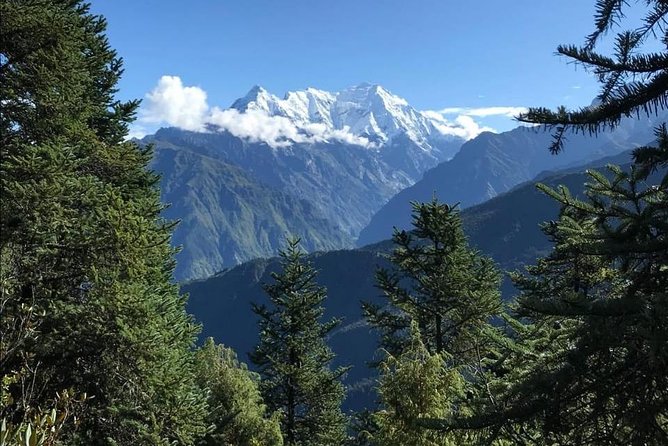
This trek is built around one big objective: reaching the Goisankunda / Gosainkunda lake area. It’s not a fast, stampede-style itinerary. It’s a purposeful grind: each day you walk from one village area to the next, earn your elevation gain, and then sleep in tea houses or lodges.
Day 1 is your warm-up, not a hike day. You drive from Kathmandu to Dhunche (about 1900 m). This matters more than it sounds. After a long drive, your body at least has time to get used to the region before you start climbing on foot the next day.
Day 2 takes you to Chandanbari (about 3330 m). Expect a long trek day where you’ll likely settle into a steady pace: keep moving, don’t sprint, and save your legs for the higher approach.
Day 3 is the arrival day at the Gosainkunda lake area (around 4390 m). This is the “holy lakes” moment. Even if you don’t get the highest viewpoints right away, the whole feeling changes once you’re near the lake zone—air seems thinner, breathing feels more noticeable, and everyone becomes very focused on the same skyline.
Day 4 drops you to Ghopte (about 3530 m). This day is useful because it gives you time to walk, but the altitude pressure eases compared with the peak day.
Day 5 continues down to Kutumsang (about 2470 m). The change in altitude is significant here, and that usually makes the trekking feel less punishing. Your legs still work, but your brain tends to relax a bit.
Day 6 heads to Chisapani (about 2215 m). By now you’ve built a rhythm. You also start to appreciate why village-to-village trekking is so popular: you pass through real daily settings rather than just hitting a single viewpoint and leaving.
Day 7 finishes with a trek to Sundarijal (about 1460 m) and then a drive back to Kathmandu. You’re moving less “up,” more “homeward.” The last day is often the one where you feel the relief first, then the tiredness shows up later.
The Transport Win: Why the Private Jeep Matters in Real Life
A lot of Himalayan treks turn into a logistics test. This one tries to reduce that. Your trip includes a private jeep to Dhunche and return from Sundarijal. That’s not just convenient—it helps you protect your energy for the walking days.
The start time is 7:15 am. You’ll want to be ready early, because once the jeep leaves, you’re on trail-time. If you’re prone to sleep-in mode while traveling, consider setting a second alarm. It’s a small thing, but missing pickup can become a big headache.
Also note the trip includes pickup offered. So you’re not wrestling with “how do we get to the trailhead?” on your own. That’s especially valuable if you’re arriving in Kathmandu without much buffer.
What You’re Paying For: Price and Value at $555
At $555 per person, you’re not just buying the trek. You’re buying the parts that tend to balloon in cost or complexity on your own. This includes:
- Private jeep transfer
- Experienced guide
- Trek permit
- Meals: three meals a day, with one item from the menu
- Accommodation: tea house/lodge stays
- Fuel surcharge
- Breakfast, lunch, dinner covered during trek days
So the value comes from bundling the “must-have” trail logistics. You don’t have to scramble for guide services, sort out permits, or decide where you’ll sleep every night. You still have to handle your own comfort choices (like what you buy for water or snacks), but the structure is set.
One more practical point: this is a small, private tour/activity with only your group participating. The maximum group size is 14, and the minimum is 2 people per booking. That tends to keep the experience more orderly than big shared departures.
Your Trail Support Team: Guide, Porter Energy, and Named Help
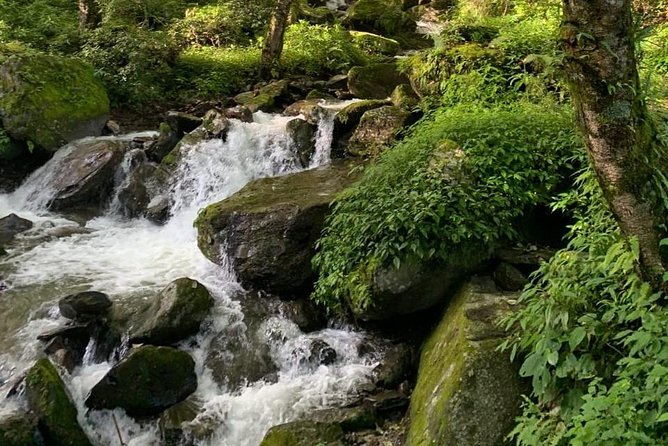
An experienced guide is included. That’s not a luxury add-on here; it’s part of why the trek stays manageable. You’ll have a knowledgeable person to help you understand the route day-by-day and keep your timing sensible.
On the support side, Flyeast Nepal’s team has earned strong praise in the reviews tied to this experience, including named staff members Abhi and Roshan for trip planning and advice. There’s also a standout mention of Ram, described as a porter guide who took care of everything needed. Another name that shows up is Nani, described as kind and patient with answers and a friendly attitude.
Even without assuming details beyond what’s provided, the overall takeaway is clear: you’re likely to get responsive help before you start and steady support while you’re on the move.


Permits, Tea Houses, and Meals: The Daily Rhythm You’ll Follow
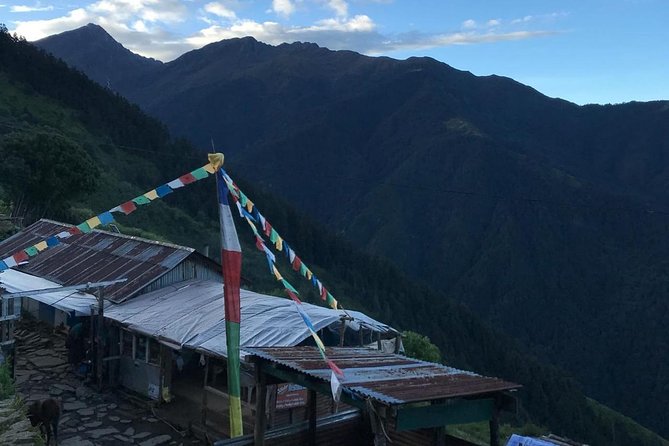
The trek includes the permit, plus tea house/lodge accommodation during trekking. That means you’re not hauling camping gear, and you’re not betting your night on finding something random at the last moment. Tea houses can vary in comfort, but the key is consistency: you’ll know where you’re sleeping each night as part of the plan.
Food is also organized. You get 3 meals a day on the trek, with one item from the menu included. Breakfast, lunch, and dinner are covered. Vegetarian options are available if you tell the team at booking.
Here’s the practical mindset for meals: don’t treat these meals like a restaurant menu. You’re fueling up for altitude and walking. If you have dietary needs, flag them early. The trip asks you to advise dietary requirements at booking, and that’s your best time to reduce surprises later.
Beverages of any sort aren’t included. So you’ll want to budget for drinks and plan for water needs. It’s smart to carry a refill option if you prefer, but the trip’s included items won’t cover that.
Altitude Reality Check: Fitness and Acclimatization on This Route
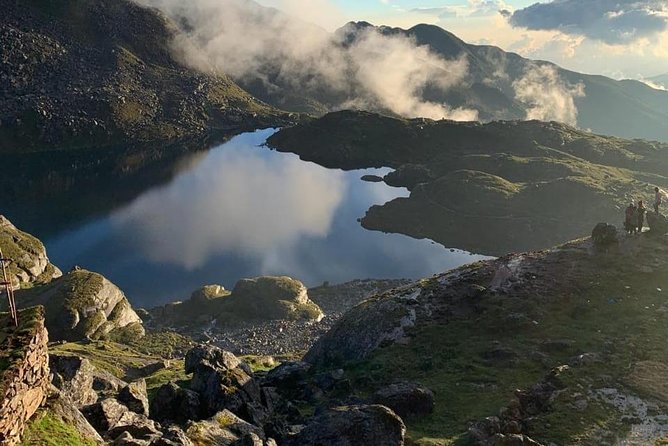
You should have a moderate physical fitness level. That’s accurate, because this is not a gentle stroll. You trek daily for five days. The altitude rises to about 4390 m at the Gosainkunda lake area, then drops gradually toward lower villages.
How do you handle it? The best advice is the boring advice: walk at a sustainable pace, take breaks, and don’t force speed. This itinerary includes an ascent day (to Gosainkunda), followed by days that reduce altitude stress. That helps, but it doesn’t mean you should ignore your body.
If you’re prone to altitude symptoms, bring experience from past hikes (or be extra cautious). If you’re starting from scratch, give yourself the best chance by being conservative in your first few walking days, especially before the higher point.
Also remember: the first and last days include driving. That gives you some recovery time around the most intense days. Use that time wisely—sleep, hydrate, and keep your packing simple.
Daily Stops: Why Each Village-to-Village Step Is Part of the Point
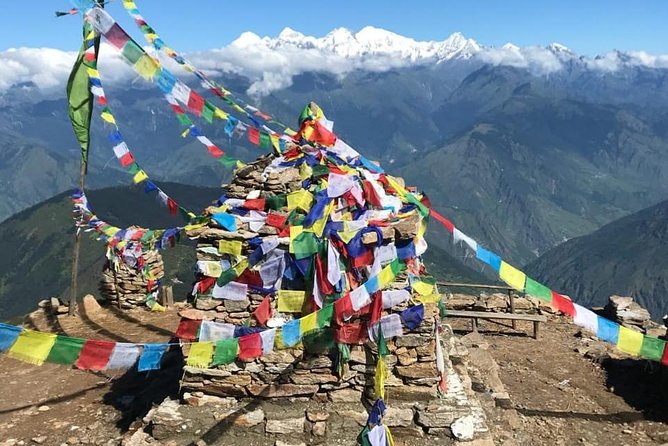
Each day’s destination isn’t just a dot on a map. It shapes how your body handles time at altitude and how you experience Nepal beyond a single big moment.
- Dhunche (1900 m): You’re getting your bearings. It’s the foundation for everything that comes after.
- Chandanbari (3330 m): A climb day that helps you transition from road time to trek time.
- Gosainkunda lake area (4390 m): The objective. Expect the “special” feeling that comes with thin-air elevation.
- Ghopte (3530 m): A balancing day after the top day, giving your body room to reset.
- Kutumsang (2470 m): Big altitude release. This often feels like the trek starts becoming more doable.
- Chisapani (2215 m): Your return toward lower altitude, still walking and still earning the end.
- Sundarijal (1460 m): Lower altitude before the drive back to Kathmandu, helping you finish feeling less wrecked.
This is one reason I like itineraries that don’t feel like nonstop “maximum day.” You’ll still work hard, but you’ll also feel like you’re being walked along a logical path rather than yanked through it.
Packing and Booking Tips That Save You Time
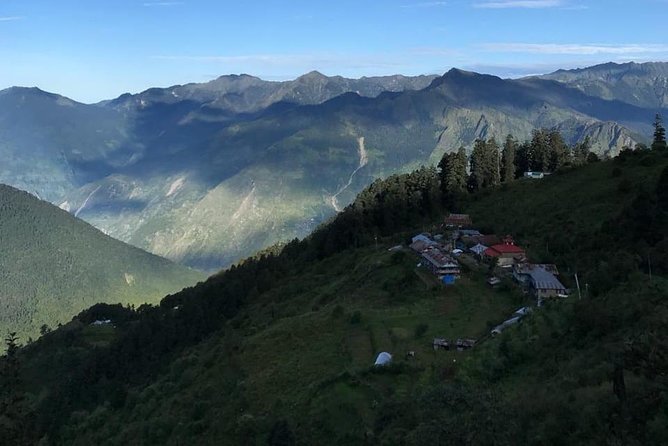
You’ll have a guide, lodge stays, and meals. So your packing can be lighter than a fully self-supported hike, but you still need to plan for weather and altitude.
Pack around the assumption that it can feel colder at higher elevations, and that you’ll be walking daily. Bring layers you can adjust, not one bulky coat you wrestle on and off.
At booking, ask questions early if you have diet needs. Vegetarian is available, but you must request it when booking. If you’re unsure about any meal details, clarify before you go.
Also double-check that your plans match the group size model. This is private to your group. With a minimum of 2 people, the schedule is generally set, so it’s better for couples and small groups who want a guided structure.
Who This Trek Suits Best (and Who Might Want Something Else)
This is a great fit if you want:
- A guided trek with real structure
- Daily walking for about five days
- Tea house/lodge nights
- Support that includes a permit, meals, and transport
It’s also a strong choice if you care about being in a smaller private group rather than sharing with strangers.
If you’re looking for a mostly “easy day” vacation with minimal altitude effort, this probably isn’t it. The route goes up to around 4390 m and keeps you trekking nearly every day.
Should You Book the Goisankunda Trek?
I’d book this trip if you want the Holy Lakes experience without turning your vacation into a project. The combination of private jeep transfers, included permit, guide, daily meals, and tea house lodging makes it feel well organized for the price.
I’d hesitate only if altitude makes you nervous and you don’t have recent hiking experience at elevation. In that case, you can still consider it, but you should be honest about your fitness and comfortable pace.
If you do book, do one smart thing: tell them your dietary needs at booking (vegetarian is available), and be ready for a true multi-day trekking rhythm. Then enjoy the real payoff when you reach the lake area and the whole route makes sense.
FAQ
What is the duration of the Goisankunda trek?
It’s about 7 days.
Where does the trek start and end?
You drive to Dhunche at the start, and at the end you trek to Sundarijal and then drive back to Kathmandu.
Is pickup included?
Yes, pickup is offered.
What time does the tour start?
Start time is 7:15 am.
How many people are in the group?
The minimum is 2 people per booking and the maximum is 14 people.
Is this a private tour?
Yes. Only your group will participate.
What’s included in the trek meals?
You get 3 meals a day during the trek, including breakfast, lunch, and dinner, with 1 item from the menu included.
Is vegetarian food available?
Yes, vegetarian options are available if you advise at time of booking.
Are accommodation and permits included?
Yes. Accommodation in tea houses/lodges and the permit for the trek are included.
What is not included?
Hotels or other activities in Kathmandu, personal insurance, beverages of any sort, and tips & gratitude for the staff are not included.
What is the cancellation policy?
Free cancellation is available. You can cancel up to 24 hours in advance for a full refund, based on the local start time.
More Trekking Out of Kathmandu






More Tour Reviews in Kathmandu




Just Reviewed in Kathmandu
- Mountain Bike Tour
★ 5.0 · 3 reviews - Annapurna Panaroma
★ 5.0 · 3 reviews - Mount Everest Scenic Flight 50 Minutes
★ 5.0 · 3 reviews - Kathmandu : Swambhunath & Durbar Square Guided Half Day Tour
★ 3.3 · 3 reviews - Chandragiri Cable Car & Monkey Temple Tour – Private/Group
★ 5.0 · 3 reviews - Kathmandu: Shivapuri National Park Hiking Day Trip
★ 3.3 · 3 reviews
Hiking & Trekking, compared.
 ★ 5.0Everest Base Camp Trek – 14 DaysFrom $1,8001,499 reviews
 ★ 5.0Everest Base Camp TrekFrom $1,790842 reviews
 ★ 5.0Everest Base Camp TrekkingFrom $1,350485 reviews
 ★ 5.0Nagarkot Sunrise View and Day Hiking from KathmanduFrom $45471 reviews
 ★ 5.0Annapurna Circuit Trek with Tilicho LakeFrom $1,093368 reviews
 ★ 5.0Everest Base Camp Trekking – 13 DayFrom $1,399365 reviews
★ 5.0Everest Base Camp TrekFrom $1,445350 reviews
★ 5.0Everest Base Camp Trek -14 DaysFrom $1,420321 reviews