
Review · GUIDED
Guided Everest expedition 2024- Nepal side
Everest starts long before the summit. This Nepal-side expedition is built like a long training hike with one big goal at the top, plus serious infrastructure to keep you moving safely through the Khumbu. You’ll spend weeks climbing higher, sleeping at altitude, and tightening your body’s response to thin air, then move into the summit window when conditions allow.
I like two things a lot. First, the support setup is practical: you get one climbing Sherpa guide per climber, plus climbing logistics at altitude like oxygen (six 20-liter bottles) and rope/icefall charges handled in the plan. Second, the way the expedition aims to keep day-to-day life workable stands out—think hot, team-managed camp routines and a “you’re not doing this alone” approach from the local Sherpa side. In the broader agency experience I’ve seen referenced, guides like Gabesh ji and Raju are praised for making climbers comfortable with steady help, hot water, and even bulky oxygen handling.
One possible drawback is the price-to-stress ratio: $42,000 is a major spend, and it doesn’t remove the biggest risks. You still need strong fitness, time for slow acclimatization, and you’ll want solid insurance because life/medical insurance and emergency evacuation are not included. In other words, the plan helps a lot, but it can’t erase altitude, weather, or the chance you won’t summit.
In This Review
- Key highlights you’ll feel on this Everest run
- Everest from Kathmandu: what the 60-day plan really buys you
- Kathmandu (and those prep days before the mountains)
- Lukla flight + the Phakding and Namche build-up
- Thyangboche, Pheriche, and Lobuche: gaining altitude step by step
- Everest Base Camp living: tents, showers, and rope/icefall planning
- The summit window: how the climb phase is structured
- Scenery promises you should actually plan for
- Price and logistics: what $42,000 covers (and what you must budget)
- Who this Everest expedition fits best
- Final thoughts: should you book this Nepal-side Everest plan?
- FAQ
- What’s the duration of the Everest expedition on the Nepal side?
- Where does the trip start and how does it end?
- Are flights to Lukla included?
- Is Everest permit coverage included?
- Does the tour include oxygen and climbing support?
- What’s not included that could affect your budget?
Key highlights you’ll feel on this Everest run
- A full 60-day arc: slow altitude building, a long climbing window, then a gradual return with proper trekking days
- South-side Everest permit to the top: included, which matters when you’re budgeting and planning
- Lukla flights with 50kg cargo: built into the schedule so you’re not guessing logistics mid-trip
- Oxygen and rope work are included: six 20-liter bottles plus fixed rope/main rope charges
- Base-camp comfort details: dining, showers, toilet tent, store tent, and even tables/chairs in the Everest Base Camp area
- Small group size (max 15): more control, less crowd pressure than some bigger operations
More days made easy with a local guide
- Kathmandu: Private City Guided Tour★ 4.9 · 174 reviews
- Full Day Guided Tour in Kathmandu★ 5.0 · 61 reviews
- Kathmandu Guided Tour★ 5.0 · 59 reviews
- 12 Day Everest Base Camp Guided Trek★ 5.0 · 40 reviews
Everest from Kathmandu: what the 60-day plan really buys you
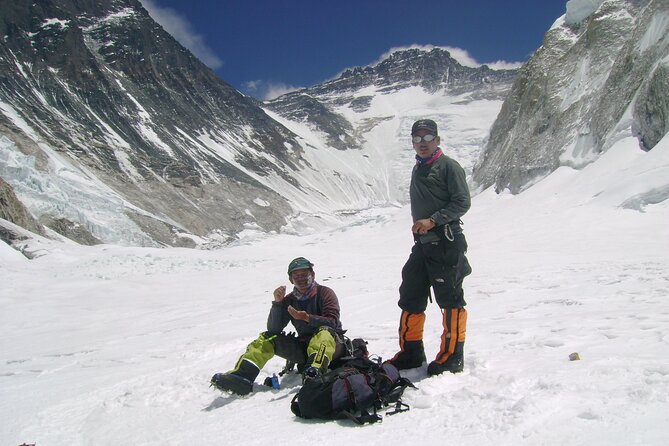
At this altitude, the “tour” is really a full expedition system. You’re not just hiking to Everest Base Camp; you’re living in a rhythm that repeats: walk higher, rest, eat, sleep, and adjust. The itinerary stretches roughly 60 days, with a long acclimatization runway and then an extended stretch dedicated to the climb itself.
That timeline matters for value. For $42,000, you’re paying for planning, permits, Sherpa climbing support, flight logistics into the Khumbu, and the infrastructure that helps you function day after day. You’re also paying for time—lots of it—because the body generally needs days, not hours, to respond to altitude.
One nice touch in the overall setup: pickup is offered and the start point is Tribhuvan Airport in Kathmandu. That reduces the chaos at the beginning, especially when you’re arriving from sea-level life and still have to get paperwork and gear sorted.
Kathmandu (and those prep days before the mountains)
Your expedition starts in Kathmandu with four nights in a 5-star hotel, bed and breakfast. That’s not just comfort for comfort’s sake. When you’re heading into a high-altitude expedition, sleep and food structure early on can make a difference—especially if your body is already a bit stressed from travel.
After you arrive and settle in, you’ll move through preparation days and a briefing in the tourism department. It’s the kind of step that sounds bureaucratic until you realize how much it reduces uncertainty later. Everest logistics depend on permits and official clearances, and the better those are handled up front, the smoother your trekking rhythm becomes.
A practical reminder: lunch and dinner in Kathmandu are not included. Since the rest of the trip is full-board on the trek and climbing side, you’ll likely want to budget for those meals only in the Kathmandu window.
Lukla flight + the Phakding and Namche build-up
The big jump from Kathmandu to the trail happens fast. You’ll fly Kathmandu to Lukla and then trek to Phakding by lodge. The Lukla leg includes carry for 50kg cargo per climber, with the plan explicitly covering the flight with that cargo allowance. That’s important because it affects how you pack, and it reduces the risk of arriving and then having to rework your load in a place where time is precious.
From there, you’ll climb to Namche Bazaar (around 3,440m). Namche is where the Khumbu starts to feel like a high-altitude town. You’ll also get your acclimatization day, with a hiking day designed for you to practice being higher while still sleeping at a manageable elevation.
That day matters more than it sounds. When acclimatization goes wrong, it’s not a small inconvenience; it can turn into a safety issue quickly. An extra day built into the schedule is the kind of “boring” planning that keeps you in the game later.
Thyangboche, Pheriche, and Lobuche: gaining altitude step by step
After Namche, the route goes to Thyangboche (about 3,800m), then onward to Pheriche (about 4,243m), and then to Lobuche (around 4,930m). Each stop is part of a gradual rise, and each one helps you learn how your body reacts as altitude climbs.
Thyangboche is especially valuable for the way it anchors your sense of place. It’s one of those stops where the views and the mountain presence hit harder because you can see bigger distances. The program also promises big-name peaks in clearer moments—Everest, Lhotse, Nuptse, Ama Dablam, Makalu, and Cho Oyu—and this stretch is where that payoff often begins.
Pheriche and Lobuche are more about function than postcard moments. As you approach higher camps, you’re preparing for the kind of slow movements and appetite changes that come with altitude. The expedition’s structure pushes you into that reality stepwise, with lodge nights that keep you stable while you adjust.




Everest Base Camp living: tents, showers, and rope/icefall planning
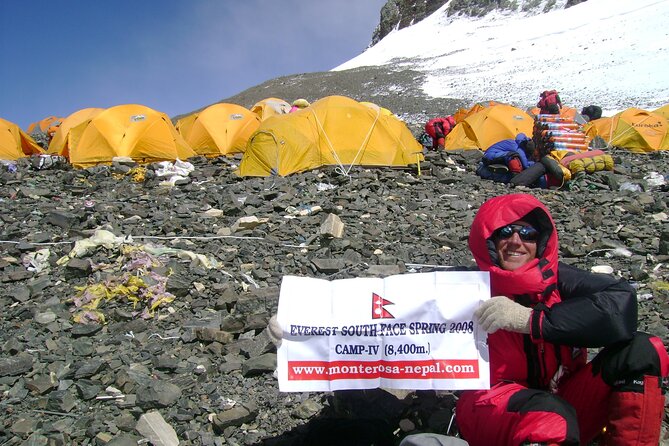
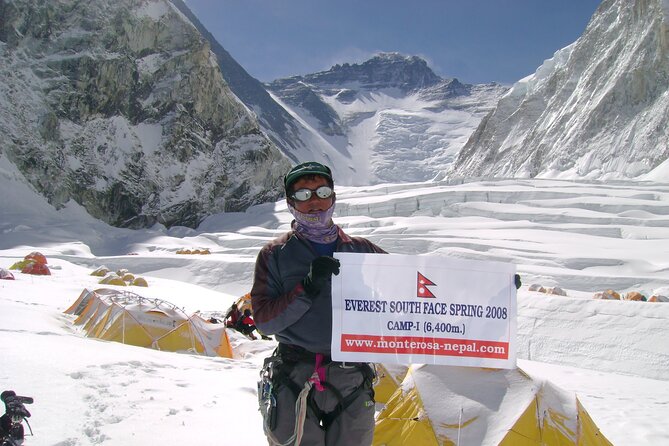
Once you reach Everest Base Camp (around 5,360m), the expedition shifts from trekking comfort to expedition systems. Base camp isn’t just a waypoint; it’s your operating base for the climb phase.
Here’s what the included setup means for real life on the ground:
- You get a camp tent (the plan states a north face / similar tent in Everest Base Camp).
- You have dining, shower, store tent, toilet tent, plus table and chair in the base-camp area.
- You’re covered for key technical logistics like icefalls charge, fixed rope, and main rope for the climbing side.
Those details are more valuable than you might think. In high-altitude camps, the difference between chaotic and organized is safety and sanity. If someone’s responsible for dining space, toilets, and the storage workflow, you’re less likely to waste energy on avoidable problems.
And then there’s oxygen. The plan includes six 20-liter bottles with mask and regulator. That doesn’t make altitude easy, but it gives you a defined support level for the climb and high-altitude period.
The summit window: how the climb phase is structured
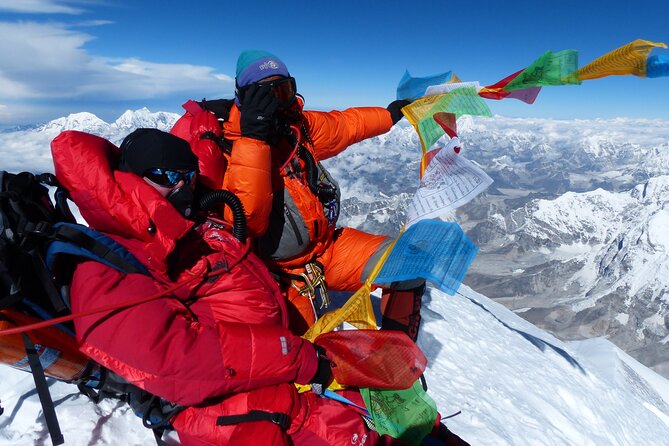
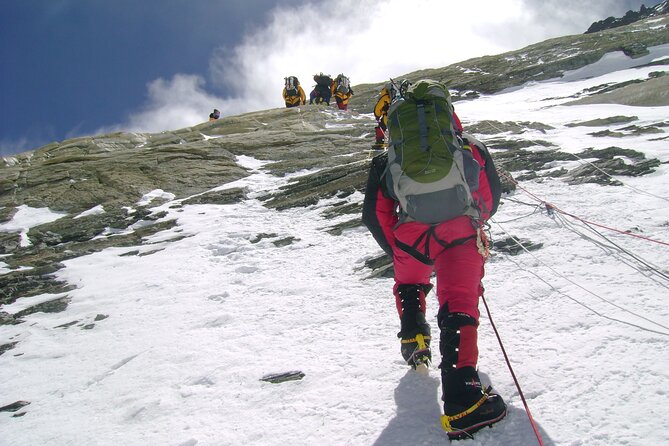
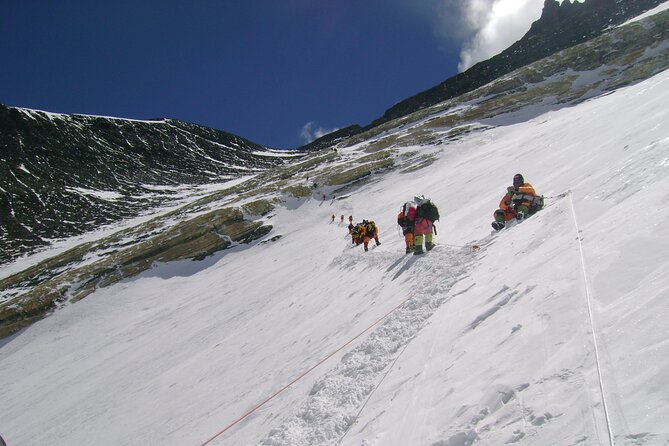
The expedition’s core climbing window runs roughly from mid-April through the end of May—with a long block dedicated to climbing toward Everest (8,848m). The schedule indicates an extended period (about Day 11 through Day 55) focused on the summit effort.
Even if you’re physically strong, Everest doesn’t reward speed. It rewards pacing, teamwork, and the ability to handle waiting. That’s why the expedition structure keeps you in rhythm for weeks rather than treating summiting like a short sprint.
Also pay attention to what’s included for high-altitude “camp work.” The package covers high food above base camp, a cooking pot, gas and stove, which means meal prep is part of the system rather than something you scramble to solve at the hardest part of the climb.
The plan also notes climbing permit for Everest 8,848m on the south side till to the top. Permit coverage is one of those unglamorous parts that can ruin a plan if you don’t have it lined up properly.
Scenery promises you should actually plan for
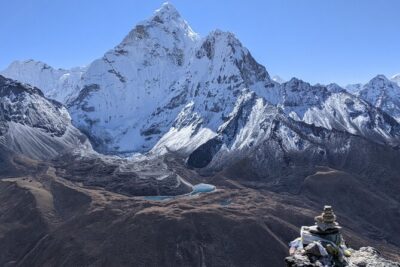
The expedition’s overview highlights a few big-view moments: a breathtaking sunset from Kalapathar plus strong vistas of multiple Himalayan giants. The Namche-to-Base-Camp route is where those views become more frequent as you gain altitude and widen your sightlines.
Just remember what Everest teaches fast: views depend on weather. You’re paying for access and time, not guaranteed clarity. Your best strategy is to take pictures when you can, but treat conditions as the boss.
The trip also runs through Sagarmatha National Park, which is a reminder that you’re in a protected mountain region. That’s part of why route choices, permits, and guided operations matter—they aren’t just paperwork. They’re part of operating in a conservation-focused area.
Price and logistics: what $42,000 covers (and what you must budget)
Let’s talk value in plain terms. $42,000 per person is huge, but the included package hits many of the big-cost, high-stakes items:
Included costs and services (major ones):
- 4 nights 5-star hotel in Kathmandu (bed and breakfast)
- Everest permit to the top on the south side
- Kathmandu–Lukla–Kathmandu flights including 50kg cargo
- Full board lodge trekking from Lukla through Everest Base Camp
- 1 climber + 1 Sherpa guide for the Everest summit attempt (listed as Everest Summiteers)
- 6 oxygen bottles (20 liters) with mask and regulator
- High-altitude climbing food and cooking setup above base camp
- Base camp camp gear services (tent, dining, shower, storage, toilet tent, table/chair)
- Icefall charge, fixed rope, and main rope costs
Now the important “not included” list—the stuff that can quietly make your budget blow up if you ignore it:
- Lunch and dinner in Kathmandu
- Personal climbing gear (you supply this)
- Life and medical insurance for the climber
- Emergency evacuation (helicopter) if needed
- Summit bonus for the guide: USD 1,800
- Base camp staff tips per climber: USD 200
- Any bar and beverage bills
- Possible helicopter charter flights if required
One more practical note: the oxygen is included, but the plan still depends on your body and your decisions on summit day. That’s why your own gear and your fitness matter a lot. The package can only do so much if you show up underprepared.
Who this Everest expedition fits best
This is for climbers who understand what they’re buying: not just a trip, but a long high-altitude project with training, patience, and risk management.
You’ll probably be a good fit if:
- You have strong physical fitness and experience at altitude (the plan explicitly calls for strong fitness)
- You want a guided expedition with defined support roles and included climbing logistics
- You value a small group size (maximum 15) so your expedition doesn’t feel like a moving crowd
You might want to think twice if:
- You can’t get medical and life insurance sorted before departure
- You aren’t ready to bring your own climbing gear and manage day-to-day needs at extreme altitude
- You’re looking for a quick adventure. This is 60 days, and the real work happens off the summit photos.
Final thoughts: should you book this Nepal-side Everest plan?
If you’re serious about Everest from the Nepal side, this kind of package can be good value because it covers the big operational pieces: permits, flights to Lukla with cargo, oxygen, climbing rope work, and base-camp infrastructure, plus a lot of lodge support through the trek.
I’d book it if you’re the type who likes clear structure: you want the climb handled with a Sherpa team and included systems, and you’re comfortable building the long acclimatization arc.
I wouldn’t book it on vibes. If you’re missing fitness, insurance, or your own climbing gear, the cost won’t protect you. Everest punishes weak preparation even with excellent logistics.
FAQ
What’s the duration of the Everest expedition on the Nepal side?
The expedition is listed at about 60 days.
Where does the trip start and how does it end?
It starts at Tribhuvan Airport in Kathmandu, with a return to Kathmandu near the end, followed by transfer to the airport for departure.
Are flights to Lukla included?
Yes. Kathmandu–Lukla–Kathmandu flights are included, including 50kg cargo for one climber.
Is Everest permit coverage included?
Yes. The package includes an Everest climbing permit for the south side to the top (8,848m).
Does the tour include oxygen and climbing support?
Yes. It includes six 20-liter oxygen bottles with mask and regulator, and it provides 1 climbing Sherpa guide per climber.
What’s not included that could affect your budget?
Not included are lunch and dinner in Kathmandu, personal climbing gear, life and medical insurance, emergency evacuation, bar and beverage bills, personal expenses, and extra payments like the summit bonus (USD 1,800) and base camp staff tips (USD 200).
Simpler With a Local Guide
More Tour Reviews in Kathmandu






Just Reviewed in Kathmandu
- Mountain Bike Tour
★ 5.0 · 3 reviews - Annapurna Panaroma
★ 5.0 · 3 reviews - Mount Everest Scenic Flight 50 Minutes
★ 5.0 · 3 reviews - Kathmandu : Swambhunath & Durbar Square Guided Half Day Tour
★ 3.3 · 3 reviews - Chandragiri Cable Car & Monkey Temple Tour – Private/Group
★ 5.0 · 3 reviews - Kathmandu: Shivapuri National Park Hiking Day Trip
★ 3.3 · 3 reviews
Guided, compared.
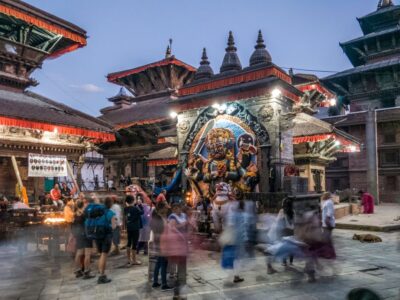 ★ 4.9Private City Guided TourFrom $40174 reviews
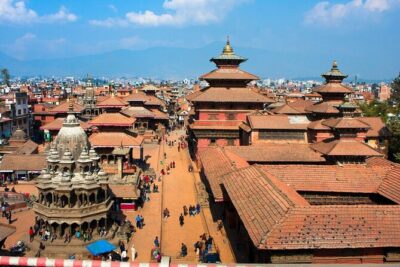 ★ 5.0Full Day Guided Tour in KathmanduFrom $561 reviews
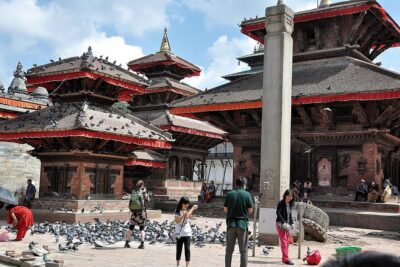 ★ 5.0Kathmandu Guided TourFrom $12059 reviews
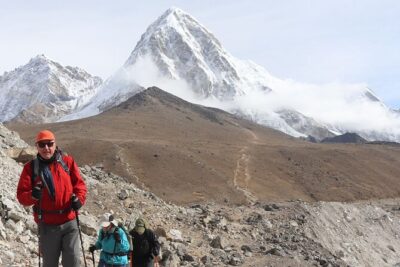 ★ 5.012 Day Everest Base Camp Guided TrekFrom $1,30040 reviews
 ★ 5.0Kathmandu and Bhaktapur Cities Guided TourFrom $7034 reviews
 ★ 5.0Kathmandu Heritage Day Tour with Guide.From $7030 reviews
 ★ 5.0Everest Base Camp Trek 15 days | Local Guide | Flexible ItineraryFrom $1,89027 reviews
 ★ 5.012-Day Everest Base Camp Guided TrekkingFrom $1,00226 reviews