
Review · GUIDED
From Kathmandu: 12-Day Everest Base Camp Guided Trekking
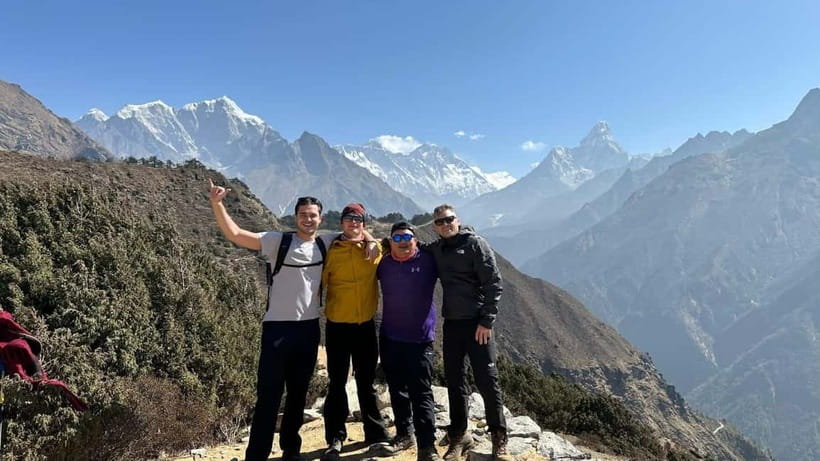
Lukla to Everest feels fast, and this 12-day route keeps you moving with practical acclimatization stops. I like the experienced guides you’ll be traveling with (people consistently mention feeling safe), and I also love that the trek targets Everest Base Camp plus the top-view payoff of Kala Patthar. The main consideration is the cold: tea-house nights can be tough, especially in December.
You start with an early flight from Kathmandu to Lukla, then walk a classic Khumbu line through places like Namche Bazar (3,440m) and Dingboche (4,260m). The group stays small, capped at 15, which helps pace the days when the air gets thin.
One more thing to plan for: luggage limits. Large bags aren’t allowed, and you’ll either pack light yourself or rely on what the trip provides and offers for carry options.
In This Review
- Key things that make this Everest Base Camp trek work
- 12 Days in the Khumbu: The Big Picture
- Getting to Lukla and Reaching Phakding
- Namche Bazar and Dingboche: Acclimatization That Matters
- Tyangboche, Rhododendron, Imja Khola, and the Road to Dingboche
- Lobuche, Gorakshep, Everest Base Camp, and Kala Patthar
- Descent to Lukla and Your Final Day in Kathmandu
- Guides, Small-Group Rhythm, and What That Means for Safety
- Price, Inclusions, and Tea House Reality Checks
- Should You Book This 12-Day Everest Base Camp Guided Trek?
- FAQ
- What is the duration of the Everest Base Camp guided trek?
- Where does the trek start?
- How do you get to Lukla?
- Is the Everest Base Camp visit included?
- Do you have acclimatization days?
- Are meals included in the price?
- Do you provide permits for the national parks?
- Is there an option for a porter?
- Is there hot showers or internet during the trek?
- What do I need to bring?
Key things that make this Everest Base Camp trek work
- Early Lukla flight starts the trek quickly so you’re not waiting around in Kathmandu
- Acclimatization days at Namche Bazar and Dingboche reduce the chances of rushing the climb
- Tyangboche, rhododendron forest, and the Imja Khola suspension bridge add variety beyond just altitude
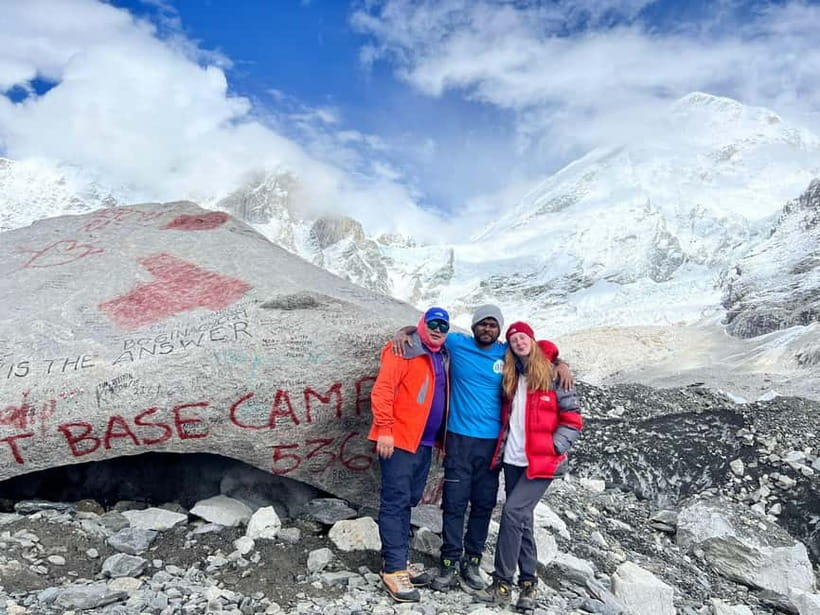
- Everest Base Camp at 5,364m plus Kala Patthar at 5,545m gives you multiple summit-style viewpoints
- Small-group guidance in English keeps the experience organized and easier to manage
- Permits, park fees, and TIMS paperwork are handled for you so your focus stays on the trek
More days made easy with a local guide
- Kathmandu: Private City Guided Tour★ 4.9 · 174 reviews
- Full Day Guided Tour in Kathmandu★ 5.0 · 61 reviews
- Kathmandu Guided Tour★ 5.0 · 59 reviews
- 12 Day Everest Base Camp Guided Trek★ 5.0 · 40 reviews
12 Days in the Khumbu: The Big Picture
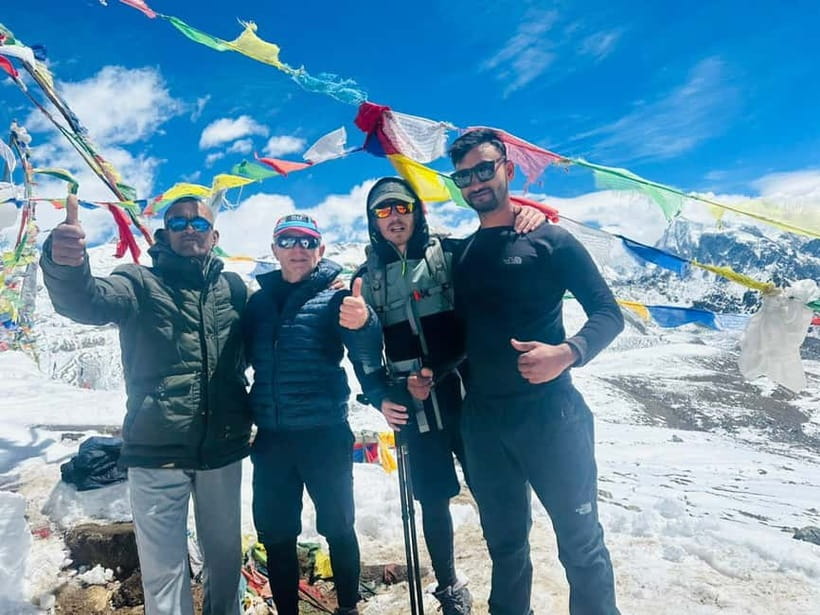
This is a structured Everest Base Camp trek designed for a first-time trip to feel possible, not chaotic. You get a steady progression up in altitude, but you also get built-in time to adjust in Namche Bazar and again in Dingboche. That matters because Everest is less about one heroic day and more about how you treat your body over several days.
I also like that the itinerary is built around visible goals every day: big towns at altitude (Namche, Dingboche), iconic viewpoints (Tyangboche), and the big two high points (Everest Base Camp and Kala Patthar). It’s a good way to keep motivation high when the walking is slow.
Who this suits best is pretty clear: if you want a guided trek with real logistics taken care of, and you’re comfortable with cold tea-house nights and long days at altitude, you’ll likely love the rhythm. If you want a relaxed walk with no elevation pressure, this route might feel like too much.
Getting to Lukla and Reaching Phakding
Day 1 is all about starting fast. You’re picked up in Kathmandu and taken to Tribhuvan International Airport for an early domestic flight to Lukla. After landing, you’re transferred to the start point and begin hiking to Phakding, where you stay in a tea house.
This first day is useful for more than just stretching your legs. It helps you get used to trekking timing: early starts, steady movement, and the simple fact that you’ll be carrying less than you expect. Your tour package includes a domestic round-trip between Kathmandu and Lukla, which is a big value add compared to arranging flights on your own.
Also, plan around luggage limits. Large bags aren’t allowed on this kind of route, and the trip emphasizes lighter travel. If you’re the type who packs like a winter camper for a week, I’d rethink that. You’ll want layers and essentials, not a trunk.
Namche Bazar and Dingboche: Acclimatization That Matters
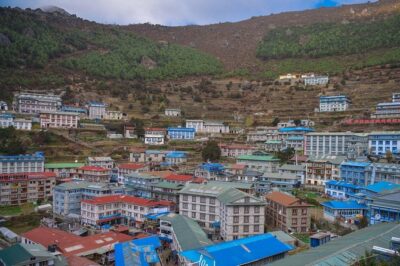
Day 2 climbs from Phakding to Namche Bazar at 3,440m. It’s a key change in both altitude and atmosphere: Namche is where the trail connects to the bigger Everest region and where you can feel the altitude pressure more than the scenery. You’ll sleep there again on Day 3, which is your acclimatization day.
That rest day isn’t filler. It’s your chance to adapt before you climb higher to Tyangboche. In practical terms, I’d use it to keep effort low, hydrate, and move slowly even if you feel okay. Altitude doesn’t follow your confidence level.
Then you repeat the same idea later. After Tyangboche and the Imja Khola route, you reach Dingboche at 4,260m. Day 6 is another acclimatization day with an overnight in Dingboche. It’s what keeps the later push toward Lobuche and the Everest Base Camp area from feeling like a straight ladder.
This kind of pacing is one of the best reasons to choose a guided itinerary. Your guide can help you keep a steady rhythm and not “race” just because the views look close.
Tyangboche, Rhododendron, Imja Khola, and the Road to Dingboche
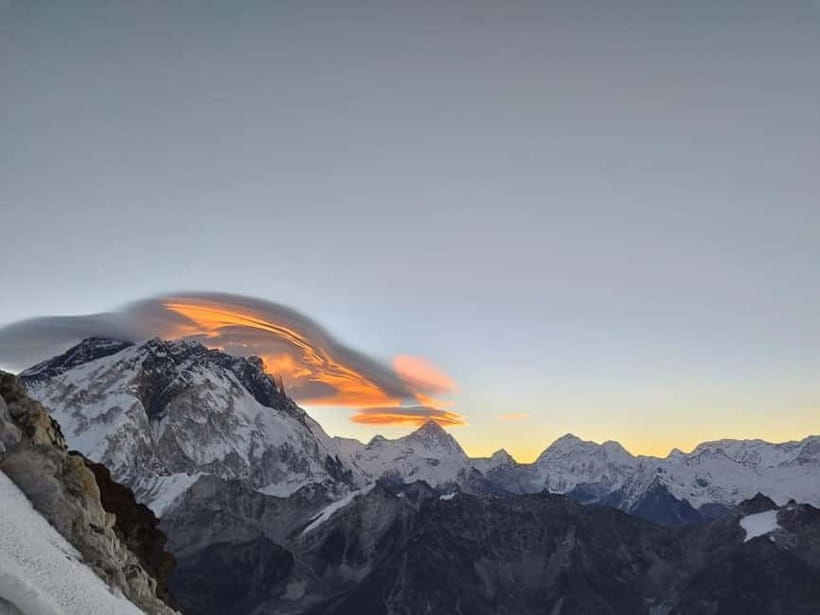
Day 4 hikes from Namche Bazar to Tyangboche at 3,867m. Tyangboche is a classic stop because it sits where the mountains start to feel immediate. You’re walking at real altitude, but the day still gives you that emotional hit of Himalayan scenery.
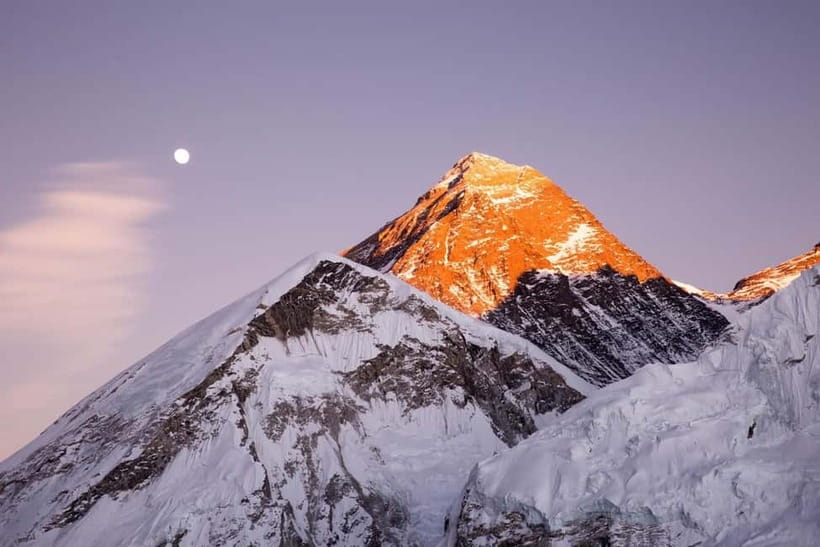
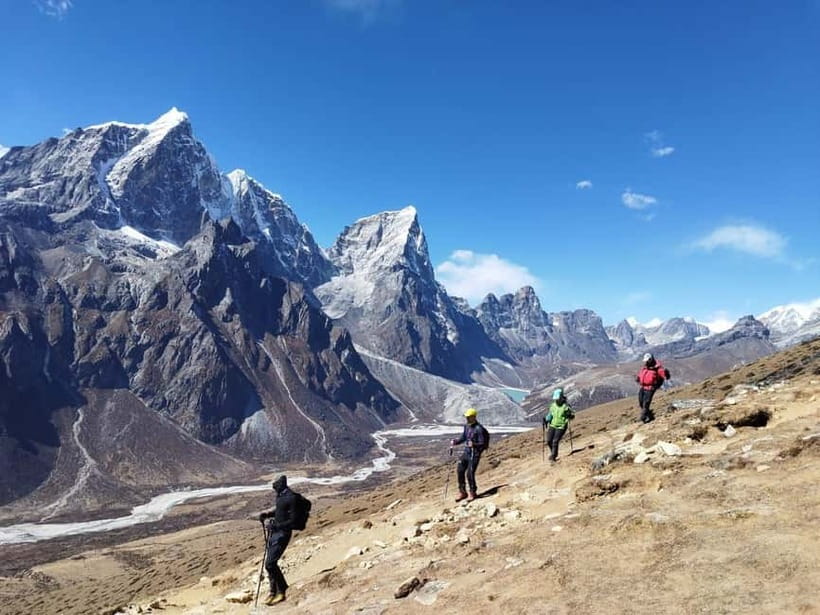
Day 5 is a full “Khumbu texture” day. You pass through a rhododendron forest, cross a suspension bridge at Imja Khola, and then work your way into the Imjatse Valley beneath Ama Dablam, Nuptse, and Lhotse. You’re not just walking uphill here—you’re moving through changing scenery that keeps your brain engaged.
You’ll overnight in Dingboche at 4,260m. By this stage, you’ll likely notice how quickly fatigue arrives once your body gets used to thinner air. That’s why the next scheduled rest day is so important. It gives you time to recover before heading toward Lobuche.
One small drawback to note: tea-house life at higher elevations can feel repetitive—warmth, food choices, and sleep conditions are often basic. The tradeoff is that the views and the sense of progress are hard to beat.
More trails out of Kathmandu, boots ready
Lobuche, Gorakshep, Everest Base Camp, and Kala Patthar
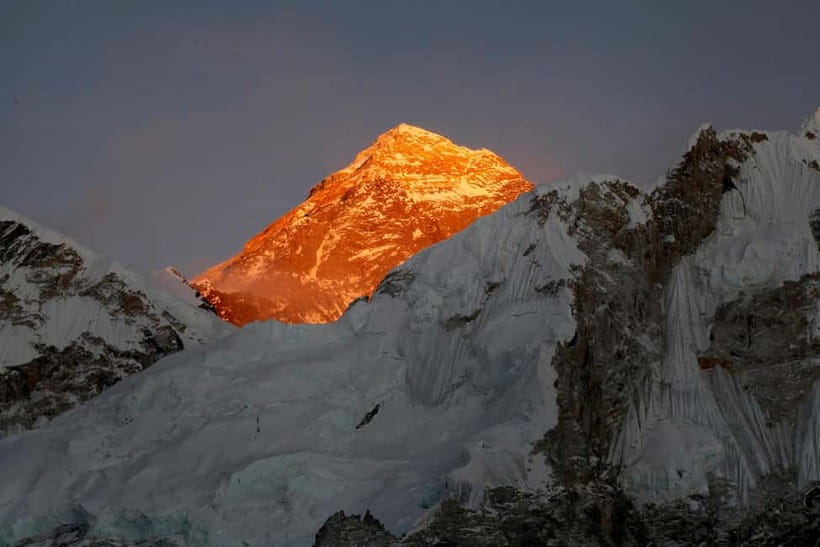
Day 7 is the shift toward the highest zone. From Dingboche you hike to Lobuche, taking about 5.5 hours with lunch in Dugla. You arrive at 4,930m. That’s a noticeable jump from what you’ve been doing, and it’s the kind of day where staying steady matters more than moving fast.
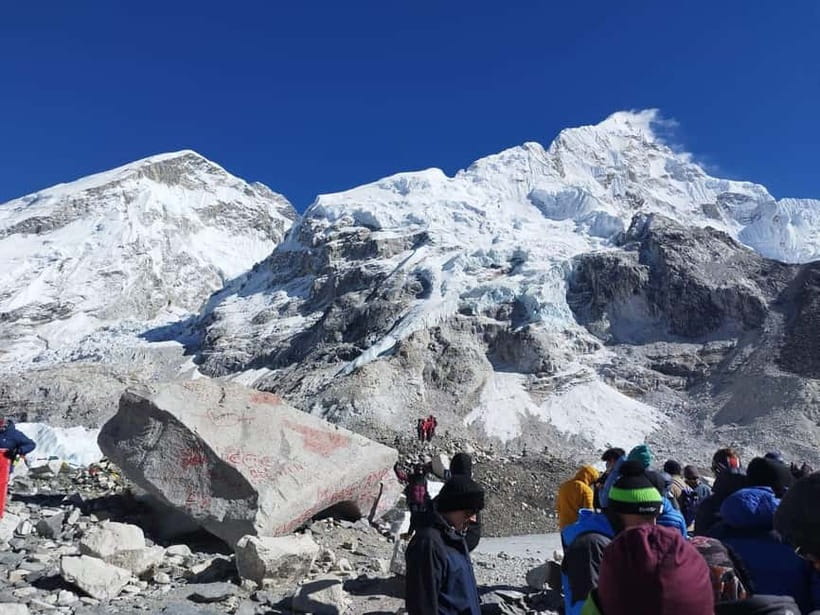
Day 8 is your Everest Base Camp day, starting with Lobuche to Gorakshep and then continuing onward. This is one of the most rewarding stretches of the whole trek, and for good reason: you’re walking rocky paths with big, clear views of the Khumbu glacier. You reach Everest Base Camp at 5,364m, then return to Gorakshep for the night.
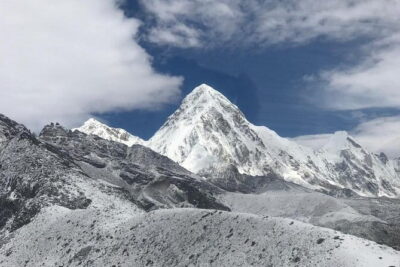
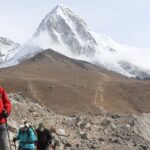
Day 9 is the big viewpoint combination. You hike from Gorakshep to Kala Patthar at 5,545m, then continue onward to Pheriche at 4,243m. Kala Patthar is a classic for a reason—it’s high enough to feel like you’re standing in the middle of the Khumbu’s drama. The climb is tough, but it’s also a day where the effort usually feels worth it.
After all that altitude work, Day 10 becomes more about descent and energy management than pushing harder. You begin with a descent from Pheriche back to Tyangboche, then continue trekking toward Namche Bazar for your overnight.
Descent to Lukla and Your Final Day in Kathmandu
Day 11 brings you back to Lukla from Namche Bazar for your last night there. This is where your legs will remind you of the whole trip. The good news is that the altitude relief helps your body recover enough to enjoy what comes next.
Day 12 finishes with an early scenic flight back to Kathmandu, plus transfer to your hotel. You stay overnight in Kathmandu, which is smart. You won’t want to rush onward immediately after the trek.
One practical note from real-world experience in this region: Lukla flights can be weather-sensitive. In at least one case, a switch to a helicopter was arranged due to conditions. So keep your expectations flexible. If the schedule changes, it’s usually about safety and timing, not convenience.
Guides, Small-Group Rhythm, and What That Means for Safety
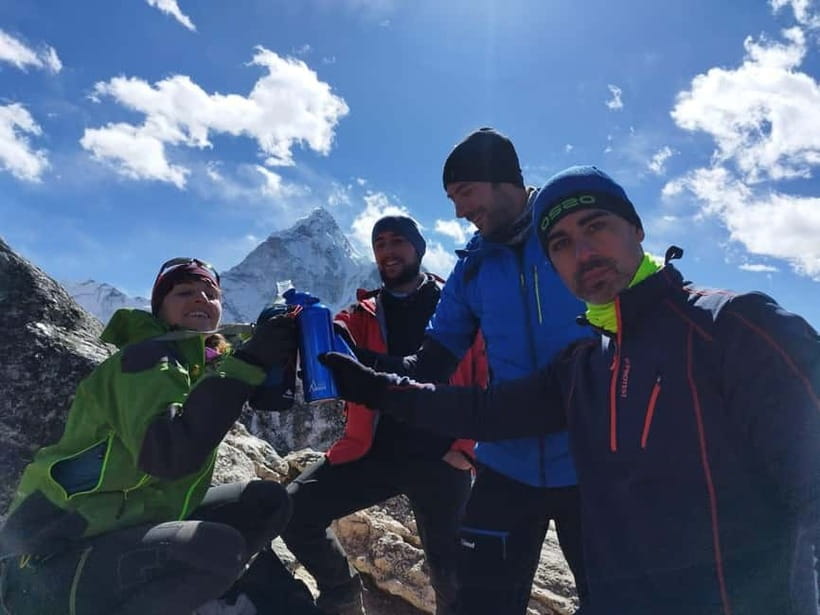
A guide can be the difference between a stressful climb and a calm, satisfying trek. This trip includes an English-speaking guide, and the experience is set up for a small group of up to 15 people. That small size matters when you need to slow down, stop often for breath, or ask questions in a moment that feels important.
I also took a lot from the guide names that show up in customer experiences. Some people highlight Padam for making them feel safe in a dangerous environment while staying positive and even funny when conditions get hard. Others mention Nishan as kind and attentive, with pacing adjusted to their needs. You’ll also hear about Rohan as experienced and about Adhish for making the trip more fun.
And if you add a porter, know how it works here: carrying of your bags isn’t included, but porter help is available at extra cost. The detail that matters is the weight limit—one porter assists up to 25 kg for 2 guests. If you want a smoother trek and you’re carrying heavier gear, porter time can be a real quality-of-life upgrade.
Price, Inclusions, and Tea House Reality Checks
At $1,002 per person for a 12-day guided trek, this price is mostly about value in the logistics and administrative work. The package includes pickup and drop-off, the domestic flights between Kathmandu and Lukla, tea-house accommodations during the trek, and the paperwork side: Sagarmatha National Park entrance permit fees and TIMS card fees, plus the TIMS paperwork handled through the trip.
It also includes your guide’s salary, food, drinks, accommodation, transportation, and insurance. That’s part of what you’re paying for: the guide is there every day, not just at the airport.
What you should budget for separately: standard meals (breakfast, lunch, dinner) during the trek aren’t included, and drinks aren’t included either. Hot showers and internet are also not included. And travel insurance isn’t included.
Gear support is mixed: a jacket, sleeping bag, and duffle bag are provided if required or requested. That can lower your pre-trip shopping list, but don’t assume it automatically fits your needs—ask early.
Is it good value? For most first-time Everest trekkers, yes—because you’re buying peace of mind: permits, park fees, flight coordination, and a guide who helps you keep pace. If you already have everything dialed and you want total independence, you might find cheaper options. But for a guided experience with flights and permits handled, this looks like a fair deal.
Should You Book This 12-Day Everest Base Camp Guided Trek?
Book it if you want a guided plan with smart altitude pacing, clear goals each day, and fewer moving parts. I’d especially consider it if you’re doing Everest for the first time and you value organization—airport pickup, permits, domestic flights, and tea-house stays already covered.
Skip it (or at least reconsider) if you know cold nights and fatigue will be a major issue for you. This trek is not set up for comfort at altitude, and December conditions can be especially tough. Also, the trip isn’t suitable for pregnant women, people with heart problems, or wheelchair users.
If you do book, your best move is to pack lighter than you think you need, plan for meals and drinks on top of the tour price, and treat rest days at Namche Bazar and Dingboche as part of the success plan—not optional recovery time.
FAQ
What is the duration of the Everest Base Camp guided trek?
The trek lasts 12 days, with domestic flights between Kathmandu and Lukla and guided hiking in the Everest region.
Where does the trek start?
It starts in Kathmandu. You’ll get hotel pickup in Kathmandu (and also Bhaktapur and Lalitpur) and then transfer to the airport for an early flight to Lukla.
How do you get to Lukla?
You take a domestic flight from Kathmandu to Lukla as part of the tour, then you continue by transfer and start trekking from the Lukla area.
Is the Everest Base Camp visit included?
Yes. You trek to Everest Base Camp, located at 5,364 meters, as part of the itinerary.
Do you have acclimatization days?
Yes. You have rest and acclimatization days in Namche Bazar and in Dingboche, with overnight stays at both places.
Are meals included in the price?
No. Standard meals (breakfast, lunch, and dinner) during the trek are not included.
Do you provide permits for the national parks?
Yes. The package includes the Sagarmatha National park entrance permit and fees, plus TIMS card fees.
Is there an option for a porter?
Porter carrying is not included, but porter assistance is available for an additional cost. One porter can assist up to 25 kg for 2 guests.
Is there hot showers or internet during the trek?
Hot showers and internet are not included during the trek.
What do I need to bring?
You’ll need your passport. Also note that luggage or large bags are not allowed.
More Trekking Out of Kathmandu
Simpler With a Local Guide
More Tour Reviews in Kathmandu
Just Reviewed in Kathmandu
- Mountain Bike Tour
★ 5.0 · 3 reviews - Annapurna Panaroma
★ 5.0 · 3 reviews - Mount Everest Scenic Flight 50 Minutes
★ 5.0 · 3 reviews - Kathmandu : Swambhunath & Durbar Square Guided Half Day Tour
★ 3.3 · 3 reviews - Chandragiri Cable Car & Monkey Temple Tour – Private/Group
★ 5.0 · 3 reviews - Kathmandu: Shivapuri National Park Hiking Day Trip
★ 3.3 · 3 reviews
Guided, compared.
 ★ 4.9Private City Guided TourFrom $40174 reviews
 ★ 5.0Full Day Guided Tour in KathmanduFrom $561 reviews
 ★ 5.0Kathmandu Guided TourFrom $12059 reviews
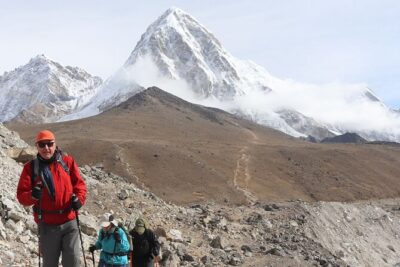 ★ 5.012 Day Everest Base Camp Guided TrekFrom $1,30040 reviews
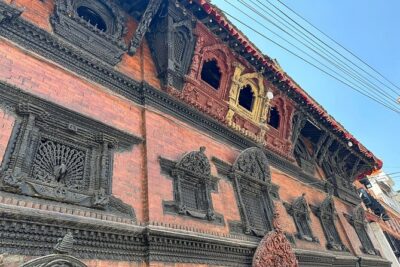 ★ 5.0Kathmandu and Bhaktapur Cities Guided TourFrom $7034 reviews
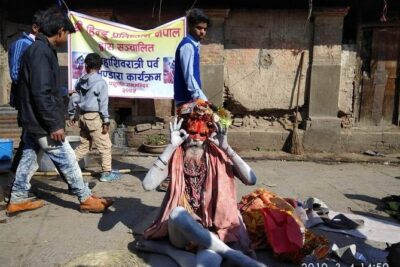 ★ 5.0Kathmandu Heritage Day Tour with Guide.From $7030 reviews
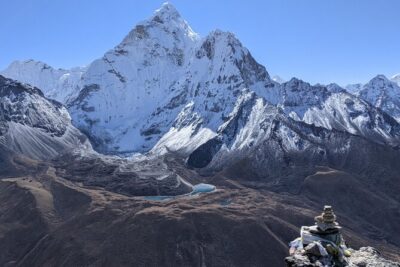 ★ 5.0Everest Base Camp Trek 15 days | Local Guide | Flexible ItineraryFrom $1,89027 reviews
 ★ 5.05 Day Private Guided Trekking in Annapurna Base CampFrom $22525 reviews