
Review · GUIDED
12 Day Everest Base Camp Guided Trek
Fast. Big views. Hard work. That’s the Everest Base Camp trek in a nutshell. This 12-day guided plan runs you through the Khumbu region with acclimatization built in and day-by-day pacing that helps you get to Base Camp and back with less guesswork. I also like that the trip is run as a real logistics package, with Kathmandu–Lukla–Kathmandu flights, park permits, and lodge stays handled for you.
Two other things are a big deal here: you get a guide who helps keep the group moving safely, and the route hits the iconic checkpoints—Namche Bazar, Tengboche, Dingboche, Gorakshep, Base Camp, and Kala Patthar. One consideration: the trek requires strong fitness and you should expect cold, thin air, plus weather can affect flight days, so build in patience.
In This Review
- Quick hits on this Everest Base Camp guided trek
- Where this trip wins: a guided route that keeps you sane
- Kathmandu to Lukla: getting into the mountains fast
- Dudh Koshi to Namche Bazar: the trail grows, and the views do too
- Namche rest day: acclimatization with real sightseeing
- Tengboche day: rhododendron forest, monastery stop, and panorama trails
- Pangboche to Dingboche: suspension bridge drama (in a good way)
- Dingboche acclimatization day: Ama Dablam and the body check-in
- Up toward Lobuche: a steeper feeling and big glacier views
- Gorakshep and Base Camp: drop your pack, then go for the wow
- Kala Patthar sunrise: the hard pre-dawn climb that makes sense
- The long descent back: Tengboche to Namche to Lukla
- Lukla back to Kathmandu: time to reset, not to celebrate too fast
- Price and value: what $1,300 covers (and what it doesn’t)
- Lodges, meals, and what the included gear means
- The guide factor: why names keep showing up in the reviews
- Who this trek suits best (and who should think twice)
- Should you book Outfitter Himalaya’s 12-day Everest Base Camp trek?
- FAQ
- What is the duration of the Everest Base Camp trek?
- Where does the trek start, and what time do you meet?
- What group size is allowed?
- Are flights included?
- Are trekking lodges and meals included?
- What permits are included?
- What gear is provided?
- What about travel insurance and an emergency helicopter?
- Can I use a porter?
- What is the cancellation window for a full refund?
Quick hits on this Everest Base Camp guided trek
- Early Lukla flight days: You start fast (6:15 am meet time) to give the trek the best shot at smooth timing.
- Namche + Dingboche acclimatization: Rest days aren’t dead time; they’re time to adjust and take in views around 3440m and 4410m areas.
- Real Base Camp rhythm: You push to Gorakshep, drop your pack, then go for Base Camp and return.
- Kala Patthar sunrise payoff: A pre-dawn climb for a panoramic Everest moment.
- Guide + permits + emergency setup: Paperwork and helicopter arrangement are part of the plan, with insurance expected to handle payment.
- Small group feel (max 14): Reviews frequently note good group care and coordination, not a rushed cattle-line vibe.
More days made easy with a local guide
- Kathmandu: Private City Guided Tour★ 4.9 · 174 reviews
- Full Day Guided Tour in Kathmandu★ 5.0 · 61 reviews
- Kathmandu Guided Tour★ 5.0 · 59 reviews
- 12 Day Everest Base Camp Guided Trek★ 5.0 · 40 reviews
Where this trip wins: a guided route that keeps you sane
Everest Base Camp sounds simple on a map. In real life, it’s a long series of altitude shifts, weather changes, and long walks on rocky trails. What makes this experience practical is that it’s guided and structured, so you spend your energy on hiking—not negotiating your way through checkpoints.
I especially like the way the plan builds in altitude management. You get a real Namche rest/acclimatization day, then another acclimatization day in Dingboche. That matters because you’re not just climbing day after day. You’re giving your body a chance to adapt before the harder sections.
One more value point: the package handles a lot of the money-and-paper side. Permits (National Park entry + TIMS), flights to Lukla and back, and airport transfers are included. For a trek this remote, those details can quietly make or break your experience.
Kathmandu to Lukla: getting into the mountains fast
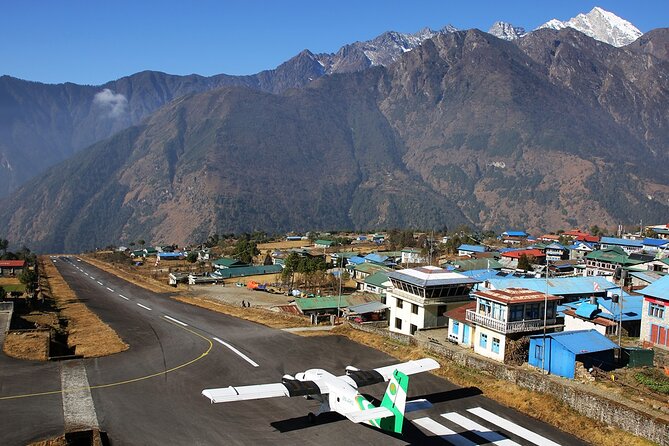
Day one starts in Kathmandu, and the meeting point is Outfitter Himalaya Holidays, Thamel Marg (44600) with a start time of 6:15 am. From there, you’re driven to the airport and take a short scenic flight to Lukla.
Why this approach is worth it: Lukla flights are how most people access the trek without losing days to overland travel. You’re getting altitude exposure immediately, but with the guidance of the team on arrival.
After landing, you meet your trekking guide and porters are introduced. Then you follow the path along the Dudh Koshi river to Phakding. The walk is described as easy and about 3–4 hours, which is exactly what you want on Day 1—enough movement to start, not enough to crush you.
Dudh Koshi to Namche Bazar: the trail grows, and the views do too
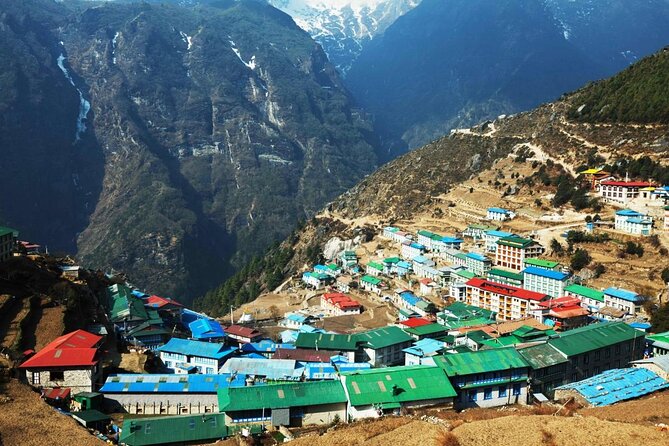
From Phakding, the trek continues along the Dudh Koshi river with a few crossings and a lunch stop around Jorsale. Then the route steadily turns toward Namche Bazar, with pine forests and plateau sections along the way.
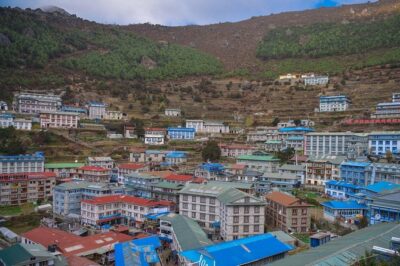
As you near Namche, it starts to feel like you’re walking into a mountain amphitheater. Namche sits at about 3440m, tucked between ridges and open where it faces the Dudh Koshi. It’s not just a town stop—it’s your altitude turning point.
The best part of this day is the variety. You’re not only climbing; you’re moving through river corridors, forested stretches, and plateaus. That mix keeps your body working while your brain gets scenic breaks.
Namche rest day: acclimatization with real sightseeing
Day three is your acclimatization day in Namche Bazar. This is where the trip stops being a simple march and starts being smart trekking.
Namche has lodges, tea shops, and souvenir stops, plus big mountain views. The point isn’t to shop. The point is to slow down, hydrate, and let your body adjust before heading higher.
If you’re the type who likes structure, this day fits you. You have a built-in rest window, but it’s not boring. You can use it for short walks around town and viewpoint scouting so you know what you’re walking toward next.
More trails out of Kathmandu, boots ready
Tengboche day: rhododendron forest, monastery stop, and panorama trails
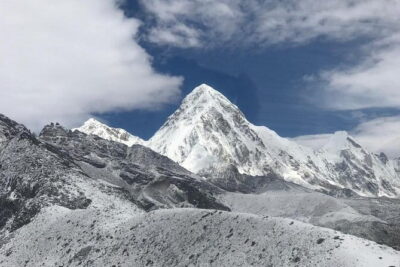
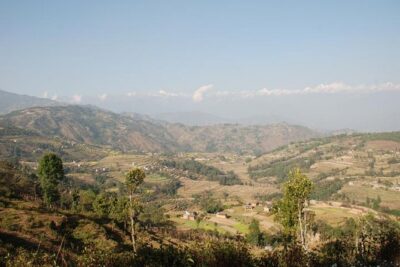
On Day four, you start with ridge and flat sections that bring strong panoramas of peaks like Thamserku, Kantega, and Kusum Kangrib. Then you descend to Phunki Tenga and climb through rhododendron forest toward Tengboche monastery.
This is one of those days where the trail feels like it has texture. Flat-ish stretches let you find rhythm. Then forest climbing slows your pace in a good way, making the ascent manageable.
A practical tip for a day like this: move consistently and don’t sprint the climbs. In thin air, a steady pace keeps you breathing efficiently and protects your energy for later days.
Pangboche to Dingboche: suspension bridge drama (in a good way)
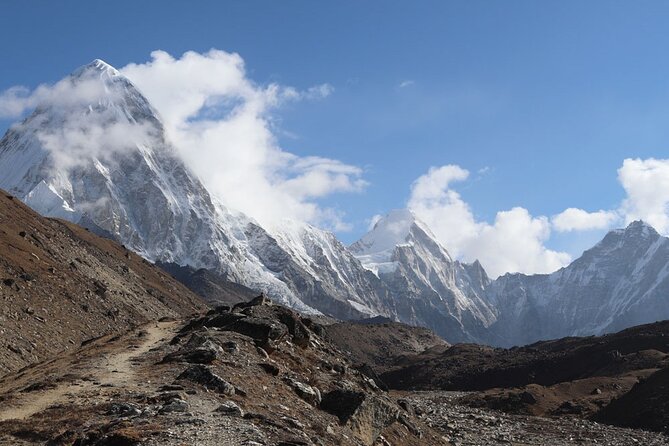
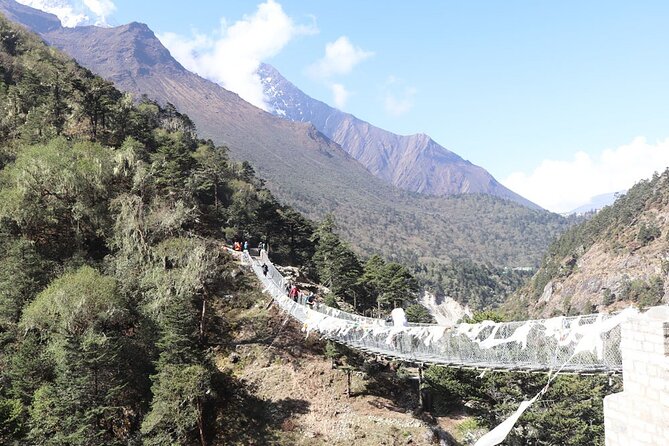
Day five drops you into more classic Khumbu scenery: descending through rhododendron forest toward Imja Khola, then crossing a suspension bridge. After that you walk past a long Mani stone wall, then continue to Pangboche, and onward to Dingboche.
This day matters because it transitions you from busier altitude hubs into more quiet, higher-country trekking. Dingboche is where things feel sharper: more exposure, more cold potential, and more dramatic mountain walls nearby.
Dingboche acclimatization day: Ama Dablam and the body check-in
Day six is another acclimatization day. It’s short on paper and long on value.
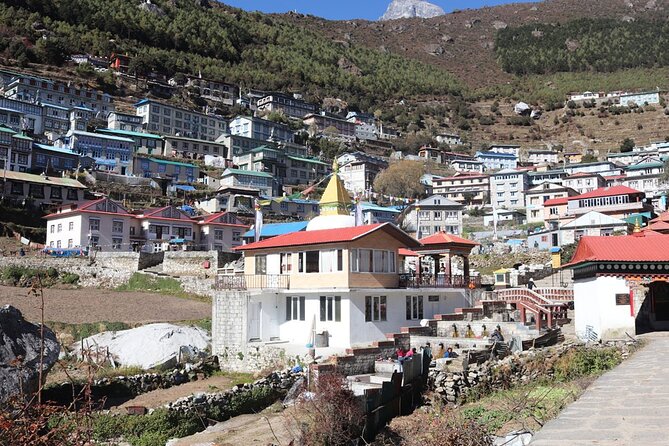
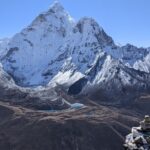
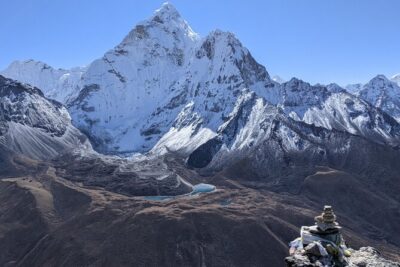
You explore the valley with standout views of Ama Dablam and the Lhotse-Nuptse ridge. The walk is described as short, and you also have options for side day trips around for acclimatization.
This is where you should pay attention to your own signals. If you feel a little off, you don’t need to force big extra miles. Use the day to rest well, take short, easy movement when you can, and prepare for the tougher push ahead.
Up toward Lobuche: a steeper feeling and big glacier views
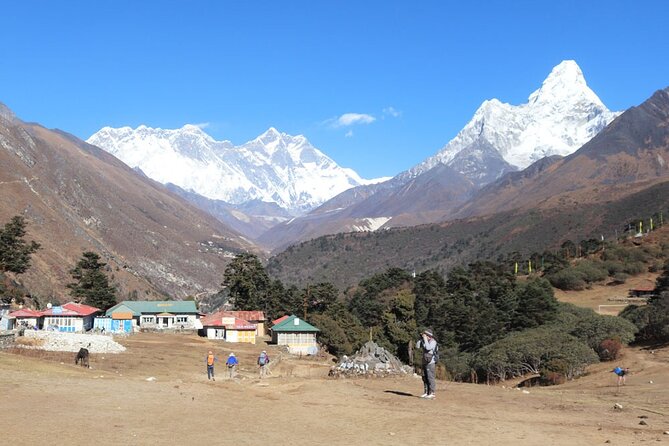
Day seven leads you north to a mani-prayer stupa, then downward to Pheriche. After that, you continue on with views of Tawache, Ama Dablam, and toward Pokalde and Kongma-tse, plus the towering Nuptse wall.
Then the day gains altitude again. The trail connects near Dugla, crosses a wooden bridge over the Khumbu glacier river, and climbs a steep hill to viewpoints near Lobuche.
What I like about this day is that it mixes scenery with effort. You get glacier-adjacent drama without losing the chance to catch your breath at natural pacing points.
Gorakshep and Base Camp: drop your pack, then go for the wow
Day eight is your Base Camp mission day, built around a classic rhythm.
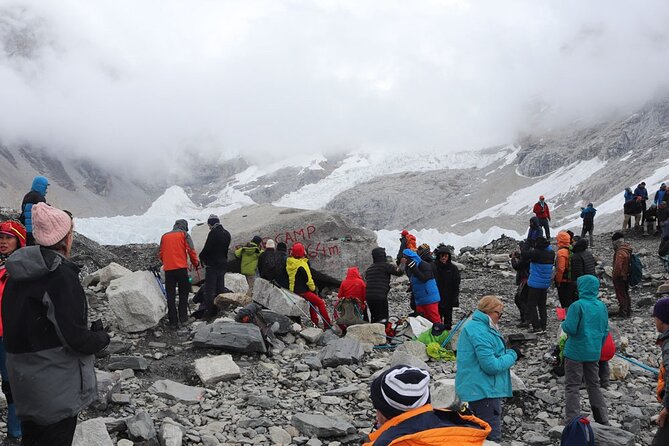
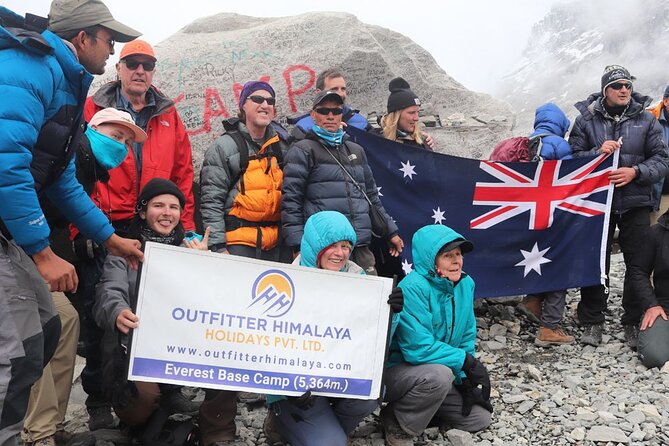
You trek toward Everest Base Camp via the rocky moraine path, with icy glacial ponds and icebergs visible down below. After the last rocky moraine dunes, you have a short downhill to Gorakshep, where you stop for lunch. Gorakshep is also the last place with lodges, so you leave your extra stuff there.
Then you go on to Everest Base Camp, and after visiting the camp and surrounding areas, you return to Gorakshep for the night.
Why this staging is smart: it lets you arrive at Base Camp fresher. You’re not carrying everything everywhere. And it’s mentally easier because you get a clear “Base Camp phase,” not an endless slog.
Kala Patthar sunrise: the hard pre-dawn climb that makes sense
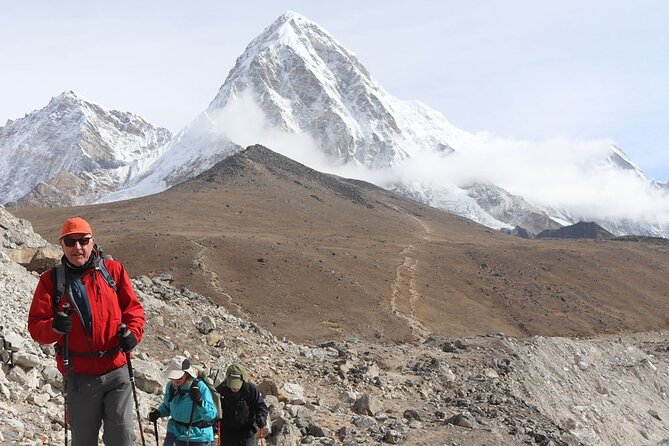
On Day nine you climb early to Kala Patthar (5545m) for sunrise. From Kala Patthar, the panoramic views are the headliner, including Everest and many surrounding peaks.
After sunrise, you trek down to Gorakshep for breakfast, then continue downhill to Pheriche.
If you’re deciding whether sunrise is worth it, this is the day you should listen to your guide and your body. It’s physically demanding. But it’s also the moment that makes the whole route feel like more than a checklist.
The long descent back: Tengboche to Namche to Lukla
Day ten brings an easier descent back toward Namche Bazar, with rhododendron forest and a lunch stop in Tengboche, known for its monastery and strong Ama Dablam views.
Day eleven continues the retreat trek back to Lukla. The route is described as pleasant, with short uphill climbs. You cross the Bhote-Koshi River a few times and finish with a last 45-minute uphill climb to Lukla.
Descent fatigue is real, so protect your knees. Take shorter steps on rocky patches and don’t rush just because it feels easier than the climb.
Lukla back to Kathmandu: time to reset, not to celebrate too fast
Day twelve ends where it started. You have an early breakfast, walk to Lukla airport, and fly back to Kathmandu.
This final day is important for one reason: after days at altitude, your body needs time to settle. You’ll likely feel both proud and pleasantly empty—like you’re done with the mountain homework.
Price and value: what $1,300 covers (and what it doesn’t)
At $1,300 per person, this guided trek includes a lot of the costly-to-arrange parts for an Everest-region hike.
Included highlights:
- Flights: Kathmandu–Lukla–Kathmandu (with airport tax)
- Guidance: a trekking guide
- Permits/paperwork: National Park entry and TIMS
- Lodges: accommodation in trekking lodges for 11 nights
- Meals: 11 breakfasts, 11 lunches, and 11 dinners
- Airport transfers in-country
- Emergency helicopter arrangement via your travel insurance (the arrangement is set up; payment is expected from your insurance)
- Gear assistance if necessary: sleeping bag, down jacket, duffel bag (returned after the trek)
Not included:
- Nepal entry visa fee
- Kathmandu hotels and any Kathmandu tours/meals
- Travel insurance (compulsory)
- Personal expenses and drinks
- Tips for the guide
- Laundry, hot showers, internet charges, phone charges
- Porter (only if you need one; it’s not included by default)
So is it good value? For most people, yes—because trekking permits, flights, and most meals are already wrapped in. The biggest risk isn’t the price. It’s under-preparing for cold and altitude, or forgetting Kathmandu costs and tips.
Lodges, meals, and what the included gear means
You’ll be sleeping in trekking lodges for 11 nights on the trek. Lodges are basic by home standards, but they’re the backbone of this route—warm rooms when possible, shared dining, and a predictable place to recharge.
Meals include breakfast, lunch, and dinner every trekking day, which saves you from constantly making choices about where to eat in tiny mountain settlements. That matters on days when you’re tired and the last thing you want is menu research.
Gear is where this company helps most: you can be provided a sleeping bag, down jacket, and duffel bag if necessary. Since you’re returning the items after the trek, it lowers the risk of buying cold-weather gear you might only use once.
Still, you should plan to bring your own essentials too, especially layers that fit your comfort. Cold feels different for everyone, and you want to dress in a way that lets you hike steadily and sleep warmer.
The guide factor: why names keep showing up in the reviews
Even without seeing every detail, the recurring theme in feedback is that the guides were active, careful, and responsive. Names that come up include Rajan, Arjun, Raj, Bir (often mentioned as “Mr Bir”), Pralad, Dhana, and Suraj/Suraz.
That tells you something practical: this isn’t just a person holding a map. You’re likely to get day-to-day check-ins, route coordination, and help when people get sick or stressed. If you’re the kind of hiker who values safety and group pace, this matters more than fancy promises.
And since the group size max is 14 travelers, you should expect enough attention without feeling crowded.
Who this trek suits best (and who should think twice)
This experience is best for people with strong physical fitness who can handle long days, altitude changes, and cold conditions. If you’ve done a few serious hikes before and you understand that thin air makes everything harder, you’ll be in the right mindset.
It can also suit couples and small groups because the trip is guided and structured. If you want the mountain experience but hate planning stress, this is a solid match.
Who should be cautious:
- Anyone who struggles with sustained climbing and long walking days
- Anyone without good travel insurance, since an emergency helicopter arrangement is included only through insurance coverage
- Anyone with low cold tolerance, unless you’re bringing the right layers and accepting that nights can be chilly
Should you book Outfitter Himalaya’s 12-day Everest Base Camp trek?
Yes, if you want an Everest Base Camp route that’s built around sensible acclimatization, strong logistics, and a guided experience where you’re not juggling permits, flights, and lodge bookings.
Book it if:
- You like a structured plan with Namche and Dingboche acclimatization
- You want flights + permits + meals + lodge stays handled
- You value attentive guides, and you’re okay with the physical challenge
Think twice if:
- You’re hoping this will be casual or easy
- You don’t want to invest effort into cold-weather packing and pacing
- You’re not ready for the reality that mountain weather can affect travel timing
FAQ
What is the duration of the Everest Base Camp trek?
The trek runs about 12 days.
Where does the trek start, and what time do you meet?
You meet at Outfitter Himalaya Holidays in Thamel Marg, Kathmandu at 6:15 am.
What group size is allowed?
This tour has a maximum of 14 travelers.
Are flights included?
Yes. Flight tickets for Kathmandu–Lukla–Kathmandu (with airport tax) are included.
Are trekking lodges and meals included?
Yes. Accommodation in trekking lodges is included for 11 nights, and meals include 11 breakfasts, 11 lunches, and 11 dinners.
What permits are included?
The package includes the required paperwork, National Park entry permits, and a TIMS permit.
What gear is provided?
If necessary, you can get a sleeping bag, down jacket, and duffel bag (and they are returned after the trek).
What about travel insurance and an emergency helicopter?
Travel insurance is compulsory, and the itinerary includes an emergency helicopter service arrangement paid by your travel insurance company.
Can I use a porter?
A porter is not included, but a porter can be arranged if you need one.
What is the cancellation window for a full refund?
You can cancel up to 6 days in advance for a full refund.
More Trekking Out of Kathmandu
Simpler With a Local Guide
More Tour Reviews in Kathmandu
Just Reviewed in Kathmandu
- Mountain Bike Tour
★ 5.0 · 3 reviews - Annapurna Panaroma
★ 5.0 · 3 reviews - Mount Everest Scenic Flight 50 Minutes
★ 5.0 · 3 reviews - Kathmandu : Swambhunath & Durbar Square Guided Half Day Tour
★ 3.3 · 3 reviews - Chandragiri Cable Car & Monkey Temple Tour – Private/Group
★ 5.0 · 3 reviews - Kathmandu: Shivapuri National Park Hiking Day Trip
★ 3.3 · 3 reviews
Guided, compared.
 ★ 4.9Private City Guided TourFrom $40174 reviews
 ★ 5.0Full Day Guided Tour in KathmanduFrom $561 reviews
 ★ 5.0Kathmandu Guided TourFrom $12059 reviews
 ★ 5.0Kathmandu and Bhaktapur Cities Guided TourFrom $7034 reviews
 ★ 5.0Kathmandu Heritage Day Tour with Guide.From $7030 reviews
 ★ 5.0Everest Base Camp Trek 15 days | Local Guide | Flexible ItineraryFrom $1,89027 reviews
 ★ 5.012-Day Everest Base Camp Guided TrekkingFrom $1,00226 reviews
 ★ 5.05 Day Private Guided Trekking in Annapurna Base CampFrom $22525 reviews