
Review · EVEREST BASE CAMP TREKS
Everest Base Camp Trek 15 days | Local Guide | Flexible Itinerary
A flight to Lukla, then the mountains do the talking. This 15-day Everest Base Camp trek is built around safety first pacing, with acclimatization days and a local, English-speaking guide who keeps the group moving smart. I especially like the way they set up altitude-conscious days before the big pushes, so you’re less likely to feel blindsided at higher elevations.
I also like the practical comfort package: cleaner lodge stays, and food chosen from the lodge menu (not some sketchy mystery meal plan). The one thing to keep in mind is that high-altitude trekking has limits, and even with careful pacing, you still need solid fitness and you should plan for cold, thin-air mornings.
If the idea of overnight battery charging and hot showers is part of your comfort fantasy, adjust expectations now. This trek includes the basics for a solid tea house route, but no hot showers or battery charging during the trek is called out, which matters if you rely on devices for navigation or photos.
In This Review
- Quick hits to know before you go
- Flying into Lukla and the rhythm of the first trekking day
- What to watch for
- Namche Bazaar and the acclimatization plan that actually matters
- Possible drawback to consider
- Tengboche to Dingboche: where you build altitude confidence
- The guide factor
- Day to Everest Base Camp: tea houses, glaciers, and the finish line feeling
- What you should do on the Base Camp day
- Kala Patthar at 5,545m: the morning you’ll remember
- Photo and gear reality check
- The quieter return: Pangboche, Phorste, and the less crowded route
- Why the return route matters
- Lodges, meals, and what comfort looks like here
- A small practical tip
- Who you’ll travel with: guide, porters, and the safety culture
- Why this helps your experience
- What you pay for: value of the $1,890 total package
- The honest value math
- Gear and prep: what’s provided and what still depends on you
- Who this trek suits best (and who should reconsider)
- Should you book Life Himalaya’s 15-day Everest Base Camp trek?
- FAQ
- How long is the Everest Base Camp trek?
- Where does the trek start?
- Are flights included to and from Lukla?
- Is a local guide included?
- What permits are included?
- What trek gear is provided?
- How is accommodation handled during the trek?
- Is insurance included?
- Is hot shower or battery charging available during the trek?
- What’s the main highlight day for views?
Quick hits to know before you go
- 15 days on the classic Sherpa route, ending with the Kala Patthar payoff for big views
- Acclimatization built in at higher points like Namche and Dingboche
- A local guide-led safety rhythm meant to reduce altitude-sickness risk
- Domestic flights included from Kathmandu or Ramechap to Lukla and back
- Lodge-based comfort, plus gear like poles, a sleeping bag, and a down jacket
- Strong porter support (shared load system) to help you keep your energy
More days made easy with a local guide
- Kathmandu: Private City Guided Tour★ 4.9 · 174 reviews
- Full Day Guided Tour in Kathmandu★ 5.0 · 61 reviews
- Kathmandu Guided Tour★ 5.0 · 59 reviews
- 12 Day Everest Base Camp Guided Trek★ 5.0 · 40 reviews
Flying into Lukla and the rhythm of the first trekking day
The experience starts in Kathmandu, where you get picked up and transferred to your hotel. That matters more than it sounds. In a place where traffic and airport timing can be unpredictable, arriving with someone already aligned with your schedule saves stress.
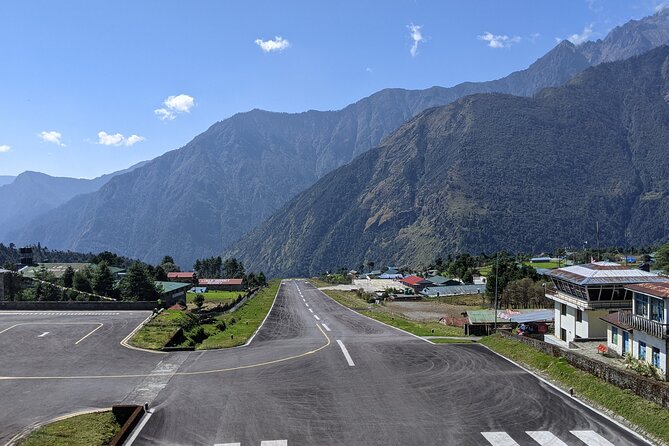
Next comes the jump to Lukla by short flight to the Tenzing-Hillary airstrip (about 2,810m). This is the usual gateway into the Everest region, and it’s a big part of why this trek feels real fast. You go from city altitude to high-country altitude quickly, which is why the trek structure emphasizes acclimatization later.
Then you begin with tea house breakfasts and staged walking into the Sherpa heartland. A key early moment is the stop around Hillary Bridge, with the walk bringing you toward Namche Bazaar (a major hub for supplies, views, and altitude adjustment). In practical terms, early days aren’t just about distance—they’re about letting your body settle into the air while you learn the routine: warm layers, steady steps, and drinking water even when you don’t feel thirsty yet.
What to watch for
If you get hit by lightheadedness early, don’t try to “push through.” The plan you’re buying is designed to avoid that. Your job is to follow the pacing and be honest with your guide about how you feel.
Namche Bazaar and the acclimatization plan that actually matters
A smart acclimatization trek doesn’t mean you stop hiking forever. It means you hike and you recover—then you hike again. This itinerary uses that logic.
You reach Namche Bazaar after the early walking push, and then you gain elevation with a purpose. One day includes the Hotel Everest View area at about 3,440m, with time set aside for side excursions to help your body adjust. That extra day is the kind of “boring on paper, lifesaving in practice” detail that makes a difference at altitude.
And then you move toward Tengboche. The hike runs uphill for about five hours, and you’re walking through the heart of Sherpa country where tea houses, routes, and monastery culture sit close together. By the time you arrive near Tengboche Gompa, you’re not just gaining elevation—you’re also gaining context. Monastery stops make the region feel less like a checkpoint list and more like a living place with traditions still in motion.
Possible drawback to consider
This is a tea house trek with real-world altitude. If you’re someone who needs constant warmth, modern creature comforts, or quick medical access, you’ll want to think carefully. The itinerary is designed for safety, but you’re still far from hospitals.
More trails out of Kathmandu, boots ready
Tengboche to Dingboche: where you build altitude confidence
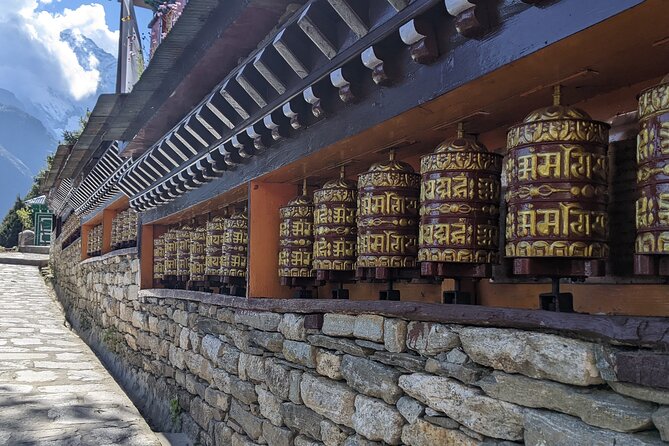
From Tengboche, the route continues toward Dingboche, with walking days that include crossings and the usual high-altitude trail realities. Expect a few hours of uphill work, then the gradual rhythm of acclimatization terrain.
One of the best parts of this plan is that you don’t skip the middle. There’s a dedicated acclimatization stop at Dingboche, where you can stay active without going too hard. That’s where you learn how your body handles the thinner air. You also get a day with side excursions options (the itinerary calls out that you can stay active and explore), which is often the best way to acclimate: gentle movement with good judgment.
By the time you reach the next higher viewpoint area like Thugla, you’re prepared for the final approach. Thugla is treated like a perfect spot to get the kind of Himalayan views that make the effort feel earned, without jumping to the highest elevations too fast.
The guide factor
What I like here is that the itinerary is built around guest safety and satisfaction, with an emphasis on avoiding altitude sickness. You’ll feel that in the pacing: slow, steady days where the goal is not hero moments. It’s about arriving strong enough for Everest Base Camp and Kala Patthar.
Day to Everest Base Camp: tea houses, glaciers, and the finish line feeling
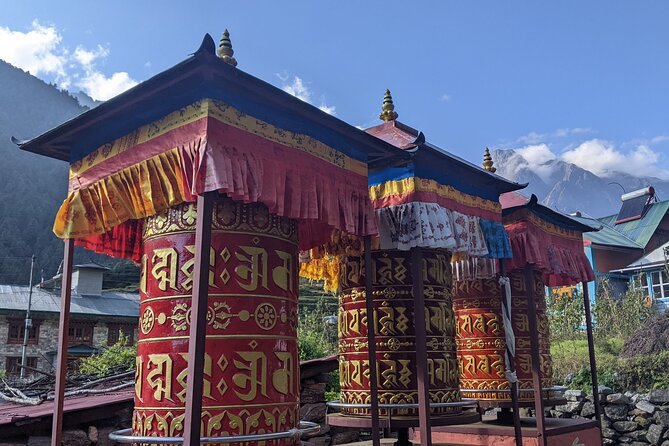
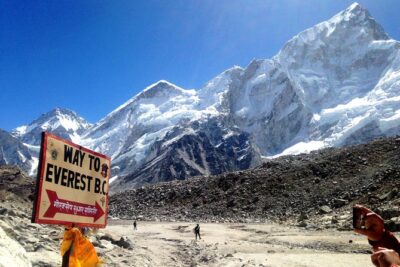
The big day arrives as you trek to Everest Base Camp, with the plan calling out a long-awaited destination day. This is the day you’ve been slowly working toward while your lungs adjusted, your legs settled, and your headspace changed from trip planning to one-step-at-a-time trekking.
The itinerary frames it as both adventurous and fascinating—classic Sherpa trail segments, then the glacier-and-high-country feel near the base camp area. Even without adding extra frills, it’s a destination with a gravity that’s hard to fake. This is where the trek shifts from travel into a milestone you can remember for years.
Because this is a lodge-based tea house trek, your comfort comes from what you bring and what the team supports: organized timing, meals chosen from lodge menus, and gear you’re given to keep you from freezing overnight. And since the trek includes a trail map and an achievement certificate, the experience also leans into the idea of a structured journey, not a chaotic scramble.
What you should do on the Base Camp day
Take it slow. You’re high enough that breathing and hydration matter more than taking fast photos. If you feel any unusual symptoms, tell your guide right away. This whole trip is designed to keep you safe on the way to the view.
Kala Patthar at 5,545m: the morning you’ll remember
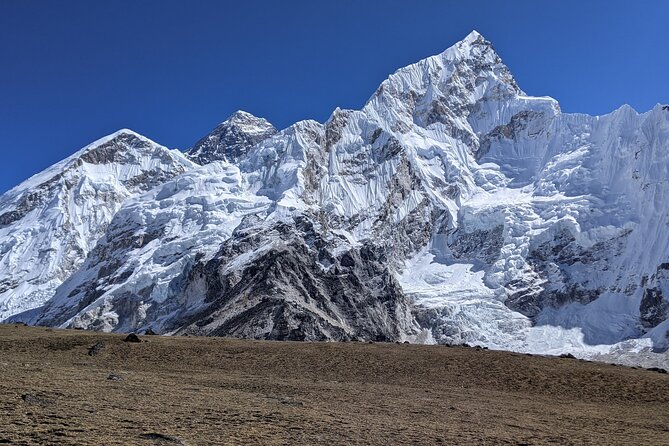
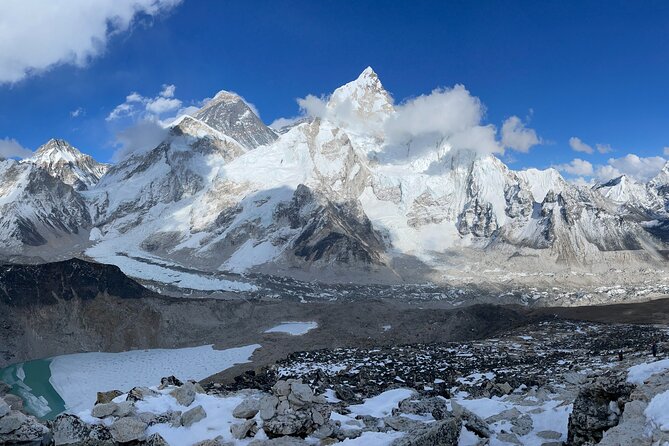
Then comes Kala Patthar (about 5,545m)—the highest point of the trip in the plan. Expect an early start, because the trek is timed for the kind of panoramic viewing you don’t get at midday haze.
This is the day for Everest, Lhotse, Nuptse, and the wider Everest region views. The plan explicitly calls out the most breathtaking view on the itinerary, and that fits what most people actually want from EBC: the visual confirmation that the maps and photos are real.
Practically, Kala Patthar is demanding. Even if you’ve been feeling okay, the thin air can make everything feel slower. This is exactly where the earlier acclimatization stops earn their keep.
Photo and gear reality check
Cold matters. Your included down jacket and sleeping bag help a lot for night and early starts, but you still need to dress in layers and protect hands and ears. If you rely on one warm layer only, you’ll likely regret it at the higher elevations.
The quieter return: Pangboche, Phorste, and the less crowded route
After the big day(s), you switch into descent mode, which is physically different. Downhill can be tough on knees and ankles, and cold can return quickly even at lower daytime elevations.
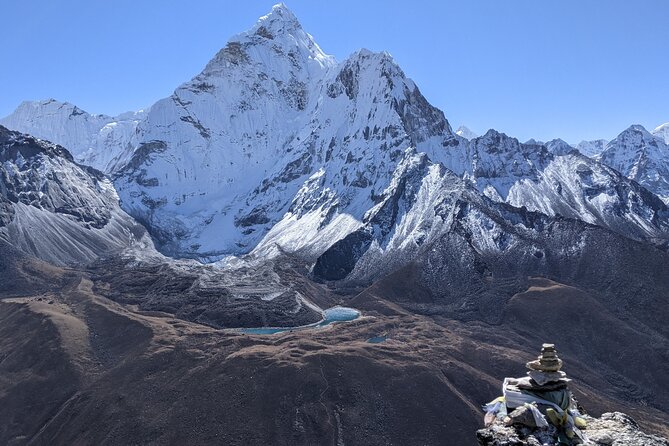
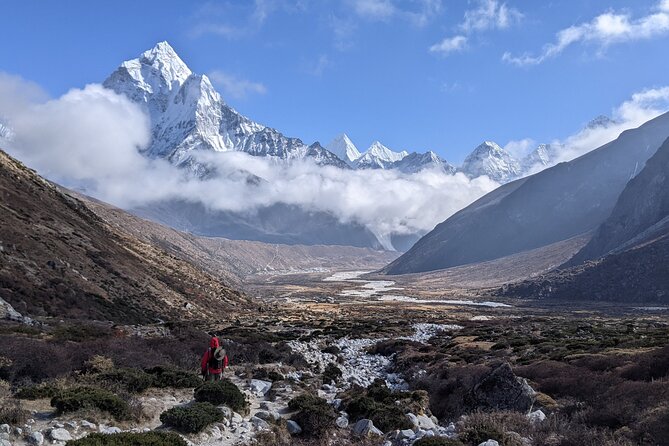
The itinerary includes trekking down toward Pangboche and then using a route described as less crowded, passing through Phorste village. You also see different mountain views on the way back, including mentions of Ama Dablam, Thamserku, and Tengboche monastery while trekking through the region. Even if you’ve already seen some of these landmarks from earlier days, the return angle gives you a new appreciation for how wide the area really is.
The plan then continues with a segment that connects through Phorste Thanga (3,680m) and an approach that references a route toward the Gokyo area. After that, you trek back by repeating the route segments from earlier—passing key points like Toktok, Phakding, Ghat, Cheeplung (about 2,650m)—and then pushing up to Lukla for the final evening in the Everest region.
Why the return route matters
This style of route planning helps you avoid the “same day, same crowd, same views, same photos” feeling. It also gives your legs a better chance to recover without a constant sameness that can drain energy.
Lodges, meals, and what comfort looks like here
This trip is a tea house trek, and that means your comfort is mostly about warmth, cleanliness, and routine. The itinerary highlights clean & comfortable lodge accommodation and hygienic food chosen from the lodge menu.
That’s valuable because food at altitude isn’t just about taste. You need predictable meals that you can digest well in cold air. A set plan with lodge menus helps you avoid the unpleasant surprises that happen when hunger forces rushed choices.
On the other hand, the limitations are clear: no hot showers and no battery charging during the trek. That doesn’t make the trek bad; it makes it honest. Bring a power strategy you can live with: charge before you leave high points, limit screen use, and plan for offline enjoyment.
A small practical tip
For tea house trekking, pacing is everything. If you rush meals or walk too fast in the afternoon cold, appetite and sleep suffer. Follow your guide’s rhythm and you’ll feel the difference.
Who you’ll travel with: guide, porters, and the safety culture
This is led by an English-speaking, experienced, license-holder guide, and for groups of five or more, an assistant guide joins. That structure matters because it splits responsibilities: one person handling navigation and decision-making, the other helping keep the group together and watching for early warning signs.
Porters are strongly supported too. The plan includes strong, helpful porters with a load system of one porter for two people, carrying up to 20 kg total (10 kg each guest). That’s a real value. You’ll still do the hard work, but you’re less likely to arrive exhausted and cranky, which is exactly when altitude risk feels worse.
From the names you might encounter, the team has operated with guides like Raj, Shiba, Sagar, Ram, and Rabin, plus porters including Suren, Sonam, Suren and Sonam, Phurpa, and Prakash. Seeing that mix of roles gives you confidence the system isn’t one person trying to do everything alone.
Why this helps your experience
Safety culture isn’t a slogan here. It shows up in the itinerary choices: acclimatization stops, a flexible approach to pacing, and early days set up for adjustment. On a trek where the mountains don’t care about your plans, that kind of structure is worth paying for.
What you pay for: value of the $1,890 total package
At $1,890 per person, the price is trying to buy you three things: logistics solved, permits handled, and the team in place to run a safe route.
Your included costs cover:
- Domestic flights between Kathmandu/Ramechap and Lukla (both directions)
- Permits: Sagarmatha National Park permit, plus TIMS and a local rural area permit
- Private transportation and transfers tied to the route
- Gear: hiking poles, a sleeping bag, and a down jacket (to be returned after the trek)
- A licensed guide and porter support, plus a trekking trail map
- Meals listed for the trek days (breakfasts, lunches, dinners) as specified, plus a farewell dinner
- A combined luggage allowance for domestic flights (15 kg total per person, split as 10 kg big bag + 5 kg handcarry)
What’s not included (and you should budget for):
- International flights and Nepal visa fee
- Travel insurance covering up to 6,000m (listed as $200 per person in the details)
- Tips for guide, porters, and drivers
- Lunch and dinner in Kathmandu
- Personal snacks and beverages
- Extra nights and any upgrades like hot showers (not included)
The honest value math
The biggest costs on EBC treks are usually flights, permits, and staff. This package includes those core items and adds useful gear. If you were to DIY permits, flights, and guiding, the time saved wouldn’t be free. You pay here so you can focus on walking.
Gear and prep: what’s provided and what still depends on you
They provide key gear to help you start safely: hiking poles, a sleeping bag, and a down jacket. That’s helpful because buying proper high-altitude insulation in Kathmandu last-minute can turn into an expensive gamble.
Still, your success will depend on what you bring that isn’t listed:
- Layering for cold morning starts (especially around the Kala Patthar day)
- Head/hand warmth protection
- Comfortable boots and socks designed for long days
Also, this trek expects strong physical fitness. Not “I can walk to the bus stop” fitness. You should be comfortable with long days, uneven paths, and altitude effects.
Who this trek suits best (and who should reconsider)
This trek is a strong fit if you want:
- A tea house experience with organized support
- A route that prioritizes acclimatization and altitude risk reduction
- Clear logistics with flights, permits, and guide services already handled
- The signature EBC moment plus the Kala Patthar viewpoint day
It may be a tough fit if you:
- Struggle with high altitude even after rest days
- Are counting on hot showers and device charging for comfort
- Have limited flexibility in your schedule and can’t adjust to weather-driven changes (the experience requires good weather, and poor weather can trigger a date switch or a full refund)
Should you book Life Himalaya’s 15-day Everest Base Camp trek?
I’d book it if you want an EBC trek that feels structured without feeling rigid. The mix of local guide leadership, built-in acclimatization, porter support, and included flight logistics is exactly what you want on a route where altitude punishes mistakes.
Before you commit, be honest about two things: your fitness for 15 days of walking, and your willingness to live without hot showers and battery charging for part of the trek. If those two check out, this is a smart way to buy safety, simplicity, and the classic Everest payoff—especially the early morning reach to Kala Patthar.
FAQ
How long is the Everest Base Camp trek?
The itinerary is for about 15 days.
Where does the trek start?
It starts in Kathmandu, Nepal, with arrival at Tribhuvan International Airport and a transfer to your hotel.
Are flights included to and from Lukla?
Yes. The trek includes flights from Kathmandu or Ramechap to Lukla, and Lukla back to Kathmandu or Ramechap.
Is a local guide included?
Yes. The trip includes an English-speaking, experienced, license-holder guide, and for groups of 5 or more there is also an assistant guide.
What permits are included?
The package includes the Sagarmatha National Park permit, TIMS permit, and a local rural area permit.
What trek gear is provided?
Hiking poles, a sleeping bag, and a down jacket are included (the sleeping bag and down jacket are returned after the trek).
How is accommodation handled during the trek?
You stay in lodge accommodation during the trek, described as clean and comfortable.
Is insurance included?
No. Travel insurance covering up to 6,000m is not included (listed as $200 per person in the provided details).
Is hot shower or battery charging available during the trek?
No. Hot showers and battery charging are not included during the trek.
What’s the main highlight day for views?
Kala Patthar is the standout viewpoint day, with the itinerary reaching about 5,545m for panoramic views of Everest and surrounding peaks.
More Trekking Out of Kathmandu
Simpler With a Local Guide
More Tour Reviews in Kathmandu
Just Reviewed in Kathmandu
- Mountain Bike Tour
★ 5.0 · 3 reviews - Annapurna Panaroma
★ 5.0 · 3 reviews - Mount Everest Scenic Flight 50 Minutes
★ 5.0 · 3 reviews - Kathmandu : Swambhunath & Durbar Square Guided Half Day Tour
★ 3.3 · 3 reviews - Chandragiri Cable Car & Monkey Temple Tour – Private/Group
★ 5.0 · 3 reviews - Kathmandu: Shivapuri National Park Hiking Day Trip
★ 3.3 · 3 reviews
Everest Base Camp Treks, compared.
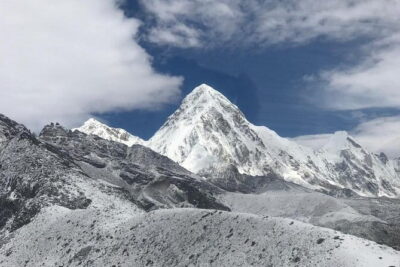 ★ 5.0Everest Base Camp Trek – 14 DaysFrom $1,8001,499 reviews
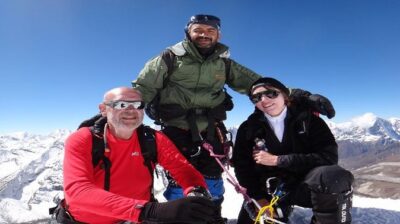 ★ 5.0Everest Base Camp TrekFrom $1,790842 reviews
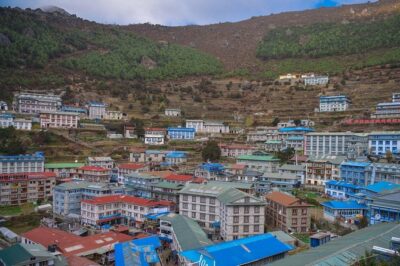 ★ 5.0Everest Base Camp TrekkingFrom $1,350485 reviews
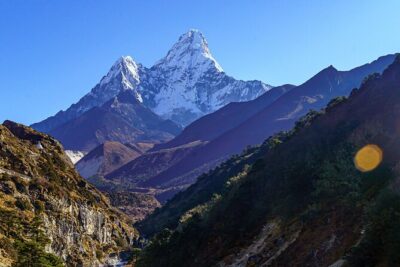 ★ 5.0Everest Base Camp Trekking – 13 DayFrom $1,399365 reviews
★ 5.0Everest Base Camp TrekFrom $1,445350 reviews
★ 5.0Everest Base Camp Trek -14 DaysFrom $1,420321 reviews
★ 5.0Everest Base Camp Trekking – 13 DayFrom $1,399365 reviews
★ 5.0Everest Base Camp TrekFrom $1,445350 reviews
★ 5.0Everest Base Camp Trek -14 DaysFrom $1,420321 reviews
 ★ 5.012 Days Everest Base Camp TrekFrom $1,099289 reviews
 ★ 5.0Everest Base Camp Trekking – 2025/2026From $1,339199 reviews
Browse the lists this tour appears in