
Review · PRIVATE CAR WITH DRIVER
Kathmandu 2 days tour private car and guide, cover major highlights
Kathmandu hits you fast. This private 2-day plan keeps you moving between the big spiritual and historic stops without turning your trip into a logistics puzzle, and you can shape the timing to fit your day. You’ll get a private car and guide with hotel pickup, so you’re not hunting for transportation between sites.
I especially love how the itinerary strings together distinct moods back-to-back: royal-square art and living traditions at Kathmandu Durbar Square, then the hilltop panorama at Monkey Temple, and after that the intense atmosphere of Pashupatinath. A lot of the positive energy here seems to come from the guiding—names like Paras show up in reviews for clear, story-filled explanations that make the sites feel real, not just photographed.
One thing to consider: some of the stops are visually and emotionally intense, especially around Pashupatinath and Bagmati River cremation areas. If you’re sensitive to ritual scenes or crowds, go in with a steady mindset and expect you’ll need a little patience and space.
In This Review
- Key things that make this 2-day Kathmandu tour worth your time
- Two days in Kathmandu: what this tour actually feels like
- Hotel pickup and private car: why the transport setup matters
- Day 1: Kathmandu Durbar Square to Bouddhanath in one flowing day
- Kathmandu Durbar Square: royal power meets living tradition
- Monkey Temple (Swayambhunath): the short drive that changes the view
- Pashupatinath: sacred temple, then the cremation rites by the Bagmati
- Bouddhanath Stupa: the “Little Tibet” vibe in Kathmandu
- Day 2: Patan and Bhaktapur Square—medieval palaces and temple detail
- Patan Darbar Square: refined craft and old-city geometry
- Bhaktapur Square: a slower pace that rewards patience
- The guiding: Paras, Gyan, and the value of stories you can’t Google
- What’s included, and what you should budget separately
- When you should book this (and when you shouldn’t)
- A few practical tips to make the days easier
- Should you book this 2-day Kathmandu highlights tour?
- FAQ
- What time does the tour start?
- Is this a private tour?
- What’s included in the price?
- Are monument entry fees included?
- Is food included?
- Can the itinerary timing be changed?
Key things that make this 2-day Kathmandu tour worth your time
- Hotel pickup + private transport: You’re not coordinating buses between UNESCO sites.
- Day 1 is a tight spiritual loop: Durbar Square, Monkey Temple, Pashupatinath, and Bouddhanath in one schedule.
- You can adjust timing: The itinerary is flexible on the phone after confirmation, so you can pick a departure time that works.
- Strong guiding reputation: Reviews specifically mention Paras for helpful, relaxed storytelling; some groups also mention Gyan (Instagram gyan1666) for sharing extra details beyond guidebook facts.
- Day 2 adds two medieval-square days: Patan Darbar Square and Bhaktapur Square in a 5–7 hour stretch.
- Monument fees are a wildcard: The tour includes free admissions for some listed stops, but monument entry fees are noted as not included—so budget a little just in case.
More days made easy with a local guide
- Kathmandu: Private City Guided Tour★ 4.9 · 174 reviews
- Full Day Guided Tour in Kathmandu★ 5.0 · 61 reviews
- Kathmandu Guided Tour★ 5.0 · 59 reviews
- 12 Day Everest Base Camp Guided Trek★ 5.0 · 40 reviews
Two days in Kathmandu: what this tour actually feels like
This is the kind of tour that works when your Kathmandu time is short and you still want the real, day-to-day texture of the city. Instead of spreading highlights across a week, you get a concentrated route that hits the UNESCO sites that most people come for.
The structure also matters. Day 1 is built around Nepal’s sacred geography: royal squares and temples in the city, then hilltop Monkey Temple, then the riverfront ritual scene at Pashupatinath, and finally Bouddhanath Stupa with that “Little Tibet” atmosphere. Day 2 shifts the focus to the urban craft of older Newar cities—Patan and Bhaktapur—with their medieval palaces and temple squares.
Because it’s private, your guide can pace you. That’s a quiet advantage in Kathmandu, where crowds and ticket lines can be unpredictable. Your day is still scheduled, but it’s not rigid.
Hotel pickup and private car: why the transport setup matters
Starting around 9:45 am (with flexibility to adjust after booking confirmation), you’ll be collected from your hotel and returned there at the end of each day. The tour uses a private car/van/bus depending on your group, and it’s designed as a private activity, meaning only your group participates.
Here’s why that matters in practice:
- You save energy. Kathmandu can be chaotic on foot and slow by transit. Door-to-door transport helps you spend your time looking, not waiting.
- You avoid the “split decision” problem. If you’re traveling with people who want to shop, photograph, or just wander, a guide can nudge everyone back to the plan without you arguing with the clock.
- You get smoother transitions between very different places—monuments, temple areas, and stupa viewpoints all in one day.
The price is $95 per person. For a private 2-day package with a guide and hotel transfers, that can be decent value—especially if you’re traveling as a small group and monument entry fees end up being minimal on your dates. The one caution: monument entry costs aren’t fully guaranteed to be zero, even though some stops are listed as admission ticket free.
Day 1: Kathmandu Durbar Square to Bouddhanath in one flowing day
Day 1 is about stacking the city’s major “layers” in a smart order. You begin in the Kathmandu Durbar Square area, then move to the Monkey Temple hill, drop down to Pashupatinath, and finish at Bouddhanath.
Kathmandu Durbar Square: royal power meets living tradition
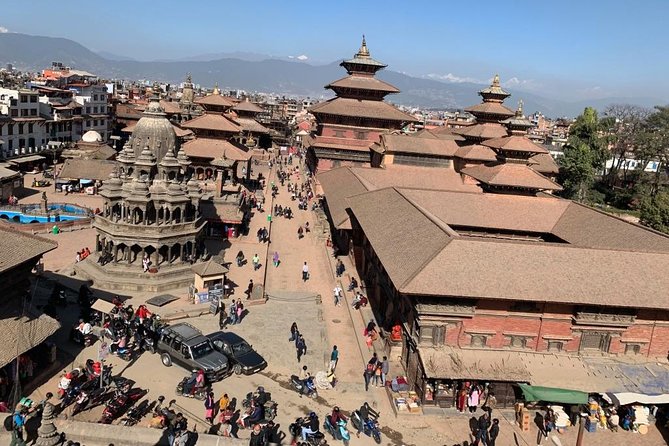
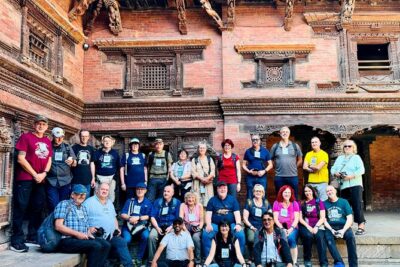
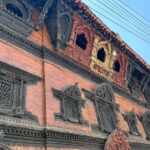
Kathmandu Durbar Square is the place where you feel the old city’s political and artistic muscle. The tour includes around one hour in the Durbar Square area to start, which is just enough to get your bearings.
This area is also tied to the Kumari tradition—the living goddess. In the Durbar Square complex, you’ll have a chance to observe where the Kumari is associated with the old palace space. Beyond that, you’re looking at multiple courtyards, wings, and carved details that reflect the Shah Dynasty memorials and the artistic architecture of the period.
A useful way to enjoy your time here: don’t treat it like one building. Instead, think of it as a cluster of squares and temple-like structures—walk, pause, look up, then move on.
Just your group, at your own pace

Monkey Temple (Swayambhunath): the short drive that changes the view
After Durbar Square, you’ll travel about 30 minutes to Swayambhunath / Monkey Temple. The big payoff here is the change in altitude and the panoramic feel.
Monkey Temple is known for that hilltop presence, and even if you keep your expectations realistic, it’s still a strong visual reset after the dense city core. You’ll have time to connect the dots between what you saw in the palace complex and how religious life in Kathmandu often expands upward, outward, and into viewpoints.
If you’re traveling with anyone who gets tired easily, this stop is still manageable because it’s positioned as a quick, high-reward transition—not an all-day hike.
Pashupatinath: sacred temple, then the cremation rites by the Bagmati
This is the stop that separates a “see the sights” day from a “this is Kathmandu” day.
The schedule includes about one hour at Pashupatinath, plus roughly 30–40 minutes of driving. Pashupatinath is a major Hindu temple complex on the bank of the sacred Bagmati River. What makes it unforgettable is the presence of ongoing public cremation rituals with rites and ceremonies taking place in the cremation areas.
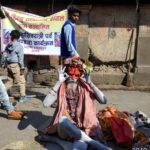
The tour also notes the kind of sights you may encounter there—holy men, ash-applied bodies, painted faces, dreadlocks, and people posing for pictures. Some of that is cultural spectacle; some of it is simply how devotion looks in motion.
Practical consideration: if cremation scenes make you uncomfortable, plan to spend time at the temple edges rather than staying too long at the most direct ritual sightlines. You can still see the architecture and spiritual atmosphere without lingering on the most intense moments.
Bouddhanath Stupa: the “Little Tibet” vibe in Kathmandu
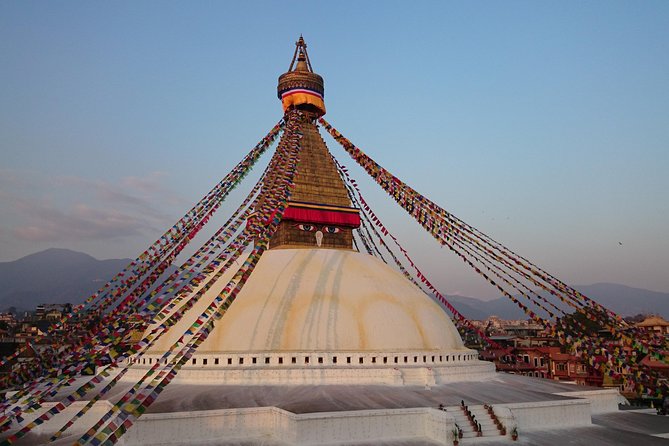
After Pashupatinath, you’ll take a short drive to Bouddhanath Stupa, described as “Little Tibet.” This is where the day softens after intensity.
Bouddhanath is known for its stupa-focused spirituality and the feeling of a wider Buddhist world—prayer wheels, pilgrims, and the hum of quiet repetition. It’s a good place to slow down just a bit, because the stupa isn’t about speed. It’s about attention.
By the time you return to your hotel, you’ll likely be ready for a shower, a snack, and a long sit down. That’s not a tour failure—that’s Kathmandu rewarding your pace.
Day 2: Patan and Bhaktapur Square—medieval palaces and temple detail
Day 2 is shorter than people expect in terms of total walking, but rich in what you’ll see. The plan is about 5–7 hours max, focused on Patan Darbar Square and Bhaktapur Square.
Patan Darbar Square: refined craft and old-city geometry
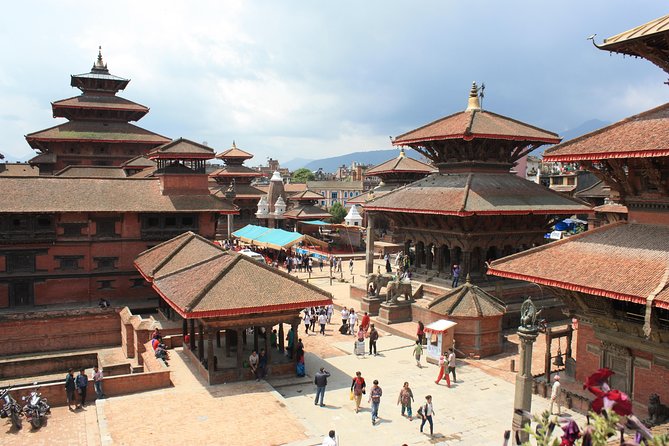
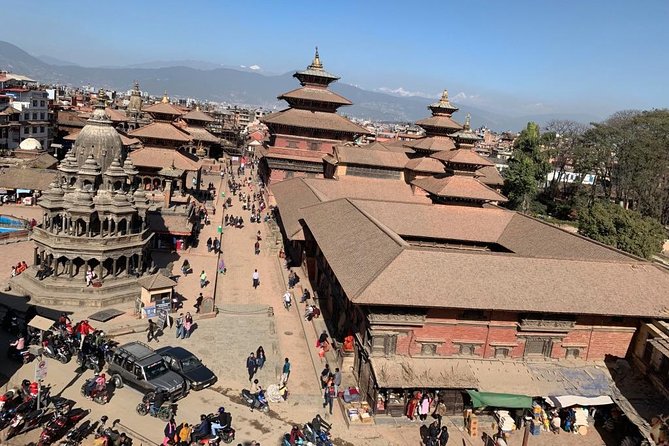
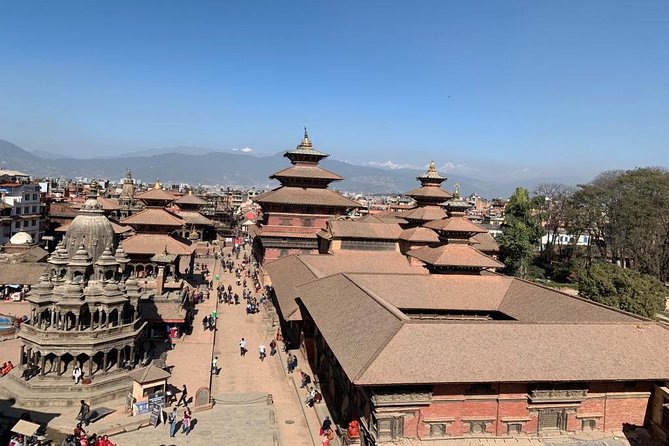
Patan is often talked about as a city of art and craftsmanship, and the Darbar Square area is where that shows up fast. You’ll be seeing a palace-temple style layout that reflects the old political and religious center.
This tour keeps it efficient. You’re not asked to spend the whole day guessing where to look; your guide helps you connect the key buildings and the story behind the square.
If you like architectural detail—carving, gateways, and temple façades—Patan is a strong match. If you prefer sweeping views and less looking-at-stone time, you might still find it satisfying because the square arrangement lets you see a lot without “museum fatigue.”
Bhaktapur Square: a slower pace that rewards patience
Bhaktapur’s square area feels more “lived in” as you move through temple spaces and surrounding historic structures. The tour is positioned as a medieval palace-and-temple day, and it delivers that sense of time layering.
The best strategy here is simple: pick a couple of anchor points (a key temple frontage, a doorway pattern, a courtyard view) and spend a few minutes really looking. Bhaktapur rewards that.
Because you’re in a 5–7 hour window, you may not cover every alley. But you’ll still get the main emotional beats—palace scale, temple detail, and a sense of old-town continuity.
The guiding: Paras, Gyan, and the value of stories you can’t Google
One standout theme from reviews is how much the experience depends on the guide’s tone and storytelling. Paras gets mentioned as a guide who was chill and made the days fun while still giving solid explanations. That combination matters more than people think.
Then there’s Gyan (Instagram gyan1666), a Japanese guide mentioned for sharing stories that aren’t in typical guidebook pages. One review specifically notes that the group was able to see Ikigami with his help—something they likely wouldn’t have found on their own.
Even if you don’t care about extra facts, a good guide helps you do two things:
- spot what’s important in the clutter of temples and carvings
- understand what you’re looking at without turning the day into a lecture
If you’re the type who likes learning while walking—rather than memorizing facts—this style fits you.
What’s included, and what you should budget separately
Included in the package:
- local private guide
- private car/van/bus
- hotel pickup and drop off
Not included:
- food and drinks
- monument entry fees (even though some stops are marked as admission ticket free)
My practical advice: pack snacks and plan for at least one meal you’ll handle independently. Also, keep a little extra cash for entrance fees on the days you might be charged.
When you should book this (and when you shouldn’t)
This tour is a good fit if:
- you want the biggest Kathmandu highlights in a short time
- you prefer private transport over figuring out routes
- you like your history mixed with religious life
- you’re traveling as a couple or small group and can spread out the cost
It might not be the best fit if:
- your schedule is extremely tight and you want almost zero driving time
- you’re uncomfortable with cremation areas and want a purely temple-and-viewpoint itinerary
- you dislike structured itineraries and would rather wander freely with no set order
Also, note that it’s designed for most travelers, and children must be accompanied by an adult.
A few practical tips to make the days easier
- Wear shoes you can walk in for hours. Durbar Squares and temple complexes involve uneven stone and lots of stairs.
- Bring water and something light to eat. Food isn’t included, and you don’t want energy crashes mid-site.
- Expect crowds at major sites like Durbar Square and Bouddhanath. Your guide’s pacing helps, but you’ll still feel city life.
- For Pashupatinath, decide ahead of time what feels okay for you to watch. You can stay respectful and still set your own limits.
Should you book this 2-day Kathmandu highlights tour?
If you have two days and you want a guided hit list that covers Kathmandu’s most important heritage sites with private comfort, I’d say it’s an easy yes. The biggest reason is efficiency without feeling rushed: you get hotel pickup, a real guide, and a route that moves between palace power, hilltop views, riverfront ritual, and stupa spirituality.
The only “pause” point is Pashupatinath. If you know you want to avoid cremation scenes entirely, you might rethink the plan or ask your guide for pacing that reduces direct viewing time.
If you want Kathmandu’s icons with less hassle and more meaning, this tour is a solid use of your limited time.
FAQ
What time does the tour start?
The listed start time is 9:45 am, with flexibility for timing adjustments after booking confirmation.
Is this a private tour?
Yes. It’s a private tour/activity, so only your group participates.
What’s included in the price?
The package includes a local private guide, private car/van/bus for the trip, and hotel pickup and drop off.
Are monument entry fees included?
The tour indicates that monument entry fees are not included, even though some stops are listed as admission ticket free. Budget a little for possible entrance costs.
Is food included?
No. Food and drinks are not included.
Can the itinerary timing be changed?
Yes. The itinerary is flexible, and you can choose your preferred time on the phone call after booking confirmation.
Simpler With a Local Guide
More Tours in Kathmandu




More Tour Reviews in Kathmandu




Just Reviewed in Kathmandu
- Mountain Bike Tour
★ 5.0 · 3 reviews - Annapurna Panaroma
★ 5.0 · 3 reviews - Mount Everest Scenic Flight 50 Minutes
★ 5.0 · 3 reviews - Kathmandu : Swambhunath & Durbar Square Guided Half Day Tour
★ 3.3 · 3 reviews - Chandragiri Cable Car & Monkey Temple Tour – Private/Group
★ 5.0 · 3 reviews - Kathmandu: Shivapuri National Park Hiking Day Trip
★ 3.3 · 3 reviews
Private Car with Driver, compared.
 ★ 4.5Airport Pickup By Private Car.From $1225 reviews
 ★ 5.0Nagarkot Sunrise By Private CarFrom $10021 reviews
 ★ 5.01 Night 2 Days Trishuli River Rafting Trip From Kathmandu With Private CarFrom $12014 reviews
 ★ 5.0Private Car Service from Kathmandu to PokharaFrom $7710 reviews
Kathmandu City Tour by Private CarFrom $809 reviews
 ★ 5.0Chandragiri Hills cable car day trip, private car with driver from KathmanduFrom $628 reviews
Browse the lists this tour appears in