
Review · PATAN & LALITPUR TOURS
Kathmandu and Patan Heritage and Living Goddess Experience Tour
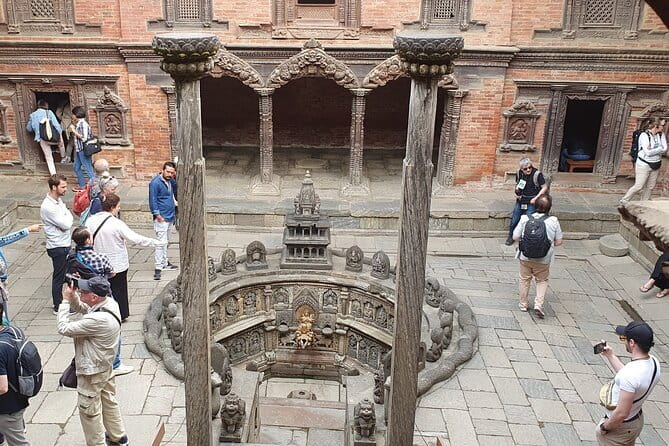
Two and a half hours, one big Kathmandu story. This guided walk strings together Shree Gha, Kathmandu Durbar Square, and the Living Goddess moment with Kumari. You get a short, structured route that still leaves room to look closely and ask questions.
I love how the route mixes sacred sights with real street life, starting with a calm Buddhist shrine and then heading straight into local market energy. I also like that you’re traveling with a trained guide who can translate temple details into something you can actually use while you’re standing there, and the names Badri and Sovit show up often in the experiences people describe.
One possible drawback: the schedule is tight, and while the UNESCO Durbar Square fee is included, admission tickets are not for every spot. If you want lots of slow photo stops, you might feel the pace.
In This Review
- Key highlights worth planning for
- What You Really See: Kumari and Durbar Square in One Walk
- From Shree Gha to the Ason-area market: where you start grounded
- Kathmandu Durbar Square: temples, museums, and the Kumari sightline
- Basantapur Durbar Square: Malla & Shah architecture you can actually point to
- The Living Goddess moment: etiquette and what to watch
- A guide makes the difference (and you may get a big-name favorite)
- Price and what you actually get for $50
- Timing, walking comfort, and what to wear
- Who should book this tour, and who might prefer a different plan
- Should you book the Kathmandu and Patan Heritage and Living Goddess Experience tour?
- FAQ
- How long is the Kathmandu and Living Goddess experience tour?
- Is pickup included?
- What’s included in the price?
- Are admission tickets included?
- Is this a private tour?
- What is the cancellation policy?
Key highlights worth planning for

- Kumari in context: You visit her residence area during the Basantapur stop and learn how she fits into Newari culture and Hindu tradition.
- Two Durbar Square zones: Kathmandu Durbar Square plus Basantapur Durbar Square gives you a broader feel for Malla-era design.
- Shree Gha as the calm reset: The Buddhist shrine stop balances the louder temple crowds and market blocks.
- Real architecture details: You’ll hear what Malla & Shah dynasty influence looks like in stone and layout, not just dates.
- Museum time built in: A local museum stop helps you connect the buildings to the story behind them.
- Short walking day: At about 2.5 hours, it’s a good option when you don’t want a half-day commitment.
Deeper into old Kathmandu
- Private Kathmandu Sightseeing Tour | UNESCO World Heritage sites★ 5.0 · 756 reviews
- UNESCO Seven World Heritage Tour in Kathmandu★ 5.0 · 253 reviews
- Nepal Discovery Tour: Heritage Sites & Scenic Hill Easy Hike★ 5.0 · 121 reviews
- Kathmandu Private Sightseeing Tour | UNESCO World Heritage Sites★ 5.0 · 109 reviews
What You Really See: Kumari and Durbar Square in One Walk
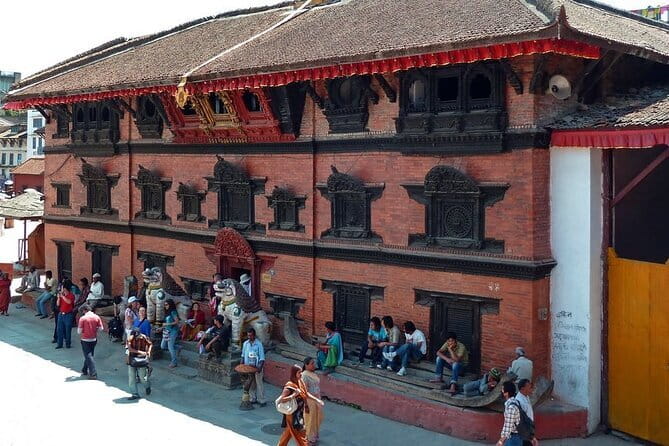
This tour is built around two ideas: first, Kathmandu’s Durbar Square worlds, where temples and royal-era architecture sit cheek-by-jowl. Second, a rarer cultural moment—meeting Kumari’s presence through her residence area—where you’re not just hearing about a tradition. You’re standing in the space where it happens.
Kathmandu Durbar Square is the big-name stop for architecture and meaning. Basantapur Durbar Square adds a different angle, with the Malla & Shah dynasty influence and specific religious and historical details tied to the Living Goddess site. Even with a short duration, the layout gives you that “I get the vibe fast” feeling—especially helpful if it’s your first day.
From Shree Gha to the Ason-area market: where you start grounded
The tour starts with a meeting at your hotel and then a 30-minute walk. That opening matters because it sets a rhythm: you begin with Shree Gha, a serene Buddhist shrine, before you switch gears into everyday market life.
After Shree Gha, you head toward a local market around the Ason area. This is where you can slow down and just watch: the way people move, how vendors arrange goods, and what kinds of daily items show up on the street. It’s not about shopping hard. It’s about understanding how these heritage sites connect to current life.
If you’re the type who gets overwhelmed by crowded temple areas, the calm shrine-to-market-to-temple flow is a smart pacing trick. You’re not thrown from one extreme to the other without a transition.
Kathmandu Durbar Square: temples, museums, and the Kumari sightline
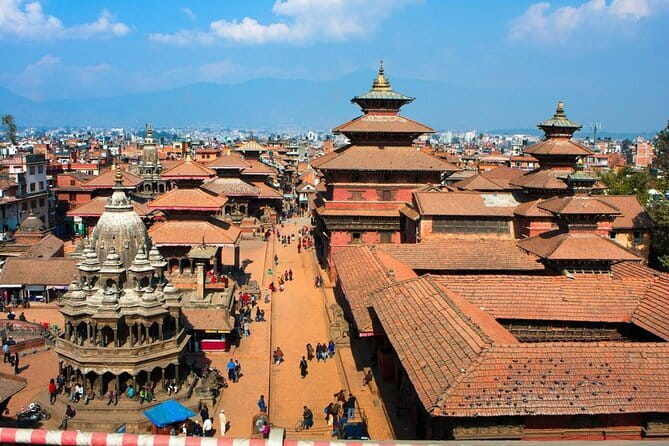
Once you reach Kathmandu Durbar Square, the focus becomes the royal-temple zone and the stories built into it. You’ll visit temples and museums in the Durbar Square complex, and you’ll also get a chance to see Kumari as part of this Kathmandu section of the route.
This part is valuable for two reasons. First, Durbar Square is UNESCO-listed, so you’re seeing a site that’s been curated by history in stone and layout, not just by modern signage. Second, the guide helps you connect what you see—front courtyards, temple forms, and museum context—into a coherent picture rather than a checklist of stops.
A practical note: some entrances inside temple zones and museum areas can require separate paid admission. The UNESCO Durbar Square fee is included, but the tour information also flags that admission tickets are not included. That means your best move is to keep a little cash aside or be ready for smaller entry fees at specific spots.
Basantapur Durbar Square: Malla & Shah architecture you can actually point to
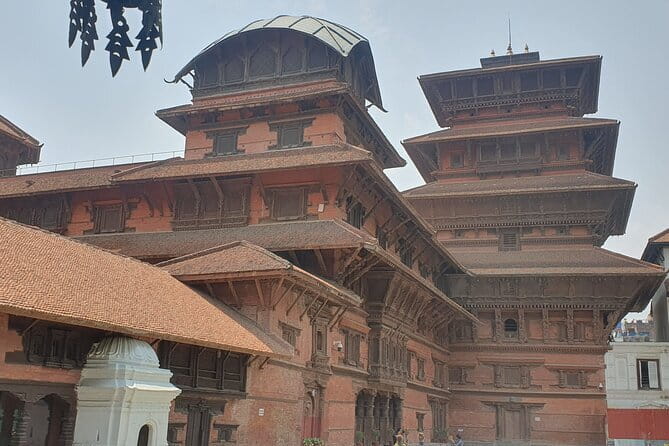
The second phase shifts to Basantapur Durbar Square, another UNESCO-listed hub. This stop is where the tour really leans into architectural context—especially the influence of the Malla & Shah dynasty, spanning from the 12th to the 19th centuries.
You’ll see the Living Goddess residence area again here, but in a more “anchored” way because this is the Basantapur center for Kumari-related significance. The guide’s job in this section is key: it’s one thing to see carved details; it’s another to understand what you’re looking at and why that spot matters.
You’ll also have time for a local museum stop. That museum time helps you connect the visible structures to the historical layers behind them. If you tend to forget everything once you leave a museum room, the timing is helpful—you’re learning while your eyes still have the buildings in view.
And don’t miss the mention of Kalvairabh: the tour includes a view of a 17th-century stone sculpture associated with religious and historical significance. If you like seeing how devotion and art share the same materials, this is one of the most interesting “look longer” moments.

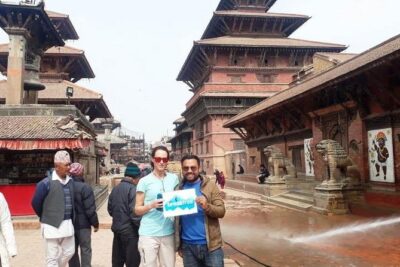
The Living Goddess moment: etiquette and what to watch
The tour is designed to include the Living Goddess experience, with Kumari’s residence being part of both the Kathmandu and Basantapur sections. Because this is a living cultural tradition, the practical question isn’t just what you’ll see—it’s how to behave once you’re there.
Here’s what I’d treat as your checklist:
- Keep your voice low and move with care in temple areas.
- Pay attention to the guide’s cues about where people can stand and when to pause.
- Bring patience for crowd flow. Even on a short walking tour, you’ll want time to look without pushing.
What makes this experience special is the framing. The guide doesn’t treat Kumari as a tourist photo op; they position her as a key figure in Newari culture and Hindu religion. That context changes your experience even if you’re not 100% sure what every detail means on your first pass.
A guide makes the difference (and you may get a big-name favorite)
This tour includes a certified and trained tour guide, and that shows up in the way people describe the experience—clear explanations, friendly pacing, and helpful cultural tips. Names like Badri and Sovit come up in the experiences shared, and both are described in a way that points to something practical: they help you interpret what you’re seeing while keeping the walk easy to follow.
One nice detail from the way people talk about it: the guide doesn’t just rattle facts. They’re willing to incorporate small, real Kathmandu breaks—like pointing you toward a snack stop if that’s your style. If you want to add something simple like momos or chai during the tour window, this is the kind of group setup where your guide can often suggest a sensible place and timing.
Also worth knowing: the tour is private for your group. That means you’re not stuck waiting for a big crowd to finish one photo moment before moving on.
Price and what you actually get for $50
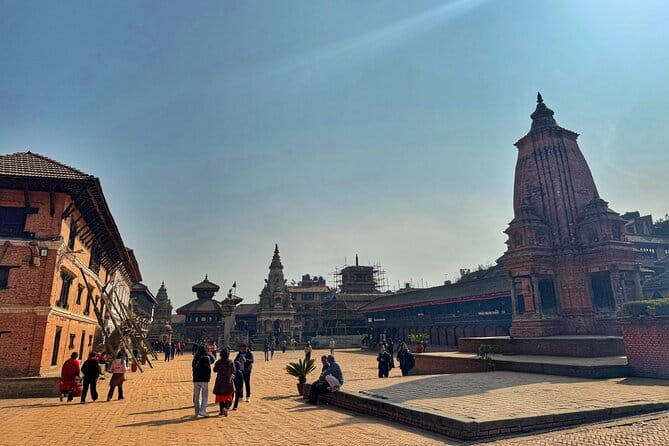
At $50 per person, this is priced like a short, guided orientation through Kathmandu’s most iconic heritage pockets. The value comes from what’s included:
- Walking tour format (no bus needed for every step)
- Trained guide
- UNESCO Durbar Square fee entrance included
- Pickup offered (so you’re not hunting meeting points mid-trip)
- Mobile ticket
What’s not included is also important: admission tickets aren’t included for every stop. So if you’re the type who hates surprises, build in a small buffer for paid entry fees at specific temple or museum points inside the complex.
You also get group discounts if you’re traveling with others, which can help make the per-person cost feel even easier to justify. And because the duration is about 2 hours 30 minutes, it’s a strong option when you’re fitting in Kathmandu between longer plans.
Timing, walking comfort, and what to wear
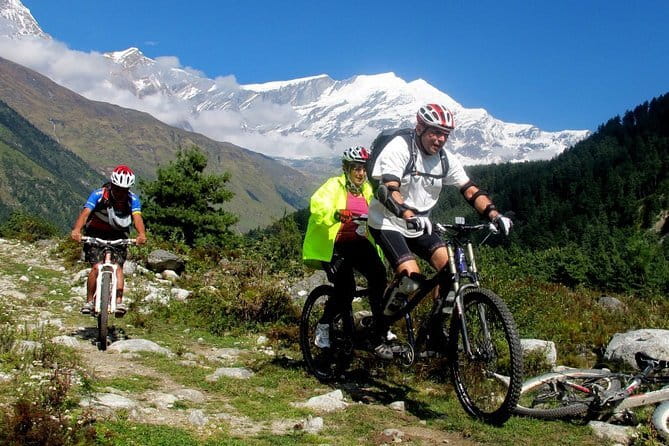
This is a walking-heavy heritage route, roughly 2.5 hours total, with a 30-minute walk at the start plus additional site time. You’ll be moving through temple courtyards and crowded lanes, so comfortable shoes matter more than fancy clothes.
Wear something you can adjust easily. Temple areas are still religious spaces, so you’ll want to dress with respect and be comfortable for pauses. If you’re visiting in hot weather, bring water; if it’s cooler, expect short shade patterns that make it feel colder in open courtyards.
One more practical point: the tour offers pickup and works near public transportation, so if you’re staying somewhere central, it’s simpler to fit this into your day. Service animals are allowed, which is helpful if that’s relevant for your group.
Who should book this tour, and who might prefer a different plan
I’d recommend this for you if:
- It’s your first time in Kathmandu and you want a structured route to the big UNESCO sites.
- You care about cultural traditions, not just scenery.
- You want a short walking experience with a guide who can explain what you’re seeing on the spot.
- You like the idea of seeing Kumari’s residence area with context tied to Newari culture and Hindu tradition.
You might skip it (or pair it with something longer) if:
- You want lots of free time inside each Durbar Square complex without a set schedule.
- You plan to visit many additional museums or add-on sights beyond what’s listed.
- Your group is sensitive to temple crowds and walking pace.
Also, the tour name mentions Patan heritage, but the scheduled stops you’ll get here are centered on Kathmandu sites—especially the Durbar Square areas. If Patan is your top priority, confirm what the day includes before you commit.
Should you book the Kathmandu and Patan Heritage and Living Goddess Experience tour?
If your goal is a focused taste of Kathmandu’s heritage in a short amount of time, I’d book it. You’re getting two UNESCO Durbar Square areas, a thoughtful route that starts with the calm of Shree Gha, built-in museum learning, and the cultural centerpiece of Kumari’s Living Goddess tradition at her residence area.
It’s also a smart value play because the UNESCO Durbar Square fee is included and you’re traveling with a trained guide. Just go in knowing that admission tickets can be extra for some spots, and keep your expectations realistic about photo pacing in heritage courtyards.
If you’re careful with your time and flexible about small entry fees, this tour is exactly the kind of “get your bearings fast” experience that makes the rest of Kathmandu easier to enjoy.
FAQ
How long is the Kathmandu and Living Goddess experience tour?
It runs about 2 hours 30 minutes (approx.), with walking time built in.
Is pickup included?
Pickup is offered, and the second stop may include a pickup before the tour begins.
What’s included in the price?
The tour includes a walking tour, a trained guide, a cultural experience, and the UNESCO Durbar Square entrance fee. The price is $50 per person.
Are admission tickets included?
No. The tour notes that admission tickets are not included, even though the UNESCO Durbar Square fee is included.
Is this a private tour?
Yes. It’s private, meaning only your group participates.
What is the cancellation policy?
You can cancel for a full refund if you cancel at least 24 hours before the experience start time. If you cancel less than 24 hours before, the amount paid is not refunded.
The Old Kathmandu, Properly Toured


More Tours in Kathmandu




More Tour Reviews in Kathmandu


Just Reviewed in Kathmandu
- Mountain Bike Tour
★ 5.0 · 3 reviews - Annapurna Panaroma
★ 5.0 · 3 reviews - Mount Everest Scenic Flight 50 Minutes
★ 5.0 · 3 reviews - Kathmandu : Swambhunath & Durbar Square Guided Half Day Tour
★ 3.3 · 3 reviews - Chandragiri Cable Car & Monkey Temple Tour – Private/Group
★ 5.0 · 3 reviews - Kathmandu: Shivapuri National Park Hiking Day Trip
★ 3.3 · 3 reviews
Patan & Lalitpur Tours, compared.
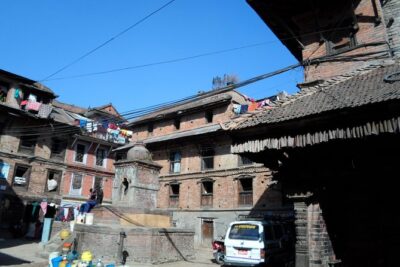 ★ 5.0Bhaktapur & Patan Durbar Square Day ToursFrom $50122 reviews
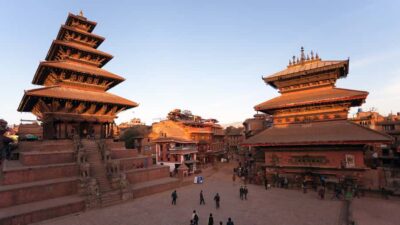 ★ 4.7Private Patan and Bhaktapur Sightseeing TourFrom $4964 reviews
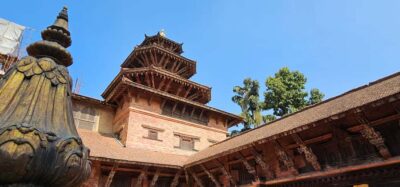 ★ 5.0Patan and Bhaktapur City Full Day TourFrom $5024 reviews
 ★ 4.5City tour of Bhaktapur and Patan Durbar SquareFrom $11020 reviews
 ★ 5.0Patan Heritage Tour – Private/Small GroupFrom $514 reviews
 ★ 5.0Patan & Bhaktapur Durbar Square Tour with Lunch – Private/GroupFrom $511 reviews
 ★ 5.0Nagarkot Sunrise, Bhaktapur and Patan Durbar Square Tour in KathmanduFrom $13010 reviews
 ★ 5.0Bhaktapur darbar, Patan Darbar square & Changu Narayan in 1 dayFrom $5010 reviews
Browse the lists this tour appears in