
Review · KATHMANDU UNESCO HERITAGE TOURS
Kathmandu Bhaktapur Patan Authentic Local Tour +7 UNESCO WH Sites
From durbar squares to working craft alleys, this trip gives you the Kathmandu Valley from street level. Juju Dhau cooking, Newari art sessions, and the big UNESCO sights are mixed into a tight 3-day route that doesn’t feel like a checklist. I also liked that it’s led by a local guide with Newar roots, so you’re not just hearing facts—you’re watching how culture actually happens day to day.
Two standouts for me: the live Juju Dhau making session in Bhaktapur (it’s not a quick photo stop), and the way the itinerary threads the UNESCO monuments with nearby smaller temples, ponds, hiti drinking fountains, and craft squares. One thing to keep in mind: the schedule packs a lot into each day, so comfortable shoes and a realistic pace matter—especially with stairs, uneven stone, and long walking.
In This Review
- Key highlights you’ll remember
- Price and logistics: is $385 actually good value?
- Day 1 in Bhaktapur: Juju Dhau, pottery life, and the Durbar Square core
- Siddha Pokhari: a historic pond with a spiritual vibe
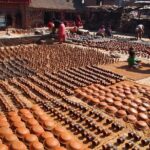
- Pottery Square: watch the craft square, not just the finished products
- Bhaktapur Durbar Square: UNESCO monument zone, plus the details around it
- Chandeshwori and a temple-to-food shift
- Dattatreya Temple and Navadurga: the city’s protective religious geography
- Day 2 in Patan: Durbar Square plus the courtyards, fountains, and monasteries
- Pimbahal Stupa and Jagamadu Pond: a quiet spiritual rhythm
- Nagbahal Hiti (Elhānani Hiti): old drinking fountains still in use
- Golden Temple (Hiranya Varna Mahavihar): the monastery beyond the nickname
- Kumbheshwor Temple: documented history in a compact stop
- Patan Durbar Square: the big royal plaza
- Golden Fountain and Mahaboudha Temple: art and clay-brick Buddhist architecture
- Oku Bahal monasteries and Shilpakar craft lanes
- Day 3 in Kathmandu: Durbar Square to Swayambhunath, Bouddhanath, and Pashupatinath
- Kathmandu Durbar Square: the royal monument zone
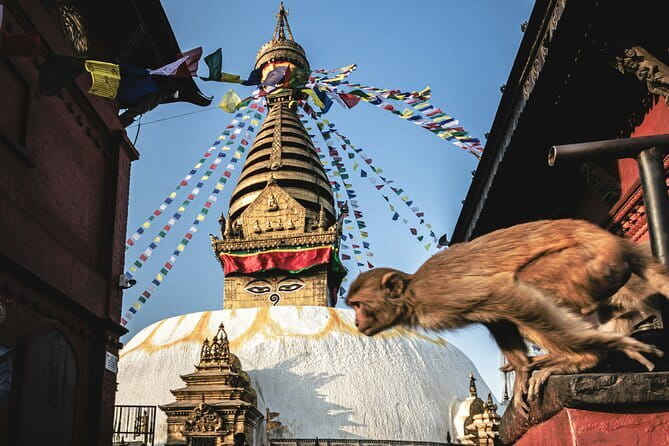
- Swayambhunath: a stupa viewpoint with layers of meaning
- Budhanilkanth (Jal Narayan Temple): peaceful contrast
- Bouddhanath (Buddha Stupa): drive, time, and atmosphere
- Pashupatinath: the most intense religious stop of the day
- Thamel and Jhamsikhel: optional VIP nightlife access
- The UNESCO question: you’re promised 7 sites, so double-check the exact list
- Why the local-expert approach actually matters (not just marketing)
- Who this tour suits best
- Final call: should you book this Kathmandu Bhaktapur Patan tour?
- FAQ
- What is the duration of this tour?
- What time does the tour start?
- How much does it cost per person?
- Is pickup available?
- Is this a private tour?
- What does the tour include?
- What is not included?
- Is a mobile ticket used?
- How many UNESCO World Heritage sites are included?
Key highlights you’ll remember
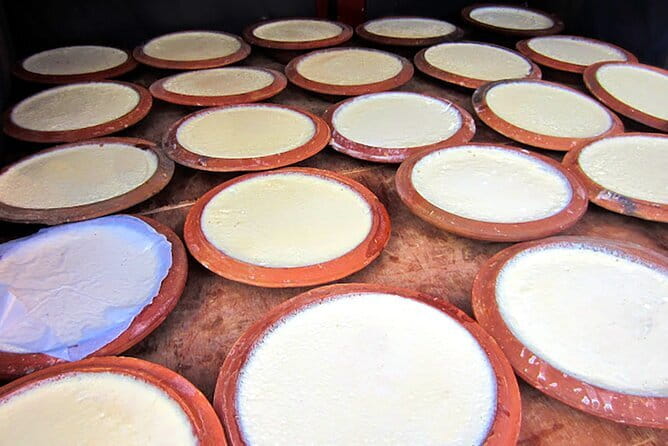
- Live Juju Dhau preparation in Bhaktapur: a hands-on session focused on a dish locals actually take seriously.
- Patan’s artisan neighborhoods: you spend time around the woodwork and craft lanes, not just the main plaza views.
- Temple-and-fountain route logic: ponds (Siddha Pokhari), hiti fountains, and monastery courtyards get treated as part of the story, not filler.
- UNESCO World Heritage, plus the surrounding context: Kathmandu Valley’s major sites are paired with local stops that help things click.
- Local guides with real ties: guides named Nirajan/Niranjan and Kamal show up in recent feedback, and the common theme is authenticity.
- Optional evening time in Thamel: a choice to cap the trip with guided access to the nightlife area without turning the day into a party marathon.
Not sure yet? Here are other Kathmandu tours worth a side-by-side look.
- Everest Base Camp Trek – 14 Days★ 5.0 · 1,499 reviews
- Everest Base Camp Trek★ 5.0 · 842 reviews
- Private Kathmandu Sightseeing Tour | UNESCO World Heritage sites★ 5.0 · 756 reviews
- Kathmandu: 7 UNESCO Sites with Lunch★ 4.8 · 744 reviews
Price and logistics: is $385 actually good value?
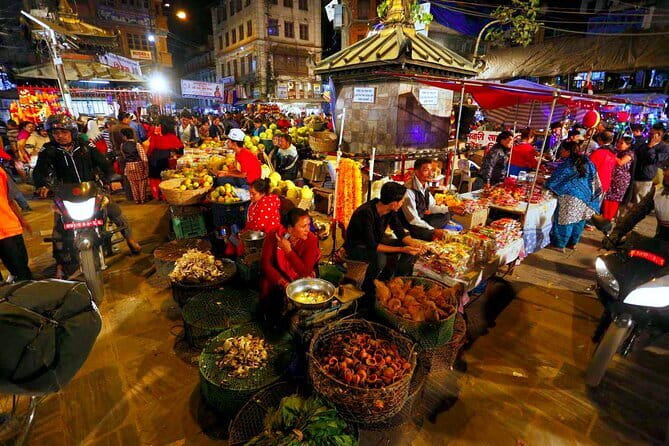
At $385 per person for about 3 days, the value depends on one thing: how much you care about getting more than the headlines. You’re paying for an expert local guide, private transportation in an A/C vehicle, and entrance fees that are specifically tied to the attraction stops on the route (plus environment management fees).
If you were traveling on your own, you could likely piece together the UNESCO monuments for less—sure. But you’d lose the parts that turn the valley from scenic into meaningful: the cooking session, the pottery/art time, the idol hand-carving activity in Patan, and the explanation that comes from someone who grew up with these places. Recent trip feedback also keeps pointing to the same idea: the route gets you into rarer corners and working neighborhoods rather than only the most obvious spots.
One practical note: the tour runs with a 9:15 am start time and adds a lot of walking per day. This is a good fit for people who like to move, not for those who want a slow ride between landmarks.
Day 1 in Bhaktapur: Juju Dhau, pottery life, and the Durbar Square core
Bhaktapur is where the tour leans hard into day-to-day Newar culture. The first big feature is a live Juju Dhau making session. You’re not just watching from a distance. You get time with the process itself, and that matters because Juju Dhau is one of those foods where the technique and local context are the real story. It’s also a good way to break the ice with the guide, because conversations about ingredients, tradition, and households come naturally once you’re seeing how it’s prepared.
From there, the day stays in the Bhaktapur old-city rhythm.
Siddha Pokhari: a historic pond with a spiritual vibe
You start with Siddha Pokhari, a historic pond adjacent to Bhaktapur Durbar Square. Even when you’re not a deep-heritage person, ponds like this help you understand how these cities were built around water, worship, and community life.
Time on the stop is short, but the location does a lot of work. It sets you up for the next part, where the tour moves from water to craft.
Pottery Square: watch the craft square, not just the finished products
Next is Pottery Square, a lively working area focused on pottery activity. If you’ve ever visited a market where everything feels like souvenirs, you’ll appreciate this approach more. You’re seeing the work in motion rather than only polished items on display.
This is one of those stops that becomes more enjoyable if you’re curious. If you enjoy watching how locals do their jobs, you’ll get more out of Pottery Square than you would at a pure shopping stop.




Bhaktapur Durbar Square: UNESCO monument zone, plus the details around it
Then you hit Bhaktapur Durbar Square, a UNESCO World Heritage site. This is the anchor point for architecture and palace-era storytelling in the city. Expect classic temple textures, carved stone, and the kind of layered layout that rewards careful walking. You get about an hour here, which is long enough to see the main features but not so long that you lose momentum.
Chandeshwori and a temple-to-food shift
The tour continues with Chandeshwori Temple, described as an intricately designed three-story pagoda-style shrine. It’s an example of how Bhaktapur’s religious architecture isn’t separate from daily life; it’s integrated into the neighborhood fabric.
After that, there’s an optional local food tasting window. It’s smart they leave it optional. Food is personal: some people want to sample everything, others want light meals so they don’t feel slow for the rest of the day.
Dattatreya Temple and Navadurga: the city’s protective religious geography
Later you visit Dattatreya Temple via Khacha Pokhari. The stop is tied to a legend about King Yaksha Malla and includes the kind of historical notes that help you read the site instead of just passing through it.
Finally, the tour heads to Navadurga Temple on the outskirts area, with temples built to protect the city. This last temple stop gives the day a nice arc: palace space, then neighborhood shrines, then protective architecture on the edges.
Bhaktapur takeaway: by the end of Day 1, you’ll feel like you saw the city’s layers—from food craft to sacred spaces—rather than only its biggest postcard.
Day 2 in Patan: Durbar Square plus the courtyards, fountains, and monasteries
Patan (Lalitpur) is where the itinerary shifts from Bhaktapur’s thick Newar culinary and craft identity into a softer mix of Buddhist and Hindu sites, stonework, and long-established water points.
The day starts at Patan Dhoka, the gateway to Patan. Think of this as a “city boundaries” moment: you ease into Patan’s identity before jumping into the major monument zone.
Pimbahal Stupa and Jagamadu Pond: a quiet spiritual rhythm
Next you visit Pimbahal Stupa, significant to Buddhist pilgrims, followed by Jagamadu Pond nearby. This is the kind of stop that makes a tour feel real. It’s not the loudest sight on the valley map, but it shows you how belief lives in ordinary spaces.
Nagbahal Hiti (Elhānani Hiti): old drinking fountains still in use
Then comes Nagbahal Hiti, also known as Elhānani Hiti, described as an ancient drinking fountain dating back to the 8th century. It’s still used for cultural events. If you care about authenticity, this is the kind of stop you want: something old that still functions.
Golden Temple (Hiranya Varna Mahavihar): the monastery beyond the nickname
The tour heads to Golden Temple (Hiranya Varna Mahavihar), a Newari Buddhist monastery built in 1409. Even though it’s nicknamed the Golden Temple, the description notes it’s not entirely made of gold—so you get the reason behind the label rather than only the label itself.
Kumbheshwor Temple: documented history in a compact stop
After that, you visit Kumbheshwor Temple, highlighted for extensive documentation dating to the late 14th century. Short stops like this can be useful if your guide ties the monument to broader valley development. Here, the tour’s structure suggests you’re meant to compare Patan’s style and religious mix as you move.
Patan Durbar Square: the big royal plaza
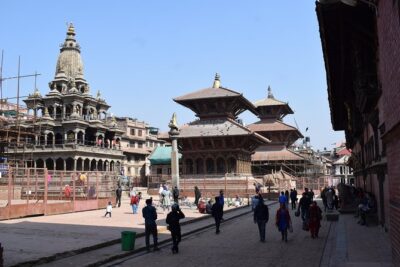
You then reach Patan Durbar Square, the royal palace complex over the Durbar Square area, densely packed with temples. This is one of those UNESCO stops where the guide’s routing matters. You’ll want to see multiple angles, not only the main courtyard view.
Golden Fountain and Mahaboudha Temple: art and clay-brick Buddhist architecture
The tour continues to the Golden Fountain and then to Mahaboudha Temple, a serene Buddhist structure built in the 14th century with terra-cotta art. Mahaboudha stands out from the surrounding pagoda roofs, giving you a clear visual moment in the middle of the day.
Oku Bahal monasteries and Shilpakar craft lanes
Later you explore Rudra Varna Mahavihar (Oku Bahal) across three courtyards, each with its own features. Then you move through narrow Patan alleys where you can see woodwork crafted by artisan families known as Shilpakar.
This is one of the best parts of the whole itinerary for people who like textures: tool marks, patterns, and the way craft families shape entire neighborhoods.
Patan takeaway: you’ll come away with a better sense of how Patan’s religious architecture and artisan life reinforce each other.
Day 3 in Kathmandu: Durbar Square to Swayambhunath, Bouddhanath, and Pashupatinath
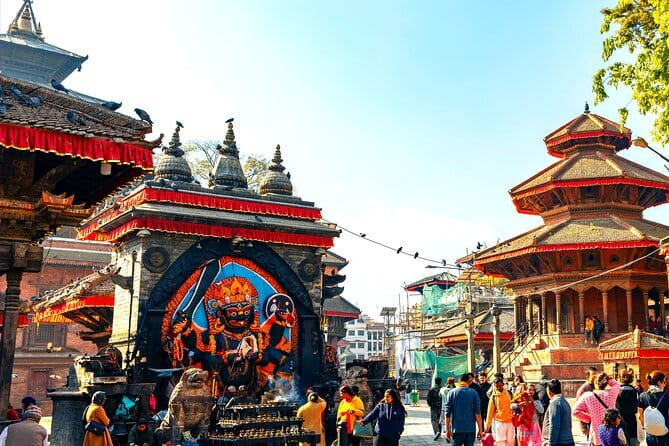
Day 3 is where Kathmandu’s UNESCO list really shows. The day begins with a walk through Thamel and the narrow alleys of Asan Tole, moving toward Newroad Gate via Kathmandu Durbar Square.
This walking start matters. It helps you understand Kathmandu at street scale: where people actually move, where shops and daily life cluster, and how quickly the city shifts from tourist zones to local texture.
Kathmandu Durbar Square: the royal monument zone
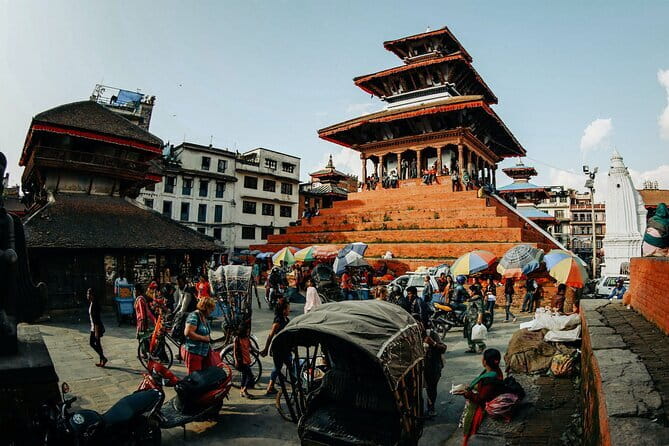
You spend time at Kathmandu Durbar Square and its surrounding areas with admission included. This is one of the major UNESCO anchors in the valley, but you’ll get more value if you slow down and look at the carvings and the way courtyards connect.
Swayambhunath: a stupa viewpoint with layers of meaning
Then you head to Swayambhunath. The stop is timed to give you a proper look at the stupa and its setting. It’s the kind of place where you’ll keep noticing new details as you circle the complex.
Budhanilkanth (Jal Narayan Temple): peaceful contrast
Next is Budhanilkanth Temple, also called Jal Narayan Temple. The description calls it tranquil and tucked into a peaceful corner of the valley. This is a good pacing break after the busier UNESCO highlights.
Bouddhanath (Buddha Stupa): drive, time, and atmosphere
You drive to Bouddhanath stupa (described as Buddha Stupa). Time here is longer, which helps. Big stupa sites need space—otherwise they feel like rushed photos.
Pashupatinath: the most intense religious stop of the day
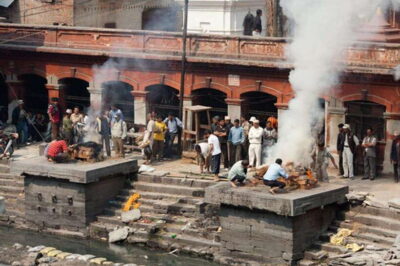
Finally you visit Pashupatinath Temple on the Baghmati River. The itinerary frames it as a major place of worship in the Kathmandu Valley. This is a stop where respectful behavior is part of the experience, so plan to keep your pace calm and your attention on what’s around you.
Thamel and Jhamsikhel: optional VIP nightlife access
At the end, you have a choice to experience nightlife in Thamel and Jhamsikhel. The tour description mentions escorted VIP line access for restaurants, pubs, clubs, and streets in that area. It’s not included, so think of it as optional add-on time rather than part of the core cultural day.
Kathmandu takeaway: by the end of Day 3, you’ll have seen the valley’s heavyweight UNESCO monuments paired with a very human walk through Kathmandu streets.
The UNESCO question: you’re promised 7 sites, so double-check the exact list
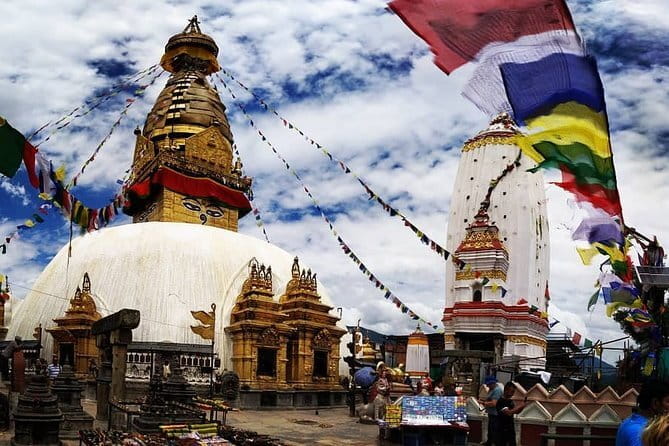
The title says you’ll see +7 UNESCO World Heritage sites. In the day-by-day route, you can clearly spot several UNESCO monument stops by name: Kathmandu Durbar Square, Bhaktapur Durbar Square, Patan Durbar Square, Swayambhunath, Bouddhanath, and Pashupatinath.
That’s six clearly stated UNESCO sites in the route description. The tour still claims 7, so the seventh may be handled during temple/courtyard area time in a way that isn’t spelled out here. Before you book, I’d recommend you ask the provider to confirm the exact seventh UNESCO site included on your dates.
Why the local-expert approach actually matters (not just marketing)
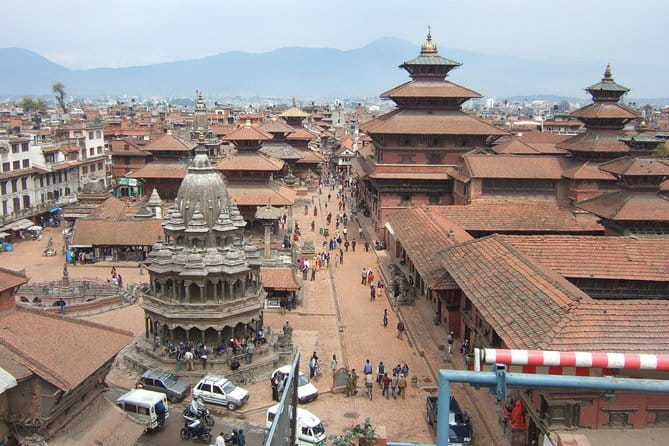
A lot of tours say they are local. This one leans into practical authenticity: you’re guided by someone connected to the Newar communities of Kathmandu, Bhaktapur, or Patan, and the program includes working craft and food sessions—Juju Dhau making in Bhaktapur, plus traditional pottery & art and religious idol hand-carving activity in the valley.
Recent feedback also points to the same pattern: guides like Nirajan/Niranjan are praised for taking people into rare corners and helping visitors understand what’s under the surface—how locals try to keep these places intact even while modernization pressure grows. That’s a big deal in Kathmandu Valley, where it’s easy to get stuck in only the most obvious sights.
The best part is that the tour doesn’t treat the UNESCO monuments as separate from local life. It pairs them with water points, temples, craft squares, and daily food culture.
Who this tour suits best
This is a strong match for you if:
- You want Kathmandu, Bhaktapur, and Patan in one go with a single organized plan.
- You care about hands-on culture like food preparation and craft activities, not only sightseeing photos.
- You like walking and can handle a full schedule across 3 days.
- You prefer a private tour format where only your group participates.
It might be less ideal if:
- You want lots of free time or low walking.
- You get overwhelmed by packed days with multiple religious sites.
Final call: should you book this Kathmandu Bhaktapur Patan tour?
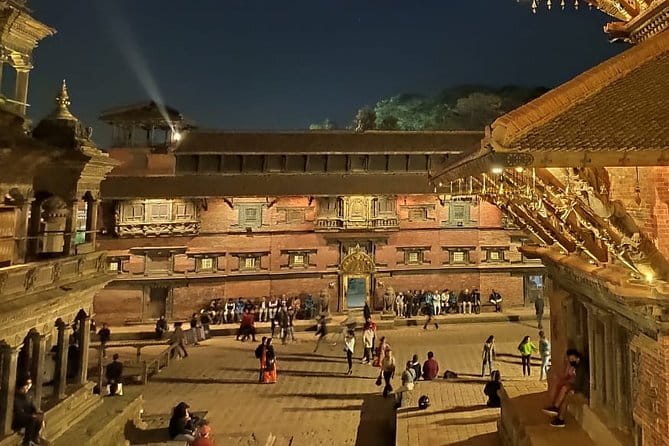
I’d book it if your goal is to understand the valley through working culture: the Juju Dhau session, pottery/craft time, monastery and temple courtyards, plus the major UNESCO monuments. The pricing makes sense when you factor in the local guide approach and the included entrance fees and transportation, not just the sightseeing.
But before paying, do one smart thing: confirm the exact seventh UNESCO site promised in the title. Once that’s clear, this is the kind of tour that leaves you with more than landmark photos. You come home remembering how these cities function—through food, crafts, and the daily meaning of sacred spaces.
FAQ
What is the duration of this tour?
It’s a 3-day tour, with the itinerary planned across three days of sightseeing.
What time does the tour start?
The tour starts at 9:15 am.
How much does it cost per person?
The price is $385.00 per person.
Is pickup available?
Pickup is offered.
Is this a private tour?
Yes. It’s listed as a private tour/activity, with only your group participating.
What does the tour include?
It includes private transportation (air-conditioned vehicle), all fees and taxes, a professionally certified local tour leader, a bottle of water per day per person, and entrance fees and environment management fees for the attractions mentioned in the itinerary.
What is not included?
Food, accommodation, and gratuity for service staffs are not included.
Is a mobile ticket used?
A mobile ticket is mentioned.
How many UNESCO World Heritage sites are included?
The tour title states +7 UNESCO World Heritage site visits. You should confirm the exact seventh site included for your dates since the named UNESCO stops in the route description total six.
More Tours in Kathmandu




More Tour Reviews in Kathmandu




Just Reviewed in Kathmandu
- Mountain Bike Tour
★ 5.0 · 3 reviews - Annapurna Panaroma
★ 5.0 · 3 reviews - Mount Everest Scenic Flight 50 Minutes
★ 5.0 · 3 reviews - Kathmandu : Swambhunath & Durbar Square Guided Half Day Tour
★ 3.3 · 3 reviews - Chandragiri Cable Car & Monkey Temple Tour – Private/Group
★ 5.0 · 3 reviews - Kathmandu: Shivapuri National Park Hiking Day Trip
★ 3.3 · 3 reviews
Kathmandu UNESCO Heritage Tours, compared.
 ★ 4.87 UNESCO Sites with LunchFrom $2744 reviews
 ★ 5.0Full Day 7 UNESCO Tour with Lunch – Private/GroupFrom $10415 reviews
 ★ 5.0Full Day Top 4 UNESCO Tour with Lunch – Private/GroupFrom $10269 reviews
 ★ 5.0UNESCO Seven World Heritage Tour in KathmanduFrom $180253 reviews
★ 4.9Full-Day 7 UNESCO Tour with Lunch – Private/GroupFrom $5247 reviews
 ★ 4.97 UNESCO Sites Tour in 1 Day (Private Tour)From $4204 reviews
 ★ 4.9Top 4 UNESCO Tour with Lunch – Private/GroupFrom $5181 reviews
 ★ 5.0Kathmandu Private Sightseeing Tour | UNESCO World Heritage SitesFrom $35109 reviews
Browse the lists this tour appears in