
Review · KATHMANDU FOOD & STREET FOOD TOURS
Kathmandu Food & Drink Walking Tour Taste Local Delicacies
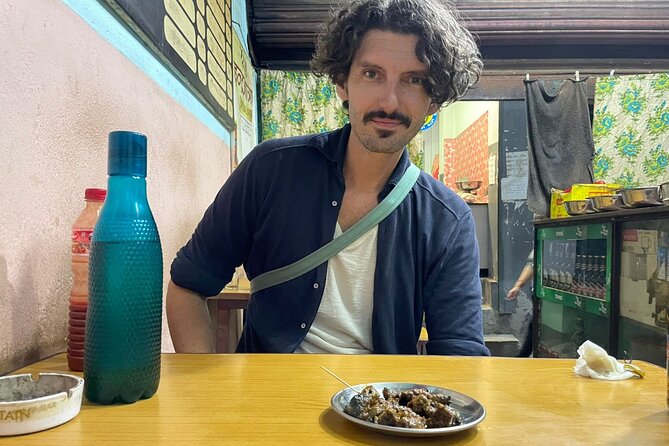
Street food in Kathmandu is a school of flavor. On this 3-hour walk, I like how a local guide threads Newari and Nepali snacks into real neighborhood life, from Thamel to Asan, Jyatha, Indrachok, and Chhetrapati. You’re not just collecting bites—you get the story behind what you’re eating as you move street to street.
What I really like is the human touch. Guides like Umesh and Ananta steer you to small family-run spots, and they slow down just enough to explain what each dish is doing culturally and flavor-wise. I also love that you taste locally brewed drinks and find food in quieter residential corners, not only the most obvious tourist stops.
One thing to consider: this is a walking tour that runs in city streets, and it requires good weather. If you’re not a fan of spicy food, strong smells, or tight lanes, tell your guide early so you can steer the tastings comfortably.
In This Review
- Key highlights worth planning around
- Getting Your Bearings: Meeting Point, Walking Pace, and What to Expect
- Thamel: Starting With Color, Choices, and First Tastes
- Jyatha: The Quiet Corner Where You Find the Real Eating
- Asan: Nepal’s Old Market Crossroads and a Spice-Market Moment
- Indrachok (Indra Chowk): Temples, Textiles, and Snack Stops With Context
- Chhetrapati: The Intersection Stop That Shows Daily Kathmandu
- What You’ll Taste: Newari Street Food, Traditional Drinks, and Guide-Driven Choices
- Included Food and Drinks: Why $15 Can Make Sense Here
- Logistics That Matter: Pickup, Meeting Point, Group Size, and Weather
- Who Should Book This Walk (and Who Might Skip It)
- Should You Book the Kathmandu Food & Drink Walking Tour?
- FAQ
- How long is the Kathmandu Food & Drink Walking Tour?
- Where does the tour start?
- Is pickup available?
- What neighborhoods does the tour cover?
- What’s included with the tour?
- What is the group size limit?
- Is this tour suitable for most travelers?
- Does it run in any weather?
- What’s the cancellation policy?
Key highlights worth planning around
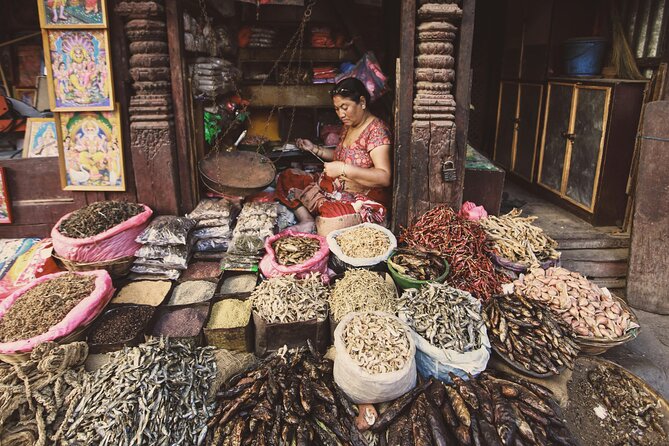
- 15-person maximum keeps the tour easy to navigate and makes it feel more like a food walk with locals
- Thamel to Asan to Indrachok covers multiple neighborhoods, so you taste different sides of Kathmandu without doubling back
- Spice-market time at Asan adds context to your food, not just random snack stops
- Locally brewed drinks bring a Nepal-specific drink break instead of sticking to bottled options
- Umesh and Ananta get praised for calm pacing and clear explanations of what you’re trying
Kathmandu at walking pace, more routes
- Kathmandu Food and Drink Walking Tour★ 5.0 · 266 reviews
- Kathmandu: Food and Drink Walking Tour★ 4.9 · 119 reviews
- Walking Street Food Tour in Kathmandu★ 5.0 · 111 reviews
- Walking Food Tour in Hidden Local Eateries of Kathmandu★ 5.0 · 40 reviews
Getting Your Bearings: Meeting Point, Walking Pace, and What to Expect
The tour meets at Nepal Handloom Pashmina Traders on Narsing Chowk Marg in Kathmandu. It starts and ends back at the same point, so you’re not left figuring out transit after you’re full and a little dazed—in a good way.
You’ll be with a small group (max 15), which matters in Kathmandu. The streets can be crowded, lanes can be narrow, and crossing at the wrong time can be stressful. A tight group also makes it easier for your guide to manage the flow when everyone’s hungry.
Time-wise, plan for about three hours of walking plus stops. You’ll want comfortable shoes. And bring a bottle of water habitually—bottled water is included here—but you’ll still appreciate having your own capacity for sipping as you go.
If you’re sensitive to spice or unfamiliar flavors, this kind of tour works best when you communicate early. The guide can usually steer you toward options you’ll enjoy more, and the best tours are the ones where you feel free to say no to anything that sounds too intense.
Thamel: Starting With Color, Choices, and First Tastes
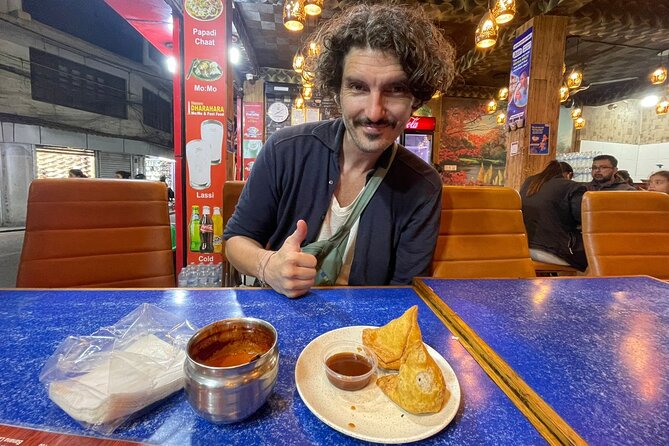
Thamel is where Kathmandu’s tourism energy shows up first. It’s busy, packed with shops and street-side stalls, and it’s a logical place to begin because you can orient fast: you’ll recognize the rhythm of the city right away.
Your first stop is around 30 minutes. Even if Thamel is a magnet for visitors, the value of starting there isn’t the scenery—it’s momentum. You start the walk while your appetite is still clean, and you begin with snacks and drinks that set the baseline for what’s coming next.
A practical benefit: Thamel is easy to access. If you’re arriving from elsewhere in the city, you can usually get to the general area without a major headache. That also makes it easier if you’re meeting friends later, since the neighborhood is well-known.
The potential drawback with Thamel is that it can feel a bit chaotic if you’re looking for calm. If you want quieter streets, don’t worry—you’ll move out of the Thamel orbit soon enough, but your guide will likely keep the early part efficient and focused on food.
Jyatha: The Quiet Corner Where You Find the Real Eating
Jyatha is a calmer pocket near Thamel. Think residential streets with small eateries and traditional shops, rather than the louder commercial scene you’d see a few blocks away.
This stop is also about 30 minutes, and that time balance matters. You’re not getting one token bite and moving on. Instead, you get a chance to understand the local pace of eating—how people order, what they order, and what “normal” looks like in an area that isn’t built for tourism photos.
This is where a good guide earns their fee. When food is tucked into everyday lanes, it’s easy to walk right past it if you don’t know what you’re looking for. The tour is designed for exactly that problem: you get pointed toward places you’d never find solo, and you learn what makes those choices local rather than random.
If you’re worried about navigating crowds, Jyatha is a relief. But if you love action and you get restless in quieter neighborhoods, you might find this portion a little slower than the more central market areas. For most people, though, it’s the kind of break that makes the whole tour feel more Kathmandu and less snack-hunt.
Asan: Nepal’s Old Market Crossroads and a Spice-Market Moment
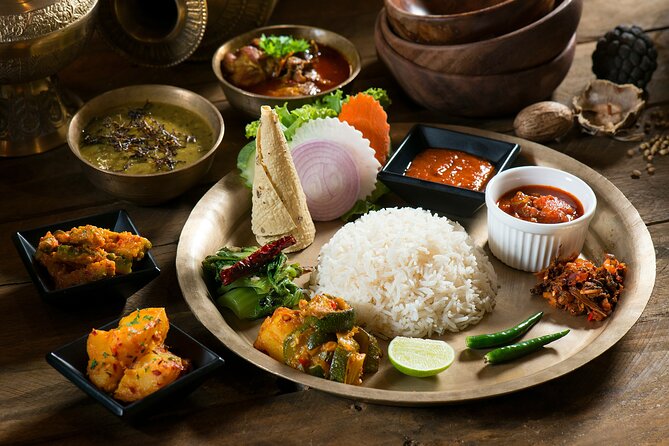
Asan is one of Kathmandu’s oldest marketplaces, known for the way multiple streets meet there—six streets converge at this crossroads. That geometry matters, because it’s a trading hub where ingredients, vendors, and everyday shoppers overlap in the same space.
You’ll spend about 30 minutes here, with special attention to the spice market. This is a big part of the value of the tour: you connect flavors to the source. When you see spices being sold in Kathmandu’s market style, it changes the way you think about what ends up in a dish.
This stop is also where you start seeing how food identity works in Nepal. You’ll be sampling Newari and Nepali street food across the route, and Asan helps explain why certain flavor profiles make sense in local cooking. It’s less about memorizing spice names and more about understanding what people are reaching for and why.
One practical consideration: marketplaces mean movement, noise, and lots of people. Wear breathable clothing and expect to share space. If you hate crowds, you’ll still be okay—your guide controls where you stand and when you sample—but it’s not a silent stroll.
And if you love food photography, this stop will tempt you. Just remember: your best memories will come from tasting first, shooting second. Markets are fast. Eat, pause, then look around.
More to eat and drink around Kathmandu
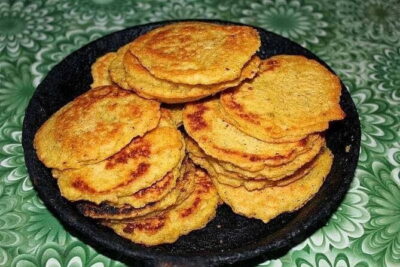
Indrachok (Indra Chowk): Temples, Textiles, and Snack Stops With Context
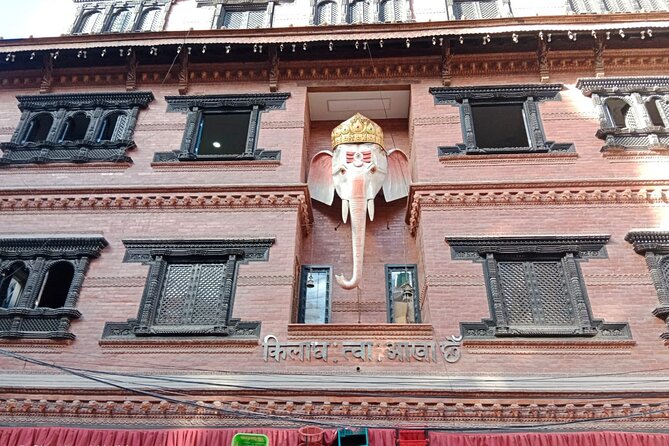
Indrachok, near Kathmandu Durbar Square, adds a different texture to the walk. Here you’re dealing with old temples, local textile shops, and street life that feels rooted in the daily rhythms of the area.
This stop is about 30 minutes. That timing keeps it from becoming a history lecture. Instead, it’s a snack-and-stories checkpoint: you taste, you learn what the dish means, and you keep moving so the route stays lively.
The cultural angle is part of what makes this tour work. Some street food tours only tell you what you’re eating. This one connects the dish to the place it comes from—why it’s made, when it’s popular, and what you’re supposed to notice in the flavor.
You’ll likely appreciate this more if you’re new to Nepalese food. If you already know the basics, you may still enjoy how the guide frames familiar items with local reasoning rather than generic food descriptions.
The drawback is similar to other city-center stops: it can feel busy. Also, depending on the lanes your guide uses, you may deal with uneven pavement or tight pedestrian flow. It’s not unsafe in normal conditions, but you should expect it to feel more dynamic than a museum walkway.
Chhetrapati: The Intersection Stop That Shows Daily Kathmandu
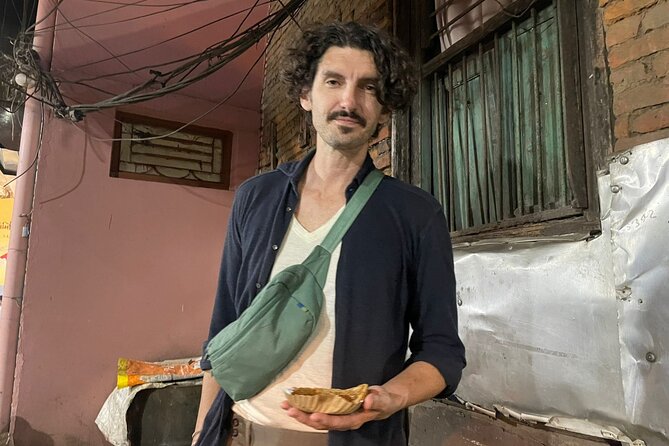
Chhetrapati sits between the tourist edge and the historic parts of the city. It’s busy, a working neighborhood intersection that many visitors pass through quickly without really seeing.
You’ll spend about 30 minutes here, and it’s a smart choice because it finishes the story of the walk. Earlier stops give you market energy and quiet residential eating. Chhetrapati ties it together by showing daily life in a place that doesn’t perform for tourists.
This stop is where the tour’s “small alleys and unique tastes” theme can really land. When a guide knows where to go, you get tastings that feel purposeful—not just convenient. You also get a clearer sense of how people build meals throughout the day: small bites, drinks, and repeat visits to familiar stalls.
If you’re a foodie who likes variety, this is a great place to end with confidence. You’ve built your taste baseline and you’re less likely to feel overwhelmed. You may also feel a little more relaxed about what you’re trying because the guide has already trained you on what to expect.
If you’re very sensitive to strong smells, intersections can be a challenge in any city. Still, your guide’s presence usually means you’re sampling in spots where you’ll get the food experience you came for—not just the street atmosphere.
What You’ll Taste: Newari Street Food, Traditional Drinks, and Guide-Driven Choices
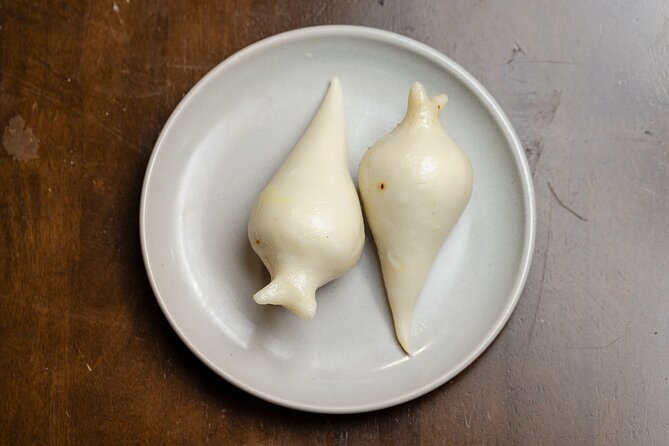
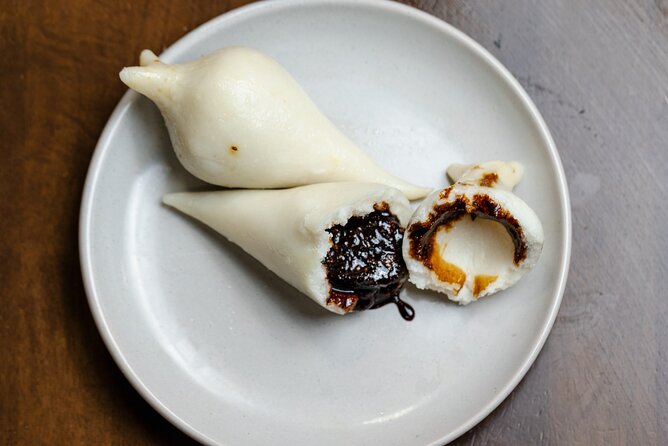
The tour focuses on Nepalese street food, with special emphasis on Newari and Nepali delicacies. Newari food is its own world within Nepal, and the tour’s structure helps you sample enough variety that you can start picking out differences rather than just tasting randomness.
You’ll also enjoy locally brewed drinks. That’s a key detail. Many food tours stick to coffee and soda, but a local beverage adds another layer of cultural context. If you’re curious about what locals drink with snacks, this is where you’ll get it.
What makes the tastings feel like an experience (not just eating) is the guide explanations. Reviews praised guides such as Umesh and Ananta for being patient and for thoroughly explaining what they’re serving. That’s more than comfort—it helps you taste with understanding. When you know the role of an ingredient or the cultural purpose of a dish, the flavors click faster.
You may face a mix of textures and spice levels across the walk. That’s normal for street food. The best move: keep an open mind early, and then adjust. If one item isn’t your thing, use that moment to communicate what you want next rather than powering through.
Also, don’t underestimate the pace. This is a walking tour and food tour in one. It’s three hours, not thirty minutes, so you’ll likely finish feeling satisfied and comfortably tired rather than just lightly sampled.
Included Food and Drinks: Why $15 Can Make Sense Here
At $15 per person for about three hours, this tour is priced for value in a city where guided experiences can add up. The cost isn’t just “someone walks with you.” It includes food and drink support plus a local guide.
Here’s what’s clearly included: coffee and/or tea, bottled water, and a long list of meals/snacks (the package lists snacks plus breakfast, lunch, and dinner). In practice, you should expect a substantial tasting spread rather than a couple of crumbs. Even if the meal labels sound broad, the intent is simple: you should leave full.
The guide is also included—local, experienced, and helpful—and that’s where a big chunk of the value lives. Finding the right stall in Kathmandu isn’t always intuitive. A guide helps you avoid “just smells good” guesses and go toward places that match what you’re looking for.
You may also see group discounts. Even without focusing on that detail, the small group size helps you feel like you’re not getting herded.
The only spending you should plan for is personal expenses like shopping or alcoholic drinks, which are not included. If you want a clean budget, treat this as your food-focused activity and save shopping for later.
Logistics That Matter: Pickup, Meeting Point, Group Size, and Weather
Pickup is offered, which is a practical plus if you’re short on time or don’t want to hunt down the meeting spot on day one. Still, even if you’re meeting directly at the start point, that central Kathmandu location should be manageable.
The tour caps at 15 travelers. That’s not just a number; it changes the experience. Smaller groups move faster, crowd less, and you get more attention from the guide at each stop.
Weather matters here. The experience requires good weather, and that’s common for walking tours in Kathmandu. If rain or heavy wind is in the forecast, I’d treat flexibility as part of the plan rather than a surprise.
Finally, confirmation is received at booking, and the activity is near public transportation. That combination usually means fewer last-minute puzzles and less stress the day you go.
Who Should Book This Walk (and Who Might Skip It)
I think this tour is ideal if you’re:
- In Kathmandu for a short stay and want a fast start on local food
- Curious about Newari flavors and Nepalese street culture
- The type of traveler who likes learning while eating, not just collecting photos
- Happy with a walking plan that goes through several neighborhoods
It’s also a good fit for people who want off-the-beaten-path tasting without doing the risky trial-and-error themselves. The tour is built to guide you to hidden alleys and local vendors that you might otherwise miss.
You might consider skipping or adjusting expectations if:
- You’re very sensitive to spice, strong smells, or street-food textures
- You want a more relaxed, slow-paced walk with minimal crowd exposure
- Weather is poor during your chosen time slot
Should You Book the Kathmandu Food & Drink Walking Tour?
If you like your travel practical—food, local guidance, and a route that covers real neighborhoods—then yes, this one deserves a spot on your Kathmandu list. The standout is the blend of street food tastings plus cultural explanations, with guides such as Umesh and Ananta receiving consistent praise for clarity and comfort.
I’d book it if you want a $15 experience that actually feeds you and teaches you something you can use right away. And if you’re worried about not finding the right stalls alone, this tour solves that with a planned route and a guide who knows where to take you.
FAQ
How long is the Kathmandu Food & Drink Walking Tour?
It runs for about 3 hours.
Where does the tour start?
The meeting point is Nepal Handloom Pashmina Traders on Narsing Chowk Marg, Kathmandu 44600, Nepal, and the tour ends back at the same meeting point.
Is pickup available?
Yes, pickup is offered.
What neighborhoods does the tour cover?
You’ll walk through Thamel, Jyatha, Asan, Indrachok (Indra Chowk), and Chhetrapati.
What’s included with the tour?
Coffee and/or tea, bottled water, and a set of food tastings (the listing also states snacks plus meals such as breakfast and lunch).
What is the group size limit?
The tour has a maximum of 15 travelers.
Is this tour suitable for most travelers?
It says most travelers can participate.
Does it run in any weather?
The experience requires good weather.
What’s the cancellation policy?
You can cancel for a full refund if you cancel at least 24 hours in advance of the experience start time.
Kathmandu on Foot: More Walks


More Tours in Kathmandu

More Tour Reviews in Kathmandu


Just Reviewed in Kathmandu
- Mountain Bike Tour
★ 5.0 · 3 reviews - Annapurna Panaroma
★ 5.0 · 3 reviews - Mount Everest Scenic Flight 50 Minutes
★ 5.0 · 3 reviews - Kathmandu : Swambhunath & Durbar Square Guided Half Day Tour
★ 3.3 · 3 reviews - Chandragiri Cable Car & Monkey Temple Tour – Private/Group
★ 5.0 · 3 reviews - Kathmandu: Shivapuri National Park Hiking Day Trip
★ 3.3 · 3 reviews
Kathmandu Food & Street Food Tours, compared.
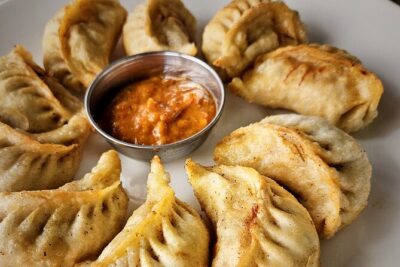 ★ 4.9Food and Drink Walking TourFrom $34292 reviews
★ 5.0Kathmandu Food and Drink Walking TourFrom $36266 reviews
★ 4.9Food and Drink Walking TourFrom $28119 reviews
★ 4.9Food and Drink Walking TourFrom $34292 reviews
★ 5.0Kathmandu Food and Drink Walking TourFrom $36266 reviews
★ 4.9Food and Drink Walking TourFrom $28119 reviews
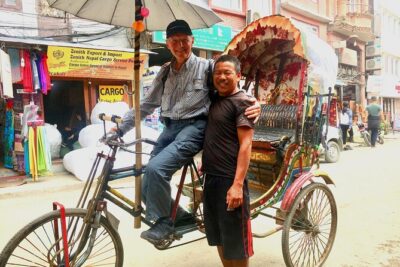 ★ 5.0Walking Street Food Tour in KathmanduFrom $48111 reviews
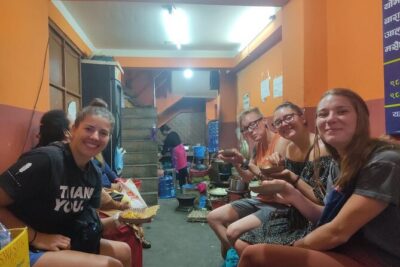 ★ 5.0Secret Food Tour – Food Bites and Sights Kathmandu 14+ TestingsFrom $3582 reviews
 ★ 4.7Kathmandu Secret Food Crawl & Local Market TourFrom $2854 reviews
 ★ 5.0Kathmandu Food & Drink and Shopping Rickshaw TourFrom $2548 reviews
 ★ 5.0Walking Food Tour in Hidden Local Eateries of KathmanduFrom $3640 reviews
Browse the lists this tour appears in