
Review · KATHMANDU FOOD & STREET FOOD TOURS
Kathmandu Food Tour
Kathmandu food hits different because the city’s temples and markets share the same streets. This 3-hour walk gives you street snacks alongside temple-and-square stops, so your appetite comes with context instead of just calories. I also like how the pace stays friendly for a small group, with a guide keeping things organized while you hunt down the tastiest stalls.
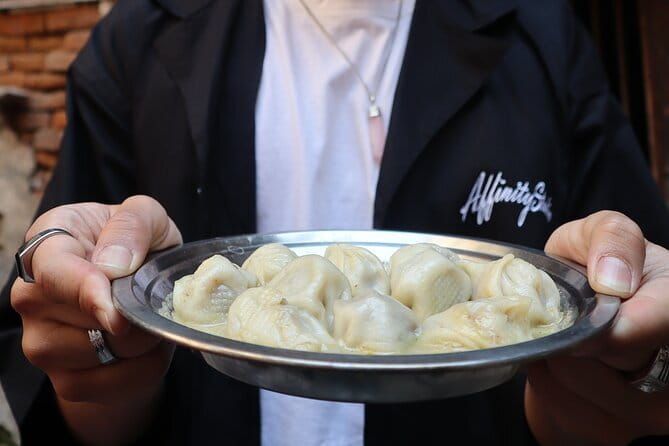
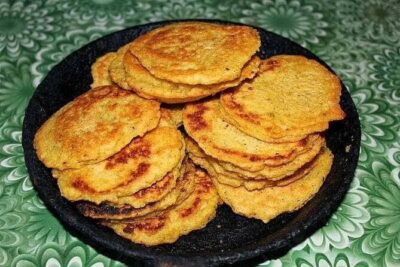
I especially enjoyed the mix of flavors you get to try, like bara (lentil pancakes), the sweet yomari (fig-shaped pastry with molasses), and spicy Tibetan-style laphing noodles. You’ll also get a guide who explains what you’re eating and where it fits in local life, plus bottled water to keep you moving comfortably.
One thing to consider: not every entrance or site fee is included, so if you want to go into specific places (like the Durbar Square area), plan a little extra.
In This Review
- Key things that make this food tour worth it
- Why Kathmandu’s street food tastes better near temples
- Price and timing: what $32 buys you in 3 hours
- Asan market: where the tastings start and your appetite sets the tone
- Basantapur Durbar Square and Hanuman Dhoka area: eating with history in view
- Thamel stops: a practical finish in Kathmandu’s most useful neighborhood
- What you’ll likely taste: bara, yomari, laphing, and momos
- Your guide and the walking pace: small group, big context
- Who should book this Kathmandu food tour (and who might not love it)
- Should you book the Kathmandu Food Tour?
- FAQ
- How much does the Kathmandu Food Tour cost?
- How long is the tour?
- Is pickup included?
- What ticket options do I get?
- Does the tour include food?
- What languages are used by the guides?
- Are admission fees included?
- Is there free cancellation?
- When to go (quick note on hours)
Key things that make this food tour worth it

- Asan market focus: multiple food tastings in one of Kathmandu’s go-to eating areas
- Temple-meets-snack route: Basantapur Durbar Square adds real culture between bites
- Classic Nepalese foods: bara, yomari, and laphing are part of the expected flavor lineup
- Small group size: up to 15 people keeps the walk practical and not chaotic
- Two-guide setup: English-speaking guidance, plus Nepali-speaking support along the way
More to eat and drink around Kathmandu
- Kathmandu: Food and Drink Walking Tour★ 4.9 · 292 reviews
- Kathmandu Food and Drink Walking Tour★ 5.0 · 266 reviews
- Kathmandu: Food and Drink Walking Tour★ 4.9 · 119 reviews
- Walking Street Food Tour in Kathmandu★ 5.0 · 111 reviews
Why Kathmandu’s street food tastes better near temples
Kathmandu is one of those places where food is never only food. In this area of the city, you’ll see everyday life happening right next to UNESCO-level monuments, and that changes the whole feel of a meal. You’re not just sampling dishes from a counter. You’re eating as the neighborhood around you keeps working.
That’s a big reason I like this tour format. The route ties together three layers: market eating, historic squares, and the everyday rhythm of Thamel. When you mix all three, you start understanding why certain flavors are common, why certain snacks are made for specific times of day, and how local tradition shows up in what gets cooked and sold.
If you’re the type who wants to taste Nepal while also getting your bearings in Kathmandu, this style of walk does that job well. It’s not about rushing. It’s about seeing enough to make your future wandering smarter.
Price and timing: what $32 buys you in 3 hours
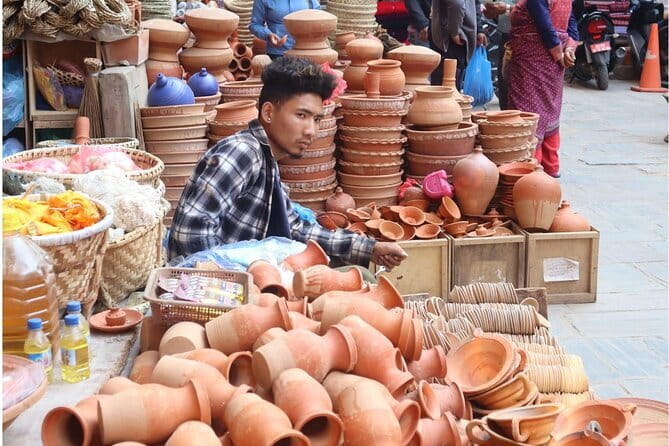
At $32 per person for about 3 hours, this tour sits in the “good value” lane for Kathmandu. You’re paying for more than food. You’re paying for coordination, a guide who talks while you walk, and the fact that you’ll likely try multiple items during the stop-and-go route.
Here’s how I think about value on tours like this:
- You get several tastings rather than just one snack.
- You get guidance in English, which matters if you want explanations rather than guessing.
- You get bottled water, which keeps the walking comfortable.
- You can choose a pickup, which saves time and hassle.
The main price consideration is what’s not covered. Some site access fees are not included, and that can add a bit depending on where you stop. Still, for a focused 3-hour plan that mixes food with major sights, it’s priced reasonably.
Also note the small-group limit (up to 15). That’s not a tiny group like a private driver, but it is small enough that you should be able to hear the guide and move as a unit.
Asan market: where the tastings start and your appetite sets the tone
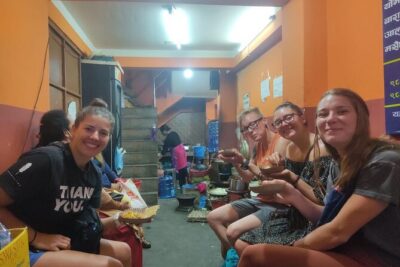
Asan is one of those places where you quickly realize Kathmandu runs on snacks. It’s a strong starting point because the market energy helps you settle in right away. You’ll begin with food tasting stops in this area and keep adding items as you go.
This segment is especially good if you want to learn by doing. A guide can point out what to order, what to expect in texture and spice level, and how each dish fits into daily eating. It’s also a smart way to handle Nepalese food if you’re unsure what you’ll like. When you can try a few things back-to-back, you’re not stuck committing to one item you’re not sure about.
What you might look forward to here (based on the tour’s described food lineup):
- Bara, a lentil pancake that’s savory and filling
- A chance to try sweet items like yomari, which is known for its molasses filling
- Spicier options such as Tibetan laphing noodles, if the route timing lines up with the places serving it
Possible downside: markets can get crowded, and your comfort level matters. If you hate close quarters or you’re sensitive to strong smells from cooking, this start may feel intense at first. The fix is simple: go in ready to slow down, follow the guide’s lead, and treat it like guided exposure rather than rushing to “win” the market.
Basantapur Durbar Square and Hanuman Dhoka area: eating with history in view
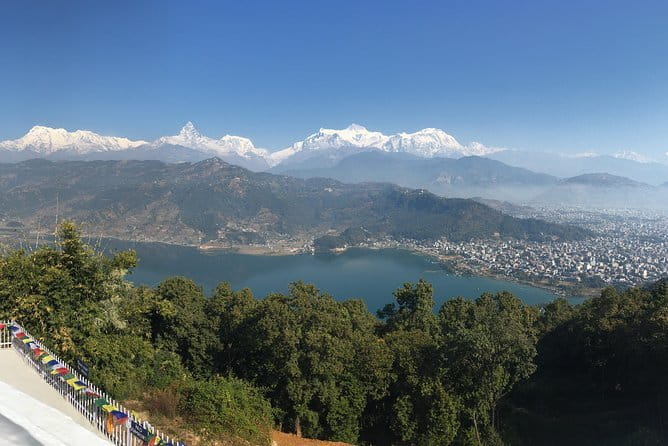
After Asan, the tour shifts into a different mode: monuments and street-level history. Basantapur Durbar Square is a major stop in Kathmandu, known for Newar architecture and for being part of the UNESCO World Heritage area.
This is where the tour earns its “food and temple” reputation. You’ll get a break from constant eating and shift your focus to the city’s ceremonial and royal past. Even if you’re not the type who reads every plaque, you’ll still benefit from the way a guide links what you see to how people lived and what mattered.
The Basantapur area also includes the Hanuman Dhoka region, which helps explain why Kathmandu’s food traditions feel so tied to daily cultural life. When you stand near a historic square and then go back to tasting food from nearby streets, the connections start to feel real.
What I like about this segment:
- It gives your brain a pause while your stomach stays fed.
- It turns “where am I?” into “I understand what I’m looking at.”
- It keeps the walk varied, so you’re not doing only one type of activity for three straight hours.
Potential drawback: admission tickets are not included. So if you plan to enter specific areas inside the square complex, you should expect extra costs on your own.
Other plates worth the detour
Thamel stops: a practical finish in Kathmandu’s most useful neighborhood
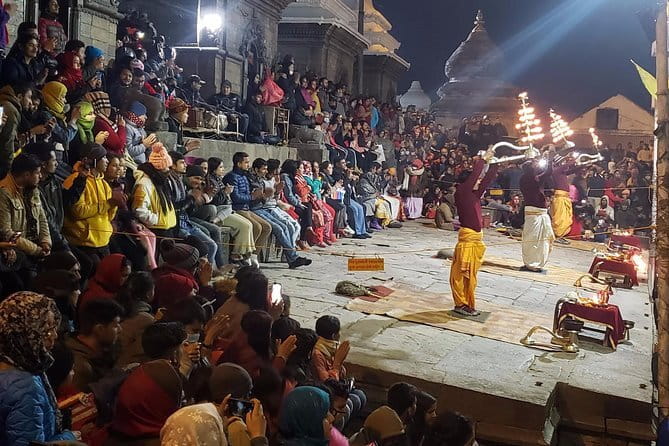
Thamel is where visitors often spend their time, and it’s for a reason. It mixes shops, eateries, and street life into one compact area, so it’s a great place to end a food walk. By the time you reach Thamel, you’ll likely feel less like you’re wandering blindly and more like you know what kinds of foods and shops to look for.
I like the ending in Thamel because it’s actionable. After your guide finishes, you can keep eating with less guesswork. You’ll have tasted Nepalese dishes and picked up a sense of what’s worth chasing later if you want repeats or a second try of your favorites.
This stop also has a “real life” feel. You’re not only seeing monumental Kathmandu. You’re seeing the neighborhood where people go about their day, where you’ll find cooking happening nearby and where your next meal is usually just a few minutes away.
One consideration: Thamel can be busy with foot traffic. If you like quieter walks, you’ll want to keep your energy for the market stretch, then relax a bit here rather than trying to compare every shop at once.
What you’ll likely taste: bara, yomari, laphing, and momos
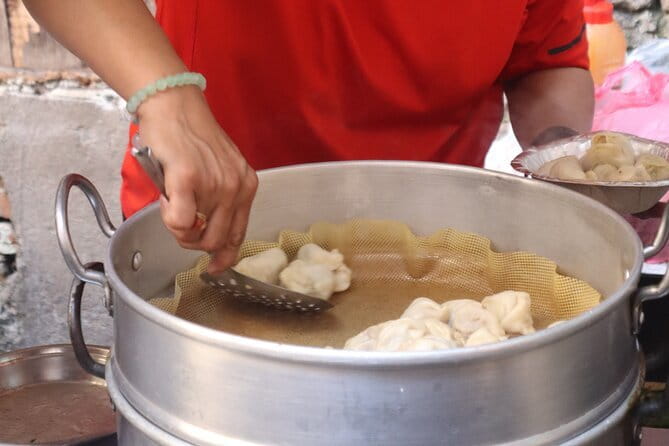
The tour’s described food lineup covers both savory and sweet, and that’s a smart mix for a short 3-hour window. Instead of only tasting heavy items, you get variety: lentil-based, noodle-based, and sweet dessert-style bites.
Here’s the lineup to expect:
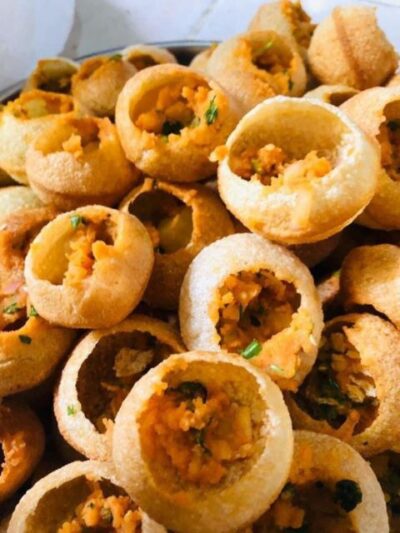
- Bara: savory lentil pancake, usually satisfying and easy to eat while walking
- Yomari: fig-shaped pastry with molasses filling, bringing a sweet contrast
- Laphing: spicy Tibetan-style noodles that add heat and depth
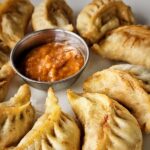
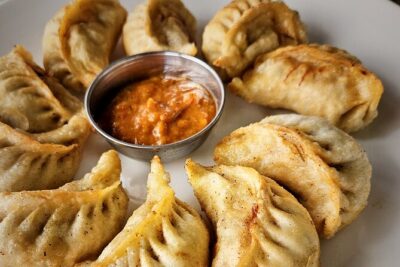
- Chilly chicken momos: mentioned in the experience feedback, so it’s a dish worth being ready for
Why this matters: your first day in a new country is when food can either be exciting or exhausting. This tour helps you avoid the “one dish, one miss” problem by giving you multiple chances. You can decide which flavor direction you want to explore later, and you’ll know how the spice and textures tend to work.
Also, the route includes water, and that’s not a small detail. Spicy food plus walking can sneak up on you. Bottled water helps you keep going without slowing the group down.
If you have food allergies or strong dietary limits, you should plan to communicate clearly to the guide before tasting anything. The tour data doesn’t list specific vegetarian or allergy handling details, so don’t assume.
Your guide and the walking pace: small group, big context
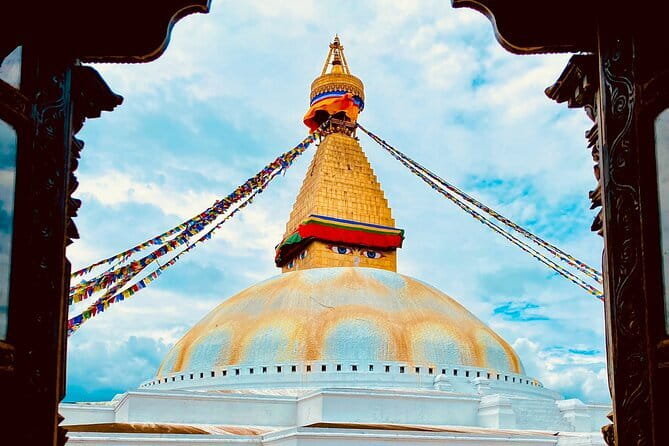
This tour is guided in English, and there’s also Nepali-speaking guidance support. That matters because you get both translation comfort and local nuance. You’ll hear about what you’re eating while you’re still close enough to smell the cooking.
The pacing also feels intentionally human. With a maximum of 15 people, you can still follow along instead of becoming one more body in the crowd. One review highlights that the guide finds great spots and explains history with their own perspective, and another notes the guide’s knowledge plus friendliness. There’s also a mention of a guide named Iam, which suggests Iam leads and connects well with the group.
Here’s what I’d look for from a good food guide in Kathmandu:
- Clear explanations in plain language
- Advice that helps you order confidently
- A pace that respects people who need a moment to catch up
From the feedback and the tour format, that’s exactly what this experience aims to deliver.
Who should book this Kathmandu food tour (and who might not love it)
This is a strong match for:
- First-time visitors who want food plus major sights without doing two separate half-day activities
- People who like walking in neighborhoods where locals actually eat
- Anyone who wants to try Nepalese favorites like bara, yomari, and spicy noodle dishes
It may be less ideal if:
- You don’t enjoy walking for about 3 hours in market areas
- You want strictly one “sit-down meal” instead of multiple tastings while you move
- You only want paid-included entrances with no extra costs, since some site fees are not included
If you’re planning a day around Asan, Basantapur Durbar Square, and later wandering Thamel anyway, this tour can save you time and make the eating part much more enjoyable.
Should you book the Kathmandu Food Tour?
If you want a Kathmandu day that mixes snacks, markets, and temple-square context, I think this is a smart booking. The price is reasonable for a guided, small-group walk that gives you multiple tastings in a short window, plus water and English support.
Book it if:
- You’re excited to try both savory and sweet Nepalese foods
- You want an organized way to see Asan, Basantapur Durbar Square, and end in Thamel
- You’d rather learn from a guide than guess where to eat
Skip or choose another option if:
- You prefer a slower, quieter route with fewer crowded market moments
- You’re unwilling to cover any extra admission costs that may come up at historic sites
FAQ
How much does the Kathmandu Food Tour cost?
It costs $32.00 per person.
How long is the tour?
The tour runs about 3 hours.
Is pickup included?
Pickup is offered.
What ticket options do I get?
You receive a mobile ticket.
Does the tour include food?
Yes. Snacks are included, with multiple food tastings on the walk.
What languages are used by the guides?
The tour includes an English-speaking tour guide and also Nepali-speaking tour guidance.
Are admission fees included?
No. All fees and taxes are not included, and admission ticket details are also noted as not included for at least part of the experience.
Is there free cancellation?
Yes. You can cancel up to 24 hours in advance for a full refund.
When to go (quick note on hours)
The tour lists Monday hours from 8:00 AM to 4:00 PM, with operation dates running from 11/12/2024 through 12/07/2026.
Eat and Drink Around Kathmandu
More Tours in Kathmandu



More Tour Reviews in Kathmandu




Just Reviewed in Kathmandu
- Mountain Bike Tour
★ 5.0 · 3 reviews - Annapurna Panaroma
★ 5.0 · 3 reviews - Mount Everest Scenic Flight 50 Minutes
★ 5.0 · 3 reviews - Kathmandu : Swambhunath & Durbar Square Guided Half Day Tour
★ 3.3 · 3 reviews - Chandragiri Cable Car & Monkey Temple Tour – Private/Group
★ 5.0 · 3 reviews - Kathmandu: Shivapuri National Park Hiking Day Trip
★ 3.3 · 3 reviews
Kathmandu Food & Street Food Tours, compared.
 ★ 4.9Food and Drink Walking TourFrom $34292 reviews
★ 5.0Kathmandu Food and Drink Walking TourFrom $36266 reviews
★ 4.9Food and Drink Walking TourFrom $28119 reviews
 ★ 5.0Walking Street Food Tour in KathmanduFrom $48111 reviews
 ★ 5.0Secret Food Tour – Food Bites and Sights Kathmandu 14+ TestingsFrom $3582 reviews
 ★ 4.7Kathmandu Secret Food Crawl & Local Market TourFrom $2854 reviews
 ★ 5.0Kathmandu Food & Drink and Shopping Rickshaw TourFrom $2548 reviews
 ★ 5.0Walking Food Tour in Hidden Local Eateries of KathmanduFrom $3640 reviews
Browse the lists this tour appears in