
Review · KATHMANDU UNESCO HERITAGE TOURS
Kathmandu: Full-Day Tour of 5 World Heritage Sites
Kathmandu’s temple skyline is a map you can walk. This full-day UNESCO-focused tour strings together key Hindu and Buddhist sites in Kathmandu, so you get history you can see up close, not just read. I like the way it’s built around UNESCO World Heritage locations, and I also like that you’re guided through the meaning behind what you’re looking at, from Durbar Square to major holy stops. One thing to consider: it’s a lot to fit into one day, and entrance fees and meals are extra.
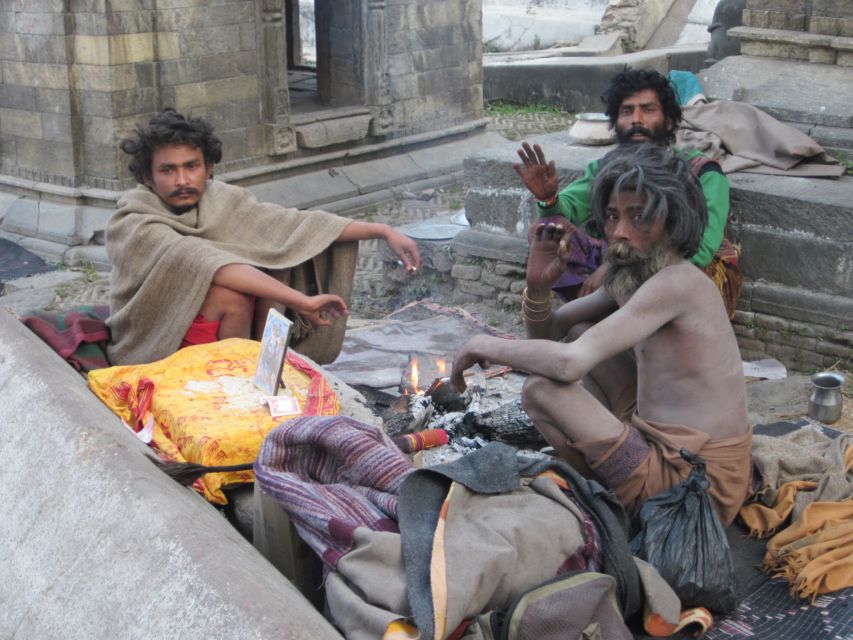
The biggest draw is the mix of faiths and styles. You’ll see Hindu architecture and royal symbolism at Durbar Square (including the Palace of Kumari, the living goddess), then shift to pilgrimage energy at Pashupatinath, where Sadus gather and many Hindus are cremated on the Bagmati River’s banks. The tour also covers major Buddhist sites like Swayambhunath and Buddhanath, so you’ll notice the differences in stupa design, ritual space, and visitor behavior.
The only real drawback is practical: you’ll want to pace yourself. With a guided portion of about 6 hours and multiple major stops, plan for lots of looking up, walking between areas, and paying for monument entries separately. If you hate crowds or prefer slow museum time, this might feel like a whirlwind.
In This Review
- Key Highlights You’ll Feel Immediately
- UNESCO Temple Circuit in One Day: What This Route Is Built For
- Durbar Square and the Palace of Kumari: The Royal Face of Hindu Kathmandu
- Pashupatinath on the Bagmati: Pilgrims, Sadus, and a Difficult Reality
- Swayambhunath and Boudhanath: Two Buddhist Worlds, One Stupa Language
- How the Day Runs From Thamel to the Temples (and Back)
- Price and Value: Why $65 Can Work Well (If You Budget Extra)
- Kathmandu’s Valley Setting and the Himalayan Context
- Who This Tour Suits Best (and Who Might Want a Different Plan)
- Should You Book the Kathmandu Full-Day UNESCO Tour?
- FAQ
- What are the pickup locations for this Kathmandu tour?
- Where can I be dropped off after the tour?
- How long is the guided part of the tour?
- What is included in the price?
- Are monument entrance fees included?
- What languages are available for the live tour guide?
- Is food included in the tour price?
- Is there a cancellation option?
Key Highlights You’ll Feel Immediately
- Durbar Square and the Kumari Palace: royal Hindu symbolism in a World Heritage setting
- Pashupatinath: the scale of the main Hindu temple plus pilgrimage and cremation context
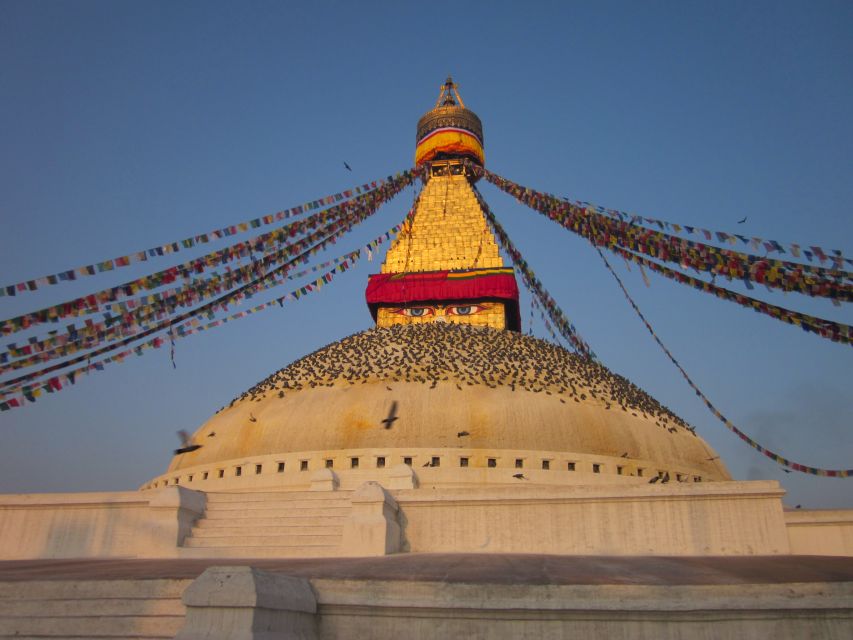
- Swayambhunath: a Buddhist hilltop stupa experience that works even in short visits
- Boudhanath (Buddhanath): a major Buddhist stupa where you can watch daily devotion
- English-speaking guidance (and more languages): English, French, German, Italian options
- Pickup flexibility: Thamel or Tribhuvan International Airport, with drop-off back to both areas
Deeper into old Kathmandu
- Private Kathmandu Sightseeing Tour | UNESCO World Heritage sites★ 5.0 · 756 reviews
- UNESCO Seven World Heritage Tour in Kathmandu★ 5.0 · 253 reviews
- Nepal Discovery Tour: Heritage Sites & Scenic Hill Easy Hike★ 5.0 · 121 reviews
- Kathmandu Private Sightseeing Tour | UNESCO World Heritage Sites★ 5.0 · 109 reviews
UNESCO Temple Circuit in One Day: What This Route Is Built For
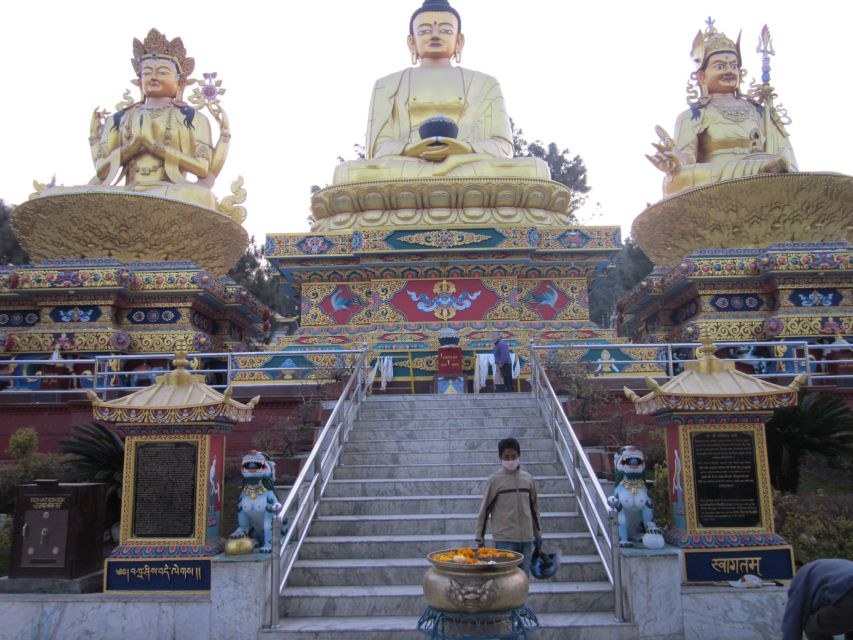
Kathmandu is famous for temples, but this tour takes that reputation seriously. Instead of doing one or two famous stops, you’re set up for a day that connects major UNESCO-listed religious sites—so your brain can build a simple map: Hindu royal and ritual spaces on one side, Buddhist stupa and monastery culture on the other.
The value here is not just ticking boxes. When your guide is explaining what you’re seeing—why a temple faces a certain direction, what a stupa shape signals, how a pilgrimage site functions—you start to understand Kathmandu as a living city of devotion. The tour also leans into context: Kathmandu’s story goes back to early settlements traced to between 167 B.C. and 1 A.D., and the city sits about 1,400 meters above sea level in a bowl-shaped valley surrounded by mountain peaks including Shivapuri, Phulchowki, Nagarjun, and Chandragiri.
One practical note: since the guided tour is about 6 hours, you’ll want to keep your expectations realistic. This is a seeing-and-learning day. You’ll come away with a strong overview of Kathmandu’s sacred landmarks, not a long, slow hangout at a single site.
Durbar Square and the Palace of Kumari: The Royal Face of Hindu Kathmandu
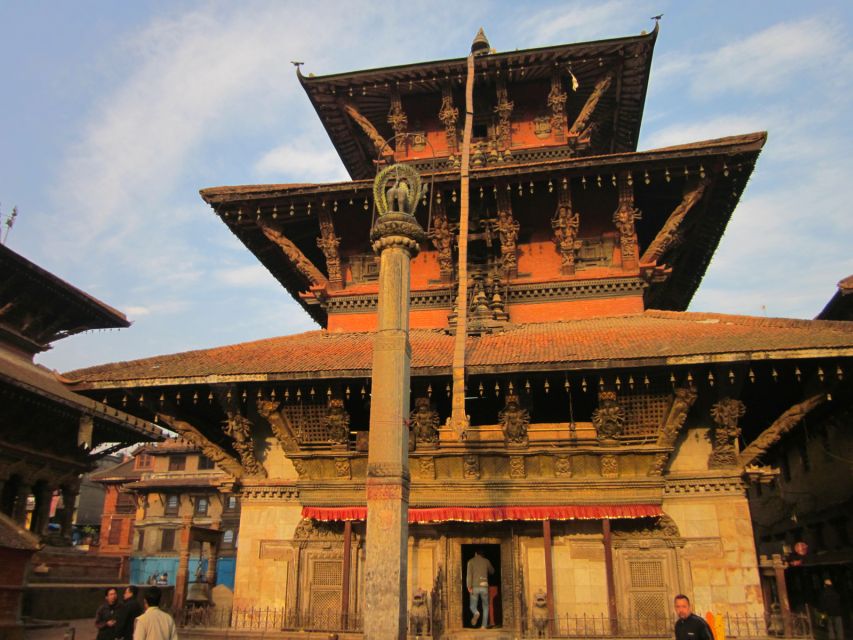
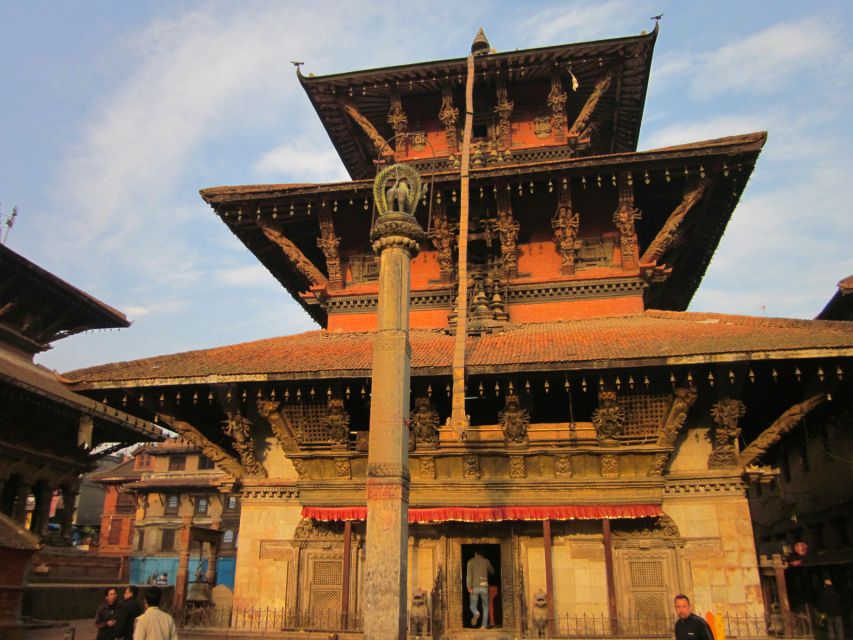
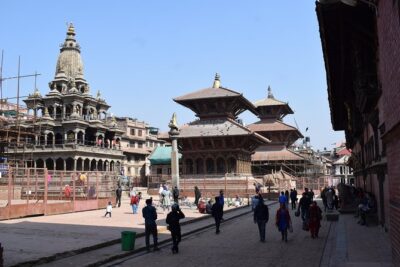
If you want one stop that explains why Kathmandu looks the way it does, Kathmandu Durbar Square is usually the place. This is a concentration of Hindu temples, statues of Hindu deities, and the royal-civic symbolism that shaped how the city expressed power through religion.
The standout detail is the Palace of Kumari, home to the living goddess. Even if you’re not deeply religious, this is where Kathmandu’s tradition becomes real. The Kumari concept links religion, community identity, and the idea that the sacred isn’t just something you visit—it’s something the city organizes around.
What I like about starting your day (or building your mental map) here is how easy it is to spot the craftsmanship. Look at the carvings and the way temple spaces frame devotion. Durbar Square can feel like an outdoor gallery, but it also functions as a public, spiritual space. Expect people moving through, asking questions, and pausing where they feel connected.
Potential drawback: this area can be busy. If you’re the type who needs quiet to enjoy details, bring a calm pace and be ready for close contact—at times, you’ll be shoulder-to-shoulder near the most interesting points.
Pashupatinath on the Bagmati: Pilgrims, Sadus, and a Difficult Reality
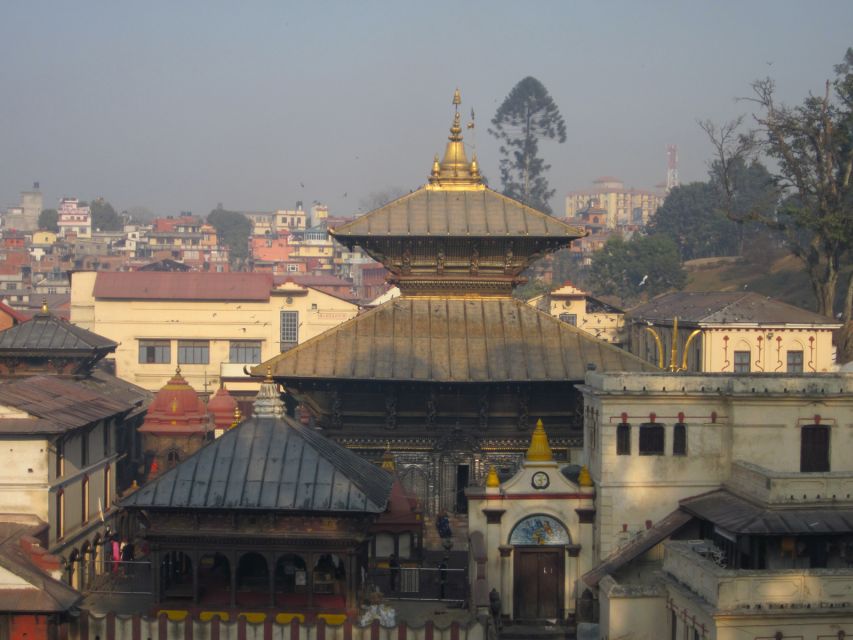
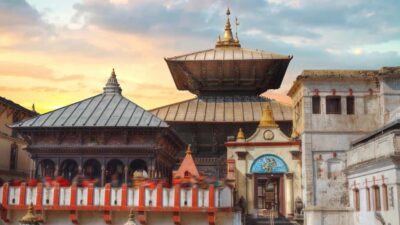
Pashupatinath is one of those places where the size and importance hit you fast. It’s described as the world’s largest Hindu temple and a major site for Hindu followers. The tour context matters here, because Pashupatinath isn’t only about architecture—it’s about how people practice belief.
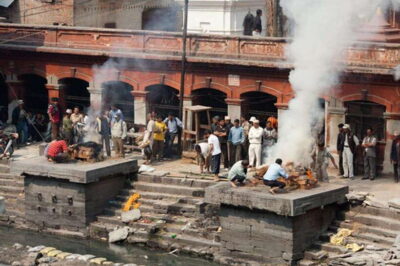
You’ll see pilgrims and Sadus, and you’ll also learn about cremations on the banks of the Bagmati River. That’s the part travelers sometimes aren’t ready for. If you’re sensitive to death rituals, go in with respect and keep your distance. This is not a spectacle; it’s a sacred practice with its own rules and pace.
From a value perspective, including Pashupatinath is smart. It gives you the full picture: Kathmandu’s temples aren’t just heritage buildings. They’re active religious sites, with ceremonies happening in the same places tourists stand to look.
Practical tip: bring a respectful mindset and dress appropriately. You don’t need to turn it into a theater of good behavior, but you do want to avoid anything that signals you’re treating a living faith like a photo set.
Swayambhunath and Boudhanath: Two Buddhist Worlds, One Stupa Language
Buddhist Kathmandu is easier to understand once you see Swayambhunath and Buddhanath back-to-back. Both are UNESCO World Heritage sites, but they feel different in atmosphere and layout.
At Swayambhunath, you’re meeting Buddhism from the “stupa on a hill” angle. The space encourages a steady, almost ceremonial feeling as you move through the area. It’s the kind of place where you can watch people’s rhythms—pausing, looking, circling, and paying attention to what matters to them.
Then Buddhanath shifts your experience. It’s described as one of the city’s significant Buddhist gompas and an important World Heritage site. Here, the stupa presence is the headline, and devotion looks like a daily routine rather than a once-in-a-lifetime sight. If you like observing how faith works in real time, this is where it comes together.
What I like about having both stops in one day is that you start noticing the shared “language” of Buddhist sacred design—stupas, ritual spaces, and the way people interact with the monuments. And because the tour is guided, you’re not just guessing what you’re looking at.
Possible drawback: if you’re photographing constantly, you can miss the small details—the way people move, how they circle, and where they pause to connect. Give yourself a couple of slower minutes at each stop, even if your day feels packed.
More full days, well spent
How the Day Runs From Thamel to the Temples (and Back)
The tour is designed around convenience. You can start from either Thamel (the well-known area for shops and street life) or Tribhuvan International Airport. That means if you’re landing and want something structured, you don’t have to figure everything out on arrival day.
Once you’re picked up, the guided portion is about 6 hours, covering the major heritage sites. Then you’re dropped back either at the airport or Thamel. In real terms, that gives you two clear strategies:
- If you’re staying in Thamel, you can do this early, then use the rest of your day for browsing and a slower meal.
- If you’re near the airport, it can work as a first taste of the city before you settle in.
Language support is solid for a small-group feel: the guide is English-speaking, and live guiding is also offered in French, German, and Italian. Reviews also highlight a guide named Uddhab as patient and helpful, which is exactly what you want on a heritage circuit day—someone who can answer questions without rushing you.
The main thing you’ll feel is pace. Heritage sites need time, but streets and temple areas don’t wait for your comfort. If you’re prone to getting tired in crowds, plan breaks. If you’re the kind of person who loves seeing many landmarks in one day, this schedule fits you well.
Price and Value: Why $65 Can Work Well (If You Budget Extra)
At $65 per person, the big value piece is what’s included: transportation, an English-speaking guide, and taxes/service fees. For one day, that’s a straightforward way to avoid the planning headache of coordinating multiple distant sites on your own.
The parts that are not included are also important to know up front:
- Monument entrance fees
- Food and beverages
- Personal expenses
- Accommodation (obviously, but it matters when you’re comparing costs)
So here’s the fair way to judge value: the tour price covers guidance and getting you between sites smoothly, but you’ll still pay your way into monuments and feed yourself during the day. That means you should bring some cash (or at least be ready to pay entrance fees) and plan for at least one meal or snack stop. If you only compare the base price, you might feel surprised later. If you budget for entrances and food, the deal starts to look much stronger.
Also, a guided day tends to be a better value when your goal is meaning, not just photos. If you want to understand why Durbar Square matters, why Pashupatinath draws pilgrims, and how Buddhist spaces work, the guide can easily justify the cost.
Kathmandu’s Valley Setting and the Himalayan Context
Even if your feet stay on temple steps all day, you’ll get a sense of why Kathmandu feels special geographically. The city sits in a bowl-shaped valley at about 1,400 meters, surrounded by peaks such as Shivapuri, Phulchowki, Nagarjun, and Chandragiri. That framing matters: it’s one reason the city has that distinct valley atmosphere, where sacred architecture and mountain backdrop feel linked.
The tour information also points to Nagarkot as a high point around 35 kilometers away, known for views of the Langtang range and major Himalayan giants like Annapurna, Manaslu, Cho Oyu, and Shishapangma. Even if you don’t get full panoramic views during the temple day itself, the background helps you understand what you’re chasing when you later plan viewpoints.
If you care about views, do this: keep your eyes open for breaks in the city haze. Ask your guide whether the route timing might offer any view opportunities. If the weather is clear, Kathmandu can reward you.
Who This Tour Suits Best (and Who Might Want a Different Plan)
This tour fits first-time visitors who want a big-picture understanding of Kathmandu’s sacred landscape without spending time piecing together logistics.
You’ll probably enjoy it most if:
- you’re curious about both Hindu and Buddhist traditions
- you like guided explanations that turn monuments into stories
- you want an efficient day that covers multiple UNESCO sites
It may feel less ideal if:
- you prefer slow, quiet visits at one or two places
- you dislike crowded public areas
- you’re not comfortable with sensitive topics like cremation rituals (Pashupatinath context is part of the experience)
The good news is the tour includes transportation and a guide. That reduces stress—no map-fumbling while your time is limited.
Should You Book the Kathmandu Full-Day UNESCO Tour?
If you’re short on time and want a structured, meaningful way to see Kathmandu’s most important sacred sites, I think this is a solid choice. The combination of Durbar Square, Pashupatinath, Swayambhunath, and Buddhanath creates a balanced day across faiths, and the guided format helps you understand what you’re seeing instead of guessing.
Book it if you want value and clarity: transportation + a live English-speaking guide, with pickup options from Thamel or the airport. Just remember to budget for monument entrance fees and food, since those aren’t included.
One last practical note: the tour comes with free cancellation up to 24 hours in advance for a full refund, and it offers a reserve-and-pay-later option. That’s helpful if your schedule is still moving around.
FAQ
What are the pickup locations for this Kathmandu tour?
Pickup is available from Thamel or from Tribhuvan International Airport.
Where can I be dropped off after the tour?
You can be dropped off at either Tribhuvan International Airport or Thamel.
How long is the guided part of the tour?
The guided tour portion is 6 hours, within a full-day experience.
What is included in the price?
The price includes transportation, an English-speaking tour guide, and taxes and service fees.
Are monument entrance fees included?
No. Monument entrance fees are not included.
What languages are available for the live tour guide?
Live guiding is offered in English, French, German, and Italian.
Is food included in the tour price?
No. Food and beverages are not included.
Is there a cancellation option?
Yes. You can cancel up to 24 hours in advance for a full refund.
If you want, tell me your travel dates and where you’re staying (Thamel area or near the airport), and I’ll help you think through whether this day fits your schedule and what to budget for entrances and meals.
The Old Kathmandu, Properly Toured


More Tours in Kathmandu



More Tour Reviews in Kathmandu




Just Reviewed in Kathmandu
- Mountain Bike Tour
★ 5.0 · 3 reviews - Annapurna Panaroma
★ 5.0 · 3 reviews - Mount Everest Scenic Flight 50 Minutes
★ 5.0 · 3 reviews - Kathmandu : Swambhunath & Durbar Square Guided Half Day Tour
★ 3.3 · 3 reviews - Chandragiri Cable Car & Monkey Temple Tour – Private/Group
★ 5.0 · 3 reviews - Kathmandu: Shivapuri National Park Hiking Day Trip
★ 3.3 · 3 reviews
Kathmandu UNESCO Heritage Tours, compared.
 ★ 4.87 UNESCO Sites with LunchFrom $2744 reviews
 ★ 5.0Full Day 7 UNESCO Tour with Lunch – Private/GroupFrom $10415 reviews
 ★ 5.0Full Day Top 4 UNESCO Tour with Lunch – Private/GroupFrom $10269 reviews
 ★ 5.0UNESCO Seven World Heritage Tour in KathmanduFrom $180253 reviews
★ 4.9Full-Day 7 UNESCO Tour with Lunch – Private/GroupFrom $5247 reviews
 ★ 4.97 UNESCO Sites Tour in 1 Day (Private Tour)From $4204 reviews
 ★ 4.9Top 4 UNESCO Tour with Lunch – Private/GroupFrom $5181 reviews
 ★ 5.0Kathmandu Private Sightseeing Tour | UNESCO World Heritage SitesFrom $35109 reviews
Browse the lists this tour appears in