
Review · KATHMANDU FOOD & STREET FOOD TOURS
Kathmandu: Guided Delicious Food Tour with 12+ Tastings
Kathmandu tastes better when you walk with a guide. This 2.5-hour small-group tour is built around variety, with 12+ tastings ranging from momos and khaja sets to Bhaktapur’s juju dahu and snacks like chatamari and selroti; it’s a fast way to learn how street food and regional specialties fit together. My two favorite parts are the sheer amount of different foods you’ll sample and the fact that the guide keeps the pace social and question-friendly. One consideration: it’s a lot of food in a short window, so you’ll want to go in hungry and pace yourself.
You’ll meet at Hotel Marshyangdi in Thamel, then head out to backstreet venues for 4–5 stops, finishing back at the starting point. The tour is in English, private (maximum of 6 guests), and includes transportation plus local pickles, local drinks, and fresh juice—alcohol is not part of the deal.
In This Review
- Key Things I’d Watch for on This Tour
- Why This Kathmandu Food Tour Feels Worth It
- The most important practical takeaway
- Small Group Size That Actually Changes the Experience
- Price and Value: $5 for 12+ Tastings Is the Real Story
- How the 2.5 Hours Usually Flow (Without Feeling Rushed)
- What to do before you go
- Stop-by-Stop: What You’ll Taste and Why It Matters
- Stop type 1: Nepal’s street snacks, built for variety
- Stop type 2: Momos with local pickles and guidance
- Stop type 3: Nepali Khaja sets and a more snack-meal approach
- Stop type 4: Gundruk sadeko, plus the fermented side of Nepal
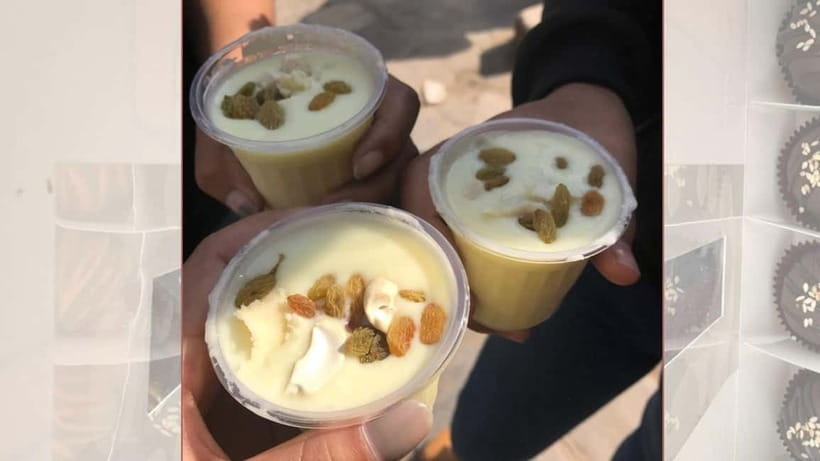
- Stop type 5: Bhaktapur juju dahu for a regional flavor detour
- Stop type 6: Beverages and dessert, including lassi and barfi
- Extra Tastings That Make This Tour Feel Like More Than a Sampler
- The Guides: What You’ll Get From a Patient Explanation
- Logistics That Don’t Waste Your Time
- Who This Tour Suits Best
- Should You Book This Kathmandu Food Tour?
- FAQ
- Where do I meet the tour?
- How long is the tour?
- How many tastings will I get?
- What’s the group size?
- What food and drinks are included?
- Is alcohol included?
- Is transportation included?
- Does the tour end at the same place it starts?
- Is there a way to skip waiting lines?
Key Things I’d Watch for on This Tour
- 12+ tastings in just 2.5 hours means more variety per hour than most food tours in Kathmandu
- Max 6 guests keeps the group small enough for real questions, not a rushed lecture
- 4–5 food stops gives you variety of styles, not just one neighborhood and one menu
- Bhaktapur juju dahu and Gundruk sadeko bring in fermented and regional flavors, not only “safe” snacks
- Local pickles + fresh juice are included, so the meal feels complete
- Guide-style explanations in English help you understand what you’re tasting, including how dishes are traditionally served
More to eat and drink around Kathmandu
- Kathmandu: Food and Drink Walking Tour★ 4.9 · 292 reviews
- Kathmandu Food and Drink Walking Tour★ 5.0 · 266 reviews
- Kathmandu: Food and Drink Walking Tour★ 4.9 · 119 reviews
- Walking Street Food Tour in Kathmandu★ 5.0 · 111 reviews
Why This Kathmandu Food Tour Feels Worth It
Food tours in big cities can be hit-or-miss: either you get two tastings and a long walk, or you get a long list that turns out to be mostly the same bite in different wrappers. This one tries to solve that problem with a simple formula: 12+ tastings across 4–5 stops in only 2.5 hours. That means you’re not waiting all day for the good stuff, and you’re not stuck eating the same flavor profile over and over.
I also like how the dish mix spans Kathmandu everyday food and regional Nepalese specialties. You’re not only tasting dumplings and fried snacks. You’ll also run into fermented flavors like Gundruk sadeko, plus a Bhaktapur item like juju dahu, and dessert-style sweets like barfi. That balance matters because it gives you a fuller picture of Nepali eating: street snacks for energy, dumplings for comfort, fermented sides for punch, and sweets for the finish.
The most important practical takeaway
Go with a “taster’s mindset,” not a “full meal” mindset. The tour is designed for small portions that add up fast. If you treat every stop like a restaurant entree, you might feel stuffed halfway through.
Small Group Size That Actually Changes the Experience
The tour caps at up to 6 guests, which is where this experience starts to feel different. With a tiny group, your guide can slow down when questions come up, and you can ask practical things like how to eat a dish, what the pickles do to the flavor, or what to expect with something you’ve never seen (like chatamari or selroti).
In Kathmandu, food choices can be very personal: some people love tangy fermented sides, others prefer familiar savory comforts. A small group helps you get the “what is this and why is it served this way” part without feeling like you’re competing for attention.
This tour is also private group and runs in English, so you’re not stuck decoding menus on the fly. And because it includes transportation, you’re spending more time eating and less time negotiating with streets, traffic, or time pressure.
Price and Value: $5 for 12+ Tastings Is the Real Story
On paper, $5 sounds almost too low. But what matters is what’s wrapped into that price: 12+ tastings, 4–5 stops, transportation, plus local drinks and fresh juice, and even local Nepali pickles. Alcohol is excluded, but the rest is set up so you can actually experience the food without adding extra spend at every stop.
Here’s the value logic I’d use if I were booking:
- If a regular meal in Kathmandu already costs more than $5, then paying $5 for a structured route of multiple tastings is a bargain—especially if you’re trying things you wouldn’t confidently order alone.
- The small group size also protects value. You’re not just paying for food. You’re paying for guidance, pacing, and the right order of tastings so you get variety instead of random repeats.
One caution on value: this tour’s price point only stays a good deal if you show up ready to eat. If you only sample half the items, the math stops working.
Other plates worth the detour
How the 2.5 Hours Usually Flow (Without Feeling Rushed)
You’ll start at Hotel Marshyangdi in Thamel, then move through 4–5 stops. The goal is efficient pacing: a short walk, a tasting, a bit of explanation, then off to the next place. Since the tour includes transportation, you’re not constantly hauling yourself across Kathmandu on an empty schedule.
You’ll also get a practical payoff: the tour ends back at the starting point, so you’re not left stranded or trying to find your way after a meal-heavy afternoon.
What to do before you go
- Arrive a little hungry. This tour is built for eating, not browsing.
- Wear comfortable shoes. You’re hopping between venues and backstreets.
- If you’re sensitive to spice or strong flavors, tell your guide before the first tasting so the stops stay enjoyable.
Stop-by-Stop: What You’ll Taste and Why It Matters
Even without a printed menu in your hands, the tastings you’ll try are clearly aimed at variety. Expect street-food classics plus regional specialties, with explanations as you go. Below is the “what you’ll likely experience” breakdown based on the dish list included.
Stop type 1: Nepal’s street snacks, built for variety
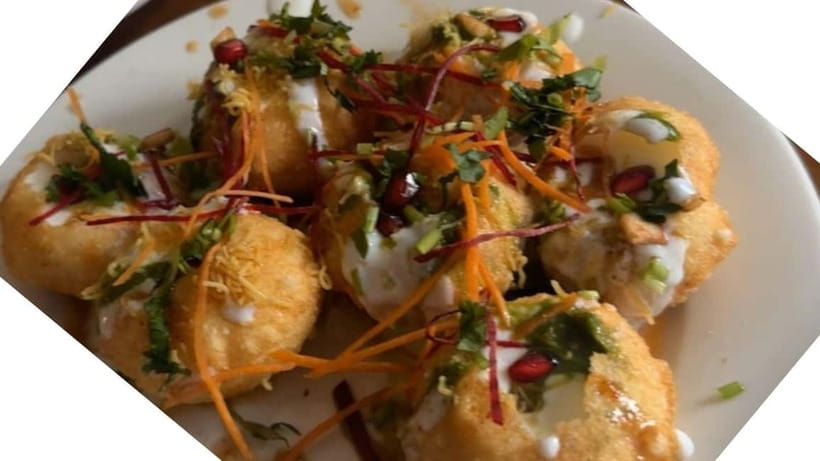
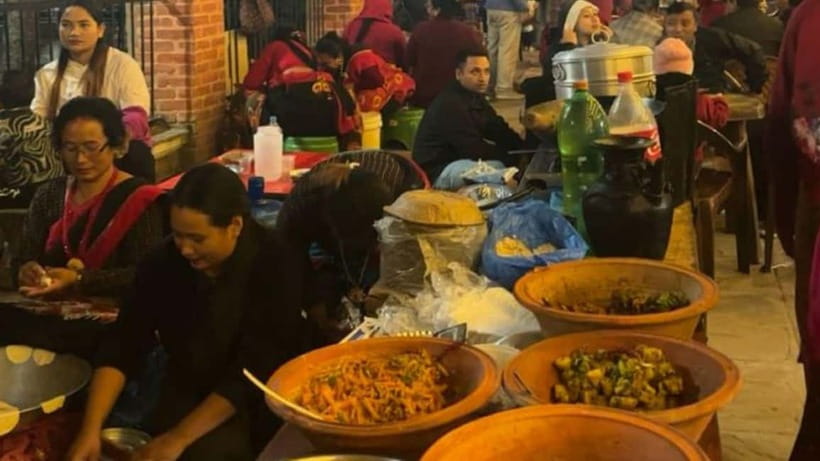
One of the early stops is a street-food style meal where you’ll sample multiple savory bites. This is where dishes like bara and chatamari often fit in.
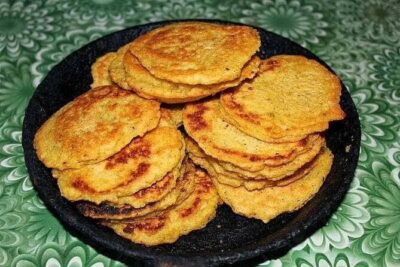
- Bara: a lentil-based snack that’s both filling and easy to share. It’s the kind of dish that tastes good while you’re walking between places because it’s not overly delicate.
- Chatamari: sometimes described like a rice-flour-style pizza. It’s a good introduction dish if you’ve never seen Nepali food outside the idea of dumplings.
This stop is important because it sets the baseline. Once you try the straightforward savory snacks, the more interesting fermented and regional dishes later won’t feel random.
Possible drawback here: street snacks can be a little more “hands-on” than restaurant food. If you prefer super-formal dining, you might feel more like you’re in a casual food crawl than a seated meal.
Stop type 2: Momos with local pickles and guidance
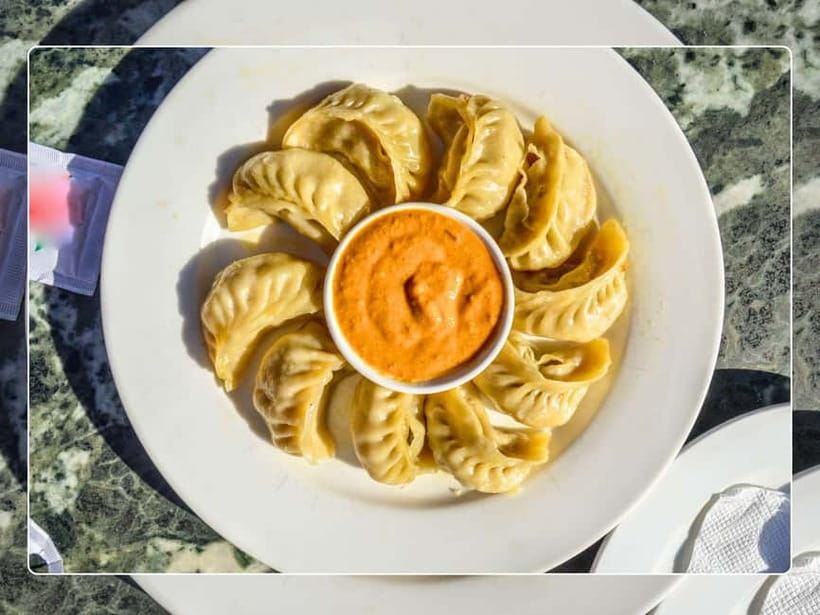
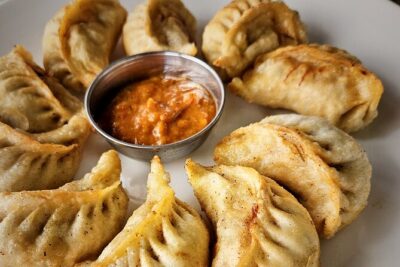
Another stop centers on momo. You’ll try Nepali-style momos with local pickles and get help understanding the flavor logic: dumplings are comforting, while pickles add tang and bite.
Momos are the gateway dumpling for many visitors, but the guide-led part is what makes this tour useful. You’re not just eating one type of dumpling and calling it a day. You’ll learn how local accompaniments change what you taste.
A small group also matters here because momo can be ordered and served in different ways. With up to 6 guests, you’re more likely to get direct guidance on what to pay attention to on your plate.
Stop type 3: Nepali Khaja sets and a more snack-meal approach
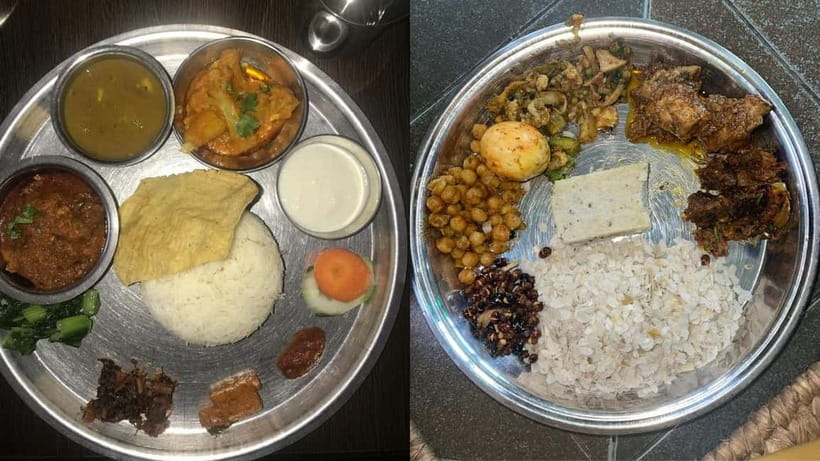
You’ll also encounter a Nepali khaja set style tasting. Khaja isn’t a single dish; it’s a way of eating—more like a spread of bites you’d graze on. This type of stop is valuable because it shows how casual food culture works in Nepal: you don’t always sit down for one main dish. You mix and match.
This stop often pairs well with pickles and regional sides, because khaja-style eating is built on contrasts—salty, tangy, fried, crunchy, and so on.
If you’re the kind of eater who loves variety more than one “signature” dish, this is a highlight category for you.
Stop type 4: Gundruk sadeko, plus the fermented side of Nepal
One of the tastings includes Gundruk sadeko. This is one of those dishes that turns a tour from “food tasting” into “food understanding,” because fermented flavors are hard to replicate at home.
The value here is that you learn to taste fermented greens as part of the overall balance of Nepali meals, not as a shock flavor. If you already like tangy foods, you’ll probably enjoy this one immediately. If you don’t, the guide’s explanation can help you decide whether you like it for its sour punch or whether you want to lean more on milder bites.
Stop type 5: Bhaktapur juju dahu for a regional flavor detour
This is the part I’d circle on your mental map: Traditional Bhaktapur juju dahu. Bhaktapur is known for its own food identity, and juju dahu is included as a traditional taste point on this route.
Why it’s a standout on this tour: it broadens your Kathmandu perspective. Many food tours in the capital stay stuck on one idea of Nepali food. This one points to the fact that food changes district to district.
Possible consideration: if you’re expecting only hot, crispy street foods, a dish like juju dahu may feel like a different rhythm. That’s not a negative; it’s the tour showing range.
Stop type 6: Beverages and dessert, including lassi and barfi
You’ll get local drinks and fresh juice, and you’ll also hit dessert-style items like barfi. You may also taste lassi, which is a classic companion to savory snacks because it helps reset your palate.
If you tend to get overwhelmed by spicy or sour flavors, this is where you’ll likely appreciate the included drinks. The tour doesn’t only feed you savory bites—it gives you breaks built into the itinerary.
The dessert portion is also useful because it’s part of understanding Nepali food as a full meal cycle: snack, savory comfort, tangy sides, then sweet and drink.
Extra Tastings That Make This Tour Feel Like More Than a Sampler
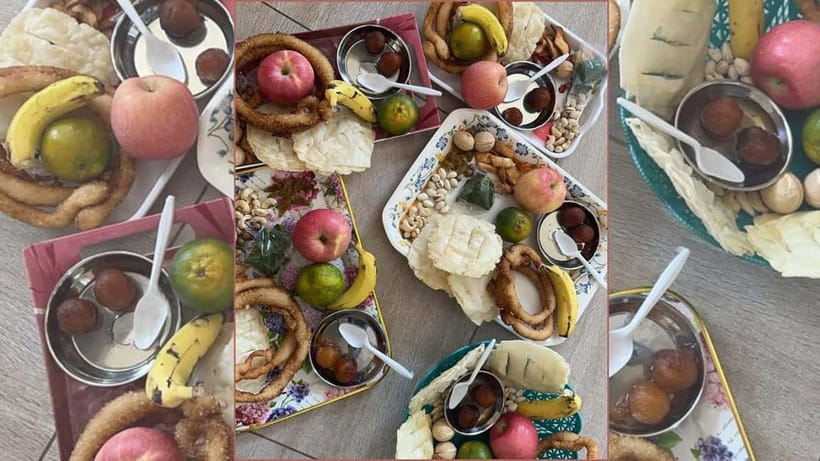
Beyond the core momo-and-snack framework, the tour also includes additional tastings such as selroti and even a Nepalese pizza-style option. You might also see items like beans and beaten rice in the mix, along with other bites the guide explains as you go.
That variety is why this tour gets talked about as a high-tasting-count experience. Many tours keep it simple: dumplings, one snack, one drink. Here, you’re getting multiple categories in a short time.
The Guides: What You’ll Get From a Patient Explanation
The tour is led by an English-speaking foodie guide, and one guide name that comes up is Bibek. The common thread is a patient teaching style—stopping to explain what you’re eating and answering questions without making you feel rushed.
That matters because Kathmandu food can be confusing at first. Dishes may look similar at a glance, and the real differences are in sauce, texture, and how local pickles and drinks affect the overall flavor.
If you like learning while you eat, this kind of guide-led pacing makes the tastings more memorable than just another meal.
Logistics That Don’t Waste Your Time
A few practical details help you enjoy the tour instead of managing it:
- You meet in front of Hotel Marshyangdi, Thamel.
- You’ll move between multiple venues with transportation included, which helps you keep energy for the tastings.
- You’ll return to the starting point at the end, so you’re not scrambling afterward.
- There’s also mention of skipping lineups through a separate entrance, which can cut down waiting time when a venue is busy.
Also, the tour operator is Race Alpine Treks and Tours Pvt Ltd, so you’re working through an established local provider rather than a loose setup.
Who This Tour Suits Best
This is a great fit if:
- You want the highest variety you can get in a short Kathmandu window
- You enjoy dumplings and street snacks but also want regional surprises
- You like small-group tours where you can ask questions in English
- You want included drinks and pickles, not just “food only” tastings
You might consider skipping or choosing a lighter option if:
- You dislike fermented foods like Gundruk sadeko and don’t want to be nudged into trying it
- You get overly full quickly and don’t like the idea of 12+ tastings in 2.5 hours
Should You Book This Kathmandu Food Tour?
I’d book it if you’re in Kathmandu for a short time and want a fast, guided way to understand what Nepali food tastes like across different categories. The combination of small group size (up to 6), 4–5 stops, and 12+ tastings, plus included pickles, fresh juice, and local drinks, makes it a strong value.
If you’re the kind of traveler who likes doing one thing well—eating everything your guide recommends and learning along the way—this tour matches that style. Go hungry, wear comfy shoes, and treat it like a guided sampler that helps you plan what to hunt for next on your own.
FAQ
Where do I meet the tour?
You meet in front of Hotel Marshyangdi, Thamel.
How long is the tour?
The tour lasts about 2.5 hours.
How many tastings will I get?
You’ll have 12+ tastings of traditional Nepali foods.
What’s the group size?
The maximum group size is up to 6 guests.
What food and drinks are included?
Included are local Nepali pickles, local drinks and fresh juice, plus 12+ tastings of traditional Nepali foods.
Is alcohol included?
No, alcoholic drinks are not included.
Is transportation included?
Yes, transportation is included.
Does the tour end at the same place it starts?
Yes, the tour concludes back at the starting point.
Is there a way to skip waiting lines?
The tour includes skipping the line through a separate entrance.
Eat and Drink Around Kathmandu
More Tours in Kathmandu



More Tour Reviews in Kathmandu




Just Reviewed in Kathmandu
- Mountain Bike Tour
★ 5.0 · 3 reviews - Annapurna Panaroma
★ 5.0 · 3 reviews - Mount Everest Scenic Flight 50 Minutes
★ 5.0 · 3 reviews - Kathmandu : Swambhunath & Durbar Square Guided Half Day Tour
★ 3.3 · 3 reviews - Chandragiri Cable Car & Monkey Temple Tour – Private/Group
★ 5.0 · 3 reviews - Kathmandu: Shivapuri National Park Hiking Day Trip
★ 3.3 · 3 reviews
Kathmandu Food & Street Food Tours, compared.
 ★ 4.9Food and Drink Walking TourFrom $34292 reviews
★ 5.0Kathmandu Food and Drink Walking TourFrom $36266 reviews
★ 4.9Food and Drink Walking TourFrom $28119 reviews
 ★ 5.0Walking Street Food Tour in KathmanduFrom $48111 reviews
 ★ 5.0Secret Food Tour – Food Bites and Sights Kathmandu 14+ TestingsFrom $3582 reviews
 ★ 4.7Kathmandu Secret Food Crawl & Local Market TourFrom $2854 reviews
 ★ 5.0Kathmandu Food & Drink and Shopping Rickshaw TourFrom $2548 reviews
 ★ 5.0Walking Food Tour in Hidden Local Eateries of KathmanduFrom $3640 reviews
Browse the lists this tour appears in