
Review · KATHMANDU UNESCO HERITAGE TOURS
Kathmandu Heritage Tour – Private Full-Day UNESCO Sites & Temples
Kathmandu’s temples are a sensory overload—in a good way. This private full-day route through Kathmandu Valley hits the biggest UNESCO sites with a real guide who also explains how the 2015 earthquake affected Nepal’s people and top attractions. You get hotel pickup and drop-off, plus a private vehicle, so you spend less time figuring things out and more time looking up.
What I really like: the panoramic view from Swayambhunath (Monkey Temple) and the chance to witness the spiritual intensity around Pashupatinath, including the crematoria area. The one drawback to plan for is the money factor: entrance fees are not included, so your final day cost can be higher than the $60 tour price.
In This Review
- Key things to know before you go
- A 1-Day UNESCO Walk Through Kathmandu Valley’s Sacred Core
- Timing and Route: 5 to 8 Hours Without Feeling Like You’re Chasing
- Entrance Fees: The Cost You Need to Budget From the Start
- Stop 1: Swayambhunath (Monkey Temple) and the Hilltop Perspective
- Kathmandu Durbar Square: Royal-Era Architecture and the Kumari Window
- Basantpur Dabali and the Short Shrine Stops That Make the Streets Make Sense
- Pashupatinath Temple and the Crematoria Area: Sacred Hindu Pilgrimage Up Close
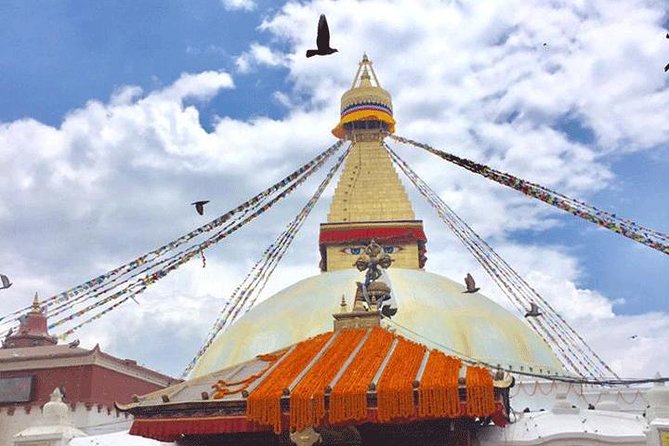
- Boudhanath Stupa: Big Buddhism and the Four Eyes Looking Out
- The Garden of Dreams: A Breather With European-Style Paths
- What Makes the Private Guide Matter (It’s Not Just Facts)
- Logistics: Bottled Water, No Mandatory Shopping, and Being Flexible
- Lunch, Photos, and the Stuff That Isn’t Included
- Who This Tour Fits Best (And Who Might Want a Different Plan)
- Should You Book Kathmandu Heritage Tour – Private Full-Day UNESCO Sites & Temples?
- FAQ
- How long is the Kathmandu Heritage Tour?
- What’s included in the tour price?
- Are entrance fees included?
- Do I need to pay for lunch?
- Is this tour private?
- What’s the maximum group size?
- Can I cancel and get a full refund?
- Is there an age limit?
- Are service animals allowed?
Key things to know before you go
- Private guide + private vehicle means you can move at a pace that fits you, not a crowd
- UNESCO hits in one day: Swayambhunath, Kathmandu Durbar Square, Pashupatinath, and Boudhanath
- 2015 earthquake context helps you make sense of what you’re seeing (and what you might notice missing)
- Watch for entrance fees at multiple stops; they’re at your expense
- Small group size (up to 10) keeps the experience calmer than typical big-city tours
- Garden of Dreams offers a quieter, garden break after temple-and-street intensity
Just your group, at your own pace
- Private Kathmandu Sightseeing Tour | UNESCO World Heritage sites★ 5.0 · 756 reviews
- Kathmandu: Full Day 7 UNESCO Tour with Lunch – Private/Group★ 5.0 · 415 reviews
- Private Bhaktapur and Nagarkot Day Tour From Kathmandu★ 5.0 · 305 reviews
- Kathmandu: Full Day Top 4 UNESCO Tour with Lunch – Private/Group★ 5.0 · 269 reviews
A 1-Day UNESCO Walk Through Kathmandu Valley’s Sacred Core
If Kathmandu feels like it has too many things to see at once, this tour is built for that exact problem. In one day, you move from hilltop Buddhism to royal-era architecture, then into the center of Hindu pilgrimage, and finish at a major stupa. It’s the kind of route that helps you get your bearings fast.
You’ll also get story context, especially around the 2015 earthquake and its impact on some of the sites. That matters because Kathmandu’s monuments aren’t just pretty backdrops—they’re living parts of community life, and damage (even partial) changes how places function.
The tour is private, with a dedicated guide and transport. That usually means fewer “Wait, where do we go?” moments and less time spent negotiating with street-level logistics. You’re paying for convenience here—and for a guide who can explain what you’re looking at.
Timing and Route: 5 to 8 Hours Without Feeling Like You’re Chasing
The tour runs about 5 to 8 hours. That range is helpful because Kathmandu traffic and site timing can swing depending on your starting point and the day’s flow. You’ll likely have a fairly full schedule, but the private format helps you avoid getting slammed through stops.
The structure is also practical: major stops first, then shorter temple/market-area moments, and finally the quieter Garden of Dreams. Short stops are not filler here. They’re there so you catch the texture of the neighborhood—doorways, courtyards, shrines—rather than only looking at monuments from the biggest road.
One note on pace: multiple guides described as patient and able to adjust timing. That’s exactly what you want on a day packed with sacred spaces and crowds. If you take photos constantly (a safe bet in Kathmandu), a guide who doesn’t rush you makes the difference between a great day and a tiring one.
Entrance Fees: The Cost You Need to Budget From the Start
The base price is $60 per person, and entrance fees are at your expense. That’s normal for UNESCO-style touring, but it can still hit like a surprise if you assume the day is fully covered.
A helpful budgeting reality check from experience: entrance fees can run roughly $10–15 for many sites, with at least one stop reported at about $2.50. One person who did the math ended up around $60 total for entrance fees for the day. Your numbers may vary, but you should plan for a meaningful add-on.
So here’s my practical advice: decide early whether you’d rather pay for a guide and vehicle (and see many sites efficiently) or pay less and DIY the same day with a driver. If you’re choosing this tour, consider entrance fees part of the deal—not an unexpected leak in your wallet.
Stop 1: Swayambhunath (Monkey Temple) and the Hilltop Perspective
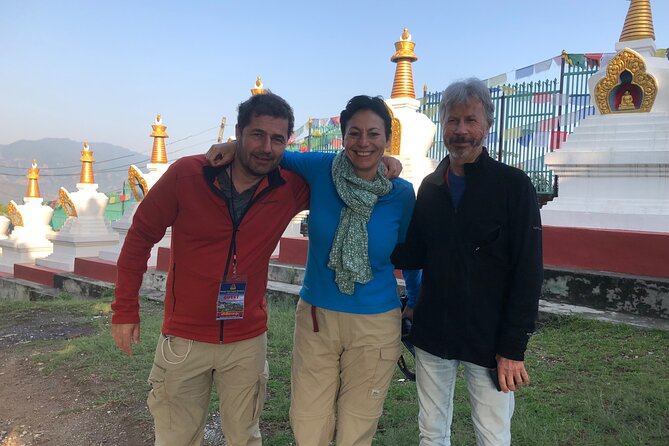
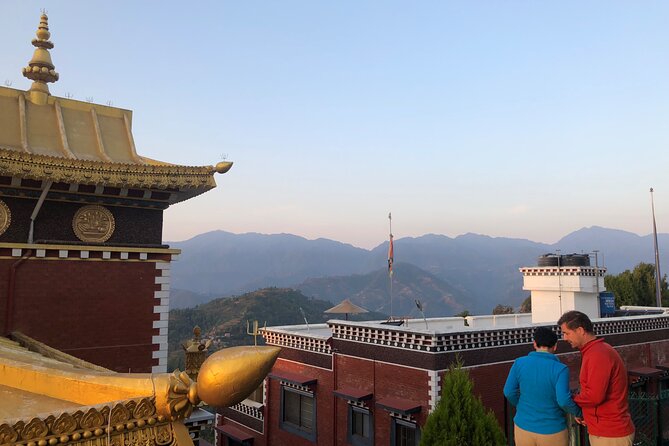
Swayambhunath is the kind of first stop that reorients your whole understanding of Kathmandu. You head to the hilltop temple complex for a panoramic look over the city, and that view is the reward before you even start reading the details.
This stop also sets the tone. Swayambhunath is a major Buddhist site with a history reaching back over 3,000 years, and it’s the “Monkey Temple” for a reason. Expect lots of activity—animals, visitors, incense, and that blend of reverence and everyday life that you don’t get at museum-like attractions.
What you’ll like most here is the combination: a big view plus spiritual significance. If you’re visiting for the first time, it’s also an efficient way to learn how Kathmandu Valley is laid out—your eyes start to connect dots for the rest of the day.
Deeper into old Kathmandu
Kathmandu Durbar Square: Royal-Era Architecture and the Kumari Window
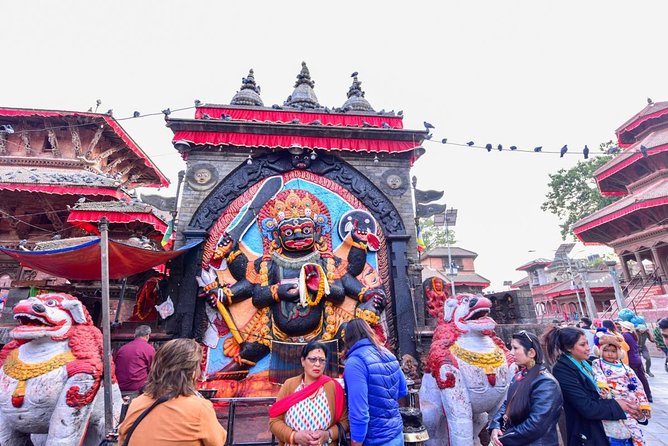
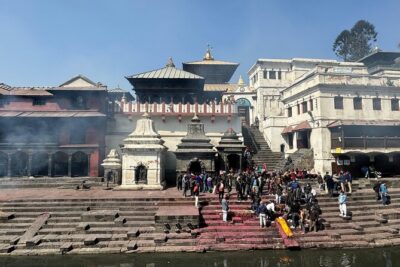
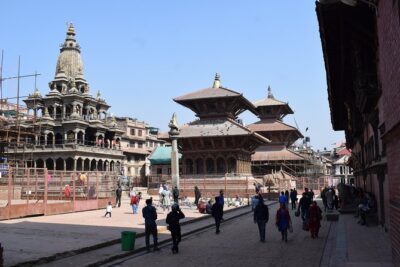
Kathmandu Durbar Square is your gateway into royal Nepal. This area shows ornate buildings from the 16th century era and includes Kathmandu’s famous Kumari, the living goddess.
One moment that people remember is the Kumari’s appearance at her window. You may only see her briefly, and that short timing is part of the cultural rhythm. It’s not a theme-park show; it’s a sacred practice, and that makes your reaction feel real—slightly stunned, slightly amazed.
Durbar Squares also work well with a good guide because there’s a lot to notice: architectural details, symbolism, and why certain spaces matter. If you don’t want to spend hours reading signage, this is where the guide earns their keep.
Basantpur Dabali and the Short Shrine Stops That Make the Streets Make Sense
After Durbar Square, you get a brief pause at Basantpur Dabali, described as an old tourist center with Hindu temple architecture. Then the schedule includes several short stops tied to specific temples and local sacred points: Taleju Bhawani Temple, Kumari Chowk, and Hanuman Dhoka.
These aren’t big-time “move-the-world” monuments on their own, but that’s exactly the point. Kathmandu is a place where the meaning often sits inside small thresholds: courtyards, doorways, and small shrines you might miss if you only chase the headline sites.
At Hanuman Dhoka, the tour highlights a connection to real monkeys. The square is meant to honor Hanuman, so yes, you’ll see monkeys, but you’re also seeing how Kathmandu mixes the sacred and the street in a way that feels normalized—not staged.
Pashupatinath Temple and the Crematoria Area: Sacred Hindu Pilgrimage Up Close
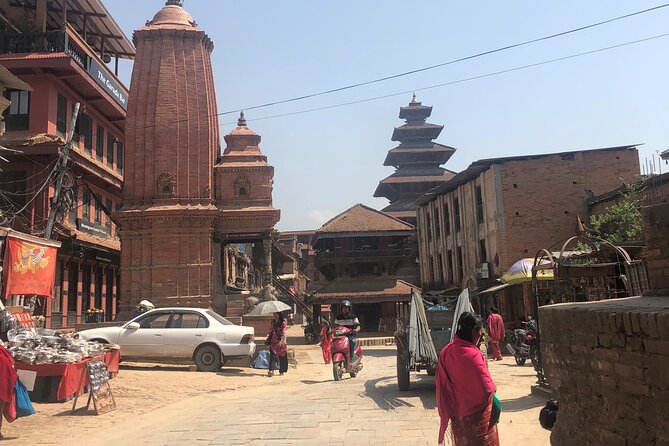
Pashupatinath is one of the most important Hindu shrines in the world, and it’s also the part of the day that can feel the most intense. You’ll spend around an hour at the temple, with another hour described around Pashupatinath again in the schedule.
The temple complex is richly ornamented and associated with the lingam, described as a phallic symbol of Lord Shiva. That’s a key detail because it shapes how you look at what’s in front of you. A guide makes this land better than just seeing the visuals.
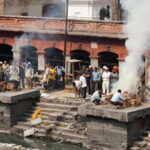
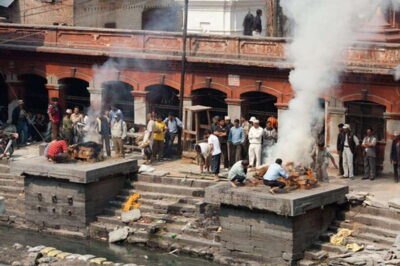
Then you have time near the crematoria. The cremation area is described as a place of constant action, and the feeling there is more quiet and reverent than sensational. You’re reminded that death rites are part of spiritual life, not a tourist spectacle.
If you’re sensitive to that kind of scene, you should know what you’re stepping into. But if you can handle it respectfully, this section is often the most emotionally memorable part of the day for visitors. One person even said the experience felt like empathy for mourners, not something gross or sensational.
Boudhanath Stupa: Big Buddhism and the Four Eyes Looking Out
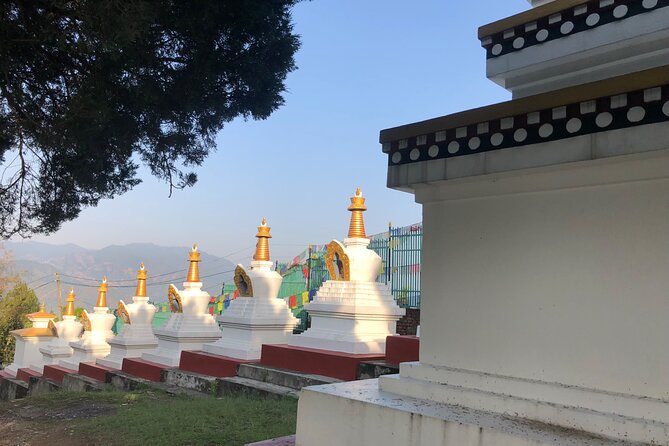
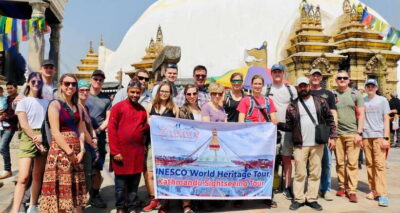
Boudhanath Stupa is the Buddhist counterweight to the Hindu focus earlier in the day. The stupa is described as about 2,500 years old and associated with a 5th-century origin. You’ll also hear about the four pairs of eyes of Lord Buddha facing the cardinal directions.
This stop tends to feel different from the temple squares. It’s slower, more open, and often easier to breathe in. If Swayambhunath is about gaining a hilltop viewpoint, Boudhanath is about settling into a powerful landmark that anchors a whole neighborhood.
A guide can help you notice details you’d otherwise miss—directionality, symbolism, and how stupa spaces work in everyday devotion.
The Garden of Dreams: A Breather With European-Style Paths
Not every minute in Kathmandu needs to be about religious monuments. The itinerary includes the Garden of Dreams, described as a neo-classical historical garden in the middle of the city. It’s designed with a style similar to formal European gardens, including paved perimeter paths.
This works well after Pashupatinath and Boudhanath because your senses have already maxed out. In the Garden of Dreams, you can step back, slow down, and let your brain file the day into something calmer than noise and stone.
Even if you’re not a garden person, it’s a smart pacing tool. You’ll appreciate the contrast more than you expect.
What Makes the Private Guide Matter (It’s Not Just Facts)
This tour’s biggest strength is not simply that it hits famous places. It’s that your guide can explain what you’re looking at and how to interpret it.
From guide experiences you may encounter—like Krishna, Jamuna, Janina, and SuJan—there’s a theme: patience, strong English, and the ability to connect monument details to daily life in Nepal. One of the best compliments in the feedback is how smoothly the day runs when the guide is good at pacing and answering questions.
That matters because Kathmandu is not easy to read on your own. Without context, you can walk through holy spaces and only catch the surface. With context, the day becomes a series of meaningful moments, not a checklist.
Logistics: Bottled Water, No Mandatory Shopping, and Being Flexible
The tour includes bottled water, hotel pickup and drop-off, and transport by private vehicle. Those are small things, but in Kathmandu they’re the difference between stress and comfort.
There’s also a clear benefit in how the tour avoids mandatory shopping stops. That keeps your day focused on the real reason you came: temples, squares, and sacred landmarks.
Still, be ready for minor friction in a city like Kathmandu. One person reported a vehicle clutch issue that forced a short walk (about 1 km) to a site. It wasn’t framed as the tour’s fault, but it’s a reminder: you’re touring a real city, and sometimes things happen.
If you plan with that mindset, the day stays enjoyable. If you plan like everything must be perfect, Kathmandu will humble you.
Lunch, Photos, and the Stuff That Isn’t Included
Food and drinks are not included. The tour suggests planning about $10 USD for lunch bought locally. That’s a reasonable estimate because you’re on the move and you’ll want something quick-ish between major sights.
Souvenir photos are available to purchase, but they’re not included. That means you can treat any photo offer as optional rather than mandatory part of the day.
And yes, you should think about tips. Even when a tour price feels reasonable, a guide and driver are part of the day’s service. If your budget is tight, still plan a little for gratitude and smooth cooperation.
Who This Tour Fits Best (And Who Might Want a Different Plan)
This is a strong fit for first-time visitors who want a structured tour of Kathmandu Valley UNESCO sites. It’s also good if you want a private setup instead of navigating as a group of strangers.
It also fits travelers who care about explanation. If you like learning what a monument represents—why it matters spiritually and historically—this format does that well.
It may not be ideal if you want a slow, free-flow day with minimal costs. Entrance fees can add up, and you’ll pay for them at multiple stops. If you’re extremely budget sensitive, you might prefer hiring a driver and picking fewer sites.
Also consider your jet lag and stamina. If you’re exhausted, the day can feel packed. One review described being tired and skipping the last site. That’s a valid move, and you’ll feel better planning to take breaks when needed.
Should You Book Kathmandu Heritage Tour – Private Full-Day UNESCO Sites & Temples?
If your top goal is seeing Kathmandu Valley’s headline UNESCO sites in one day without dealing with confusing logistics, I think you should book this. The private guide setup, smooth pacing, and the mix of Swayambhunath, Durbar Square, Pashupatinath, and Boudhanath make it an efficient and genuinely meaningful introduction.
Just go in with your eyes open on two things: entrance fees and the intensity of Pashupatinath. If you budget for fees and you’re respectful about the crematoria area, this becomes a memorable cultural day rather than a frantic photo sprint.
FAQ
How long is the Kathmandu Heritage Tour?
The tour duration is about 5 to 8 hours.
What’s included in the tour price?
It includes hotel pickup and drop-off, bottled water, a private tour guide, and transport by private vehicle.
Are entrance fees included?
No. Entrance fees are not included and are at your expense.
Do I need to pay for lunch?
Food and drinks aren’t included. The tour notes you should expect to spend around $10 USD for lunch purchased locally.
Is this tour private?
Yes. It’s a private tour/activity, and only your group participates.
What’s the maximum group size?
A maximum of 10 people per booking is stated.
Can I cancel and get a full refund?
Free cancellation is offered. For a full refund, you must cancel at least 24 hours in advance.
Is there an age limit?
No age limit is listed.
Are service animals allowed?
Yes, service animals are allowed.
Private Days, Your Group Only

More Tours in Kathmandu

More Tour Reviews in Kathmandu

Just Reviewed in Kathmandu
- Mountain Bike Tour
★ 5.0 · 3 reviews - Annapurna Panaroma
★ 5.0 · 3 reviews - Mount Everest Scenic Flight 50 Minutes
★ 5.0 · 3 reviews - Kathmandu : Swambhunath & Durbar Square Guided Half Day Tour
★ 3.3 · 3 reviews - Chandragiri Cable Car & Monkey Temple Tour – Private/Group
★ 5.0 · 3 reviews - Kathmandu: Shivapuri National Park Hiking Day Trip
★ 3.3 · 3 reviews
Kathmandu UNESCO Heritage Tours, compared.
 ★ 4.87 UNESCO Sites with LunchFrom $2744 reviews
 ★ 5.0Full Day 7 UNESCO Tour with Lunch – Private/GroupFrom $10415 reviews
 ★ 5.0Full Day Top 4 UNESCO Tour with Lunch – Private/GroupFrom $10269 reviews
 ★ 5.0UNESCO Seven World Heritage Tour in KathmanduFrom $180253 reviews
★ 4.9Full-Day 7 UNESCO Tour with Lunch – Private/GroupFrom $5247 reviews
★ 5.0UNESCO Seven World Heritage Tour in KathmanduFrom $180253 reviews
★ 4.9Full-Day 7 UNESCO Tour with Lunch – Private/GroupFrom $5247 reviews
 ★ 4.97 UNESCO Sites Tour in 1 Day (Private Tour)From $4204 reviews
 ★ 4.9Top 4 UNESCO Tour with Lunch – Private/GroupFrom $5181 reviews
 ★ 5.0Kathmandu Private Sightseeing Tour | UNESCO World Heritage SitesFrom $35109 reviews
Browse the lists this tour appears in