
Review · KATHMANDU HERITAGE WALKING TOURS
Kathmandu Heritage Walk | Heritage Walk of Kathmandu
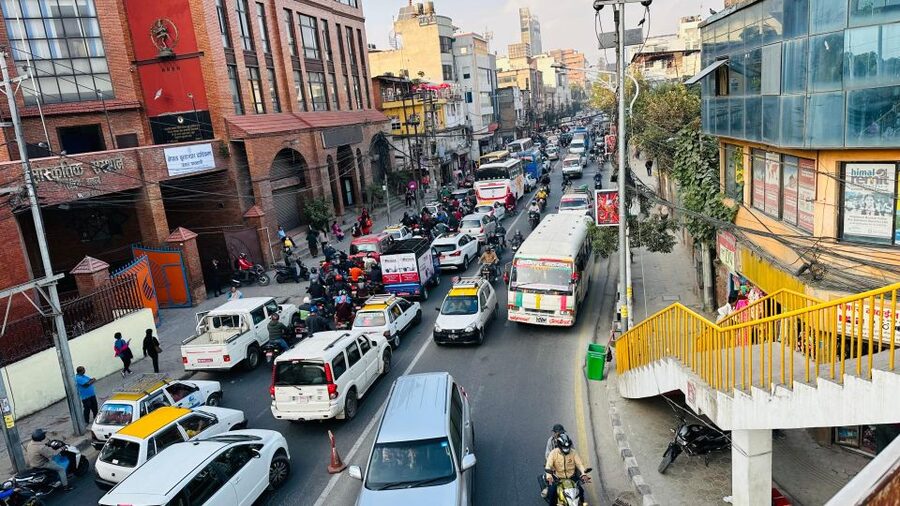
Kathmandu teaches fast on foot. This Kathmandu Heritage Walk is one of those practical tours that helps you get your bearings without feeling like a checklist: I like the street-level Thamel start for shopping and snacks, and I also love the reset you get at Shanti Bihar Stupa, where the noise drops away for a short, calm moment.
The one thing to consider is expectations. Because UNESCO World Heritage sites are not included, this won’t scratch the same itch as a classic “big monument” day in Kathmandu.
In This Review
- Key things I’d highlight before you go
- From Breakfree Adventures in Thamel to a 3.5-hour city orientation
- Thamel and Tahiti: street life, shops, and a quick way to feel the city
- Shanti Bihar Stupa: the short, quiet reset you’ll actually appreciate
- Akash Bhairab Temple in Indrachowk: sacred space with real devotion
- Gold Souq, Sankata Temple, and Mahankal Bhairab: craft and cultural meaning
- Bhotahiti and Annapurna Temple: everyday Kathmandu at street level
- What the guide quality is really like (and why it shows)
- Price and value: $40 for 3.5 hours of guided city culture
- Who should book this walk, and who should skip it
- Should you book the Kathmandu Heritage Walk?
- FAQ
- Where does the Kathmandu Heritage Walk start?
- How long is the tour?
- What does the tour cost?
- Is it a private tour?
- Does this tour include UNESCO World Heritage sites?
- What’s included in the price?
Key things I’d highlight before you go
- Thamel meeting point that actually makes sense: starts at Breakfree Adventures in Thamel, in front of Everest Bank Limited
- A calm break at Shanti Bihar Stupa: a peaceful counterpoint to Kathmandu’s busy streets
- Indrachowk’s Akash Bhairab Temple: a historic sacred stop with a very lived-in, devotional feel
- Gold Souq for real craftsmanship shopping: see what local makers do instead of just passing by
- City-center religion stops: Sankata Temple, Mahankal Bhairab, and Annapurna Temple keep the focus on cultural practice
- Private group flexibility: reviews mention that with a small group, you can choose destinations you haven’t seen before
Kathmandu at walking pace, more routes
- Kathmandu Food and Drink Walking Tour★ 5.0 · 266 reviews
- Kathmandu: Food and Drink Walking Tour★ 4.9 · 119 reviews
- Walking Street Food Tour in Kathmandu★ 5.0 · 111 reviews
- Walking Food Tour in Hidden Local Eateries of Kathmandu★ 5.0 · 40 reviews
From Breakfree Adventures in Thamel to a 3.5-hour city orientation
If you’re trying to understand Kathmandu quickly, this walk is built for that. You meet at the Breakfree Adventures entrance in Thamel, right in front of Everest Bank Limited. That matters more than it sounds: in a city where directions can turn into a mini-adventure, a clear meeting point helps you start on time and reduces the “Where are we?” stress.
The tour runs about 3.5 hours. You’re not doing a full-day marathon, so it’s easier to fit into a first visit. It’s also private group style, which usually means you’re not swallowed by a crowd. You’ll have a live English guide, plus the package includes 1000ml mineral water and service charge. In practical terms, that saves you time and small decisions, especially if you’re walking through busy streets in warm weather.
Comfort is the real theme here. You’ll want comfortable shoes (you’ll be on your feet), and an umbrella can be a smart bring in Kathmandu since rain can switch on without warning. You’ll also want a camera and comfortable clothes. Bring your passport too, since it’s listed as required.
Thamel and Tahiti: street life, shops, and a quick way to feel the city
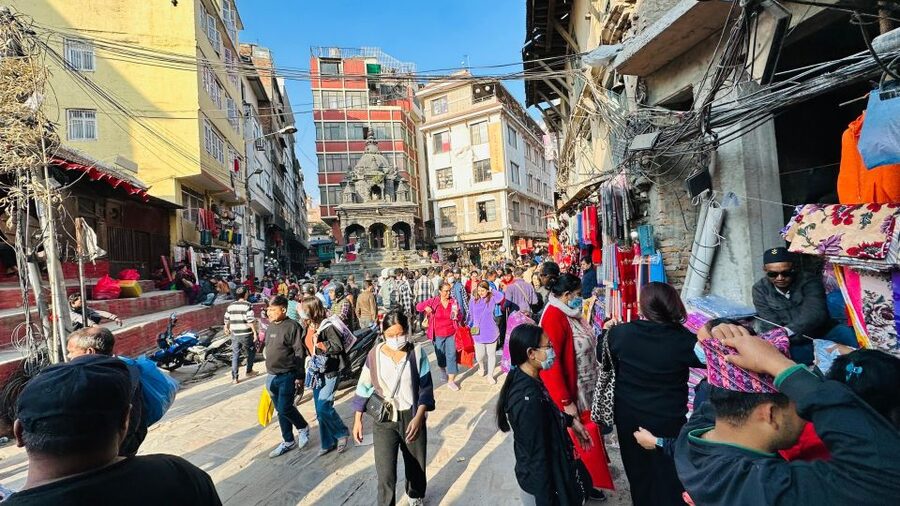
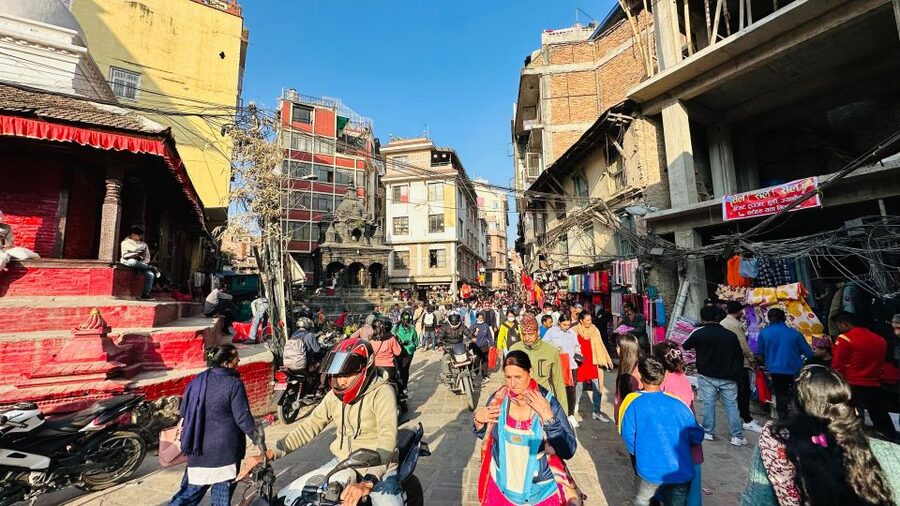
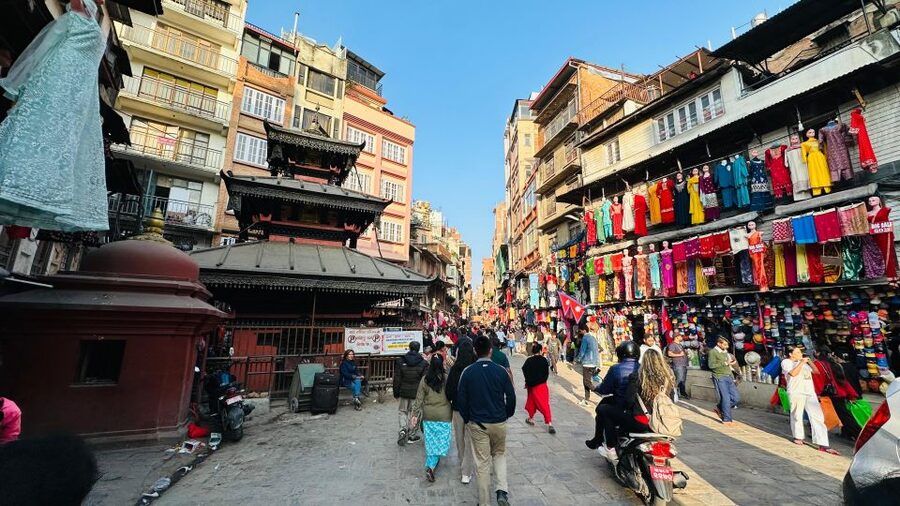
The tour begins in Thamel, the area most people land in first. Expect an active zone with shops and places to eat. This stop isn’t about one single highlight; it’s about reading the city at street level. Your guide’s job is to steer you from “random wandering” into “meaningful wandering.”
Then you head to Tahiti, described as a place where traditional architecture and modern life sit side by side. You’re looking for contrast: Kathmandu’s everyday streets plus the neighborhoods and styles that locals use every day. Even if you’ve already seen a little of Thamel, Tahiti gives you a different angle without requiring a long commute.
This part is also where I think the value is strongest for first-timers. You get a fast, human map of how Kathmandu feels: where people shop, how they move, what kinds of goods you’ll likely find later, and where temples and alleys start showing up again and again.
Shanti Bihar Stupa: the short, quiet reset you’ll actually appreciate
One of the best reasons to do a heritage walk is the pacing. Here, you get a peaceful stop: Shanti Bihar Stupa. The description calls it a symbol of peace amid urban chaos, and that’s exactly what makes it useful on a sightseeing day.
This isn’t just a photo stop. It’s a pause from street noise and the constant “look at me” energy that comes with a popular tourist area. Even if you’re not deeply religious, you’ll likely find this kind of stop grounding. It gives you a breather so the rest of the tour doesn’t blur together.
A practical tip: treat this as your “slow down” moment. Don’t rush it like a transit stop. Let your eyes adjust. You’ll probably get more from the experience when you give it a few minutes of calm attention.
Akash Bhairab Temple in Indrachowk: sacred space with real devotion
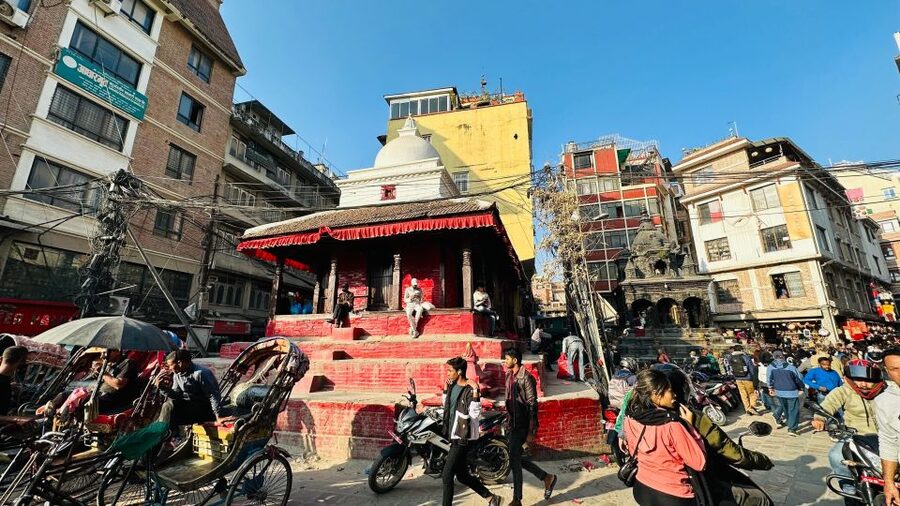
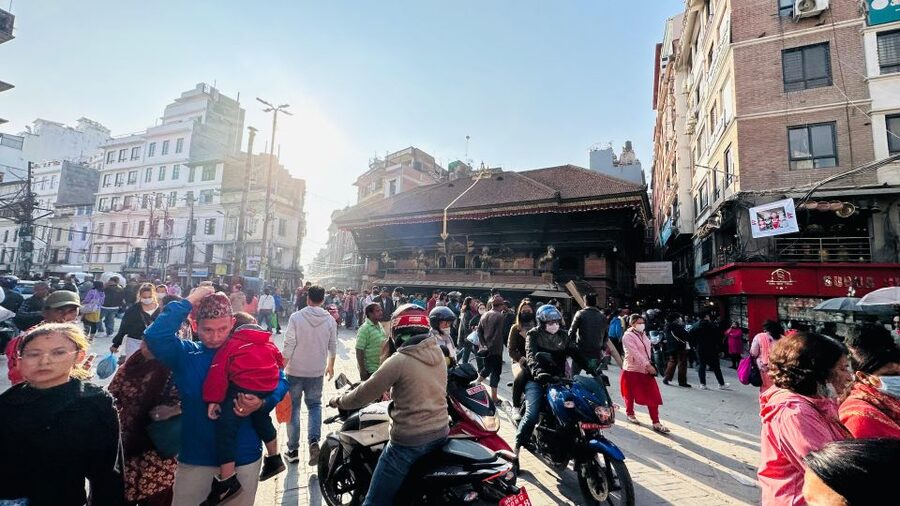
Next up is Akash Bhairab Temple in Indrachowk, described as a historic sacred site. This is where the tour shifts from walking streets to stepping into ritual space.
What you should expect is a devout atmosphere around the temple. In real-world terms, that means you’ll notice how people behave differently here: slower movements, quieter conversation, more attention on worship. Your guide can help you read what you’re seeing—why the place matters and how it fits into Kathmandu’s religious life.
If you like history that isn’t trapped behind ropes, this stop tends to land well. It’s a working sacred site, not just a museum. Also, Indrachowk is central enough that you won’t feel like you’re traveling for the sake of traveling.
Deeper into old Kathmandu
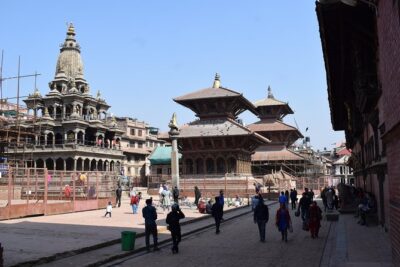
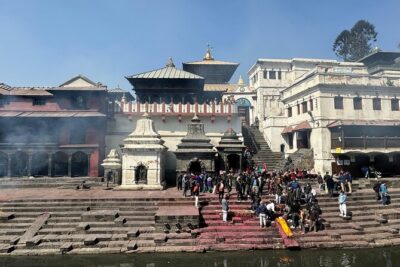
Gold Souq, Sankata Temple, and Mahankal Bhairab: craft and cultural meaning
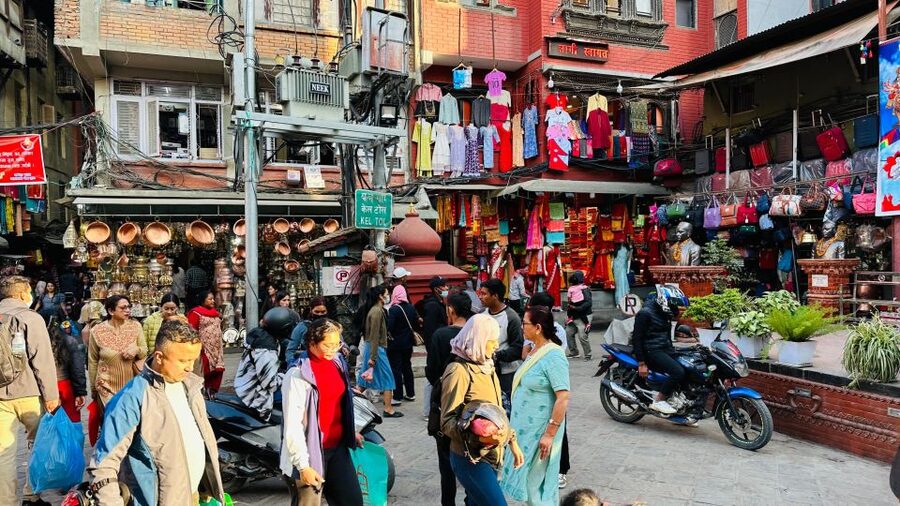
From Indrachowk, the tour moves toward two different kinds of “heritage” at once: shopping for craftsmanship and exploring cultural protection themes through temples.
First, there’s Gold Souq, where you explore exquisite craftsmanship in Kathmandu. Even if you’re not shopping for gold (most people aren’t on a first trip), you’ll still learn something useful. You’ll see how local artisans think about materials and detail, and you’ll understand why certain items are made the way they are. That can turn a casual glance into real appreciation.
Then you visit Sankata Temple and Mahankal Bhairab. The tour framing emphasizes cultural significance, and that’s the key here: you’re not just seeing architecture. You’re seeing places tied to people’s beliefs and practices. You’ll likely notice differences in how visitors and worshippers show respect.
This section is also a good reality check. Kathmandu’s religious sites and its everyday commerce are tightly linked in the city center. You don’t have to choose between “culture” and “shopping.” You just need a guide to keep it organized.
Bhotahiti and Annapurna Temple: everyday Kathmandu at street level
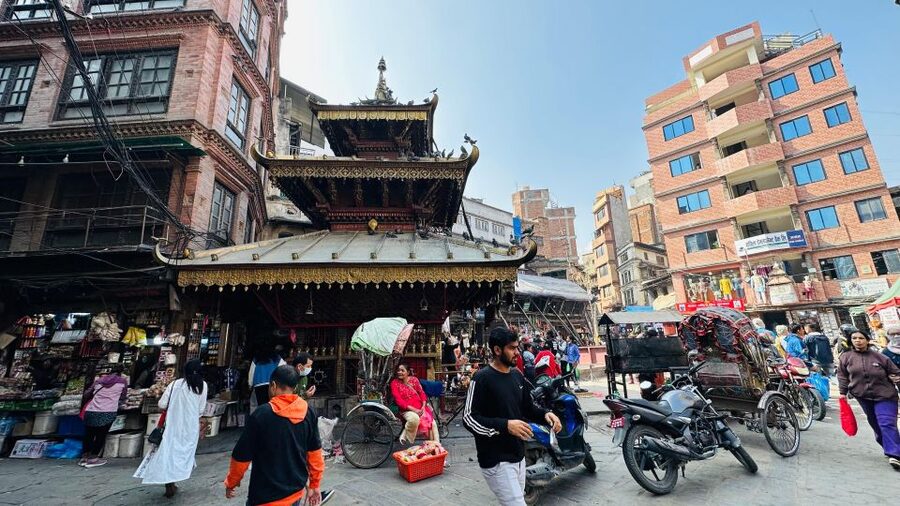
Bhotahiti is described as a locale brimming with local flavor. That phrasing is useful because it suggests what to do with the stop: look closely at how the area functions for locals, not just how it performs for photos. Your guide can help you spot what’s worth noticing and what’s just traffic of daily life.
Then you reach Annapurna Temple, highlighted for its architectural splendor. This is the kind of city-center temple stop that gives you contrast with the earlier Bhairab-related site. Annapurna, as a cultural landmark, brings a different mood. The emphasis here is the building and its design, so slow down and pay attention to shape, ornament, and layout if you enjoy architecture.
This part of the walk also sets up an ending that feels natural: you’ll finish with a visit to a lively local market and then return to Thamel. That market close is helpful because it gives you a “last look” chance—either to pick up something small from the craft stalls you saw earlier, or just to soak up the street energy before you head back.
What the guide quality is really like (and why it shows)
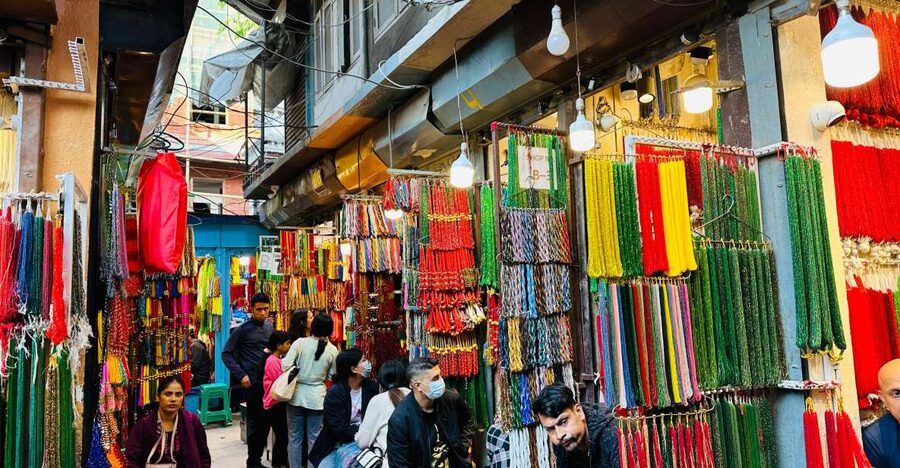
Guide quality can make or break a short walk like this, and the reviews you provided point to a consistent pattern. Names mentioned include Martin and Madan, both described as professional, knowledgeable about historical and religious sites, and good at keeping the tour time efficient.
One detail I like a lot: one reviewer notes that the pace covered a lot of ground without being too strenuous for seniors. That matters because a heritage walk can be physically uneven, and a good guide adjusts the tempo based on your group. If you’re traveling with older relatives or want a tour that doesn’t feel like a forced march, that pacing approach is a strong selling point.
Another point: both Martin and Madan are described as kind people. You may not think this matters on a city walk, but it does. A calm guide helps you feel comfortable asking questions, and it helps you stay respectful at sacred stops.
Also, the tour is described as having a government certified guide and running with an English live guide. If you’re tired of guessing what you’re looking at, that’s a practical win.
Price and value: $40 for 3.5 hours of guided city culture
At $40 per person for about 3.5 hours, you’re paying for organization and interpretation, not just walking. The included items are meaningful: a government certified guide, English live guidance, 1000ml mineral water, and service charge.
What’s not included is also important for value math:
- Transportation if needed
- Meals & drinks
- Personal expenses
That means you’ll likely want to budget for food separately if your walk overlaps with a meal time. But for many travelers, the included water is exactly what you need to keep going without stopping every few minutes.
Private tours are often priced higher than group tours, so the real question is: do you get enough personalization? In your info, one review specifically mentions that as a private tour for two people, they could select destinations they had not seen before. Even if you don’t change stops, having that flexibility tends to help you feel like the tour fits you rather than the other way around.
Who should book this walk, and who should skip it
This tour is clearly designed for people who can comfortably move around the city on foot. It lists it as not suitable for:
- pregnant women
- wheelchair users
- babies under 1 year
- people over 95 years
- people over 70 years
If you’re in the safe-to-walk range, this can be a smart way to start a Nepal trip, especially if you want a first-day foundation. One reviewer even frames doing Kathmandu with the guide on the first day as a good way to begin.
It also fits well if you care about religion, local markets, and craftsmanship more than you care about ticking off major monuments. And if you’re the type who likes to shop with a purpose, Gold Souq is the kind of stop where a guide can keep you from feeling lost or pressured.
Should you book the Kathmandu Heritage Walk?
I’d book this if you want a short, guided way to understand Kathmandu’s texture: Thamel street life, a calm pause at Shanti Bihar Stupa, temple stops in the city center, and a market ending that feels tied to what you’ve already seen.
Skip it if your top priority is UNESCO-listed sights. This walk explicitly does not include UNESCO World Heritage sites, so it’s better for offbeat, city-level heritage than for monument-heavy itineraries.
Quick decision checklist:
- You’re okay spending about 3.5 hours walking
- You want English guidance and a certified guide
- You’d rather learn from lived-in temples and local markets than chase UNESCO stops
- You prefer a private group pace you can adapt to your comfort level
If that sounds like your style, this one’s worth it.
FAQ
Where does the Kathmandu Heritage Walk start?
The tour starts at the Breakfree Adventures entrance in Thamel, located in front of Everest Bank Limited.
How long is the tour?
It lasts about 3.5 hours.
What does the tour cost?
The price is listed as $40 per person.
Is it a private tour?
Yes, it’s described as a private group, with a live English tour guide.
Does this tour include UNESCO World Heritage sites?
No. UNESCO World Heritage sites are not included in this tour.
What’s included in the price?
Included items are a government certified guide, 1000ml mineral water, and service charge. Meals, drinks, and transportation (if needed) are not included.
The Old Kathmandu, Properly Toured



Kathmandu on Foot: More Walks



More Tour Reviews in Kathmandu





Just Reviewed in Kathmandu
- Mountain Bike Tour
★ 5.0 · 3 reviews - Annapurna Panaroma
★ 5.0 · 3 reviews - Mount Everest Scenic Flight 50 Minutes
★ 5.0 · 3 reviews - Kathmandu : Swambhunath & Durbar Square Guided Half Day Tour
★ 3.3 · 3 reviews - Chandragiri Cable Car & Monkey Temple Tour – Private/Group
★ 5.0 · 3 reviews - Kathmandu: Shivapuri National Park Hiking Day Trip
★ 3.3 · 3 reviews
Kathmandu Heritage Walking Tours, compared.
 ★ 5.0Kathmandu Walking TourFrom $2636 reviews
 ★ 5.0Old Kathmandu Walking Tour, Historic World Heritage Durbar SquareFrom $2822 reviews
 ★ 5.0Smells of Kathmandu Walking Day TourFrom $2820 reviews
★ 4.3Kathmandu Walking TourFrom $3015 reviews
Browse the lists this tour appears in