

Review · KATHMANDU HERITAGE WALKING TOURS
Kathmandu Walking Tour
Street noise and temple bells guide the walk. This Kathmandu Walking Tour in Bagmati Zone strings together street-level daily life with UNESCO-worthy stops, so you see the city in context, not as a checklist. I especially like the start at Ason, where you get dropped into the oldest market atmosphere and learn how people actually move through their day.
I also love the Swayambhunath climb and view—hilltop temples make the whole Kathmandu Valley feel suddenly readable. One heads-up: this route involves a lot of walking and stairs, and it’s listed as not suitable for wheelchair users or pregnant women.
In This Review
- Key Points Worth Noticing
- Entering Ason: Where Kathmandu’s Daily Life Starts
- Kathmandu Durbar Square: Temples and Courtyards With Meaning
- Freak Street: The Hippy-Era Junction Story in Plain Sight
- Swayambhunath Hilltop and the Monkey Temple View
- How the 4-Hour Route Feels in Real Life
- Price and Value: Is $30 a Smart Use of Your Time?
- Picking a Guide and a Pace You’ll Enjoy
- What to Bring (and What Can Slow You Down)
- Should You Book This Kathmandu Walking Tour?
- FAQ
- How long is the Kathmandu Walking Tour?
- Where is pickup included?
- How much does the tour cost?
- What’s included in the price?
- How many people are in the group?
- What language is the tour guide?
- Which UNESCO sites are visited?
- Are monument entrance fees included?
- What should I bring?
- What is the cancellation policy?
Key Points Worth Noticing

- Ason market start puts you in the oldest Kathmandu market scene right away
- Two UNESCO World Heritage sites cover both city heritage and a hilltop sacred complex
- Freak Street stop connects today’s street corners to the Hippy-era story of the junction
- Swayambhunath hilltop views are the big payoff, with wide panorama angles over the valley
- Small group (max 10) plus English guide keeps the pace conversational, not chaotic
- Mineral water included keeps you going between old streets and long steps
Kathmandu at walking pace, more routes
- Kathmandu Food and Drink Walking Tour★ 5.0 · 266 reviews
- Kathmandu: Food and Drink Walking Tour★ 4.9 · 119 reviews
- Walking Street Food Tour in Kathmandu★ 5.0 · 111 reviews
- Walking Food Tour in Hidden Local Eateries of Kathmandu★ 5.0 · 40 reviews
Entering Ason: Where Kathmandu’s Daily Life Starts

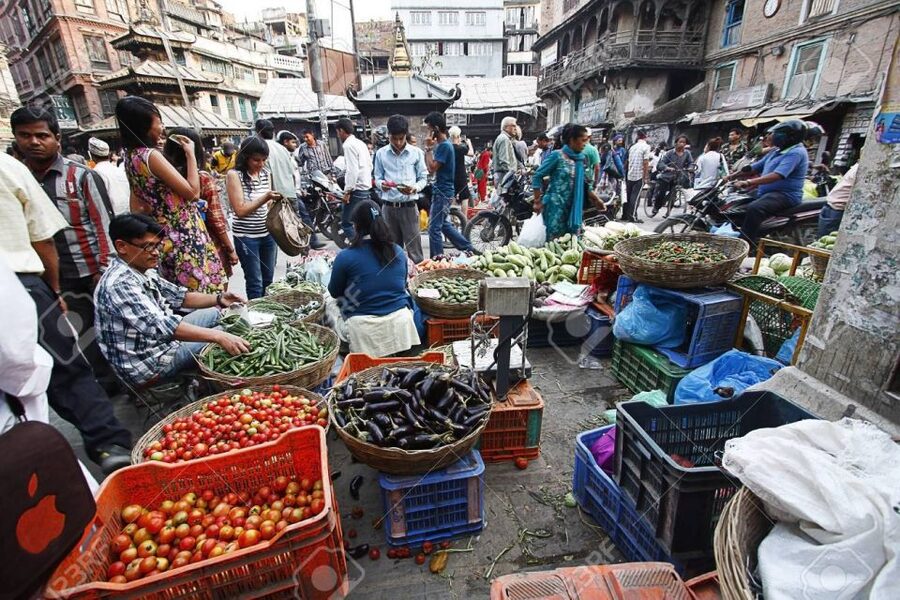
The tour begins with a real city arrival: you’re collected from the Thamel area, then you head out on foot toward Ason, described as Kathmandu’s oldest market place. The point here isn’t to rush toward famous buildings. It’s to get your bearings first—through shop fronts, narrow lanes, squares, and ancient temple glimpses that sit right alongside modern daily commerce.
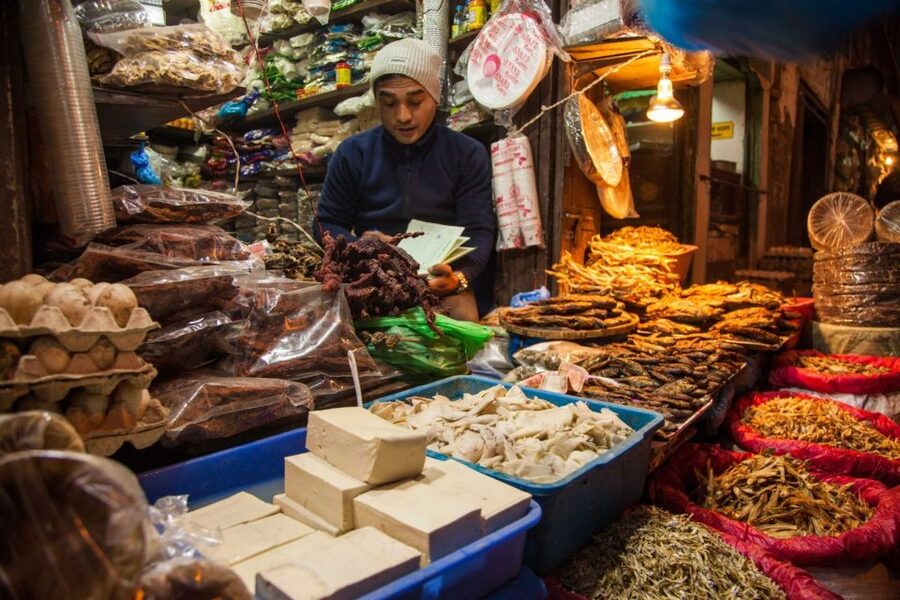
Ason is the kind of place where you notice small patterns fast. People pause, carry goods, argue over prices, share news, and keep moving. If you’ve mostly been seeing Kathmandu from viewpoints or from taxis, this is the reset. I like that the tour uses this neighborhood rhythm to explain how culture works on the ground.
Along the way, your guide steers your attention toward what you might otherwise miss: religious corners that appear on street bends, small shrines that people treat like part of the commute, and how markets and worship share space. It’s also a helpful warm-up—by the time you reach the bigger heritage sites later, you’re already comfortable with the pace of old Kathmandu lanes.
Just remember this is still a walking tour. You’ll want comfortable shoes because “short and flat” is not the vibe once you start exploring old streets.
Kathmandu Durbar Square: Temples and Courtyards With Meaning
After Ason, you move into Kathmandu Durbar Square, a UNESCO World Heritage Site and one of the city’s key historical and religious centers. This isn’t only about seeing a big open space and snapping photos. The square is packed with temples, palaces, and shrines, so your guide’s job is crucial: they point out what matters and help you read the site without guessing.
Durbar Square works well on a walking tour because it’s layered. You can move through different angles and levels of detail quickly, and the city layout practically teaches you where to look. If you’ve ever felt overwhelmed at UNESCO sites—too many stones, too little context—this is where a good guide makes the difference.
Also, the tour is set up with skip-the-ticket-line included. That matters in real terms: it reduces waiting time so you spend your energy on looking, not standing in a queue. Just note: monument entrance fees are not included, so you’ll likely still pay at the sites where admission applies.
What I like about this stop is that it anchors the trip’s “daily life” theme. The market shows you what’s happening now. Durbar Square shows why the city’s spiritual and historical identity still influences how people organize space, rituals, and public gatherings.
Freak Street: The Hippy-Era Junction Story in Plain Sight

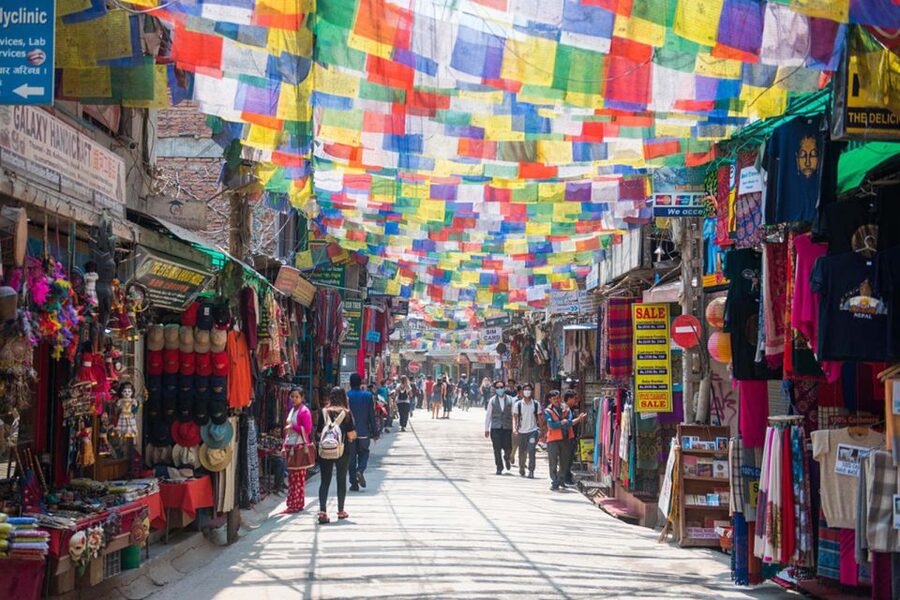
Next comes a stop that’s more about story than solemnity: Freak Street. It’s described as a famous junction during the Hippy era, and the cool part is how you can connect a past wave of travelers to a living street layout you can actually stand in today.
This is a useful pause in the itinerary. After heritage sites and religious architecture, Freak Street helps you see Kathmandu as a crossroads—not just a destination. Even if you’re not chasing counterculture history, you’ll learn how these intersections became magnets for visitors, and how those visitor flows shaped what you see now.
Your guide also helps you connect the dots between old markets, temple areas, and the streets that became known for attracting foreigners looking for Nepal in their own way. It’s the kind of cultural context that makes the rest of the day feel more coherent.
A practical note: because it’s a junction, expect people and activity. Keep your attention on the guide’s direction so you don’t lose the route while you’re scanning for signs, storefronts, and street scenes.
Swayambhunath Hilltop and the Monkey Temple View

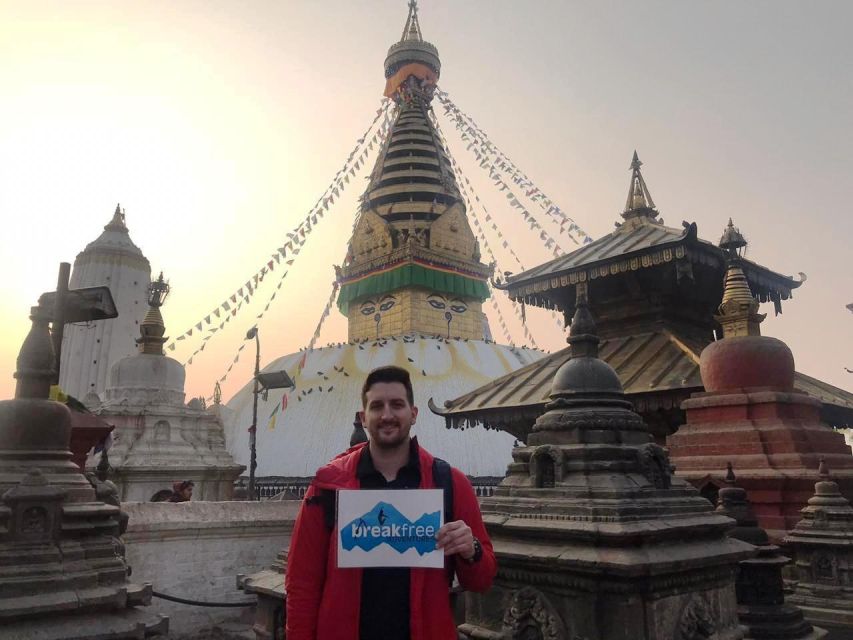
If there’s one “this is why you walked” moment in the day, it’s Swayambhunath—another UNESCO World Heritage Site—located at the top of a hill. The tour frames it as the Monkey Temple area, and it’s where you get the spectacular panoramic view of the Kathmandu Valley.
This stop changes how you experience the entire city. From hilltop angles, Kathmandu stops being a set of streets and turns into geography. You start noticing how districts spread, how temples and dense neighborhoods cluster, and how the valley’s shape influences what you can see at ground level.
The route also gives you built-in physical payoff. Those steps can feel like a leg workout if you’re not used to climbing, but they also keep you moving and keep the view reward close. If you’re short on energy, plan to take your time and pause for photos rather than trying to match someone else’s pace.
Your guide’s role here is especially valuable. Hilltop sacred spaces often feel overwhelming if you don’t know what you’re looking at, even if you can clearly see the big buildings. A good guide helps you interpret the religious environment without turning it into a lecture.
When you finish at Swayambhunath, you have two options back to Thamel: a walk back or a taxi from Swayambhunath to Thamel. The taxi isn’t included, so factor that cost in if you don’t want the remaining walking portion after the hilltop.




How the 4-Hour Route Feels in Real Life

A 4-hour walking tour sounds straightforward until you’re dealing with stairs, turns, and people crossing the route. The itinerary is built to keep the momentum: Ason market for orientation, Durbar Square for heritage focus, Freak Street for cultural context, then Swayambhunath for the big view payoff.
Because the group is limited to 10 participants, the pacing tends to be practical. You’re not stuck waiting for a long line of people to catch up, and it’s easier to ask questions when something doesn’t make sense. That small-group size also helps with route navigation in tight streets.
Your guide provides an English-speaking live tour component, which is a big plus here. Kathmandu’s details can be hard to read from street level, even when you’re looking at something right in front of you. The guide gives you a framework so you don’t leave with only photos.
The biggest timing variable is energy. If you move slowly on purpose—pausing for shrine details and viewpoints—you might feel like the day runs long. That’s not a bad thing, but it’s why comfortable shoes aren’t a suggestion. They’re part of the plan.
Price and Value: Is $30 a Smart Use of Your Time?
At $30 per person, this tour sits in the “good value if you want guided context” category. Here’s what you get for that price: an experienced English guide, mineral water, and pickup from your Thamel-area hotel. You also get skip-the-ticket-line, which can save time at major stops.
What’s not included is equally important: monument entrance fees and any transfers/taxi. Since taxi from Swayambhunath to Thamel is an option, you might add that on if you choose not to walk back.
So how do you judge the value? I think it’s worth it if you fit one of these needs:
- You want a guided walk that connects street life to UNESCO sites
- You prefer not to plan routes, tickets, and timing alone
- You like asking questions and getting clear explanations in English
It’s less worth it if you already feel confident navigating Kathmandu heritage areas by yourself and you don’t care much about historical and religious context. In that case, you might spend less and do it independently.
Also, the reviews average around 4.3 out of 5 from 15 reviews, with multiple mentions of guides being friendly and clear. That kind of feedback matters for this type of walking tour, because the “how it’s explained” is part of what you’re paying for.
Picking a Guide and a Pace You’ll Enjoy
This experience runs with a live English tour guide and a small group size (limited to 10). In practice, that usually means you get a more human style of explaining—questions get answered, and you’re not just listening to a script while walking.
The names that come up in past experiences include Shankar Bhattarai and Madan Sakota. People credited them with strong storytelling, good form when explaining, and answering questions clearly. One of the practical details that also gets mentioned is punctual pickup and, in some cases, dropping people back near their hotel after the tour.
A detail worth caring about: your guide collects you at your hotel, so you need to share the hotel name when booking. That makes the meetup smoother, especially in Thamel, where streets can look similar at first glance.
Also, your tour is led by Breakfree Adventures Pvt. Ltd., so if you like the idea of booking through a defined local operator with English-language guiding, this fits that pattern.
What to Bring (and What Can Slow You Down)
You’ll want to bring:
- Passport or ID card
- Comfortable shoes
- Cash
The cash matters because monument entrance fees aren’t included, and you may also want money for small purchases along the route. If you rely entirely on card payments, you could find yourself stuck at the moments where you need admission or small expenses.
Clothing matters less than shoes, but do think about how you’ll handle humidity and crowds in market streets. Also, be prepared for the fact that Swayambhunath is at the top of a hill. You don’t need to be an athlete, but you do need to be willing to climb.
And here’s the safety/fit reality check: this tour is not suitable for wheelchair users and not suitable for pregnant women, which lines up with the walking and stairs required. If that applies to you, skip this specific route and look for a less stepped alternative.
Should You Book This Kathmandu Walking Tour?
Book it if you want Kathmandu to make sense fast. This tour ties together the city’s daily market life at Ason, major heritage at Kathmandu Durbar Square, a cultural story stop at Freak Street, and the valley-opening views from Swayambhunath. At 4 hours and with a small group, it’s a practical way to get context without spending your whole day planning.
Skip it if you can’t manage hills and steps, or if you only want a quick photo tour and don’t care about explanations. Also consider entrance fees: the tour price covers guiding and key logistics, but you should budget extra for monuments.
If you like walking with a guide who can connect street details to bigger meanings, this is a solid use of time in Kathmandu.
FAQ
How long is the Kathmandu Walking Tour?
The tour lasts 4 hours.
Where is pickup included?
Pickup is included from your hotel in the Thamel area.
How much does the tour cost?
It costs $30 per person.
What’s included in the price?
The price includes an experienced tour guide and mineral water. Skip the ticket line is also included.
How many people are in the group?
The group is limited to 10 participants.
What language is the tour guide?
The tour is guided in English.
Which UNESCO sites are visited?
You visit Kathmandu Durbar Square and Swayambhunath, both UNESCO World Heritage Sites.
Are monument entrance fees included?
No. Monument entrance fees are not included.
What should I bring?
Bring your passport or ID card, comfortable shoes, and cash.
What is the cancellation policy?
You can cancel up to 24 hours in advance for a full refund.
Kathmandu on Foot: More Walks




More Tours in Kathmandu



More Tour Reviews in Kathmandu




Just Reviewed in Kathmandu
- Mountain Bike Tour
★ 5.0 · 3 reviews - Annapurna Panaroma
★ 5.0 · 3 reviews - Mount Everest Scenic Flight 50 Minutes
★ 5.0 · 3 reviews - Kathmandu : Swambhunath & Durbar Square Guided Half Day Tour
★ 3.3 · 3 reviews - Chandragiri Cable Car & Monkey Temple Tour – Private/Group
★ 5.0 · 3 reviews - Kathmandu: Shivapuri National Park Hiking Day Trip
★ 3.3 · 3 reviews
Kathmandu Heritage Walking Tours, compared.
 ★ 5.0Kathmandu Walking TourFrom $2636 reviews
 ★ 5.0Old Kathmandu Walking Tour, Historic World Heritage Durbar SquareFrom $2822 reviews
 ★ 5.0Smells of Kathmandu Walking Day TourFrom $2820 reviews
 ★ 5.0Kathmandu Heritage Walk | Heritage Walk of KathmanduFrom $404 reviews
Browse the lists this tour appears in