

Review · KATHMANDU UNESCO HERITAGE TOURS
Kathmandu Private Tour of UNESCO World Heritage Sites
One day, seven UNESCO sites, and a driver. That’s the winning formula here, built for people who want Kathmandu’s sacred places without the stress of handling everything on their own. I especially like how the plan stacks big-ticket sights into a single route, with a private vehicle and an English-speaking guide to help you make sense of what you’re seeing. You also get the chance to slow down where it matters, rather than getting herded along. Bhaktapur, Boudhanath, and Pashupatinath alone make the day feel worth it. One thing to keep in mind: entrance fees are extra, and if you want all seven sites, you’ll pay a cash total directly to temple authorities.
What I really like is the pace of a private tour. You’re not negotiating multiple tickets, transit options, and meeting points while you’re trying to understand religious rituals and historical architecture. A pro guide who speaks English matters here, because the stories are part of the experience, not just decoration on the itinerary. In past bookings, a guide named Pranav and driver Bijaya were specifically praised for making the day feel smooth and organized. The main drawback is that lunch is not included, so you’ll want to plan ahead so the day doesn’t run past your energy level.
This is a great fit if you want a single, structured UNESCO day while still keeping it private. Start at 9:00 am, ride in an air-conditioned vehicle, then spend the day moving through Durbar Squares, stupas, and a riverside Shiva shrine. If you’re hoping for a low-cost tour with zero extras, it’s not that. But if you want convenience, context, and comfort, it’s a solid deal.
In This Review
- Key things to know before you go
- Why this private Kathmandu UNESCO day plan makes sense
- Price and value: $47.50 plus a known entrance total
- Transport and comfort: air-conditioned pickup that keeps you moving
- Stop 1: Changu Narayan Temple for early calm and ancient pagoda vibes
- Stop 2: Bhaktapur Durbar Square and its four connected squares
- Stop 3: Boudhanath Stupa, with prayer flags and a 36-meter dome
- Stop 4: Pashupatinath Temple on the Bagmati River, sacred Shiva rituals
- Stop 5: Patan Durbar Square, Lalitpur’s craftsmanship in stone
- Stop 6: Kathmandu Durbar Square (Basantapur and Hanuman Dhoka)
- Stop 7: Swayambhunath (Monkey Temple) for best valley views
- Lunch and timing: how to keep a nine-hour UNESCO day from feeling rushed
- The private guide factor: getting real context, not just directions
- Who this Kathmandu private UNESCO tour is best for
- Should you book this Kathmandu private UNESCO tour?
- FAQ
- How long is the Kathmandu private UNESCO tour?
- What time does the tour start?
- Are entrance fees included?
- Is lunch included?
- What’s included in the tour price?
- Is free cancellation available?
Key things to know before you go
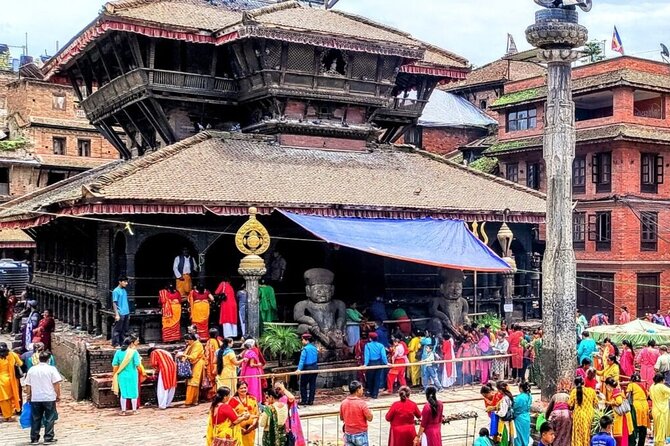
- Seven UNESCO World Heritage sites in one day, with private transport
- Air-conditioned vehicle plus a professional English-speaking guide
- Entrance fees not included; total is $48 cash if you visit all 7
- Boudhanath Stupa is known for its huge white dome and 36-meter size
- Pashupatinath Temple sits on the Bagmati River, dedicated to Lord Shiva
- Swayambhunath (Monkey Temple) gives some of the best panoramic valley views
Just your group, at your own pace
- Private Kathmandu Sightseeing Tour | UNESCO World Heritage sites★ 5.0 · 756 reviews
- Kathmandu: Full Day 7 UNESCO Tour with Lunch – Private/Group★ 5.0 · 415 reviews
- Private Bhaktapur and Nagarkot Day Tour From Kathmandu★ 5.0 · 305 reviews
- Kathmandu: Full Day Top 4 UNESCO Tour with Lunch – Private/Group★ 5.0 · 269 reviews
Why this private Kathmandu UNESCO day plan makes sense
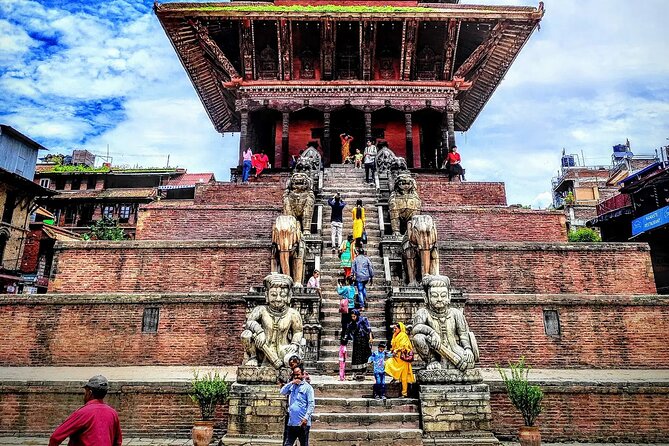
Kathmandu can feel chaotic, even when you’re excited. This tour’s value is that it turns a complicated “where do I go next” day into a clear sequence. You’re covering the major UNESCO sites in the Kathmandu Valley in one long morning-to-afternoon stretch, so you don’t have to carve out multiple days.
The private setup is the second big advantage. You’re not sharing a vehicle with strangers, and you’re not stuck with someone else’s pace. If you want a slower look at architecture in a Durbar Square, you can take it. If you prefer to keep moving, you can.
And the sights are the right mix. You get royal-era squares (Kathmandu Durbar Square, Patan Durbar Square, Bhaktapur Durbar Square), Buddhist pilgrimage gravity (Boudhanath), a riverside Hindu epicenter (Pashupatinath), and the hilltop viewpoint (Swayambhunath). Add Changu Narayan, and the day feels like a guided tour through different eras and traditions instead of a list of monuments.
Price and value: $47.50 plus a known entrance total
The advertised price is $47.50 per person, and the tour includes an air-conditioned vehicle and a professional English-speaking guide. That’s a meaningful chunk of what people usually pay separately in Kathmandu: transport plus interpretation.
The extra cost is entrance fees. If you visit all seven sites, the total is $48.00 per person, paid in cash to the temple authorities. In other words, your “all-in” cost is roughly the ticket price plus the entrance fee total.
That transparency is the key to the value. You’re not guessing what you’ll owe at each stop. You can budget for it ahead of time and keep the day focused on sightseeing.
Lunch is not included, so you’ll also want to plan for food costs. This matters because nine hours is long enough that hunger can turn a great itinerary into a cranky one.
Transport and comfort: air-conditioned pickup that keeps you moving
The tour runs about 9 hours with pickup offered, and you start at 9:00 am. The air-conditioned vehicle is a real quality-of-life upgrade in Nepal when the day heats up. It also helps on a day like this because you’re moving across multiple districts and sites, not just bouncing between nearby streets.
Because it’s a private tour, the logistics are simpler for you. You’re not trying to coordinate with a larger group. That matters with UNESCO sites, where entrances, walking routes, and the flow of people can change minute to minute.
Also worth noting: the tour includes a mobile ticket, so you’re not hunting for paper confirmations. The provider also allows service animals, which can be helpful for travelers who need that support.
Stop 1: Changu Narayan Temple for early calm and ancient pagoda vibes
Changu Narayan Temple is where the day begins, and it’s a smart opening. It’s described as the oldest temple in Kathmandu Valley, tied to the Licchavi period (roughly 450–750 AD). That kind of age changes how you look at the details. You’re not just scanning for photos; you’re seeing how early architecture influenced later styles.
The setting also matters. Changu Narayan is tucked away in a quiet forest area, which makes the start feel like you’re stepping away from Kathmandu’s busy energy. It’s a two-tiered, pagoda-style temple, and the design connects it to a long timeline of religious building in the region.
Practical note: admission ticket is not included for this stop. So budget a bit for entrances, and keep some cash handy if you’re planning to cover all seven sites.
Deeper into old Kathmandu
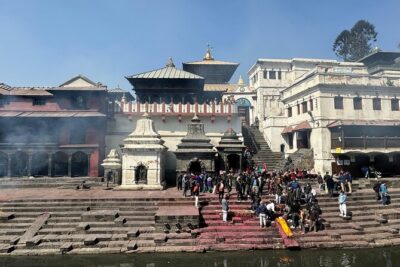
Stop 2: Bhaktapur Durbar Square and its four connected squares
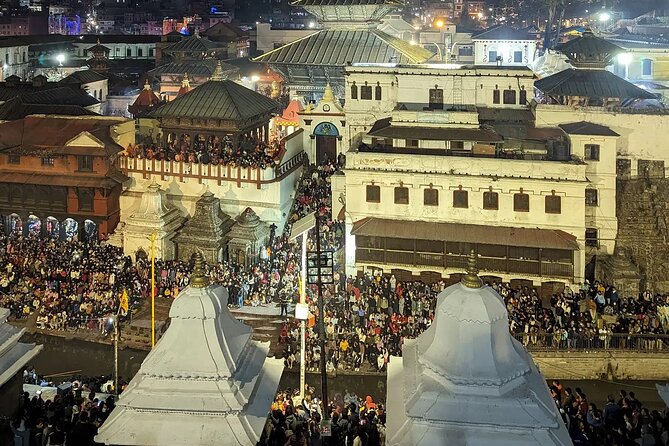
Bhaktapur Durbar Square is one of the places where Kathmandu Valley history feels physical. This area is described as a central destination in Bhaktapur, and it’s laid out as a set of connected spaces rather than one single plaza.
In particular, you’ll see references to four distinct squares within the Durbar Square area: Pottery Square, Dattatreya Square, Taumadhi Square, and another named square area as part of the complex layout. That structure makes the stop easier to navigate. Instead of feeling like a blur of stone and carvings, you can treat it like small “chapters” within one larger site.
Why it’s a highlight: Durbar Squares are where you see royal-era artistry expressed through temples, courtyards, and the way buildings face inward and outward. Even if you’re not a hardcore architecture person, you’ll likely appreciate the craftsmanship because it’s the main event here.
Admission ticket is not included for this stop either, so plan the entrances into your day math.
Stop 3: Boudhanath Stupa, with prayer flags and a 36-meter dome
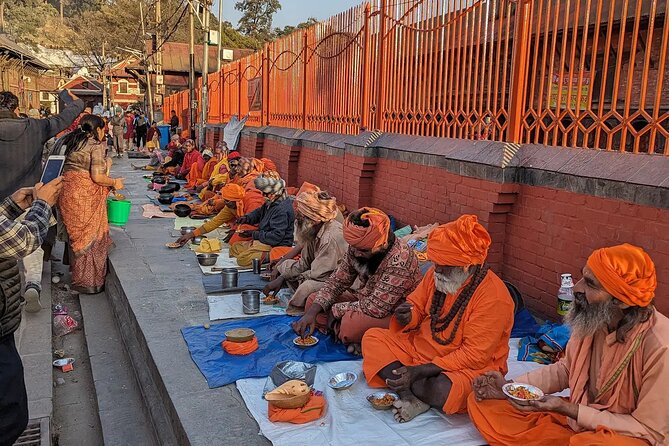
If you want one stop that feels instantly iconic, it’s Boudhanath. It’s described as Nepal’s most iconic Buddhist site, with a massive white dome measuring 36 meters (118 ft). That’s not subtle, and it’s why people remember this place even if they forget details later.
The stupa’s look is defined by two elements: the large white dome and the prayer flags that cover and decorate the area. Those flags are part of the atmosphere in a way that photos can’t fully replace. You’re surrounded by a constant reminder that this is a living religious site, not just a historical landmark.
Also, it’s a good “breather” in the middle of a day packed with temples and squares. After Bhaktapur’s royal architecture, Boudhanath resets your senses toward Buddhist pilgrimage energy.
Admission is not included for this stop, and it’s part of the overall $48 cash total if you visit all seven sites.
Stop 4: Pashupatinath Temple on the Bagmati River, sacred Shiva rituals
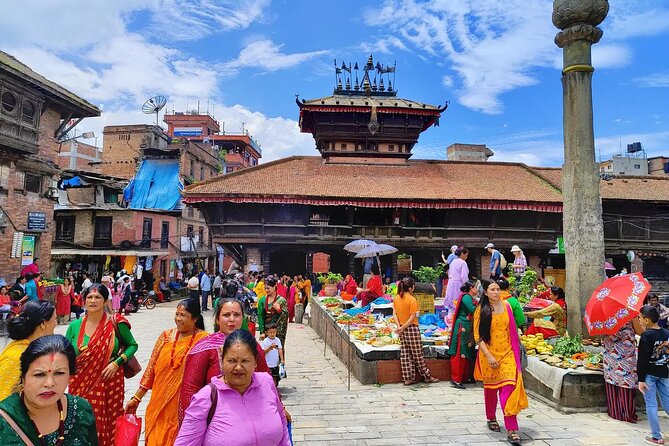
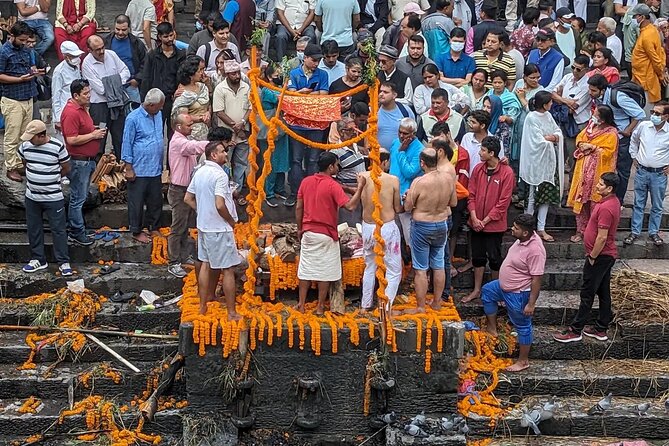
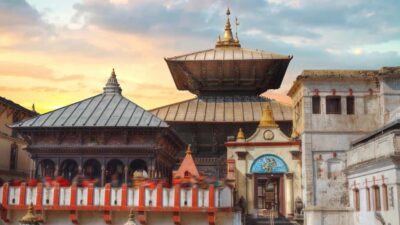
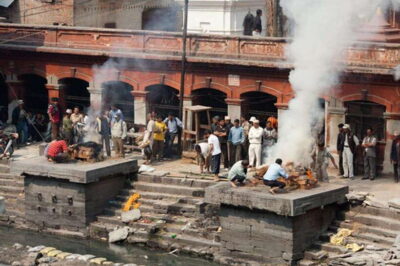
Pashupatinath is the major Hindu shrine in Kathmandu, and it’s placed in the itinerary for a reason. It’s described as Kathmandu’s holiest Hindu shrine, dedicated to Lord Shiva, and it sits along the Bagmati River.
This is one of those places where location matters as much as buildings. The riverside setting shapes what you see and how you experience the site. If you’re there during active ritual times, the energy of devotion is part of the setting, not separate from the architecture.
The tour description highlights pulsing spiritual energy and mentions riverside rituals, so this is likely to feel intense in a meaningful way. If you prefer quiet, museum-style sightseeing, this might require a bit of mental adjustment. But if you want to see how sacred spaces function in everyday life, this is a central stop.
Admission is not included for this stop, and it’s part of the all-seven entrance total paid in cash.
Stop 5: Patan Durbar Square, Lalitpur’s craftsmanship in stone
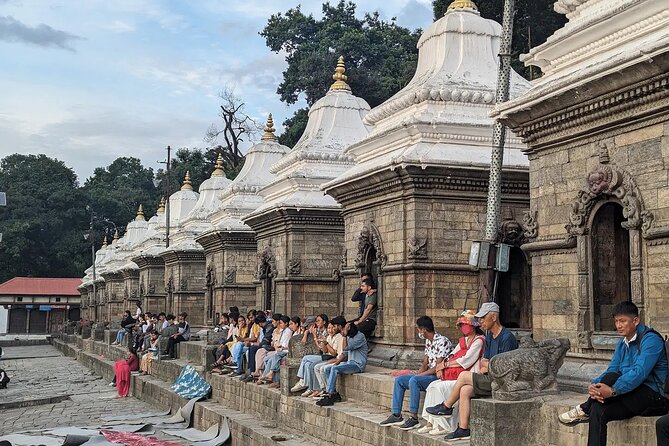
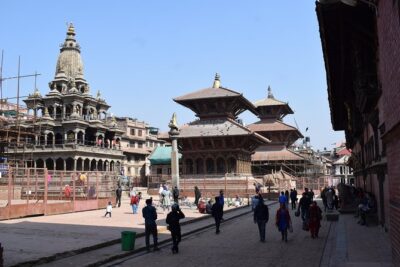
Patan Durbar Square is the second Durbar Square stop, and that repetition is useful. You get to compare styles and learn what makes each square distinct. This part of the day helps you see Kathmandu Valley royal-era architecture as a connected system rather than separate random stops.
The description calls Patan a testament to incredible artistry and architectural finesse, and it frames the experience as being immersed in magnificent stonework and the design choices made by earlier artisans.
Why I think this stop works: when you’re doing multiple UNESCO sites in a single day, your brain needs patterns to grab onto. Durbar Squares give you that pattern: courtyards, temple structures, and the way the complex is designed around movement through space.
Like the other major stops, admission isn’t included, so again, keep the cash budgeting in mind if you want to do all seven.
Stop 6: Kathmandu Durbar Square (Basantapur and Hanuman Dhoka)
Kathmandu Durbar Square is also called Basantapur Durbar and Hanuman Dhoka, and the naming helps you orient yourself. This is described as an integral part of the illustrious Kathmandu Valley and a significant part of the ancient Durbar Squares.
From a visitor perspective, this stop can feel like the emotional center of the day. You’ve seen Durbar Square architecture before, but Kathmandu’s main square is often the one people think of first. You’re seeing the royal heart of the city’s UNESCO area as framed by its temples and palace-courtyard layouts.
The site’s importance is tied to its place within the Kathmandu Valley UNESCO setting, and because it comes after Patan, you likely feel an “oh, I’m getting it” moment as you compare details.
Admission is not included for this stop, and it remains part of the all-seven entrance total.
Stop 7: Swayambhunath (Monkey Temple) for best valley views
To close the day, Swayambhunath is a smart choice. It’s the Monkey Temple and sits high on a hill, with panoramic views over Kathmandu Valley. Ending with views is practical: it gives you a natural finale when your feet and attention start to tire.
The tour description points out iconic details like the white dome and the Buddha’s all-seeing eyes. Those visual elements help you remember the place quickly, even if you’re overwhelmed by the sheer number of temples you saw that day.
This stop also balances the earlier religious sites. You still have spiritual significance, but the payoff includes the wide-open perspective. If you’re the kind of traveler who likes to get your bearings fast, the viewpoint angle can make the entire valley’s layout click.
Admission for this stop is noted as free, which is a small but welcome extra on a day where many other entrances are paid.
Lunch and timing: how to keep a nine-hour UNESCO day from feeling rushed
The tour is about 9 hours, starting at 9:00 am. That’s a long day, but the route is built logically: you start with Changu Narayan, then move through Bhaktapur and the big pilgrimage stupa (Boudhanath), then into the major Shiva shrine (Pashupatinath), and then return through the Durbar Squares of Patan and Kathmandu before finishing with the hilltop views of Swayambhunath.
The main thing you control is food. Lunch is not included, so if you tend to get hungry without realizing it, plan to eat before your energy crashes. Since your day is structured around fixed stops, running out of time to find food nearby can be annoying.
If you want the day to feel personal rather than frantic, treat lunch as a priority instead of an afterthought. The tour’s private nature helps you adjust within reason, but it won’t replace a thoughtful plan for meals.
The private guide factor: getting real context, not just directions
A private tour lives or dies by interpretation. Here, you get a professional English-speaking tour guide, which changes how you move through UNESCO sites. Instead of treating each stop like a separate photo op, your guide can help you connect what you’re looking at: age, architecture style, religious significance, and why each place matters in the broader Kathmandu Valley UNESCO story.
The positive feedback you can look for in this kind of tour is exactly what this one is known for: people praised the day’s team and called the guide and driver exceptional. One booking specifically highlighted Pranav as the guide and Bijaya as the driver, and that kind of praise usually means communication was clear, timing felt organized, and the experience didn’t get chaotic.
If you like asking questions and getting explanations in plain language, this setup is a strong match.
Who this Kathmandu private UNESCO tour is best for
This is a great pick if you:
- Want a one-day UNESCO-heavy introduction to Kathmandu Valley
- Prefer private transport and a guide over self-guided navigation
- Like a structured day with built-in stops rather than planning from scratch
- Enjoy religious and historical sites where the setting matters as much as the buildings
It may not be the best fit if you:
- Want a fully all-inclusive price with no extra entrance payment
- Only want one or two major sites and hate long days
- Are mainly focused on leisure shopping or casual walking without set targets
Should you book this Kathmandu private UNESCO tour?
Book it if your goal is a clear, well-paced day through Kathmandu Valley’s UNESCO sites with the comfort of air-conditioned transport and the help of an English-speaking guide. The price is reasonable for what you’re buying: seven major stops, professional guidance, and private logistics. Just go in with eyes open about the extras: entrance fees add up to $48 cash if you want all seven sites, and lunch isn’t included.
Don’t book it if you want a low-stress day with zero planning and no additional spending. Also skip it if a full nine-hour temple-and-stupa schedule sounds exhausting.
If you’re aiming for one high-impact Kathmandu day that mixes Durbar Squares, stupas, a riverside Shiva shrine, and hilltop views, this tour is a practical way to do it.
FAQ
How long is the Kathmandu private UNESCO tour?
It’s approximately 9 hours.
What time does the tour start?
The start time is 9:00 am.
Are entrance fees included?
No. Entrance fees are not included. If you visit all 7 sites, the total entrance fee is $48.00 per person, paid in cash to the temple authorities.
Is lunch included?
No, lunch is not included.
What’s included in the tour price?
You get pickup offered, an air-conditioned vehicle, and a professional English-speaking tour guide. A mobile ticket is also included.
Is free cancellation available?
Yes. Free cancellation is allowed up to 24 hours in advance of the experience’s start time for a full refund.
Private Days, Your Group Only


More Tours in Kathmandu


More Tour Reviews in Kathmandu




Just Reviewed in Kathmandu
- Mountain Bike Tour
★ 5.0 · 3 reviews - Annapurna Panaroma
★ 5.0 · 3 reviews - Mount Everest Scenic Flight 50 Minutes
★ 5.0 · 3 reviews - Kathmandu : Swambhunath & Durbar Square Guided Half Day Tour
★ 3.3 · 3 reviews - Chandragiri Cable Car & Monkey Temple Tour – Private/Group
★ 5.0 · 3 reviews - Kathmandu: Shivapuri National Park Hiking Day Trip
★ 3.3 · 3 reviews
Kathmandu UNESCO Heritage Tours, compared.
 ★ 4.87 UNESCO Sites with LunchFrom $2744 reviews
 ★ 5.0Full Day 7 UNESCO Tour with Lunch – Private/GroupFrom $10415 reviews
 ★ 5.0Full Day Top 4 UNESCO Tour with Lunch – Private/GroupFrom $10269 reviews
 ★ 5.0UNESCO Seven World Heritage Tour in KathmanduFrom $180253 reviews
★ 4.9Full-Day 7 UNESCO Tour with Lunch – Private/GroupFrom $5247 reviews
 ★ 4.97 UNESCO Sites Tour in 1 Day (Private Tour)From $4204 reviews
 ★ 4.9Top 4 UNESCO Tour with Lunch – Private/GroupFrom $5181 reviews
 ★ 5.0Kathmandu Private Sightseeing Tour | UNESCO World Heritage SitesFrom $35109 reviews
Browse the lists this tour appears in