
Review · HIKING & TREKKING
Kathmandu Valley Trek
Sunrise over the Himalaya starts your morning on foot. This 3-day Kathmandu Valley Trek pairs Chisapani and Nagarkot with forest trails and big dawn views, and a guide like Bhumi who keeps the whole experience calm and confident. The main thing to consider is the early wake-ups and the steady step-and-slope hiking, especially if you want a slow, relaxed pace.
I like that the trek is structured for real-world comfort: you’re not left guessing about meals and lodging, since the plan includes a teahouse night in Chisapani and a hotel in Nagarkot, plus three breakfasts. You also get pickup from Kathmandu and official support handled for you, which matters when you’re working on a tight schedule and don’t want transportation stress.
In This Review
- Key highlights worth your attention
- Why Chisapani to Nagarkot is such a good 3-day plan
- Day 1: Sundarijal drive, Shivapuri steps, and reaching Chisapani Taal
- Day 2: Sunrise at Chisapani, then the route through Shivapuri to Nagarkot
- Day 3: Changunarayan lunch, then the descent back to Kathmandu
- Price and logistics: what $283 gets you (and why it’s not just a number)
- The Bhumi factor: guidance that makes the trail feel manageable
- Packing and pace: how to make the stone steps feel easier
- Who should book this Kathmandu Valley Trek
- Should you book it?
- FAQ
- How long is the Kathmandu Valley Trek?
- Where do I stay overnight during the trek?
- What meals are included?
- Do I get a tour guide?
- Is pickup offered?
- Is the Nepal visa fee included?
- Is travel insurance included?
- Can I cancel for free?
- FAQ
- How big is the group?
- Is admission charged for the trek stops?
Key highlights worth your attention
- Two sunrise opportunities from Chisapani and then Nagarkot, giving you two chances at clear mountain light
- Shivapuri National Park trail time with stone steps and forest walking that feels active, not rushed
- Teahouse + hotel lodging included across the two hiking nights, so you’re not hunting down stays mid-trek
- Guide Bhumi’s calm, competent style—easy to talk to, patient, and focused on making you feel secure
- Lunch at Changunarayan and return to Kathmandu on Day 3, so the trip ends before you’re completely trekking out
More trails out of Kathmandu, boots ready
- Everest Base Camp Trek – 14 Days★ 5.0 · 1,499 reviews
- Everest Base Camp Trek★ 5.0 · 842 reviews
- Everest Base Camp Trekking★ 5.0 · 485 reviews
- Nagarkot Sunrise View and Day Hiking from Kathmandu★ 5.0 · 471 reviews
Why Chisapani to Nagarkot is such a good 3-day plan
This route works because it’s built around height and timing. Chisapani puts you in position to catch sunrise over the Himalayas early, and then Nagarkot—still a hill station vibe—gives you another shot at those famous peak-and-valley views. Even if clouds move in, the overall experience doesn’t collapse into disappointment; you still hike through forests, pass villages, and enjoy viewpoints that feel earned.
I also like the mix of walking styles. You get stone-step sections and trail sections that keep you moving through Shivapuri National Park terrain. That means you’re not stuck in just one kind of hiking (all uphill, all easy, or all muddy track). For a short trek, that variety helps the days feel full without dragging into a long slog.
One more practical win: you return to Kathmandu on Day 3, with hotel check-in in the city left to your own plans. It’s a smart way to keep the trek portion contained, then let you relax, shower, and sort out the rest of your Nepal days.
Day 1: Sundarijal drive, Shivapuri steps, and reaching Chisapani Taal
Your day starts in the Kathmandu area and quickly transitions into the trail approach. After breakfast and checkout from your Kathmandu hotel, you take a scenic drive to Sundarijal, then handle trek setup and gear checks. I find this kind of early organization underrated. When you start with a quick check, you’re less likely to realize mid-morning that you forgot something small but important.
From Sundarijal, the plan has you head toward the Shivapuri National Park entrance, then follow stone steps up into the Chisapani area through forested paths. The important thing here is that stone steps can feel deceptively intense. The effort is more about rhythm than brute strength. If you keep a steady pace and take short breaks, the steps stop feeling like a wall and start feeling like progress you can count.
The day’s “destination” is Chisapani, with the itinerary pointing to Chisapani Taal as a notable stop area. Once you’re there, you’ll settle into the included teahouse lodging. That teahouse night is part of what makes this trek feel real—simple, quiet, and close to nature—without requiring you to manage complicated bookings.
Potential drawback for Day 1: you’re starting with a transition from city to hike quickly. If you’re coming straight from Kathmandu, plan to keep expectations modest at first. Your body will need a little time to switch from traffic pacing to hiking pacing.
Day 2: Sunrise at Chisapani, then the route through Shivapuri to Nagarkot
Day 2 is where the trek earns its reputation. You get an early wake-up call and sunrise viewing from Chisapani. This is the moment the entire route centers on: pale light across the mountains, a cooler air feel in the morning, and that spine-tingle effect of altitude views.
Then you’ll have breakfast and check out, and the plan continues through Shivapuri National Park terrain. The itinerary describes heading down toward Chauki Bhanjyang, then continuing onward toward Nagarkot. I like routes like this because they keep the day from feeling like one long grind upward. Going downhill (even briefly) changes your muscle load and lets you reset for the next ascent.
As you move toward Nagarkot, you’re trading forest walking for more open viewpoint energy. Nagarkot is built for that hill-station outlook, and you feel it in how the path starts to frame the horizon. When you arrive, you’re also set up with the included hotel in Nagarkot, which is a nice contrast to the teahouse night the previous day. After two days of moving around, a real hotel bed and room routine can make the trip feel complete.
The main consideration on Day 2 is weather timing. Sunrise experiences depend on cloud cover and visibility. The good news is that you get two sunrise-linked moments across the trek, so you’re not betting everything on a single dawn.
Day 3: Changunarayan lunch, then the descent back to Kathmandu
The final day is shorter on drama and more about landing the experience smoothly. After breakfast and checkout, you trek toward Changunarayan, with lunch at Changunarayan built into the schedule. Ending with a meal stop during the trek is smart: it keeps energy steady and gives you a clear “finish line” feeling even before you reach Kathmandu.
Then you drive back to Kathmandu. The itinerary includes Kathmandu hotel check-in, with overnight stay at your own hotel. That means the trek ends, and your Nepal trip doesn’t get yanked away into more unknown logistics. You get time back to rest and continue your plans without needing to immediately start another multi-day move.
If you prefer treks that don’t leave you wrecked, Day 3 is one reason to consider this route. It’s not an extra long walking day trying to squeeze in one more mountain pass. It’s a wrap-up that still gives you something culturally meaningful through Changunarayan.
Price and logistics: what $283 gets you (and why it’s not just a number)
At $283 per person for an approximate 3-day trek, the value comes from what’s included versus what you’d usually pay or arrange yourself.
Included items you’ll feel:
- A tour guide (this is huge for route confidence and peace of mind)
- Fuel surcharge and all official expenses and government taxes
- Hotel in Nagarkot and a teahouse in Chisapani
- Breakfast (3) so you don’t have to plan every morning meal
- Pickup offered plus a mobile ticket
What’s not included:
- Nepal visa fee
- Travel insurance
- Tips
Here’s the practical way to judge the price. This trek includes lodging across the two nights and morning meals, plus a guide and official handling. Those are the exact things that balloon costs when you try to DIY with separate bookings and last-minute adjustments. If you want a guided path with simple logistics, that’s where the $283 starts making sense.
One more detail: you’re in a private tour setup where only your group will participate. Private doesn’t automatically mean better, but it usually means your pace and needs matter more. On a short trek, that can be a big quality-of-life improvement.
The Bhumi factor: guidance that makes the trail feel manageable
The strongest praise in the feedback centers on the guide, and the name that comes through is Bhumi. What I take from that: the guide isn’t just a safety presence; Bhumi is described as easy to talk to, competent, patient, and genuinely nice. That combination matters on a trek like this, where you’re dealing with early mornings, changing elevation, and stone-step sections.
When a guide is patient, you move more confidently through slower moments—whether it’s a short rest, a quick gear adjustment, or a question you’d rather ask than keep to yourself. When the guide is competent, you trust the timing and the route flow. And when the guide is easy to talk to, you stop treating the trek like a chore and start treating it like an actual experience.
If you’re the kind of person who worries about keeping up, Bhumi’s described approach should be comforting. This trek is active, but it’s not built around leaving you behind.
Packing and pace: how to make the stone steps feel easier
This trek includes stone-step walking and early mornings, so plan for two categories: legs and mornings.
For your legs, focus on comfortable hiking shoes with good grip. Stone steps can be slippery if the ground is damp, and you’ll want stable footing more than fancy boots. Bring water and small snacks, since the itinerary specifies breakfast and lunch, but it doesn’t promise a full menu of extra meals.
For mornings, remember the sunrise pattern. You’ll get an early wake-up call for sunrise viewing from Chisapani. That means cold early air might be part of your morning plan. A light layer you can put on quickly is a smart move.
Also keep your expectations realistic on timing. The plan lists around 4 hours for portions of the days, which is helpful, but it doesn’t mean it’s effortless. Hiking is slow work. You’ll get the best experience if you treat the trek like a series of manageable steps rather than a race.
Who should book this Kathmandu Valley Trek
I’d point you to this trek if you want:
- A short 3-day hike that still hits iconic viewpoint areas
- Forest walking through Shivapuri National Park without committing to a longer trek
- An organized plan with lodging and breakfasts handled
- Sunrise views as a key goal, not just a bonus
You might want to think twice if:
- You dislike early mornings and wake-up calls
- You need a flat, low-impact route
- You want full responsibility for meals and lodging (because breakfasts and lodging are handled, but not everything else is included)
Should you book it?
Yes, if you want a guided, well-paced route that gives you two strong sunrise chances and real hiking time through Shivapuri terrain. The best reason to book is simple: the logistics are handled, and the guide experience—especially Bhumi’s patient, competent, reassuring approach—can turn a “hike” into something you actually look forward to.
If your ideal Nepal plan is fast, independent, and DIY-heavy, this might feel a bit structured. But if you’d rather spend your energy on the walking and the views, this is a solid way to get the Chisapani-to-Nagarkot experience without the stress of figuring everything out.
Also, since free cancellation is offered up to 24 hours in advance, you can book with less fear if your other travel pieces are still firming up.
FAQ
How long is the Kathmandu Valley Trek?
The trek runs for about 3 days.
Where do I stay overnight during the trek?
You stay in a teahouse in Chisapani and in a hotel in Nagarkot.
What meals are included?
Breakfast is included for 3 days. Lunch is included at Changunarayan on Day 3.
Do I get a tour guide?
Yes. The experience includes a tour guide.
Is pickup offered?
Yes, pickup is offered.
Is the Nepal visa fee included?
No. The Nepal visa fee is not included.
Is travel insurance included?
No. Travel insurance is not included.
Can I cancel for free?
Yes. Free cancellation is available up to 24 hours in advance for a full refund.
FAQ
How big is the group?
This is a private tour/activity, so only your group participates.
Is admission charged for the trek stops?
The itinerary lists admission ticket free for the Chisapani Taal stop.
More Trekking Out of Kathmandu
More Tour Reviews in Kathmandu
Just Reviewed in Kathmandu
- Mountain Bike Tour
★ 5.0 · 3 reviews - Annapurna Panaroma
★ 5.0 · 3 reviews - Mount Everest Scenic Flight 50 Minutes
★ 5.0 · 3 reviews - Kathmandu : Swambhunath & Durbar Square Guided Half Day Tour
★ 3.3 · 3 reviews - Chandragiri Cable Car & Monkey Temple Tour – Private/Group
★ 5.0 · 3 reviews - Kathmandu: Shivapuri National Park Hiking Day Trip
★ 3.3 · 3 reviews
Hiking & Trekking, compared.
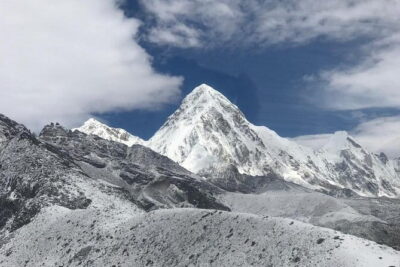 ★ 5.0Everest Base Camp Trek – 14 DaysFrom $1,8001,499 reviews
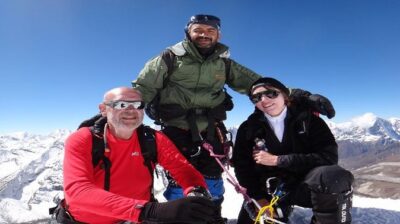 ★ 5.0Everest Base Camp TrekFrom $1,790842 reviews
 ★ 5.0Everest Base Camp TrekkingFrom $1,350485 reviews
 ★ 5.0Nagarkot Sunrise View and Day Hiking from KathmanduFrom $45471 reviews
 ★ 5.0Annapurna Circuit Trek with Tilicho LakeFrom $1,093368 reviews
 ★ 5.0Everest Base Camp Trekking – 13 DayFrom $1,399365 reviews
★ 5.0Everest Base Camp TrekFrom $1,445350 reviews
★ 5.0Everest Base Camp Trek -14 DaysFrom $1,420321 reviews
★ 5.0Everest Base Camp Trekking – 13 DayFrom $1,399365 reviews
★ 5.0Everest Base Camp TrekFrom $1,445350 reviews
★ 5.0Everest Base Camp Trek -14 DaysFrom $1,420321 reviews