
Review · KATHMANDU UNESCO HERITAGE TOURS
Kathmandu World Heritage Sites Tour Sightseeing
Four UNESCO stops in one long day. This private sightseeing route is a strong way to understand Kathmandu because it links Hindu and Buddhist landmarks in a single, guided loop across town. I especially love the private guide who can explain what you’re seeing as you go, and I like that you’re hitting UNESCO World Heritage Sites rather than just quick photo stops. One thing to consider: you’ll move through four major locations in roughly a day, so it helps to be ready for a steady pace.
The tour’s best moments come from the details of each sacred site: watching rituals at Pashupatinath, noticing the Tibetan Buddhist elements around Boudhanath, and spotting the cultural mixing at Swayambhunath before you end at Kathmandu Durbar Square. My other big plus is that admission tickets are included, which keeps your day smoother. The main drawback for some people is that each stop is about an hour, so if you want hours and hours at a single location, you may feel slightly rushed.
In This Review
- Quick hits before you go
- Why four UNESCO sites in a single day works
- Price and logistics: what the $183 buys you
- Pashupatinath Temple: Shiva, rituals, and the Baghmati River mood
- Boudhanath Stupa: prayer wheels, Mani walls, and Tibetan Buddhist calm
- Swayambhunath Temple: the monkey temple and the Hindu-Buddhist link
- Kathmandu Durbar Square: Malla and Shah-era arts, temples, and the Kumari
- The guide factor: why this tour tends to feel smooth
- Who should book this Kathmandu World Heritage Sites tour
- Should you book this tour?
- FAQ
- Where is the meeting point, and what time does the tour start?
- Which UNESCO World Heritage Sites does this tour include?
- How long is the sightseeing tour?
- Is hotel pickup and drop-off included?
- Is this a private tour or shared with other people?
- What languages does the guide speak?
- What’s included in the price besides the tour?
- What is the cancellation policy?
Quick hits before you go
- Private vehicle pickup and drop-off from the meeting point area, so you’re not hunting transport between sites
- Four UNESCO World Heritage Sites in one route: Pashupatinath, Boudhanath, Swayambhunath, and Kathmandu Durbar Square
- Multilingual guide (English/Chinese/Hindi), which is a real value if you want clearer explanations
- Admission tickets + lunch included, so the day feels more “all-in” than piecing things together yourself
- Monastery and stupa atmosphere at Boudhanath, prayer wheels and Mani walls included in the scenery
Deeper into old Kathmandu
- Private Kathmandu Sightseeing Tour | UNESCO World Heritage sites★ 5.0 · 756 reviews
- UNESCO Seven World Heritage Tour in Kathmandu★ 5.0 · 253 reviews
- Nepal Discovery Tour: Heritage Sites & Scenic Hill Easy Hike★ 5.0 · 121 reviews
- Kathmandu Private Sightseeing Tour | UNESCO World Heritage Sites★ 5.0 · 109 reviews
Why four UNESCO sites in a single day works
Kathmandu can feel like a puzzle at first. Roads are busy, places have multiple layers of meaning, and it’s easy to look at a monument without really grasping why it matters. This tour solves that by grouping four UNESCO sites that represent two major religious traditions—Hinduism and Buddhism—and letting your guide connect the dots.
I like that the stops aren’t random. They’re ordered in a way that lets you shift from one kind of sacred space to another: a Shiva-focused temple setting at Pashupatinath, a Tibetan-style stupa environment at Boudhanath, the Hindu-Buddhist blend at Swayambhunath, and then the royal-and-religious heart of the city at Kathmandu Durbar Square. You end the day with a much clearer mental map of Kathmandu’s spiritual geography.
One reason this feels like good value at around $183 per person is that you’re not just paying for access. You’re paying for time, transport, and context. That’s what turns “I saw a place” into “I get what I saw.”
Price and logistics: what the $183 buys you
At $183.00 per person, this is positioned as an organized private day rather than a bare-bones walking tour. You’re getting hotel pickups and drops in a private vehicle, a guide with taxes and office service charges covered, and lunch included. Admission tickets for each stop are also included, which matters because these sites can add up fast when you pay separately.
The “private” part is important. This is not a shared sightseeing scramble where you end up waiting for the slowest group. Only your group participates, and a private vehicle keeps you from wasting time translating schedules into street-level logistics.
You should also know the “real-world” cost items that are not included: tips (tipping is expected) and your personal expenses. Insurance is not included either, so if you need coverage for peace of mind, you’ll want to arrange that on your own.
Also, the day starts at 9:15 am, and the total time is about 6 to 8 hours. That’s long enough to feel like a full outing, but not so long that you’ll be stuck all day without breaks.
Pashupatinath Temple: Shiva, rituals, and the Baghmati River mood
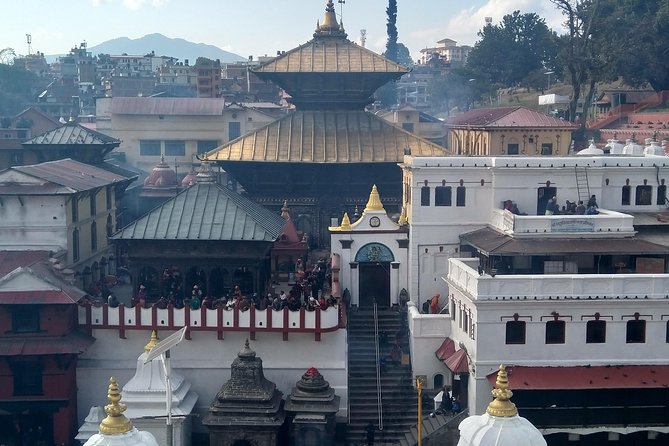
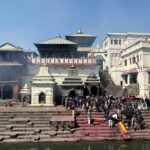
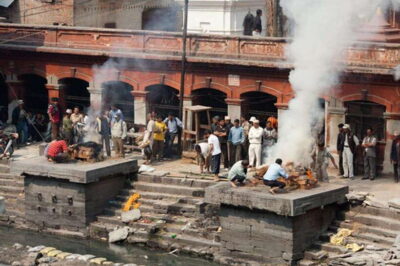
Pashupatinath is one of Kathmandu’s most important Hindu temple sites, and the tour’s first stop sets a strong tone. You’ll visit Pashupatinath Temple, dedicated to Lord Shiva, and the setting carries a clear sense of sacred daily life. The site is known for monkeys, and that means you’re not just looking at stonework—you’re sharing space with the living “real world” of the temple area.
What I like here is the combination of religious focus and atmosphere. You can feel the sacred ambience and watch Hindu traditions as they unfold. There are also numerous Hindu deities around, so the temple complex doesn’t feel one-note.
Another detail that helps you understand the place is the mention of the Baghmati River. If you take a moment to examine the river area, it helps you connect the temple’s spiritual meaning to the broader landscape of daily worship and ritual tradition.
A consideration: because this is a working sacred site, it’s not a controlled museum environment. Expect that the mood can change as rituals and crowds shift. An hour gives you time to see the main sights and get the story, but you won’t have endless wandering time.
Boudhanath Stupa: prayer wheels, Mani walls, and Tibetan Buddhist calm
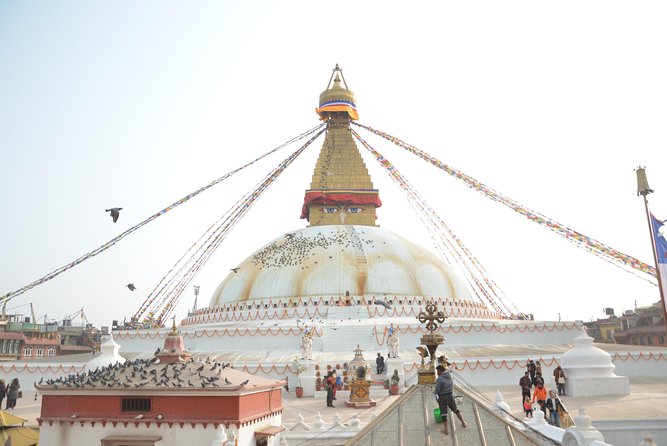
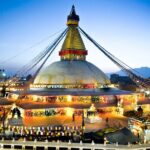
Next comes Boudhanath Stupa, one of South Asia’s largest stupas. This stop feels different from Pashupatinath because the “center of gravity” shifts to Buddhist symbolism and communal practice. Around the stupa, you’ll see Tibetan monasteries, and the design reflects Buddhist stupa style in a way you can recognize quickly.
The tour highlights details that make Boudhanath more than just a big landmark. You’ll notice Mani walls and prayer wheels everywhere. Those aren’t just decorations; they’re part of how people express devotion in everyday movement and repetition. If you like meaningful travel—travel where you learn what you’re looking at—this is one of the best spots on the route.
The day also builds in something practical: you’ll have time to explore Tibetan-style cuisine nearby. That matters because it makes the cultural experience feel connected to daily life, not only to sacred architecture.
One caution: Boudhanath can draw lots of attention from visitors and pilgrims. Since your visit is about an hour, aim to spend a few minutes just watching how people move around the stupa before you start chasing photos. It’s the easiest way to get the rhythm of the place.




Swayambhunath Temple: the monkey temple and the Hindu-Buddhist link
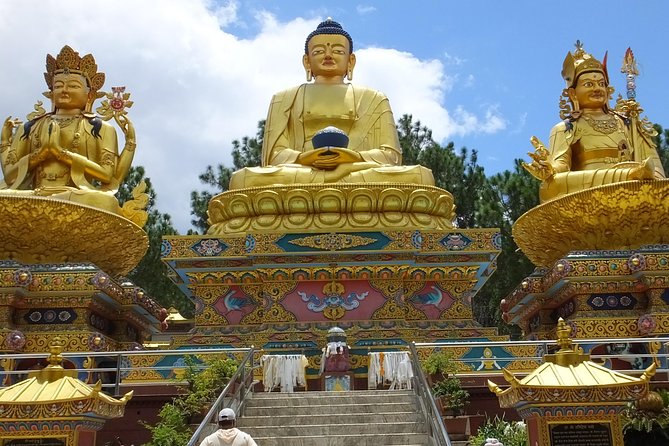
Swayambhunath is often called the monkey temple, and the name isn’t just for fun. You’ll be in an active, animated environment where monkeys are part of the scene. It’s also known as a site that connects Buddhist and Hindu culture, which is exactly the kind of “Kathmandu theme” you want to understand.
This stop gives you storytelling details that are worth your attention. You’ll see the life cycle of Buddha carved in stones, along with various sculptures that help explain how religious teaching is translated into art. The tour also points out Mani walls and prayer wheels again, which creates a nice contrast: similar devotional elements, expressed through different traditions and spaces.
There’s also a clear Hindu layer here, with the Harati Temple and Saraswati Temple mentioned as notable stops for Hindus. That matters because it reinforces what this tour is trying to teach: Kathmandu isn’t a single-religion city. It’s a place where traditions touch and overlap.
Finally, there’s the payoff view. The tour says you can position yourself to view the Kathmandu valley from atop a hill. Even in an hour, that viewpoint can make the day feel complete because it turns your understanding from “these are four separate places” into “this is one city with one spiritual network.”
Consideration: if you’re not a fan of animals near your path, this is the stop most likely to test your patience. Keep your eyes up and your belongings secure.
Kathmandu Durbar Square: Malla and Shah-era arts, temples, and the Kumari
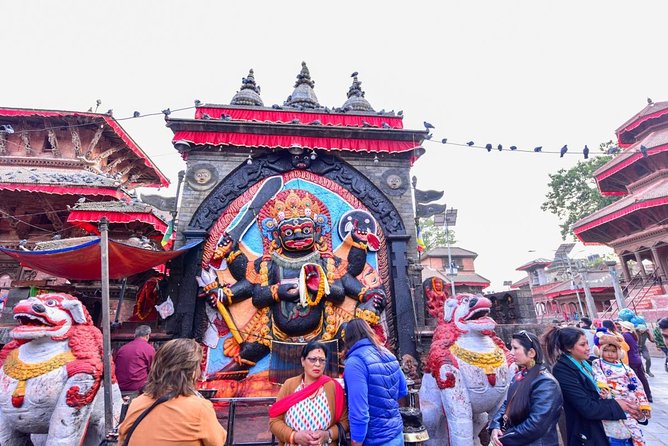
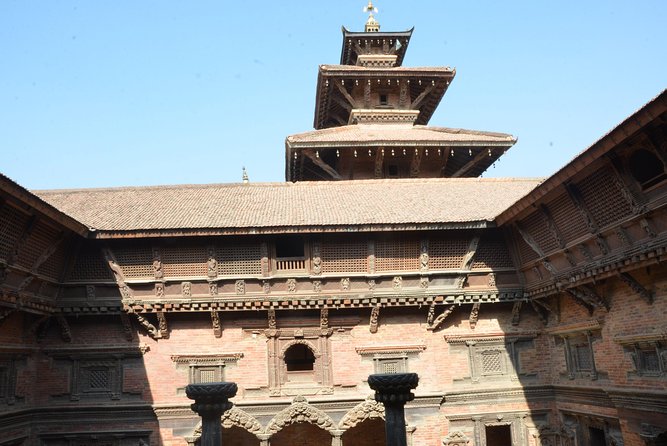
You end at Kathmandu Durbar Square, and it’s a fitting finish because it connects religion with royal history and craft. This is a heritage area built by late kings and filled with handmade arts that the region is known for. You’ll see how sculpture, temples, and monuments express power and belief at the same time.
The tour frames the site through the Malla and Shah dynasty influence between the 12th and 18th centuries. That time window is helpful because it tells you why the details feel layered. You’re not just looking at one era’s style; you’re seeing a complex historic city space where different rulers and traditions left marks.
Your “must-not-miss” highlights here include Hanuman Dhoka, Taleju Mandir, Hanuman Temple, the Royal Palace, and Kal Bhairab temple. If you want a quick way to “read” Durbar Square, use those names as anchors while your guide explains their roles.
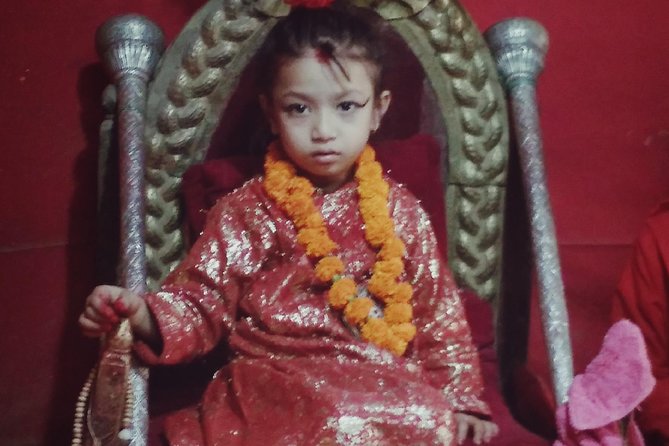
It also includes a key religious element: you should visit the home of Shiva, Parvati, and the living goddess Kumari. That phrase alone helps you understand that Durbar Square isn’t only about statues and scenery. It’s tied to living cultural practice—something you can feel in the atmosphere even during a short stop.
The tour describes the site as divine, and the area’s views can be breathtaking, even for people who don’t usually lean spiritual. If you enjoy art, old-world craft, and the way history is physically embedded in a city center, this is the emotional finish line of the route.
The guide factor: why this tour tends to feel smooth
One of the most praised parts of this experience is the guide: friendly, accommodating, and good at making explanations clear. That matters because Kathmandu’s sacred sites can be confusing if you only rely on signs or memory. A guide helps you understand why each place is important, what specific elements mean, and where to focus your attention during the one-hour visit.
Because the tour includes English/Chinese/Hindi speaking guidance, you’re not stuck with awkward guesswork. You can ask questions, and you can spend more of your time looking at what you actually came for.
The private setup also tends to reduce friction. With pickup and drop-off in a private vehicle, you don’t spend your day negotiating transport. That’s a big deal in a city where street logistics can eat up energy.
Who should book this Kathmandu World Heritage Sites tour
This is a good choice if you want a structured day that covers major UNESCO sites without planning a route yourself. It’s also a strong fit for first-timers who want a clear intro to Hindu and Buddhist culture and prefer learning through a guide rather than through reading alone.
You’ll likely enjoy it most if you like:
- Spiritual sites with meaningful context, not just sightseeing photos
- A route that mixes temples, stupas, and heritage squares
- A private guide who can keep your day organized
You might want to skip (or at least adjust expectations) if you’re the type who wants long, slow museum-level time in one location. With four stops and about an hour at each, this tour is designed to be broad and efficient, not endless.
Should you book this tour?
If you’re short on time in Kathmandu but still want depth, I’d book it. The combination of four UNESCO sites, included tickets, a guide, and lunch makes it feel like a complete day rather than a grab-bag of entrances. The places themselves are undeniably meaningful, and the route is set up so the Hindu-Buddhist connections land in your brain by the end of the day.
If you hate moving around quickly, consider taking a slower plan for one or two sites. But for many travelers, especially those who value guidance and structure, this private UNESCO circuit is a solid way to get your bearings and leave with real understanding, not just photos.
FAQ
Where is the meeting point, and what time does the tour start?
The tour starts at Nepal Big Mountain Travel Co. Pvt. Ltd., Chaksibari Marg, Kathmandu 44600, Nepal, with a start time of 9:15 am.
Which UNESCO World Heritage Sites does this tour include?
You’ll visit Pashupatinath Temple, Boudhanath Stupa, Swayambhunath Temple, and Kathmandu Durbar Square.
How long is the sightseeing tour?
The duration is approximately 6 to 8 hours.
Is hotel pickup and drop-off included?
Yes. Hotel pickups and drops are included, and you travel in a private vehicle.
Is this a private tour or shared with other people?
This is a private tour/activity, so only your group participates.
What languages does the guide speak?
The guide provides English/Chinese/Hindi speaking support.
What’s included in the price besides the tour?
Admission tickets, private transportation, hotel pickup and drop-off, lunch, and guide/taxes are included.
What is the cancellation policy?
You can cancel for a full refund up to 24 hours in advance of the experience’s start time. Free cancellation is available, and refunds aren’t provided if you cancel less than 24 hours before.
The Old Kathmandu, Properly Toured


More Tours in Kathmandu



More Tour Reviews in Kathmandu




Just Reviewed in Kathmandu
- Mountain Bike Tour
★ 5.0 · 3 reviews - Annapurna Panaroma
★ 5.0 · 3 reviews - Mount Everest Scenic Flight 50 Minutes
★ 5.0 · 3 reviews - Kathmandu : Swambhunath & Durbar Square Guided Half Day Tour
★ 3.3 · 3 reviews - Chandragiri Cable Car & Monkey Temple Tour – Private/Group
★ 5.0 · 3 reviews - Kathmandu: Shivapuri National Park Hiking Day Trip
★ 3.3 · 3 reviews
Kathmandu UNESCO Heritage Tours, compared.
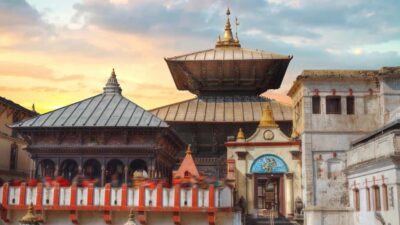 ★ 4.87 UNESCO Sites with LunchFrom $2744 reviews
 ★ 5.0Full Day 7 UNESCO Tour with Lunch – Private/GroupFrom $10415 reviews
 ★ 5.0Full Day Top 4 UNESCO Tour with Lunch – Private/GroupFrom $10269 reviews
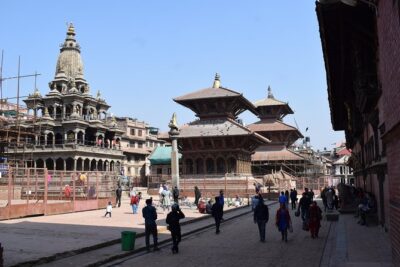 ★ 5.0UNESCO Seven World Heritage Tour in KathmanduFrom $180253 reviews
★ 4.9Full-Day 7 UNESCO Tour with Lunch – Private/GroupFrom $5247 reviews
 ★ 4.97 UNESCO Sites Tour in 1 Day (Private Tour)From $4204 reviews
 ★ 4.9Top 4 UNESCO Tour with Lunch – Private/GroupFrom $5181 reviews
 ★ 5.0Kathmandu Private Sightseeing Tour | UNESCO World Heritage SitesFrom $35109 reviews
Browse the lists this tour appears in