
Review · KATHMANDU UNESCO HERITAGE TOURS
Kathmandu’s 7 UNESCO Heritage Gems: Private Full-Day Tour
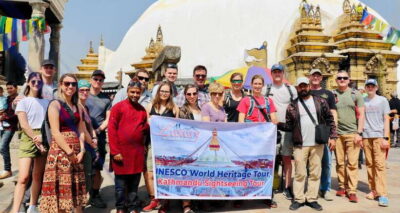
Seven UNESCO stops in one day can work. This full-day route takes you from Swayambhunath up through the Durbar Squares and temples, then finishes at Pashupatinath on the Bagmati River with an evening aarti vibe. Two things I really like: the private group format keeps the day feeling personal, and you get local food tastings (momo and local hog plum candies) instead of just sightseeing.
One thing to plan for: monument entrance fees are not included, and they add up across multiple UNESCO stops. Also, the day runs about 8 hours with walking and temple steps, so if you want a slow, sit-down pace, this may feel like a lot.
In This Review
- Key highlights worth your attention
- One Day, Seven UNESCO Stops: What This Route Actually Delivers
- Price and What You Still Pay at the Gates
- How the Day Flows: Pickup, Meeting Point, and Timing
- Swayambhunath Stupa: Monkey Temple Views and First Impressions
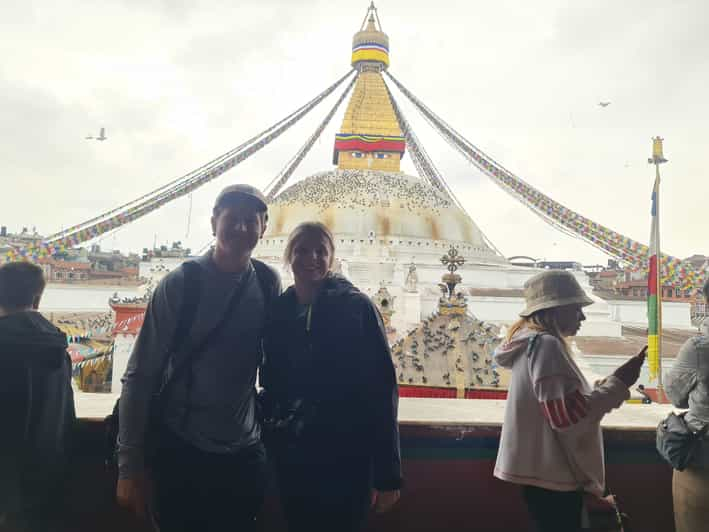
- Boudhanath Stupa: Serenity After the Hilltop Start
- Kathmandu Durbar Square: Ancient Temples and the Kumari Ghar
- Bhaktapur Durbar Square: Royal Complex, Nyatapola, and the 55-Window Palace
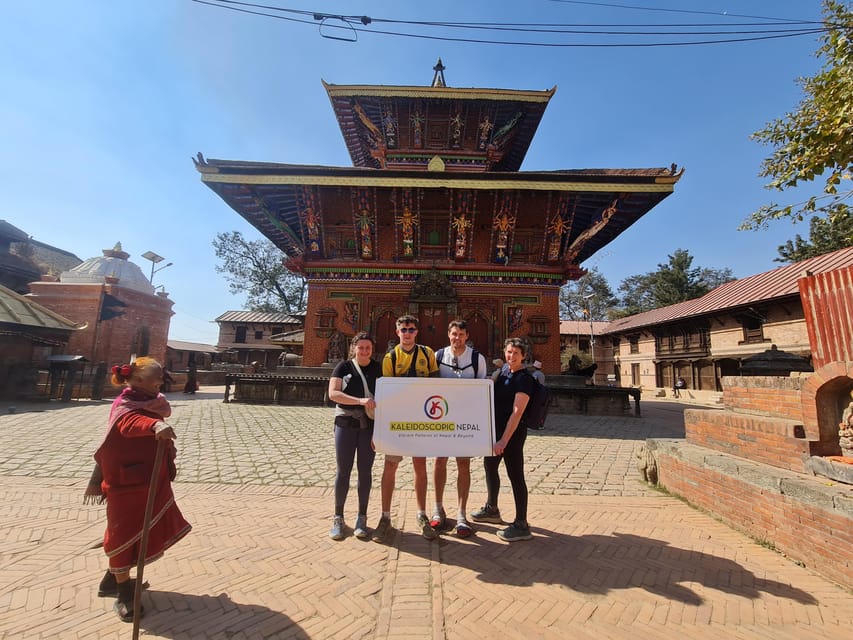
- Changunarayan Temple: Ancient Hindu Architecture and Intricate Carvings
- Patan Durbar Square: Palaces, Temples, and the Golden Temple
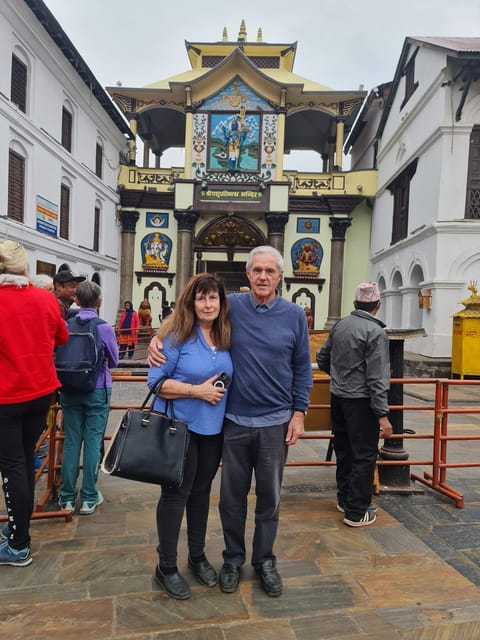
- Pashupatinath Temple and the Bagmati Aarti: Ending With Living Ritual
- The Guide Makes This Tour Work: Kashyap’s Style and Flexibility
- Transportation Options: Private Comfort vs Public Transport Legs
- What You’ll Walk Away With (And What Might Not Suit You)
- Who This Tour Is Best For
- Should You Book Kathmandu’s 7 UNESCO Heritage Gems Tour?
- FAQ
- Which UNESCO sites are included on this tour?
- How long is the Kathmandu UNESCO tour?
- Do I need to pay entrance fees to the monuments?
- Is the guided tour offered in English?
- Is food included?
- Where do I meet the guide?
- Does the tour include skip-the-ticket-line help?
- Is pickup available from my hotel?
- Are there multiple drop-off locations at the end of the tour?
Key highlights worth your attention
- 7 UNESCO World Heritage Sites in one full day, with a logical flow around Kathmandu Valley.
- Skip-the-ticket-line help so you spend more time looking and less time queuing.
- Included tastings: momo (dumplings) and local hog plum candies.
- English or Hindi live guide in a private group setting.
- Comfort options for getting between sites, either public transport legs or optional transportation.
- Evening aarti on the Bagmati River as a memorable closer.
Just your group, at your own pace
- Private Kathmandu Sightseeing Tour | UNESCO World Heritage sites★ 5.0 · 756 reviews
- Kathmandu: Full Day 7 UNESCO Tour with Lunch – Private/Group★ 5.0 · 415 reviews
- Private Bhaktapur and Nagarkot Day Tour From Kathmandu★ 5.0 · 305 reviews
- Kathmandu: Full Day Top 4 UNESCO Tour with Lunch – Private/Group★ 5.0 · 269 reviews
One Day, Seven UNESCO Stops: What This Route Actually Delivers
This tour is built for travelers who want maximum Kathmandu Valley heritage without stitching together tickets, meeting points, and guide schedules on your own. You hit the big faith landmarks, plus the city squares tied to royal-era life and Newar artistry. It’s a smart way to see variety in a single day: stupa worship, palace/temple complexes, and the living ritual atmosphere at the river.
The private group format matters more than it sounds. With your own guide, you can move at a pace that fits your walking comfort and photo stops, and the guide can adjust timing when traffic or crowds shift. I also like that the tour doesn’t treat food as an afterthought: the included tasting is a small break that gives you a real flavor of the day.
The main tradeoff is intensity. You’re not lingering for hours at each site. Instead, you get a focused guided visit plus time to wander, then you move on while you still have energy. That’s great for short stays, but less ideal if you want slow, deep exploration at only one or two places.
Price and What You Still Pay at the Gates
At $40 per person for an 8-hour private-day format, this is positioned as a value-minded way to cover seven major UNESCO sites with a guide. What you’re really buying is guided direction, time-saving help (like skip-the-ticket-line support), and transportation between points based on the option you choose.
Just budget for the monument entrance fees, since they are listed as not included. Here’s the cost picture the tour specifies:
- Swayambhunath: 200 Nrs
- Kathmandu Durbar Square: 1000 Nrs
- Bhaktapur Durbar Square: 1800 Nrs
- Changunarayan Temple: 400 Nrs
- Patan Durbar Square: 1000 Nrs
- Boudhanath Stupa: 400 Nrs
- Pashupatinath Temple: 1000 Nrs
Total entrance fees across these stops come to 5800 Nrs (before any personal spending). If you’re comparing options, do it on an all-in basis, not just the $40 tour price.
Food and water are included. That sounds minor, but on a day that moves quickly from hilltop stupa to city squares to temples, small included comforts reduce decision fatigue.
How the Day Flows: Pickup, Meeting Point, and Timing
Your day starts at the ticket counter at Swayambhunath, which is a clear and practical meeting point. If you choose pickup, the tour notes that someone can come pick you up from your hotel. The day ends with drop-off at three locations: Pashupatinath Temple, Sorhakhutte, and Thamel—useful if you’re staying around the tourist center.
The itinerary keeps a steady rhythm:
- Guided time at Swayambhunath, plus walking and scenic viewpoints.
- A travel leg by public transport (about 45 minutes) as described in the route.
- Additional site visits with guided time, sightseeing time, and walking/scenic segments.
For you, the best planning move is to treat this like a “full day of moving” itinerary. Wear shoes you can trust on temple steps. Bring a layer—temples can be cooler and windier than street-level Kathmandu.
Swayambhunath Stupa: Monkey Temple Views and First Impressions
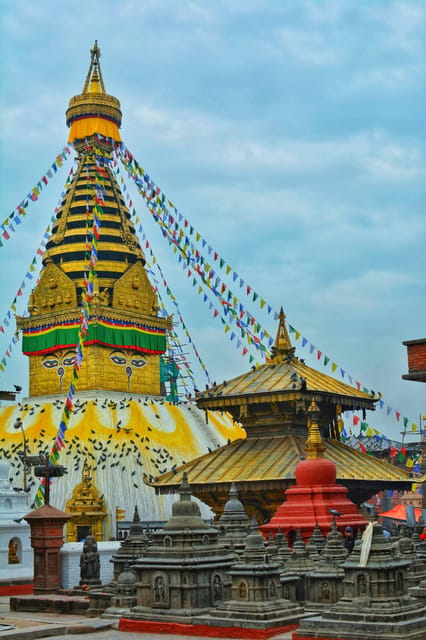
The day kicks off at Swayambhunath Temple (often called the Monkey Temple). The tour includes a guided visit plus time to walk around, with scenic views on the way. This opening stop is smart because it gives you instant context for the valley: you start high, you understand the geography, and then you can mentally map the rest of your route as the day lowers toward the city squares and riverbanks.
What you should focus on here:
- The stupa complex and its surrounding areas
- The panoramic view over the valley
- The chance to explore monasteries around the stupa
A small consideration: this is usually the kind of place where you’ll get pulled into quick photos and short wandering detours. That’s fine. Just remember you still have six major stops after this.
Deeper into old Kathmandu
Boudhanath Stupa: Serenity After the Hilltop Start
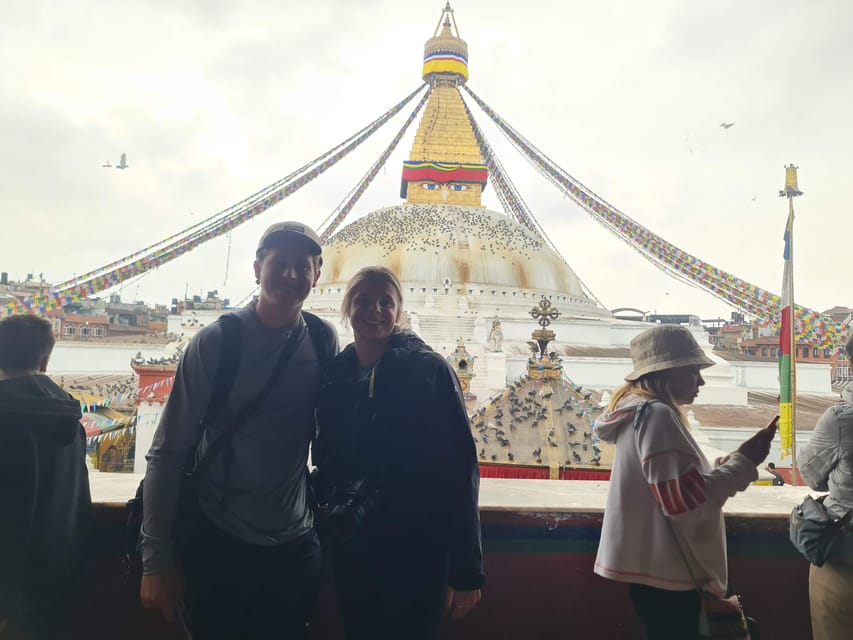
After Swayambhunath, the route includes a transport leg and then a visit to Boudhanath Stupa in Kathmandu. The tour again includes guided time, sightseeing, and walking, plus scenic views during transit.
Boudhanath is described as one of the largest stupas in Nepal, and the experience here is about shifting gears. If Swayambhunath felt like a high-view introduction, Boudhanath is where many people find a slower, calmer feeling—partly from the size and partly from the general atmosphere described as serene.
If you want to get the most from this stop:
- Spend a little time just looking and letting the area settle into your brain
- Use the guided portion to understand what you’re seeing (the guide is the real multiplier here)
- Don’t rush your walking time—this is one of the places where lingering can make photos better, not worse
Kathmandu Durbar Square: Ancient Temples and the Kumari Ghar
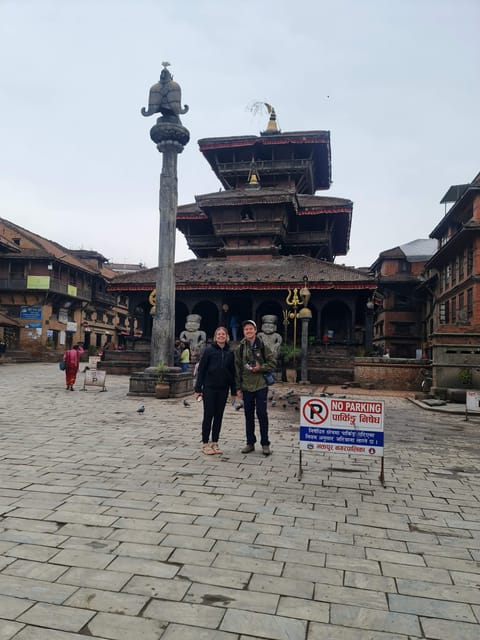
Next up is Kathmandu Durbar Square, with a guided exploration of the historic square and its ancient temples. The tour also highlights the Kumari Ghar, the residence tied to the living goddess tradition.
This stop is where Kathmandu’s “city identity” shows. Instead of one standalone monument, you’re walking a square where the architecture and meaning overlap. That’s exactly why it works inside a one-day UNESCO plan: the Durbar Squares help connect the religious sites to the lived history of the city.
A practical note: Durbar Square areas can get busy, and walking distances add up. Still, this is the kind of place where a guide helps you avoid the common problem of seeing impressive structures without fully understanding what role they played.
Bhaktapur Durbar Square: Royal Complex, Nyatapola, and the 55-Window Palace
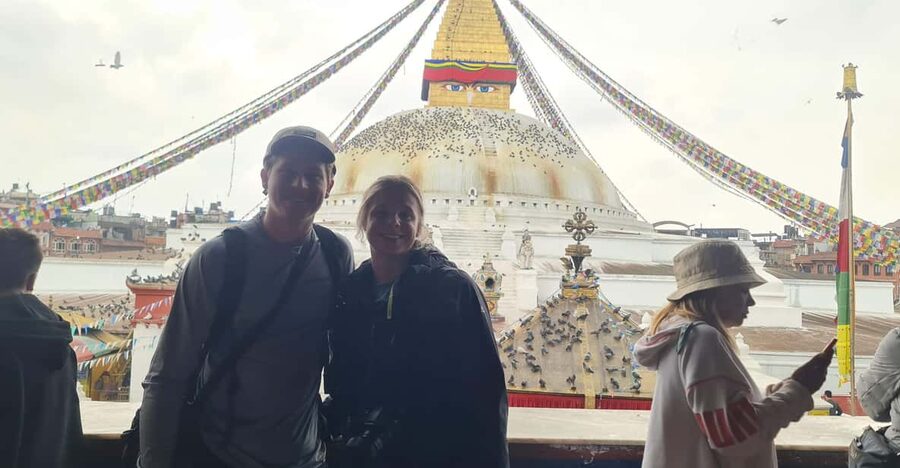
Then the tour moves to Bhaktapur Durbar Square, where the experience shifts toward palace-and-temple complexity. Here you’re looking at a royal palace complex plus major landmarks including:
- Nyatapola Temple
- 55-Window Palace
You also get a leisurely lunch at a local restaurant in Bhaktapur. I like that the tour doesn’t just force you to eat fast. Even a “leisurely” lunch break can reset your energy so the afternoon doesn’t feel like pure hurry.
One consideration: Bhaktapur is the part of the route that can feel like a mini city tour. The upside is that you get rich architecture and multiple named highlights in one area, so your time doesn’t feel wasted. The downside is it can be harder to stay patient if you’re sensitive to crowds or you’re already tired from earlier walking.
Changunarayan Temple: Ancient Hindu Architecture and Intricate Carvings
After Bhaktapur, you’ll visit Changunarayan Temple, described as a UNESCO World Heritage Site known for ancient Hindu architecture and intricate carvings.
This is the place to slow your brain down a notch. Carving work rewards attention, and a good guide can point out what to look for so you don’t just see “decorations.” Even when you’re on a schedule, you can still make this stop meaningful by using your walking time to focus on details.
If you’re the kind of traveler who likes architectural elements more than crowds, you’ll probably appreciate this stop the most. It’s also a good mental reset between larger palace squares and the big stupa/river finale later in the day.
Patan Durbar Square: Palaces, Temples, and the Golden Temple
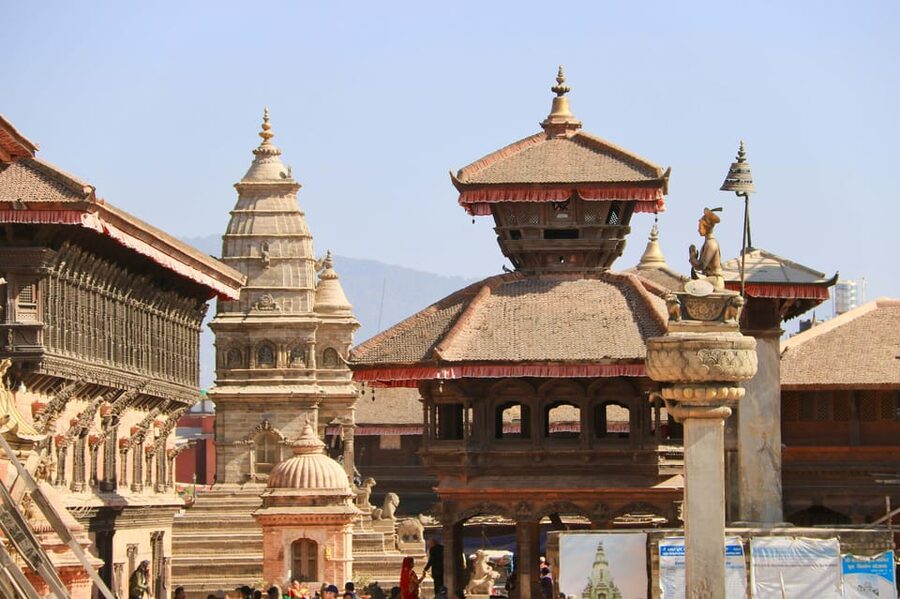
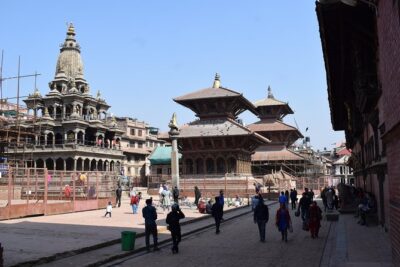
The route continues to Patan Durbar Square, with guided exploration of ancient palaces and temples plus a highlight: the Golden Temple.
Patan’s Durbar Square energy is different from Kathmandu’s. It’s still about royal-era layout and religious structures, but the feel comes through in how the spaces connect. This stop works well in the itinerary because you’re already tuned to the Durbar Square concept by the time you reach Patan.
For you, the value here is comparison. In a single day you can see how similar “Durbar Square logic” can look and feel distinct across different parts of Kathmandu Valley. When you’re done, you’ll likely understand why these places are UNESCO-listed not just for one building, but for a whole system of heritage space.
Pashupatinath Temple and the Bagmati Aarti: Ending With Living Ritual
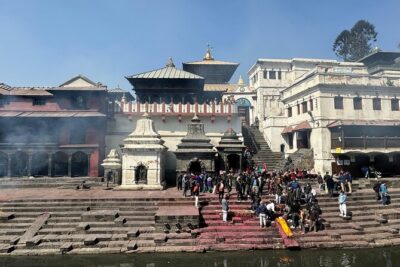
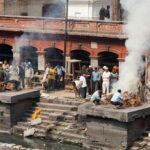
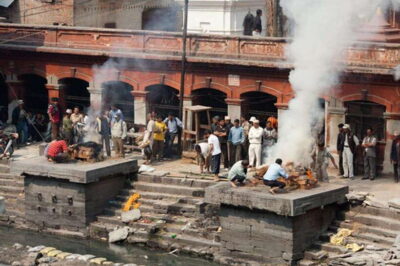
To close, the tour heads to Pashupatinath Temple, described as a sacred Hindu site on the banks of the Bagmati River. The day finishes with the chance to enjoy the evening aarti ritual on the banks.
This ending is more than a nice photo stop. It changes the tone from “historic monuments” to “heritage as something happening now.” Even if you don’t catch every part of what’s happening (rituals move fast and have their own rhythm), the key is that you’re standing in the right location at the right time.
Practical consideration: because this is an evening ritual moment, bring patience and allow for crowd flow. Also, plan ahead for your drop-off. The tour notes multiple drop-off locations including Thamel, so you can choose where you’ll head next once you’re done.
The Guide Makes This Tour Work: Kashyap’s Style and Flexibility
The experience is led by Kashyap Raj Pandit. From the feedback pattern tied to this tour, Kashyap’s strength is that the day feels guided, not just delivered. People appreciate his friendly, experienced presence and the way he adapts when a small change helps the schedule or makes the experience smoother.
One of the underrated details: when there’s traffic, route choices matter. The tour also uses a driver who knows the best routes to take when conditions are rough. That doesn’t just save time. It helps keep you from arriving at sites drained, and it supports the idea of seeing seven UNESCO locations without constantly falling behind.
If you’re choosing between private options, I’d treat the guide as part of the value math, not a bonus. On a long, packed itinerary, the guide is what turns a list of names into a coherent day.
Transportation Options: Private Comfort vs Public Transport Legs
The tour offers transportation depending on the option you choose. The itinerary specifically includes a public transport segment (about 45 minutes), but the tour also lists transportation as included only if you opt for the tour with Transportation.
So think about what you prefer:
- If you want fewer decision points and less time figuring out local rides, choose the transportation option.
- If you don’t mind using public transport and you want to keep costs controlled, the public transport leg is part of the designed flow.
Either way, the goal is the same: keep you moving between geographically separate heritage sites without turning the day into logistics.
What You’ll Walk Away With (And What Might Not Suit You)
By the end of this day, you’ll have a “Kathmandu Valley mental map” built from real landmarks: hilltop stupa views, multiple Durbar Square complexes, a temple known for carved detail, and a riverbank ritual finish. It’s the kind of route that helps you understand how Nepal mixes faith, art, and community space.
This tour may not be your best fit if:
- You hate long days and lots of walking
- You’d rather spend half a day slow at one site than sprint through seven
- You don’t want to budget for multiple entrance fees
But if you have only a few days in Kathmandu and you want to check UNESCO sites off your list while still seeing them with context, this is a practical plan.
Who This Tour Is Best For
This works especially well for:
- First-time visitors who want a complete Kathmandu Valley overview in one go
- Travelers who prefer a guide for historical and cultural context
- People comfortable with temple stairs and walking loops
It also fits couples or small groups, since it’s explicitly a private group format. And if you want an English-speaking guide with bilingual support (English and Hindi), this matches that need too.
Should You Book Kathmandu’s 7 UNESCO Heritage Gems Tour?
I’d book it if your goal is one full day of structure and guidance, covering seven major sites with included water and tastings, plus skip-the-ticket-line help. The $40 price can feel like a bargain once you factor in a professional guide and a day that’s designed to keep movement efficient between distant areas.
I’d skip or reconsider if you’d rather manage fewer sites to go deeper, or if you’re not willing to add 5800 Nrs in entrance fees on top of the tour price. For travelers who want a relaxed pace, you’ll likely enjoy a smaller, less packed itinerary more.
If you choose to go, do yourself a favor: wear comfortable shoes, bring a light layer for temple weather, and go into it with the mindset that this is a guided highlight day, not a long museum-style crawl.
FAQ
Which UNESCO sites are included on this tour?
The tour visits Swayambhunath Stupa, Kathmandu Durbar Square, Bhaktapur Durbar Square, Changunarayan Temple, Patan Durbar Square, Boudhanath Stupa, and Pashupatinath Temple.
How long is the Kathmandu UNESCO tour?
It runs for about 8 hours.
Do I need to pay entrance fees to the monuments?
Yes. Entrance fees are not included. The tour lists fees for each site, including Swayambhunath (200 Nrs) and Pashupatinath Temple (1000 Nrs), among others.
Is the guided tour offered in English?
Yes. The live tour guide speaks English, and the tour also lists Hindi as available.
Is food included?
Yes. The tour includes a local food tasting: momo (dumplings) and local hog plum candies.
Where do I meet the guide?
The meeting point is the ticket counter at Swayambhunath.
Does the tour include skip-the-ticket-line help?
Yes. It includes skip the ticket line support.
Is pickup available from my hotel?
Pickup is optional. The tour notes that pickup can be arranged from your hotel.
Are there multiple drop-off locations at the end of the tour?
Yes. The tour lists drop-off locations at Pashupatinath Temple, Sorhakhutte, and Thamel.
Private Days, Your Group Only


More Tours in Kathmandu


More Tour Reviews in Kathmandu




Just Reviewed in Kathmandu
- Mountain Bike Tour
★ 5.0 · 3 reviews - Annapurna Panaroma
★ 5.0 · 3 reviews - Mount Everest Scenic Flight 50 Minutes
★ 5.0 · 3 reviews - Kathmandu : Swambhunath & Durbar Square Guided Half Day Tour
★ 3.3 · 3 reviews - Chandragiri Cable Car & Monkey Temple Tour – Private/Group
★ 5.0 · 3 reviews - Kathmandu: Shivapuri National Park Hiking Day Trip
★ 3.3 · 3 reviews
Kathmandu UNESCO Heritage Tours, compared.
 ★ 4.87 UNESCO Sites with LunchFrom $2744 reviews
 ★ 5.0Full Day 7 UNESCO Tour with Lunch – Private/GroupFrom $10415 reviews
 ★ 5.0Full Day Top 4 UNESCO Tour with Lunch – Private/GroupFrom $10269 reviews
 ★ 5.0UNESCO Seven World Heritage Tour in KathmanduFrom $180253 reviews
★ 4.9Full-Day 7 UNESCO Tour with Lunch – Private/GroupFrom $5247 reviews
 ★ 4.97 UNESCO Sites Tour in 1 Day (Private Tour)From $4204 reviews
 ★ 4.9Top 4 UNESCO Tour with Lunch – Private/GroupFrom $5181 reviews
 ★ 5.0Kathmandu Private Sightseeing Tour | UNESCO World Heritage SitesFrom $35109 reviews
Browse the lists this tour appears in