
Review · HIKING & TREKKING
Khopra Danda Trek
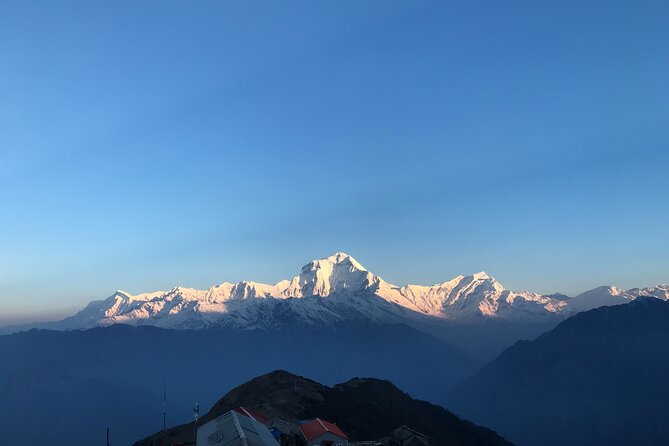
Khopra Danda hits different when the trail stays quiet. I love how this route feels less crowded than the usual Annapurna crowding, while still serving big views of the Annapurna range and fishtail area. And I also like the hands-on, organized style from Beyond the Limits Treks & Expedition, with Saroj Neupane and the team known for being clear, reliable, and genuinely helpful on the ground.
One thing to consider: tea-house quality can be mixed, even when the food is good. I’d plan on simple rooms, hot-water availability that can vary day to day, and bringing layers you trust for cool evenings on the ridge.
In This Review
- Key Highlights You’ll Want to Know
- Khopra Danda’s quieter route and why the views feel bigger
- The company vibe: how Beyond the Limits sets you up to succeed
- Day 1 in Kathmandu: gear check, map docs, and getting your bearings
- Day 2 Pokhara lakeside drive: a calm on-ramp to trekking
- Days 3 to 4: from Ghandruk through rhododendron to Dobato
- Day 5: Bayli Kharka, Chistebung pastures, and the Khopra ridge wow-factor
- Day 6: whole uphill to Khopra Danda—steady effort, big payback
- Day 7: Khayer Lake hike—long climb, holy views, and local culture time
- Day 8: descend to Swanta village—Magar life and farmland paths
- Day 9: Ghorepani arrival—green forests and village nights
- Day 10: Poon Hill sunrise and the return to Pokhara by jeep
- Day 11: Pokhara sightseeing, Kathmandu return, and a proper send-off
- How the itinerary pacing feels in real life
- Price and what you actually get for $1,299
- Tea houses, food, and comfort: what to expect without wishing
- Who should book Khopra Danda and who might not love it
- Quick FAQ for planning
- FAQ
- Is airport pickup included?
- How long is the trek?
- What permits are included?
- Are teahouses or lodges included on the trek?
- Does this include meals?
- What time do early activities start?
- Should you book this trek?
Key Highlights You’ll Want to Know
- Quieter trekking experience on the Khopra ridge approach compared with the most famous Annapurna routes
- Wildlife and bird-spotting potential along forests and ridgelines (musk deer, ghoral, Danfe pheasant, and more)
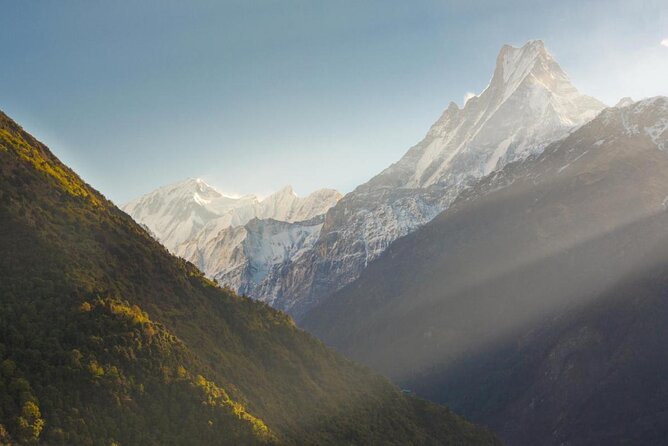
- Khopra Danda viewpoints for sweeping views of Dhaulagiri, Annapurna peaks, and the Kaligandaki Gorge
- Khayer Lake day for a long climb to a high-mountain holy lake with panoramic views
- Poon Hill sunrise finish with an impressive list of peaks on a clear morning
- Private feel for your group with your own team (this is a private tour/activity)
More trails out of Kathmandu, boots ready
- Everest Base Camp Trek – 14 Days★ 5.0 · 1,499 reviews
- Everest Base Camp Trek★ 5.0 · 842 reviews
- Everest Base Camp Trekking★ 5.0 · 485 reviews
- Nagarkot Sunrise View and Day Hiking from Kathmandu★ 5.0 · 471 reviews
Khopra Danda’s quieter route and why the views feel bigger
This trek is built around the Khopra Danda ridge. That alone is a reason to book, because ridgeline trekking tends to feel more expansive than valley hiking: you’re higher, you get more angles, and you usually spend less time stuck behind a line of people.
You’ll also appreciate the mix of scenery. Days start in forest and village paths, then gradually shift to open views and ridge walks. That rhythm helps you stay mentally fresh, especially on an 11-day trek where your feet start to develop their own opinions.
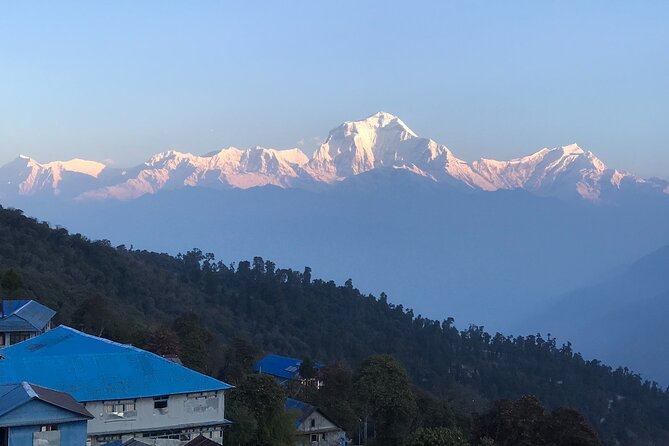
And yes, the views are the headline. The trek route is specifically timed and paced to give you repeated chances at big mountain panoramas, including clear outlooks toward Dhaulagiri, Damphus Peak, Tukuche Peak, Nilgiri, and multiple Annapurna summits. If you’re hunting that classic Himalaya wow-moment, Khopra Danda is set up to deliver.
The company vibe: how Beyond the Limits sets you up to succeed
Even before you hit the mountains, you can feel the structure. Beyond the Limits Treks & Expedition runs this as a private tour/activity for your group only, and you get airport pickup on your arrival day. That matters in Nepal. After flights, it’s nice to skip the chaos and go straight to a guide appointment and gear check.
Saroj Neupane is mentioned as the owner/lead behind the operation, and the repeated theme in feedback is simple: the organization is reliable and the team is friendly in a practical way. Not just good at paperwork. They’re good at making sure you know what’s coming next, how to pack for teahouses, and how to keep your pace steady.
In real terms, that reduces stress. You spend less energy wondering what’s next and more energy enjoying the walk.
Day 1 in Kathmandu: gear check, map docs, and getting your bearings
You land at Tribhuvan International Airport, then your team picks you up and transfers you to your hotel in Kathmandu. You’ll get an appointment with your guide and the team for a trek briefing. This is where you’ll likely get a gear check, plus a trek map and documents.
What to do that first evening: keep it low-key. You’re not trying to win a city marathon. Use the downtime for an early dinner, a quick clothing check, and a solid night of sleep. The next day’s drive to Pokhara starts the momentum.
Day 2 Pokhara lakeside drive: a calm on-ramp to trekking
Day 2 is a scenic drive to Pokhara Lakeside. The day is listed as about 6 hours, and it includes an admission ticket as part of the program. Pokhara is where you switch gears from city pace to mountain rhythm.
Practical tip: treat Pokhara as your last easy day. Stretch gently, hydrate, and do a quick shop check if you still need trekking essentials (warm layers, socks, a headlamp if you don’t already have one). Once the trek starts, you’ll be glad you didn’t postpone this.
Days 3 to 4: from Ghandruk through rhododendron to Dobato
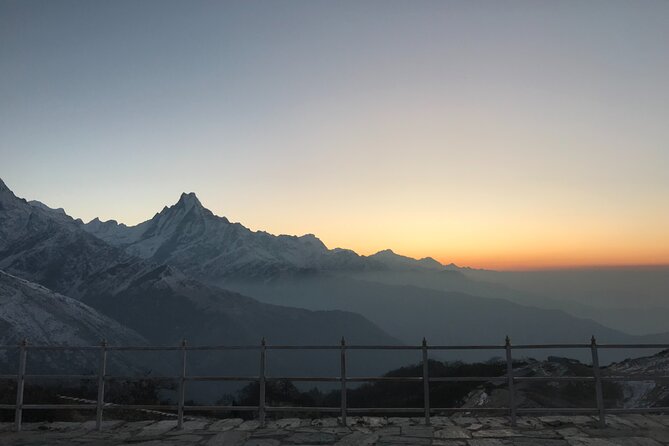
Day 3 starts with a jeep ride to Ghandruk village. There’s a note that road work forces an alternative route, then you get off the jeep and walk about 45 minutes to reach Ghandruk. You’ll have lunch in the village before continuing toward Tadapani (about 3 hours).
Why that matters: getting to Ghandruk by jeep keeps energy for the actual hiking, but the road diversion also keeps things realistic. Nepal does not run like a timer. You’ll be glad your team has flexibility built in.
On Day 4, the trekking gets more “forest to ridge” in feel. You’ll walk through rhododendron and oak forests for most of the day. If you’re lucky, you might spot musk deer and red fox. You’ll ascend after crossing the forests up toward the ridge of Deurali, then continue upward via a relatively steep trail to Dobato.
This is about a 6–7 hour day. You can also make a move toward Mulde View point nearby Dobato. The tea-house overnight at Dobato is part of the bigger goal: placing you for ridge views and the next stage toward Khopra Danda.
Pack expectation: you’ll want a warm layer even if the morning starts mild. Those ridge temperatures can turn fast after lunch.
Day 5: Bayli Kharka, Chistebung pastures, and the Khopra ridge wow-factor
Day 5 is a key transition day. After an initial hour’s walk you reach Bayli Kharka, then you descend through forests toward Chistebung pastures. From there it’s about 2 hours of ascending above the timberline to reach Khopra Danda.
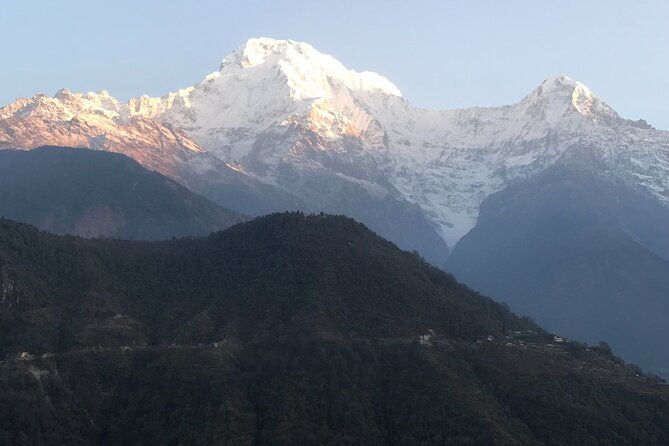
This is where the views really stack up. Along the way, you might see wildlife like musk deer, ghoral, Danfe (pheasant), and Himalayan Thar. And in the bigger panorama moments, you’re looking at Dhaulagiri, Damphus Peak, Tukuche Peak, Nilgiri, Annapurna I, Annapurna South, and more. The Khopra ridge is also called out for views of Kaligandaki Gorge, described as the deepest gorge in the world.
That’s the practical reason I like this trek: you get a payoff that feels earned. The ridge isn’t a side quest. It’s the center of the experience.
The overnight is at a tea house on Khopra Danda, which sets you up for the next full uphill day.
Day 6: whole uphill to Khopra Danda—steady effort, big payback
Day 6 is described as whole uphill to Khopra Danda. On paper it’s only about 4 hours, but remember: “4 hours” on a mountain trail can still feel like a different kind of work than flatland walking.
Expect repeated chances for wildlife sightings, and keep your eyes up when the trail opens. The view list is similar—Dhaulagiri, Damphus Peak, Tukuche Peak, Nilgiri, and Annapurna South—plus the gorge perspective.
This day is about acclimating your body to ridge walking while the mountain views keep pulling you forward. It’s also a good day to practice your pacing: take short breaks, drink steadily, and don’t sprint just because the horizon looks tempting.
Day 7: Khayer Lake hike—long climb, holy views, and local culture time
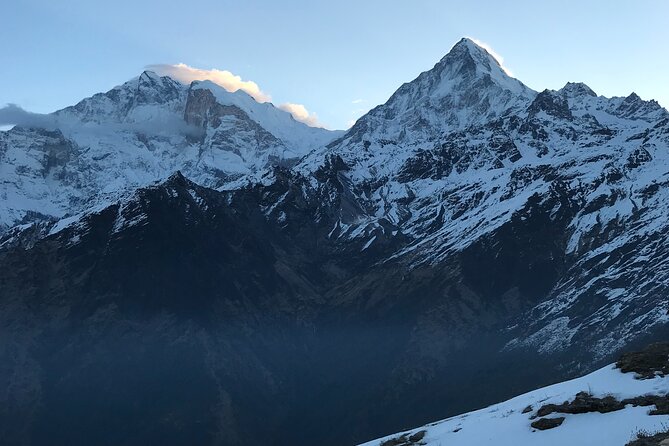
Day 7 is the big special day. After breakfast, you hike upward to Holy Khayar Lake, taking more than 5 hours to reach the lake. The payoff is a high-mountain lake surrounded by peaks, with views including Annapurna South, Dhaulagiri, and Nilgiri.
On the way, there’s a note that tea houses along the route open only in peak season. So you should plan your comfort based on what the date is like. Bring snacks and water planning seriously. A lake day can turn into a long one even if the terrain isn’t steep every minute.
After reaching the lake, you return back to Khopra Danda. Then you spend the rest of the day with local people, exploring culture and tradition before another tea-house overnight.
This combination is a big reason the trek feels complete. You’re not only hiking at elevation—you’re also getting a connection to what life looks like in these villages and tea-house stops.
Day 8: descend to Swanta village—Magar life and farmland paths
Day 8 shifts you from ridge to settlement. You descend to Swanta village. You’ll go about an hour down to Upper Chistebung village first, then continue descending past potato and barley farms and through villages to Swanta.
You’ll have time to explore the village and the Magar people’s lifestyle. This is where the trek becomes more than a view machine.
A realistic note: descending is easier on altitude but can be hard on knees. If you’re prone to knee trouble, take slower, use trekking poles if you have them, and keep your steps short.
Day 9: Ghorepani arrival—green forests and village nights
On Day 9, you descend through beautiful trails covered in green forests. You’ll catch glimpses of the Annapurna range as you go. When you reach Ghorepani, you can spend the rest of the day with the village community, with an overnight stay in a tea house.
I like this stop because it’s a bridge day. You’re back in familiar trekking country without the scramble of sunrise hour pressure yet. Ghorepani also makes the next morning’s Poon Hill climb easier to manage.
In tea-house terms, expect simple comfort. One review note I found especially useful: teahouse lodging quality can vary, but food is consistently good. So plan meals as reliable. Plan sleep as “bring your patience.”
Day 10: Poon Hill sunrise and the return to Pokhara by jeep
Day 10 starts early. You hike to Poon Hill in the early morning for sunrise. The view list is detailed: Annapurna I (8091 m), Annapurna South (7219 m), Annapurna III (7855 m), Machhapuchhre (6993 m), Dhaulagiri (8167 m), Tukuche Peak (6920 m), Nilgiri (6940 m), Varaha Shikhar Annapurna IV (7525 m), Annapurna II (7937 m), and Lamjung Himal (6931 m).
If you’re the kind of traveler who hates early wake-ups, this is the moment where you either love it or you grumble quietly and still enjoy it. Sunrise at Poon Hill is famous for a reason, and this trek gives you a prime shot.
After the view, you trek down to Hille, then take a private jeep drive to Pokhara via Nayapul. You check into your Pokhara hotel.
Practical tip: keep your camera gear simple and your layers easy to pull on and off. Sunrise starts cold, then warms quickly once the sun climbs.
Day 11: Pokhara sightseeing, Kathmandu return, and a proper send-off
You start with breakfast in Pokhara, then visit a few places for sightseeing. Then you drive back to Kathmandu for shopping in Thamel for handicrafts and souvenirs. The program also includes a farewell dinner and certificate distribution before your final hotel overnight.
This is a nice close because it gives you a cultural buffer after trekking. You’re not rushing straight to the airport mentally exhausted. You get a chance to trade trekking stories for real-world city life.
How the itinerary pacing feels in real life
This trek is laid out for moderate physical fitness. That’s a good sign, but “moderate” still means sustained walking days. There are multiple long hiking blocks, including a Day 7 Khayer Lake push that runs more than 5 hours in climb time, plus a full day feel.
Here’s the practical pacing approach I’d follow if you join:
- Walk steady, not fast, especially on uphill ridge days
- Take short breaks before you feel tired, not after
- Keep hydration consistent; don’t wait for thirst
- Eat lunch even if the view looks tempting (views will still be there; energy might not)
If you want a trek that’s scenic but also realistic for a wide range of walkers, this one fits well.
Price and what you actually get for $1,299
At $1,299 per person, you’re paying for more than a walking route. This price is tied to real value points:
- Airport pickup and hotel transfers in Kathmandu
- A trekking guide and the support system behind the scenes
- Tea-house/lodge accommodation during the trek
- Permits including Annapurna Conservation and TIMS
- Tourist bus to/from Pokhara
- Hotel nights in Kathmandu (three nights) and Pokhara (two nights) with breakfast included
- Insurance and equipment for guides and porters
- A set meal structure: breakfasts plus multiple included lunches and dinners
What’s not included matters, too. You’ll pay separately for international airfare, Nepal visa fees, and drinks. Emergency evacuation and medical costs aren’t included, so you’ll want travel insurance that covers high-altitude trekking.
In other words: the cost makes sense when you compare it to what you’d have to arrange yourself (guide, permits, transport, and the mountain logistics). If you like not thinking about logistics while you’re hiking, this price buys you that peace.
Tea houses, food, and comfort: what to expect without wishing
Tea houses are the core accommodation style on this kind of trek. The plan includes lodge stays most nights, and it’s important to set expectations: the program is about the trek and the views first.
One recurring theme from feedback is that tea-house quality can vary, though food is consistently good. That lines up with how trekking works across Nepal: some places are more comfortable than others, but meals and warmth are generally well managed by the hosts.
Bring:
- A warm sleeping layer (because cold is the real enemy at altitude)
- A small daypack with essentials
- Your patience for simple rooms
If you pack for comfort realistically, you’ll enjoy the experience more.
Who should book Khopra Danda and who might not love it
You should consider booking if:
- You want big Himalaya views without the heaviest crowding of the most famous routes
- You’re okay with tea-house living and long days on foot
- You like a trek that blends ridgeline scenery with village culture stops
You might rethink if:
- You want luxury accommodation every night
- You dislike early mornings (Poon Hill sunrise is part of the plan)
- You prefer shorter hiking days only (this trek has multiple full hiking blocks)
Quick FAQ for planning
FAQ
Is airport pickup included?
Yes. Your arrival day includes pickup from Tribhuvan International Airport and transfer to your Kathmandu hotel.
How long is the trek?
It’s listed as about 11 days.
What permits are included?
The itinerary includes the Annapurna Conservation permit and TIMS.
Are teahouses or lodges included on the trek?
Yes. The plan includes accommodation in mountain teahouses/lodges during the trekking days.
Does this include meals?
Breakfast is included, and the itinerary also lists included lunches and dinners. Drinks are not included.
What time do early activities start?
The meeting time is listed as 6:15 am, and the Poon Hill day includes an early morning hike for sunrise.
Should you book this trek?
If your main goal is the Annapurna experience with fewer crowds and strong ridgeline viewpoints, I think Khopra Danda is a smart choice. It gives you repeated mountain panoramas, a memorable Khayer Lake day, and a sunrise finish at Poon Hill—without feeling like you’re trapped in a nonstop flow of hikers.
Book it if you enjoy walking, don’t need luxury lodges, and want a well-run team behind you. Skip it only if you’re chasing comfort first.
More Trekking Out of Kathmandu
More Tour Reviews in Kathmandu
Just Reviewed in Kathmandu
- Mountain Bike Tour
★ 5.0 · 3 reviews - Annapurna Panaroma
★ 5.0 · 3 reviews - Mount Everest Scenic Flight 50 Minutes
★ 5.0 · 3 reviews - Kathmandu : Swambhunath & Durbar Square Guided Half Day Tour
★ 3.3 · 3 reviews - Chandragiri Cable Car & Monkey Temple Tour – Private/Group
★ 5.0 · 3 reviews - Kathmandu: Shivapuri National Park Hiking Day Trip
★ 3.3 · 3 reviews
Hiking & Trekking, compared.
 ★ 5.0Everest Base Camp Trek – 14 DaysFrom $1,8001,499 reviews
 ★ 5.0Everest Base Camp TrekFrom $1,790842 reviews
 ★ 5.0Everest Base Camp TrekkingFrom $1,350485 reviews
 ★ 5.0Nagarkot Sunrise View and Day Hiking from KathmanduFrom $45471 reviews
 ★ 5.0Annapurna Circuit Trek with Tilicho LakeFrom $1,093368 reviews
 ★ 5.0Everest Base Camp Trekking – 13 DayFrom $1,399365 reviews
★ 5.0Everest Base Camp TrekFrom $1,445350 reviews
★ 5.0Everest Base Camp Trek -14 DaysFrom $1,420321 reviews
★ 5.0Everest Base Camp Trekking – 13 DayFrom $1,399365 reviews
★ 5.0Everest Base Camp TrekFrom $1,445350 reviews
★ 5.0Everest Base Camp Trek -14 DaysFrom $1,420321 reviews