
Review · HIKING & TREKKING
Khopra Ridge Trek
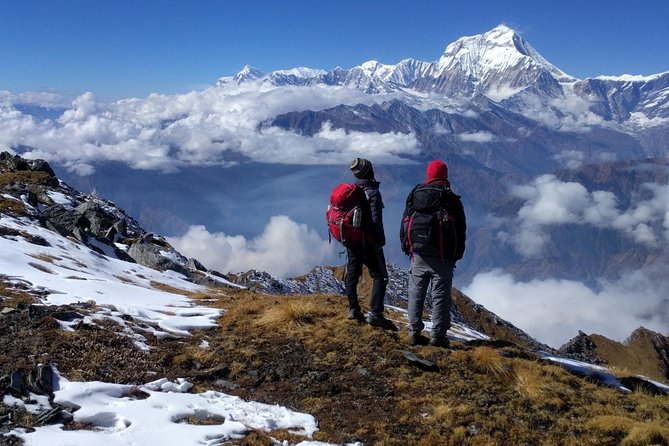
A ridge hike with views to spare. Khopra Ridge is a newer, less-developed-feeling trek in the Annapurna region, so the experience stays grounded: simple tea houses, a real rhythm with locals, and big mountain payoff without the loud Base Camp vibe.
I also like the way Top of the World Treks brings a guiding team people trust, including leaders such as Biru Tamang and Bhoj, who are described as professional and genuinely flexible.
There is one tradeoff: the higher you go, the more you’re accepting basic facilities. If you need hotel-level comfort every night, this route may feel a bit rough around the edges.
Key things I’d watch for before you go
- A less-developed Annapurna route: you’ll sleep in home-stay style lodges and keep close to everyday village life.
- Kopra Ridge and Khayer Lake altitude: serious viewpoints at 3,870m and up near 4,827m.
- Guides who slow down for photos: praised for giving time to pause and take in the scenery.
- Wildcard wildlife moments: the trek passes areas where you might spot mountain thar and danfe pheasant.
- Comfort built in at the right time: you end trekking with hot springs in Tatopani, then recover in Pokhara and Kathmandu.
In This Review
- Khopra Ridge in the Annapurna region: why this route feels more local
- Kathmandu warm-up: Thamel night, Swayambhunath, and packing sanity
- From Kathmandu to Pokhara by flight: the quick way to start hiking
- Rhododendron forests to Tadapani: sunrise and sunset views from higher ground
- Leaving the main trail: Dobato and the quieter Annapurna vibe
- Mulde viewpoints to Chistibung/Deaurili: panoramic days and suspension bridges
- Above the tree line toward Kopra Ridge: 3,870m and possible wildlife sightings
- Khopra second night and Khayer Lake: a long push that’s about the payoff
- Descending to Paudwar and then Tatopani: the hot springs reset
- Pokhara recovery day: boats on Fewa Lake and the World Peace Stupa
- Back to Kathmandu: Durbar Square and a chance to slow down
- Price and logistics: is $1,461.49 good value for what you get?
- What the walking days feel like: moderate fitness, real altitude, and patience
- Who should book this trek (and who should think twice)
- Should you book Khopra Ridge? My take
- FAQ
- How long is the Khopra Ridge Trek?
- Where does the trek start and end?
- Is pickup included?
- Is the tour private?
- What fitness level do I need?
- What altitude highlights should I expect?
- Are meals included in the price?
- Do I get sightseeing time in Kathmandu and Pokhara?
- Are entry tickets included?
Khopra Ridge in the Annapurna region: why this route feels more local
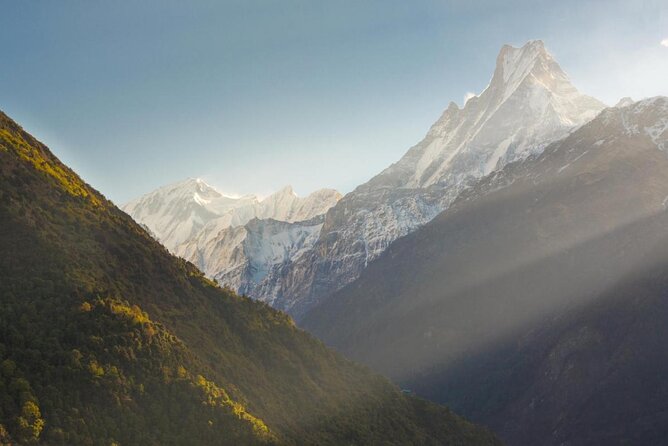
Most Annapurna treks funnel you through well-worn corridors. This one takes a different tone. You’ll be on a newer path, with tea houses that are very basic and often feel more like a home-stay than a standardized “tourist lodge.”
That matters because Nepal stops feeling like a product and starts feeling like a place. You’ll spend more time moving through villages, forests, and pastures that aren’t tuned for constant foot traffic. The payoff is simple: fewer crowds, more quiet, and a stronger sense you’re traveling through the mountains, not just visiting them.
More trails out of Kathmandu, boots ready
- Everest Base Camp Trek – 14 Days★ 5.0 · 1,499 reviews
- Everest Base Camp Trek★ 5.0 · 842 reviews
- Everest Base Camp Trekking★ 5.0 · 485 reviews
- Nagarkot Sunrise View and Day Hiking from Kathmandu★ 5.0 · 471 reviews
Kathmandu warm-up: Thamel night, Swayambhunath, and packing sanity
Your trip begins in Kathmandu, with pickup and transfer into Thamel, the classic tourist neighborhood where you can grab last-minute gear and get your bearings fast. Day one is intentionally light: check in, shower, dinner, and an early night. It’s a good move because Kathmandu can scramble your sleep schedule.
Day two is for orientation. You’ll visit Swayambhunath, a Buddhist stupa/monastery over 2,000 years old, with temple views over the valleys and plenty of monkeys. In the afternoon, the focus turns to trekking prep: finish packing, get organized, and do some Thamel shopping if you need anything.
I like this setup because it prevents the common mistake of showing up underpacked and panicking later. You also get a cultural hit right away, so the trek doesn’t feel disconnected from the country.
From Kathmandu to Pokhara by flight: the quick way to start hiking
On trek day, you’ll fly from Kathmandu to Pokhara (about 45 minutes), then ride to the trekking start area near Nayapul. This saves you from wasting a full day stuck in slow transport, and it gets you walking sooner.
The hike begins toward Ghandruk, a typical village in the region where you can see Gurung culture. And then the mountains start to show up in real time. You’re not just looking at a postcard range; you’re gaining altitude with each day and learning where the best views appear.
Rhododendron forests to Tadapani: sunrise and sunset views from higher ground
In the early days, the walking alternates between steady climbs and view rewards. One day you’ll climb through rhododendron forest, where birds and wildlife are more than just a rumor. You’ll also get multiple mountain sightlines along the way, including peaks such as Annapurna II and Machhapuchhre.
Your overnight at Tadapani (2,300m) is timed for those classic ridge moments: sunrise and sunset views. This is the kind of place where a short stop for tea can turn into a long “just one more photo” session.
Potential drawback? Forest days can feel like they move slower because the terrain is more about stepping and watching than racing ahead. If you hate slow mornings, tell your guide you want a steady pace and take breaks on your terms.
Leaving the main trail: Dobato and the quieter Annapurna vibe
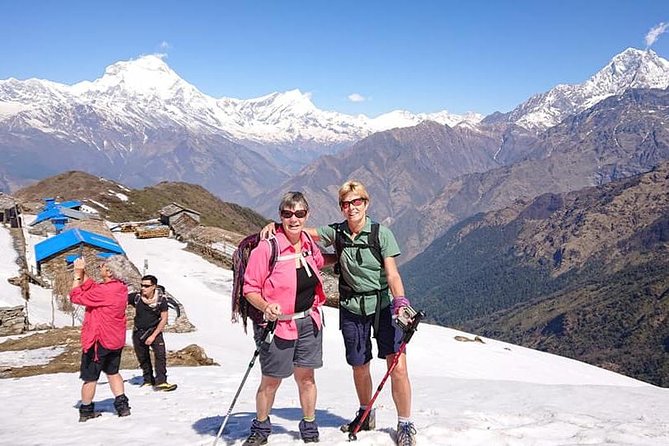
After the sanctuary-style feeling, the route shifts onto a less-traveled path. You’ll walk through thicker rhododendron and cross into areas with local water buffalo pastures, with a gradual climb that eventually takes you above the tree line.
Lunch lands at Dobato (about 3,400m), where the day’s effort pays you back with bigger, cleaner views. When you’re above the trees, the mountains look closer and the sky looks sharper. That change is a real mental boost, especially if you’ve spent the first trekking days in green corridors.
Mulde viewpoints to Chistibung/Deaurili: panoramic days and suspension bridges
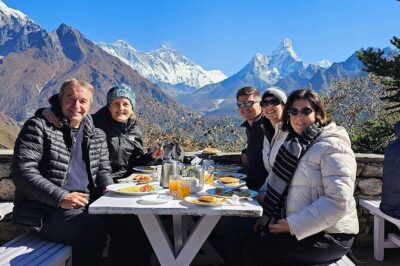
One of the more scenic “checkpoint” moments happens with a hike to Mulde view point. From there, you get panoramic views spanning parts of the Annapurna range and the Dhaulagiri range. It’s the kind of photo stop where you understand why people do this trek more than once.
After that, you retrace a bit down for breakfast, then keep moving toward higher settlements around Upper Chistibung (3,000m). The route includes a suspension bridge crossing near Deaurili/Lower Chistibung, followed by walking through forest with a gradual ascent.
This is a good day to travel with an open mind about terrain. Bridges and mixed forest sections can feel like “small drama,” but they break the day up in a way that keeps your legs from getting bored.
Above the tree line toward Kopra Ridge: 3,870m and possible wildlife sightings
You’ll climb steadily and slowly, aiming for conditions above the tree line. The higher-altitude zone is also where the walking becomes more about endurance than scenery variety. You’re working the grind, but you’re rewarded with big, exposed views.
This is also where you might spot wildlife such as mountain thar and danfe pheasant. Even if you don’t see them, the point is the setting changes: fewer trees, more open air, and more attention needed for footing.
Overnight is at Kopra Ridge (around 3,870m). The views are the headline here: Annapurna South (reported as about 6km away), plus Fang and Nilgiri to the north, and Dhaulagiri to the west. It’s one of those nights where you’ll understand why people chase ridges.
Khopra second night and Khayer Lake: a long push that’s about the payoff
After reaching Kopra Ridge, you stay in the area for a second night. This gives you time to explore without rushing every minute.
You’ll do a longer walk up to Khayer Lake and the temple (around 4,827m). The walk is described as long, but the views are worth it. At this altitude, it’s not just about athletic effort; it’s about pacing yourself so you don’t burn out too early.
If you’re prone to pushing too hard, this is where having a guide who lets you move at your pace matters. Reports on this trek highlight that guides make room for breaks and that the pace is managed for the group.
Descending to Paudwar and then Tatopani: the hot springs reset
After the high points, the trek turns toward descent. You’ll walk down through hillside sections that include steep parts, passing open ground and buffalo pastures, and then shifting into oak and rhododendron forest toward Paudwar.
From Paudwar, you descend through fields toward a small river and then cross another suspension bridge. You continue into Hillkharka, and then the big comfort moment arrives at Tatopani (about 1,190m): hot springs. After days of hiking and altitude work, this is the built-in recovery tool.
I love this design because it gives you a reward that isn’t just visual. Your legs get a chance to loosen up, and your body gets a real reset before the travel legs back to Pokhara.
Pokhara recovery day: boats on Fewa Lake and the World Peace Stupa
Once you reach Tatopani, the trek winds down. You’ll take local bus transport to Beni, then a taxi into Pokhara. It’s a practical shuffle that gets you off the trail and into proper “rest time.”
In Pokhara, you spend a full day with lake views and city highlights. You’ll take boats across the lake and walk up to the World Peace Stupa, with viewpoints over Pokhara and the surrounding mountains. If your group wants extra culture, there’s also an option to visit the Mountaineering Museum.
This day matters because it turns the trip into more than just exertion. You get mental downtime, and you get to enjoy Nepal’s second big city without rushing.
Back to Kathmandu: Durbar Square and a chance to slow down
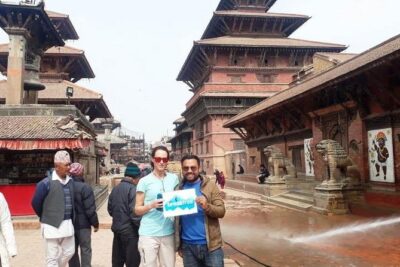
You’ll travel from Pokhara back to Kathmandu early enough to maximize the sightseeing day. Once back, you’ll have time to rest and shop again in the city. Then you head to Kathmandu Durbar Square, one of the best-known historical areas in the capital.
For many people, this is where the trip “lands.” The trek taught you to read the mountains and the villages. Durbar Square teaches you to read the city’s layers: temples, courtyards, and the sense that Kathmandu has been moving through history for a long time.
Price and logistics: is $1,461.49 good value for what you get?
At $1,461.49 per person, this is not a cheap trek. But you’re not paying for just hiking days. You’re paying for a private operation, transfers, flights, local transport, and the trekking structure that keeps you from having to figure out every step alone.
A few value drivers stand out in the way this trip is described:
- Private tour setup: only your group participates, which usually means less waiting and a more controlled pace.
- Meals included on trek: the price includes all meals on trek, which can be a big cost saver and reduces decision fatigue each day.
- Guide and porter support: multiple accounts praise the team for caring and for supporting both physically and mentally.
- Built-in recovery: hot springs in Tatopani and downtime in Pokhara aren’t random add-ons; they’re smart pacing.
One thing to watch: admission fees are marked as included on some days and not included on others. So treat “what’s included” as a checklist you confirm in your final documents, especially for temple entries and any museums.
Also, paper tickets and pickup are mentioned, so you’re dealing with standard tour logistics, not a totally self-planned backpacking setup.
What the walking days feel like: moderate fitness, real altitude, and patience
The trekking requirement is listed as moderate physical fitness. That doesn’t mean easy. You’ll hike multiple days in the 4–6 hour range, and the altitude climbs into serious territory.
The key altitude milestones you should plan around:
- Dobato around 3,400m
- Kopra Ridge around 3,870m
- Khayer Lake and temple around 4,827m
At that height, the biggest challenge is usually not raw strength—it’s breathing, fatigue management, and staying steady. This is exactly why a guide who slows down when needed is worth its weight in trail snacks.
Who should book this trek (and who should think twice)
This trek is a strong fit if you want:
- a quieter Annapurna experience with more home-stay style nights
- major viewpoints near Kopra Ridge and the Khayer Lake area
- a trip where the company’s team is praised for caring, organization, and flexibility
It’s less ideal if you:
- need consistent modern facilities every night
- dislike long walks at altitude, especially the Khayer Lake push
- want a trek where the comfort level is always high from start to finish
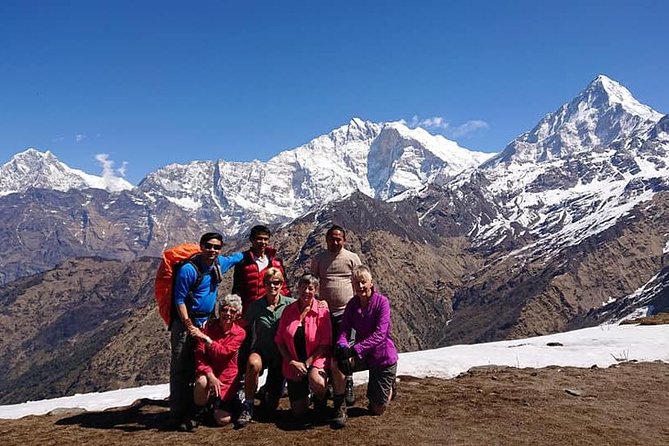
If you’re a first-time trekker but reasonably fit, you’ll likely do well when you commit to the pacing. Reports include first-timer groups in their 50s and 60s appreciating the supportive approach and the time for breaks.
Should you book Khopra Ridge? My take
If you’re choosing between a crowded “checklist” Annapurna trek and something more off the beaten feel, Khopra Ridge is compelling. The combination of ridge viewpoints, quieter paths, basic home-stay nights, and a smart recovery sequence (Tatopani hot springs, then Pokhara) makes it feel like a complete journey rather than just a climb.
Book it if you’re curious about how Nepal works beyond the postcard stops, and if you’re okay with simpler lodges as the trade for that access. Skip it if you’re not willing to accept basic comfort at higher elevations.
FAQ
How long is the Khopra Ridge Trek?
The trip runs about 14 days (approx.).
Where does the trek start and end?
You start in Kathmandu, fly to Pokhara to begin trekking, and the trek ends and connects back through Pokhara before returning to Kathmandu.
Is pickup included?
Pickup is offered.
Is the tour private?
Yes. It’s listed as a private tour/activity, and only your group participates.
What fitness level do I need?
The trek is for travelers with a moderate physical fitness level.
What altitude highlights should I expect?
You’ll reach high points such as Kopra Ridge around 3,870m and Khayer Lake/temple around 4,827m.
Are meals included in the price?
The price includes all meals on trek.
Do I get sightseeing time in Kathmandu and Pokhara?
Yes. In Kathmandu you visit Swayambhunath and Kathmandu Durbar Square. In Pokhara you’ll take boats on the lake and visit the World Peace Stupa, with an option to visit the Mountaineering Museum.
Are entry tickets included?
Some admission tickets are marked as included on specific days, while many other days are marked as not included. Check your final itinerary paperwork for what applies to your dates.
More Trekking Out of Kathmandu
More Tour Reviews in Kathmandu
Just Reviewed in Kathmandu
- Mountain Bike Tour
★ 5.0 · 3 reviews - Annapurna Panaroma
★ 5.0 · 3 reviews - Mount Everest Scenic Flight 50 Minutes
★ 5.0 · 3 reviews - Kathmandu : Swambhunath & Durbar Square Guided Half Day Tour
★ 3.3 · 3 reviews - Chandragiri Cable Car & Monkey Temple Tour – Private/Group
★ 5.0 · 3 reviews - Kathmandu: Shivapuri National Park Hiking Day Trip
★ 3.3 · 3 reviews
Hiking & Trekking, compared.
 ★ 5.0Everest Base Camp Trek – 14 DaysFrom $1,8001,499 reviews
 ★ 5.0Everest Base Camp TrekFrom $1,790842 reviews
 ★ 5.0Everest Base Camp TrekkingFrom $1,350485 reviews
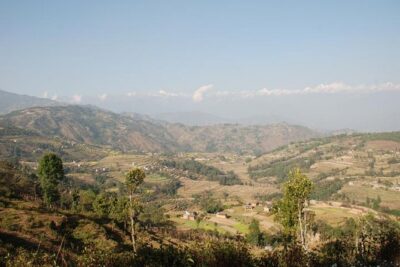 ★ 5.0Nagarkot Sunrise View and Day Hiking from KathmanduFrom $45471 reviews
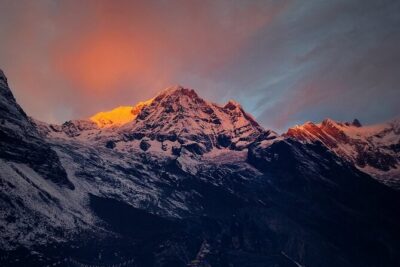 ★ 5.0Annapurna Circuit Trek with Tilicho LakeFrom $1,093368 reviews
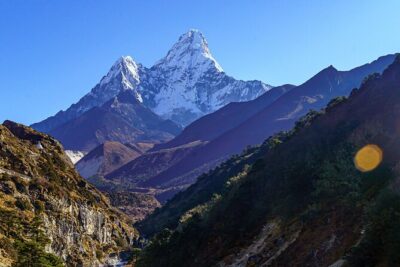 ★ 5.0Everest Base Camp Trekking – 13 DayFrom $1,399365 reviews
★ 5.0Everest Base Camp TrekFrom $1,445350 reviews
★ 5.0Everest Base Camp Trek -14 DaysFrom $1,420321 reviews
★ 5.0Everest Base Camp Trekking – 13 DayFrom $1,399365 reviews
★ 5.0Everest Base Camp TrekFrom $1,445350 reviews
★ 5.0Everest Base Camp Trek -14 DaysFrom $1,420321 reviews