
Review · HIKING & TREKKING
Millennium Homestay Trek
A tough hike can still feel gentle.
This trek sends you off the usual tourist lanes for 30+ village days and real homestay nights, plus a stop at Millennium Cave with waterfalls.
What I like most is the human side: you don’t just watch village life, you share meals, sleep in family homes, and get direct interaction with your hosts. In past trips, guides like Raj Kumar and Kumar have been praised for English and for caring about details like viewpoints and local culture.
One consideration: homestay days can mean simple, sometimes repetitive meals, and the trail still has some uphill effort even if the altitude stays moderate.
In This Review
- Key highlights you should care about
- Why the Millennium Homestay Trek feels different from the big-name routes
- Kathmandu handoff: Durbar Square, Swoyambhu, and a real start to your trip
- Pokhara lakeside warm-up: drive time, hotel night, and why it matters
- Start of the trek at Khairenitar: your first homestay and the welcome program
- Khairenitar Magar Samaj Hall day: views, river walking, Shaman show, and evening prayers
- Gurunghe Hill: a cultural trekking day through Lamagaon and Gharedi
- Millennium Cave day: waterfalls, uphill payoff, and Kolma village views
- Rangrung Newari nights: two days of village life and traditional food
- Tibetan camp and Seti gorge: the day the walking mostly stops
- Pokhara sightseeing and museum time: lakeside recovery after trekking
- Price and logistics: is $1,500 value, or a sticker shock?
- Who this trek suits best (and who should rethink)
- The best way to enjoy Millennium Homestay Trek without stress
- Should you book Millennium Homestay Trek?
- FAQ
- How long is the Millennium Homestay Trek?
- Where does the trip start and what time?
- What’s the group size?
- What cultural activities are included?
- Do you visit Millennium Cave?
- What’s the altitude like?
- How do you get between Kathmandu and Pokhara?
- What if weather is bad or you need to cancel?
Key highlights you should care about
- Small group size (max 10), so your guide can actually manage pace and questions
- Millennium Cave visit with waterfalls, plus a hard climb that pays off at the viewpoint
- Culture-forward walking days, including a Shaman show and evening prayers
- 30+ colorful villages and interaction across 10+ ethnic groups in a small area
- Tibetan camp experience with refugee history and a community you can learn from
- Pokhara decompression, with lakeside downtime after the trekking days
More trails out of Kathmandu, boots ready
- Everest Base Camp Trek – 14 Days★ 5.0 · 1,499 reviews
- Everest Base Camp Trek★ 5.0 · 842 reviews
- Everest Base Camp Trekking★ 5.0 · 485 reviews
- Nagarkot Sunrise View and Day Hiking from Kathmandu★ 5.0 · 471 reviews
Why the Millennium Homestay Trek feels different from the big-name routes
Nepal has famous treks. They’re great, but they can also feel like a parade: other hikers, guesthouses, and the same restaurants line after line.
The Millennium Homestay Trek takes a quieter approach. You’ll move through smaller towns and home communities where you’re not the main event. Your schedule is built around homestays, not just scenery, and that shifts the whole trip. The goal here is daily life: how families cook, how people talk, what they do after chores, and how neighbors share space and festivals.
You’re also getting a lot of variation without going high into the clouds. Several reviews note the trek stays lower than the big base-camp options, and one guest specifically mentioned the route not going above about 6,500 feet. Translation for you: you still need steady legs, but you’re less likely to feel altitude panic.
The other big difference is the mix of culture stops and trail days. This isn’t only walking and photos. You’ll also have moments like evening prayers, a Shaman show, and a stop at a holy confluence area tied to three sacred rivers.
Kathmandu handoff: Durbar Square, Swoyambhu, and a real start to your trip
Your trip begins in Kathmandu at Tribhuvan International Airport, with a start time of 6:15 am. That matters because it sets a calmer tone. You’re not wasting half a day figuring out transit while your jet lag kicks in.
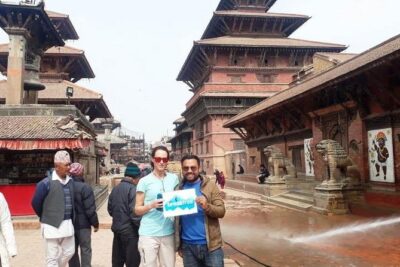
From the airport, you’ll be transferred to a hotel, then you’ll meet your representative and get an itinerary discussion over dinner. After that, the plan goes historic-culture first with Kathmandu Durbar Square and then Swoyambhu Mahachaitya.
Durbar Square is one of those places where you feel the layers. Even if you’re not a big sightseeing person, the mix of stonework, old streets, and the sense that the city grew around these monuments gives you a strong base to understand later stops.
Swoyambhu Mahachaitya brings a different flavor: it’s spiritual, iconic, and tied into Kathmandu’s long history. The tour also frames the day as a way to observe multiple UNESCO World Heritage Sites in Kathmandu. That’s a nice idea if you want your first “culture injection” to be efficient.
A practical note: Kathmandu days can involve more walking than you expect, especially if you’re doing viewpoints and stair-heavy temple areas. Bring water, plan for short breaks, and don’t treat it like a single-photo stop.
Pokhara lakeside warm-up: drive time, hotel night, and why it matters
Next you head to Pokhara Lakeside. The route is a 6–7 hour drive from Kathmandu, with views along the highway and the Trishuli River.
This day is more than transportation. It’s your buffer. By the time you arrive, you’ll likely feel the rhythm shift from city to hills. You’ll stroll near the lake, settle into your hotel, and prep mentally for the trek.
Pokhara is also a good place to check your gear and adjust your expectations. If you’re the type who likes to test your backpack fit, tighten trekking shoes, or pack a small kit for homestay nights, you’ll have time to do it here.
Later in the itinerary, you’ll return for sightseeing and museum time too. Pokhara’s role is basically recovery and reset: you don’t want trekking to be your only brain function.
Start of the trek at Khairenitar: your first homestay and the welcome program
The trekking proper begins with a ride to Khairenitar (about 28 km). Depending on group size, it’s bus or car. Then you start walking toward Bankewa.
This is a key day because your pace and your comfort get shaped immediately. You’re going from modern transport to foot travel, and that means your body learns fast what the trail asks of it.
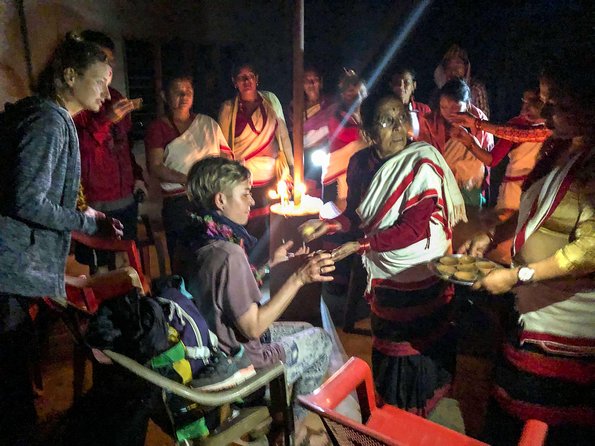
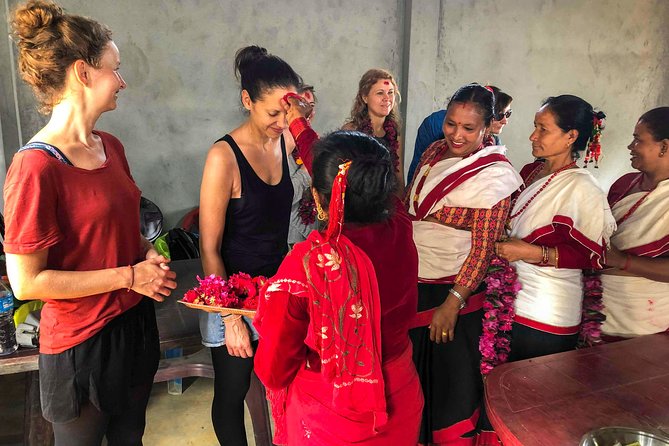
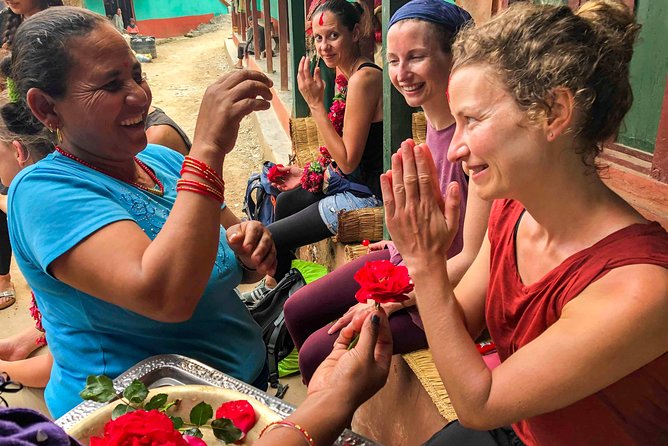
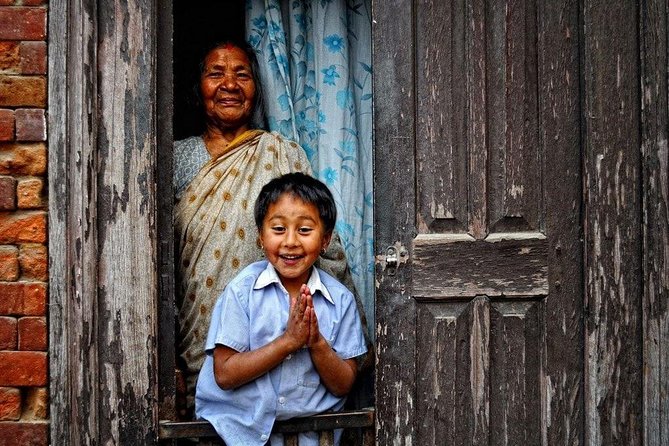
Your first night is in a home with hosts, and you should expect a welcome program arranged by the village community. That welcome matters more than you might think. When you’re tired, a simple greeting and clear routine reduces stress. It also helps you settle into homestay life as something normal, not something you’re surviving.
One practical tip: homestays can vary in setup from family to family. The best way to stay relaxed is to pack for flexibility: a light layer, a headlamp (if you’ve got one), and a small bag of personal comfort items you can control.
Khairenitar Magar Samaj Hall day: views, river walking, Shaman show, and evening prayers
This day is built around a slower feel inside the effort. You’ll walk down or travel on flatter stretches for much of the day, moving through stone paths and village byways.
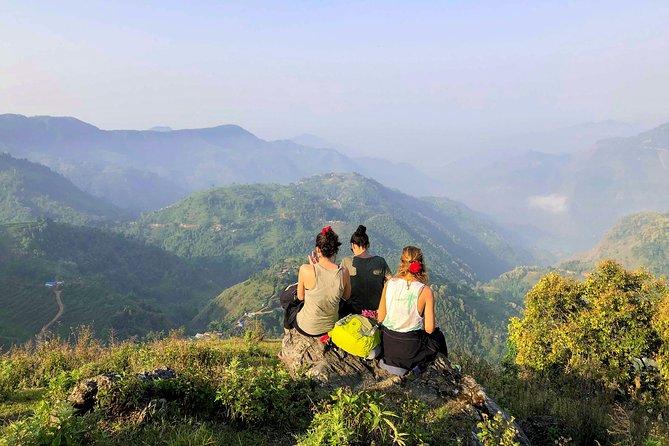
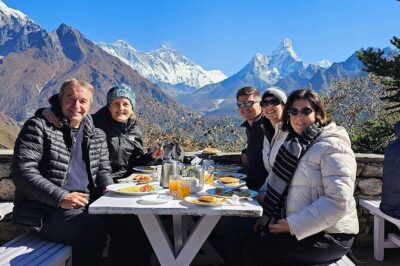
You’ll pass views of mountain ranges and village scenery, cross a bridge, then do an easy walk along the Surdaudi River. Lunch is planned at some point, then you continue toward PyuriDobhan—a holy place connected to three sacred rivers.
That holy confluence stop is one of the tour’s “why this is more than hiking” moments. You’re not only seeing the region, you’re seeing what people consider meaningful enough to gather at.
The evening adds spiritual culture. You’ll go for a Shaman show and evening prayers, with the program focused on insights shared by the Shaman. This is exactly the kind of experience that can make a trek stick in your memory because it’s not staged for tourists.
Possible drawback: if you’re sensitive to cultural ceremonies, loud chants, or late-night activity, plan to keep yourself grounded. Bring patience, and remember this day is about local belief, not entertainment.
Gurunghe Hill: a cultural trekking day through Lamagaon and Gharedi
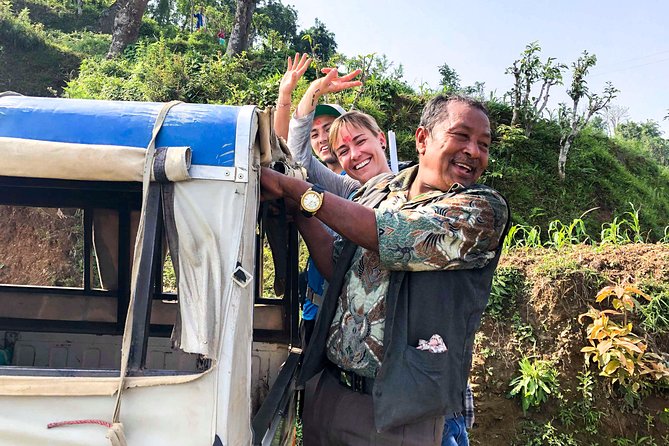
After breakfast, you climb and walk through villages, including Lamagaon (a Gurung village) and then down toward Gharedi, described as one of the larger villages in the trekking region.
The stated focus here is both movement and cultural exploration across Nepal’s ethnic groups. In practice, what that means for you is you’ll hear stories, observe daily routines, and see how different communities structure life around family and work.
The walk includes uphill segments early, then more down-and-side travel later. That mix is good training because your muscles learn how to handle both climbing and controlled descents.
This is also a day where group size helps. With up to 10 people, your guide can pause for questions and adapt to the group’s pace. Reviews also mention the trek’s pace can be adjusted for needs, like when a guest had a hip injury, so don’t assume “trek = fixed pace.”
Millennium Cave day: waterfalls, uphill payoff, and Kolma village views
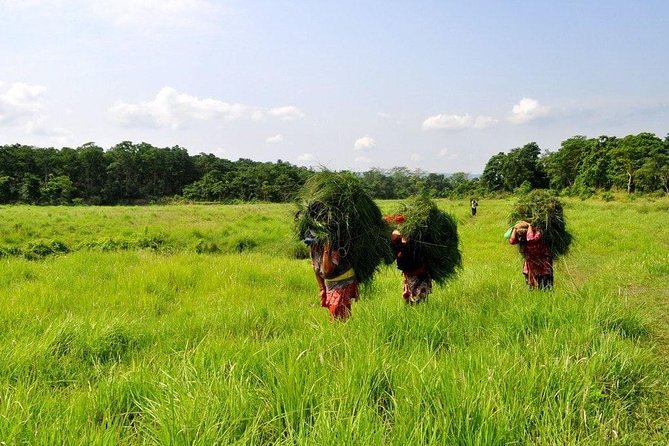
This is the signature day on the tour. You walk down toward Millennium Cave, which is described as a cave with waterfalls. Then you continue uphill toward Kalkhu village, and finally reach Kolma village for the night.
The cave itself is a memorable twist because it breaks the usual “just villages” rhythm. It also gives you a different type of darkness-and-water atmosphere than you get aboveground.
Then comes the challenge: the day is described as hard walking up. When you’re tired, it’s easy to forget why you started. That’s why the itinerary includes the payoff: once you reach a viewpoint, the pain disappears into the Himalaya views and the sense of altitude just far enough to feel epic.
Even if you’re not a “hardcore trekker,” this is the day to respect. Take your time on the uphill sections, don’t race just because the group is moving, and keep small sips of water going.
If you’ve got any knee issues, consider bringing trekking poles. Nothing fancy—just enough support to make descents less scary on homestay nights when you’ll still be moving around.
Rangrung Newari nights: two days of village life and traditional food
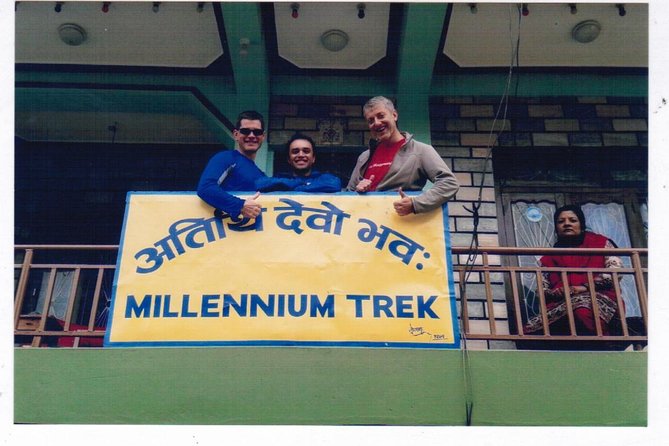
After breakfast, you walk toward Rangrung, passing multiple small villages. You’ll also stop at ThuloHattiya (within the described Rangrung area). Your plan includes spending a night in the center of a Newari village with locals.
Then the next day repeats this Rangrung framing again, which likely means more time in the same community rhythm: more chances to chat, watch daily routines, and eat the food family-style.
Food here is a stated highlight: traditional Newari cuisines and local cooking in the homestay setting. One review noted a drawback that some guests felt the meals were similar day to day, so this is where your expectations matter. Homestay food is often hearty and consistent rather than a menu with endless choices.
If you’re picky or have dietary needs, don’t keep it vague. Tell your guide before the trek starts so your hosts can do their best within local ingredients and routines.
The walk style here is also about pace. You’re not described as doing the toughest climbing on these days. That makes it easier to enjoy the village experience without feeling like you’re always “in survival mode.”
Tibetan camp and Seti gorge: the day the walking mostly stops
One of the smartest design choices on this itinerary is how it handles your final trekking energy.
You’ll start the day with walking down to the Kyangdi River, cross it, enter toward Lalim village, and then slowly head into the Tibetan camp. The tour explains that Tibetan refugees settled here after the Chinese Invasion of Tibet, and you’ll get close observation of their community life.
Then comes a scenic transition: after crossing the Seti gorge, you’ll observe the popular rock garden. After that, the itinerary turns into pure transport—bus or jeep depending on group size—back toward Pokhara.
This day is valuable because it ends the physical grind while still giving you a meaningful cultural encounter. You’re not only “surviving to the finish line.” You get one more learning-heavy day, then you shift into recovery mode.
If you like community history, this is the stop that gives it context. If you’re less into history, you’ll still likely enjoy the people-watching side: how communities rebuild life after displacement.
Pokhara sightseeing and museum time: lakeside recovery after trekking
Back in Pokhara, you’ll do sightseeing and museum time. The tour calls Pokhara the City of Lakes, and it highlights mountain panoramas, lakes, and caves.
Practically, this is where you wash trekking sweat off your clothes, eat a meal that feels like a reset, and give your body a full night to recover.
Even if you’ve already seen Pokhara before, the value here is timing. You’re not arriving to “do everything.” You’re arriving after days on trails and homestay routines. That changes how you experience lakeside time. It becomes earned downtime, not “another stop on a list.”
Price and logistics: is $1,500 value, or a sticker shock?
At $1,500 per person for roughly 13 days, this trek isn’t cheap. But the price makes more sense when you look at what you’re paying for:
- Small group size (max 10), which usually means more guide attention and less crowd energy
- Homestay nights across many villages, not just one or two
- Guided cultural programming, including the Shaman show and evening prayers
- A cave visit and multiple heritage/town stops in Kathmandu and Pokhara
- Transfers between Kathmandu and Pokhara by road (with a long drive day built in)
The tour also states admission tickets are included for key sites early in the itinerary, including Kathmandu Durbar Square and Swoyambhu Mahachaitya.
So the real question for you is this: do you want your money to buy time with families and a low-traffic route, or do you want the cheaper version that often means fewer local connections?
If you’re hoping for a comfort-only trek with modern hotels every night, this one may test your patience. If you want a trip that behaves like a cultural exchange with real community interaction, the cost starts looking more reasonable.
Also remember that you’re paying for effort. This is not a short hike. You’ll walk multiple days, including an uphill cave day and a couple of longer trek days.
Who this trek suits best (and who should rethink)
This trek fits best if you’re:
- Reasonably fit and ready for daily walking, including steep uphill stretches
- Interested in culture and community more than just scenery photos
- Comfortable with homestay basics and family-style routines
- Traveling in a small group and happy to pace with others
It may be less ideal if you:
- Need guaranteed Western-style meals every day
- Hate ceremonies or any cultural performance with spiritual elements
- Want a trek that is mostly flat and gentle
One useful clue from reviews: the route was described as challenging but still manageable for a range of travelers, including a family trekking with children (in one case, kids ages 5, 7, and 9) and a guest whose travel was adjusted for a hip injury. That suggests the operator can work with the group pace. Still, don’t assume your needs will automatically be met—tell the team early.
The best way to enjoy Millennium Homestay Trek without stress
Here’s how you’ll get the smoothest experience:
- Pack for layer changes. Even when altitude is moderate, mornings and evenings can feel cooler.
- Bring a couple of snack backups. If a day’s meal routine is simple, you’ll still feel okay.
- Keep your water habit consistent. The itinerary has walking days long enough that dehydration turns into crankiness.
- Ask your guide what to expect at homestays. A little clarity reduces awkwardness.
- Be respectful during ceremonies like the Shaman show and prayers. You’re there to learn, not to judge.
And if you’re lucky enough to have a guide like Raj Kumar or Kumar, based on prior trip feedback, you’ll likely get extra context for what you see—like how ethnic groups live and how to read the village rhythms as you pass through.
Should you book Millennium Homestay Trek?
If you’re choosing between a standard tourist trek and something that trades crowds for real village contact, I think you’ll be happy booking this.
Do it if you want:
- A small-group route through 30+ villages
- A real homestay experience with families
- Cultural moments like the Shaman show, evening prayers, and the holy river confluence area
- A memorable detour to Millennium Cave with waterfalls
- A final cultural transition to the Tibetan camp before relaxing in Pokhara
I’d tell you to hesitate if you’re meal-sensitive, ceremony-sensitive, or looking for mostly hotel comfort. This trip is warm and human, but it’s still a trek, with uphill effort and rural simplicity.
FAQ
How long is the Millennium Homestay Trek?
It’s listed as about 13 days.
Where does the trip start and what time?
It starts at Tribhuvan Airport (Kathmandu) at 6:15 am.
What’s the group size?
The tour has a maximum of 10 travelers.
What cultural activities are included?
The itinerary includes a Shaman show and evening prayers, plus visits tied to village community life and a Tibetan camp experience.
Do you visit Millennium Cave?
Yes. You trek to Millennium Cave, which is described as having waterfalls.
What’s the altitude like?
One review notes the route goes no higher than about 6,500 ft, and another mentions it stays at a lower altitude than treks like Annapurna or Everest base camps.
How do you get between Kathmandu and Pokhara?
You travel by road: Kathmandu to Pokhara is roughly 6–7 hours, and the return is roughly 7–8 hours by deluxe coach or jeep depending on group size.
What if weather is bad or you need to cancel?
The experience requires good weather. If it’s canceled due to poor weather, you’ll be offered a different date or a full refund. For cancellation, it’s listed as free cancellation up to 24 hours in advance for a full refund, and no refund within 24 hours.
More Trekking Out of Kathmandu
More Tour Reviews in Kathmandu
Just Reviewed in Kathmandu
- Mountain Bike Tour
★ 5.0 · 3 reviews - Annapurna Panaroma
★ 5.0 · 3 reviews - Mount Everest Scenic Flight 50 Minutes
★ 5.0 · 3 reviews - Kathmandu : Swambhunath & Durbar Square Guided Half Day Tour
★ 3.3 · 3 reviews - Chandragiri Cable Car & Monkey Temple Tour – Private/Group
★ 5.0 · 3 reviews - Kathmandu: Shivapuri National Park Hiking Day Trip
★ 3.3 · 3 reviews
Hiking & Trekking, compared.
 ★ 5.0Everest Base Camp Trek – 14 DaysFrom $1,8001,499 reviews
 ★ 5.0Everest Base Camp TrekFrom $1,790842 reviews
 ★ 5.0Everest Base Camp TrekkingFrom $1,350485 reviews
 ★ 5.0Nagarkot Sunrise View and Day Hiking from KathmanduFrom $45471 reviews
 ★ 5.0Annapurna Circuit Trek with Tilicho LakeFrom $1,093368 reviews
 ★ 5.0Everest Base Camp Trekking – 13 DayFrom $1,399365 reviews
★ 5.0Everest Base Camp TrekFrom $1,445350 reviews
★ 5.0Everest Base Camp Trek -14 DaysFrom $1,420321 reviews
★ 5.0Everest Base Camp Trekking – 13 DayFrom $1,399365 reviews
★ 5.0Everest Base Camp TrekFrom $1,445350 reviews
★ 5.0Everest Base Camp Trek -14 DaysFrom $1,420321 reviews