
Review · HIKING & TREKKING
Mohare Danda Trek
Big peaks, small villages, real community support. On the Mohare Danda trek, you follow a newer, quieter trail with community lodge stays and a clear goal behind every kilometer: women empowerment, education, and rural development.
I love the way this trek turns scenic time into practical help, so your money supports the community rather than disappearing into generic tourism boxes.
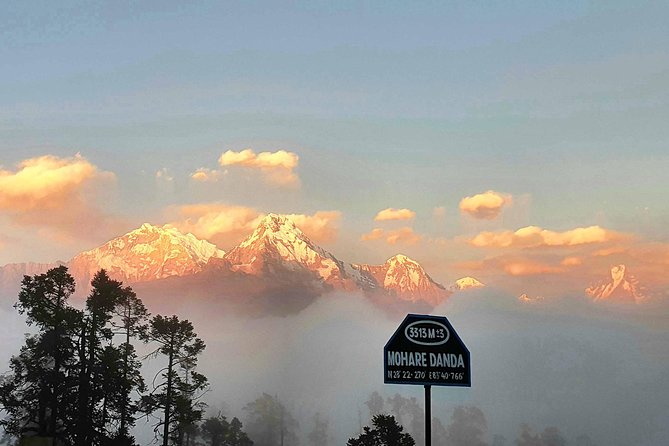
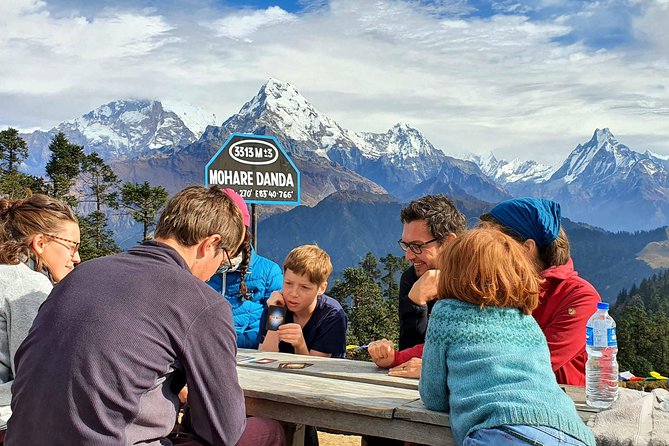
What really makes it feel worth it is the view potential. From Mohare Danda (3,313m) you’re set up for sunrise and broad Himalayan sightlines, and the program notes that you can see up to 42 peaks, including Annapurna, Dhaulagiri, and Manaslu on clear days.
I also like that you’re not left guessing in the mountains. Guides in recent groups (like Apar and Lokendra, with support from teams such as Ashishm and Joyendra) are described as organized, patient, and focused on safety and mountain behavior.
One thing to consider: this is not a quick shuffle. You have long overland transfer days from Kathmandu to Pokhara and back, and you’ll still be on your feet for multiple trekking days with some stone stair walking, including descents.
If you have joint issues, tell the operator ahead of time so they can suggest an easier route.
In This Review
- Key highlights at a glance
- Why Mohare Danda feels different than the typical Nepal trek
- Price and value: what $799 buys you in the real world
- Your 10-day game plan: what each day actually feels like
- Day 1: Kathmandu arrival and Thamel start
- Day 2: Kathmandu to Pokhara, then Phewa Tal area
- Day 3: Pokhara region to Beni Bazaar and your first trek start
- Day 4: Ramche to Nagi Village direction
- Day 5: Trek toward Mohare Danda approach via Nagi
- Day 6: Mohare Danda day—sunrise, wide views, and the community lodge moment
- Day 7: Tikot village trek and Magar settlement culture
- Day 8: Final trekking day to Baseri
- Day 9: Drive back to Kathmandu via the Pokhara stop
- Day 10: Kathmandu airport transfer and departure
- What you should know about guides, safety, and how the trek is run
- Comfort and gear: what’s included vs what you still need
- Community impact: where your money is meant to go
- Who this trek is best for (and who should reconsider)
- Should you book the Mohare Danda trek?
- FAQ
- FAQ
- How many days is the Mohare Danda trek?
- Where does the trek start and finish?
- What is included in the $799 price?
- What meals are included?
- Do I need my own cold-weather gear for Mohare Danda?
- How big is the group?
- Can I cancel for a full refund?
Key highlights at a glance
- Community lodges on a newer trail, so your trek fees feed local welfare rather than only guiding-company profits
- Up to 42 peak views with a high-point sunrise setup from Mohare Danda at 3,313m
- Women empowerment mission tied to education and economic support in the surrounding villages
- Small group size (maximum 11 trekkers), which usually means better pacing and less crowding on the trail
- Gear and medical add-ons included for the high point, including a sleeping bag, down jacket, and an oxygen monitor
- Guides that coach mountain safety, not just route-following
More trails out of Kathmandu, boots ready
- Everest Base Camp Trek – 14 Days★ 5.0 · 1,499 reviews
- Everest Base Camp Trek★ 5.0 · 842 reviews
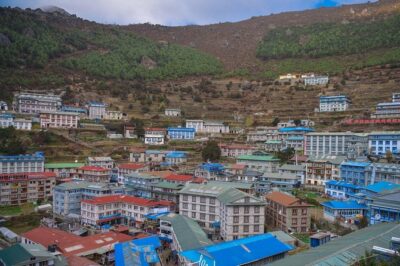
- Everest Base Camp Trekking★ 5.0 · 485 reviews
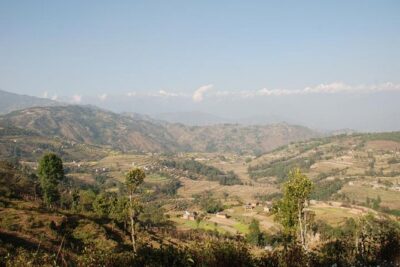
- Nagarkot Sunrise View and Day Hiking from Kathmandu★ 5.0 · 471 reviews
Why Mohare Danda feels different than the typical Nepal trek
If you’ve done the classic well-worn routes, you know the pattern: big views, big crowds, and a lot of money flowing through systems that don’t touch ordinary daily life.
Mohare Danda is built with a different mindset. This is a community trek along a newer circuit around Mohare Danda, using community lodge infrastructure. That matters because it changes what your day feels like. Instead of mostly walking past scenery with a few photo stops, you’re spending time inside living villages—places where your presence becomes part of local rhythm (and where the trek’s purpose is explicit).
There’s also a cultural angle that’s hard to fake. The program frames the experience around Poon Magar tradition and the people who live along the route. You’re not just hitting viewpoints; you’re walking through communities where daily work and hospitality still shape the trip.
And yes, the scenery is the reason you came. The marketing promise is big—up to 42 peaks visible on a clear day—but it’s still the kind of treks that makes you look up a lot, then pause because your brain has to catch up.
Price and value: what $799 buys you in the real world
At $799 per person for an ~10-day trip, this trek looks mid-range for Nepal treks when you compare what’s usually left out.
Here’s what stands out as “you don’t have to think about this later” value:
- Guide and porters, including wages, insurance, and gear
- Permits and documentation handled for you
- Meals included during the trek portion (breakfast 9, lunch 6, dinner 5 as listed)
- High point comfort items included: sleeping bag and down jacket for Mohare Danda, plus an oxygen monitor and first aid kit
- Transport included on the main routes around the trek
- A map provided, plus a complimentary trek duffle bag
What’s not included is also clear: tips for guide/porter, drinking water, snacks, bar bills, and personal expenses. Lunch/dinner in Kathmandu and Pokhara are also not included.
So for value, think like this: the price covers the structure of the trek (people, permits, core transport, and your basic mountain kit for the cold part). You still own your personal spending choices—water and snacks—but you’re not paying extra to assemble the skeleton of the trip.
One more practical note: the group size is capped at 11 travelers, so you’re not paying “small-group prices” for a crowd model. That’s usually a good sign for getting reasonable pacing and space in village lodges.
Your 10-day game plan: what each day actually feels like
This trek is built around a classic rhythm: road days to position you, then steady hiking days with a peak moment at Mohare Danda, then a gradual return. Below is how each stop reads in plain terms—what you’ll do and what to watch.
Day 1: Kathmandu arrival and Thamel start
You land at Tribhuvan International Airport, clear the basics, and meet your representative. The program lists a stop in Thamel.
Why Thamel matters: it’s the practical Kathmandu zone for trekking prep—shops, gear, and meeting points. If you need last-minute items (extra socks, a small snack supply, or sunscreen), this is the place where you can usually find them with minimal hassle.
The only “watch it” point: don’t pack your first evening like it’s a vacation binge. Sleep is your friend before the long travel rhythm starts.


Day 2: Kathmandu to Pokhara, then Phewa Tal area
Day 2 is a long overland move west: about 200km with a drive time around 6–7 hours, plus a stop in/near Phewa Tal.
This matters because road fatigue is real. Even if you feel fine at check-in, you’ll likely hike better if you treat this day like repositioning, not sightseeing.
Practical tip for comfort: keep water and snacks easy to reach for the bus/van ride, and wear layers you can adjust.
Day 3: Pokhara region to Beni Bazaar and your first trek start
Today you start trekking from Beni Bazaar after the road transfer from Pokhara (listed around 4 hours of driving for the day’s positioning).
This is your “find your rhythm” day. Expect the initial effort to feel punchier than it looks on paper because your legs are adapting to trekking time after the road.
What to look for: pace. If you go out too fast on day one, you’ll feel it later on stairs and descents.
Day 4: Ramche to Nagi Village direction
You walk on a trail toward Nagi Village, starting from Ramche. The plan calls this a day for pristine nature and village culture, with a walking segment around 3 hours.
This day is often where the trek quality shows up: the quiet stretches, the village transitions, the moment when you realize the trail isn’t just a line on a map.
Drawback to keep in mind: village days can bring variable weather and uneven footing. Your best strategy is simple—shorter steps and steady breathing.
Day 5: Trek toward Mohare Danda approach via Nagi
You’re trekking to the destination area of Mohare Danda, starting after breakfast at Nagi. The day is listed around 4–6 hours.
This is the buildup. You’ll move from “pleasant hiking” into “you’re nearing the viewpoint core,” and the air may start feeling different as you gain elevation.
Pack strategy matters here: keep essentials reachable and store bulky items properly so you’re not constantly adjusting on the move.
Day 6: Mohare Danda day—sunrise, wide views, and the community lodge moment
This is the signature day.
You reach the highest elevation of the trek at Mohare Danda (3,313m), and the program highlights beautiful sunrise and Himalayan views. The itinerary lists this as the big highlight day, and it includes the high-point support items (sleeping bag and down jacket are included for the cold portion).
What to expect: sunrise mornings on mountains are often chilly and slow-starting. The upside is that sunrise can make the whole trek feel like a payoff, not just exercise.
Also, this day is framed as community-focused, with Mohare Community Lodge named specifically. In practical terms, it means your overnight is part of the local lodge model rather than a separate, disconnected resort experience.
One consideration: cold + altitude can make you feel slower. Don’t fight it. Sip warm fluids when you can and let your body warm up gradually.
Day 7: Tikot village trek and Magar settlement culture
You trek to Tikot village (listed around 10 hours), described as a beautiful ethnic Magar settlement. The route goes past viewpoints of Thula Kharka and Sikha Danda.
This is a longer walking day, so plan your energy. A 10-hour day can still be manageable if the group keeps a steady pace, takes sensible breaks, and doesn’t treat every step like a race.
Why Tikot is worth it: village life is the point here. Even if you just watch how people move through their day—work, food prep, conversation—it turns your trek into a cultural exchange, not only a photo mission.
Day 8: Final trekking day to Baseri
You start the final mountain trail day, trekking to Basari/Baseri (spelled as Baseri in the itinerary text). This is your “wrap the hiking portion” day.
On days like this, you’ll feel a mix of relief and focus. Relief because you’re nearing the finish of the trek. Focus because the last leg still demands attention on footing and pacing.
Practical advice: keep your posture relaxed and don’t rush descents just because you want to be done.
Day 9: Drive back to Kathmandu via the Pokhara stop
Drive back from Pokhara to Kathmandu is listed around 7 hours, then rest time in Kathmandu (with Thamel again named as a stop).
This day is for recovery. Your legs may feel fine in the afternoon, then tighten up after you sit too long. If you can, take short walks after you check in.
Also, remember: lunch and dinner in Kathmandu aren’t included, so you’ll want a simple plan for food and water.
Day 10: Kathmandu airport transfer and departure
You get transferred to Tribhuvan International Airport for your final flight.
This is a good day to travel smart: pack layers you can use at the airport, and keep your main documents dry and easy to grab.
What you should know about guides, safety, and how the trek is run
The program explicitly includes a first aid medical kit and an oxygen monitor. That’s not glamorous, but it’s exactly the kind of planning that makes mountain travel safer and less stressful.
The reviews you provided don’t just praise the views. They emphasize the human side of the service: guides described as professional, helpful, and supportive, including advice on how to behave in the mountains for safety. That aligns with what you want on a community trek—someone who can manage the day, not just lead you uphill.
Guide names that came up in recent Mohare Danda-related experiences include Apar and Lokendra, with teams supporting them such as Ashishm and Joyendra. If your group is assigned one of these guides or a similar team, you can expect a calm, organized approach.
Comfort and gear: what’s included vs what you still need
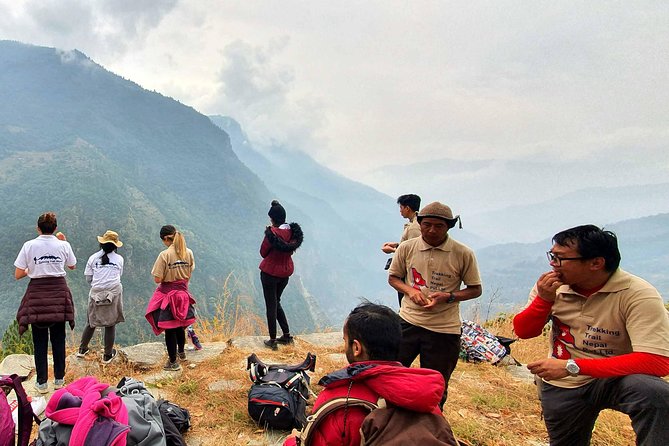
For most people, the best surprises are the cold-weather basics.
Included for Mohare Danda:
- Sleeping bag
- Down jacket
- Oxygen monitor
- First aid kit
That reduces the biggest risk for first-time trekkers: showing up under-prepared for the temperature shift.
Still, you’ll want to bring your own trekking essentials that aren’t listed:
- personal water solution (since drinking water isn’t included)
- snacks for longer walking days
- basic rain protection if weather turns
- trekking shoes/boots that handle uneven village paths
The trek also includes a complimentary trek duffle bag, so packing can be easier. But your daypack still should be light and functional.
Community impact: where your money is meant to go
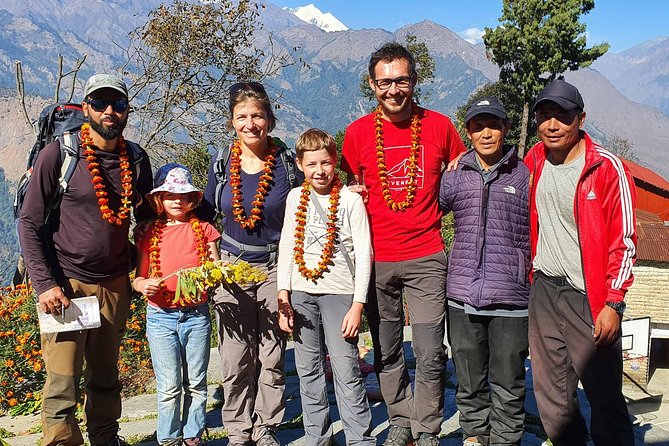
This trek doesn’t hide the reason behind it. It’s framed around supporting education, economy, and women empowerment, with rural development tied to the community lodge model.
Here’s the practical meaning for you: when you pay, you’re funding a structure that keeps people working locally—hosting trekkers, running lodges, and maintaining trail support—rather than pushing every dollar into outside systems.
You’ll also likely experience more human interactions than on a purely commercial viewpoint trek. That can be the best part of Mohare Danda, because you’re not just passing through; you’re part of the flow of a community that knows what trekking seasons bring.
Who this trek is best for (and who should reconsider)
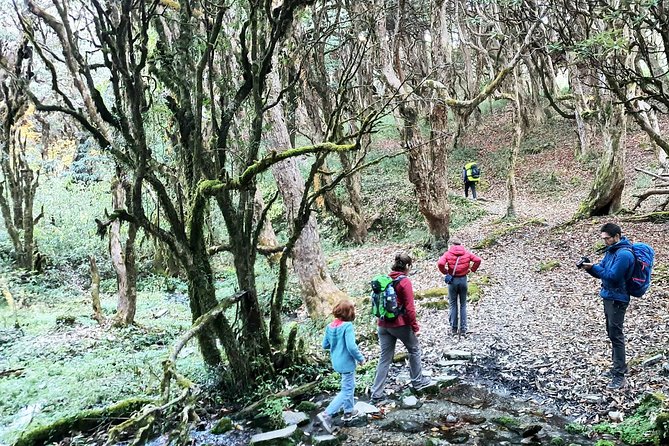
Best fit:
- You want big Himalayan views but prefer a route that feels calmer and more personal than mega-crowded trails.
- You care about community impact, not just summit photos.
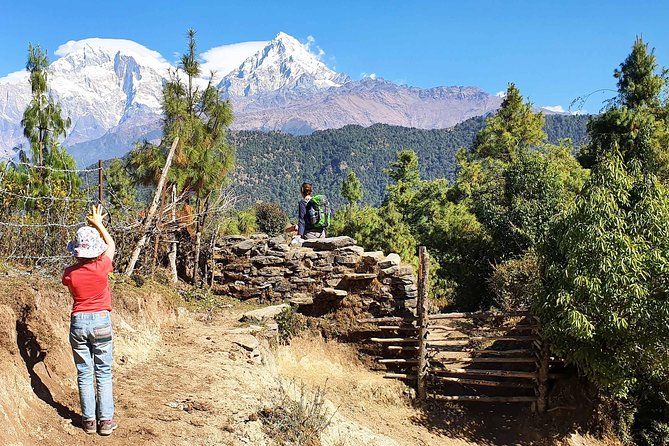
- You’re comfortable with multi-day walking that includes uneven stone paths and descents.
Considerations:
- You need to handle road travel before and after the trek. Kathmandu–Pokhara–Kathmandu are long drives.
- If you have joint issues or struggle with stone stair descents, tell the operator ahead of time. The program says they’ll assist with a better, easier route.
Should you book the Mohare Danda trek?
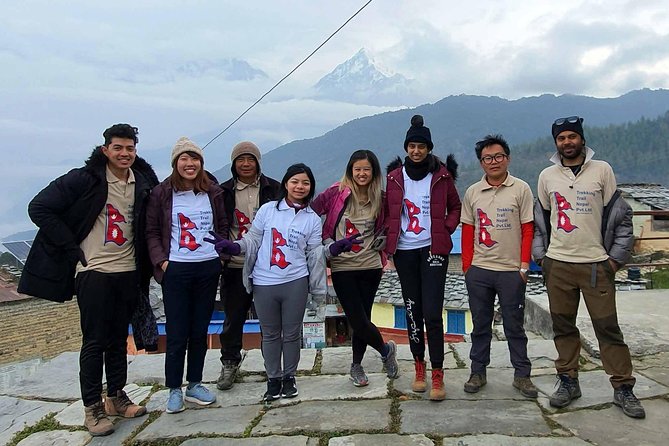
Yes, if your priorities match what this trek does well. Mohare Danda is a strong choice when you want wide Himalayan visibility potential (including Annapurna, Dhaulagiri, and Manaslu in the peak-view promise), plus the feeling that your spending connects to real village support.
I’d book it sooner rather than later if:
- you like the idea of staying in community lodges
- you value a guided, safety-minded trip with gear support for the high point
- you want a small-group feel (maximum 11 trekkers)
I’d think twice or plan extra carefully if:
- long road days exhaust you
- you have mobility limits that aren’t comfortable on stone stairs, unless you can coordinate the easier routing in advance
FAQ
FAQ
How many days is the Mohare Danda trek?
The Mohare Danda trek runs for 10 days approximately.
Where does the trek start and finish?
It starts in Kathmandu (with a stop in Thamel) and includes trekking that begins at Beni Bazaar. It finishes back in Kathmandu after driving from Pokhara, with an airport transfer on the last day.
What is included in the $799 price?
The price includes a trekking guide and porters (wages, insurance, and gear), permits and documentation, a certification of achievement after completion, a first aid medical kit and oxygen monitor, and sleeping bag/down jacket for Mohare Danda. It also includes ground transportation, a complimentary map, a short visit with entry fees for Baglung High Bridge, a complimentary trek duffle bag, and meals during the trek days (breakfasts, lunches, and dinners as listed).
What meals are included?
Breakfast is included 9 times, lunch 6 times, and dinner 5 times, based on the provided itinerary details.
Do I need my own cold-weather gear for Mohare Danda?
Not the full set. The program includes a sleeping bag and a down jacket for Mohare Danda.
How big is the group?
The experience has a maximum of 11 travelers.
Can I cancel for a full refund?
Yes. Cancellation is free up to 24 hours in advance for a full refund. After that window, refunds are not provided.
More Trekking Out of Kathmandu






More Tour Reviews in Kathmandu




Just Reviewed in Kathmandu
- Mountain Bike Tour
★ 5.0 · 3 reviews - Annapurna Panaroma
★ 5.0 · 3 reviews - Mount Everest Scenic Flight 50 Minutes
★ 5.0 · 3 reviews - Kathmandu : Swambhunath & Durbar Square Guided Half Day Tour
★ 3.3 · 3 reviews - Chandragiri Cable Car & Monkey Temple Tour – Private/Group
★ 5.0 · 3 reviews - Kathmandu: Shivapuri National Park Hiking Day Trip
★ 3.3 · 3 reviews
Hiking & Trekking, compared.
 ★ 5.0Everest Base Camp Trek – 14 DaysFrom $1,8001,499 reviews
 ★ 5.0Everest Base Camp TrekFrom $1,790842 reviews
 ★ 5.0Everest Base Camp TrekkingFrom $1,350485 reviews
 ★ 5.0Nagarkot Sunrise View and Day Hiking from KathmanduFrom $45471 reviews
 ★ 5.0Annapurna Circuit Trek with Tilicho LakeFrom $1,093368 reviews
 ★ 5.0Everest Base Camp Trekking – 13 DayFrom $1,399365 reviews
★ 5.0Everest Base Camp TrekFrom $1,445350 reviews
★ 5.0Everest Base Camp Trek -14 DaysFrom $1,420321 reviews