
Review · KATHMANDU UNESCO HERITAGE TOURS
Private Kathmandu UNESCO Heritage Sites with Narayanhiti Museum
Kathmandu can feel like a maze. This private UNESCO Heritage route gives you a clear plan, with an English- speaking driver and a licensed English guide doing the heavy lifting. I especially like the tight mix of major Hindu and Buddhist landmarks, and how the day is paced so you can actually enjoy the places instead of just sitting in traffic; one watch-out is that entrance fees and lunch are not included, so your final cost depends on what you pay at each site.
This is the kind of trip that makes sense if you want culture without the stress of bargaining for routes all day. You get a private vehicle for a full 7 to 8 hours, plus a mobile ticket approach that helps keep things straightforward. If you hate early starts or like roaming totally on your own, you may want to plan for a more fixed schedule than a DIY day.
In This Review
- Key highlights worth your time
- Why this UNESCO taxi route can beat DIY costs and stress
- Swayambhunath Monkey Temple: your fast valley orientation
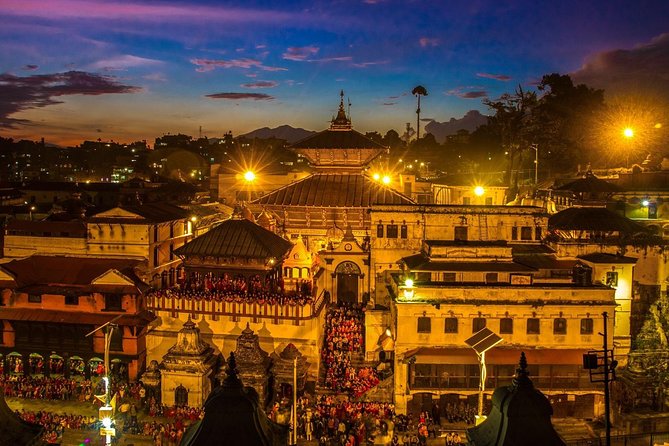
- Pashupatinath Temple on the riverbank: Hindu devotion you can’t fake
- Bouddhanath Buddha Stupa: Tibetan Buddhism and steely-eyed prayer
- Patan Durbar Square and Kathmandu Durbar Square: two old cities, one story
- Narayanhiti Palace Museum near Thamel: royal-era Kathmandu after the temples
- Price and time: what you’re paying for (and what to budget)
- How the private setup feels on the ground
- Tips to make the most of a 7 to 8 hour Kathmandu heritage day
- Who this tour suits best
- Should you book this Kathmandu UNESCO sites tour with Narayanhiti Palace Museum?
- FAQ
- How long is the Kathmandu UNESCO Heritage Sites tour with Narayanhiti Museum?
- What is included in the $75.00 per person price?
- Are entrance fees included?
- Is lunch included?
- Is pickup offered?
- Is this tour private?
- Do I get a mobile ticket?
- Are group discounts available?
- Is online payment available?
- What is the cancellation policy?
Key highlights worth your time
- A private taxi day: You move between major World Heritage stops without sorting out local transport.
- English guide support: An English-speaking licensed tour guide helps translate what you’re seeing.
- UNESCO focus with variety: Hindu temple rituals, Tibetan Buddhist stupa culture, and royal-site history in one loop.
- Great orientation view at Swayambhunath: Start with a high viewpoint over the Kathmandu Valley.
- Strong pacing for a long day: Each stop gets enough time to look around, not just glance.
- Narayanhiti Palace Museum near Thamel: A history stop that fits nicely after the temples.
Just your group, at your own pace
- Private Kathmandu Sightseeing Tour | UNESCO World Heritage sites★ 5.0 · 756 reviews
- Kathmandu: Full Day 7 UNESCO Tour with Lunch – Private/Group★ 5.0 · 415 reviews
- Private Bhaktapur and Nagarkot Day Tour From Kathmandu★ 5.0 · 305 reviews
- Kathmandu: Full Day Top 4 UNESCO Tour with Lunch – Private/Group★ 5.0 · 269 reviews
Why this UNESCO taxi route can beat DIY costs and stress
A full-day Kathmandu “heritage hunt” by taxi can get expensive fast, especially when you’re trying to stitch stops together and constantly renegotiate. This setup solves that by bundling private transportation with an English-speaking driver and a licensed guide, so you’re paying for time and planning instead of repeated meters and guesswork.
I like that the itinerary clusters the valley’s biggest names in a logical flow, so you’re not zigzagging all over town. The tour also runs about 7 to 8 hours, which is long enough to feel like a real cultural day, but short enough that you’re not stuck outdoors for ages in one stretch.
One consideration: the quoted price is not the full cost. Entrance fees are not included, and lunch is also extra, so it’s smart to budget for tickets plus a meal you actually want.
Swayambhunath Monkey Temple: your fast valley orientation
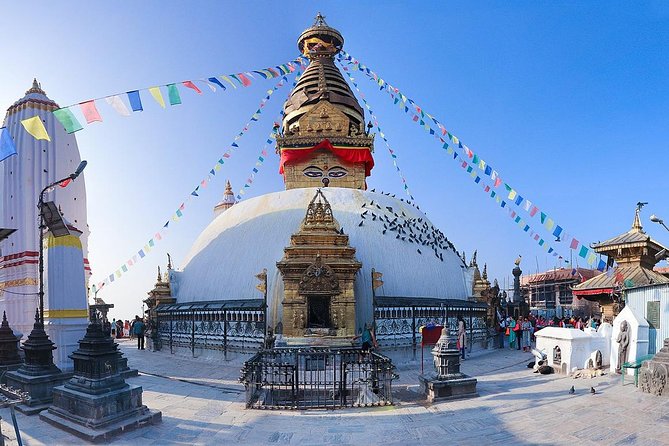
Most people remember Swayambhunath for one thing: the view. You’ll be looking out over the whole Kathmandu Valley, and that “wow” moment is exactly why this stop works as a starting point. It’s described as approximately 2600 years old, and it’s a Buddhist stupa that many visitors consider a must-do in Kathmandu.
There’s also a built-in atmosphere here. Swayambhunath is often known as the Monkey Temple, and that nickname isn’t just for fun. You’re likely to see lots of movement around the complex, plus visitors pausing for photos from multiple viewpoints as the city spreads out below.
Why I like placing this early: once you get your bearings from the heights, the rest of the day feels easier. Patan and Kathmandu Durbar Square make more sense, Pashupatinath feels less random, and Bouddhanath becomes a clear “Buddhist counterpart” in the valley story.
Practical heads-up: this is a temple complex where you’ll want comfortable shoes and patience for crowds on pathways.
Pashupatinath Temple on the riverbank: Hindu devotion you can’t fake
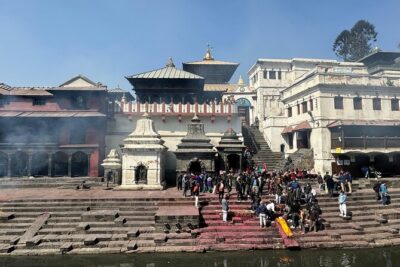
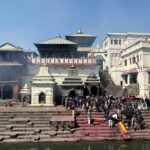
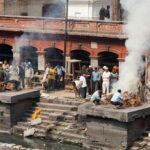
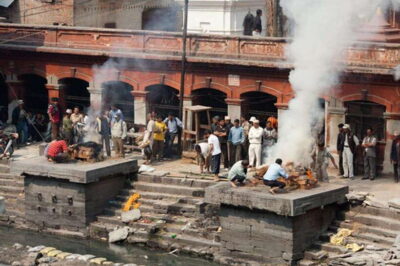
Pashupatinath is one of those places where the atmosphere does most of the talking. It’s a major Hindu temple, and the name is described as meaning the god of animal lives. The site welcomes millions of visitors every year, and you’ll feel that scale in the constant presence of devotees and activity.
What’s valuable here isn’t just architecture. It’s the lived religious setting. A licensed guide who can explain what you’re looking at helps you avoid the common trap of treating the temple like a museum. You’ll likely spend around an hour here, which is just long enough to take in the riverbank setting, notice details, and understand the significance of the space without feeling rushed.
One reality check: Pashupatinath is active and busy by nature. If you’re sensitive to crowds or uncomfortable around religious ceremonies, plan your mindset accordingly and give yourself a calm hour rather than expecting a quiet stroll.
Bouddhanath Buddha Stupa: Tibetan Buddhism and steely-eyed prayer
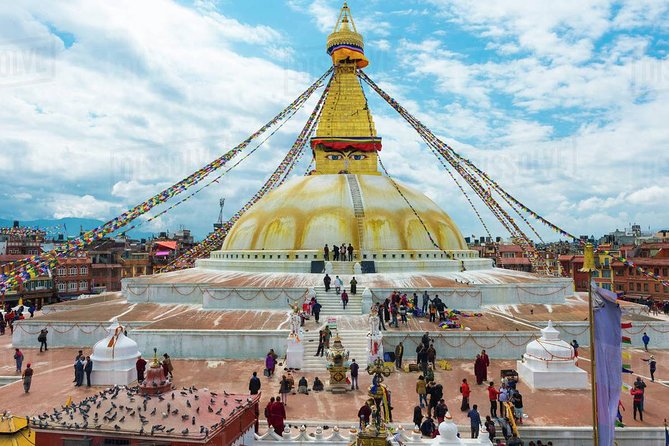
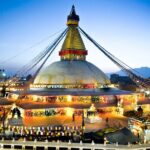
Bouddhanath (often called the Buddha Stupa) brings a totally different energy. The stupa is described as the god of wisdom, and it’s considered one of the largest stupas in the world. It’s also linked to Tibetan Buddhism, and the data notes it as a must visit for Tibetans.
There’s a detail that sticks: the shrine resembles Tibetan symbolism, and it’s commonly described with those steely Buddha eyes that seem to follow you. Whether you notice every carving or mostly feel the vibe, the scale of the stupa and the surrounding prayer culture is the point.
The stop is listed as about 1 hour, which is a good duration if you’re also doing other UNESCO sites the same day. You’ll get time to walk around, look closely, and still keep momentum for Patan and Kathmandu Durbar Square.
A useful way to experience it: watch how people move—some pause, some circle, some check small offerings. That rhythm helps you understand the place faster than reading alone.
Deeper into old Kathmandu
Patan Durbar Square and Kathmandu Durbar Square: two old cities, one story
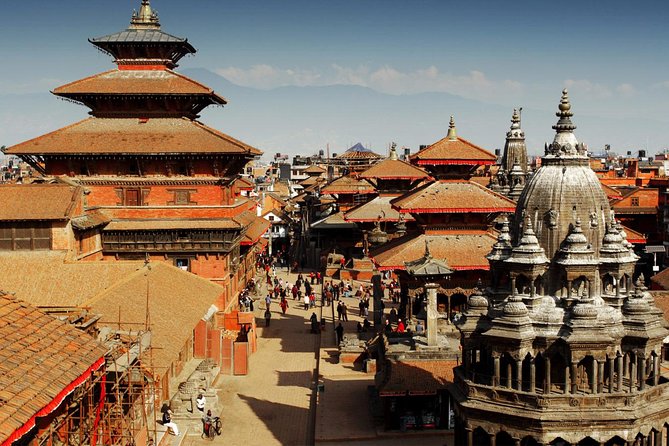
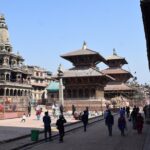
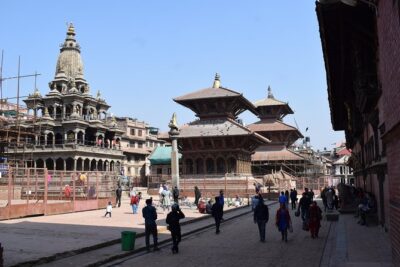
You’ll get two Durbar Square visits, and that’s where the day becomes more than a checklist. Patan Durbar Square is located in Lalitpur, and it’s described as a central point offering scenes and beauty. It’s also noted as a fusion of Buddhism and Hinduism, which is exactly what makes the valley’s heritage feel so interconnected.
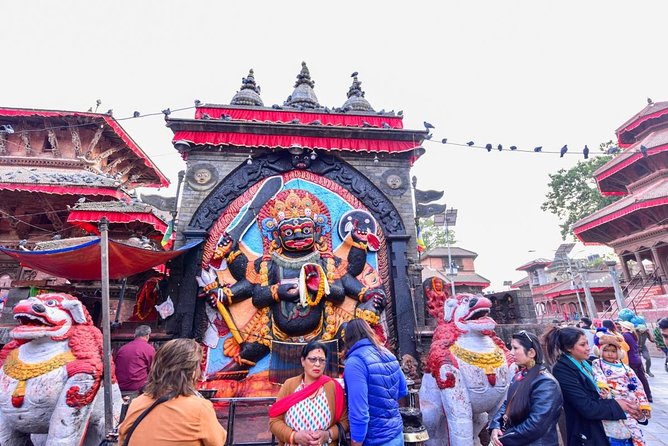
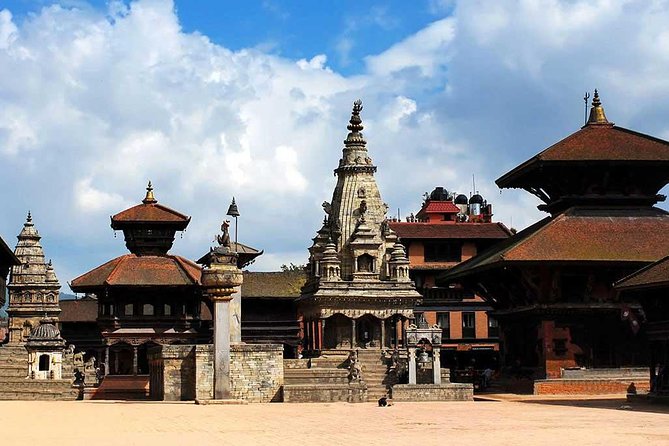
Then you’ll head to Kathmandu Durbar Square in the heart of old Kathmandu city. This one is surrounded by palaces, courtyards, and temples, and the reason it’s recommended is simple: it’s pleasant to visit because of its historical significance and the way the buildings frame the experience.
Why doing both matters: Patan and Kathmandu feel related but not identical. Switching between them helps you see how local artistry and religious influences show up in different ways across the valley.
Time reality check: each Durbar Square is about an hour (with Patan a bit longer at 1 hour 30 minutes). That’s enough for a solid look and a few key photo angles, but not enough for slow, deep wandering if you love architecture. If you’re the type who could spend hours in courtyards, consider adding extra time on a separate day—or keep expectations realistic and let your guide point out the most meaningful details.
Narayanhiti Palace Museum near Thamel: royal-era Kathmandu after the temples
Most heritage tours skip the “what happened next” layer. Narayanhiti Palace Museum is a nice counterbalance. It’s a public museum in Kathmandu, located east of the Kaiser Mahal and next to Thamel, and you’ll spend about 1 hour here.
Why this stop adds value: after temples and stupas, you get a shift toward historical context about power and everyday life around the palace complex. Even if you’re not a museum person, a palace museum in this location helps you understand why Kathmandu developed the way it did.
It also makes a practical difference. Being next to Thamel means you’re not ending your day in the middle of nowhere. Once your tour time is done, it’s easier to grab dinner and decompress in an area that’s built for visitors.
Price and time: what you’re paying for (and what to budget)
At $75.00 per person for roughly 7 to 8 hours, this is positioned as a value alternative to paying for multiple taxi trips around Kathmandu. You’re not just buying vehicle time—you’re buying coordination: private transportation, an English speaking driver, and an English speaking licensed tour guide.
That’s a big deal in places where signage, language, and site rules can slow you down. With a guide, you’ll spend less time asking basic questions and more time understanding what you’re seeing as you move.
Here’s the budget reality:
- Entrance fees are not included (so expect extra charges at UNESCO sites).
- Lunch is not included, so plan your own meal.
- Alcoholic and cold drinks are not included, which is normal but worth noting.
One tip inspired by real-world advice: if someone offers a lunch venue deal during the day, check the pricing first. If your goal is to protect your pocket, you may prefer choosing your own spot.
How the private setup feels on the ground
This is a private tour/activity, meaning only your group participates. That matters because you can ask questions without feeling like you’re interrupting a big crowd. It also tends to help with pacing—your guide can slow down for photo pauses or answer questions if something catches your attention.
The tour also offers pickup, and it includes an English-speaking licensed guide and an English-speaking driver. On the ground, that combo reduces stress fast: you don’t have to guess directions or interpret your own way through ticket lines.
There’s also a mobile ticket mentioned, which usually makes check-in simpler than printed paperwork. And one review note that payment can be handled online through GPay in INR, which is useful if you prefer not to juggle cash all day.
Tips to make the most of a 7 to 8 hour Kathmandu heritage day
Bring comfortable footwear. Temple stairs, uneven paths, and short walks between viewpoints add up, especially around Swayambhunath and the stupa areas.
Plan for a long day of stops, not “sit and watch.” Each location gets around an hour, so you’ll want to treat the day like active sightseeing: look, listen, move on.
Dress smart for temple visits. You’ll be in religious spaces with visitors and ongoing practice, so keep clothing respectful and avoid anything too casual. If you’re unsure, ask your guide right away.
Bring water, but know drinks might be extra. Alcohol and cold drinks are not included, and entrance fees aren’t either—so treat the tour price as the transportation-and-guidance base.
If you care about food value, decide your meal strategy before the day gets hectic. Lunch is not included, and one piece of practical advice is to be careful about lunch venues tied to the schedule.
Who this tour suits best
This tour is a great fit if you want a well-run “greatest hits” day across Kathmandu’s UNESCO sites, but you don’t want the mental load of arranging routes yourself. It also works well if you appreciate explanations—having an English-speaking licensed guide makes it easier to connect the symbols, architecture, and religious context.
It’s less ideal if you want total freedom to roam for hours, because the day is built around set stops with set time windows. If you’re traveling with someone who dislikes big crowds, choose quieter times if possible and be ready for busy temple areas.
Should you book this Kathmandu UNESCO sites tour with Narayanhiti Palace Museum?
I’d book it if you value three things: a clean plan, English guidance, and private transport that keeps you from wasting half your day sorting out logistics. For $75, the value comes from combining major UNESCO stops with a museum stop in one efficient loop, plus a guide who helps you understand what you’re looking at instead of just passing by.
Skip or rethink it if you want everything fully included. Because entrance fees and lunch are extra, your final spending will be higher than the base price. Also, if you’re the type who hates any structured timing, know that this is a scheduled heritage day.
If you’re choosing between a DIY taxi day and this guided private route, this one usually wins for comfort and clarity—especially if you’re visiting Kathmandu for the first time and want to make your time count.
FAQ
How long is the Kathmandu UNESCO Heritage Sites tour with Narayanhiti Museum?
The tour runs about 7 to 8 hours.
What is included in the $75.00 per person price?
It includes private transportation, an English-speaking driver, and an English-speaking licensed tour guide.
Are entrance fees included?
No. Entrance fees are not included.
Is lunch included?
No. Lunch is not included.
Is pickup offered?
Yes, pickup is offered.
Is this tour private?
Yes. It is a private tour/activity, and only your group participates.
Do I get a mobile ticket?
Yes. A mobile ticket is provided.
Are group discounts available?
Group discounts are mentioned as part of the offering.
Is online payment available?
One review notes that online payment through GPay in INR is accepted.
What is the cancellation policy?
Free cancellation is available up to 24 hours in advance for a full refund.
The Old Kathmandu, Properly Toured


Private Days, Your Group Only

More Tour Reviews in Kathmandu





Just Reviewed in Kathmandu
- Mountain Bike Tour
★ 5.0 · 3 reviews - Annapurna Panaroma
★ 5.0 · 3 reviews - Mount Everest Scenic Flight 50 Minutes
★ 5.0 · 3 reviews - Kathmandu : Swambhunath & Durbar Square Guided Half Day Tour
★ 3.3 · 3 reviews - Chandragiri Cable Car & Monkey Temple Tour – Private/Group
★ 5.0 · 3 reviews - Kathmandu: Shivapuri National Park Hiking Day Trip
★ 3.3 · 3 reviews
Kathmandu UNESCO Heritage Tours, compared.
 ★ 4.87 UNESCO Sites with LunchFrom $2744 reviews
 ★ 5.0Full Day 7 UNESCO Tour with Lunch – Private/GroupFrom $10415 reviews
 ★ 5.0Full Day Top 4 UNESCO Tour with Lunch – Private/GroupFrom $10269 reviews
 ★ 5.0UNESCO Seven World Heritage Tour in KathmanduFrom $180253 reviews
★ 4.9Full-Day 7 UNESCO Tour with Lunch – Private/GroupFrom $5247 reviews
 ★ 4.97 UNESCO Sites Tour in 1 Day (Private Tour)From $4204 reviews
 ★ 4.9Top 4 UNESCO Tour with Lunch – Private/GroupFrom $5181 reviews
 ★ 5.0Kathmandu Private Sightseeing Tour | UNESCO World Heritage SitesFrom $35109 reviews
Browse the lists this tour appears in