
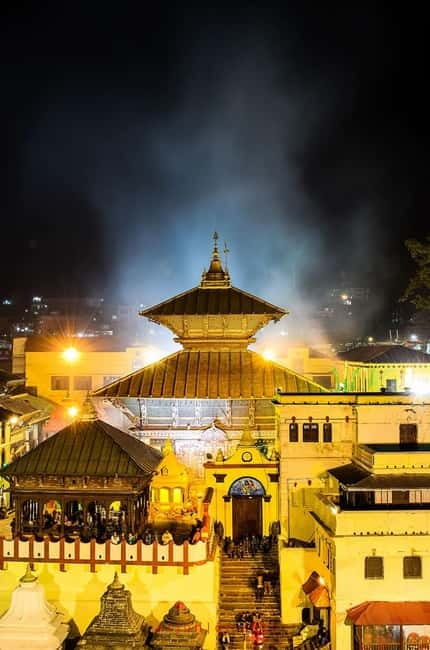
Review · PASHUPATINATH & BOUDHANATH TOURS
Sacred Pashupatinath: Aarati,Cremation Rites & Boudha Stupa
Two worlds of prayer in one Kathmandu afternoon.
This tour threads Boudhanath Stupa’s kora with Pashupatinath’s open-air cremation rites, guided by locals who explain what you’re seeing as you go. I like the way the day balances calm (Boudhanath) with raw devotion (Pashupatinath), so it feels real, not staged.
I also like that you don’t just stand around. You get a guide who keeps you oriented and explains the steps, including during the Aarati, and many guides for this route—like Razz, Pranav, Karma, Anish, and Sudhir—are praised for clear, practical explanations and good English.
One possible drawback: the cremation portion can hit emotionally hard. Come with respect and steady nerves, and skip this if you have respiratory issues or you’re traveling with kids under 12.
In This Review
- Key highlights
- Sacred Kathmandu in 2–5 Hours: What This Tour Really Gives
- Boudhanath Stupa Kora: Prayer Wheels, Flags, and a Measured Calm
- Around the Stupa: Photo Stops, Monastery Courtyards, and Where to Spend Time
- Pashupatinath Temple Complex: Shiva Energy and a Living Sacred Site
- Aarati Ceremony: Bells, Chants, and Finding Your Spot
- Cremation Rites at the Ghats: Respectful Watching and What the River Means
- Price and Real Costs: The $11 Ticket Plus Entry Fees
- How the Tour Flows: From Boudha to Pashupati Without the Chaos
- Who This Tour Fits Best (And Who Should Skip)
- Should You Book Sacred Pashupatinath, Aarati, Cremation Rites & Boudha Stupa?
- FAQ
- What is included in the Kathmandu Spiritual Day Tour?
- Are entry fees included?
- How long does the tour last?
- Is pickup available from my hotel?
- Where does the tour start?
- What languages are available for the live tour guide?
- Can I cancel for a full refund?
- Are there restrictions or health limits?
Key highlights
- Boudhanath kora: circumambulate the stupa and watch prayer wheels and colorful flags do their quiet work
- Aarati viewing time: your guide helps you find a good spot and explain each step
- Pashupatinath ghats: see cremation rituals along the Bagmati River with context, not shock
- Sound + light moments: chants, bells, and conch shells can fill the air as evening approaches
- Local market detours: shop near Boudha and catch an arts-and-crafts stop around Pashupatinath
- Short, guided route: a 2–5 hour plan that’s built for first-time visitors to Kathmandu
Not sure yet? Here are other Kathmandu tours worth a side-by-side look.
- Everest Base Camp Trek – 14 Days★ 5.0 · 1,499 reviews
- Everest Base Camp Trek★ 5.0 · 842 reviews
- Private Kathmandu Sightseeing Tour | UNESCO World Heritage sites★ 5.0 · 756 reviews
- Kathmandu: 7 UNESCO Sites with Lunch★ 4.8 · 744 reviews
Sacred Kathmandu in 2–5 Hours: What This Tour Really Gives
Kathmandu can feel like sensory overload fast. This tour gives you structure without turning the sites into a checklist. You’re in motion for a few hours, but you still get breathing room at both places—time to look, time to ask questions, and time to watch rituals unfold at a human pace.
The biggest value for you is context. At Boudhanath, it’s easy to see the stupa and miss the meaning behind all those symbols. At Pashupatinath, it’s easy to be overwhelmed—especially during the cremation rites—if no one explains what’s happening and why. A good guide changes the whole experience from watching to understanding.
The other value is focus. You’re not bouncing around the city for an all-day tour. This route hits two of Nepal’s most important spiritual landmarks, plus a bit of local-market time, in a timeframe that works even if you only have a half day.
Boudhanath Stupa Kora: Prayer Wheels, Flags, and a Measured Calm
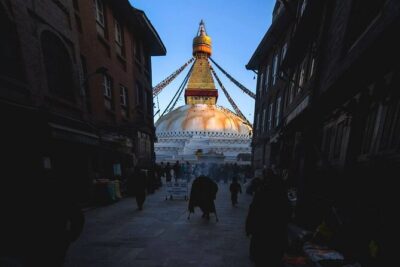
Boudhanath is huge and unmistakable. The massive white dome and golden spire dominate the area, and when you arrive, you’ll feel that shift into slower time. The standout moment here is the kora, the traditional circumambulation around the stupa, where pilgrims walk and spin prayer wheels in rhythm.
What I like is how easy it is to participate respectfully. Even if you’re not sure what every symbol means, your guide can point out the practical things—where people start, what pilgrims tend to do, and how the space works like a shared spiritual living room. And if you want a quiet pause, you may find chances to sit for a drink nearby while watching the stupa change with the light.
This stop is also a good place to get your bearings in Kathmandu’s spiritual landscape without it being heavy. The mood is reverent, yes, but it isn’t confrontational. You can observe, breathe, and get the feel of Tibetan Buddhist devotion in Nepal before you go to the more intense Hindu rituals at Pashupatinath.
Around the Stupa: Photo Stops, Monastery Courtyards, and Where to Spend Time
You’ll get at least about an hour at Boudhanath, with guided time plus room for your own wandering. That matters, because Boudhanath isn’t just the stupa itself—you’ll see monastery courtyards nearby, plus shops selling religious items and souvenirs.
There’s often a temptation to speed through for photos. I’d resist that. Spend a little time noticing details: prayer flags, small offerings, the way pilgrims move in steady loops. If you want photos, go for a few good ones early, then shift into watching mode. The stupa looks good from many angles, but your best photos usually come when you stop treating it like a backdrop.
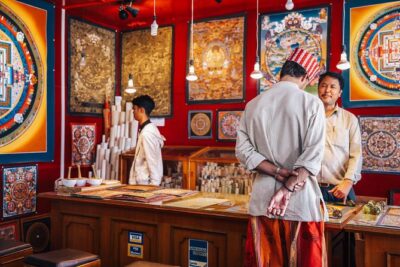
Market-wise, you’ll pass places selling artifacts and small spiritual goods. You can buy things if you want, but you don’t need to. The more useful approach is to browse with one goal: pick up something small and meaningful—or skip shopping entirely and just enjoy the atmosphere.
Pashupatinath Temple Complex: Shiva Energy and a Living Sacred Site
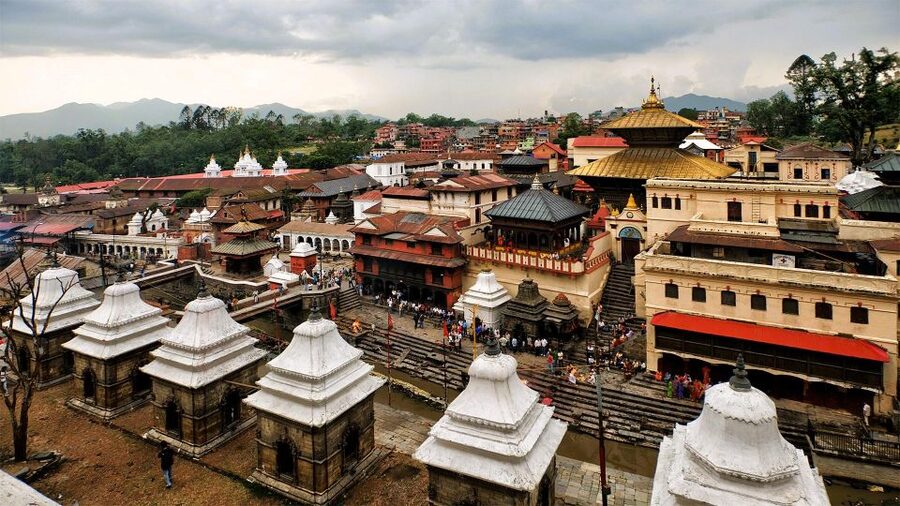
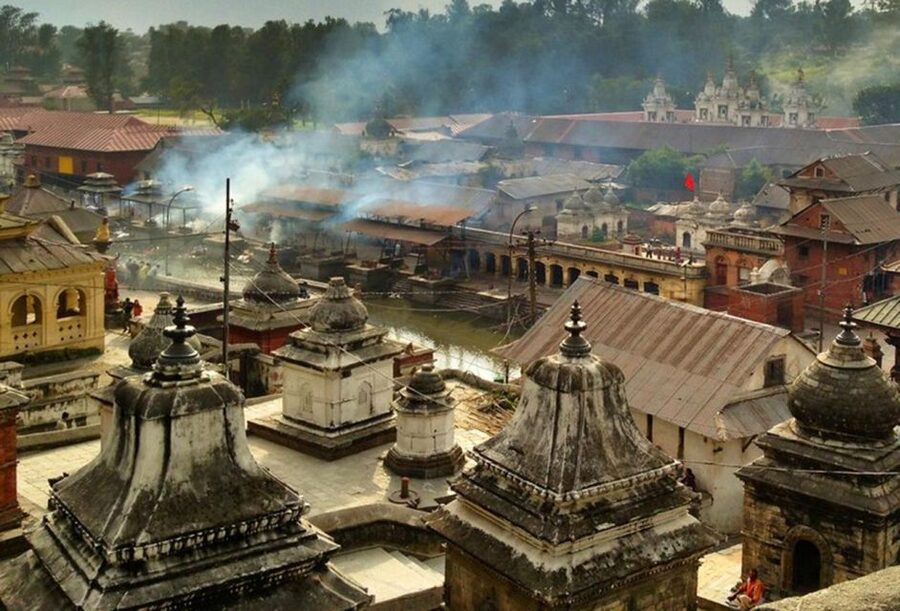
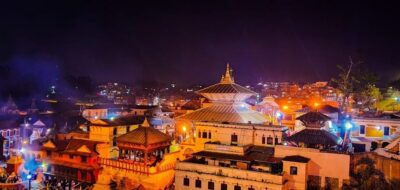
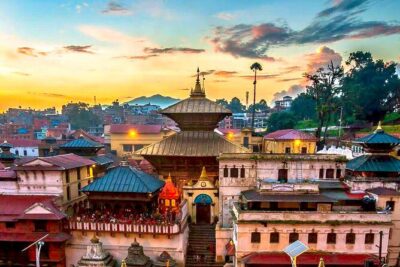
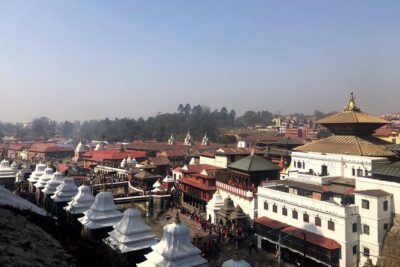
Then you move to Pashupatinath, the holiest Hindu shrine in Nepal and one of the most important Shiva temples in the world. The setting is dramatic: the temple complex sits on the Bagmati River, and it’s right there in the open—daily worship, daily processions, daily life meeting daily devotion.
You’ll explore the outer complex with your guide, since non-Hindus aren’t permitted inside the main sanctum. That still leaves a lot to see. You’ll get a guided walk through key architectural features, shrines, and statues that make the site feel ancient and active at the same time.
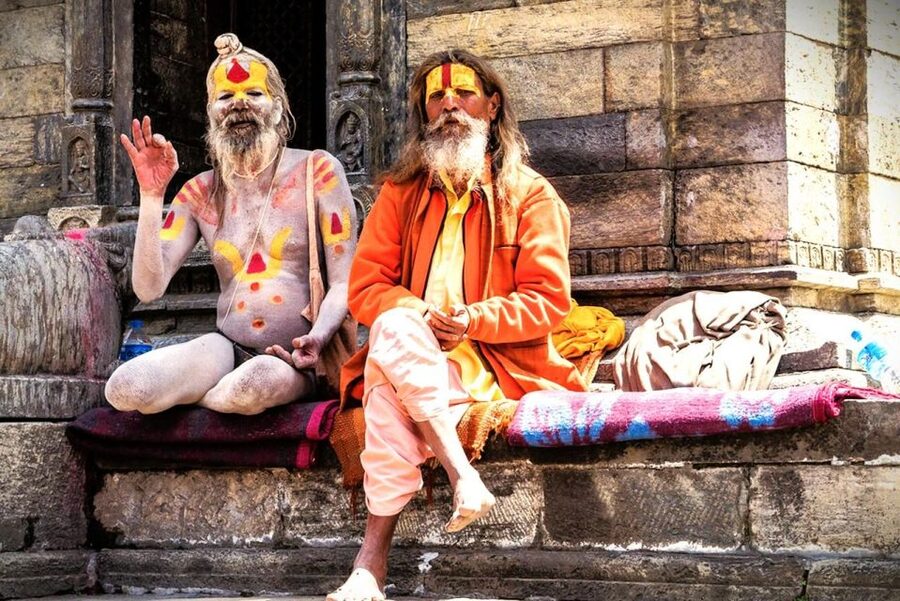
What makes Pashupatinath special for me is that it’s not a museum. The temple is a functioning spiritual hub. When the guide explains what you’re looking at—what different elements represent, why people come, what rituals aim to do—it stops feeling like you’re simply observing a spectacle.
The tour schedule also builds in photo stops and free time, including a chance for shopping in arts-and-crafts areas. Keep it short if you feel overwhelmed. Pashupatinath rewards attention, not speed.

Aarati Ceremony: Bells, Chants, and Finding Your Spot
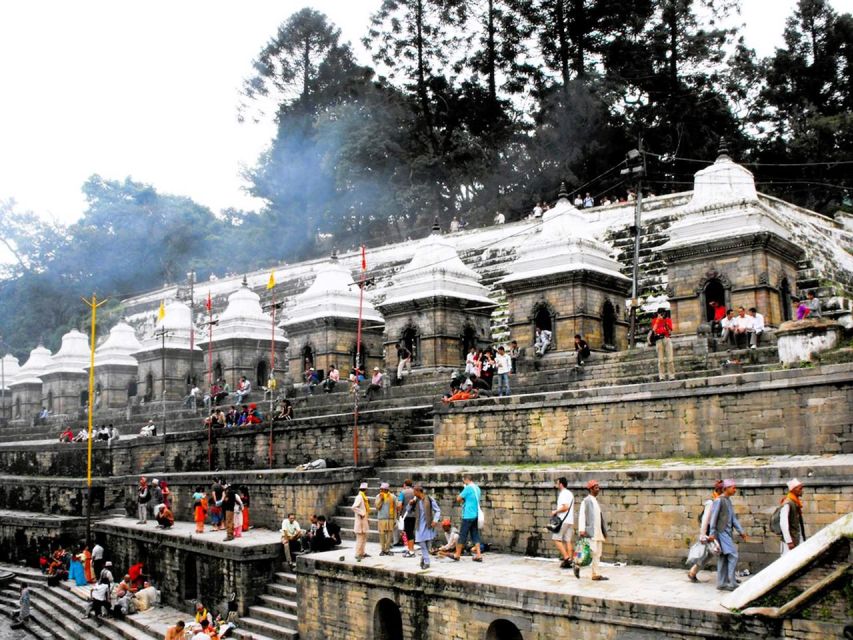
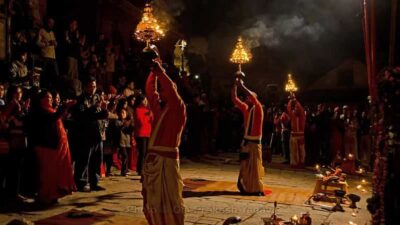
Aarati is the emotional highlight, and it’s also the part where your guide matters most. The Aarati ceremony involves chanting and ritual movement, with sound cues like bells and conch shells described as part of the evening atmosphere. The result can feel powerful, even if you’re not familiar with the religious background.
A practical tip: don’t chase the loudest spot. Ask your guide for a viewing position that keeps you clear of traffic and lets you actually see the steps. In many cases, guides like Pranav and Karma are praised for helping people get a good place to watch, then explaining each step so it doesn’t turn into noise.
If you’re sensitive to emotion, be honest with yourself. The Aarati and the rituals around it can bring up strong feelings. That’s normal. Your job is to stay respectful, watch what’s happening, and let the meaning land at your own pace.
Cremation Rites at the Ghats: Respectful Watching and What the River Means
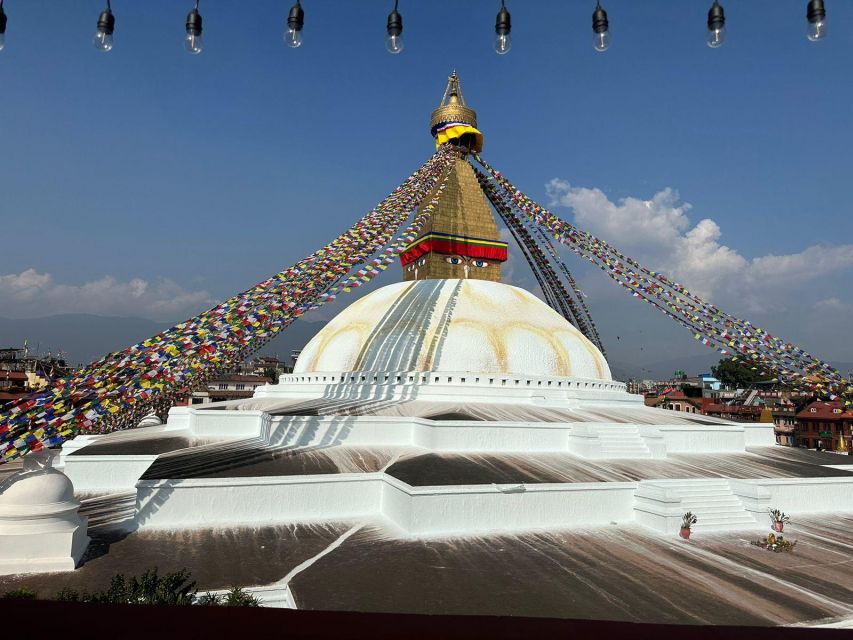
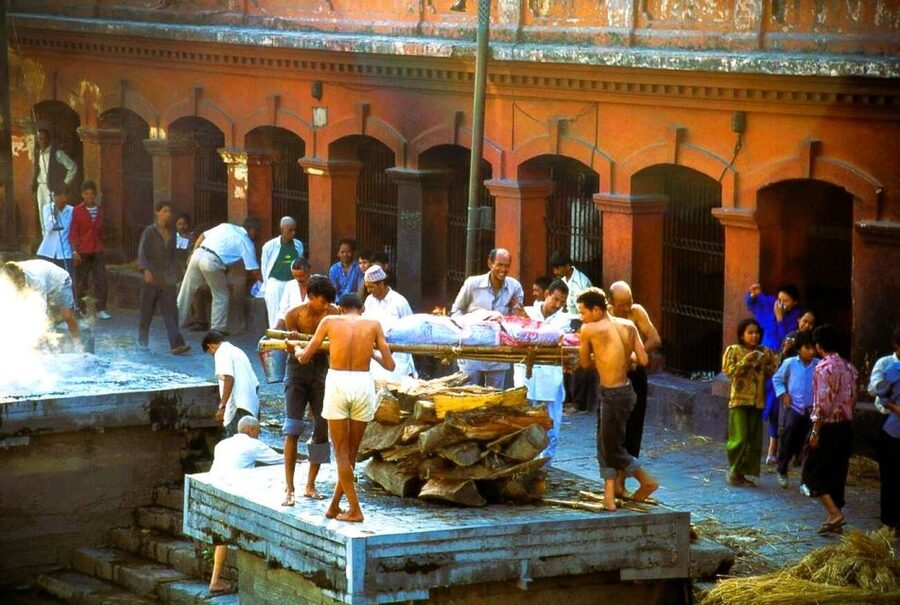
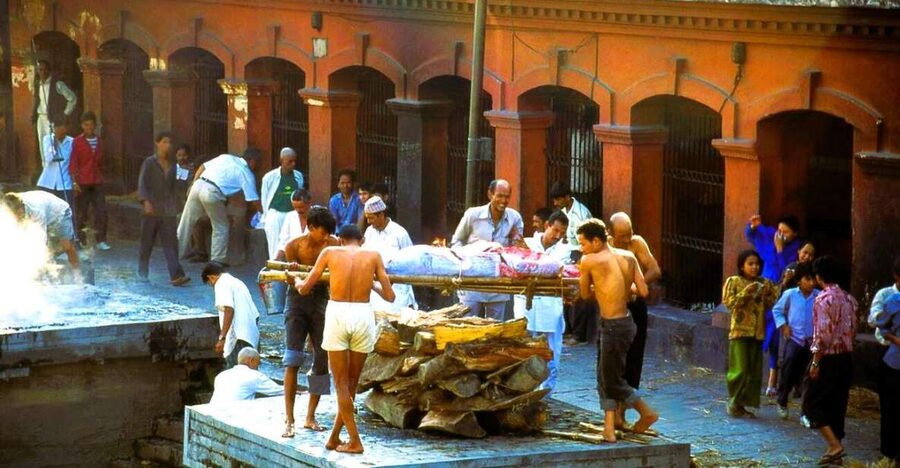
The most intense part is witnessing the cremation ceremonies along the river ghats at Pashupatinath. This is not horror-movie viewing. In Hindu belief, it’s a sacred process linked to life, death, and the soul’s transition. Still, it’s real and it’s public, and you should expect it to feel heavy.
Here’s why the guide earns their pay: cremation rituals here come with symbolic meaning. Your guide should explain the role of the sacred fire and how the river is viewed as part of cleansing and release. When that context is missing, the experience can feel like you’re staring at suffering without understanding.
Also, you may find that you can pause and stay to watch out of respect, as some guests noted. That’s something you can do if you feel steady. If you don’t, step back without feeling guilty. Respect is about behavior, not forcing yourself to watch every moment.
If you have respiratory issues, this tour may not suit you. The restrictions explicitly flag health concerns, and it makes sense. If you’re unsure, ask yourself how you usually handle smoke, strong odors, or crowded open-air settings.
Price and Real Costs: The $11 Ticket Plus Entry Fees
The listed price is $11 per person for a 2–5 hour experience. For Kathmandu’s major sites, that’s a fair starting point, especially because you’re not handling it all alone—you get a guide, guided time at both sacred places, and help making the schedule work.
The main extra cost is entry fees, which are not included:
- NRs 1000 at Pashupatinath Temple
- NRs 400 at Boudhanath Stupa
So, if you’re seeing both sites and both fees apply, plan for a total entry cost of NRs 1400 on top of the $11. Food and drinks are not included either, so budget for water and a drink if you take a break at Boudha.
One more practical reality: transport. Hotel pickup and drop-off can be optional depending on your selected option, and you may need to manage transport on your own. If you want less hassle, ask the agency about arranging transport at a reasonable rate.
How the Tour Flows: From Boudha to Pashupati Without the Chaos
The pacing is built around two blocks of guided time. First, you start at Boudhanath with roughly an hour for guided sightseeing plus time for photos, breaks, and a walk around the stupa area. You’ll also get scenic views on the way, which is helpful because you’re not just staring at one location the whole time.
Next comes Pashupatinath. You get another focused hour that blends guided exploration, a bit of free time, and shopping stops—especially around arts and crafts areas. After that, there are drop-off points in Kathmandu and Thamel.
Meeting point detail matters here. Your guide meets you at the ticket counter at Pashupatinath Temple and takes you for the tour and Aarati. If you choose the pickup option, you’ll still be guided through, but for logistics you should confirm where your guide expects to meet you based on your hotel and chosen option.
The tour also mentions skip-the-ticket-line benefits. For a short day like this, that can save time and reduce stress.
Who This Tour Fits Best (And Who Should Skip)
This tour suits you if:
- You want a fast, guided introduction to Kathmandu’s biggest spiritual landmarks
- You like cultural context, not just photos
- You can handle emotionally intense moments with respect
It might not fit you if:
- You’re traveling with children under 12
- You have respiratory issues
- You don’t feel comfortable with open-air cremation ceremonies
- You need lots of quiet time alone (this is a guided, moving experience)
I’d also add a practical “comfort” check. The tour requires you to follow site rules: no large bags, no drones, no alcohol or drugs, and no nudity. If you travel light, you’ll feel more relaxed.
Should You Book Sacred Pashupatinath, Aarati, Cremation Rites & Boudha Stupa?
If your Kathmandu plan includes both Boudhanath and Pashupatinath, this is an efficient way to see them with guidance. The $11 base price is attractive, but the real value is understanding—how the guide explains symbols at Boudha and ritual meaning at Pashupatinath, especially during Aarati and the cremation rites.
Book it if you want the spiritual heart of the city and you’re ready for the real emotional weight of the ghats. Consider skipping if you know the cremation portion will be too much for you, or if you have health concerns like respiratory issues.
One last tip: don’t rush your questions. Ask what something means while you’re standing in front of it. That’s when it clicks.
FAQ
What is included in the Kathmandu Spiritual Day Tour?
It includes guided visiting at Boudhanath Stupa and guided visiting at Pashupatinath Temple with the Aarati, plus the chance to witness Hindu cremation rituals at Pashupatinath with a guide. It can also include hotel pickup and drop-off (depending on your selected option) and time to explore nearby local markets near Boudhanath.
Are entry fees included?
No. Entry fees are not included for both UNESCO World Heritage sites. The listed entry fees are NRs 1000 at Pashupatinath Temple and NRs 400 at Boudha Stupa.
How long does the tour last?
The duration is listed as 2 to 5 hours, depending on the available starting time and how your day fits.
Is pickup available from my hotel?
Pickup and drop-off are listed as optional. If your option includes pickup, your guide will pick you up from your hotel and accompany you throughout the tour and Aarati ceremony.
Where does the tour start?
Your guide meets you at the ticket counter of Pashupatinath Temple and takes you for the tour and Aarati.
What languages are available for the live tour guide?
The live tour guide is listed as available in English, Chinese, Hindi, and Russian.
Can I cancel for a full refund?
Yes. Free cancellation is listed up to 24 hours in advance for a full refund.
Are there restrictions or health limits?
Yes. You’re told not to bring luggage or large bags, and drones are not allowed. Alcohol and drugs are not allowed, and nudity is not allowed. The tour is not suitable for children under 12 and people with respiratory issues. You should also bring a passport or ID card (a copy is accepted).
More Tour Reviews in Kathmandu


Just Reviewed in Kathmandu
- Mountain Bike Tour
★ 5.0 · 3 reviews - Annapurna Panaroma
★ 5.0 · 3 reviews - Mount Everest Scenic Flight 50 Minutes
★ 5.0 · 3 reviews - Kathmandu : Swambhunath & Durbar Square Guided Half Day Tour
★ 3.3 · 3 reviews - Chandragiri Cable Car & Monkey Temple Tour – Private/Group
★ 5.0 · 3 reviews - Kathmandu: Shivapuri National Park Hiking Day Trip
★ 3.3 · 3 reviews
Pashupatinath & Boudhanath Tours, compared.
 ★ 5.0Kathmandu Spiritual Sites: Bodhnath & Pashupatinath TourFrom $60185 reviews
 ★ 5.0Pashupatinath Temple Evening Aarati TourFrom $4536 reviews
 ★ 4.8Pashupatinath Temple Aarti Night TourFrom $7129 reviews
 ★ 5.0Pashupatinath Temple, Hindu Crematorium and Aarati in-depth TourFrom $9025 reviews
 ★ 4.5Pashupatinath Evening Aarati: Few Divinely Hours in KathmanduFrom $3523 reviews
 ★ 5.0PashupatiNath and BoudhaNath – Private/Small GroupFrom $1518 reviews
★ 4.7Pashupatinath Temple Evening Aarati TourFrom $2211 reviews
★ 5.0PashupatiNath and BoudhaNath – Private/Small GroupFrom $1518 reviews
★ 4.7Pashupatinath Temple Evening Aarati TourFrom $2211 reviews
 ★ 5.0Kathmandu City in One Day with Bodhnath StupaFrom $9510 reviews
Browse the lists this tour appears in