
Review · PASHUPATINATH & BOUDHANATH TOURS
Pashupatinath Evening Aarati: Few Divinely Hours in Kathmandu
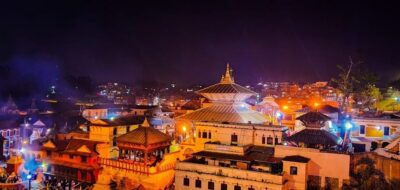
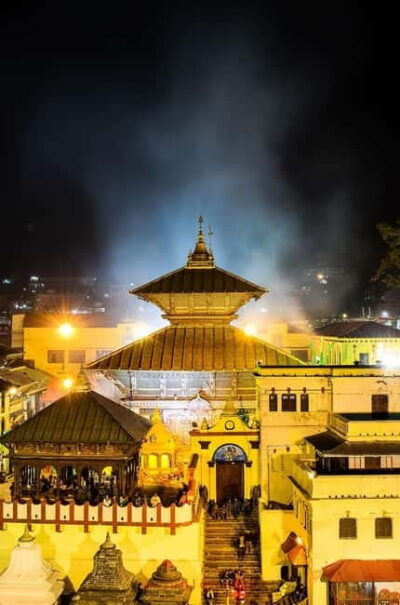
Kathmandu glows at 6 PM. The Pashupatinath evening Aarati is one of those moments where religion isn’t theory or museum-style watching. It’s a living ceremony with priests, devotional singing, light offerings, and a crowd that gathers with clear purpose.
I especially like the way this trip is built for timing: hotel pickup lands you in the area before the ceremony ramps up, then you get an easy, guided walk that explains what you’re seeing. I also like that the experience is short enough to fit real sightseeing days, without turning into an all-day slog.
One thing to consider: you’re watching an hour that matters most near the start, so arriving for good viewing can be the difference between comfortable watching and wishing you’d gotten there earlier. Also, the tour price doesn’t cover entry fees to the Pashupati premises, even though the overall temple admission may be free in some cases.
In This Review
- Key things to know before you go
- Timing Matters: The 6 PM Aarati Window
- Hotel Pickup and a Comfortable Ride Through Kathmandu
- Pashupatinath at Dusk: Why This Temple Feels Different
- The Bagmati River and Cremation Viewing: A Reality Check
- How the Aarati Pooja Works: Light, Incense, Bhajans, and Shiva
- Viewing Comfort: The Spot Question for an Hour-Long Ceremony
- Your Guide Makes or Breaks It
- Price and Value: Is $35 Worth It?
- Who Should Book This Evening Aarati Tour?
- Should You Book This Pashupatinath Evening Aarati?
- FAQ
- What time does the Pashupatinath evening Aarati usually start?
- How long is the tour?
- Do you offer hotel pickup in Kathmandu?
- Is transportation included?
- Is entry to the Pashupatinath temple premises included?
- What does the tour include besides the Aarati at Pashupatinath?
- Is a ticket provided digitally?
- How does confirmation work after booking?
- Can I cancel and get a full refund?
- Is this experience suitable for most people?
Key things to know before you go
- Evening timing (around 6 to 7 PM): the ceremony is seasonal and runs for about an hour, so plan around the start time.
- Hotel pickup in the late afternoon: your driver and guide meet you between 4:30 and 5:30 PM.
- Bagmati River cremation ceremony viewing: you’ll see real funeral practices on the riverbank, which can be emotionally intense.
- Pashupatinath Temple is central: the Aarati is dedicated to Lord Shiva, with priests leading offerings and chanting.
- A guide who translates the ritual: people like Mani, Amber, and Mahesh Ji are mentioned for explaining what’s happening in clear detail.
- Short tour, big cultural payoff: expect roughly 2 to 4 hours total.
Other ways into a Kathmandu evening
- 3 Nights 4 Days Chitwan National Park with Tower Night Stay★ 5.0 · 41 reviews
- 3 night 4 Day Yoga & Ayurveda Retreat to Detox the Body & Mind, Nepal★ 5.0 · 37 reviews
- Kathmandu: Pashupatinath Temple Evening Aarati Tour★ 5.0 · 36 reviews
- Kathmandu: Pashupatinath Temple Aarti Night Tour★ 4.8 · 29 reviews
Timing Matters: The 6 PM Aarati Window
This is an evening ritual, not a daytime temple stop. The Aarati Pooja begins around 6:00 PM to 7:00 PM depending on the season, and it typically lasts about an hour. That timing is the whole point: the ceremony has meaning in motion, and the chanting and offerings are paced for the evening crowd.
I like that the schedule is straightforward. You’re not spending the entire evening walking through sites that are half-alive. Instead, you’re centered on the moment when incense, light, and devotion come together at Pashupatinath.
A practical note: because the ceremony’s significance is tied to the start time, you don’t want to show up late. If you care about sitting comfortably or having a clear view, get there early with your group and let the guide handle the flow.
Hotel Pickup and a Comfortable Ride Through Kathmandu
The smooth part of this outing is how it gets you there without stress. You can get pickup from your hotel, with the meeting time usually between 4:30 and 5:30 PM. Then you’re taken to the temple area in an air-conditioned vehicle.
That matters because Kathmandu evenings can get busy, and you’re working against darkness and crowd flow. When a tour handles transportation and timing, you can focus on the experience rather than solving logistics on the spot.
You’ll also get a mobile ticket, which is one less thing to manage. It’s a small detail, but it helps when you’re juggling a meeting time, a temple crowd, and the desire to stay relaxed.
Pashupatinath at Dusk: Why This Temple Feels Different
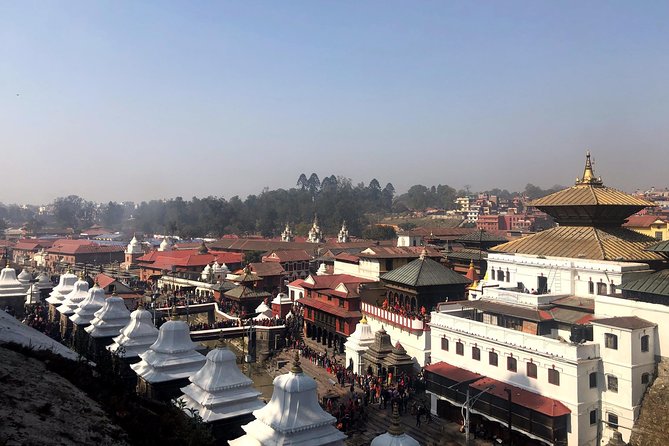
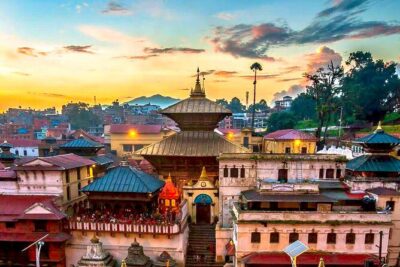
Pashupatinath is Nepal’s best-known Shiva temple. Even if you’ve never followed Hindu rituals closely, the setting gives you context right away: this is a place where worship is woven into daily life and public space.
At dusk, the temple grounds feel active in a way that daytime sightseeing usually can’t match. Devotees gather, priests lead ceremonies, and devotional singing carries through the crowd. The atmosphere isn’t just scenic. It’s functional.
Also, this is not only about the building. Your visit includes observing the surrounding sacred area and monuments nearby. That helps you understand that Pashupatinath operates like a religious ecosystem, not a single landmark you snap and move on.
The Bagmati River and Cremation Viewing: A Reality Check
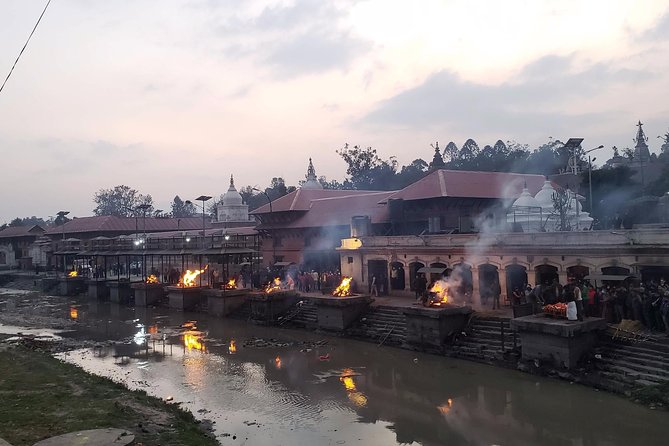
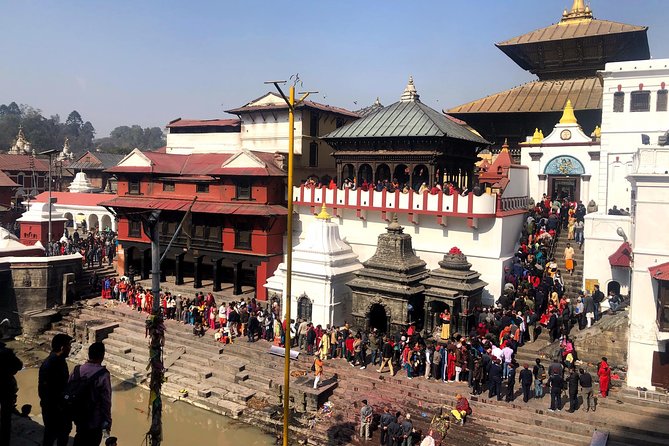
One of the most powerful parts of the evening is watching cremation activity along the Bagmati River. This is not a reenactment or a staged performance. You’re observing an aspect of Hindu funeral practice that happens in public view.
That can be emotionally heavy, even if you’re a curious traveler who likes learning about other cultures. I’d go in with a calm mindset. Treat this as a moment of respect and learning, not entertainment.
The good news is that this tour doesn’t leave you guessing. With a guide, you’re more likely to understand what you’re looking at and why the ceremony is conducted the way it is. That turns a potentially confusing scene into something meaningful.
If you’re the type who gets overwhelmed by death-related rituals, consider whether you can handle that kind of viewing. The ceremony can be moving, but it’s also intense.



How the Aarati Pooja Works: Light, Incense, Bhajans, and Shiva
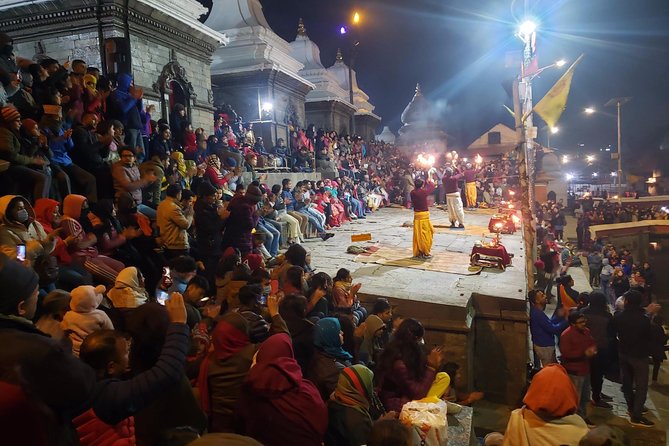
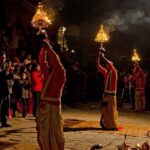
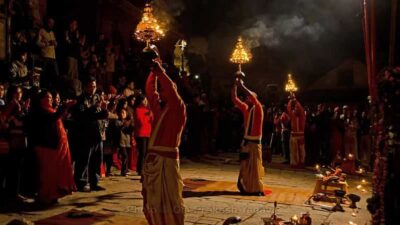
The Aarati Pooja is a closing ritual for the day in this setting. The ceremony offers light, flowers, incense, and other objects to Lord Shiva, the deity the temple honors. The priests lead the ritual, while bhajana (devotional songs) fills the space with rhythm and communal focus.
Here’s what makes this special: you’re seeing symbolism in real time. You can watch offerings being presented and hear devotional chanting. It’s not an abstract idea about worship. It’s a structured sequence with sounds, objects, and roles.
Your guide’s job is to connect the dots so you’re not just watching movements. When the ritual makes sense, it becomes easier to appreciate the intention behind it, even if you’re not fluent in the religious language.
And yes, it’s a crowd experience. Hundreds of devotees join in. The energy isn’t chaotic; it’s organized around the ceremony flow, which makes it easier to follow once you understand the basics.
Viewing Comfort: The Spot Question for an Hour-Long Ceremony
The ceremony lasts about an hour, and that’s long enough to require patience. One review-related theme you should take seriously: if you want a better view or to sit comfortably, arriving early helps.
Even if you can’t control where people stand, you can control your pace. Let your group arrive with time, then settle instead of constantly shuffling. If you keep moving, you’ll miss the parts that matter, like when offerings begin and bhajans pick up.
Comfort-wise, think practical. You’re outside for an evening ritual, so wear shoes that work on uneven ground and bring layers if Kathmandu feels cool where you’ll be waiting.
Your Guide Makes or Breaks It
This kind of ceremony can go one of two ways: you either understand what you’re seeing, or you’re just observing the surface. The strongest versions of this tour focus on explanation, and guides like Mani and Amber (and Mahesh Ji) come up as examples of people who talk through details and keep things understandable.
What that means for you: you’ll get context about Shiva, what the offerings represent, and how Hindu rituals connect to everyday life. A good guide also helps you navigate crowd movement so you spend less time worrying where to stand and more time learning what’s happening.
If you’re the kind of traveler who likes questions, this is a good match. Ask what certain objects are for, or what the bhajana is signaling. When the guide can translate the ceremony, the experience becomes personal.
Price and Value: Is $35 Worth It?
At $35 per person, this tour sits in the affordable range for Kathmandu evening activities. It’s not just the temple visit. You’re also getting pickup, an air-conditioned vehicle, and guided interpretation during a high-meaning ritual.
The value equation is simple:
- You’re paying for timing support (pickup before the ceremony).
- You’re paying for context (the guide explains what’s happening).
- You’re paying for transport (vehicle included).
What’s not included is entry fee to the Pashupati Temple premises. At the same time, the experience notes admission ticket as free in some contexts, so there may be situations where no additional ticket is needed. To avoid surprises, plan on the possibility of a small fee and keep some cash on hand.
Also note the tour offers group discounts and uses a mobile ticket. Those details matter when you’re traveling with friends or trying to reduce hassle.
Duration is listed as 2 to 4 hours, which helps the cost feel reasonable. You’re not paying all day for a short window. You’re mostly paying for the part that only happens in the evening.
Who Should Book This Evening Aarati Tour?
This tour is a strong fit if you want cultural depth, not just sightseeing. If you enjoy understanding how living religions shape public life, you’ll likely find the ritual worth your attention.
It’s also a good choice if you like a guided experience where someone helps you interpret what you’re seeing. The ceremony involves symbols, roles, and chanting. That’s easier with explanation.
You might think twice if you’re sensitive to death-related rituals. Watching cremation practices by a river can be intense, even when you approach with respect. If that’s a concern, consider whether you’ll be comfortable during the river portion.
Most people can participate, and the experience runs with a manageable time window. That makes it easier to plug into a Kathmandu itinerary without burning your whole day.
Should You Book This Pashupatinath Evening Aarati?
I think you should book this if you want a real evening ritual in Kathmandu that connects temple worship with the living cultural reality around it. The ceremony is structured, the timing is purposeful, and the guide support can turn confusion into understanding.
Don’t book it if you’re looking for a purely scenic temple stroll or you know you’ll struggle with the cremation viewing component. This is a serious cultural and religious experience, not a performance staged for visitors.
If you do book, go with respect, arrive on time, and let your guide do the heavy lifting on context. That’s the difference between watching an event and actually understanding it.
FAQ
What time does the Pashupatinath evening Aarati usually start?
The Aarati typically starts around 6:00 PM to 7:00 PM depending on the season.
How long is the tour?
The experience runs about 2 to 4 hours, approximately.
Do you offer hotel pickup in Kathmandu?
Yes. Your guide and driver meet you at your hotel between 4:30 PM and 5:30 PM.
Is transportation included?
Yes. The tour includes an air-conditioned vehicle.
Is entry to the Pashupatinath temple premises included?
The tour states that entry fee to the Pashupati Temple premises is not included, even though admission is listed as free in the temple portion. You should plan for the possibility of a fee.
What does the tour include besides the Aarati at Pashupatinath?
You also observe the cremation ceremony on the Bagmati River and visit other monuments in the surrounding area.
Is a ticket provided digitally?
Yes. A mobile ticket is included.
How does confirmation work after booking?
Confirmation is received at the time of booking.
Can I cancel and get a full refund?
Yes. You can cancel for a full refund if you cancel at least 24 hours before the experience’s start time.
Is this experience suitable for most people?
The experience information says most travelers can participate.
When the Lights Come On




More Tour Reviews in Kathmandu



Just Reviewed in Kathmandu
- Mountain Bike Tour
★ 5.0 · 3 reviews - Annapurna Panaroma
★ 5.0 · 3 reviews - Mount Everest Scenic Flight 50 Minutes
★ 5.0 · 3 reviews - Kathmandu : Swambhunath & Durbar Square Guided Half Day Tour
★ 3.3 · 3 reviews - Chandragiri Cable Car & Monkey Temple Tour – Private/Group
★ 5.0 · 3 reviews - Kathmandu: Shivapuri National Park Hiking Day Trip
★ 3.3 · 3 reviews
Pashupatinath & Boudhanath Tours, compared.
 ★ 5.0Kathmandu Spiritual Sites: Bodhnath & Pashupatinath TourFrom $60185 reviews
 ★ 5.0Pashupatinath Temple Evening Aarati TourFrom $4536 reviews
 ★ 4.8Pashupatinath Temple Aarti Night TourFrom $7129 reviews
 ★ 5.0Pashupatinath Temple, Hindu Crematorium and Aarati in-depth TourFrom $9025 reviews
 ★ 5.0PashupatiNath and BoudhaNath – Private/Small GroupFrom $1518 reviews
 ★ 5.0Sacred Pashupatinath: Aarati,Cremation Rites & Boudha StupaFrom $1118 reviews
★ 4.7Pashupatinath Temple Evening Aarati TourFrom $2211 reviews
★ 5.0Sacred Pashupatinath: Aarati,Cremation Rites & Boudha StupaFrom $1118 reviews
★ 4.7Pashupatinath Temple Evening Aarati TourFrom $2211 reviews
 ★ 5.0Kathmandu City in One Day with Bodhnath StupaFrom $9510 reviews
Browse the lists this tour appears in