
Review · PASHUPATINATH & BOUDHANATH TOURS
Kathmandu Spiritual Sites: Bodhnath & Pashupatinath Tour
Two religions, one evening, and real crowd energy. The Kathmandu Spiritual Sites: Bodhnath & Pashupatinath Tour stacks prayer wheels at Boudhanath with the aarti at Pashupatinath, so you see Buddhism and Hinduism in action fast. I like the small-group feel (max 12) and the fact that you use public transport for a more local rhythm. One watch-out: this is not a quiet stroll—there’s respectful viewing near cremations, and you’ll do some walking in a busy, sometimes chaotic flow.
This is a practical half-day plan starting at 3:00 pm from Hotel Marshyangdi in Thamel, finishing back where you started. You’ll spend about 1 hour 25 minutes at Boudhanath and about 2 hours 20 minutes at Pashupatinath, with a bit of transition time in between.
You’ll be with a local English-speaking Nepali guide, and guides I’ve seen associated with this route include Rita, Rozit, Amit, Subash, Bipin, and Ramhavi. I love that their role is not just talking points—they help you keep your bearings in the crowds so the experience stays meaningful instead of stressful.
In This Review
- Key Things to Know Before You Go
- Half-Day Spiritual Sprints: What the 3pm Route Feels Like
- Boudhanath Stupa: Prayer Wheels, Butter Lamps, and Tibetan Devotion
- The Walk to Pashupatinath: Shiva, Sadhu Clothing, and Bagmati River Reality
- Evening Aarti at Pashupatinath: The Lights Ritual You’ll Actually Remember
- Transport, Walking, and a Max-12 Group That Doesn’t Slow You Down
- Price and Value: Is $60.56 Worth a Spiritual Evening?
- What to Expect at Each Stop (So You Don’t Feel Rushed)
- Who Should Book This Tour (and Who Should Skip It)
- FAQ
- How long is the Kathmandu Spiritual Sites tour?
- What time does the tour start?
- Which two UNESCO World Heritage sites are included?
- Is entrance included?
- Is the tour group small?
- Is palm reading included in the price?
- Can I take photos during the cremations near the Bagmati River?
- Should You Book This Kathmandu Spiritual Sites Tour?
Key Things to Know Before You Go
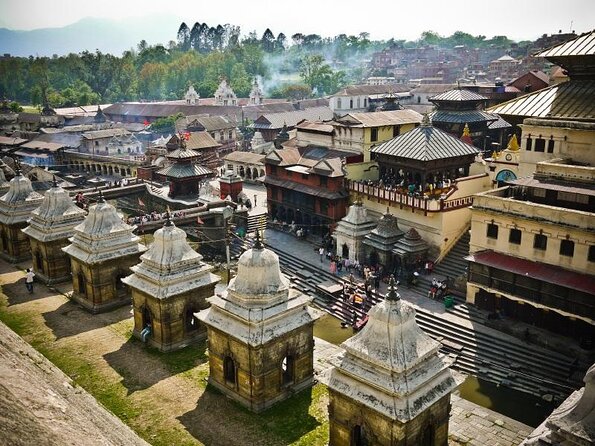
- Two UNESCO sites, one tight route: Boudhanath Stupa first, then Pashupatinath Temple for the evening ritual.
- Evening timing matters: Pashupatinath’s light offering ramps up as the sun goes down, which changes the whole atmosphere.
- Public transport equals local pace: You’ll feel Kathmandu’s everyday movement, not just ride in a bubble.
- Respect rules are real near cremations: You’re asked to refrain from photos or watching the rituals from certain spots.
- Optional extras cost extra: Palm reading and offerings (like butter lamps) may add fees beyond the tour price.
- Max 12 people: It stays small enough for questions and for not getting separated.
Not sure yet? Here are other Kathmandu tours worth a side-by-side look.
- Everest Base Camp Trek – 14 Days★ 5.0 · 1,499 reviews
- Everest Base Camp Trek★ 5.0 · 842 reviews
- Private Kathmandu Sightseeing Tour | UNESCO World Heritage sites★ 5.0 · 756 reviews
- Kathmandu: 7 UNESCO Sites with Lunch★ 4.8 · 744 reviews
Half-Day Spiritual Sprints: What the 3pm Route Feels Like
This tour is built for travelers who want big meaning without sacrificing a full day. You start at 3:00 pm in Thamel and you’re back by the end of the evening loop, so it fits neatly between meals, walking around town, or a sightseeing sprint to Swayambhunath later.
The schedule is short, but it doesn’t feel like a checklist if your expectations are right. At Boudhanath you’re rotating prayer wheels and doing simple acts of devotion with locals—small gestures, repeated by the crowd. At Pashupatinath you’re learning how Hindu practices connect faith, daily life, and death rituals, then you stay for the aarti light offering.
The logistics are also pretty traveler-friendly. You’re in a group limited to 12, and the tour includes transportation costs between the sites (from your Thamel meeting point to Boudhanath, and from Pashupatinath back to the endpoint). There’s also a mobile ticket, which removes one more thing from your mental load.
Boudhanath Stupa: Prayer Wheels, Butter Lamps, and Tibetan Devotion
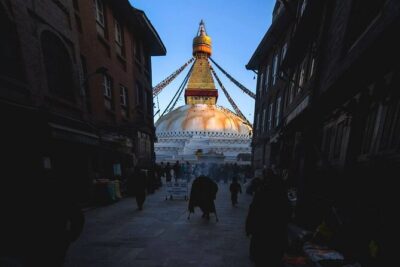
Boudhanath Stupa is your first major stop, and it’s the kind of place where the scale hits you immediately. The tour targets the stupa as the largest Buddhist stupa in Nepal and a center of Tibetan Buddhism, so you’re not just looking at architecture—you’re watching a living religious practice.
You’ll spend about 1 hour 25 minutes here. Your guide brings you into the flow of people who rotate the prayer wheels around the stupa. This is one of those moments where you don’t need a lot of explanation to get the point. You follow along, turn the wheel(s), and let the repetition do its job. It’s calm, rhythmic, and social all at once.
Lighting a butter lamp is another key option mentioned for Boudhanath. You might have the chance to offer a traditional butter lamp as part of your visit. If you choose to do it, it’s not presented as included for everyone, so plan for extra cost if that matters to you.
Practical note: at Boudhanath, crowds can be thicker as the evening goes on. Keep close to your guide, especially if you want to pause for photos. You’ll see people dressed for prayer, people chatting casually, and people just doing their daily rounds. That mix is part of the charm.
Finally, there’s a local-impact angle here: entrance fees and site support help maintain the heritage you’re visiting. If you’re thinking about value, this is one of the places where that matters. A living site like this needs ongoing care, not just ticket revenue.
The Walk to Pashupatinath: Shiva, Sadhu Clothing, and Bagmati River Reality
After Boudhanath, you head toward Pashupatinath Temple. The route includes about a 15-minute transition stop back in Thamel as part of the way the day is structured, but the heart of the change is what happens when you arrive at Pashupatinath.
This stop lasts about 2 hours 20 minutes, and it’s focused on Hindu beliefs and Hindu practice—especially around Shiva and the cycle of birth and death. The guide is there to explain what you’re seeing, which helps you avoid the common mistake of treating everything as a photo backdrop.
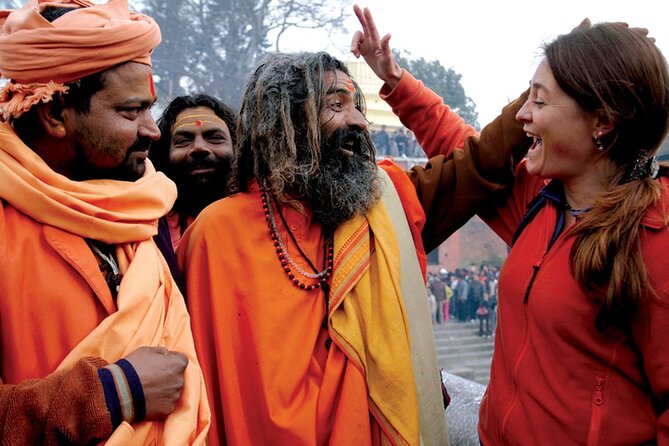
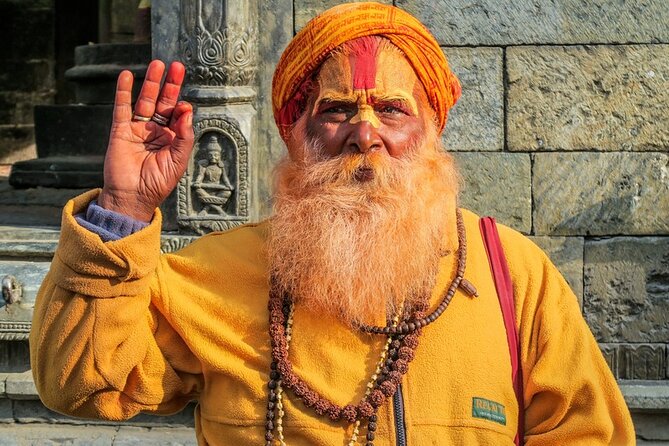
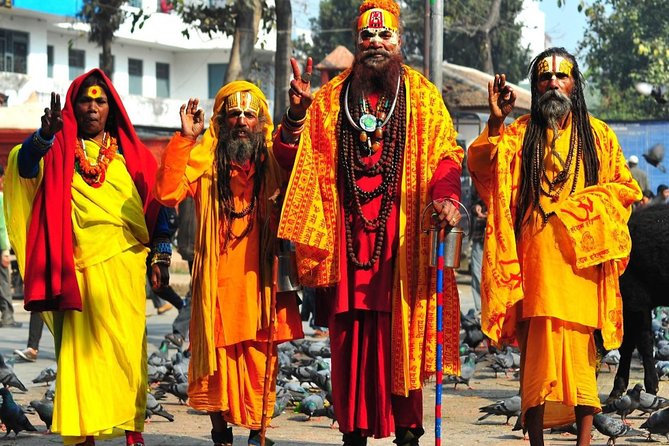
One of the standout parts of Pashupatinath is the chance to see sadhu monks and hear how their beliefs shape their choices, including the idea of renouncing material possessions as a sign of devotion. You’ll also notice the colorful garments and the presence of people there for different reasons—devotion, observation, and family rituals.
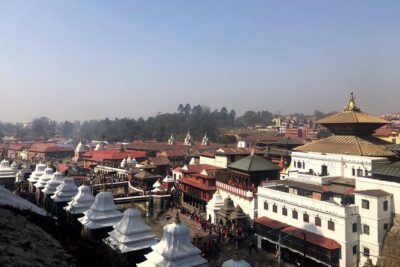
Now the part you should go in ready for: Pashupatinath includes cremations along the Bagmati River, and the tour specifically says you’ll witness cremation ceremonies near the river. The most important instruction is respect: you should refrain from taking photos or watching the rituals out of respect for mourning families.
So here’s the practical mindset shift. Instead of trying to “capture” everything, treat this as a cultural moment you witness with care. If you tend to get uneasy around death rituals, this might not be the right tour style—but if you can handle respectful observation, it can be unforgettable in a quiet, human way.
Evening Aarti at Pashupatinath: The Lights Ritual You’ll Actually Remember
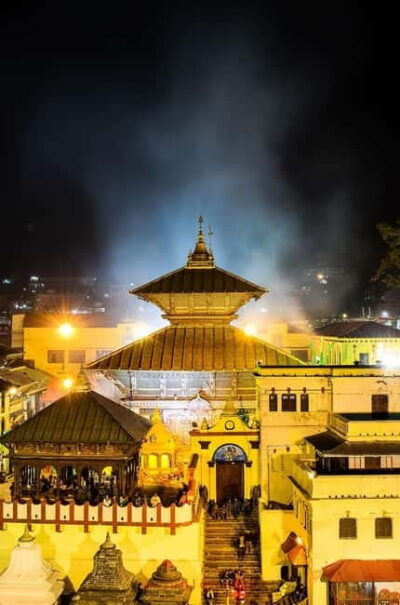
As the sun goes down, you’ll see crowds gathering on the Bagmati River side of Pashupatinath, especially on the eastern side. This is where the tour hits its peak energy: the aarti ritual, described as an offering of lights to Lord Pashupatinath.
Your guide keeps you near the group because the crowd can swell and move unpredictably. That matters. You’re not in a stadium. People are standing, shifting, and leaning at different angles, and it’s easy to get separated or lose track of where the ritual center is.
What I like about including the aarti is that it’s not just “seeing a temple.” It’s watching a ritual with timing, sound, and intention. The lights, the human focus, and the steady procession of people all combine into one of those moments that sticks to your memory because you can feel the devotion—even if you don’t know every detail.
If you like photography, you’ll be tempted to turn your camera into a job. You’ll have a better experience if you do this: take a few thoughtful photos, then put your phone away when asked and simply watch. Your guide’s guidance is part of how you stay respectful and avoid the awkwardness that can come when everyone’s trying to film over each other.

Transport, Walking, and a Max-12 Group That Doesn’t Slow You Down
This is a half-day tour, so efficiency is the point. You’re expected to travel by public transport for a more local experience. That means you trade the comfort of private driving for the real “street-level” Kathmandu feeling—good if you want everyday movement and don’t mind occasional jostling.
It also helps that the group is capped at 12 travelers. In practice, that means your guide can keep track of you and answer questions without turning everything into a rapid-fire explanation. It also helps you navigate the crowd at Pashupatinath, where you really want someone to help you find your way in the flow.
There’s also walking involved. The tour notes an approximate walking distance of about 2 km. That’s not huge, but it can feel longer because temple steps, crowd lines, and river-side paths don’t move like flat ground. Wear shoes you trust on uneven surfaces.
If you’re traveling with kids: the tour is described as child-friendly, and children under 6 can join free of charge. If you have a stroller, you might find it a bit awkward in busy areas, so plan accordingly.
Price and Value: Is $60.56 Worth a Spiritual Evening?
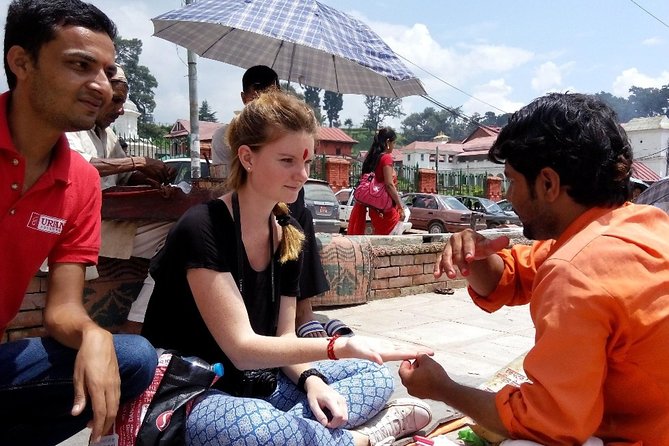
At $60.56 per person, this isn’t a “budget-only” bargain, but it also isn’t inflated for what you get. The best part is what’s included:
- A local English-speaking Nepali guide for the whole experience
- Visits to two UNESCO sites: Boudhanath Stupa and Pashupatinath Temple
- The evening aarti experience at Pashupatinath
- Entrance tickets are included for the sites on the itinerary
- Transportation costs between the meeting point and the sites
- Tips on what else to see and do during your stay
Where the cost gets its value is in the combination. You’re paying for guide context plus access plus transport, and that matters in Kathmandu where places can be confusing even if you’ve studied a little.
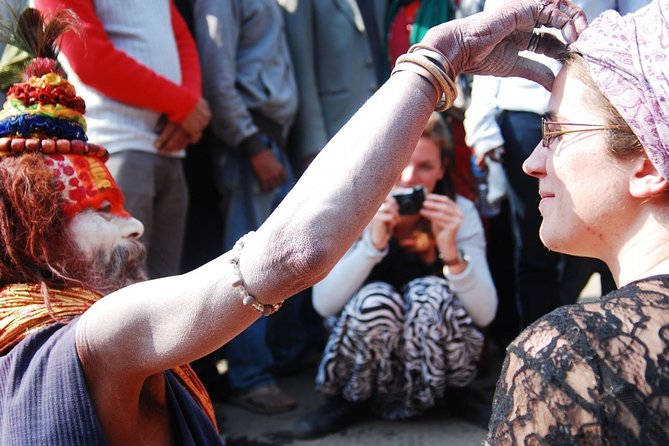
The extra costs aren’t hidden, either. Palm reading is optional and not included, and fees for offerings or interactions (like butter lamps at Boudhanath, or any cost tied to sadhus) are not included. Alms to sadhus or monks is also not included. This is normal for Nepal temple experiences, but it’s smart to go in with a simple budget plan:
- Keep some cash for optional spiritual activities
- Decide in advance if you want palm reading or lamp offerings, so you don’t feel pressured in the moment
In plain terms: if you want both sites with a guide and you like the evening ritual angle, the price makes sense. If you only want one of the two stops, you’d probably save money by going solo (but you’d lose the easy navigation and timing support).
What to Expect at Each Stop (So You Don’t Feel Rushed)
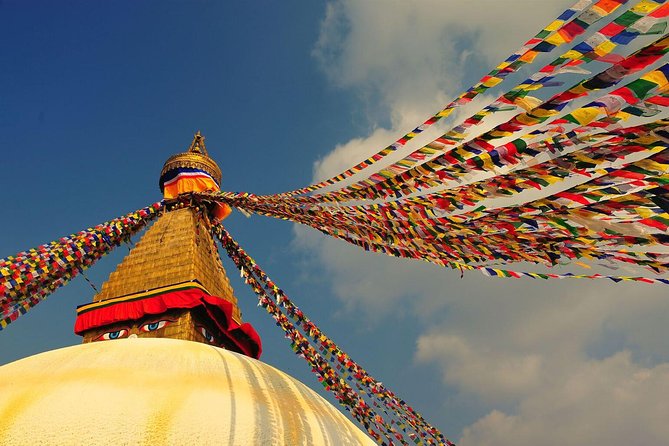
Here’s the rhythm of the experience, in human terms:
At Boudhanath, your first job is to follow the devotional pace. You rotate prayer wheels with locals, and you may choose to light a butter lamp depending on what’s being offered during your visit. The time there is long enough to slow down and actually notice details—faces, clothing, and how people move together around the stupa.
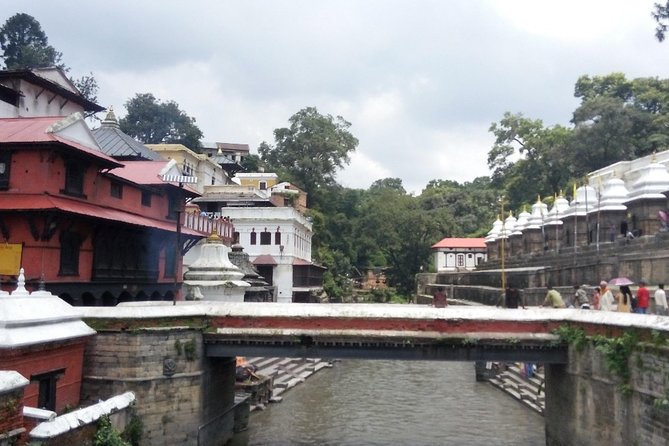
At Pashupatinath, your first job is to shift gears—from Buddhist stupa devotion to Hindu temple practice. You’ll learn about Hindu beliefs, including the cycle of birth and death. You’ll also see sadhu monks in their distinctive garb, and you’ll get context for why they dress and behave the way they do.
Then comes the river-side reality. You’re near areas connected with cremations, and the tour explicitly asks you to respect mourning families and avoid photos or close watching. That instruction is there for a reason: it keeps the experience humane.
Finally, the aarti is your payoff. The light ritual is timed for evening, so you experience it when the crowds gather and attention concentrates.
Across both sites, the guiding goal is simple: keep you together, help you interpret what you see, and make the evening feel like a coherent story instead of separate stops.
Who Should Book This Tour (and Who Should Skip It)
This tour suits you if you:
- Want two major UNESCO sites in one short window
- Like guided context so your photos don’t replace understanding
- Enjoy evenings, especially when rituals are happening
- Prefer small-group travel (max 12) and practical navigation help
You might want to skip it (or choose a different style) if you:
- Don’t want to be near cremation areas at all, even with respectful distance and rules
- Hate walking in crowds or standing for long ritual moments
- Want fully flexible pacing with no group timing
If you’re a first-time visitor to Kathmandu and you only have a half day that isn’t set in stone, this is a smart use of time.
FAQ
How long is the Kathmandu Spiritual Sites tour?
It runs about 4 hours in total.
What time does the tour start?
It starts at 3:00 pm.
Which two UNESCO World Heritage sites are included?
You visit Boudhanath Stupa and Pashupatinath Temple.
Is entrance included?
Yes. Entrance tickets for the UNESCO sites are included as part of the tour.
Is the tour group small?
Yes. The maximum group size is 12, with small-group or private options mentioned.
Is palm reading included in the price?
Palm reading is optional and fees are not included. The tour mentions palm-reader fees and that they’re paid separately.
Can I take photos during the cremations near the Bagmati River?
You’re asked to refrain from taking photos or watching cremation rituals out of respect for mourning families.
Should You Book This Kathmandu Spiritual Sites Tour?
I’d book it if you want a focused evening that ties together Buddhism and Hinduism at two of Kathmandu’s most important places, with transport, tickets, and an aarti ritual handled for you. The max-12 size and the guide support are the big value drivers—especially at Pashupatinath, where crowds can make you feel lost fast.
If you’re sensitive to death rituals or you strongly dislike crowd-level temple watching, consider whether this part of the program is right for your comfort level. If it is, this is one of those short tours where the payoff is emotional, not just scenic.
More Tours in Kathmandu



More Tour Reviews in Kathmandu

Just Reviewed in Kathmandu
- Mountain Bike Tour
★ 5.0 · 3 reviews - Annapurna Panaroma
★ 5.0 · 3 reviews - Mount Everest Scenic Flight 50 Minutes
★ 5.0 · 3 reviews - Kathmandu : Swambhunath & Durbar Square Guided Half Day Tour
★ 3.3 · 3 reviews - Chandragiri Cable Car & Monkey Temple Tour – Private/Group
★ 5.0 · 3 reviews - Kathmandu: Shivapuri National Park Hiking Day Trip
★ 3.3 · 3 reviews
Pashupatinath & Boudhanath Tours, compared.
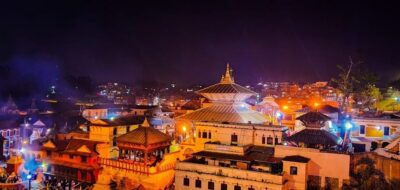 ★ 5.0Pashupatinath Temple Evening Aarati TourFrom $4536 reviews
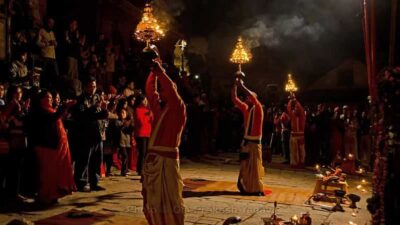 ★ 4.8Pashupatinath Temple Aarti Night TourFrom $7129 reviews
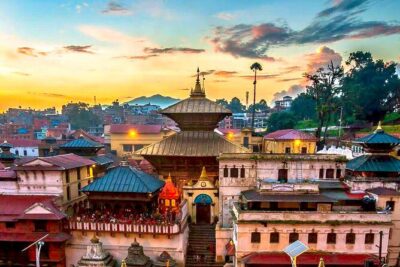 ★ 5.0Pashupatinath Temple, Hindu Crematorium and Aarati in-depth TourFrom $9025 reviews
 ★ 4.5Pashupatinath Evening Aarati: Few Divinely Hours in KathmanduFrom $3523 reviews
 ★ 5.0PashupatiNath and BoudhaNath – Private/Small GroupFrom $1518 reviews
 ★ 5.0Sacred Pashupatinath: Aarati,Cremation Rites & Boudha StupaFrom $1118 reviews
★ 4.7Pashupatinath Temple Evening Aarati TourFrom $2211 reviews
★ 5.0Sacred Pashupatinath: Aarati,Cremation Rites & Boudha StupaFrom $1118 reviews
★ 4.7Pashupatinath Temple Evening Aarati TourFrom $2211 reviews
 ★ 5.0Kathmandu City in One Day with Bodhnath StupaFrom $9510 reviews
Browse the lists this tour appears in