
Review · PASHUPATINATH & BOUDHANATH TOURS
Kathmandu: Pashupatinath Temple Evening Aarati Tour
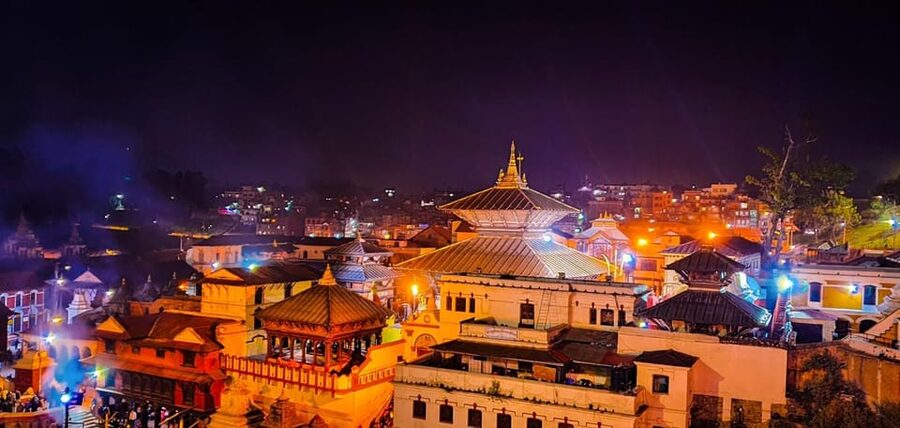
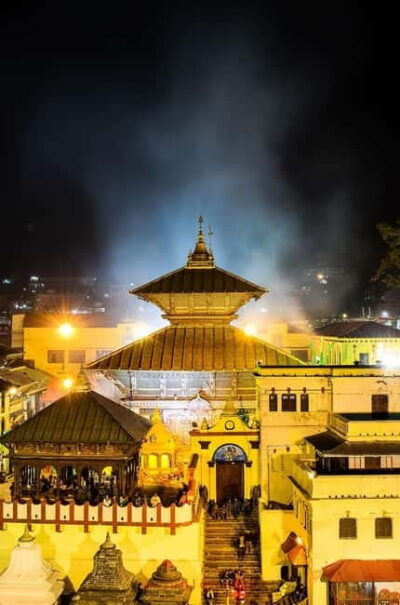
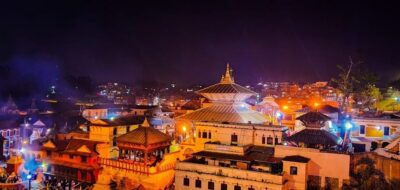
Pashupatinath at night hits different. This 3-hour evening tour brings you to one of Nepal’s most important Hindu temples, then to the Bagmati River banks for the light-filled aarti ritual with mantras and music.
I especially like having a licensed English-speaking guide who explains what you’re seeing, instead of just pointing at lamps and chanting. I also like that the evening timing gives you a smooth arc: temple orientation first, then enough breathing room before the ceremony starts around 6 p.m.
The main consideration is simple: this is an active religious space, and the aarti area can be crowded. If you’re expecting a quiet, leisurely walk with perfect photo access everywhere, you may find it a little tight in places where worshippers gather.
In This Review
- Key highlights worth planning for
- Why the Pashupatinath evening aarti feels like a separate experience
- The hotel pickup and ride that keeps the night from getting messy
- Temple orientation: what you do before the aarti starts
- Finding your viewpoint for the Bagmati River ceremony
- What the aarti actually looks and sounds like
- Photography without getting in the way
- Price and value: is $45 worth it?
- Who this tour suits best (and who might want a different plan)
- Practical tips to make the most of your 3-hour window
- Should you book this Pashupatinath Temple evening aarti tour?
- FAQ
- How long is the Kathmandu Pashupatinath evening aarti tour?
- What time does the aarti ceremony start?
- What is included in the price?
- Is food or drinks included?
- Is there a guide and what language do they speak?
- Is photography allowed?
- Can I cancel and get a refund?
Key highlights worth planning for
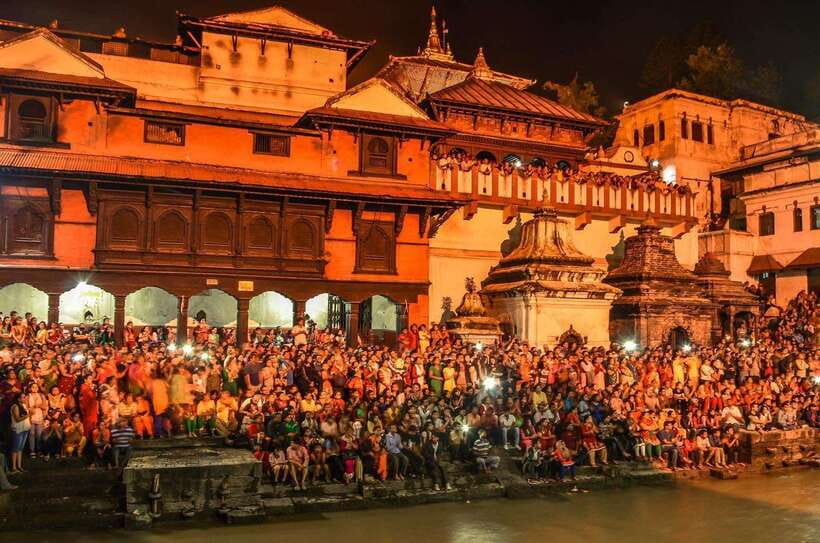
- Bagmati River aarti setting: Watch the ceremony on the riverbank on the temple’s eastern side.
- Real ritual details: You’ll see oil lamps, bells, incense, and priests chanting Vedic mantras.
- Guided context: You get interpretation of the temple complex and what the ceremony means.
- Photo-friendly approach: You’ll have time for photos where allowed, with guides who stay patient.
- Hotel convenience: Pickup and drop-off keeps the night simple, and transport quality gets strong feedback.
Other ways into a Kathmandu evening
- 3 Nights 4 Days Chitwan National Park with Tower Night Stay★ 5.0 · 41 reviews
- 3 night 4 Day Yoga & Ayurveda Retreat to Detox the Body & Mind, Nepal★ 5.0 · 37 reviews
- Kathmandu: Pashupatinath Temple Evening Aarati Tour★ 5.0 · 36 reviews
- Kathmandu: Pashupatinath Temple Aarti Night Tour★ 4.8 · 29 reviews
Why the Pashupatinath evening aarti feels like a separate experience
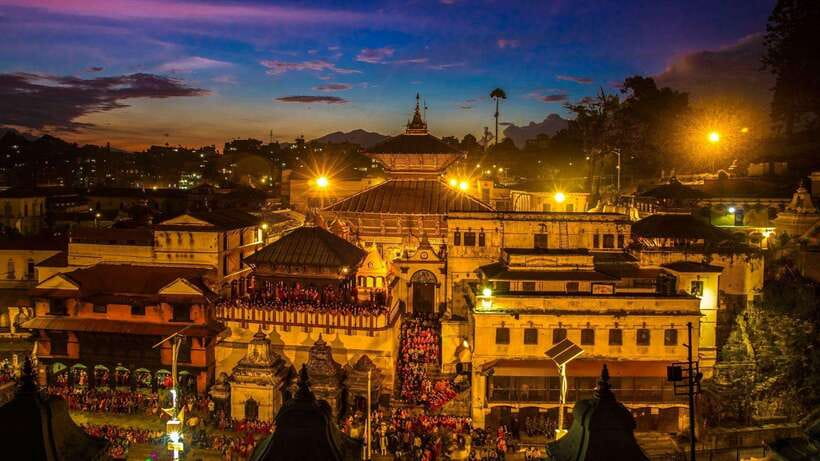
Daytime at Pashupatinath is about getting oriented: architecture, river views, and temple atmosphere. The evening tour flips the focus to worship in motion. Around the aarti, the sound and rhythm take over—chanting, bells, incense, and a band performing classical instruments while hymns rise with the lamps.
What makes this tour especially practical is the way it’s built for understanding. You don’t just arrive and hope for the best. You get a guided look at the temple complex first, then a planned window before the main ritual, so you’re not standing around confused about what’s happening or why.
Also, the guide matters. In the feedback you’ll notice a pattern: guides like Ramesh, Rajat, and Anjan are repeatedly praised for calm, patient explanations and for answering questions in a way that makes Hindu rituals feel clear rather than mysterious. If you care about cultural context (and you should), that’s the difference between a photo stop and a meaningful night.
One more reason this works: the ceremony’s staging on the Bagmati River banks gives you an open, memorable viewpoint. Even if you can’t control crowd flow, you’re watching the ritual in the place it’s meant to happen.
The hotel pickup and ride that keeps the night from getting messy
This is a private group tour, and that shows in how the night runs. You start with hotel pickup in Kathmandu, then go straight to Pashupatinath along the Bagmati River. After the ceremony, you’re driven back to your hotel—no awkward scrambling for rides after dark.
Transport is one of the most praised parts of the experience. Feedback highlights polite drivers and a feeling of safety and comfort on the way in and out. That’s not a small thing in Kathmandu, where getting timing right can make or break a plan.
Timing is also built in. Since the aarti starts around 6 p.m., the goal is to arrive with enough daylight to get your bearings, do the temple walk, and still reach the riverbank without feeling rushed.
Temple orientation: what you do before the aarti starts
Once you arrive, you don’t just enter and wander. A guide leads you through the Pashupatinath temple complex with explanations about its historical and religious importance. Think of this as your quick toolkit for the evening: you learn what you’re looking at, what worshippers may be doing, and how the ceremony fits into the broader temple life.
There’s also a photo stop during the temple portion. The idea isn’t to turn the place into a photo studio. It’s to let you grab key angles while you have visibility and fewer distractions than you’ll have once the main riverbank ritual gathers momentum.
After the guided walk, you get time for independent exploration before the aarti ceremony. That window is useful in two ways:
1) You can revisit spots you liked from the guide’s explanation.
2) You can move at your own pace, asking final questions before the ceremony fully takes over.
Important reality check: this is a functioning sacred site. You’ll want to keep your voice down, dress respectfully, and follow any on-the-ground instructions about where you can stand and what you can photograph. Your guide will help you stay inside the rules, especially around the moments when people are actively worshipping.
Finding your viewpoint for the Bagmati River ceremony
The aarti happens on the Bagmati River banks, located on the temple’s eastern side. That detail matters because the riverbank isn’t just a scenic backdrop—it’s part of how the ritual is experienced. You’re there to watch a nighttime worship moment unfold in the same space it’s performed.
What I like about this setup is that it gives you a sense of place. The Bagmati River is the stage, but the temple complex supplies the spiritual gravity. Once the lights and chants begin, everything feels linked: priests, worshippers, water, and the soundscape.
Your guide’s job here is mainly interpretation and logistics—helping you understand what you’re seeing while making sure you reach the right viewing area before the ceremony gains full momentum. In the feedback, many people mention they had a great view, and that lines up with the tour design: you arrive before the ritual really peaks and you get guided timing, not last-second searching.



What the aarti actually looks and sounds like
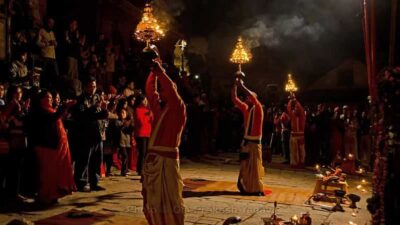
Around 6 p.m., priests chant prayers and wave oil lamps before the idol of Lord Shiva. The ceremony includes:
- Reciting Vedic mantras
- Ringing bells
- Lighting oil lamps
- Burning incense
- A band playing classical instruments and singing hymns to the gods
Visually, it’s the lights that grab you first. Oil lamps in a dark riverbank setting create a strong sense of motion. You’re watching human devotion choreographed into ritual steps—bells marking moments, incense drifting, and priests keeping the rhythm with chants.
Sound matters too. Even if you don’t know the language, you’ll hear how the mantras and bells cue the group. The classical music and hymns add structure, turning what could be a chaotic crowd moment into something organized and emotionally focused.
This is also where your guide’s explanation pays off. When someone like Ramesh or Rajat translates the meaning behind what’s happening, the ceremony stops feeling like a spectacle and starts feeling like living tradition. You still get the visuals, but you understand the why behind the rhythm.
Photography without getting in the way
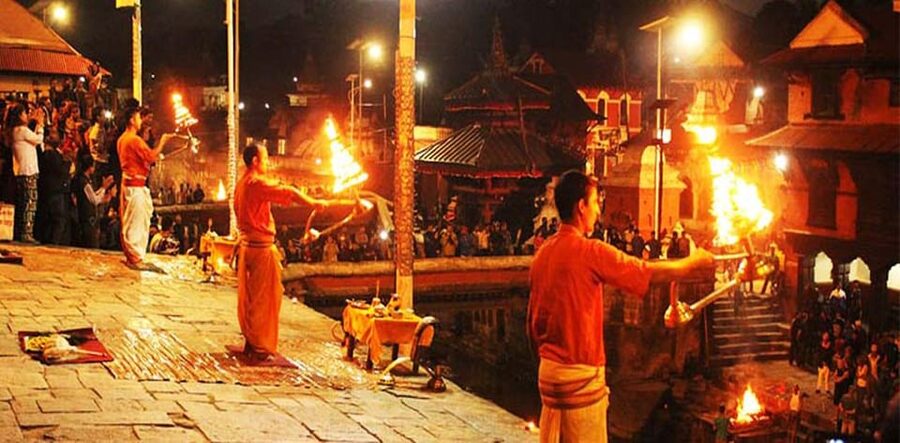
If you’re planning to take photos, this tour has a better chance of working than DIY. You’re not just trying to blend into the crowd. The tour includes a guide who can help you time your shots and position yourself where photography is permitted.
Expect a few practical constraints:
- You’ll likely have photo opportunities at designated moments, especially during the temple portion.
- During the aarti, the crowd and worship flow can limit where you can stand.
- Photography is allowed only in permitted areas, so follow your guide’s guidance.
A theme in the feedback is that guides stayed patient and accommodating with photography requests. That’s what you want: someone who understands that you might need a few tries to get the shot without pushing people aside.
My tip: set expectations ahead of time. Aim for a mix—one or two wider riverbank shots, plus close views of lamps and chanting moments if you can. If you can’t get the exact angle you want, don’t wrestle for it. The ceremony has enough movement that good photos happen quickly when you’re in the right spot.
Price and value: is $45 worth it?
At $45 per person for about 3 hours, this is priced like an affordable cultural night rather than a premium private production. The value comes from what’s included:
- Hotel pickup and drop-off
- Transportation to and from Pashupatinath
- A licensed English-speaking guide
- Entry ticket to Pashupatinath
- All taxes and service charges
- Skip-the-ticket-line benefit
What you’re not paying for inside the tour price is food and drinks. You’ll handle that separately, and you should plan for it—don’t assume dinner is part of the schedule.
So who gets the best value? You if you:
- Want guidance and context, not just a location visit
- Prefer not to figure out timing and transport on your own at night
- Care about getting the most out of the aarti instead of arriving late
If you’re the type who enjoys quiet self-guided exploration and you already know exactly where to stand and how to navigate temple entry, you could save money elsewhere. But for most first-timers, the guide + included entry ticket + smooth transport makes this a straightforward deal.
Who this tour suits best (and who might want a different plan)
This is a strong fit for first-timers to Kathmandu who want one high-impact cultural evening. It’s also a good choice if you’re into photography but don’t want to treat a sacred place like a backdrop.
It also works well for people who like asking questions. The tour is guided, and multiple people specifically praised how their guide answered questions about Hindu culture and the meaning of the ritual steps.
You might want to consider another option if:
- You strongly prefer quiet, uncrowded sightseeing and are easily stressed by crowds
- You don’t want to follow strict space/photography rules during worship moments
For everyone else, the combination of temple orientation + riverbank ceremony is exactly what you want from a short evening plan.
Practical tips to make the most of your 3-hour window
Because the tour is short, your focus should be on staying ready for each transition. Here are a few practical ways to make it easier:
- Arrive mentally flexible: the aarti pace is set by the ritual, not by your schedule.
- Wear comfortable footwear for temple paths and riverbank walking.
- Dress respectfully since you’re entering an active sacred complex.
- Keep your questions simple and direct so the guide can address what you care about most before the ceremony begins.
- Plan water and snacks outside the tour, since food and drinks aren’t included.
Also, remember you’re going before the ceremony peaks. That’s when you’ll get the best chance to absorb the temple explanations and take photos without fighting for space.
Should you book this Pashupatinath Temple evening aarti tour?
Yes, if you want a guided, low-stress way to experience the Bagmati River aarti at Pashupatinath and you care about understanding what you’re seeing. The tour’s biggest strength is the combination of temple context and a well-timed arrival for the ceremony around 6 p.m., plus hotel pickup and a guide who’s repeatedly praised for patient explanations.
Book it especially if you’re traveling with limited time in Kathmandu and want a night activity that feels culturally grounded rather than just another sightseeing checkbox.
If you’re only interested in casual photos and don’t want to be around worshippers, the crowd dynamics may not match your style. But for most people, this is one of the clearest ways to experience Nepal’s Hindu rituals with real interpretation and smooth logistics.
FAQ
How long is the Kathmandu Pashupatinath evening aarti tour?
The tour lasts about 3 hours.
What time does the aarti ceremony start?
The aarti ceremony begins around 6 p.m.
What is included in the price?
It includes hotel pickup and drop-off, transportation to and from Pashupatinath, a licensed English-speaking guide, entry ticket to Pashupatinath, and all taxes and service charges. Skip-the-ticket-line is also included.
Is food or drinks included?
No, food and drinks are not included.
Is there a guide and what language do they speak?
Yes. The tour includes a live guide who speaks English.
Is photography allowed?
Photography is available in permitted areas, and the tour includes photo stop time during the temple portion.
Can I cancel and get a refund?
Yes. Free cancellation is available up to 24 hours in advance for a full refund. Reserve now & pay later is also offered.
When the Lights Come On



More Tours in Kathmandu




More Tour Reviews in Kathmandu


Just Reviewed in Kathmandu
- Mountain Bike Tour
★ 5.0 · 3 reviews - Annapurna Panaroma
★ 5.0 · 3 reviews - Mount Everest Scenic Flight 50 Minutes
★ 5.0 · 3 reviews - Kathmandu : Swambhunath & Durbar Square Guided Half Day Tour
★ 3.3 · 3 reviews - Chandragiri Cable Car & Monkey Temple Tour – Private/Group
★ 5.0 · 3 reviews - Kathmandu: Shivapuri National Park Hiking Day Trip
★ 3.3 · 3 reviews
Pashupatinath & Boudhanath Tours, compared.
 ★ 5.0Kathmandu Spiritual Sites: Bodhnath & Pashupatinath TourFrom $60185 reviews
 ★ 4.8Pashupatinath Temple Aarti Night TourFrom $7129 reviews
 ★ 5.0Pashupatinath Temple, Hindu Crematorium and Aarati in-depth TourFrom $9025 reviews
 ★ 4.5Pashupatinath Evening Aarati: Few Divinely Hours in KathmanduFrom $3523 reviews
 ★ 5.0Sacred Pashupatinath: Aarati,Cremation Rites & Boudha StupaFrom $1118 reviews
 ★ 5.0PashupatiNath and BoudhaNath – Private/Small GroupFrom $1518 reviews
 ★ 4.7Pashupatinath Temple Evening Aarati TourFrom $2211 reviews
 ★ 5.0Kathmandu City in One Day with Bodhnath StupaFrom $9510 reviews
Browse the lists this tour appears in