
Review · HIKING & TREKKING
Trek to Everest Base Camp
Everest Base Camp is one of those treks that turns altitude into a real-life story. This 14-day route takes you past stone villages, Buddhist monasteries, and glacier scenery to reach Everest Base Camp above 5,300m. I like the practical pacing with acclimatization days built in, so you’re not just climbing on autopilot.
What really makes this trip feel smooth is the human support. You travel with an English-speaking guide, plus a porter set up at 1 porter for every 2 clients, and the team handles trekking permits and entry fees for you. That combo matters when the days get long and the cold starts biting.
One thing to consider: the trek runs at very high altitude, and while the itinerary includes rest and gradual climbs, you’ll still need solid stamina and a tolerance for the thin-air days. Also, mountain food and drinks aren’t included, so you should budget for that along the way.
In This Review
- Key highlights worth knowing
- Kathmandu: a real briefing day before the thin-air grind
- Lukla and Phakding: the jump-off that puts you in the mountains fast
- Namche Bazaar: permits, bridges, and the smart rest day
- Tengboche and Debuche to Pangboche: monasteries plus big mountain moments
- Dingboche and the acclimatization day that protects your finish
- Gorakshep and Everest Base Camp: where the trail gets serious
- Kalapathar morning: the view climb that can’t be faked
- Back down toward Namche and the Lukla finish celebration
- Kathmandu again: a last flight and time to reset
- Price and what you get for $1,597 per person
- The guides: the kind of support you feel at 4,000m
- Who this trek suits, and who should think twice
- Should you book Happyland Treks for Everest Base Camp?
- FAQ
- How long is the Everest Base Camp trek?
- Where does the trek start and what time?
- Is airport pickup and drop included?
- Do you provide trekking permits and entry fees?
- How much walking is involved on typical days?
- Do we stay in tea houses during the trek?
- What should I budget for if food isn’t included?
Key highlights worth knowing
- Kathmandu pickup and 2 nights with breakfast so you start the trek rested, not rushed
- Lukla flight (~35 minutes) that saves days versus walking in from the low country
- Namche Bazaar rest day to acclimatize, plus a hike option to an Everest viewpoint hotel
- Tea-house nights (11 nights) on the trekking trail, with government permits and fees handled
- Kalapathar morning climb for wide views over the Khumbu Glacier and Everest neighbors
- Private group setup so your schedule stays consistent with your trek crew
More trails out of Kathmandu, boots ready
- Everest Base Camp Trek – 14 Days★ 5.0 · 1,499 reviews
- Everest Base Camp Trek★ 5.0 · 842 reviews
- Everest Base Camp Trekking★ 5.0 · 485 reviews
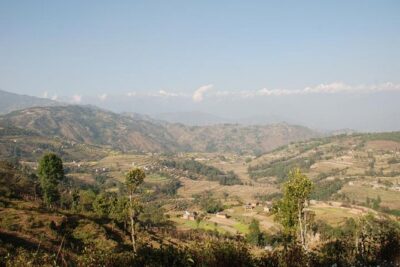
- Nagarkot Sunrise View and Day Hiking from Kathmandu★ 5.0 · 471 reviews
Kathmandu: a real briefing day before the thin-air grind
Your trip starts in Kathmandu with a welcome, then transfer to your hotel. You get a briefing session in the evening, which is underrated. On the Everest trail, small details can save big hassle later: how your days will flow, what to watch for, and how to keep your energy steady.
You’ll also have two nights in Kathmandu with breakfast included. That gives you time to settle in after travel, do a quick gear check, and handle any last-minute needs before the mountains take over.
If you’re the type who likes control, this is where you get it. The trek begins at Happyland Treks (Paknajol Marg, Kathmandu), and the start time listed is 6:45 am. Having that structure helps when you’re trying to think clearly in a new country.
Lukla and Phakding: the jump-off that puts you in the mountains fast
Day 2 is built around the signature Everest region move: the flight from Kathmandu to Lukla, about 35 minutes. Then you start walking along the Dudh Koshi River, passing stone villages with snow-topped peaks in the background.
You’ll cover roughly 8 km (3–4 hours) to Phakding, at about 2,652m. This is a good “wake up your legs” day. It’s not easy, but it’s manageable, and it sets a rhythm for what comes next.
A practical note: flights to Lukla depend on conditions, and the itinerary treats it as part of the plan. If you’re sensitive to schedule changes, it’s worth keeping your flexibility mindset on.
Namche Bazaar: permits, bridges, and the smart rest day
The next push leads you through pine forests and over a long suspension bridge to Monjo Village. After that, you reach the Sagarmatha National Park area where permits are registered. Having permits handled for you is a real time-saver. In Nepal, those details can be a day-stealer if you’re scrambling.
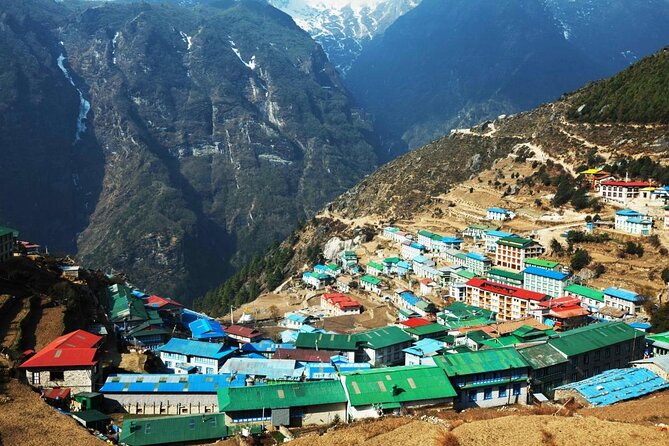
You’ll arrive in Namche Bazaar, around 3,440m, after a steep ascent. Namche is where the trek starts to feel like the “main event.” You’ll get your first long look toward Everest in the distance, and the town itself is a staging point for altitude habits: rest, hydrate, and keep your breathing calm.
Then comes the most important day on the whole early stretch: the acclimatization/rest day in Namche. Instead of adding more altitude every single day, the schedule gives you breathing room. You can explore the area or do a 3–4 hour hike to an Everest viewpoint hotel option for added acclimation.
Why this matters: if you get aggressive early, the mountain often charges you later. This itinerary tries to prevent that.
Tengboche and Debuche to Pangboche: monasteries plus big mountain moments
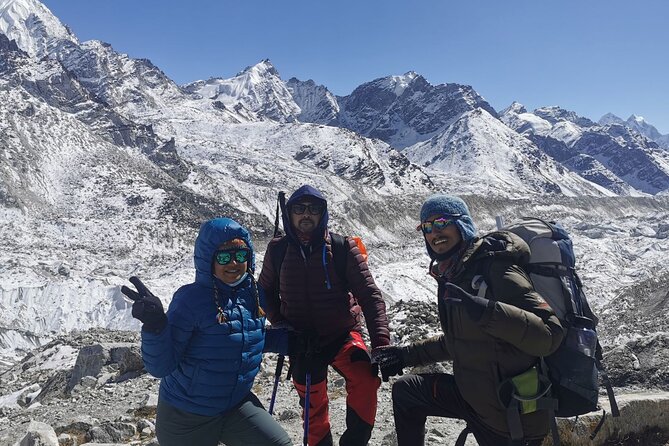
From Namche, you continue upward through places like Phunki Tenga, reaching Tengboche (about 3,800m) for the next overnight. Tengboche is known for its Buddhist monastery, and this stop is more than a bed for the night. It’s a cultural pause right in the high country—religion, prayer flags, and mountain air all in one frame.
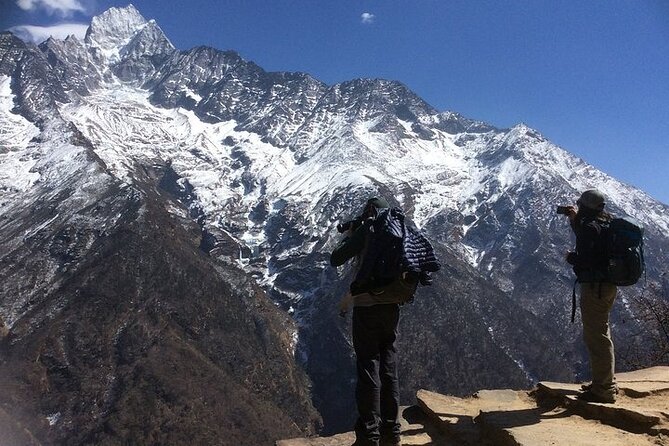
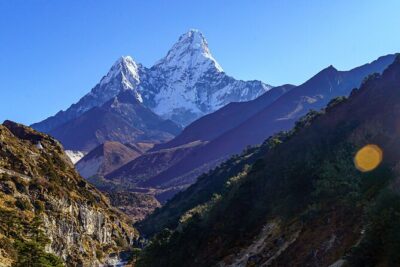
Day 6 shifts again: you descend from Tengboche through rhododendron forests, cross the Imja Khola River, and reach Pangboche (around 4,200m). The views here are the point: Ama Dablam and other peaks often steal the show.
This stretch is good if you like variety. You’re alternating between climbs and descents, and the forest sections can make the hard days feel less like a straight line upward.


Dingboche and the acclimatization day that protects your finish
After a couple of demanding days, the itinerary gives you a free day around Dingboche (about 4,900m). This is another key altitude management block.
You can rest, or you can add a hike option to Nangkhartshang Peak (5,083m), estimated at 3–4 hours. Even if you don’t do the hike, the rest is useful: your body needs time to adjust before you go higher toward Gorakshep and Everest Base Camp.
In my experience, treks like this aren’t really about one heroic day. They’re about stacking small smart choices so your last days don’t feel like punishment.
Gorakshep and Everest Base Camp: where the trail gets serious
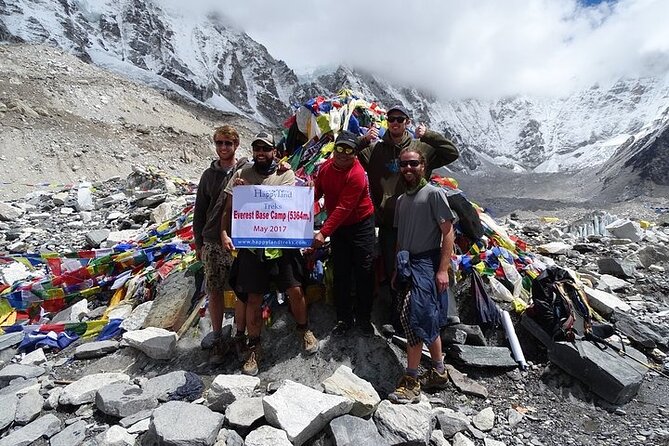
As you approach the highest segment, you’ll reach Gorakshep at about 5,180m, and then continue toward Everest Base Camp at roughly 5,364m. This is the part of the itinerary that’s physically demanding, with rocky terrain and icefall sections noted.
The day from Gorakshep to base camp is around 15 km (6–8 hours). Once you push through, the reward is obvious: the Khumbu Glacier scenery opens up and you arrive at Everest Base Camp for pictures and time to take it in.
Here’s how to think about it: this is where you stop hiking for the calendar and start hiking for the moment. The trail is tough, so build in slower pauses. You don’t want to sprint to base camp and then rush through the only time you’ll be there.
Also, expect cold. Even if the sun is working, your body will feel the altitude.
Kalapathar morning: the view climb that can’t be faked
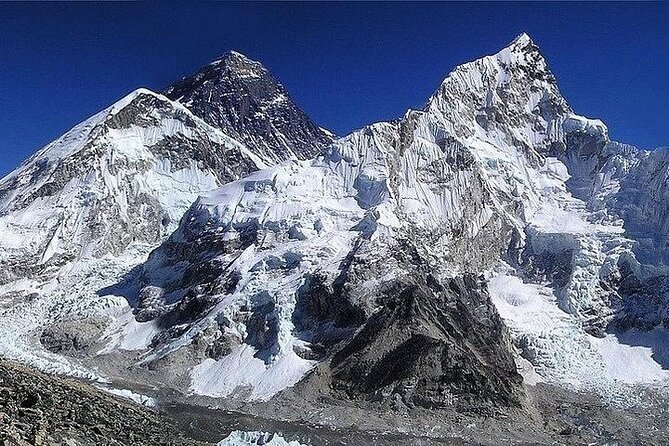
The next morning is early and uphill to Kalapathar (about 5,545m). The hike is listed at 2–3 hours uphill, then you return down and continue descending toward Pangboche.
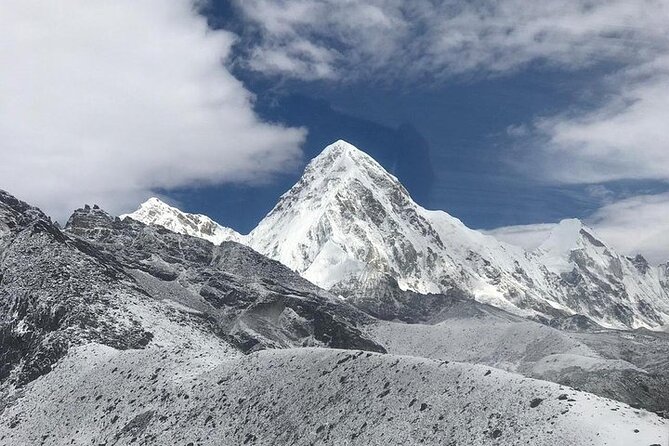
Kalapathar, meaning black rock, is famous for views over the Khumbu Glacier below and the dramatic Everest lineup above—Everest, Nuptse, Changtse, and Lhotse.
If you’re wondering whether this is worth it: it often is. It’s a short climb relative to the full trek, but it hits the sweet spot where the scenery becomes panoramic. If you’re tired, take it at a steady pace, and don’t treat it like a race.
After the views, the route shifts to descent: back toward Gorakshep, then onward to Pangboche.
Back down toward Namche and the Lukla finish celebration
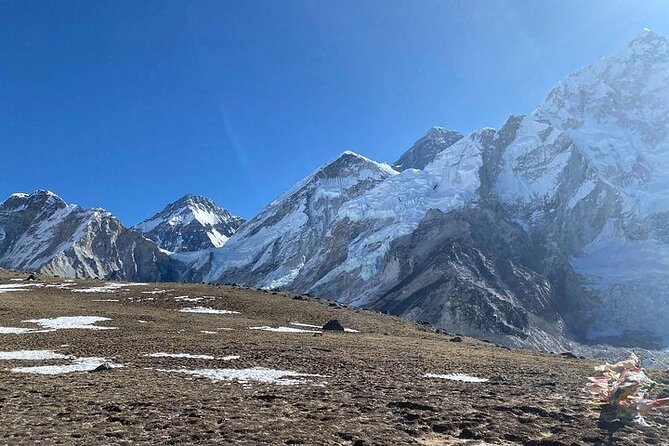
Day 11 brings you from Pangboche back to Namche Bazaar, around 3,440m, with a long trekking day listed at 13–15 km (7–8 hours). Expect plenty of ups and downs along the way.
Day 12 drops you to Lukla (about 2,800m) with a 16 km (6–7 hours) descent, following the Dudh Koshi River and crossing suspension bridges. This is where the trek starts to feel lighter, even if your legs still complain.
That evening, there’s a celebration with your trekking crew. I like that detail. Too many treks end with a silent transition back to civilization. A proper send-off matters.
Kathmandu again: a last flight and time to reset
On Day 13 you fly back to Kathmandu, about 35 minutes, then transfer to your hotel. The plan gives you time to explore Kathmandu or just relax.
Day 14 is a final day for a stroll or souvenir shopping, then a drive to Tribhuvan International Airport for your flight home.
If you want a simple approach: after the altitude, go easy. Eat well, hydrate, and don’t schedule anything intense. Your body needs a reset more than your calendar does.
Price and what you get for $1,597 per person
At $1,597 per person for roughly 14 days, this isn’t the cheapest way to reach Everest Base Camp—but it’s not overpriced for what’s included.
Here’s what you’re paying for, in practical terms:
- Guiding and logistics: An English-speaking guide and porter support (1 porter for 2 clients).
- Permits and fees: Trekking permits and entry fees are covered, plus government and local taxes.
- Lodging on trail: 11 nights in tea houses.
- Kathmandu support: Airport pickup and drop by private transport, plus 2 nights in Kathmandu with breakfast.
- Trip extras: welcome drinks, farewell dinner, and a trip certificate.
The big items that are not included:
- Mountain food and drinks (you’ll buy them along the route)
- Travel medical insurance and emergency evacuation costs
- Nepal entry visa fee and international airfare
- Tips for guide and porter
- Personal gear and personal expenses (hot shower, battery charge, water bottle, cold drinks, etc.)
So the value question is: do you want a handled route with a guide and permit support? If yes, this package lines up well. If you’re a total gear-and-permit DIY person, the included services won’t matter as much.
The guides: the kind of support you feel at 4,000m
One of the most praised parts of this experience is the people running it. Reviews highlight Bimal Dahal as especially helpful and welcoming in Kathmandu—helping with restaurants and accommodation—and also credit the guides for keeping the trek organized.
Other guide names that come up include Ngawang and Pramish/Promise (spelling may vary). The recurring theme: cooperative guidance, attention to the route, and care around hygienic food.
That doesn’t mean every day is easy. It means you’re less likely to get stuck dealing with confusion while you’re already tired.
Who this trek suits, and who should think twice
This itinerary is described as a private tour/activity, and it’s best for people with moderate physical fitness.
It suits you if:
- You want a guided trek with permits handled
- You like structure, especially on high-altitude days
- You’d rather focus on walking and views instead of admin
It may not suit you as well if:
- You have low tolerance for cold or the slow grind of altitude
- You want mountain meals fully covered (they’re not included here)
- You need a fully predictable schedule regardless of weather (Lukla flights are part of the plan)
A simple reality check: Everest Base Camp is high. Even with good pacing, you should take altitude seriously, including planning for your own health and having insurance.
Should you book Happyland Treks for Everest Base Camp?
If you want an Everest Base Camp trek that’s organized, permit-ready, and supported by an English-speaking team, this is a strong option. I especially like the balance of structure and recovery: Kathmandu prep, a Namche rest day, and the high-day climb strategy toward Gorakshep and Kalapathar.
The main reason to pause is budget and expectations around what’s included. The trek covers guidance, tea-house nights, and permits, but mountain food and drinks are extra, and medical coverage isn’t included.
If you’re comfortable with those trade-offs, booking makes sense.
FAQ
How long is the Everest Base Camp trek?
The itinerary is listed at about 14 days.
Where does the trek start and what time?
The start is at Happyland Treks, Paknajol Marg, Kathmandu, with a listed start time of 6:45 am.
Is airport pickup and drop included?
Yes. Airport pickup and drop by private transport are included.
Do you provide trekking permits and entry fees?
Yes. Trekking permits and entry fees are covered, along with government and local taxes.
How much walking is involved on typical days?
Walking distances vary by day, from about 3–4 hours early on to longer days like 6–8 hours toward Everest Base Camp, plus a 13–15 km day on the return toward Namche.
Do we stay in tea houses during the trek?
Yes. The plan includes 11 nights in tea houses on the trekking trail.
What should I budget for if food isn’t included?
Food and drinks in the mountains aren’t included, and you should also plan for tips for the guide and porter, plus personal expenses like battery charging, hot showers, and water bottles. Travel medical insurance and emergency evacuation costs are also not included.
More Trekking Out of Kathmandu






More Tour Reviews in Kathmandu




Just Reviewed in Kathmandu
- Mountain Bike Tour
★ 5.0 · 3 reviews - Annapurna Panaroma
★ 5.0 · 3 reviews - Mount Everest Scenic Flight 50 Minutes
★ 5.0 · 3 reviews - Kathmandu : Swambhunath & Durbar Square Guided Half Day Tour
★ 3.3 · 3 reviews - Chandragiri Cable Car & Monkey Temple Tour – Private/Group
★ 5.0 · 3 reviews - Kathmandu: Shivapuri National Park Hiking Day Trip
★ 3.3 · 3 reviews
Hiking & Trekking, compared.
 ★ 5.0Everest Base Camp Trek – 14 DaysFrom $1,8001,499 reviews
 ★ 5.0Everest Base Camp TrekFrom $1,790842 reviews
 ★ 5.0Everest Base Camp TrekkingFrom $1,350485 reviews
 ★ 5.0Nagarkot Sunrise View and Day Hiking from KathmanduFrom $45471 reviews
 ★ 5.0Annapurna Circuit Trek with Tilicho LakeFrom $1,093368 reviews
 ★ 5.0Everest Base Camp Trekking – 13 DayFrom $1,399365 reviews
★ 5.0Everest Base Camp TrekFrom $1,445350 reviews
★ 5.0Everest Base Camp Trek -14 DaysFrom $1,420321 reviews