
Review · CHITWAN JUNGLE SAFARI
Wildlife Adventure in Chitwan Nepal
Chitwan is a wildlife day that feels built for real sightings. You start with a 6:30am pickup and a shared bus ride, then get matched up with government-licensed guides for jeep safaris, canoe time on the Rapti River, and Tharu cultural stops in Chitwan National Park.
I especially like two things: the way the package handles the hard logistics for you, and the mix of activities that actually improves your odds. You get jeep safaris plus canoe rides, not just one long drive and hope for the best.
One drawback to consider: a small number of travelers have reported meeting and communication problems on arrival, including arriving after the bus ride and not being met. So, I’d treat reconfirming pickup details as part of your prep.
In This Review
- Key points at a glance
- Why Chitwan feels “worth it” as a guided package
- Kathmandu or Pokhara to Chitwan: the 6:30am start and what it means
- The 1-night/2-day plan: culture plus your first jeep safari
- The 2-night/3-day plan: Rapti canoe time and a full wildlife day
- The 3-night/4-day plan: rare crocodile odds and deeper Chitwan context
- Jeep safaris vs canoe rides: how to think about “seeing wildlife”
- Tharu village visits and dance: what you’re actually getting
- Price and logistics: what $139 covers, and what to budget for
- What could go wrong, and how you can protect yourself
- Who this Chitwan wildlife adventure suits best
- Should you book this Chitwan package?
- FAQ
- FAQ
- What time do I need to meet the representative?
- How long is the bus ride to Chitwan?
- Do I get picked up when I arrive in Chitwan?
- What wildlife does this itinerary target?
- Is a canoe ride included?
- What cultural activities are included?
- Are meals included?
- What is not included in the tour price?
- How does cancellation work?
Key points at a glance
- Shared bus transfers from Kathmandu or Pokhara make this easier than DIY planning
- Licensed safari guidance and park-fee coverage reduce surprise costs
- Rapti River canoe rides add different wildlife viewing than jeep safaris
- Tharu culture experiences include village time and dance (including stick dance in the shorter plan)
- 3 package lengths (1, 2, or 3 nights) let you match time to how wildlife-heavy you want the trip
- Wildlife targets include rhino, deer, birds, and the Royal Bengal Tiger if you’re lucky
Before you lock this one in, a few Kathmandu alternatives:
- 2 Nights 3 Days Chitwan Wildlife Jungle Safari Package Tour★ 5.0 · 4 reviews
Why Chitwan feels “worth it” as a guided package
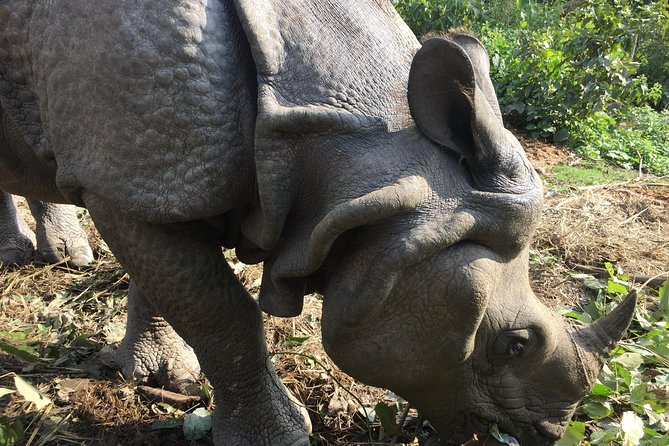
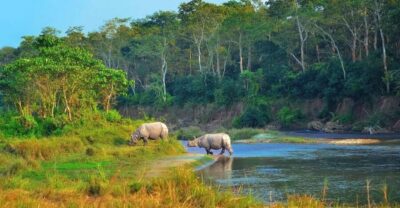
Chitwan National Park is one of Nepal’s best places to look for big wildlife without needing trekking stamina. The park’s famous for rhino, plus lots of smaller mammals and birds, and it also has strong cultural context through the Tharu communities nearby.
What I like about this package is that it tries to solve the things that usually derail a trip: transport timing, entry fees, and knowing where to go during prime viewing windows. Instead of you hunting down tickets, drivers, and guides, the plan is built around safari days with trained staff and the right park access.
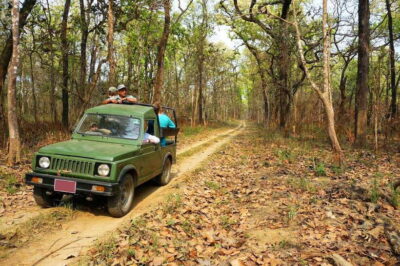
Also, the structure matters. Wildlife viewing in Chitwan isn’t one event—it’s a sequence. Jeep safaris take you through grassland and forest where large animals move. Canoe rides and walks shift you into a quieter, river-focused rhythm that’s especially useful for birds.
Kathmandu or Pokhara to Chitwan: the 6:30am start and what it means
Your day begins early. At 6:30am, you meet a representative at your hotel reception in the Thamel area of Kathmandu or the Lakeside area of Pokhara. From there, you’re taken to the bus station for a scenic shared bus ride to Chitwan. The drive is about 4–5 hours from either city.
When you arrive, you’re picked up at the arrival point and transferred to your hotel in Chitwan. On the way back, the shared bus ride runs about 5–6 hours to Kathmandu or Pokhara.
Practical thought: the pickup times are fixed, so your hotel matters. Aim to be ready at the lobby/reception before 6:30am, even if your hotel is small. If you’re staying slightly outside Thamel or Lakeside, ask your operator in advance how they handle it—your meeting point is described as being in those areas.
Also pack for a long travel day: sun protection, a layer for early morning cool air, and a small bag for water and essentials. You’ll have bottled water on the trip, but you’ll still want comfort on the bus.
The 1-night/2-day plan: culture plus your first jeep safari
If you’re short on time, this is the “get the highlights” option. In a 1-night, 2-day schedule, you combine cultural experiences with one solid wildlife outing.
Here’s what the plan includes:
- A village tour plus sunset viewing and a museum tour
- A cultural program featuring a Tharu stick dance
- A jeep safari (your main wildlife search)
Why this works: the village and museum stops help you understand what you’re seeing later. Chitwan isn’t just animals in the wild—it’s also people living around conservation. The stick dance is a lively intro to Tharu performance style, and it gives the cultural part “energy,” not just sightseeing.
The drawback of the short format is simple: you have less time for repetition. One jeep safari can be great, but wildlife timing is never guaranteed. If you can stretch to 2 or 3 nights, you’ll have more chances across different parts of the day.
The 2-night/3-day plan: Rapti canoe time and a full wildlife day
This is the sweet spot for many visitors because it adds a river experience and more wildlife search time without turning the trip into a marathon.
Your 2-night, 3-day plan includes:
- A Tharu village visit
- A 30-minute canoe ride along the river area used for viewing, plus jungle walk time
- Bird watching
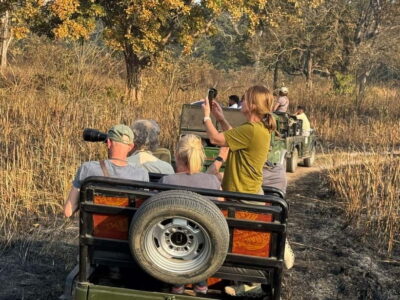
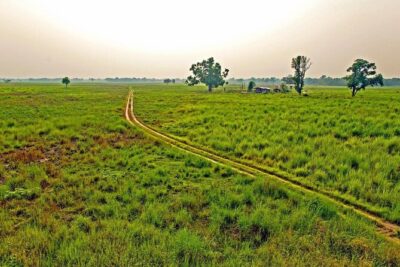
- A jeep safari through open grassland & forest, targeting rhino and other animals
- Another culture program
- More bird watching
The canoe ride is the key difference here. Jeep safaris are about movement across grassland and forest edges. A canoe shifts your viewing to the water and reed areas—often where you get a better shot at bird activity. Even when big animals are quiet, birds can keep the day interesting.
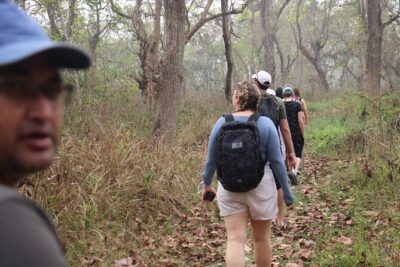
The jungle walk is also a change of pace. It’s not the same as a long trek, but it’s a reminder that wildlife viewing is often about patience and quiet walking. The trip notes you should have a moderate physical fitness level, so you’ll want comfortable footwear and a calm pace.




The 3-night/4-day plan: rare crocodile odds and deeper Chitwan context
If you want maximum time in Chitwan—with more chances for sightings and more time to learn—this is the longest option.
Your 3-night, 4-day plan combines:
- A village tour to a nearby Tharu community with first-hand interaction
- A visit to the National Park Visitor’s Centre to learn park history and local wildlife
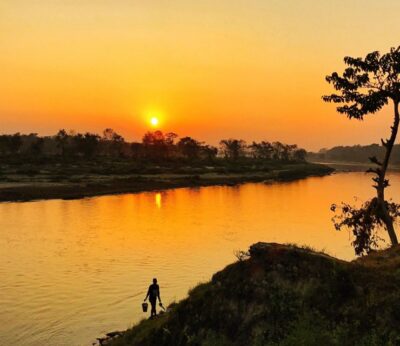
- Sunset from the Rapti River bank
- A Tharu cultural dance presentation (including participation) or a slideshow presentation
- A canoe ride along the Rapti River, with bird watching
- A chance to see two rare crocodiles mentioned in the plan: Marsh Mugger and the fish-eating Gharial
- A short jungle walk, including a chance to observe animals bathing activity
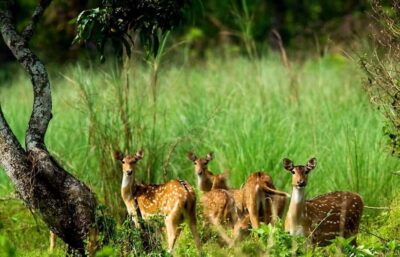
- A jeep safari with strong mammal variety listed, including four kinds of deer, rhino, wild bores, monkeys, leopards, sloth bears, and the Royal Bengal Tiger if you are lucky
- Additional bird watching, including courtship rituals mentioned in the schedule
- A visit to an Animal Breeding Centre
- Another National Park Visitor’s Centre visit
- Return transfer by shared bus to Kathmandu or Pokhara (about 5–6 hours)
What this longer plan does well is balance. You’re not only chasing wildlife—you’re also learning how the park works. The Visitor’s Centre and Animal Breeding Centre visits give you context for why certain viewing areas and routines exist.
And yes, the crocodile note is exciting. Canoe time along the Rapti River is usually when you’re most likely to notice river-edge wildlife behavior, and it’s specifically positioned as a bird and crocodile viewing window in the itinerary.
Jeep safaris vs canoe rides: how to think about “seeing wildlife”
It’s easy to imagine that you’ll just arrive and tick off rhino and tiger. Chitwan doesn’t work that way. Wildlife viewing is weather- and timing-dependent, and animals don’t schedule themselves for your camera.
So I treat the different activities as different tools:
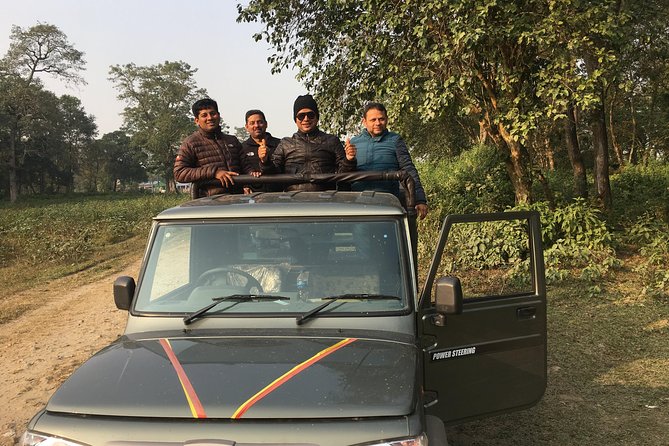
- Jeep safaris: best for larger mammals moving across grassland and forest patches. The plan specifically targets rhino and also lists a broad mix of potential sightings depending on the day.
- Canoe rides: best for river-focused wildlife and birds. In the longer plan, canoe time is clearly tied to crocodile viewing possibilities and bird watching.
- Jungle walks: best for quiet observation and noticing smaller animal activity and bird presence—often with less distance coverage than a jeep.
If you want the highest chance of meaningful wildlife time, choose the longer itinerary you can manage. More hours on the ground usually beats one “big day.”
One more safety note built into the design: the safari activities are described as close but safe, with knowledgeable guides and required staff. You’ll still want to follow instructions quickly—especially when wildlife is near and the group needs to stay calm and still.
Tharu village visits and dance: what you’re actually getting
The cultural side here is tied to living communities rather than only a stage show.
Across the packages, you’ll see:
- Tharu village visits (more detailed with additional time in the 3-night option)
- A cultural program, including Tharu stick dance in the 1-night itinerary
- Dance participation in the longer plan, plus a choice of slideshow presentations in the 3-night schedule
- Village learning described as first-hand interaction in the longest option
In practical terms, these stops are valuable because they give you a human map of the region. Tharu culture is also part of why Chitwan’s conservation story connects with local livelihoods. If you’re the type who likes to understand what you’re seeing and not just photograph it, these elements will land well.
Price and logistics: what $139 covers, and what to budget for
This tour is listed at $139 per person and is designed for 2 to 4 days, depending on your chosen package length. It also uses a mobile ticket.
Here’s the key value point: the included list is heavy on the items that usually add up.
Included highlights:
- Hotel pickup/drop
- Accommodations
- All safari activities
- Breakfast, lunch, and dinner during the safari in Chitwan, as per itinerary
- Government licensed safari guide
- National park and conservation area fees
- Guide insurance and salary, local taxes, tourist service charge
- Sharing bus transfers from Kathmandu/Chitwan/Pokhara
- Bottled water and coffee/tea
Not included:
- Alcoholic drinks
- Drinks
So what you’re paying for is not just the jeep. You’re paying for transport coordination, meals, guides, and park access. That’s often where “cheap” Chitwan plans fall apart—people underestimate how much those fees and services matter.
One more thought: the tour is described as private in the sense that your group participates together, but the bus transfer is shared. That’s a good compromise for cost, but it does mean you’re on local timetables, not your own.
What could go wrong, and how you can protect yourself
I want to address the one big red flag clearly. At least one negative experience in the provided feedback mentions poor communication and no one being there to meet the traveler after arriving by bus in Chitwan, leaving them feeling stranded.
I can’t predict what will happen on your day, but you can reduce risk:
- Reconfirm your pickup timing the day before departure.
- Save the operator contact info on your phone and share it with your hotel desk staff.
- Ask your hotel reception where they can reach someone if you don’t see your representative at pickup time.
- Keep your first-day arrival plan flexible. If you reach Chitwan and your representative isn’t visible, don’t wander for long—go straight to the safest waiting point and contact the provider.
This is one place where preparation beats optimism.
Who this Chitwan wildlife adventure suits best
This trip fits best if you want:
- A structured wildlife route with licensed guidance
- Both big-wildlife searching and river/bird time
- A cultural component that isn’t only a quick photo stop
- A schedule tied to Chitwan’s key activities (jeeps, canoe, visitor center)
You might consider skipping or choosing a different style if:
- You want full independence without fixed pickup times
- You dislike early mornings or long bus days
- You’re not comfortable with a moderate physical fitness level, especially with jungle walk segments
Should you book this Chitwan package?
My take: yes, with a small caveat.
Book it if you value a done-for-you plan that covers transport, park access, meals, and experienced guides—because that’s where this type of Chitwan trip gets expensive and annoying when handled DIY. The activity mix (jeep + canoe + village culture + visitor/animal center context) is built to make your days feel complete.
Don’t book it blindly if you hate uncertainty about pickup. Make reconfirmation part of your process. And if you can choose, the 2-night or 3-night versions generally give you a calmer pace and more wildlife time than the 1-night plan.
If you want Chitwan in a package that saves time and stress while still giving you real chances at rhino, birds, and the possibility of bigger cats, this is a strong candidate—just go in with your eyes open on communications.
FAQ
FAQ
What time do I need to meet the representative?
You’ll meet your representative at 6:30am at your hotel reception in the Thamel area of Kathmandu or the Lakeside area of Pokhara.
How long is the bus ride to Chitwan?
The shared bus ride is about 4–5 hours from Kathmandu or Pokhara to Chitwan, and 5–6 hours on the return trip.
Do I get picked up when I arrive in Chitwan?
Yes. After arriving at the bus arrival point, you’ll get pick-up and a transfer to your hotel.
What wildlife does this itinerary target?
The plan mentions chances to see rhinos, deer, birds, and potentially Royal Bengal Tiger (it says if you’re lucky). It also lists other possible wildlife like sloth bears, leopards, and more.
Is a canoe ride included?
Yes. In the 2-night/3-day option you get a 30-minute canoe ride, and in the 3-night/4-day option you get canoe rides along the Rapti River for bird watching and possible crocodile sightings.
What cultural activities are included?
You’ll visit Tharu villages and take part in cultural programs. In the 1-night/2-day plan, a Tharu stick dance is included, and in the 3-night/4-day plan you may participate in the Tharu cultural dance or watch a slideshow.
Are meals included?
Yes. The itinerary includes breakfast, lunch, and dinner during the safari in Chitwan, plus bottled water and coffee and/or tea.
What is not included in the tour price?
Alcoholic drinks and drinks are not included. You can purchase them separately.
How does cancellation work?
You can cancel for a full refund if you cancel at least 24 hours before the experience’s start time. If you cancel within 24 hours, the amount paid is not refunded.
More Wildlife in Kathmandu
More Tour Reviews in Kathmandu






Just Reviewed in Kathmandu
- Mountain Bike Tour
★ 5.0 · 3 reviews - Annapurna Panaroma
★ 5.0 · 3 reviews - Mount Everest Scenic Flight 50 Minutes
★ 5.0 · 3 reviews - Kathmandu : Swambhunath & Durbar Square Guided Half Day Tour
★ 3.3 · 3 reviews - Chandragiri Cable Car & Monkey Temple Tour – Private/Group
★ 5.0 · 3 reviews - Kathmandu: Shivapuri National Park Hiking Day Trip
★ 3.3 · 3 reviews
Chitwan Jungle Safari, compared.
 ★ 5.03-Day Chitwan National Park Jungle Safari Tour Package with Pick UpFrom $180184 reviews
 ★ 4.63-Day All-Inclusive Chitwan SafariFrom $149133 reviews
 ★ 4.63-Day Chitwan Safari Tour with Hotel TransfersFrom $151127 reviews
 ★ 4.73 Day Chitwan Jungle Safari TourFrom $12987 reviews
 ★ 5.03 Nights 4 Days Chitwan National Park with Tower Night StayFrom $35041 reviews
 ★ 4.52 Days Chitwan Jungle Safari Tour from Pokhara/KathmanduFrom $11727 reviews
 ★ 5.012-Day Nepal Adventure Trek with Jungle SafariFrom $95026 reviews
 ★ 4.82, 3, or 4-Day Chitwan Jungle SafariFrom $3524 reviews
Browse the lists this tour appears in