
Review · TOURS
12 Days Trek Tour in Nepal
Quiet trails, big mountain light. The Mohare Danda trek is built for people who want the Annapurna region without the packed-trail stress, and I really like that you sleep in community-based lodges run by locals instead of feeling like you’re passing through a strip-mall of tourist stops. The trade-off is physical: the trek asks for moderate fitness, including a tougher climb day with about a 1,000-meter gain.
This is also a rare 12-day plan that mixes serious hiking with practical comfort. You get a professional guide setup (guide, porter/helper, and an assistant guide), plus trekking gear loaned to you (including a down jacket, sleeping bag, and fleece liner), and a small group size up to 16 people—so you’re not swallowed by a crowd. Just note that it’s weather-dependent, and trekking plans can shift if conditions aren’t good.
In This Review
- Key things I’d circle on your map
- Mohare Danda’s calm is the whole reason to go
- Price and value: what $1,500 really includes (and what doesn’t)
- Getting in: Kathmandu, Thamel, and your trip briefing day
- Temples first: Pashupatinath and Boudhanath in one afternoon
- The drive to Pokhara: winding roads, big views, real time
- Galeshwor to Bas Kharka: crossing river country and arriving at homestay life
- Nangi day: villages, Magar culture, and school time
- The hardest day: the climb toward Mohare Danda’s sunrise country
- Deurali and Gorepani nearby: sunrise views plus a busier checkpoint
- Ghandruk day: Annapurna South scenes and Gurung cultural time
- Finishing the trek: down to Syaulibazar and the Pokhara rebound
- Pokhara after trekking: Devi’s Fall, Gupteshwar Cave, and a mountain museum
- Kathmandu city lanes: Ason market, hidden stupas, and Durbar Square
- What’s actually in your duffel: gear support that saves time and money
- Who this trek suits best (and who should think twice)
- Should you book Mohare Danda with Mountain Delights?
- FAQ
- Where does the tour start?
- How long is the trek?
- What is the maximum group size?
- What trekking gear is included?
- Are permits included?
- Are transfers included?
- Where do you stay in Kathmandu and Pokhara?
- What meals are included during the trek?
- Is the trek weather-dependent?
- What is the cancellation window?
Key things I’d circle on your map
- A quieter Annapurna route that’s described as less crowded than the usual options
- Community-run lodges and homestays along the trail, with village life as part of the point
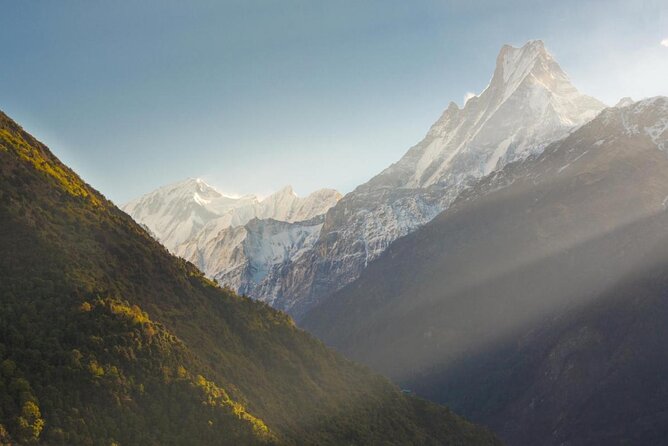
- Sunrise-focused trekking days with views of peaks like Machapuchre, Annapurna, and Dhaulagiri
- Small-group pacing (max 16) with guide support and extra help for logistics
- Smart gear inclusion (down jacket, sleeping bag, fleece liner, duffel bag) to lighten what you carry
More trails out of Kathmandu, boots ready
- Everest Base Camp Trek – 14 Days★ 5.0 · 1,499 reviews
- Everest Base Camp Trek★ 5.0 · 842 reviews
- Everest Base Camp Trekking★ 5.0 · 485 reviews
- Nagarkot Sunrise View and Day Hiking from Kathmandu★ 5.0 · 471 reviews
Mohare Danda’s calm is the whole reason to go
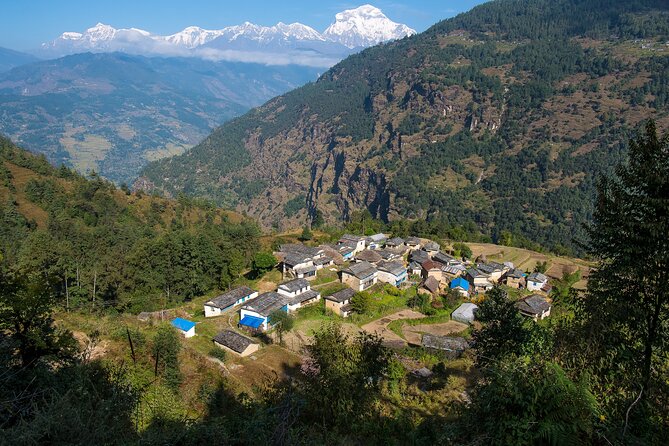
If you’ve ever started a trek excited and then spent half your day dodging other groups, you’ll understand why Mohare Danda is such a good fit. This route is presented as a newer, lesser-traveled trail in Nepal’s Annapurna area. The result is a quieter feel—more time hearing wind through the trees, less time watching trekking poles in your peripheral vision.
I also like that the trip is designed around community eco-lodges rather than “standard lodge everywhere.” On this trek, the stay locations are part of the cultural experience: you’re walking through agricultural villages, seeing how people farm and live, and you’re sleeping in places that are tied to the route.
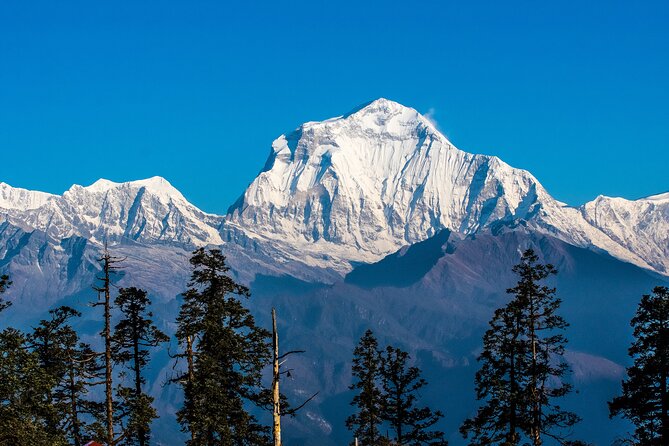
The third piece of the appeal is simple: views. You’re not trekking only to “get somewhere.” There are days built around sunrise and sunset scenery, with named peaks in the mix—especially Machapuchre, Annapurna, and Dhaulagiri.
Price and value: what $1,500 really includes (and what doesn’t)
At $1,500 per person for an ~12-day Nepal package, the best way to judge value is to look at what’s wrapped into the price.
Included is more than just a guide and a permit:
- Trekking gear loan: down jacket, sleeping bag, fleece liner, and a duffel bag
- Guides and support staff: professional trekking guide + porter/helper + assistant guide
- Permits: ACAP (Annapurna Conservation Area Permit) and TIMS
- Comfort basics: 3-star standard hotels in Kathmandu and Pokhara with breakfast (Nepal standard)
- Logistics: key private transfers (Pokhara to the trailhead and back from the trek finish), plus airport transfers
- Trek food and drink: listed as included for the trekking days, along with lodging for trekking staff and the staffing side of transportation/insurance/medical equipment
What’s not included is more typical:
- Tips for guide/porter/driver are expected (not compulsory)
- Lunch and dinner in Kathmandu and Pokhara aren’t included
If you’re comparing to a trek where you must rent gear, buy permits separately, and organize every transfer yourself, this price starts to look less “expensive” and more “managed.” The gear alone can be a big deal if you’re traveling light or coming from outside Nepal.
Getting in: Kathmandu, Thamel, and your trip briefing day
You land in Kathmandu, meet a rep, and get transferred to a pre-booked hotel. After check-in and rest, you head to Thamel, the practical pocket of shops where you can sort money exchange, snacks, trekking basics, and last-minute needs without turning it into a scavenger hunt.
Later that day is your trip briefing at the office. This matters more than people think. You’re not just receiving a date and a meeting time—you’re getting the “how this trek will run” part, including the note that if delays happen, events can shift to the next feasible day.
Then it’s straight to sleep. Kathmandu days can wear you out, especially if you arrive tired from travel. Keep dinner simple and get ready for the driving day ahead.
Temples first: Pashupatinath and Boudhanath in one afternoon
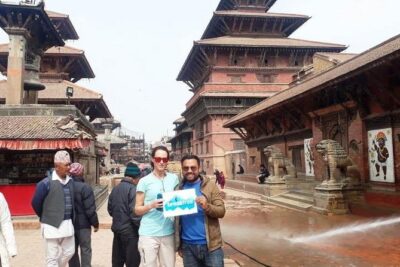
On day two, you start with breakfast and then go to two major religious sites: Pashupatinath Temple and Boudhanath Stupa.
Pashupatinath is one of the most famous Hindu temples in South Asia and is UNESCO-listed. It sits by the Bagmati River, a spiritually important river where Hindu cremations take place. If you’re the kind of traveler who likes context, this is a strong introduction to how spiritual life shapes daily rhythm in Kathmandu.
Boudhanath is the big counterpoint—Buddhist, world-famous, and a place where prayer and pilgrims are part of the scene. Seeing both in one day helps you understand Kathmandu as a living cultural crossroads.
Practical note: temple time means walking and standing. Wear shoes you’re comfortable in. Even if you’re not trekking yet, your legs will feel it.
The drive to Pokhara: winding roads, big views, real time
Day three is an early drive to Pokhara Lakeside. The route is described as long and winding on a narrow mountain highway—adventurous in the sense that you’re riding roads that feel close to the edge. It’s part thrill, part patience test.
Once you arrive, you get to slow down. You spend the rest of the day exploring the lakeside and nearby areas, or simply taking in Pokhara’s slower vibe while you recover from the road day.
This matters because the trek begins soon after. Pokhara is your reset button before you trade car time for foot time.
Galeshwor to Bas Kharka: crossing river country and arriving at homestay life
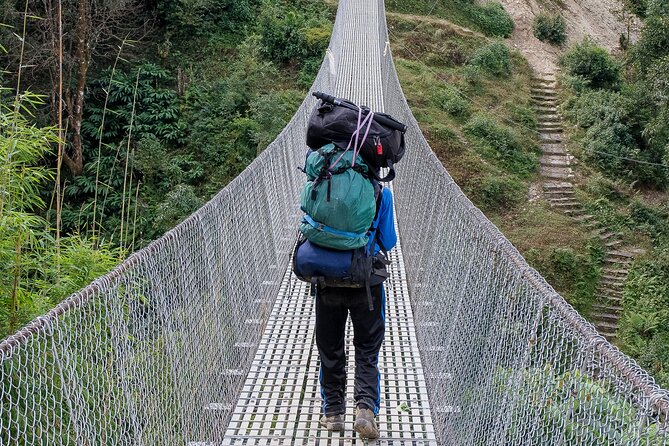
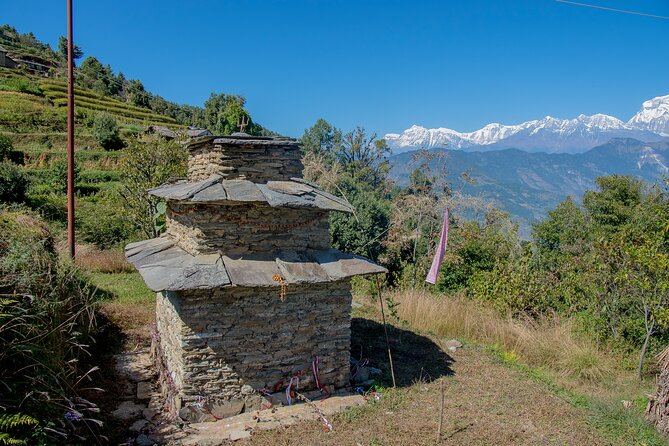
Day four starts with breakfast and then a drive to Galeshwor. After that, you walk about three hours to Bas Kharka, with an early crossing via a suspension bridge over the Kali Gandaki River.
That’s a small detail, but it sets the tone. Early on, you’re moving through village life and farmland—small houses and roadside shops—before you settle into the night at an eco community lodge for dinner and overnight in a homestay style setting.
What to keep in mind: homestays aren’t a hotel lobby. You’re there to experience local living. Bring a respectful attitude and be ready for basic comfort. In return, you get the sense that the route is supported by the people who live along it.
Nangi day: villages, Magar culture, and school time
Day five is your second trek day and heads toward Nangi. The trail passes villages and farm landscapes, with views of mountains and changing terrain.
You also get cultural structure here: Nangi is inhabited by Magar people, and the plan includes time exploring organic farms and visiting a school in the afternoon.
This is one of the more meaningful parts of the trip because it’s not just photos from the path. You’re seeing how people organize their days, what they grow, and how education fits into the community.
If you like quiet, practical travel moments, this is your day. If you dislike any interaction beyond small talk, you might still find it worthwhile—but go in with sensitivity and follow your guide’s lead.
The hardest day: the climb toward Mohare Danda’s sunrise country
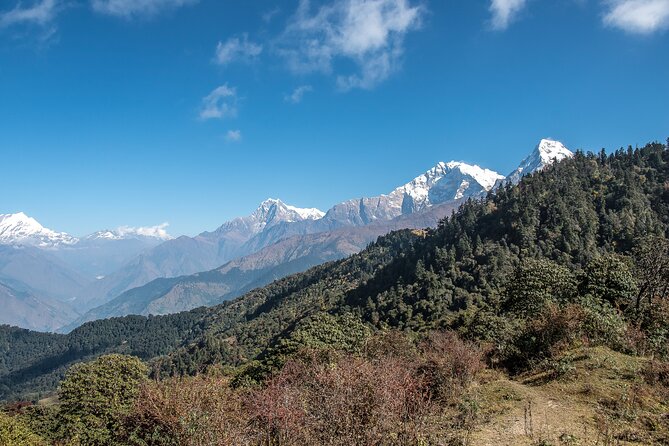
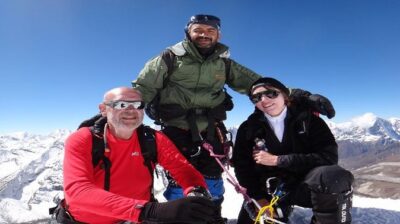
Day six is framed as the hardest day. You walk toward Mohare Danda, gaining almost 1,000 meters.
This is the day you’ll feel in your legs. The route is scenic through forest, and the payoff is why people sign up: the view of major Himalayan peaks, including Machapuchre, Annapurna, and Dhaulagiri. The area is also famous for sunrise and sunset views, so your schedule will likely be timed with the light.
On a hike like this, your success comes down to pacing:
- Keep steps steady, not fast
- Drink regularly
- Let your guide set the rhythm
You’re not trying to conquer the trek in one push. You’re trying to reach the viewpoints without burning out.
Deurali and Gorepani nearby: sunrise views plus a busier checkpoint
Day seven begins with sunrise over the Himalayan peaks—again you’re spotting peaks like Machapuchre, Dhaulagiri, Annapurna, and more. After breakfast at the lodge, you walk to Deurali.
The trail passes through Gorepani, a popular Annapurna trekking area known for sunrise from Poon Hill. It’s described as the most busy town in the region. That means you might feel a contrast: quieter village life transitions into a more trekking-focused atmosphere.
After Deurali, you’re positioned for the classic next stretch into more well-known villages. It’s a good reminder that Mohare Danda is a quieter path, but it still connects to the broader Annapurna foot traffic.
Ghandruk day: Annapurna South scenes and Gurung cultural time
Day eight takes you to Ghandruk. You walk about five hours through forest and arrive at a famous village with strong views—especially Annapurna South and Himchuli.
You also get the chance to visit the Gurung museum and culture in Ghandruk. If you care about learning the people behind the mountains, this helps turn the trek from scenery into context.
Ghandruk is also one of those places where you can feel the trek economy—lodges, tea stops, souvenirs, conversation from other hikers. That’s not automatically a negative. It can be a good place to reflect on what you’ve walked through so far.
Finishing the trek: down to Syaulibazar and the Pokhara rebound
Day nine is the end of the trek. After breakfast and enjoying the view of Annapurna South, Himchuli, and Fishtail close up, you descend to Ghandruk Bensi or Syaulibazar on the bank of the Madi River.
Then you’re done with daily trekking and finish with a short drive to Pokhara, about two and a half hours.
This is a psychologically important day. You’ve been focused on steps and rests for days. Now it becomes a “landing” moment—less effort, more sensation. If you manage your energy well on day six and seven, this day feels like a reward instead of a chore.
Pokhara after trekking: Devi’s Fall, Gupteshwar Cave, and a mountain museum
Day ten is sightseeing in Pokhara and it’s designed to fill the time without rushing you.
You can visit Devi’s Fall, Gupteshwar cave, and the International Mountain Museum, which the plan describes as particularly informative on mountaineering expeditions and Himalayan peaks. Then you return to the hotel for lunch, and later transfer to Pokhara Airport for your flight back to Kathmandu.
This day is a good fit if you like having a mix: feet on the ground during the trek, then your “mountain learning” time in museums and caves after.
Even if you don’t do every stop, plan for slow pacing. Your body may be tired in places you forgot existed.
Kathmandu city lanes: Ason market, hidden stupas, and Durbar Square
Day eleven goes back to Kathmandu for a city tour through narrow lanes and markets. You’ll see Ason market, the glass beads market at Indrachowk, and New Road’s older supermarket area, plus stops like Kilagal and hidden stupas inside family courtyards.
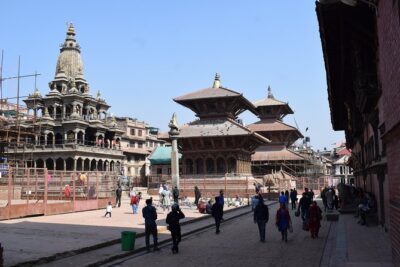
Then you visit Kathmandu Durbar Square, tied to the Malla kings (14th–18th centuries) and the Shah kings who ruled Nepal from 1768 to 2008. The tour also includes the temple of the living goddess—a distinct piece of Nepal’s spiritual and cultural structure.
This day is for people who enjoy walking and noticing details. It’s not a “drive by famous building” tour. It’s streets, courtyards, and small corners where life continues around heritage sites.
What’s actually in your duffel: gear support that saves time and money
One reason this trek feels realistic is that you’re not trying to buy or rent everything yourself.
You’re included with:
- Down jacket
- Sleeping bag
- Fleece liner
- Duffel bag
That’s a very practical setup for Nepal trekking because temperatures can swing hard at higher elevations and at night. With these items handled, you can focus your packing on layers you already own and the small essentials (personal items, daypack, rain protection).
Even with gear loaned, you’ll still want to bring your own comfort basics. Expect to keep your hands warm on early morning viewpoint days, and plan for damp trail sections depending on conditions.
Who this trek suits best (and who should think twice)
This trek is a strong fit if you want:
- A quieter trekking experience in the Annapurna region
- Community-led stays and village life, not just lodge-to-lodge hiking
- Sunrise mountain viewing and a trek that includes a truly challenging day
- Support staff and clear logistics so you can focus on walking and enjoying the route
It may be less ideal if you’re:
- Looking for an all-easy, no-steep-days hike
- Not comfortable with a moderate fitness requirement and longer walking stretches
- Worried about weather-driven changes (the experience requires good weather)
The group size cap of 16 also matters. It’s small enough that you can still feel like you’re part of the same plan.
Should you book Mohare Danda with Mountain Delights?
If you want Mohare Danda because you’re craving a calmer Annapurna trek with community-based lodges and sunrise views, this package makes a lot of sense. The value is strong when you factor in gear loan, permits, staffed support, and major transfers. You also get a well-paced “trek plus culture” blend: Kathmandu temples, Pokhara sights, and a final Kathmandu city tour before you fly out.
I’d book it if you’re willing to work through the hard day on day six and you don’t mind that some comfort is local-rural instead of hotel-slick. If that sounds like your kind of trip, you’re in the right place.
FAQ
Where does the tour start?
The meeting point is Thamel, Kathmandu 44600, Nepal.
How long is the trek?
The tour runs for 12 days (approx.).
What is the maximum group size?
The tour has a maximum of 16 travelers.
What trekking gear is included?
You’re provided with a down jacket, sleeping bag, fleece liner, and a duffel bag.
Are permits included?
Yes. The price includes the Annapurna Conservation Area Permit (ACAP) and Trekking Permit (TIMS).
Are transfers included?
Private transfers are included for key route segments: Pokhara–Galeshwor and Syaulibazar–Pokhara, plus transfers in Kathmandu and airport transfers as scheduled.
Where do you stay in Kathmandu and Pokhara?
You stay in 3-star standard hotels in Kathmandu and Pokhara with breakfast (described as Nepal standard).
What meals are included during the trek?
All food and drinks during the trekking portion are included, and the plan includes lodging for the trekking staff. Lunch and dinner in Kathmandu and Pokhara are not included.
Is the trek weather-dependent?
Yes. The experience requires good weather, and if it’s canceled due to poor weather, you’ll be offered a different date or a full refund.
What is the cancellation window?
You can cancel up to 24 hours in advance for a full refund; within 24 hours, the amount paid isn’t refunded.
More Trekking Out of Kathmandu
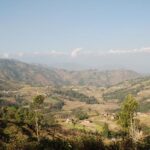
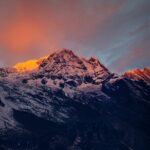
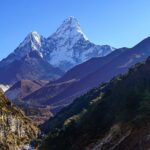
More Tours in Kathmandu


More Tour Reviews in Kathmandu
Just Reviewed in Kathmandu
- Mountain Bike Tour
★ 5.0 · 3 reviews - Annapurna Panaroma
★ 5.0 · 3 reviews - Mount Everest Scenic Flight 50 Minutes
★ 5.0 · 3 reviews - Kathmandu : Swambhunath & Durbar Square Guided Half Day Tour
★ 3.3 · 3 reviews - Chandragiri Cable Car & Monkey Temple Tour – Private/Group
★ 5.0 · 3 reviews - Kathmandu: Shivapuri National Park Hiking Day Trip
★ 3.3 · 3 reviews
Tours, compared.
 ★ 5.0Everest Base Camp Helicopter Tour landing at Everest View HotelFrom $1,575668 reviews
 ★ 5.0Full Day 7 UNESCO Tour with Lunch – Private/GroupFrom $10415 reviews
 ★ 5.0Private Bhaktapur and Nagarkot Day Tour From KathmanduFrom $20305 reviews
 ★ 4.9Food and Drink Walking TourFrom $34292 reviews
 ★ 5.0Full Day Top 4 UNESCO Tour with Lunch – Private/GroupFrom $10269 reviews
★ 5.0Kathmandu Food and Drink Walking TourFrom $36266 reviews
★ 5.0Full Day Top 4 UNESCO Tour with Lunch – Private/GroupFrom $10269 reviews
★ 5.0Kathmandu Food and Drink Walking TourFrom $36266 reviews
 ★ 5.0UNESCO Seven World Heritage Tour in KathmanduFrom $180253 reviews
★ 4.9Full-Day 7 UNESCO Tour with Lunch – Private/GroupFrom $5247 reviews
★ 5.0UNESCO Seven World Heritage Tour in KathmanduFrom $180253 reviews
★ 4.9Full-Day 7 UNESCO Tour with Lunch – Private/GroupFrom $5247 reviews