
Review · CHITWAN JUNGLE SAFARI
3-Day Chitwan Jungle Safari Tour from Kathmandu
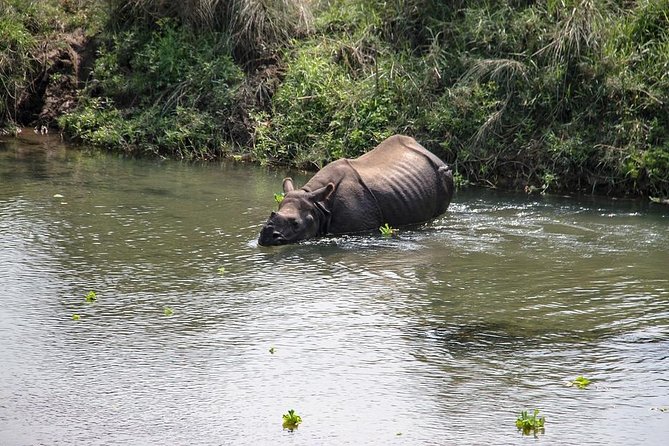
Elephants are optional; wildlife isn’t. This 3-day Chitwan adventure feels like a full day’s work in the best way: Rapti River canoe time for wildlife spotting, plus a real Tharu culture stop that adds meaning to the national park. I also like that the trip is set up with hotel transfers, meals, and park fees handled, so you’re not juggling logistics while you’re chasing rhinos and crocs.
I do want you to know the schedule is packed and the transport days are long. Plan for big time blocks on coaches, and on the return day you’ll have no lunch in Kathmandu, so bring a small snack strategy if you’re the kind of person who gets cranky when you’re hungry.
In This Review
- Key things to know before you go
- Kathmandu to Chitwan: what the first long travel day really feels like
- Chitwan Tharu Village: culture stop that actually changes how you watch animals
- Rapti River canoe ride and bird watching: the calm way to start wildlife time
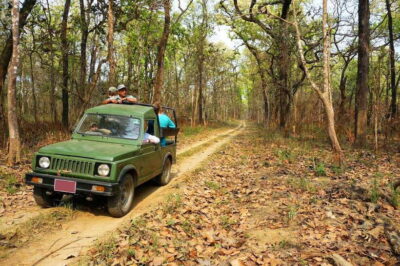
- Jeep safari in Chitwan National Park: where rhinos and the tiger possibility live
- Tharu culture + wildlife in the same trip: why that pairing is good value
- Your lodge and meals setup: comfortable enough, not fussy
- Dress for wildlife: neutral colors are not a fashion choice
- Transport and transfers: included, but confirm the exact flow
- Price and value: is $392 fair for what you get?
- Optional extras: one call I’d make before you go
- Should you book the 3-Day Chitwan Jungle Safari from Kathmandu?
- FAQ
- What’s included in the $392 price?
- What animals might I see in Chitwan on this trip?
- How do pickups work in Kathmandu?
- Is lunch provided on the final day?
- What kind of hotel room will I get?
- What should I wear for wildlife viewing?
- What’s the refund timeline if I cancel?
Key things to know before you go
- Rapti River canoe ride is built into the schedule early, when animals often feel more active
- Tharu Village cultural performance and museum visit give context for the people who live at the park’s edge
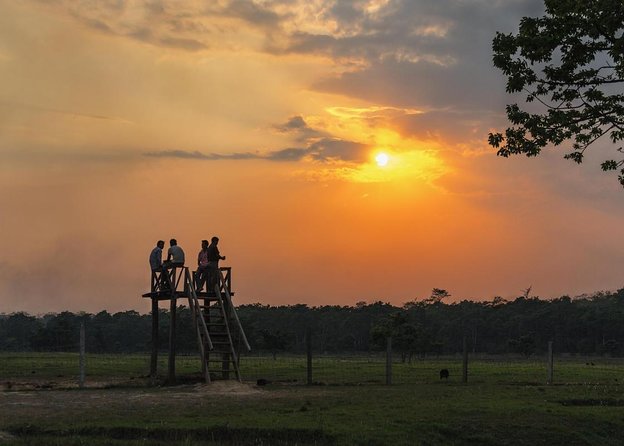
- Jeep safari is timed for strong wildlife-viewing chances, including rhinos and the rare tiger sighting possibility
- All park fees, conservation fees, and national park access are included, so the price stays predictable
- Hotel transfer depends on where your Kathmandu hotel sits (inside the city ring road gets included service)
- Neutral clothing matters because bright colors and busy patterns can draw attention and spook wildlife
More time out in the wild
- 3-Day Chitwan National Park Jungle Safari Tour Package with Pick Up★ 5.0 · 184 reviews
- Kathmandu: 3-Day Chitwan Safari Tour with Hotel Transfers★ 4.6 · 127 reviews
- Kathmandu/Pokhara: 3 Day Chitwan Jungle Safari Tour★ 4.7 · 87 reviews
- 2 Days Chitwan Jungle Safari Tour from Pokhara/Kathmandu★ 4.5 · 27 reviews
Kathmandu to Chitwan: what the first long travel day really feels like
This style of safari trip is made for people who want a lot in a short window. You’re not just going to the park and staying put. You leave Kathmandu early, ride south, then start doing activities right away instead of treating Chitwan like a vague “someday we’ll see things” plan.
A driver meets you with a placard in Kathmandu, then you head toward the tourist bus park by private vehicle. Expect an early departure—your day kicks off around the morning hours (the meeting point starts at 7:00am, and the transfer is described as happening around 6am). Translation: set an alarm you trust, not one you hope.
Once you arrive in the Chitwan area, the first activities are centered on people and place. The goal is to help you understand the Terai region beyond just animals—who lives here, how they connect to the environment, and why cultural knowledge matters when you’re learning to read a landscape.
Chitwan Tharu Village: culture stop that actually changes how you watch animals
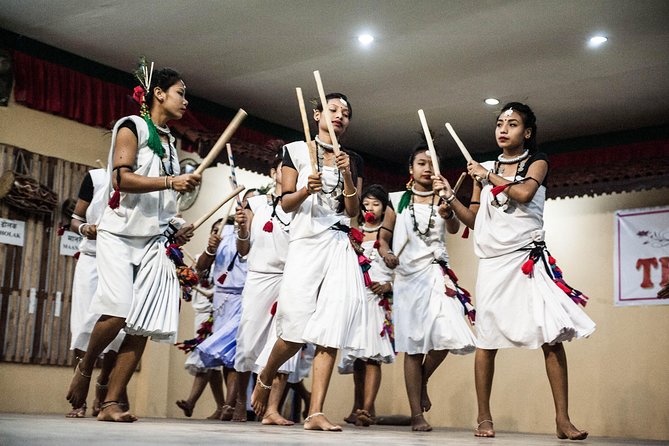
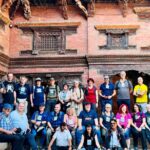
The Chitwan Tharu Village stop is more than a “look and move on” visit. You get a structured introduction to Tharu community life through a cultural performance, plus time at a local museum. This matters because wildlife viewing can otherwise feel like you’re hunting photos instead of learning how the park functions.
Here’s the practical benefit: once you know what local life looks like near the reserve—how people work, what they pay attention to, what traditions shape daily rhythms—you tend to notice more in the wild. You’ll start seeing the park as a living border area, not a separate world you drop into for three days.
It’s also a good pacing moment after the long travel. If you arrive tired, the cultural program gives your eyes and ears something focused to do before you’re back in “spotting mode” for the safari side of the trip.
Rapti River canoe ride and bird watching: the calm way to start wildlife time
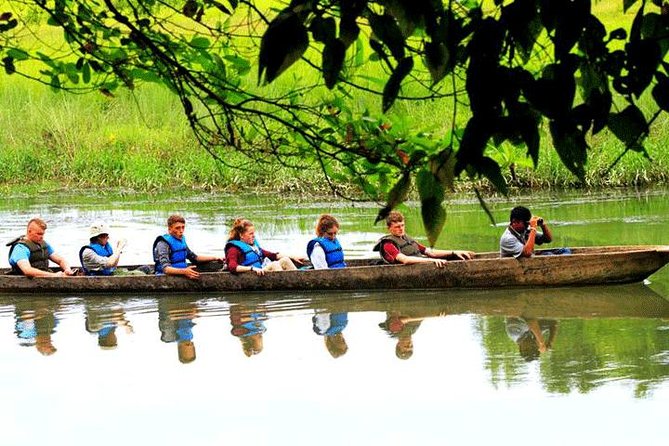
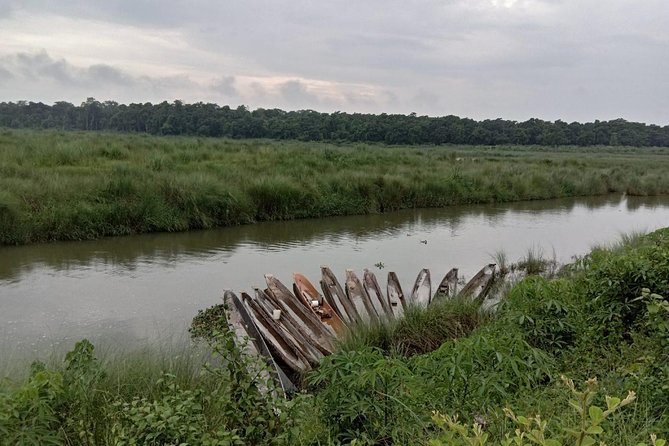
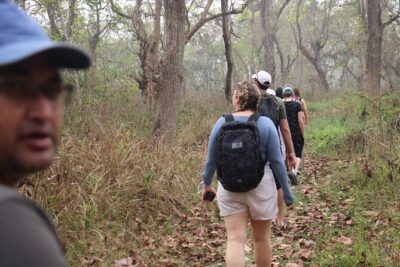
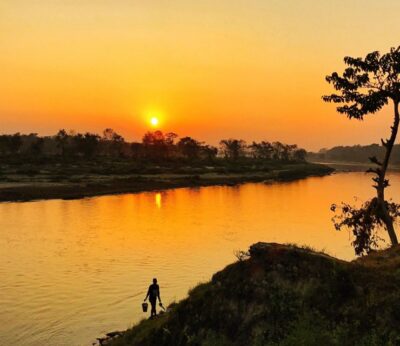
One morning is set aside for bird watching and a canoe ride along the Rapti River. The schedule is early—morning tea before breakfast, then you’re out doing the river activity. That’s intentional. Early hours in river and forest edges often bring more movement and better viewing conditions than the late-day heat.
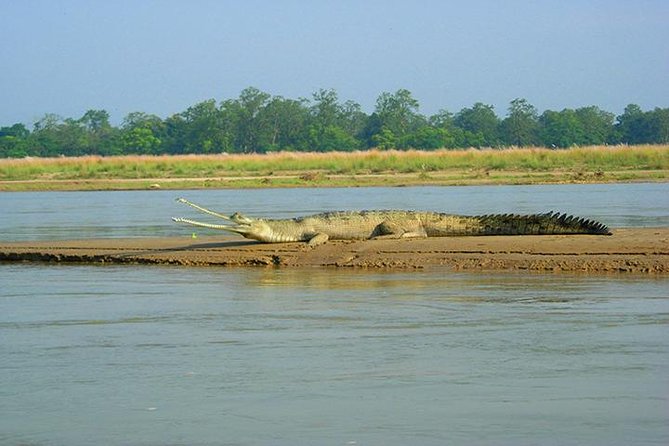
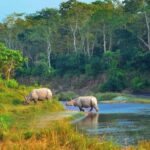
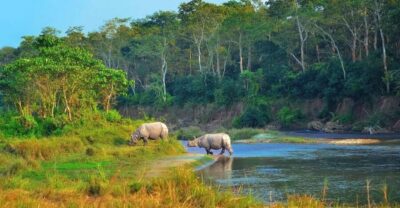
The canoe part is a key experience. You’re sitting low, traveling slowly, and using a guide’s eyes to scan river edges and vegetation. It’s one of the better setups for spotting crocodiles, because you’re not searching randomly from land. You’re watching a route that animals naturally use.
Bird watching also trains you. If you’re new to safari-style observation, the birds help you understand how to read the environment: movement at the treeline, sudden stillness, how sound carries, and how light affects visibility. Even if you don’t spot everything, you’ll feel more competent when the jeep safari day arrives.
Jeep safari in Chitwan National Park: where rhinos and the tiger possibility live
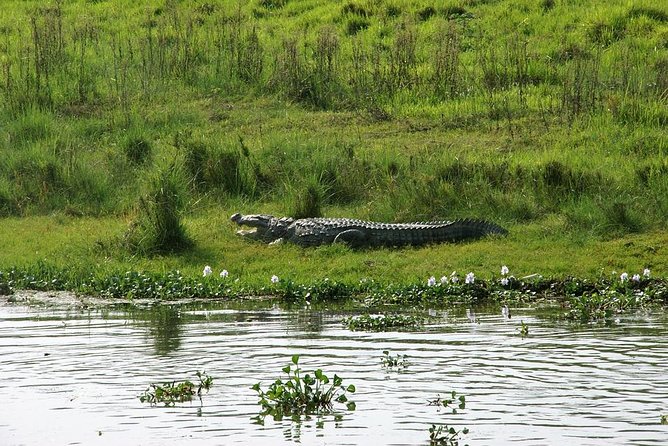
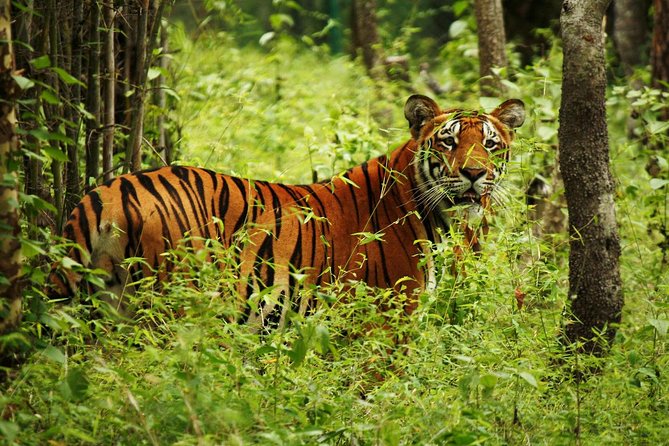
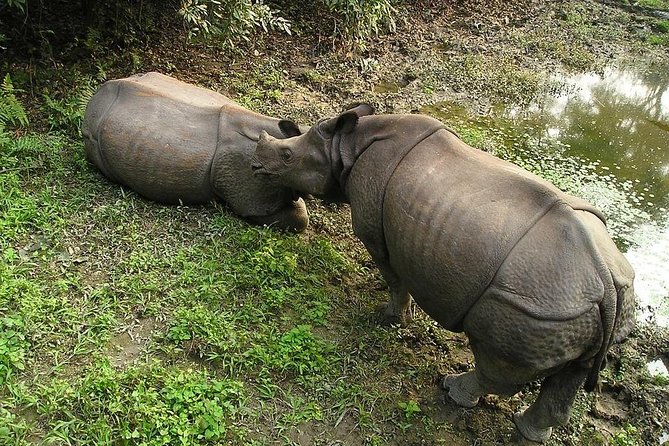
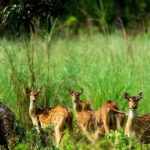
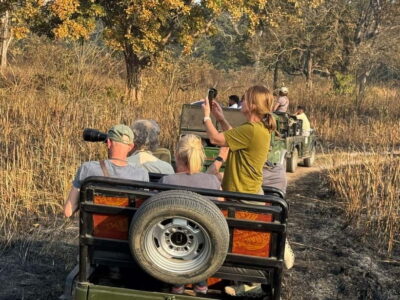
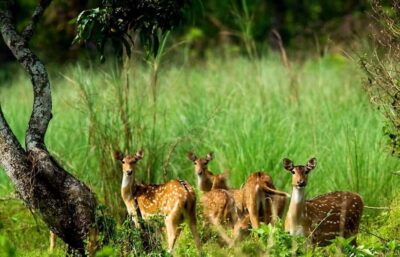
After the calmer river morning, the trip pivots into higher-energy wildlife searching. The schedule includes a jeep safari designed for seeing larger animals. This is where you’ll be watching for deer, rhinos, crocodiles, and—if luck and timing line up—for the much-discussed chance of tigers.
Let’s keep it honest: tiger sightings are never guaranteed anywhere. But the trip’s structure supports maximum chances by getting you into the park experience multiple times across the short trip window. You’re not waiting until the last moment to make the safari happen.
Jeep safaris also teach you patience and positioning. You’re going slowly but stopping frequently. Your guide matters because they’re interpreting tracks, terrain, and animal behavior signals. The trip is run with a safari guide, so you’re not left alone trying to guess what you’re seeing.
One more practical point: it can get hot, and you might feel it in the jeep. Bring a water plan even if drinks aren’t included. Also, protect your phone and camera from dust; river and dry season travel can kick up fine grit.
Before you lock this one in, a few Kathmandu alternatives:
Tharu culture + wildlife in the same trip: why that pairing is good value
Chitwan’s magic isn’t only that you might see rare animals. It’s also how quickly you realize this park exists inside a human geography—villages, traditions, and daily life all sit alongside conservation areas.
That pairing—Tharu Village cultural performance and museum time, then wildlife viewing—makes the whole safari feel smarter. It’s not just “go see animals.” It’s “go see animals in a place where people also live with the park.” That context helps you understand why conservation works and why behavior in the park matters.
It also makes the trip feel less one-note. If you spend all day only scanning for animals, your attention can start to fray. Culture moments give your brain a reset while still keeping you on track with the trip’s theme.
Your lodge and meals setup: comfortable enough, not fussy
You get two-night accommodation in a 3-star category hotel or resort (listed examples include Chitwan Paradise Hotel or similar). Rooms are typically twin/double sharing, and solo travelers get a single room. That’s the kind of clarity that reduces stress.
Food is included across the trip: you’ll have breakfast and dinner each day, plus lunch on the days it’s specified. Expect buffet-style meals—your schedule is built around full meal blocks so you can keep going without hunting for snacks at odd hours.
One small thing to plan for: lunch isn’t provided on the third day when you return to Kathmandu. That return day is about six hours by tourist bus, and you’ll want energy. If you’re the type who likes a safety net, grab a snack before you board and keep it simple.
A real comfort tip: pack something for evenings too. Even in warmer months, the Terai can feel cooler once you’re out of the midday sun. Bring a light layer so you’re not uncomfortable during check-in and dinner.
Dress for wildlife: neutral colors are not a fashion choice
This trip gives very direct guidance on what to wear: don’t bring bright-colored clothing or busy patterns, because they can draw attention and scare off wildlife. Wear greens, browns, and khakis.
That advice is practical, not moralizing. Wildlife viewing works best when animals don’t feel like your movement is a threat. Bright fabric catches light fast and can read as unnatural movement from a distance.
Also consider the climate. The Terai can hit 37°C+ in summer, while winter tends to range roughly from 7°C to 23°C. You’ll likely feel warm during daytime activities and need something manageable for early mornings and lodge evenings.
If you want to pack smart:
- breathable layers for jeep and river activity
- a hat and sunglasses
- neutral-toned clothing for safari days
- a light rain option if you’re traveling in wetter seasons (not listed, but it’s a common Nepal reality)
Transport and transfers: included, but confirm the exact flow
The big logistical promise here is hotel pickup and drop-off in Kathmandu and in Chitwan, plus Kathmandu–Chitwan–Kathmandu by tourist coach. Pickup is included for hotels inside Kathmandu’s city ring road. If your hotel is outside that area, there’s an additional charge.
The trip also includes group discounts, and it’s described as a private tour/activity where only your group participates. That’s a good setup if you don’t want to share guides and vehicles with half of Nepal.
Still, you should be aware of how transfers work in practice. One of the concerns raised in the provided feedback is that the return pickup at the end of the tour can be inconsistent depending on timing and where you are when the bus arrives. To avoid frustration, take two minutes before you go to do this:
- confirm your return pickup point with the tour company
- keep your hotel address and landmark details in an easy-to-show note
- have a working phone number for the day-of contact
This isn’t about paranoia. It’s about protecting your time. When your day ends after a long bus ride, you want a smooth handoff, not a scavenger hunt.
Price and value: is $392 fair for what you get?
At $392 per person, you’re paying for more than a tour guide. You’re paying for the whole bundle: two nights in a 3-star category hotel, round-trip coach transport, safari guide support, activities, and the park-related fees and conservation charges. Meals are also included (with that one important exception on day three lunch).
Here’s how I think about value with safari tours:
- If you tried to DIY transport and park access, the administrative and travel friction would cost you time and stress.
- If you’re buying into a guided experience, you’re paying for interpretation—help spotting animals and understanding behavior.
- If you’re paying for two nights and meals, the trip becomes a true “package” instead of a budget puzzle.
For the kind of three-day window you have, this price starts to look reasonable, especially because most safari costs stack up: entry fees, guide time, and logistics. The main thing to watch is how closely your personal comfort needs match the included package. If you’re a picky eater, you can request dietary needs at booking. If you’re sensitive to early starts and long transit blocks, plan your expectations accordingly.
Optional extras: one call I’d make before you go
A note from the provided feedback is to avoid elephant rides. That’s worth taking seriously. Even if they’re offered as an option, you can plan your experience around jeeps, canoes, and on-the-ground observation instead.
Another practical decision: the tour mentions transport options like private vehicle or flight on request for the Kathmandu–Chitwan legs. If you have the budget and want to reduce travel fatigue, ask early so you’re not scrambling once your dates are set.
Should you book the 3-Day Chitwan Jungle Safari from Kathmandu?
I’d book it if you want a structured, high-effort wildlife trip without spending your time on details. This is a good fit for people who:
- can handle an early start and long coach days
- want both Tharu cultural context and real park time
- like guided animal spotting, not solo wandering
- want park fees and most meals taken care of up front
Skip it or choose a different option if you know you hate transfer uncertainty, because day-to-day timing can make or break your comfort level. Also, if you only want wildlife with zero culture, this trip might feel like it spends a chunk on human stories before the animals.
If you do book, go in with the right mindset: dress in neutral colors, plan for heat, and treat wildlife sightings as chances, not promises. Do that, and your three days in Chitwan are likely to feel fast, memorable, and genuinely worth the trip from Kathmandu.
FAQ
What’s included in the $392 price?
The price includes two-night accommodation in a 3-star category hotel or resort, hotel pickup and drop-off in Kathmandu and Chitwan, Kathmandu–Chitwan–Kathmandu by tourist coach, a jungle safari guide, activities as per the itinerary, taxes and national park/conservation fees, and meals (two breakfasts, two dinners, and two lunches—no lunch on the third day).
What animals might I see in Chitwan on this trip?
You’re given chances to spot deer, rhinos, crocodiles, and even tigers. Exact sightings can’t be guaranteed, but the schedule includes river and jeep safari viewing designed for wildlife watching.
How do pickups work in Kathmandu?
Pickup is offered for hotels inside Kathmandu city ring road. You’ll also meet at the Liberty Holidays corporate office at Trishakti Marg, Kathmandu at the start time, and an English-speaking driver is described as coming to pick you up with your name on a placard.
Is lunch provided on the final day?
No. Lunch is not provided on the third day because you return to Kathmandu that day.
What kind of hotel room will I get?
Accommodation is listed as twin/double sharing. For solo travelers, a single room is provided.
What should I wear for wildlife viewing?
You’re advised not to wear bright-colored clothing or busy patterns, since they can scare wildlife. Stick to greens, browns, and khakis.
What’s the refund timeline if I cancel?
You can cancel up to 6 days in advance for a full refund. If you cancel 2–6 days in advance, the refund is 50%. If you cancel less than 2 days before the experience, the amount is not refunded.
More Days in the Wild
More Tours in Kathmandu




More Tour Reviews in Kathmandu




Just Reviewed in Kathmandu
- Mountain Bike Tour
★ 5.0 · 3 reviews - Annapurna Panaroma
★ 5.0 · 3 reviews - Mount Everest Scenic Flight 50 Minutes
★ 5.0 · 3 reviews - Kathmandu : Swambhunath & Durbar Square Guided Half Day Tour
★ 3.3 · 3 reviews - Chandragiri Cable Car & Monkey Temple Tour – Private/Group
★ 5.0 · 3 reviews - Kathmandu: Shivapuri National Park Hiking Day Trip
★ 3.3 · 3 reviews
Chitwan Jungle Safari, compared.
 ★ 5.03-Day Chitwan National Park Jungle Safari Tour Package with Pick UpFrom $180184 reviews
 ★ 4.63-Day All-Inclusive Chitwan SafariFrom $149133 reviews
 ★ 4.63-Day Chitwan Safari Tour with Hotel TransfersFrom $151127 reviews
 ★ 4.73 Day Chitwan Jungle Safari TourFrom $12987 reviews
 ★ 5.03 Nights 4 Days Chitwan National Park with Tower Night StayFrom $35041 reviews
 ★ 4.52 Days Chitwan Jungle Safari Tour from Pokhara/KathmanduFrom $11727 reviews
 ★ 5.012-Day Nepal Adventure Trek with Jungle SafariFrom $95026 reviews
 ★ 4.82, 3, or 4-Day Chitwan Jungle SafariFrom $3524 reviews
Browse the lists this tour appears in