
Review · HISTORICAL TOURS
3 Days Bhutan Cultural Tour
Three days, one unforgettable Bhutanic rhythm. I like the scenic Druk Air descent into Paro and the private, English-speaking guide that keeps things moving from customs to daily timing. Still, it comes with one clear consideration: Taktsang is a steep climb and the monastery can only be viewed from afar, not entered.
This is a tight itinerary with a smart mix: Thimphu culture stops in the morning and afternoon, then one big religious hike day. You also get A grade 3 hotels and all meals included, which matters in Bhutan where planning every meal on your own can turn into stress.
One more thing I appreciate is the organizer support. In at least one experience, the guide named Tashi was praised for taking careful care day to day, and the local team helped handle documents and visa paperwork before arrival. That kind of follow-through is hard to replicate on your own travel day.
In This Review
- Key highlights to know before you go
- Flying Into Bhutan: Paro’s Valley Descent on Druk Air
- Thimphu in One Day: Textile Museum, Paper Making, Stamps, and Town Walks
- Satsam Chorten to Taktsang: The Tiger’s Nest Cliffside Climb
- Kyichu Lhakhang: One of Bhutan’s Oldest Temple Stops
- Hotels, Meals, and Private-Group Pace That Feels Like Care
- Price and Logistics: What You’re Really Paying For at $1,649
- Who This 3-Day Bhutan Cultural Tour Fits Best
- Should You Book This Bhutan Cultural Tour?
- FAQ
- How long is the Bhutan cultural tour?
- What flights are included?
- What are the main sightseeing stops?
- Can you enter Taktsang Monastery?
- How long and hard is the Taktsang hike?
- What’s included in the price?
- What’s not included?
- Do I need my Bhutan visa before arriving?
Key highlights to know before you go
- Druk Air flights to Paro: a 1-hour hop from Kathmandu with big mountain views during descent
- Thimphu culture, not just checkpoints: Textile Museum, traditional paper making, and a Post office stamp stop
- A real Tiger’s Nest climb: about 1.5 hours up on a wide mountain path, with views as the payoff
- Sights with meaning: Satsam Chorten before the hike and Kyichu Lhakhang after lunch
- Private group pacing: private vehicles for transfers and an English-speaking guide for context
Deeper into old Kathmandu
- Private Kathmandu Sightseeing Tour | UNESCO World Heritage sites★ 5.0 · 756 reviews
- UNESCO Seven World Heritage Tour in Kathmandu★ 5.0 · 253 reviews
- Nepal Discovery Tour: Heritage Sites & Scenic Hill Easy Hike★ 5.0 · 121 reviews
- Kathmandu Private Sightseeing Tour | UNESCO World Heritage Sites★ 5.0 · 109 reviews
Flying Into Bhutan: Paro’s Valley Descent on Druk Air
The trip starts with something you can’t really fake: the scenic flight from Nepal to Bhutan. You fly Kathmandu to Paro on Druk Air, with the flight time listed at about 1 hour. Then, once you touch down, you’ll do the Bhutan side of arrivals—customs and visa control—and meet your Bhutanese guide.
That landing matters. Paro is a mountain airport, and the descent through valley and Himalayan scenery is part of why people remember Bhutan flights. If you’re the type who usually skips the plane seat choice, you’ll want to pay attention here. You’re not hunting for a window “just because.” You’re there for the approach.
After arrival, the schedule is straightforward: airport transfers and transportation into Thimphu. The drive is about 54 km and takes around 2 hours, which is a decent warm-up day. You arrive, check in, and settle in without rushing into another activity marathon.
Thimphu in One Day: Textile Museum, Paper Making, Stamps, and Town Walks
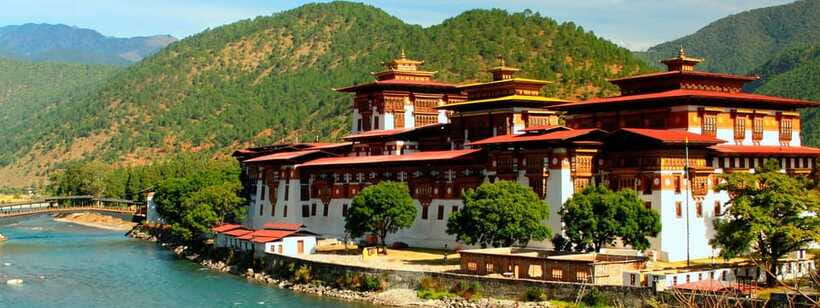
Day 1 shifts from travel into culture. After lunch, sightseeing starts in Thimphu, Bhutan’s capital. The itinerary is designed so you get a feel for how people live and make things, not only what they pray in.
Here are the stops I’d circle, because they connect Bhutan’s traditions to everyday objects:
- Textile Museum: You’re looking at the clothing and textile culture that show up across Bhutanese life. Even if you’re not a museum person, it’s a good bridge between the modern city and the older cultural practices.
- Traditional paper making factory: Paper is one of those slow, craft-based arts that explains a lot about material culture. Seeing how it’s made gives context for the rest of the day’s theme: heritage you can touch, not just read about.
- Post office and Bhutan stamps: This is a delightfully specific stop. The stamps depict myths and traditions, and they turn postal items into a mini museum. If you like collecting small, meaningful souvenirs, this is one of the better places to do it.
You’ll also have a built-in flexibility option. The tour notes that you can do less formal sightseeing and walk around town with your guide. That’s valuable in a place where the “right” route often depends on how you’re feeling after travel. It’s also a good way to catch small street details you’d miss on a rigid checklist.
The day ends with an overnight in Thimphu and included meals: breakfast, lunch, and a welcome dinner. That’s not just convenient. It reduces the number of decisions you have to make after the flight and customs day.
Satsam Chorten to Taktsang: The Tiger’s Nest Cliffside Climb
Day 2 is the heart of the trip: Thimphu to Taktsang (Tiger’s Nest) with a mountain hike included.
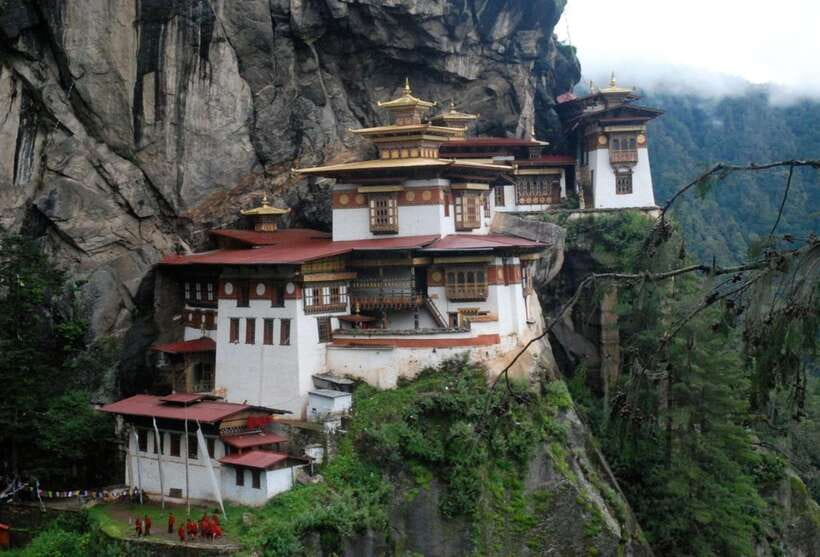
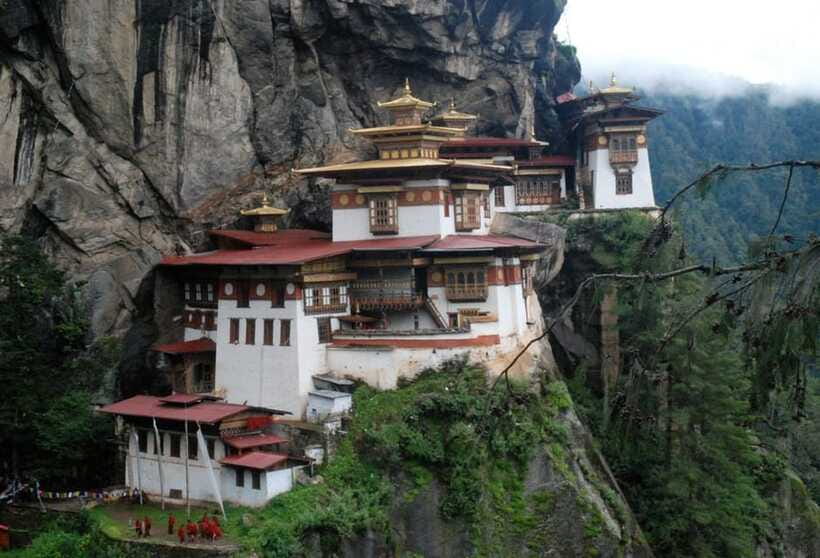
You start with a drive to Satsam Chorten. It’s a short setup stop before you begin the hike. Then the day becomes physical. You hike to Taktsang Monastery, which is built around a cave where Guru Rimpoche (Guru Padmasambhava) is said to have meditated. There’s also a legend tied to the site: Guru Rimpoche is said to have flown from Tibet on the back of a tigress and meditated in the cave for three months.
Now, here’s the practical part that affects your expectations: the monastery can only be viewed from afar. It’s also stated that it is not open to the public. That means your payoff is the sightline from the viewpoint, not exploring inside the complex. It’s still iconic, but it changes how you should plan mentally.
The climb itself is described as a steep 1.5-hour walk on a wide mountain path. So even though it’s not described as technical hiking, it is still a real climb in altitude and angle. This is where your footwear choice matters. The tour explicitly says to bring hiking shoes, and I agree with that strongly. You’ll be glad you didn’t bring flimsy sneakers.
Also note the rebuilding story. The monastery was rebuilt after a disastrous fire destroyed it in April 1998. That detail gives the site extra context: you’re looking at something that has survived and been restored, and the views feel even more earned when you understand that history.
After the hike, there’s lunch. Then you move to the next sacred stop—Kyichu Lhakhang—and your day ends with an overnight in Paro and a farewell dinner.
Kyichu Lhakhang: One of Bhutan’s Oldest Temple Stops
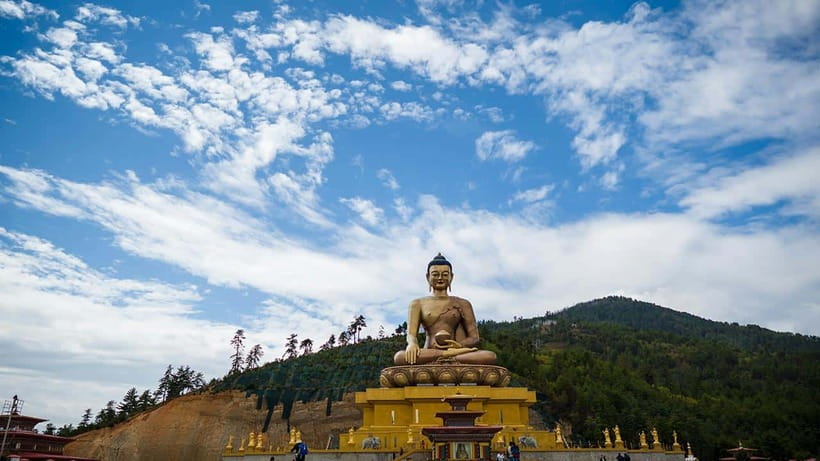
Later on Day 2, you visit Kyichu Lhakhang, described as one of Bhutan’s oldest and most sacred temples. It’s a nice change after the hike because it’s calmer, slower, and more grounded.
This stop is also well placed. By the time you reach Kyichu Lhakhang, your legs have had their work period. You’ve already climbed toward a famous cliffside meditation site, so Kyichu feels like a complementary experience—less about the exertion and more about the continuity of place.
For many people, this is the moment Bhutan feels most real: you’re moving through a route where devotion and daily life overlap, and the tour keeps the flow from Thimphu’s cultural craft sites into religious geography without making you bounce around too much.
Before you lock this one in, a few Kathmandu alternatives:
Hotels, Meals, and Private-Group Pace That Feels Like Care
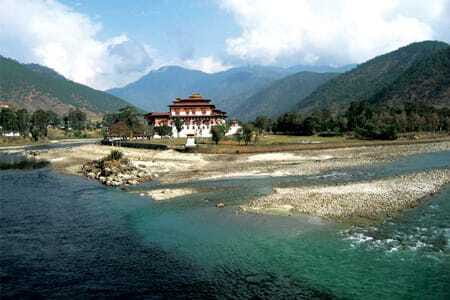
This is a private group tour, and the logistics are built around private vehicles and an English-speaking guide. That matters in Bhutan because travel time can feel longer once you’re actually on the road, and you don’t want to be negotiating schedules with strangers.
You’re staying in A grade 3 hotels in Bhutan. That’s a sweet spot for value: better than basic guesthouses, usually more comfortable than “just okay,” while still keeping the cost reasonable for a package that includes flights and most meals.
Food is included across the full trip: breakfast, lunch, and dinner. You’re not spending time figuring out where to eat after a hike day. You also get a welcome dinner on Day 1 and a farewell dinner on Day 2, which gives the trip a sense of closure.
One detail that stands out from real organizer-style experiences is how hands-on the guide and local team can be. In one account, the guide named Tashi was praised for looking after people very well. Another account highlighted a local agent who helped sort papers and visa support by coming to a hotel and making sure travelers were on the right path before and after the trip. That kind of support can reduce the risk of last-minute document stress, which is especially helpful since Bhutan travel has specific requirements.
Price and Logistics: What You’re Really Paying For at $1,649
At $1,649 per person for 3 days, the sticker price is not small. The question is what’s included that would otherwise cost time, money, or both.
This package includes:
- Airfare: Kathmandu to Paro and return to Kathmandu
- Transfers and transportation in private vehicles as per the itinerary
- 3 hotel stays in Bhutan
- All meals (breakfast, lunch, dinner)
- Government taxes, permits, and sightseeing entrance fees
- Bhutan visa fee
- English-speaking tour guide
Not included:
- Airport departure tax
- Bar bills and laundry
- Travel insurance (including evacuation)
- Nepal visa
So the value isn’t just the flight. It’s the way the cost bundles together planning friction: permits, entrance fees, and the visa fee are already accounted for. That matters because in places like Bhutan, “easy” on paper can turn into frustrating in real life.
There’s also an important timing note: your Bhutan visa must be arranged prior to arrival in Paro. The tour states this clearly. It’s one of those details that can ruin a trip if you wait until the last moment.
If you’re the kind of traveler who hates carrying paperwork, it’s still manageable, but you should treat this as a pre-trip task, not something to solve in-country.
Who This 3-Day Bhutan Cultural Tour Fits Best
This tour fits you if you want:
- A culture-and-religion focused introduction to Bhutan without a long multi-day plan
- A manageable amount of sightseeing in Thimphu, including craft and stamp culture
- One major highlight hike—Taktsang—even if you understand you won’t enter the monastery itself
- A private guide who can explain what you’re seeing, in English
You might want to think twice if:
- You dislike steep walks, even moderate-length ones (this one is about 1.5 hours and called steep)
- You expect to go inside Taktsang. The tour description is clear that it’s not open to the public; you’re there for the view from afar
- You’re traveling with pets or oversize luggage, since pets are not allowed and oversize luggage is not allowed
Should You Book This Bhutan Cultural Tour?
I’d book this if your ideal Bhutan trip is short, organized, and centered on the two big anchors: Thimphu’s culture stops and the Tiger’s Nest hike. The pricing makes more sense when you realize how much is bundled (flights, hotels, permits, and fees), and the private guide approach keeps the days from feeling chaotic.
I’d also book it with one attitude adjustment: plan for the hike as the main effort, and plan for Taktsang as a view-focused experience. If you go in expecting a climb, a viewpoint, and then a calmer temple visit at Kyichu Lhakhang, the pacing clicks.
If you want a low-stress Bhutan starter trip—one you can finish feeling like you actually “did” Bhutan—this one is a strong candidate.
FAQ
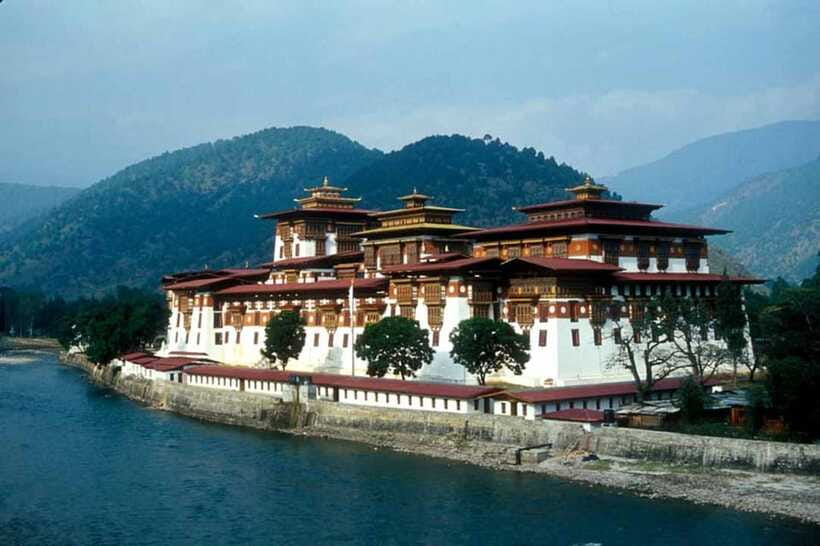
How long is the Bhutan cultural tour?
It’s 3 days in total, covering Paro District, Thimphu, and the Tiger’s Nest (Taktsang) hike.
What flights are included?
The tour includes Druk Air airfare from Kathmandu to Paro and return to Kathmandu, with the flight time noted as about 1 hour.
What are the main sightseeing stops?
Key stops include Thimphu (Textile Museum, traditional paper making factory, and the Post office with stamps), plus Taktsang Monastery and Kyichu Lhakhang.
Can you enter Taktsang Monastery?
No. The tour notes that Taktsang can only be viewed from afar and is not open to the public.
How long and hard is the Taktsang hike?
The hike to Taktsang is described as a steep 1.5-hour walk on a wide mountain path.
What’s included in the price?
Included: airfare, airport transfers and transportation in private vehicles, A grade 3 hotels, all meals, government taxes/permits/entrance fees, the Bhutan visa fee, and an English-speaking guide.
What’s not included?
Not included: airport departure tax, bar bills and laundry, travel insurance (including evacuation), and the Nepal visa.
Do I need my Bhutan visa before arriving?
Yes. The tour states you must have your visa prior to arrival in Paro.
The Old Kathmandu, Properly Toured

More Tours in Kathmandu



More Tour Reviews in Kathmandu




Just Reviewed in Kathmandu
- Mountain Bike Tour
★ 5.0 · 3 reviews - Annapurna Panaroma
★ 5.0 · 3 reviews - Mount Everest Scenic Flight 50 Minutes
★ 5.0 · 3 reviews - Kathmandu : Swambhunath & Durbar Square Guided Half Day Tour
★ 3.3 · 3 reviews - Chandragiri Cable Car & Monkey Temple Tour – Private/Group
★ 5.0 · 3 reviews - Kathmandu: Shivapuri National Park Hiking Day Trip
★ 3.3 · 3 reviews
Historical Tours, compared.
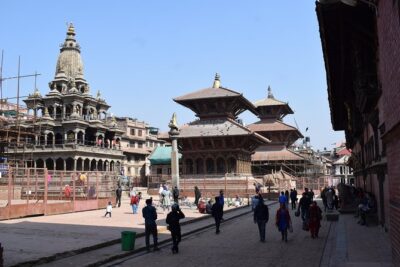 ★ 5.0UNESCO Seven World Heritage Tour in KathmanduFrom $180253 reviews
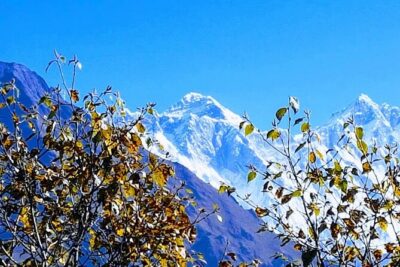 ★ 5.0Nepal Discovery Tour: Heritage Sites & Scenic Hill Easy HikeFrom $375121 reviews
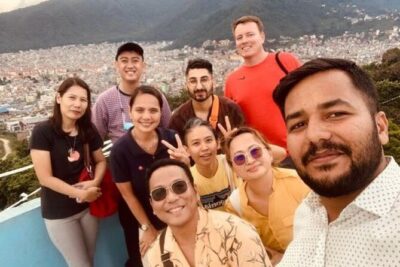 ★ 5.0Kathmandu Private Sightseeing Tour | UNESCO World Heritage SitesFrom $35109 reviews
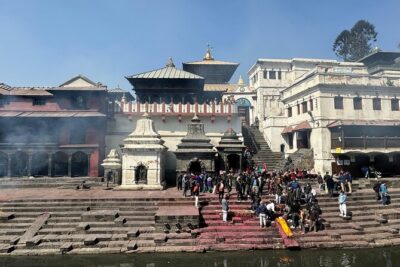 ★ 5.0Full Day Private Top 4 UNESCO Heritage Tour W/Lunch.From $1086 reviews
 ★ 5.0Kathmandu World Heritage TourFrom $5074 reviews
 ★ 5.0Nagarkot Sunrise & Bhaktapur UNESCO Heritage Private TourFrom $5066 reviews
 ★ 5.0Kathmandu Heritage Tour (Full Day)From $3863 reviews
 ★ 5.0Kathmandu Top 4 or 2 UNESCO World Heritage Sites Day TourFrom $4052 reviews
Browse the lists this tour appears in