
Review · NAGARKOT SUNRISE TOURS
3 Days Chisapani Nagarkot Trek
Three days, two temples, and Himalayan sunrise views. This Chisapani–Nagarkot trek has a great rhythm: forest trails today, village paths tomorrow, and a classic hilltop payoff on day three. I especially like that all meals on the trail are handled and that you get an English-speaking guide plus porter support, which turns the hike into a holiday instead of a logistics project.
The one thing to plan for is effort. You’re looking at roughly 4–7 hours of walking on hiking days, plus an early push for sunrise views at Nagarkot. If you want mostly flat strolls and lots of free time, you might find the pace a bit full.
In This Review
- Key Things I’d Track Before You Go
- First Look: What the Chisapani to Nagarkot Route Feels Like
- Day 1: Sundarijal to Chisapani (2115m) and Forest-First Nepal
- Day 2: Chisapani to Nagarkot (2195m) Through Villages and Big Views
- Day 3: Nagarkot Sunrise, Chagunarayan Temple, and Bhaktapur Durbar Square
- Price and Value: What $320 Covers (and What It Doesn’t)
- The Guide and Porter Dynamic: Why It Changes Everything
- Pace, Fitness, and Weather: The Real Reality Check
- Who Should Book This Trek (and Who Might Want a Different Plan)
- Should You Book This 3 Days Chisapani Nagarkot Trek?
- FAQ
- What is the duration of the Chisapani Nagarkot trek?
- Is pickup from Kathmandu included?
- Are meals included during the trek?
- Do I get an English-speaking guide and porter support?
- What sights are included besides the hiking?
- What time does the trip start?
- Is there free cancellation?
Key Things I’d Track Before You Go
- Trail support that actually matters: an English guide leads, and a porter helps carry luggage (1 porter for every 2 trekkers).
- Meals are covered on the hike: breakfast, lunch, and dinner while you’re trekking and staying overnight on route.
- Views are built in twice: you’re in position for sunset from Nagarkot and sunrise views the next morning.
- A culture stop beyond the trek: Bhaktapur Durbar Square and Chagunarayan Temple are part of the day 3 plan.
- Private group format: it’s private for just your party, so you’re not stuck waiting around for other travelers.
More trails out of Kathmandu, boots ready
- Everest Base Camp Trek – 14 Days★ 5.0 · 1,499 reviews
- Everest Base Camp Trek★ 5.0 · 842 reviews
- Everest Base Camp Trekking★ 5.0 · 485 reviews
- Nagarkot Sunrise View and Day Hiking from Kathmandu★ 5.0 · 471 reviews
First Look: What the Chisapani to Nagarkot Route Feels Like
This trek is only 3 days long, but it doesn’t feel like a rushed sampler. Day 1 gets you out of Kathmandu and into the green hills. Day 2 is the long walking day that puts you on the route toward the Himalayan viewpoint. Day 3 cashes in on that altitude with sunrise, then shifts to temples and Kathmandu culture on the way back.
What makes it especially practical is how much of the planning is taken away from you:
- You start with transportation from Kathmandu to the trek start and again back to Kathmandu at the end.
- You travel with an English-speaking guide who sets the pace and handles routing.
- You don’t need to carry much beyond your day pack because a porter carries luggage.
The trek also uses well-known stops: Sundarijal as the jump-off point, Chisapani as the first overnight, and Nagarkot for the big views. Then you round it out with Chagunarayan Temple (UNESCO-listed) and Bhaktapur Durbar Square, which is a strong cultural bookend.
Day 1: Sundarijal to Chisapani (2115m) and Forest-First Nepal
Day 1 starts with a morning pickup and a drive out of Kathmandu to Sundarijal, where the hiking begins. The drive is about an hour to a bit longer depending on traffic and timing, but either way you’re out of the city early enough to feel the day start properly.
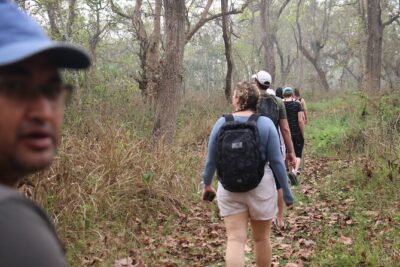
Once you reach Sundarijal, you begin a gradual uphill climb through pine and oak forest. This is the kind of trail that rewards patience. The pace isn’t just about distance; it’s about settling into the sounds around you—birds, the quiet of the woods, and occasional glimpses down-valley.
The plan calls for about 4–5 hours walking, and in practice you should expect closer to 5–6 hours depending on conditions and group rhythm. You’re hiking to Chisapani (2115m), where you sleep at a lodge.
Why Chisapani is a good first night:
- It’s a gentle ramp-up day. You get your legs working without going straight into a grinding climb.
- You’re in a spot known for panoramic views—often a mix of mountain silhouettes and valley scenery.
- It also ties into culture: Chisapani is associated with communities in the region, including the Sherpa ethnic group, which your guide may help you understand on route.
Meals matter on this day. Lunch and dinner are included, and because food is handled, you can focus on the walk instead of timing snacks, money, and menus.
What to watch for on Day 1
Bring layers. Even when the walk feels mild, higher ground can cool quickly, especially near morning and evening at your lodge.
Day 2: Chisapani to Nagarkot (2195m) Through Villages and Big Views
Day 2 is the long one. After breakfast at your lodge, you follow trails that mix forest sections with areas that pass through or near roads. You’ll hike for roughly 6–7 hours total, with a lunch stop around Chauki Bhanjyang.
A key detail is that you’re not just walking in one setting. The route includes:
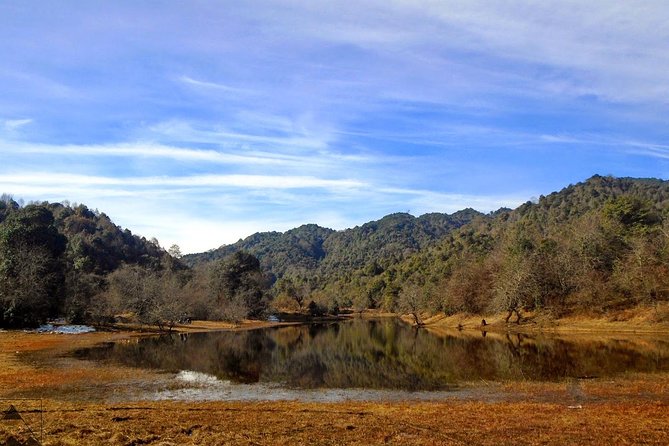
- A forest segment where you’ll hear birds and feel the shift into a more natural, green corridor.
- A descent area toward Jhule and Chauki Bhanjyang, where you stop for lunch.
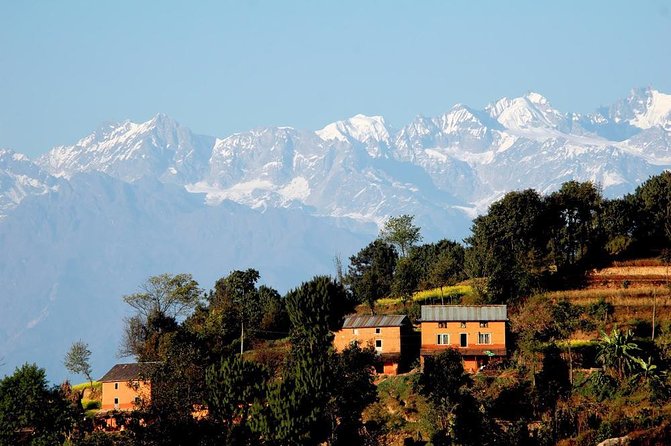
- Village and terraced-field paths on the way to Nagarkot.
That village-and-terraces piece is the cultural heart of the day. You’ll pass through working countryside where fields are laid out in careful steps, and you get real context for what life looks like outside city Kathmandu.
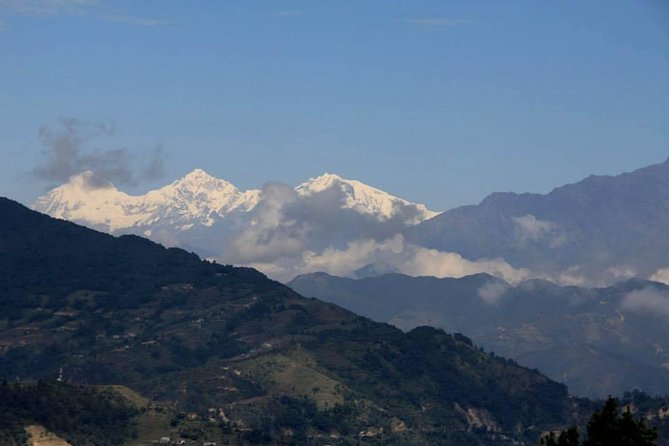
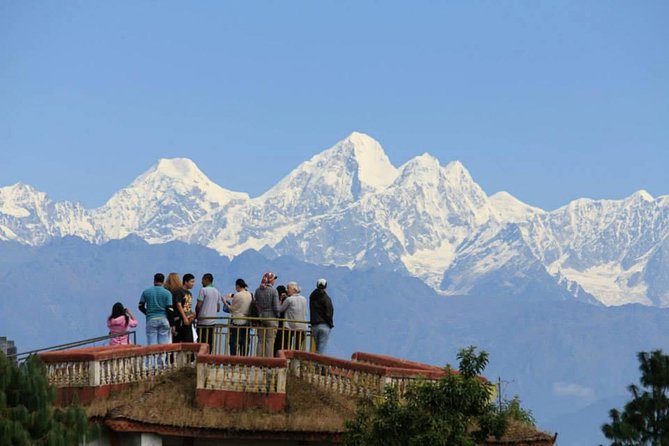
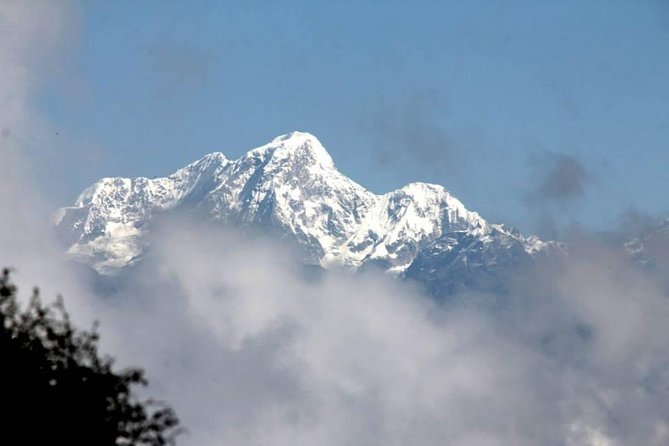
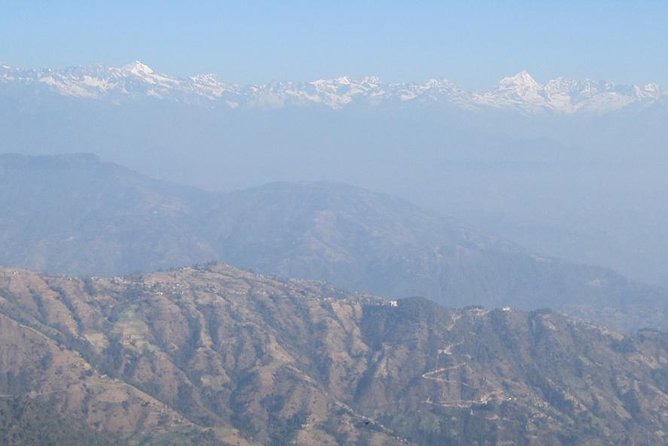
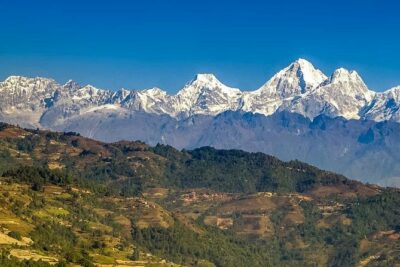
At some point, the trail ascends toward Nagarkot. This is where the reward starts: from Nagarkot, you can look across a huge swath of the Himalayan range. The views are described as covering major names like Annapurna, Langtang, and Everest, and on a broader sweep, you can even see the chain that stretches from Dhaulagiri to Kanchenjunga on clear days.
Even better, Nagarkot is built for light. You’ll get time for sunset views, and the lodge-to-hilltop atmosphere makes it feel like a classic lookout stop rather than just another overnight.
Why the sunset matters
Sunrise and sunset at Nagarkot aren’t just pretty. They change how the mountains read. Morning light can bring out crisp outlines, while evening can soften them into glowing lines. If you want one moment to prioritize your energy, make it this.
Meals are included again—breakfast, lunch, and dinner—so you won’t be stuck searching for food once the walking day peaks.
Practical drawback to consider
Day 2 is a full hiking day. If you’re sensitive to sore knees or you don’t love long descents, you’ll want to pack trekking poles if you have them, and keep your steps short on downhill stretches.
Day 3: Nagarkot Sunrise, Chagunarayan Temple, and Bhaktapur Durbar Square
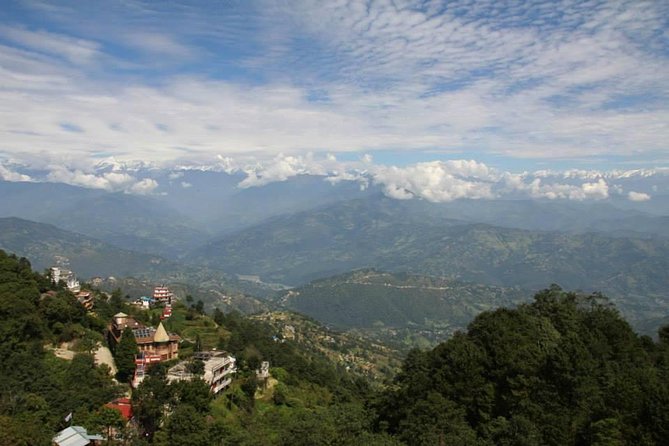
Day 3 starts with an early rise for sunrise views. Nagarkot sits on top of a hill, so you’re set up for a wider panorama over valleys and mountain silhouettes. You’ll do breakfast first, then start hiking down toward Telkot before ascending again toward Chagunarayan Temple.
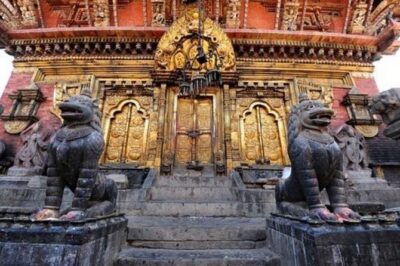
Here’s the interesting shift: by day 3, you’re not just chasing views. You’re also visiting an old, artistically significant site. Chagunarayan Temple is part of the UNESCO world heritage story for Nepal, and it’s a strong way to end the trek. This temple stop adds meaning to the hike: you’re moving through Nepal’s scenery and then tying it to its religious and historical landmarks.
After the temple, you’ll go on to Bhaktapur Durbar Square before heading back to Kathmandu by car and getting dropped at your hotel.
Why I like this ending
Many short treks end with a straight drive back and call it done. This one adds two cultural stops, so the last day feels like a transition from hiking into real sightseeing. Bhaktapur Durbar Square is especially useful if you want to see more than temples on paper. It gives you a sense of how Nepal’s heritage looks when you’re standing inside the story.
Meals on Day 3 include breakfast and lunch, and the rest of your day is sightseeing and transport rather than more trail time.
Tip for your morning
Even if you’re tired, give yourself time at the viewpoint early. Sunrise is the headline here, and delays can cost you the best light.
Before you lock this one in, a few Kathmandu alternatives:
Price and Value: What $320 Covers (and What It Doesn’t)
At $320 per person for 3 days, the value comes from how much is folded into the hike:
- Private transportation from Kathmandu to the trail start and back at the end
- National park permit coverage
- All meals on the hiking days, not just breakfast
- Guide and porter support, with porters helping carry luggage (1 for 2 trekkers)
- An organized visit to Bhaktapur Durbar Square along the way back
That’s a big deal. For a short trek, the hidden costs are usually logistics: meals that aren’t included, tipping debates, carrying extra weight because you can’t justify a porter, and time lost to figuring things out. Here, your budget covers most of those headaches up front.
What you should budget separately:
- Meals while you’re in Kathmandu (before and after the trek)
- Entrance fees for sightseeing (some sites may have entry costs)
- Nepal travel insurance
- Nepal visa fee (you may issue a visa on arrival, but it’s not included)
- Personal expenses like drinks, laundry, and tips
In plain terms: this price is reasonable for a private, supported trek. If you’re comparing it to a DIY hike, the biggest difference is that your guide and porter turn planning-time into rest-time.
The Guide and Porter Dynamic: Why It Changes Everything
This trek is built around people who make your day easier.
You’ll have an English-speaking trekking guide. In the experiences shared by past hikers, guides like Ganesh have stood out for encouragement—especially helpful if you’re a first-timer or you’re not sure what your pace should be. Another guide name that comes up is Bishnu Bhatta, connected with strong overall service and a memorable experience.
A porter is also on hand to help carry luggage. That matters more than most people expect. When your hike is only 3 days, your body wants consistency. Carrying less helps you enjoy the trail and still arrive with energy for the lookout moments.
You’ll also see why the “private trek” format is worth something. You’re not waiting around for other groups. If you want slower breaks to take photos, your guide can usually work with your pace.
Pace, Fitness, and Weather: The Real Reality Check
Most people can do this trek if they’re comfortable walking for a few hours at a time. The itinerary includes:
- Day 1: about 4–5 hours of walking (plan for around 5–6 hours)
- Day 2: about 6–7 hours of walking
- Day 3: downhill and uphill segments, plus temple and sightseeing time
The “possible drawback” is really this: you’re not looking at a gentle half-day hike. It’s manageable for many, but it’s still a hike with real time on your feet.
Weather can also influence the big moments. The Himalayas are not always visible in every sky condition, so you might find that cloudy mornings soften what you can see. Your best plan is to show up early for sunrise and not assume every day will be perfectly clear.
What helps most:
- Wear boots or solid hiking shoes with good grip.
- Take it slow on the downhill parts.
- Bring a light layer for early mornings around Nagarkot.
Who Should Book This Trek (and Who Might Want a Different Plan)
This trek is a great match if you want:
- a short itinerary with meaningful views (Chisapani panoramas, Nagarkot sunset and sunrise)
- hands-off planning, including meals and porters
- a private experience for just your group
- a blend of nature and culture through Chagunarayan Temple and Bhaktapur Durbar Square
It may not be ideal if you:
- want to avoid early starts and sunrise timing
- dislike long walking days or the mix of uphills and downhills
- expect a totally flat route with minimal exertion
If you’re traveling solo, the guide-and-porter structure tends to make the experience feel organized and safe, because someone is always steering the day’s rhythm and carrying the logistics.
Should You Book This 3 Days Chisapani Nagarkot Trek?
If you’re looking for a value-driven Nepal hiking experience that saves you time and energy, I’d say this is a strong pick. You get a compact trek with real Himalayan payoff, plus a cultural finale that doesn’t feel like an afterthought.
Book it if you can handle a full hiking day on Day 2 and you’re willing to wake up early for sunrise. Pass or consider a gentler option if you want fewer hours on your feet or you dislike early-morning schedules.
If you do book, pack smart for cooler mornings, plan to rest well the night before, and treat Nagarkot sunrise and sunset like the main event. That’s where this trek earns its name.
FAQ
What is the duration of the Chisapani Nagarkot trek?
It runs for 3 days and includes two nights on the route (overnight at Chisapani lodge and then at a hotel in Nagarkot).
Is pickup from Kathmandu included?
Yes. Private transportation is included from Kathmandu to the trek starting point and from the ending point back to Kathmandu, where you’ll be dropped at your hotel.
Are meals included during the trek?
Yes. All meals while you are on hiking are included (breakfast, lunch, and dinner on the hiking days). Meals while you are in Kathmandu are not included.
Do I get an English-speaking guide and porter support?
Yes. The trek includes an English-speaking trekking guide and a porter to help carry luggage (with 1 porter for 2 trekkers).
What sights are included besides the hiking?
On the way back, the tour includes sightseeing in Bhaktapur Durbar Square. It also includes a visit to Chagunarayan Temple during the Day 3 hike.
What time does the trip start?
The start time is 7:45 am.
Is there free cancellation?
Yes. You can cancel up to 24 hours in advance of the experience for a full refund. If you cancel less than 24 hours before the start time, the amount paid is not refunded.
More 3-Day Experiences in Kathmandu
More Trekking Out of Kathmandu
More Tour Reviews in Kathmandu
Just Reviewed in Kathmandu
- Mountain Bike Tour
★ 5.0 · 3 reviews - Annapurna Panaroma
★ 5.0 · 3 reviews - Mount Everest Scenic Flight 50 Minutes
★ 5.0 · 3 reviews - Kathmandu : Swambhunath & Durbar Square Guided Half Day Tour
★ 3.3 · 3 reviews - Chandragiri Cable Car & Monkey Temple Tour – Private/Group
★ 5.0 · 3 reviews - Kathmandu: Shivapuri National Park Hiking Day Trip
★ 3.3 · 3 reviews
Nagarkot Sunrise Tours, compared.
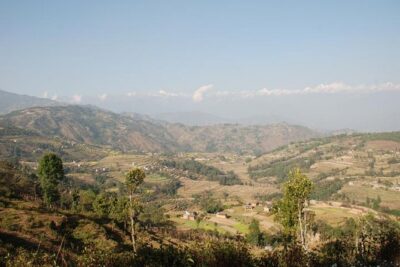 ★ 5.0Nagarkot Sunrise View and Day Hiking from KathmanduFrom $45471 reviews
 ★ 5.0Private Bhaktapur and Nagarkot Day Tour From KathmanduFrom $20305 reviews
 ★ 4.9Nagarkot Sunrise View & Morning Hike with LunchFrom $5188 reviews
 ★ 4.7Nagarkot Sunrise and Hike Tour to Changu NarayanFrom $55151 reviews
 ★ 4.8Everest View from Nagarkot & hike to ChanguFrom $43140 reviews
 ★ 5.0Nagarkot Sunrise & Hike to Changu Narayan Day Tour from KathmanduFrom $25126 reviews
 ★ 4.9Nagarkot Sunrise & Hike with Lunch -Private/GroupFrom $5122 reviews
 ★ 4.5Nagarkot Sunrise Trip & Day Hike with Lunch from KathmanduFrom $3583 reviews
Browse the lists this tour appears in