
Review · TOURS
8 Days Short Trek and Tour in Nepal
One day in Nepal can feel like three trips at once. This 8-day plan strings together Kathmandu’s sacred sites, Pokhara lake time, and a soft trek toward Annapurna’s viewpoints—without the grueling “big trek” schedule.
I especially like two parts: the early-day temple circuit that moves you from Buddhist hilltop calm to riverbank Shiva devotion, then to Boudhanath’s Tibetan-influenced atmosphere. I also like the hiking style—an accessible climb up to Dhampus and on to an overnight at Australian Camp, where the tea-house stay and meals keep things comfortable. A fair caution: the day-by-day rhythm is packed, and a couple meals are on you (for example, lunch options in Kathmandu are not included).
In This Review
- Key highlights to watch for
- Kathmandu in Three Temples: Monkey Temple to Buddhist Stupa
- Bandipur Overnight: Newari Town Between India and Tibet Trade Routes
- Pokhara Lakeside and Sunrise Setup: Easy Pace, Big Views
- Sarangkot and Pokhara Essentials: Falls, Stupa, Caves, and Temples
- Dhampus and the Australian Camp Tea House Trek: What Soft Really Means
- Back to the Valley: Patan Durbar Square, Bhaktapur, and Namo Buddha
- Price, Meals, and Transportation: Where the Value Shows Up
- For Career Breakers and Solo Travelers: Who This Private Plan Fits Best
- Should You Book This 8-Day Nepal Soft Trek and Tour?
- FAQ
- How long is the trip?
- Where does it start and end?
- Is pickup offered?
- Is this a private tour?
- What’s included in the price?
- Are all meals included?
- Are admission tickets included?
- What kind of trekking is it?
- What should I know about cancellation?
- Is the trip suitable for most travelers?
Key highlights to watch for
- Swayambhunath, Pashupatinath, Boudhanath in one clean Kathmandu day, including UNESCO-listed stops
- Sarangkot sunrise focus in Pokhara, timed for views of Machhapuchhre and the Annapurna range
- Dhampus-to-Australian Camp hike described as a soft trek with tea house sleeping and three meals included
- Patan Durbar Square details—Newari architecture plus a sense of scale (hundreds of stupas and courtyards)
- Bhaktapur’s living heritage as an “open museum” feel, with art and festival culture
- Namo Buddha’s quiet monastery visit plus a panoramic view stop and lunch nearby
More trails out of Kathmandu, boots ready
- Everest Base Camp Trek – 14 Days★ 5.0 · 1,499 reviews
- Everest Base Camp Trek★ 5.0 · 842 reviews
- Everest Base Camp Trekking★ 5.0 · 485 reviews
- Nagarkot Sunrise View and Day Hiking from Kathmandu★ 5.0 · 471 reviews
Kathmandu in Three Temples: Monkey Temple to Buddhist Stupa
Your first big day is designed like a spiritual warm-up. You start at Swayambhunath Temple (the Monkey Temple), perched on a hill above Kathmandu. The place is UNESCO-listed, and the vibe is slower than you might expect—people circle the stupa while spinning praying wheels, and you’ll notice prayer flags and small shrines tucked into the complex.
Next comes Pashupatinath Temple, one of the world’s major Hindu pilgrimage sites. It sits on the Bagmati River, and the temple is dedicated to Lord Shiva. Expect it to feel more “ritual and pilgrimage” than “tour-photo spot,” and plan to dress respectfully because this is an active religious site.
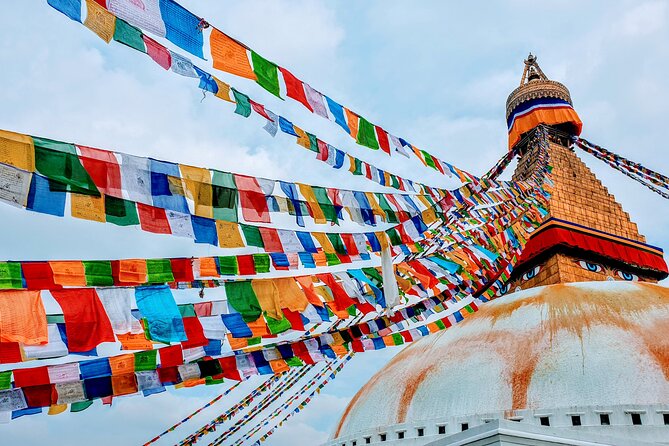
Then you finish at Boudhanath Stupa, widely loved for its sheer size and the Tibetan cultural atmosphere around it. You’ll see monks chanting, prayer flags moving in the wind, and the famous Buddha eyes facing outward. It’s a great way to end the day because it’s calming—more listening, less rushing.
Bandipur Overnight: Newari Town Between India and Tibet Trade Routes
Day 2 shifts from city temples to a hill town feel. Bandipur is famous for Newari village culture and its past as a trade route between India and Tibet. The drive takes about 5–6 hours, and that matters: the ride itself helps you adjust from busy Kathmandu to gentler hills.
Once you arrive, you check in and do a walk through the old town. This is where Bandipur works best—slow exploration on foot, looking at architecture and street life at your own pace. After dinner at the hotel, you sleep in the hill air, and that overnight is a smart buffer before Pokhara.
One practical note: the schedule gives you a full travel day plus a walk, so comfortable shoes help. Also, because lunch and dinners aren’t consistent across every day, bring a plan for what you’ll do when the meals are on your own.
Pokhara Lakeside and Sunrise Setup: Easy Pace, Big Views
You head to Pokhara the next morning after breakfast in Bandipur. The drive again is around 5–6 hours, passing hills, villages, and rivers along the way. When you finally reach Pokhara, the tone changes—this is where Nepal feels wide open.
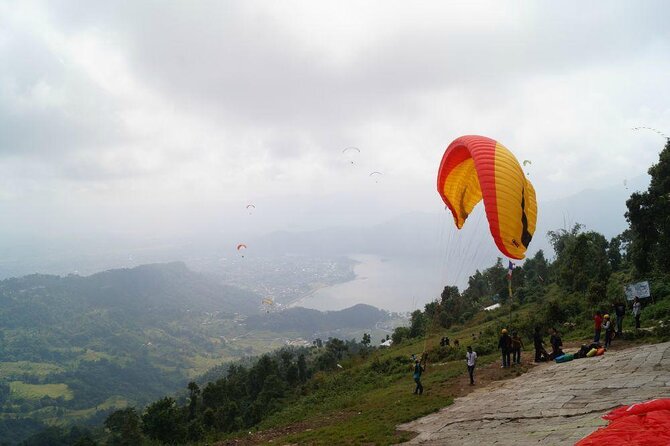
You check into your Pokhara hotel and then head to Phewa Lake for an evening lakeside hangout. This is not a strenuous day. It’s more about settling in, grabbing food you actually want, and enjoying the water-and-mountain views without timing every minute.
Expect that lunches and dinners on this day are not provided in a fixed way. The tour nudges you to choose your own places, and that’s usually a good thing in Pokhara where you can easily find options near the lake.
If you want the best value here, treat lakeside time as part of the trip, not a “wait between stops.” The views help you understand why the next days are built around sunrise.
Sarangkot and Pokhara Essentials: Falls, Stupa, Caves, and Temples
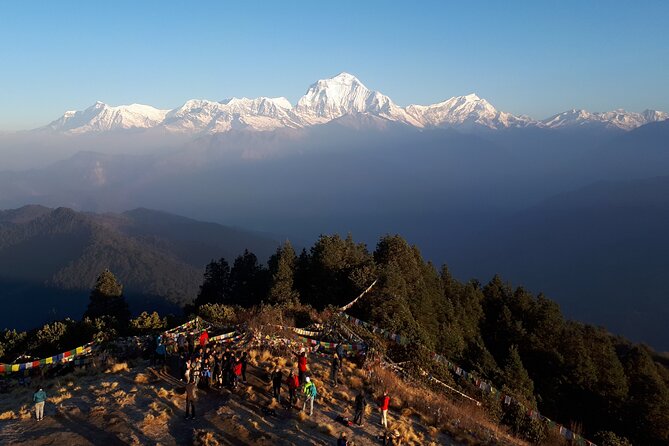
Early start day—Sarangkot is the point. The plan takes you up for sunrise, one of the best ways to see Machhapuchhre and multiple peaks from the Annapurna region. After the sunrise, you return for breakfast, then spend the rest of the day exploring Pokhara at a comfortable pace.
The included sightseeing list includes David’s Falls, World Peace Stupa, Bindabasini Temple, and Mahendra Cave. Each one scratches a different itch:
- Falls give you something dramatic and fast-moving.
- The stupa adds a calmer viewpoint and a sense of local spiritual energy.
- The temple is classic “local devotion,” not just a building.
- The cave is a different kind of geography—cool and enclosed, a nice break from sun.
This is also the day where lunch and dinner are left to your choice. That’s a practical advantage: you can eat near where you are instead of timing a specific included meal. Just keep an eye on how long stops take, because today can add up quickly.
Dhampus and the Australian Camp Tea House Trek: What Soft Really Means
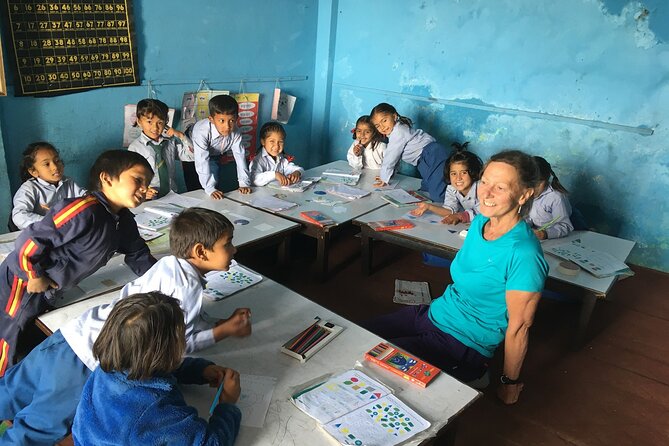
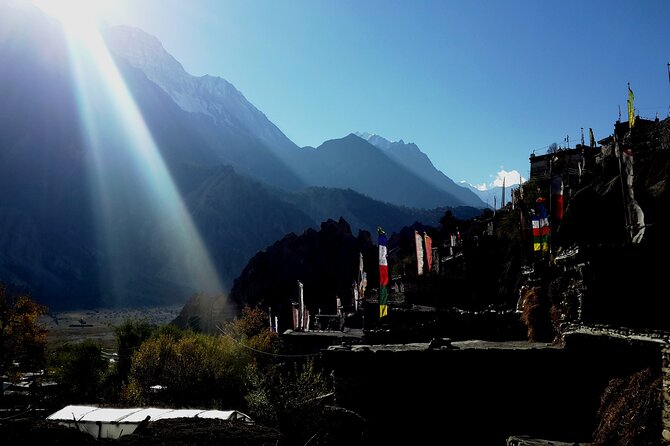
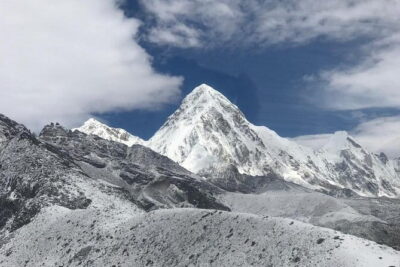
This is the trip’s “hike” portion, and the operator frames it as soft trekking. You start at Dhampus, a transit point used by many people heading toward Annapurna viewpoints. Dhampus is strong for views, including Dhaulagiri, Annapurna South, Himchuli, Lamjung Himal, and Fishtail. Even if you never plan to do a big circuit trek, seeing these names connected to real viewpoints makes Nepal feel less abstract.
For your energy management, you get breakfast, lunch, and dinner included while you’re in Dhampus. That matters because trekking is easier when you don’t have to stop and plan every meal.
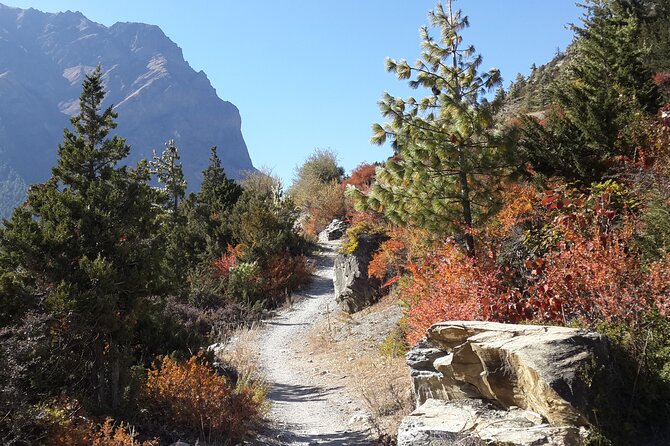
Then you hike to Australian Camp, staying in a tea house overnight. The description is a classic Annapurna-style day: walking through dense forests, along hillsides, and through mountain villages. The tea house setup is the key comfort piece—all three meals are included, and you sleep with the expectation of wide panoramic views.
If you like your trekking days to feel like they belong to a village life, this part fits. You’re not just walking through scenery; you’re walking through where people actually live and trade daily rhythms.
The best part, if the weather cooperates, is the way the views change. The plan emphasizes sunrise through sunset colors, and on these routes the light shifts fast. Even when clouds appear, the tea house night gives you a chance to relax and wait a bit rather than rushing to tick boxes.
Back to the Valley: Patan Durbar Square, Bhaktapur, and Namo Buddha
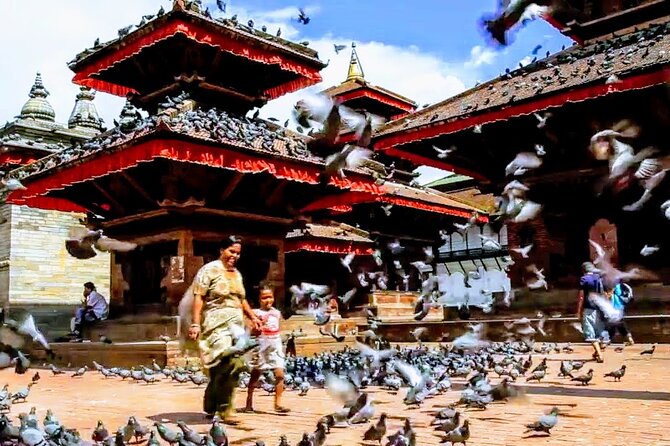
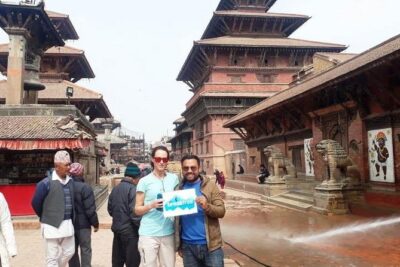
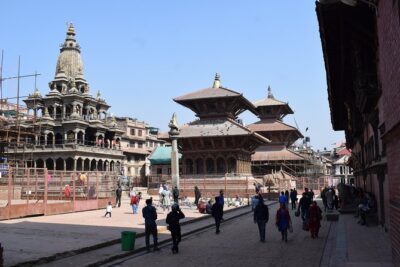
After the mountain night, the trip returns you to Kathmandu Valley culture. Day 7 starts at Patan Durbar Square, one of the three major Durbar Squares in the valley. Patan is known for Newari architecture, including monuments, temples, shrines, and statues.
This square is big and detailed—there are said to be more than 600 stupas, 136 courtyards, and 55 major temples around the area. The red brick paving is another standout. You can feel the design choices even if you don’t know every temple name, because the spacing and layout guide you through courtyards like an open history lesson.
Then Day 8 adds two more layers. You drive to Bhaktapur, often described as an “open museum” and a place known for art, traditional dances, colorful festivals, and Newari daily life. This is a great counterbalance to the mountain portion: after trekking and tea-house calm, you get craftwork, carved details, and neighborhood energy.
After Bhaktapur, you head to Namo Buddha, one of the sacred Buddhist pilgrimage sites near Kathmandu. You’ll visit Namo Buddha Monastery, enjoy a spiritual and peaceful time, and stop for panoramic regional views. Lunch is included around the site area, which is a nice touch on the final day because it keeps you from ending hungry and rushed.
You finish back in Kathmandu with a farewell dinner together. It’s a fitting close for a trip built around community—temples, villages, and shared meals across the whole week.
Price, Meals, and Transportation: Where the Value Shows Up
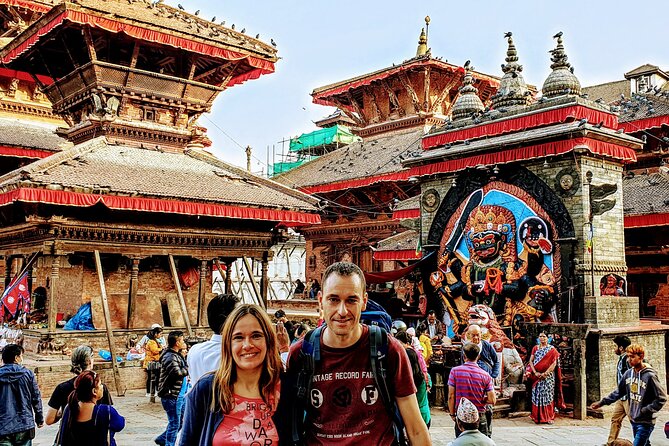
At $1,395 per person for about 8 days, you’re paying for a private setup with transport and guided logistics. Spread out, that’s roughly $175 per day, and in a private Nepal package that often matters more than the headline number. You’re not paying for only “sightseeing,” you’re paying for driving time, hotels, and the handoff between regions.
Here’s what the plan covers:
- Private transportation throughout
- Accommodation
- All fees and taxes
- Meals as listed: Breakfast (7), Lunch (4), Dinner (4)
- Admission tickets are listed as included on some stops (like Swayambhunath and Boudhanath) and not included on others (like Pashupatinath)
That meal mix is important for your budgeting mindset. Because some lunches and dinners are not included, you’ll want a small daily cash plan for food in Kathmandu and during the Pokhara lakeside day. The good news is Nepal is full of meal options near major tourist zones, so you’re not stuck eating one included menu.
Personal expenses and tips/donations are not included. That’s normal, but it’s worth planning so your trip doesn’t feel cheap until the end and then suddenly adds up.
One more value point: the trip is private and includes pickup. If you’re a solo traveler or on a career break and you want control over pace and questions, private transport reduces stress. It also makes it easier to manage weather around sunrise and trekking days.
For Career Breakers and Solo Travelers: Who This Private Plan Fits Best
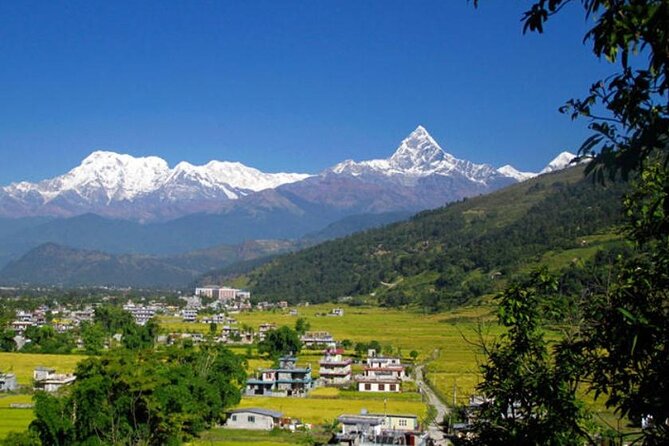
This is built for career breakers, sabbatical travelers, and solo travelers, and the structure makes sense for that audience. You get a blend of historical-cultural-spiritual sightseeing plus a soft hike that still delivers big mountain payoffs.
You’ll probably enjoy this most if:
- You want Nepal in one week without trying to cram a full-on high altitude circuit.
- You like spiritual sites, and you’re okay going slow enough to notice details like praying wheels and chants.
- You want comfort during the hike via tea house sleeping and included meals.
It may be less ideal if:
- You hate early mornings (Sarangkot sunrise means an early start).
- You want every meal included with no decisions at all.
- You’re expecting a long, multi-day trekking adventure rather than a short village hike.
On the human side, the operator behind this trip is Sabbatical Explore Nepal, and the organizing contact often named is Shiva. In past experiences with this team, Shiva has been described as friendly, organized, and comfortable in communication, including strong English and German and the kind of guidance that answers practical trekking questions.
That matters on a soft trek because you don’t want vague instructions. You want a plan that helps you understand what the day demands and what you can skip.
Should You Book This 8-Day Nepal Soft Trek and Tour?
If your goal is a meaningful Nepal sampler—temples, valley culture, lake relaxation, and a viewpoint trek—this one is a strong match. The combination of UNESCO sites in Kathmandu Valley plus an Annapurna-region tea-house night is a good way to feel the country at two speeds: city devotion and mountain calm.
I’d book it if you value convenience (private transport, pickup, fees included) and you’re happy to handle a couple lunches on your own. I’d think twice if you’re chasing a long trek challenge or if you can’t handle sunrise wake-ups.
Bottom line: for $1,395, the value comes from logistics and variety, not from a single “wow” moment. This tour is about stacking good moments in the right order—so you leave Nepal feeling like you saw more than just a checklist.
FAQ
How long is the trip?
The trip is listed as 8 days (approximately).
Where does it start and end?
It starts at 8:00 am and ends back at the meeting point.
Is pickup offered?
Yes, pickup is offered.
Is this a private tour?
Yes. It’s described as a private tour/activity, meaning only your group participates.
What’s included in the price?
Included items are private transportation, accommodation, all fees and taxes, plus breakfast (7), lunch (4), and dinner (4).
Are all meals included?
No. The included meals listed are breakfast (7), lunch (4), and dinner (4), which means some meals are not included.
Are admission tickets included?
Admission is listed as included on some stops and not included on others. For example, Pashupatinath Temple is marked as admission not included, while Swayambhunath and Boudhanath are marked as admission included. You may want to confirm with the provider before you go.
What kind of trekking is it?
It includes a soft hike in the Annapurna region, with an overnight at Australian Camp in a tea house.
What should I know about cancellation?
Free cancellation is available. You can cancel up to 24 hours in advance for a full refund.
Is the trip suitable for most travelers?
The tour info states that most travelers can participate.
If you want, tell me your travel month and fitness comfort level (easy walks only vs. you’re okay with uneven steps), and I’ll help you sanity-check whether the Dhampus to Australian Camp day will feel right for you.
More Trekking Out of Kathmandu
More Tours in Kathmandu


More Tour Reviews in Kathmandu
Just Reviewed in Kathmandu
- Mountain Bike Tour
★ 5.0 · 3 reviews - Annapurna Panaroma
★ 5.0 · 3 reviews - Mount Everest Scenic Flight 50 Minutes
★ 5.0 · 3 reviews - Kathmandu : Swambhunath & Durbar Square Guided Half Day Tour
★ 3.3 · 3 reviews - Chandragiri Cable Car & Monkey Temple Tour – Private/Group
★ 5.0 · 3 reviews - Kathmandu: Shivapuri National Park Hiking Day Trip
★ 3.3 · 3 reviews
Tours, compared.
 ★ 5.0Everest Base Camp Helicopter Tour landing at Everest View HotelFrom $1,575668 reviews
 ★ 5.0Full Day 7 UNESCO Tour with Lunch – Private/GroupFrom $10415 reviews
 ★ 5.0Private Bhaktapur and Nagarkot Day Tour From KathmanduFrom $20305 reviews
 ★ 4.9Food and Drink Walking TourFrom $34292 reviews
 ★ 5.0Full Day Top 4 UNESCO Tour with Lunch – Private/GroupFrom $10269 reviews
★ 5.0Kathmandu Food and Drink Walking TourFrom $36266 reviews
★ 5.0Full Day Top 4 UNESCO Tour with Lunch – Private/GroupFrom $10269 reviews
★ 5.0Kathmandu Food and Drink Walking TourFrom $36266 reviews
 ★ 5.0UNESCO Seven World Heritage Tour in KathmanduFrom $180253 reviews
★ 4.9Full-Day 7 UNESCO Tour with Lunch – Private/GroupFrom $5247 reviews
★ 5.0UNESCO Seven World Heritage Tour in KathmanduFrom $180253 reviews
★ 4.9Full-Day 7 UNESCO Tour with Lunch – Private/GroupFrom $5247 reviews