
Review · GOKYO LAKES & EVEREST HIGH PASSES
Everest Base Camp With Chola Pass via Gokyo Lakes
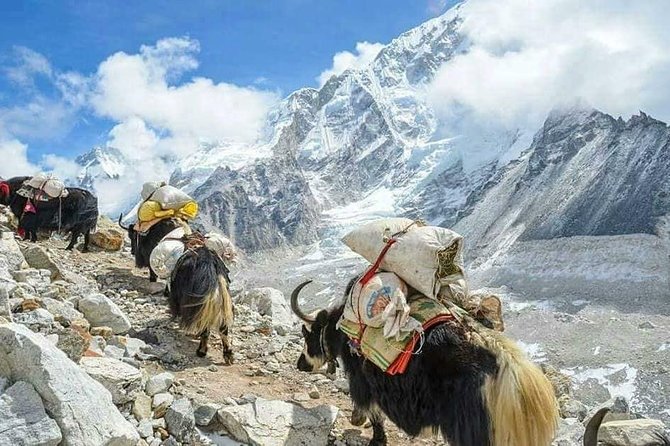
Everest feels close on this route.
What makes this trek different is the switch from the usual Everest corridor to the Gokyo Lakes first, then you earn the big Everest payoff after a classic high-pass day.
I really like how the plan mixes acclimatization with real scenery. You get culture and altitude-building days in Namche and the Khumbu, then the turquoise lake valley, then Everest Base Camp and a late-journey sweep at Kala Patthar. One drawback to consider: the Cho La day is steep and includes a glacier traverse, and the high-altitude mornings can be bitter cold with wind.
In This Review
- Key things to know before you go
- Why Gokyo Lakes and Cho La change the usual Everest trek
- Kathmandu prep: stupa landmarks before the mountains
- Lukla to Namche: river valleys, Everest National Park, and slow altitude wins
- Phortse Tanga and Machhermo: forests, chortens, and Khumbu culture
- Gokyo Valley days: lake magic, Gokyo Ri, and Cho Oyu in your sightline
- Crossing Cho La Pass: the steep glacier day you respect, not rush
- Lobuche to Gorak Shep: the last push toward Everest Base Camp
- Kala Patthar: pre-dawn cold for 360° mountain reality
- Descent days to Namche and Lukla: legs do the work now
- Price and logistics: what you pay for, what you still handle
- Fitness, altitude, and what to pack for cold lake-and-pass terrain
- Should you book this Everest Base Camp with Chola Pass via Gokyo Lakes trek?
- FAQ
- FAQ
- Where does the trek start?
- What’s the duration of this trek?
- How do you get to the trekking start point?
- What’s included during the trek?
- Are permits included?
- Is porter support included?
- What major sites are included in Kathmandu before the trek?
- What’s not included in the price?
- Can I cancel for a full refund?
Key things to know before you go
- Gokyo first, Everest second: you’ll spend multiple days in the lake valley before you aim for Base Camp.
- Cho La is the hardest storyline: steep trail plus a glacier crossing area means you move slowly and carefully.
- Kala Patthar is a must-do viewpoint: early start, -10 to -14 C temperatures, and the reward is that close-up 360° panorama.
- Teahouses are your “home” on the trek: breakfast, lunch, and dinner are included, so you’re not hunting for meals.
- Permits and paperwork are handled: Sagarmatha National Park and TIMS are included, plus the local guide manages the required forms.
- Domestic flights can disrupt schedules: Lukla weather can delay flights, so the trip works best if you have buffer days at the end.
Not sure yet? Here are other Kathmandu tours worth a side-by-side look.
- Everest Base Camp Trek – 14 Days★ 5.0 · 1,499 reviews
- Everest Base Camp Trek★ 5.0 · 842 reviews
- Private Kathmandu Sightseeing Tour | UNESCO World Heritage sites★ 5.0 · 756 reviews
- Kathmandu: 7 UNESCO Sites with Lunch★ 4.8 · 744 reviews
Why Gokyo Lakes and Cho La change the usual Everest trek
This is an Everest trip with a detour that actually feels like the point. Instead of rushing toward Base Camp, you climb into the Gokyo region where the scenery is all about big glacier terrain and those famous turquoise lakes—Longpongo, Taboche Tsho, and the lakes around Gokyo village.
Then you connect it to Everest with Cho La Pass. That day is where the route earns its reputation: steep sections, ice-glazed rocks, and a glacier traverse area on the east side. If you like treks that feel varied—river valleys, forest trails, high glacial basins, and finally the lunar gray world near Base Camp—this route hits that mix.
Kathmandu prep: stupa landmarks before the mountains
Your trek starts with Kathmandu, and I like that the city plan gives you a sense of Nepal beyond airport transfers. You’ll be met at the international arrivals gate and driven to your hotel. Then you’ll do a Kathmandu Valley sightseeing day in a private vehicle.
You may see major religious sites like Boudhanath Stupa (the large, iconic stupa east of the city) and Pashupatinath Temple (one of the most sacred Hindu sites in the world). Another version of the city program listed by the operator also includes Swayambhunath Stupa and Patan (Lalitpur), known as the City of Beauty. Either way, the goal is the same: get your bearings fast, then shift mentally toward trekking mode.
Why this matters: the better you understand the culture around you, the easier it is to appreciate how the mountains are tied into local life—monasteries, prayer flags, and that whole Sherpa/Khumjung-era rhythm you’ll meet later.
Lukla to Namche: river valleys, Everest National Park, and slow altitude wins
The first big reality check comes early. You fly from Kathmandu to Lukla (about 40 minutes), then start walking right away. Day 3’s trek ends in Phakding, with views of Mt. Khumbila—a sacred mountain that’s never been summited.
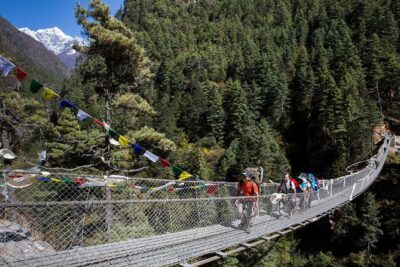
After that, the trail north gets serious in a good way. On the way to Namche Bazaar, you cross the Dudh Koshi River, pass villages like Chumoa and Monjo (including entry into Everest National Park), and cross suspension bridges while walking alongside the Dudh Koshi and Bhote Koshi rivers. This isn’t just “getting from A to B.” It’s an altitude warm-up where your body gets movement, and your eyes get rewarded with big valley views.
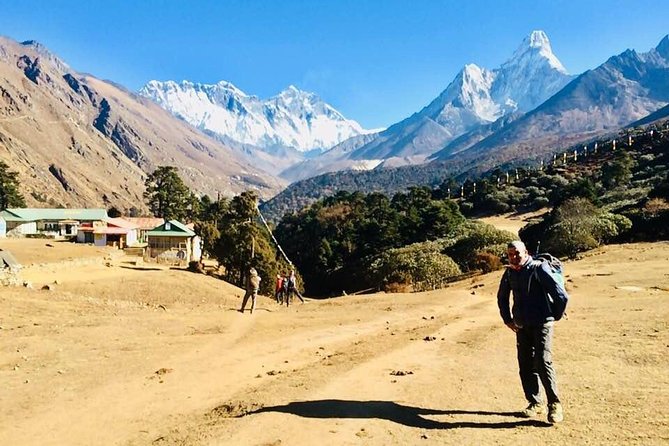
Namche itself is your acclimatization center. On the acclimatization day, you explore Namche Bazaar and hike up toward the park area with a sunrise mindset—looking for views of Everest, Lhotse, Nuptse, Ama Dablam, and others. There’s also an option for a day hike to Khumjung if you want extra steps.
Practical note: these acclimatization hikes are not about strength. They’re about letting your body learn what thin air feels like while you’re still in “manageable” trekking territory.
Phortse Tanga and Machhermo: forests, chortens, and Khumbu culture
Leaving Namche, the route turns into a sequence of smaller ups and downs that feel very Khumbu. You climb the Khumjung hill, descend into the broad valley, and then move north again with your guide choosing between trail options.
This section includes a strong cultural stop: Mohang, described as the birthplace of the reincarnated Lama of Rongbuk Monastery of Tibet and linked to the spread of Buddhism in the Khumbu region. You’ll also encounter chortens and prayer-flag terrain at higher points, which matters because you’re not just hiking through scenery—you’re moving through a landscape that people interpret spiritually.
Then you reach Phortse Tanga and continue onward through rhododendron forest toward Machhermo. This day is built around steady uphill work, with stops in villages like Tongba, Dhole, Labarma, and Luza. Expect the trail to follow the Dudh Koshi River for stretches—so even when you’re climbing, you’re also tracking water and valley shape, which helps your brain stay calm.
If you’re the type who enjoys the “in-between days,” this is where you’ll feel the trek’s rhythm.




Gokyo Valley days: lake magic, Gokyo Ri, and Cho Oyu in your sightline
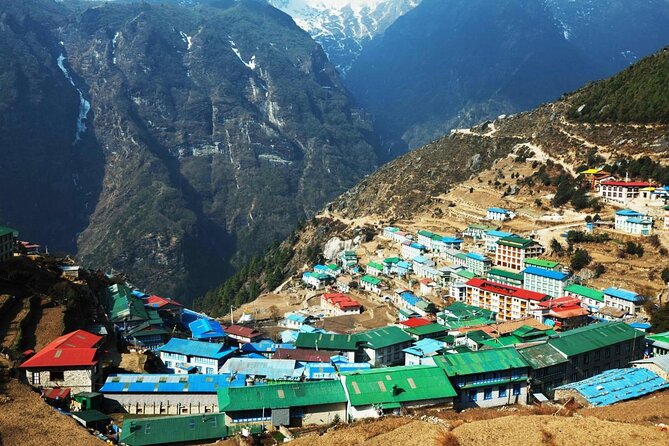
Now you get the core character of the trip: Gokyo. The day from Machhermo into Gokyo climbs for views of the valley and toward Cho Oyu. The trail also passes Phangkha, where an avalanche in 1995 killed 40 people—an important reminder that these mountains are powerful and unpredictable.
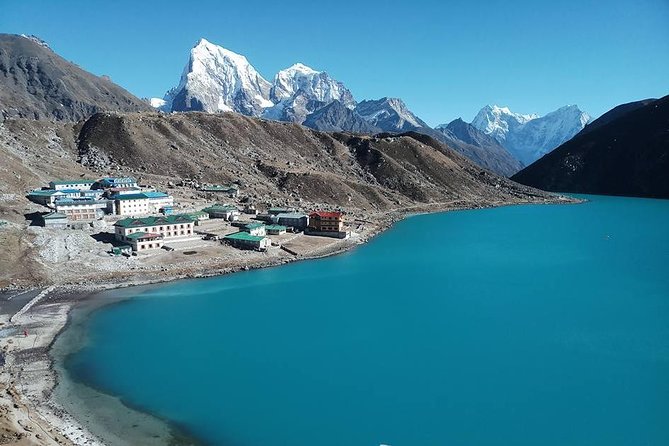
As you enter the Gokyo approach, the route transitions onto glacial terrain: terminal moraine of the Ngazumpa Glacier, an iron bridge, then walking past lake by lake. You’ll see lama footprints on a stone, then reach Taboche Tsho—that shimmering turquoise surface that makes the valley famous. After that comes the linked streams and the third-lake area where Gokyo village sits with Cho Oyu as a backdrop.
What I love here is the pace choice. You’re given a built-in acclimatization day in the valley. You can rest, or you can hike to the higher viewpoints and lake circuits:
- A route to the fourth lake (Thonak Tsho) and then the fifth (Ngozumba Tsho).
- A viewpoint above/near the fifth lake called the Scoundrel’s Viewpoint.
- Optional Gokyo Ri for a big panoramic payoff, when weather cooperates.
From those viewpoints, the mountain lineup includes Cho Oyu, Gyachung Kang, Everest, Lhotse, Nuptse, Makalu, and more. It’s also one of the few times on the trek where you can see that “mountains-in-layered-distance” feeling so clearly that Everest doesn’t feel like a single peak. It feels like a whole system.
Crossing Cho La Pass: the steep glacier day you respect, not rush
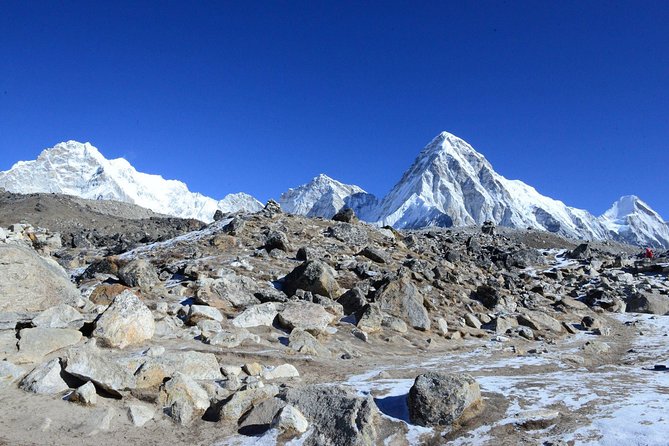
The Cho La day is one of the toughest parts of the whole trip. The pass itself is described as not too hard technically, but steep—and the critical piece is the glacier traverse on the eastern side.
That means:
- you move carefully on rocks that can be glazed with ice
- you may deal with crevasses before reaching Dzongla
- the trail can feel vertical and slick compared with earlier days
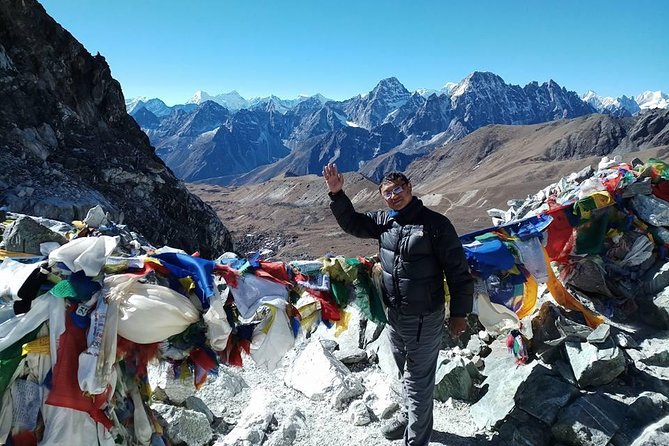
You climb from a lower start through a ravine and rocky trail, and you cross through an area beside a frozen lake. Prayer flags show up at the top, which makes it feel like a threshold moment—like you’re changing zones from lake valley to Everest approach.
Views on this day are also a payoff: Ama Dablam dominates to the south, Cholatse is to the west, and peaks like Lobuche East and Baruntse come into view. Even on a difficult day, it’s not a grind-only day.
If you’re considering this trip, treat Cho La as the “make or break your confidence” day. Your best strategy is patience. Move steady, keep your steps deliberate, and let the guide set the rhythm.
Lobuche to Gorak Shep: the last push toward Everest Base Camp
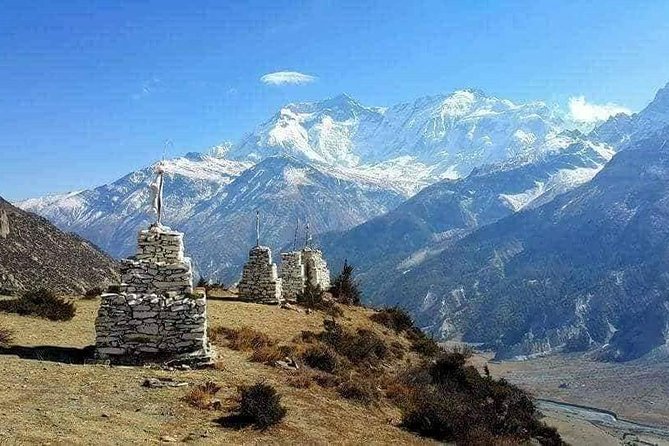
After Cho La, the route eases slightly. Dzongla to Lobuche is a short trek that gives you time to breathe and reset. You’ll walk down through grassy sections with views toward Lobuche Peak, then reach Lobuche with time to rest—use that time.
Next comes the long walk into the Everest Base Camp area. From Lobuche to Gorak Shep, you’ll hike through rocky dunes and moraine. The trail passes the once vast Gorak Shep Lake and includes memorials for Indian Army mountaineers. There’s also a warning baked into the plan: the path can be misleading, so you follow your lead Sherpa closely.
When you finally reach Everest Base Camp, it’s not the “green postcard Everest” feeling. It’s gray rock, wind, and colored tents that look bright against the monotone ground. You’ll also see mountains around Base Camp, including Nuptse, Khumbuste, and Pumori.
This is the day where you’ll feel altitude most. The plan calls it strenuous due to thin air. That’s your cue to keep efforts controlled: slow pace, short breaks, and enough water/food intake to stay functional.
Kala Patthar: pre-dawn cold for 360° mountain reality
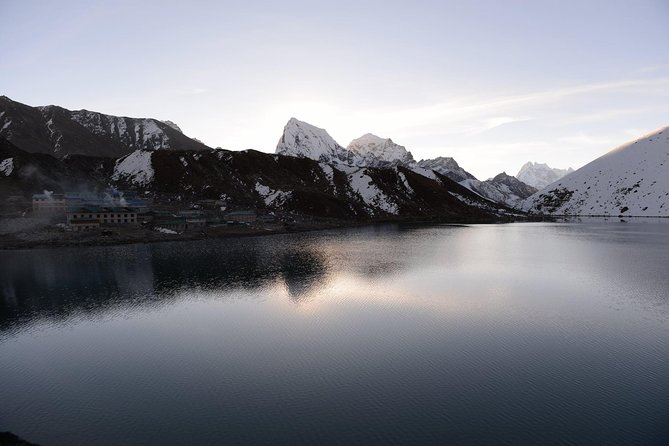
Most Everest trips promise a viewpoint. Kala Patthar delivers one—if you’re willing to suffer a little for it.
Your day starts pre-dawn with very cold temperatures listed between -10 to -14 C, plus possible chilly winds. As you climb and arrive at Kala Patthar, you’re surrounded by a deep panorama. Peaks like Lingtren, Khumbutse, and Changtse are described to the east, and Everest reveals itself in a way that feels close and immediate.
The big promise here is 360-degree up-close views of Mt. Everest, and I can see why people talk about it like a must. It’s not just “seeing Everest.” It’s seeing Everest in relation to everything else around it—icefall territory, neighboring ridgelines, and the scale of the surrounding massif.
Then you descend toward the Pheriche/Lobuche area for the night (the plan has you returning after Kala Patthar), which is why your legs matter. Plan for a day that feels long, even if the miles don’t always sound dramatic.
Descent days to Namche and Lukla: legs do the work now
After Base Camp and Kala Patthar, you’ll spend more time losing elevation than gaining it. The route from Pheriche down toward Namche Bazaar is through rhododendron and juniper, then pine forests. You cross prayer-flag bridges over Dudh Koshi, follow the gorge, and move through winding trails.
You might spot colorful pheasants and mountain goats if conditions line up. More importantly, you’ll start seeing the landscape soften compared to the high glacial world—though you’ll still need careful footing.
Namche to Lukla is a steep downhill day. The plan stresses caution because legs can feel shaky on rocky terrain, and suspension bridge crossings show up again over fast-flowing rivers. Once you reach Lukla, you’ll have a chance to stretch out those sore legs and reflect on what you just did.
Price and logistics: what you pay for, what you still handle
At $1,797 per person for an 18-day trek, the key value isn’t a single thing. It’s the pile-up of costs that usually frustrate independent planning.
What’s included:
- airport transfers in Kathmandu by private vehicle
- a 3-star hotel in Kathmandu with breakfast
- domestic flights Kathmandu–Lukla–Kathmandu
- teahouse lodging with breakfast/lunch/dinner during the trek
- experienced, English-speaking government-licensed trekking guide
- porter service with a 2 trekkers : 1 porter ratio
- permits and paperwork (including National Park Permit and TIMS)
- a medical kit carried by your trek leader
- local taxes and staff costs
What’s not included:
- Nepal visa fee, international flights, travel/rescue insurance
- tips for guide(s), porter(s), and driver
- beverages, phone calls, laundry, battery recharge
- extra Kathmandu hotel nights if your flights or schedule shift
- entrance fees for sightseeing (the plan notes sightseeing tickets as free in the city overview, but entrance fees aren’t listed as included)
My honest take on value: domestic flights to Lukla and the permit/guide/porter package are usually the hard-to-manage part if you try to DIY. Here, you’re paying for that structure—so you can focus on walking, acclimatization, and enjoying the views.
One more logistics reality: the plan specifically warns that the Kathmandu–Lukla–Kathmandu flight route can be delayed or canceled due to weather. If you want stress-free peace of mind, build in 2 to 3 buffer days at the end of your trip.
Fitness, altitude, and what to pack for cold lake-and-pass terrain
This trek is for people with moderate physical fitness. That’s the baseline statement, but the mountain demands vary day by day.
You’ll face:
- altitude thin air during the Everest Base Camp and high portions
- the Cho La steepness and glacier traverse on the east side
- early cold starts, especially for Kala Patthar (listed -10 to -14 C)
- lots of walking on uneven terrain, including moraine and rocky dunes
The plan also highlights that meals are handled through the teahouses during the trek, with a lot of your “support” coming from the guide, porter, and the included medical kit. Still, your daily success depends on how you pace.
In terms of guidance quality, the operator’s reputation shows up in the way they describe their teams. You might work with guides and support staff listed in feedback such as Bishnu and a crew team including Ram, Sandip, Kisser, and Suda (names shared by previous clients). I’d take that as a sign you’re likely to get hands-on, team-based support rather than a purely transactional setup.
Should you book this Everest Base Camp with Chola Pass via Gokyo Lakes trek?
If you want an Everest trip that feels like a journey of zones—city culture, river trails, forest switchbacks, Gokyo’s lake valley, then Cho La, then Base Camp—book it. This plan is built for people who enjoy variety and can respect slow, careful mountain movement.
Don’t book it if:
- you want an easy walk with minimal cold and technical-feeling terrain
- you can’t handle glacier-traverse risk being part of the storyline
- you’re arriving with zero schedule flexibility for Lukla weather delays
If you do book, your best move is simple: take acclimatization seriously, treat Cho La as a cautious day, and plan for the cold mornings as part of the price of admission.
FAQ
FAQ
Where does the trek start?
The experience starts in Kathmandu, with pickup offered in a private vehicle and a meeting time listed at 5:30 am.
What’s the duration of this trek?
It’s approximately 18 days.
How do you get to the trekking start point?
You fly domestically from Kathmandu to Lukla (about 40 minutes), then begin trekking.
What’s included during the trek?
Teahouse accommodation with breakfast, lunch, and dinner is included during the trekking portion.
Are permits included?
Yes. The plan lists necessary permits as included, including the National Park Permit and TIMS.
Is porter support included?
Yes. Porter service is included with a ratio of 2 trekkers to 1 porter.
What major sites are included in Kathmandu before the trek?
A Kathmandu Valley sightseeing day is included, with major sights listed such as Boudhanath and Pashupatinath, and also Swayambhunath and Patan.
What’s not included in the price?
Not included are the Nepalese visa fee, international flights, travel and rescue insurance, tips, beverages, and Kathmandu entrance fees (if any), plus possible extra Kathmandu nights if timing changes.
Can I cancel for a full refund?
The policy listed is free cancellation up to 24 hours in advance of the experience start time for a full refund.
More Tour Reviews in Kathmandu






Just Reviewed in Kathmandu
- Mountain Bike Tour
★ 5.0 · 3 reviews - Annapurna Panaroma
★ 5.0 · 3 reviews - Mount Everest Scenic Flight 50 Minutes
★ 5.0 · 3 reviews - Kathmandu : Swambhunath & Durbar Square Guided Half Day Tour
★ 3.3 · 3 reviews - Chandragiri Cable Car & Monkey Temple Tour – Private/Group
★ 5.0 · 3 reviews - Kathmandu: Shivapuri National Park Hiking Day Trip
★ 3.3 · 3 reviews
Gokyo Lakes & Everest High Passes, compared.
 ★ 5.0Gokyo to Everest Base Camp TrekFrom $2,200113 reviews
 ★ 5.0Everest Base Camp – Cho La Pass – Gokyo TrekFrom $1,39465 reviews
 ★ 5.012 Days Everest Base Camp Kala Patthar TrekFrom $1,79961 reviews
 ★ 5.0Guaranteed Landing at Everest Base Camp Kalapathar by HelicopterFrom $3,50038 reviews
 ★ 5.0Everest Gokyo Valley Trek – 12 daysFrom $1,39927 reviews
 ★ 4.214-Day Everest Base Camp with Kala Patthar TrekFrom $1,29621 reviews
 ★ 5.0Landing Private Helicopter at Everest base camp & Gokyo for photoFrom $4,39920 reviews
 ★ 5.0Gokyo Valley TrekFrom $1,51419 reviews
Browse the lists this tour appears in