
Review · EVEREST BASE CAMP TREKS
Gokyo to Everest Base Camp Trek
Everest, but via the Gokyo Lakes. That combo is what makes this trek special: you get the classic Everest finale at Everest Base Camp and Kala Patthar, then you also spend real time in the Gokyo area with big Gokyo Lakes scenery. I like that this route covers multiple high points instead of just pushing for one “big moment.”
Two things I particularly liked: first, the logistics are built for you, not against you—airport pickup, a licensed English-speaking guide, and a porter set up (1 porter for every 2 clients). Second, the small practical add-ons help on a high trek: down jacket and sleeping bag are provided (to be returned), plus a Katadyn Pocket water filter along the way. The main drawback to consider is comfort level: one of the nights near Cho La is described as a very basic dorm-style stay because it’s remote.
In This Review
- Key highlights you’ll feel fast
- Why the Gokyo–Everest circuit feels different
- Price and logistics: what $2,200 covers (and what it doesn’t)
- Kathmandu warm-up: landing, gear, and a quick reset
- Day-by-day on the ground: what each stage really feels like
- Day 1: Arrive Kathmandu
- Day 2: Kathmandu to Lukla, then Phakding
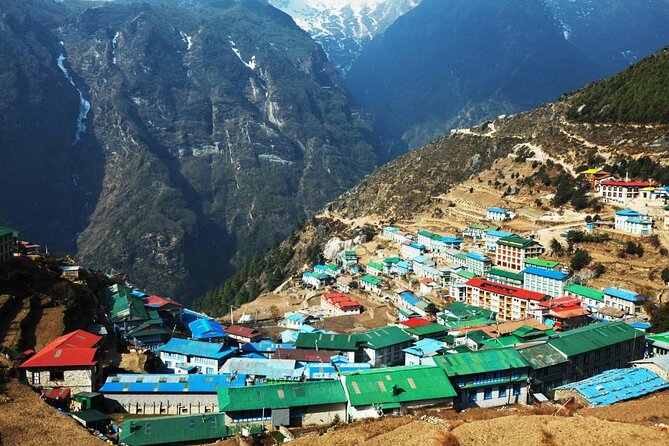
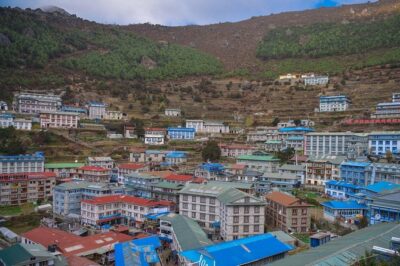
- Day 3: Phakding to Namche Bazaar
- Day 4: Namche acclimatization day
- Day 5: Namche toward Phortse
- Day 6: Phortse to Machhermo
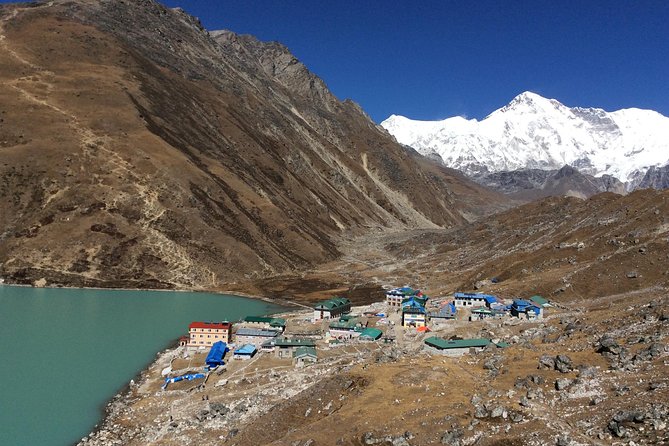
- Day 7: Machhermo to Gokyo (base for 2 nights)
- Day 8: Gokyo Ri sunrise-style climb
- Day 9: toward Thangnag (for Cho La)
- Day 10: Early start to Cho La Pass crossing
- Day 11: Cho La area to Lobuche
- Day 12: Lobuche to Everest Base Camp
- Day 13: Kala Patthar for the Everest viewpoint
- Day 14: Kala Patthar day back down toward Namche
- Day 15: Namche to Lukla, finish trekking
- Day 16: Lukla to Kathmandu
- Day 17: Kathmandu departure
- Acclimatization: how this route tries to keep you safer
- Comfort details: guest houses, toilets, and the Thangnag tradeoff
- Gear and water: the kind of extras you’ll notice at 5,000 meters
- Guides, group size, and why flexibility matters
- Who should book this trek, and who should reconsider
- Should you book Gokyo to Everest Base Camp with Ace the Himalaya?
- FAQ
- How many days is the Gokyo to Everest Base Camp trek?
- Does this include flights between Kathmandu and Lukla?
- What altitude highlights are part of the trek?
- Are meals and lodging included?
- Is a guide and porter support included?
- What gear is provided?
Key highlights you’ll feel fast
- Gokyo Lakes time, not just a stop: you base there for two nights and add views from Gokyo Ri.
- Cho La Pass at high altitude: the crossing is timed early to avoid bad-weather odds.
- Kala Patthar for Everest’s best perspective: a demanding day climb with big rewards.
- Porter support with a 1:2 ratio: you still carry a daypack, but the heavy load is shared.
- Practical gear and water: sleeping bag, down jacket, and a Katadyn filter cut hassle on summit-style trekking.
More trails out of Kathmandu, boots ready
- Everest Base Camp Trek – 14 Days★ 5.0 · 1,499 reviews
- Everest Base Camp Trek★ 5.0 · 842 reviews
- Everest Base Camp Trekking★ 5.0 · 485 reviews
- Nagarkot Sunrise View and Day Hiking from Kathmandu★ 5.0 · 471 reviews
Why the Gokyo–Everest circuit feels different
Most Everest treks sell you a single storyline: get to Base Camp, then return. This route keeps that promise, but it adds a whole extra chapter by circling through Gokyo, the Cho La area, and then back toward the Everest base-camp corridor.
That matters for two reasons.
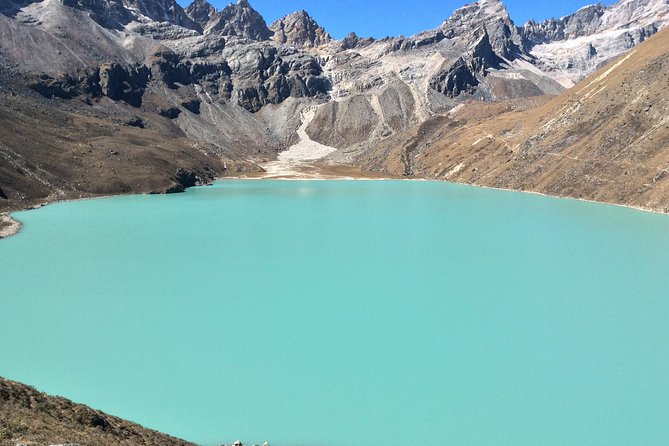
First, you get different views each day. Instead of repeating the same mountain angles, you’ll see the high glacier world from several sides—plus the turquoise glacial lakes around Gokyo. Second, you’re moving through Sherpa country in a way that feels more like a circuit than a shuttle hike. The villages you pass—Lukla, Phakding, Namche Bazaar, and smaller stops like Phortse/Machhermo—help you pace your body and also your expectations. You’re not sprinting from town to town; you’re learning the rhythm.
Also, you’re doing real high-altitude work. This is not a “walk in the hills and call it Everest” trek. You’ll have big elevation moments like Gokyo Ri (5,483 m), Cho La (~5,330 m area), and Kala Patthar (5,555 m). If you want that sense of achievement with enough structure to reduce chaos, the circuit format is a great fit.
Price and logistics: what $2,200 covers (and what it doesn’t)
At $2,200 per person, you’re paying for a full package of the things that are hardest to DIY in the Everest region: permits, flights to Lukla, guides, porters, hotels, and the bulk of meals.
Here’s what this price includes, in plain terms:
- Flights Kathmandu–Lukla–Kathmandu (a big chunk of the logistics)
- Trekking permits plus government fees and service charges
- Accommodation: a three-star twin-share/double hotel in Kathmandu for 2 nights, then guest houses during the trek (with attached toilets in Lukla/Phakding/Namche)
- Meals on trek days: breakfast plus 14 lunches and 14 dinners are included
- Guide and porter support: licensed English-speaking guide, plus 1 porter for every two clients
- Gear support: down jacket and sleeping bag provided for the trek (returned at the end)
- Water: filtered water on the trail using a Katadyn Pocket Water Filter
- Extras like a free Ace the Himalaya duffel/kit bag and sun hat, plus seasonal fruits during the trek
What’s not included is also clear—and it’s important:
- Travel insurance that covers emergency high-altitude rescue/evacuation is not included, and this trek operates in terrain where you really need that safety net.
- International airfare and Nepal entry visa are your responsibility.
- Alcohol and drinks are not included.
- Tipping for trekking staff and drivers is expected.
- Kathmandu meals (lunch/dinner) are not covered, so you’ll plan for that city bill.
For value, I look at what saves you money or stress versus renting everything: flights, permits, and guide/porter time are usually the hard parts. This package hits those. If you already own high-quality trekking insulation and sleeping gear, you might feel less impressed by the provided kit—but you’d still benefit from having it for weight and convenience.
One more practical note: the trek operates with a maximum group size of 15. That’s large enough to feel social on hard days, but small enough to manage pacing and logistics.
Kathmandu warm-up: landing, gear, and a quick reset
Your trip starts in Kathmandu at Tribhuvan International Airport, with an airport representative. The plan includes airport transfers and two nights in a three-star hotel (twin-share or double).
This matters more than it sounds. Kathmandu is where you handle the basics: confirm fit, test your layers, eat something you’ll actually enjoy before trekking food takes over, and make sure your daypack system works. It also gives you time to recover from travel sleep debt—because the trek starts with altitude and effort fast.
On day 2, you fly to Lukla. The transfer to the airport and the flight itself are part of why the package feels “thought-through.” A 35-minute scenic flight (in theory short, in practice a big shift) gets you into the real trail zone at Lukla (2,804 m).
Day-by-day on the ground: what each stage really feels like
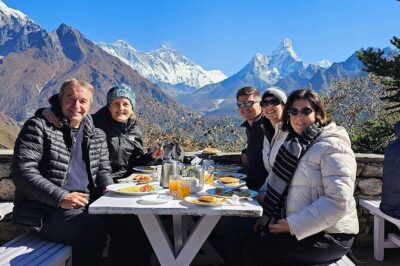
Day 1: Arrive Kathmandu
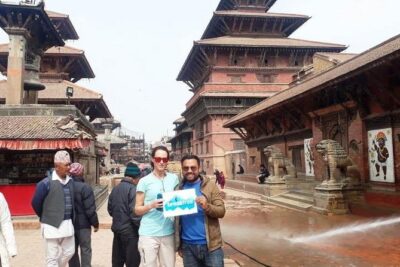
Pick up, transfer, hotel base. Think of this as your staging day: easy meals, early-ish sleep.
Day 2: Kathmandu to Lukla, then Phakding
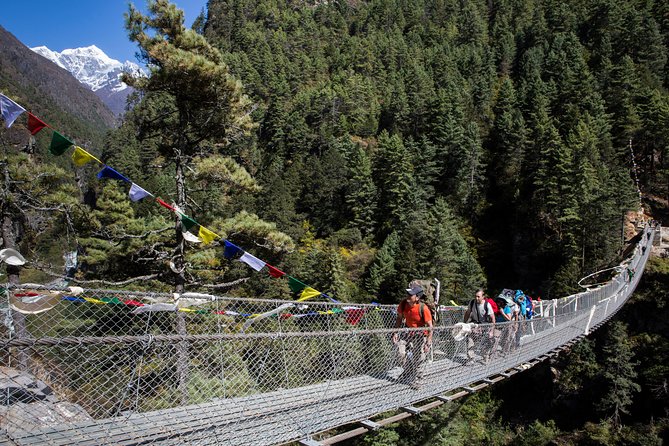
You’ll take that Kathmandu to Lukla flight, then begin trekking toward Phakding. Expect suspension bridges with prayer flags and repeated river crossings along the Dudh Kosi corridor. This is a good “start slow” day if you resist the urge to match the pace of people who feel super fresh.
Day 3: Phakding to Namche Bazaar
This day pushes into Sagamartha National Park and continues along the Dudh Kosi valley with multiple bridge crossings. The big idea: you’re walking and climbing toward the first major hub of the trek, Namche Bazaar. The higher you go, the more every effort feels louder inside your lungs.
Day 4: Namche acclimatization day
This is a true acclimatization day, not dead time. You’ll spend a full day in Namche to adjust to thinner air, including a museum focused on Sherpa traditional customs. Even if you don’t love museums, this kind of break helps you breathe better for the real climbs ahead.
Day 5: Namche toward Phortse
You start climbing out of the valley through rhododendron forest. As elevation rises, you’ll see more conifer and juniper-like vegetation. The trek here is about steady uphill effort and settling into a rhythm you can repeat for weeks.
Day 6: Phortse to Machhermo
Today sets you up for the Gokyo region. The route climbs for views down toward Kengtega and up toward Cho Oyu, then you descend to a river and climb again toward the terminal moraine of the Ngozumpa glacier area. This is where the trekking world starts to look more like glacier geology and less like lush forest.
Day 7: Machhermo to Gokyo (base for 2 nights)
You reach Gokyo (4,790 m), one of your main destinations. You stay two nights to do sightseeing and short hikes around Gokyo instead of rushing through. That structure is a smart choice here. It lets your body adjust before you chase higher viewpoints.
Day 8: Gokyo Ri sunrise-style climb
An early climb to Gokyo Ri (5,483 m) is on the schedule. It’s described as steep, but the payoff is panoramic: you get broad views of the super Gokyo valley and multiple peaks around the basin. This is the kind of day where you’ll feel the altitude more than the distance.
Day 9: toward Thangnag (for Cho La)
This is the approach day to the Cho La Pass area. Accommodation is described as very basic, in a dormitory-based room, because it’s remote. If you hate sleeping in simple conditions, consider that you’re paying for a less comfortable night so the circuit works.
Day 10: Early start to Cho La Pass crossing
You start walking before sunrise, around 4:00 or 5:00 am, aiming to cross in a window closer to 9:00 am–10:00 am. The goal is practical: dodge the worst of bad weather that tends to show up later in the day.
Crossing at this altitude is the type of day where you move carefully. The day is short on paper, but it’s big in effort. Once you’re over, you’ll connect onward to the next overnight area.
Day 11: Cho La area to Lobuche
A relatively easier and shorter route takes you to Lobuche after about four hours of trekking. The word easier matters here because your legs have been working hard. It’s also a good mental breather before Base Camp and Kala Patthar days.
Day 12: Lobuche to Everest Base Camp
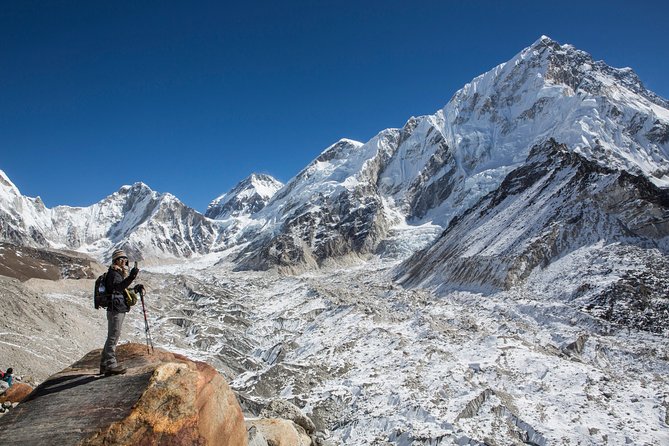
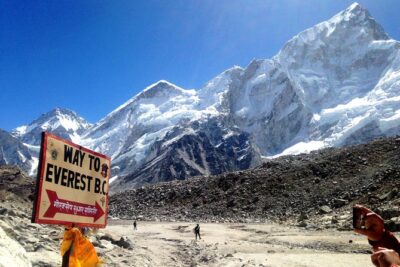
This is a big, difficult day: walking along the Khumbu Glacier and up to Everest Base Camp at 5,365 m. The pace feels “serious,” but it’s still a trek, not technical climbing. If you’re here for the emotional impact of the Everest story, this is the day.
Day 13: Kala Patthar for the Everest viewpoint
Kala Patthar at 5,555 m is one of the hardest days on the route and one of the most rewarding. You climb a morning ascent to a small peak, and the payoff is those classic, close-range Everest views from a high vantage point. It’s demanding because altitude makes even slow walking feel like work.
Day 14: Kala Patthar day back down toward Namche
After the high day, you return down the trail through Pangboche and Tengboche, continuing to Namche Bazaar. This is the “legs learn to breathe again” phase. Descending helps, but you’ll still feel it in your knees and feet.
Day 15: Namche to Lukla, finish trekking
This is your last day of walking, returning to Lukla. It’s a reflective day even if you don’t get poetic. The afternoon is free time, giving you a chance to recover, hydrate properly, and pack without rushing.
Day 16: Lukla to Kathmandu
You fly back to Kathmandu (about 35 minutes), then get transferred back to your starting hotel. You’ll likely notice how much easier “normal” air feels.
Day 17: Kathmandu departure
Trip ends with an airport drop at Tribhuvan. It’s a neat wrap-up because you can transition back to city life without extra surprises.
Acclimatization: how this route tries to keep you safer
Altitude is the real boss on this trek. You climb above 5,000 m multiple times, and your body has to learn how to work in thinner air. This itinerary tries to manage that with structure:
- A full acclimatization day in Namche Bazaar
- A stop and base time in Gokyo before the higher viewpoint push
- Scheduled high days that are interspersed with lower movement and descent
Still, your body calls the shots. If you get symptoms like headache that won’t fade, nausea, or unusual breathlessness, you need to speak up early and follow your guide’s advice. The guides in this operator’s orbit have a safety-first mindset—some groups mention flexible options and decision-making during bad weather. That kind of mindset is what you want when you’re near passes and high points.
Comfort details: guest houses, toilets, and the Thangnag tradeoff
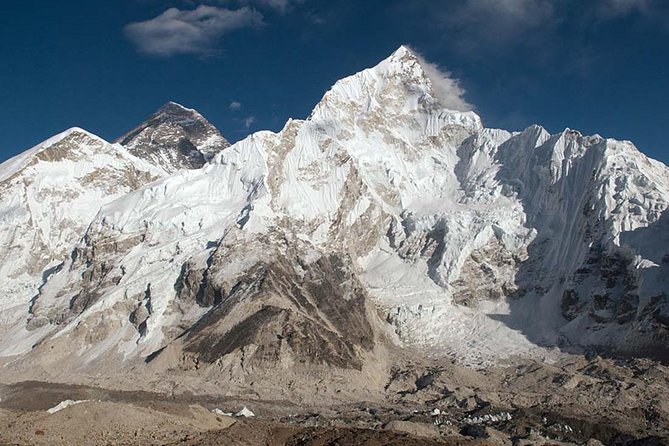
On the included lodging side, the plan is fairly solid for the Everest region:
- Lukla, Phakding, and Namche: guest houses with attached toilets are included
- Most other nights are guest-house style, with normal mountain simplicity
- Thangnag is described as basic dormitory-based accommodation because it’s remote
So yes, you’ll have some comfort. And yes, you’ll give some up for the route. The practical advice: don’t wait until you arrive to decide what matters to you. If you value privacy and quiet, know there may be dorm-style basics on the Cho La approach night.
Food-wise, you’re covered on trek days (breakfast, plus lunch and dinner on scheduled days). In Kathmandu, lunch and dinner aren’t included, so plan a couple of meals there. I also like that the trek includes seasonal fruits. Small thing, but fruit helps when you’re tired of heavy trekking calories.
Gear and water: the kind of extras you’ll notice at 5,000 meters
This package takes away two common sources of stress: what to wear and what to drink.
- Down jacket and sleeping bag are included (for the trek, returned after)
- A Katadyn Pocket water filter is included for filtered trail water
That means you’re less dependent on buying bottle water repeatedly. It also helps you avoid “I forgot X and now I must buy it at an inflated mountain price” moments. Even if you already own gear, these included items can make your trek simpler and lighten your load coming from home.
You also get a duffel/kit bag and sun hat. On high-altitude routes, sun protection is not optional. You’ll likely appreciate the simple coverage more than you expect.
Guides, group size, and why flexibility matters
This trek caps at 15 travelers. That’s a sweet spot for me. Big enough for energy, small enough to manage pace and make adjustments without the whole group getting stuck.
The operator uses licensed English-speaking guides, and in the experience reports tied to this company, you see a consistent theme: safety-first decisions and the willingness to adjust when weather or trail conditions change. Names like Nima, Raj N, Raj Kumar, Lakpa Sherpa, and Ganesh appear in past trek accounts as guide examples, along with porters like Biroj and Sonam.
You should treat those names as a hint of the crew style, not a guarantee you’ll get the same person. But it tells you something real: this isn’t a fly-in-and-hope operation. Guides here are expected to make calls when the Himalaya gets unpredictable.
Who should book this trek, and who should reconsider
This is for you if:
- You can handle long days of walking and steep climbs
- You’re comfortable with early starts and high-altitude effort
- You want both Gokyo Lakes and the Everest Base Camp/Kala Patthar payoff
- You like the idea of a supported experience with porters and a real guide
This may not be your best match if:
- You dislike basic overnight conditions (the Thangnag dorm-style night is part of the plan)
- You’re looking for a low-intensity trek with lots of creature comforts
- You don’t plan for altitude and the need for good insurance
The tour information mentions a moderate physical fitness level as the baseline. Read that as: you don’t need mountaineering skills. But you do need trekking stamina and a realistic mindset about altitude.
Should you book Gokyo to Everest Base Camp with Ace the Himalaya?
If you want the full Everest Circuit experience—Gokyo, Cho La, Everest Base Camp, and the viewpoint circuit around Kala Patthar—this is a strong, well-structured option. The price looks more fair when you tally what’s included: flights to Lukla, permits, guide/porter support, lodging, most meals, key gear, and filtered water. That’s the stuff that turns a dream trek into a manageable trip.
I’d book it if you:
- care about getting off the main single-route path by spending time in Gokyo
- want a small group feel with max 15 people
- appreciate support details like a water filter and provided insulation
I’d think twice if you:
- hate early mornings and high passes
- need private, hotel-style comfort every single night
If that sounds like your kind of challenge, the circuit route gives you a rare combination: a classic Everest moment plus Gokyo’s calmer, high-lake atmosphere—and you’ll feel both by the time you stand at Kala Patthar.
FAQ
How many days is the Gokyo to Everest Base Camp trek?
The trek is listed as 17 days (approx.).
Does this include flights between Kathmandu and Lukla?
Yes. Kathmandu–Lukla–Kathmandu airfare is included.
What altitude highlights are part of the trek?
You pass through high points including Gokyo Ri (5,483 m), Cho La Pass (~5,330 m), Everest Base Camp (5,365 m), and Kala Patthar (5,555 m).
Are meals and lodging included?
Yes for most of the trek: breakfast (16), lunch (14), and dinner (14) are included. In Kathmandu, lunch and dinner are not included. Lodging includes a three-star hotel in Kathmandu for 2 nights and guest houses during the trek.
Is a guide and porter support included?
Yes. You get a licensed English-speaking guide, and there is 1 porter for every two clients.
What gear is provided?
You’re provided with a down jacket and sleeping bag for the trek, and you return them at the end. A Katadyn Pocket Water Filter is also included.
More Trekking Out of Kathmandu
More Tour Reviews in Kathmandu
Just Reviewed in Kathmandu
- Mountain Bike Tour
★ 5.0 · 3 reviews - Annapurna Panaroma
★ 5.0 · 3 reviews - Mount Everest Scenic Flight 50 Minutes
★ 5.0 · 3 reviews - Kathmandu : Swambhunath & Durbar Square Guided Half Day Tour
★ 3.3 · 3 reviews - Chandragiri Cable Car & Monkey Temple Tour – Private/Group
★ 5.0 · 3 reviews - Kathmandu: Shivapuri National Park Hiking Day Trip
★ 3.3 · 3 reviews
Everest Base Camp Treks, compared.
 ★ 5.0Everest Base Camp Trek – 14 DaysFrom $1,8001,499 reviews
 ★ 5.0Everest Base Camp TrekFrom $1,790842 reviews
 ★ 5.0Everest Base Camp TrekkingFrom $1,350485 reviews
 ★ 5.0Everest Base Camp Trekking – 13 DayFrom $1,399365 reviews
★ 5.0Everest Base Camp TrekFrom $1,445350 reviews
★ 5.0Everest Base Camp Trek -14 DaysFrom $1,420321 reviews
★ 5.0Everest Base Camp Trekking – 13 DayFrom $1,399365 reviews
★ 5.0Everest Base Camp TrekFrom $1,445350 reviews
★ 5.0Everest Base Camp Trek -14 DaysFrom $1,420321 reviews
 ★ 5.012 Days Everest Base Camp TrekFrom $1,099289 reviews
 ★ 5.0Everest Base Camp Trekking – 2025/2026From $1,339199 reviews
Browse the lists this tour appears in