
Review · GOKYO LAKES & EVEREST HIGH PASSES
Everest Base Camp – Cho La Pass – Gokyo Trek
Big mountains, fewer crowds. This private Everest Base Camp–Cho La Pass–Gokyo trek mixes the classic EBC route with a detour over Cho La Pass (5,420m) and into the Gokyo Lakes area, where Everest views are often even more dramatic than from Base Camp. You also get a culture hit along the way, with stops like Namche Bazaar and Tengboche, including the chance to experience Mani Rimdu in autumn.
I especially like the pacing here: it’s a private trek, so you can move at your own speed instead of feeling herded along. I also like the “you won’t get lost” feeling—this route is planned so you trek in popular and quieter trails without needing to figure everything out yourself. Tengboche Monastery adds real character, and in the right season the festival connection makes the whole trip feel bigger than just a hike.
The main drawback to consider is that this is a high-altitude, strenuous itinerary, and the Cho La crossing can be weather-sensitive. If you’re not ready for long days at elevation, or you’re relying on perfect conditions, this route can test you.
In This Review
- Key highlights to pay attention to
- Why this EBC–Cho La–Gokyo route feels different from the standard trek
- Kathmandu set-up: pickup, mobile ticket, and a team that handles stress
- Namche Bazaar and Tengboche: where Everest meets everyday mountain culture
- Lobuche, Dingboche, Gorak Shep: the approach where the views get close
- Everest Base Camp: the classic milestone with added support
- Cho La Pass at 5,420m: the strenuous pivot into Gokyo
- Gokyo Lakes: turquoise rewards and Everest views that feel personal
- Private trekking, real names of guides, and why that pacing matters
- Price and value: what about $1,394.88 makes sense for 19 days
- What you should know before you go: fitness, altitude, and weather reality
- Should you book this Everest Base Camp–Cho La Pass–Gokyo Lakes trek?
- FAQ
- How long is the Everest Base Camp – Cho La Pass – Gokyo Trek?
- What’s the price per person?
- Where does the trek start?
- What time does the experience start?
- Is this a private tour?
- Are lunch and dinner included?
- Is pickup offered?
- Is a mobile ticket used?
- What fitness level is required?
- What happens if weather is poor?
- Can I cancel for a full refund?
Key highlights to pay attention to
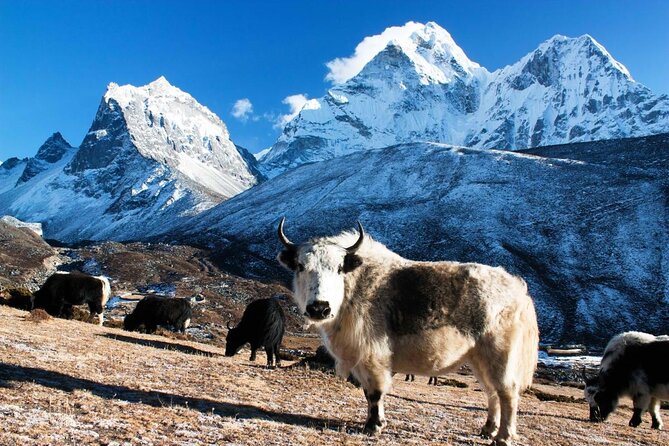
- Private pacing so you don’t feel rushed on a serious altitude route
- Cho La Pass (5,420m) as the turning point into Gokyo and those lake views
- Classic EBC plus quieter trails for variety without the stress of navigation
- Culture stops in Namche Bazaar and Tengboche, with Mani Rimdu possible in autumn
- Support you can feel day-to-day, with guides named like Binod, Ram Timalsina, Surey, Sudam, and Minor in past trips
More trails out of Kathmandu, boots ready
- Everest Base Camp Trek – 14 Days★ 5.0 · 1,499 reviews
- Everest Base Camp Trek★ 5.0 · 842 reviews
- Everest Base Camp Trekking★ 5.0 · 485 reviews
- Nagarkot Sunrise View and Day Hiking from Kathmandu★ 5.0 · 471 reviews
Why this EBC–Cho La–Gokyo route feels different from the standard trek
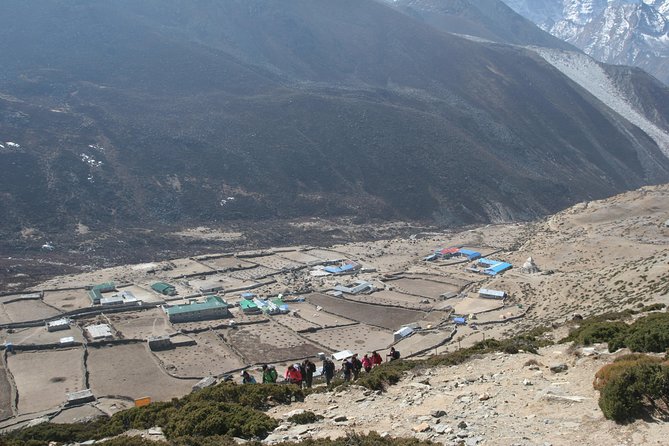
Most Everest Base Camp treks follow a fairly predictable rhythm: reach EBC, then head back the way you came. This one keeps the classic milestone, but then you peel off toward Cho La Pass and continue into the Gokyo Lakes area. That change matters, because you’re not just repeating the same scenery—you’re getting new angles on Everest and a very different landscape of valleys and lakes at altitude.
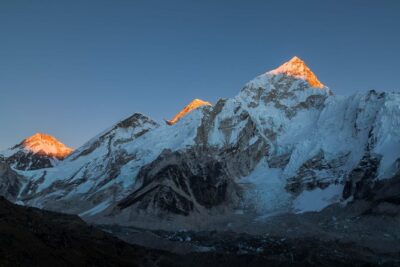
I also like that the views are talked about in a specific way, not just as a vague promise. You can catch close views of four of the eight tallest mountains in the world during the trek—Cho Oyu, Makalu, Lhotse, and Everest—from villages such as Lobuche, Dingboche, and Gorak Shep. Add the turquoise lake setting, and it becomes the kind of trip where the “wow” moments are spread out, not stacked into one perfect day.
There’s a quieter-side element too. The itinerary is described as combining popular sections with less frequented trails, which often means you get some breathing room when the crowds thin out—without taking on the risk of planning blind.
Kathmandu set-up: pickup, mobile ticket, and a team that handles stress
Your trip starts in Kathmandu, with pickup offered and a mobile ticket. The stated start time is 9:15am, so plan to be ready the day it begins. This matters more than it sounds, because delays and last-minute changes can happen in Nepal, especially with flights around the Everest region.
One of the most practical signals in the feedback is how much the organizer steps in when things go sideways. In multiple accounts, the team member named Mani is described as attentive and hands-on. People talk about him helping arrange equipment for rental and also dealing with flight rescheduling when circumstances changed. That’s the kind of value that doesn’t show up on a brochure, but it shows up when you’re tired, worried, and trying to keep the trip moving.
Also note that you’re not just buying a trek on paper—you’re getting a private tour/activity, meaning only your group participates. That typically makes communication easier when you need adjustments, and it can reduce the friction of trying to meet multiple schedules at once.
Namche Bazaar and Tengboche: where Everest meets everyday mountain culture
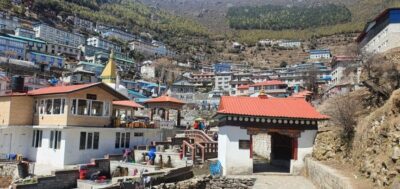
Namche Bazaar isn’t only a checkpoint. It’s where the Everest region’s daily life becomes visible: teahouses, shops, and the rhythm of people who live at elevation. The itinerary specifically includes Namche Bazaar, and it’s framed as an opportunity to interact with locals, which is one of the best ways to understand what you’re seeing beyond the trekking route.
Then you reach Tengboche, where the experience turns more cultural. The trip includes Tengboche Monastery, and there’s a seasonal bonus: if you’re trekking in autumn, you can take part in the celebration of Mani Rimdu at the monastery. If that aligns with your travel dates, it’s a meaningful way to connect the physical challenge to living tradition.
The monastery stop is also a good “mental gear shift” from summit talk. You get a different pace, a different kind of awe, and you’re reminded that this route is built on centuries of community life, not only on modern bucket-list hikes.
One small consideration: cultural sites at altitude can feel even more intense when you’re acclimating. Keep your schedule realistic and don’t treat these stops like quick photo breaks.
Lobuche, Dingboche, Gorak Shep: the approach where the views get close
This itinerary passes through places like Lobuche, Dingboche, and Gorak Shep, and those names matter because they sit in the zone where Everest starts showing up in a more dramatic, close-up way. Here you’re not just looking at mountains in the distance—you’re seeing them dominate the horizon for long stretches.
It’s also where fatigue and altitude start to pile up, so pace becomes everything. The highlights emphasize trekking at your own pace without feeling rushed, and in practice that can be the difference between a smooth day and a miserable one. With a planned route, you can focus on steady breathing, slow steps, and listening to your body instead of worrying about turns and timing.
The other value of this segment is the specific mountain viewing angle. The trip description highlights close views of Cho Oyu, Makalu, Lhotse, and Everest from along the way. That’s a strong selling point because it’s tied to actual viewpoints and villages, not just general “great scenery” marketing.
Balance tip: the closer you get to EBC territory, the more weather can swing your visibility. When skies are clear you’ll feel on top of the world; when visibility drops, you’ll lean on your guide’s judgment and keep moving safely.
Everest Base Camp: the classic milestone with added support
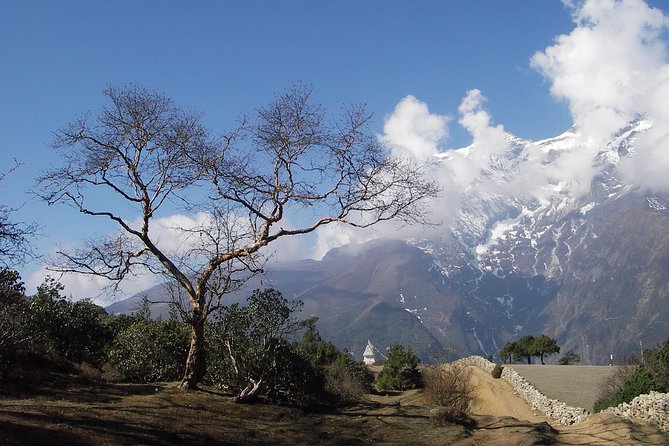
Reaching Everest Base Camp is the headline, and rightfully so. It’s the moment most people picture when they dream about Everest: big camp energy, massive walls of ice in every direction, and a feeling that you’ve reached the heart of the story.
What makes this version stand out is the emphasis on support beyond logistics. In reviews, guides are praised for being responsible and experienced, and for managing both physical and psychological comfort. Names that come up include Binod, described as taking care of trekkers well, and Ram Timalsina, described as senior and considerate.
That matters because altitude trips aren’t only about legs. They’re also about decision-making: when to rest, when to push, and how to handle the mental grind of thin air and long days. A good team can help you keep calm and make smart choices when the route feels tough.
One consideration: EBC itself is always weather-dependent. Even with the best planning, you might find views change day-to-day. The payoff is still there—you just need to be flexible about how “perfect” the sky looks.
Cho La Pass at 5,420m: the strenuous pivot into Gokyo
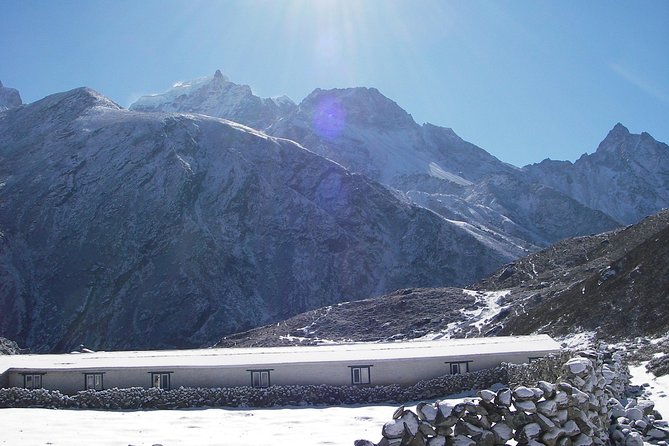
The route’s signature detour is the Cho La Pass (17,782 ft / 5,420m). That altitude number is the real story. This is the kind of pass that demands respect: cold, exertion, and route conditions that can change quickly with weather.
In the itinerary concept, Cho La is what turns a classic EBC trek into something bigger. You’re not stopping at Base Camp and calling it done. You’re crossing over into the Gokyo valley, which then sets you up for the lake scenery that many people find even more memorable than EBC.
The highlights also point out that this trek is designed so you can trek in the mountains without the risk of getting lost. With a pass involved, that’s not a small benefit. It reduces mental load at a time when your body is already working hard.
Practical mindset: treat the pass as a day of careful movement, not a day to prove speed. Slow and steady usually wins here.
Gokyo Lakes: turquoise rewards and Everest views that feel personal
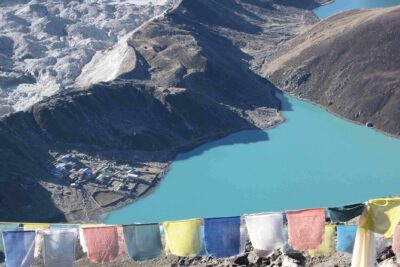
After Cho La, the trip transitions toward the Gokyo Lakes. The description calls the Everest views from these high-altitude lakes arguably better than from Base Camp, and that matches why so many trekkers treat Gokyo as the “second wow” of the journey.
The lakes are a specific reward: high elevation water, strong color, and a backdrop that makes Everest feel close in a different way. Instead of one big camp moment, you get a setting where the scenery stays in front of you for longer stretches. It’s also part of the “quiet trails” idea, since the Gokyo direction is less about the same crowd rhythm as the direct EBC track.
If you’re someone who enjoys photographing mountains, this is where you’ll likely spend more time just staring instead of moving. If you’re more goal-focused, it still helps to build in extra minutes, because these views tend to be why people talk about the trip for years.
Private trekking, real names of guides, and why that pacing matters
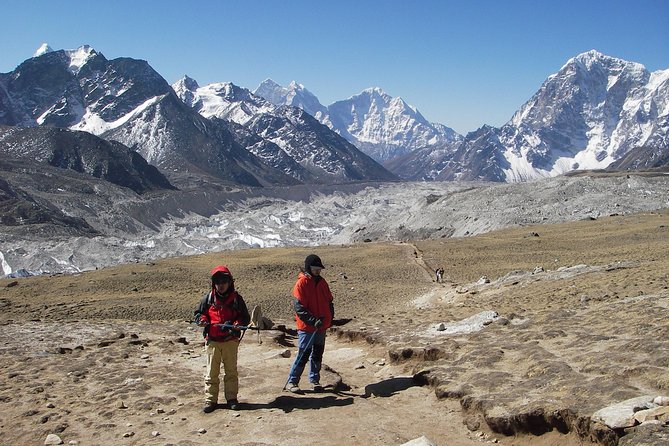
This trek is a private tour/activity, meaning only your group participates. That’s one of the biggest quality markers because it reduces waiting. You’re not standing around because another group is slow; you’re moving in sync with your own fitness and rhythm.
The reviews repeatedly highlight guide quality and responsiveness. Names that show up include Surey, Sudam, Minor, Lapak, and Binod, plus the organizer Mani being attentive and present when issues came up. Another guide name mentioned is Sherman, described as experienced, and people also talk about porter strength and professionalism in some cases.
From a practical point of view, this kind of support helps you handle altitude fatigue. It can also help with day-to-day decisions like rest timing and adjusting your mindset when the cold hits. You still do the work, of course, but you’re not doing it alone.
The only consideration here is expectations. Private trekking doesn’t mean the mountain becomes easy. It means you get help to make the challenge more manageable.
Price and value: what about $1,394.88 makes sense for 19 days
The price listed is $1,394.88 per person for about 19 days. At first glance, it may feel like a lot—until you look at what’s included and what’s not.
On the included side, the data says private transportation. On the not-included side, lunch and dinner are not included. That means you’ll want to budget for meals carefully, especially at altitude where choices shrink.
So where’s the value? A big part is the planning and problem-solving capacity that shows up in reviews: booking hotels, arranging trek details, and handling disruptions like flight changes. People also mention arranging equipment for rental through Mani, and choosing the right pacing with guides who know the Everest area well.
Also, this is private. Compared with group formats, private trips often cost more, but they save time and friction. You’re paying to reduce stress, keep decisions in one place, and get smoother logistics—especially important on a route that includes a high pass.
What you should know before you go: fitness, altitude, and weather reality
This trek is described as challenging high-altitude and best suited for active travelers. You’re also told to have moderate physical fitness. That doesn’t mean you can coast. It means the itinerary expects you to walk for long stretches and handle altitude strain responsibly.
Weather is another real factor. The experience requires good weather, and if conditions don’t cooperate, the trip can be rescheduled or refunded. That’s common for Everest-region itineraries, but it’s still something you should plan around with buffer time in Kathmandu and a flexible mindset.
One more useful consideration: confirmation is received at booking, so you won’t be stuck waiting indefinitely for details. Service animals are also allowed, which is good to know if that affects your group.
Should you book this Everest Base Camp–Cho La Pass–Gokyo Lakes trek?
You should book this trek if you want the Everest Base Camp milestone but also crave the payoff of a real detour—Cho La Pass into the Gokyo Lakes area—where Everest views can feel more personal and scenic. I’d also recommend it if you value a private pace and want a team that’s been praised for being attentive and experienced, with guides named like Binod, Ram Timalsina, Surey, Sudam, Minor, and Lapak.
Skip or reconsider if you know you struggle with strenuous, high-altitude days, or if you’re not willing to deal with weather-driven changes. This is not a casual hike, and the pass altitude is the point where comfort stops being guaranteed.
If your goal is a bucket-list Everest trek with fewer-crowd vibes and strong logistical support, this route makes a lot of sense.
FAQ
How long is the Everest Base Camp – Cho La Pass – Gokyo Trek?
It’s listed as about 19 days.
What’s the price per person?
The price is $1,394.88 per person.
Where does the trek start?
The location listed is Kathmandu, Nepal.
What time does the experience start?
The start time is 9:15am.
Is this a private tour?
Yes. It’s described as a private tour/activity, and only your group participates.
Are lunch and dinner included?
No. Lunch and dinner are not included.
Is pickup offered?
Yes. The tour summary notes pickup offered.
Is a mobile ticket used?
Yes. The tour features include a mobile ticket.
What fitness level is required?
Travelers should have a moderate physical fitness level, and the trek is described as strenuous and challenging due to altitude.
What happens if weather is poor?
The experience requires good weather. If it’s canceled due to poor weather, you’ll be offered a different date or a full refund.
Can I cancel for a full refund?
Yes. You can cancel up to 24 hours in advance of the experience for a full refund. If you cancel less than 24 hours before the start time, the amount paid will not be refunded.
More Trekking Out of Kathmandu
More Tour Reviews in Kathmandu
Just Reviewed in Kathmandu
- Mountain Bike Tour
★ 5.0 · 3 reviews - Annapurna Panaroma
★ 5.0 · 3 reviews - Mount Everest Scenic Flight 50 Minutes
★ 5.0 · 3 reviews - Kathmandu : Swambhunath & Durbar Square Guided Half Day Tour
★ 3.3 · 3 reviews - Chandragiri Cable Car & Monkey Temple Tour – Private/Group
★ 5.0 · 3 reviews - Kathmandu: Shivapuri National Park Hiking Day Trip
★ 3.3 · 3 reviews
Gokyo Lakes & Everest High Passes, compared.
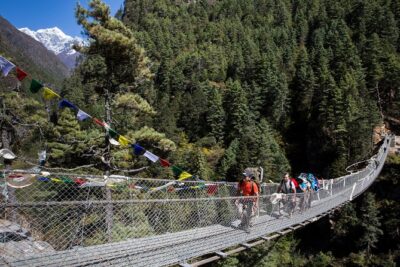 ★ 5.0Gokyo to Everest Base Camp TrekFrom $2,200113 reviews
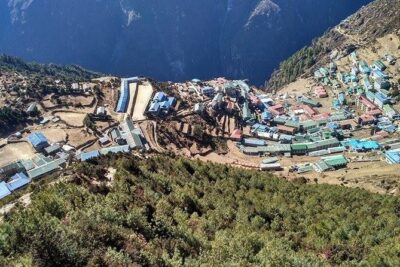 ★ 5.012 Days Everest Base Camp Kala Patthar TrekFrom $1,79961 reviews
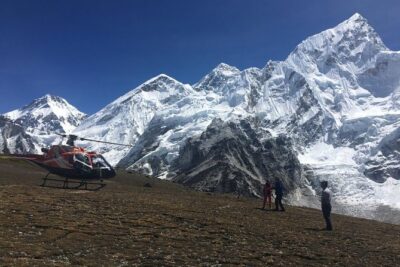 ★ 5.0Guaranteed Landing at Everest Base Camp Kalapathar by HelicopterFrom $3,50038 reviews
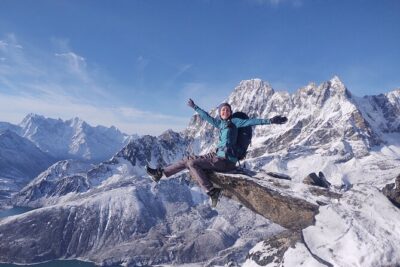 ★ 5.0Everest Gokyo Valley Trek – 12 daysFrom $1,39927 reviews
 ★ 4.214-Day Everest Base Camp with Kala Patthar TrekFrom $1,29621 reviews
 ★ 5.0Landing Private Helicopter at Everest base camp & Gokyo for photoFrom $4,39920 reviews
 ★ 5.0Gokyo Valley TrekFrom $1,51419 reviews
 ★ 5.0Everest Base Camp Kalapathar Trek 14 DaysFrom $1,99017 reviews
Browse the lists this tour appears in