
Review · GOKYO LAKES & EVEREST HIGH PASSES
Kathmandu: 14-Day Everest Base Camp with Kala Patthar Trek
Lukla starts the story before you even hike. This 14-day Everest Base Camp trek from Kathmandu blends Sherpa heartland with serious high-altitude scenery, then finishes with the famous view point at Kala Patthar. If you like your travel plans with both culture and a real challenge, this is a strong match.
I especially like the way the route mixes long walking days with altitude pauses in places like Namche Bazaar and Dingboche. I also like that you get an English-speaking guide, and in past trips the operation was reported as organized and responsive, with people naming organizers like Hari and guides like Anjan and Padam as key to keeping things calm and on schedule.
The main drawback to plan around is weather. Flights into Lukla can get disrupted, and that can change the exact timing of when you reach the Everest region, even when the team is actively trying to make it work.
In This Review
- Key points before you go
- Day-by-day: Kathmandu to Lukla to Phakding (and altitude reality)
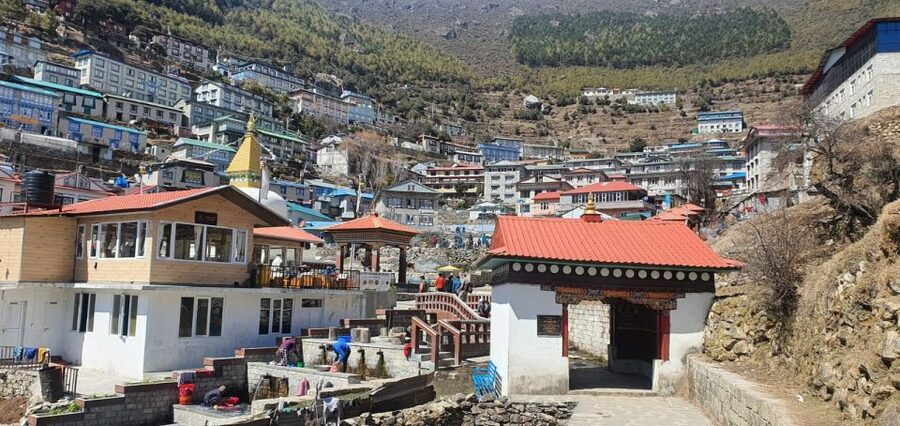
- Phakding to Namche Bazaar: the Sherpa town you actually spend time in
- Day 4 in Namche: why the acclimatization stop is the secret sauce
- Tengboche to Dingboche: steady climbing, sharper air
- Dingboche to Lobuche: getting close to the high country
- Gorak Shep to Kala Patthar to Pheriche: the view you plan around
- Guide and team support: English help that keeps you moving
- Flights, weather, and route changes: what to expect with Lukla
- Price and value: what $1,296 covers, and what you still budget for
- What to bring for Kala Patthar-level cold and long days
- Who this trek fits best (and who should skip it)
- Should you book this Everest Base Camp with Kala Patthar trek?
- FAQ
- Is this trek 14 days long?
- What’s the highest point on the trek?
- Do I fly to Lukla as part of the tour?
- How long is the hike from Phakding to Namche Bazaar?
- Where do you do acclimatization during the trek?
- Are meals included during the trek?
- Are hot showers included on the trek?
- Does the tour include park permits for Sagarmatha National Park?
- Do I need my own sleeping bag and jacket?
- Who is the guide, and what language do they speak?
- Is this trek suitable for people with mobility issues or heart problems?
Key points before you go
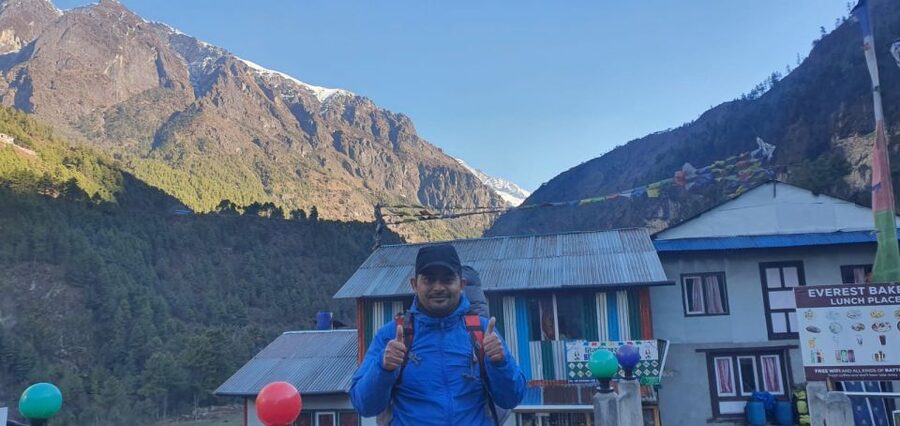
- Lukla flight at about 2,850 m sets the tone fast, so acclimatization starts early
- Namche Bazaar gives you a real feel for Sherpa culture and the trading-town rhythm
- Rest and acclimatization days at Namche and Dingboche help you handle rising altitude better
- Everest Base Camp (about 5,364 m) is a day-trip push from Gorak Shep, not an easy stroll
- Kala Patthar (about 5,545 m) is the payoff viewpoint before you start descending
More trails out of Kathmandu, boots ready
- Everest Base Camp Trek – 14 Days★ 5.0 · 1,499 reviews
- Everest Base Camp Trek★ 5.0 · 842 reviews
- Everest Base Camp Trekking★ 5.0 · 485 reviews
- Nagarkot Sunrise View and Day Hiking from Kathmandu★ 5.0 · 471 reviews
Day-by-day: Kathmandu to Lukla to Phakding (and altitude reality)
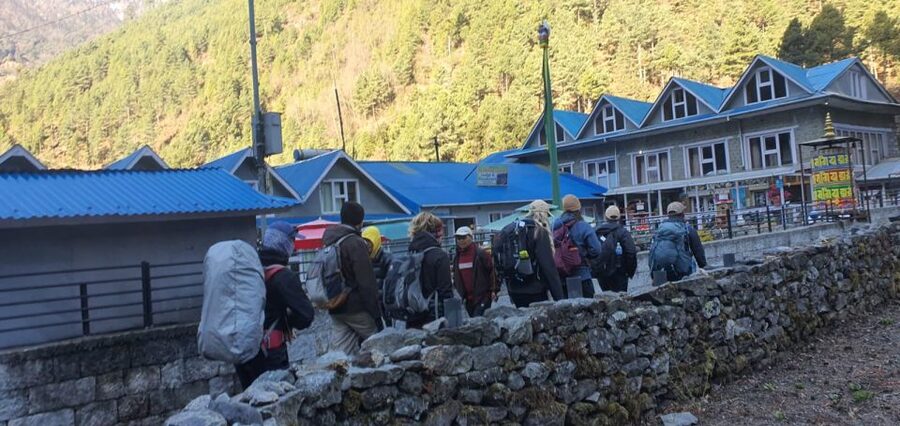
You start with an airport meet in Kathmandu at Tribhuvan International Airport, then a private car/van/bus transfer to your hotel. The next step is the big one: a domestic flight to Lukla at about 2,850 m. If you’ve heard Lukla described as the world’s most-extreme airport, this is where you feel why. Even before your boots hit the trail, you’re already breathing thinner air.
From Lukla you trek to Phakding at about 2,640 m, usually taking 4–5 hours. This section matters because it’s not about max effort. It’s about starting to read the mountains: your pace slows down, your body asks for breaks, and you learn how to move without burning yourself out early.
The practical win here is how quickly the trip gets you into the walking loop. Many people think the hardest part is the Everest views. In reality, the hardest part often starts when you realize how energy-draining the altitude can be, even on day two.
Phakding to Namche Bazaar: the Sherpa town you actually spend time in
Day three is the climb from Phakding up to Namche Bazaar at about 3,440 m, typically 6–7 hours. This is a long day by trekking standards, and that’s exactly why Namche is a smart next stop. Namche isn’t just a scenic checkpoint. It’s where the trek feels like it enters Sherpa life in a more complete way, with shops, tea houses, and the busy small-town flow of the Khumbu region.
What I like about this approach is that you don’t rush past Namche like it’s only a photo stop. The planned pacing also helps you arrive at a town where you can check gear, settle in, and recover a bit before the real altitude work ahead.
At this point, expect cold mornings and warm afternoons, plus that classic Himalayan pattern: you’ll feel fine walking, then suddenly notice a headache or fatigue. If that happens, it’s not a personal failure. It’s your body adjusting. A good guide helps you manage that with pace and timing.
Day 4 in Namche: why the acclimatization stop is the secret sauce
On day four, you rest and acclimatize at Namche, with a 2–3 hour excursion. This is the day that makes the whole trip feel smarter. Instead of chasing elevation every day, you allow your body time to catch up.
In practical terms, acclimatization days are where you reduce risk. They’re also where your confidence builds, because you’ll likely notice that the next ascent feels less punishing. This is also the day you can take care of small needs: restock snacks, check your layers, and get ready for colder air.
One more thing: Namche is a place where you can keep your mind busy while your body catches up. You’re in the Sherpa heartland, so it’s not just sitting in a room. It’s town energy plus a slower plan.
Tengboche to Dingboche: steady climbing, sharper air
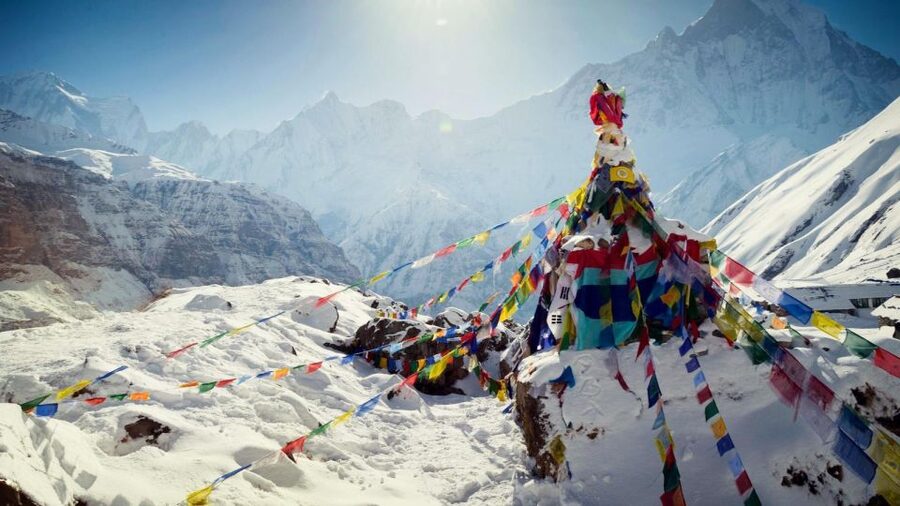
Day five takes you from Namche Bazaar to Tengboche at about 3,870 m in 5–6 hours. Day six continues from Tengboche to Dingboche at about 4,410 m, again 5–6 hours. Those are solid long segments, and the altitude jump adds up.
These two days are about consistency. You keep moving, you don’t sprint, and you follow the guide’s pacing. The route description emphasizes time on the trail, and that’s a good signal: this isn’t a light hike where you can snack and wander whenever you feel like it. You’ll be walking with purpose.
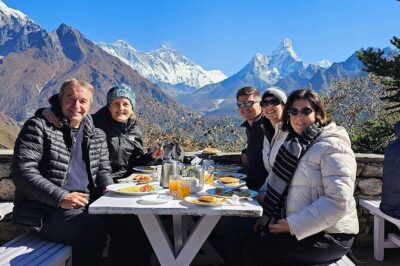
Then comes day seven: acclimatization at Dingboche. That built-in pause is a major comfort, because by Dingboche the air is noticeably thinner. It’s also where you’re likely to feel cold more often, even when the sun is out.
Dingboche to Lobuche: getting close to the high country
Day eight goes from Dingboche to Lobuche at about 4,940 m, usually 5–6 hours. This is the part of the trek where the high-elevation feel becomes the main character. The sky seems closer, mornings are harsher, and every layer you packed starts making sense.
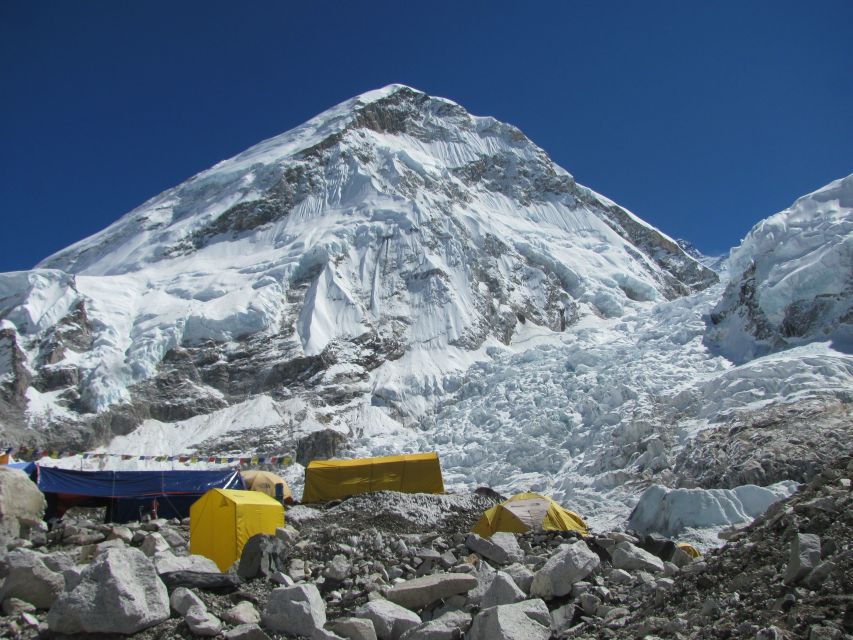
Then day nine is a two-step effort. First you trek from Lobuche to Gorak Shep at about 5,170 m. After that, you hike up to Everest Base Camp at about 5,364 m, then return back to Gorak Shep. It’s a big day, and it works best when you treat it like a series of shorter pushes, not one long grind.
The value of this day is that you’re not just seeing Everest from far away. You reach Base Camp itself, which changes how the mountain feels. Even when you can’t fully process the scale, your body understands it.
Gorak Shep to Kala Patthar to Pheriche: the view you plan around
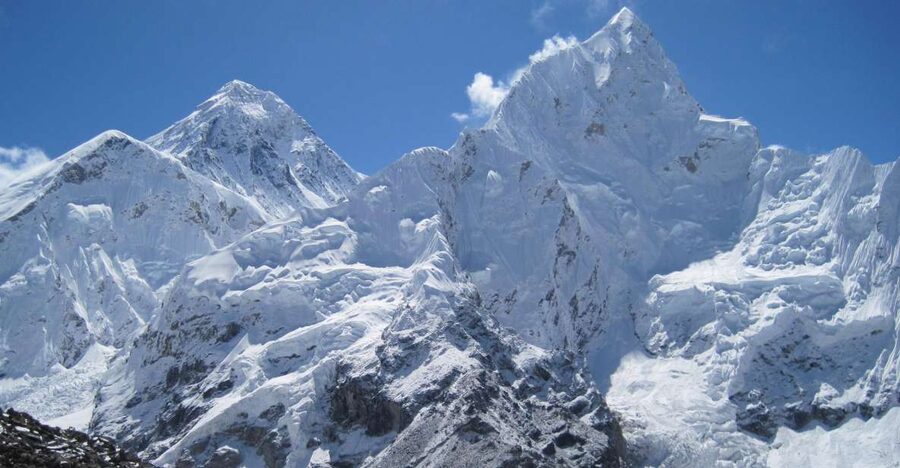
Day ten brings the highlight most people chase: the hike from Gorak Shep up to Kala Patthar at about 5,545 m. After that, you trek down to Pheriche at about 4,371 m.
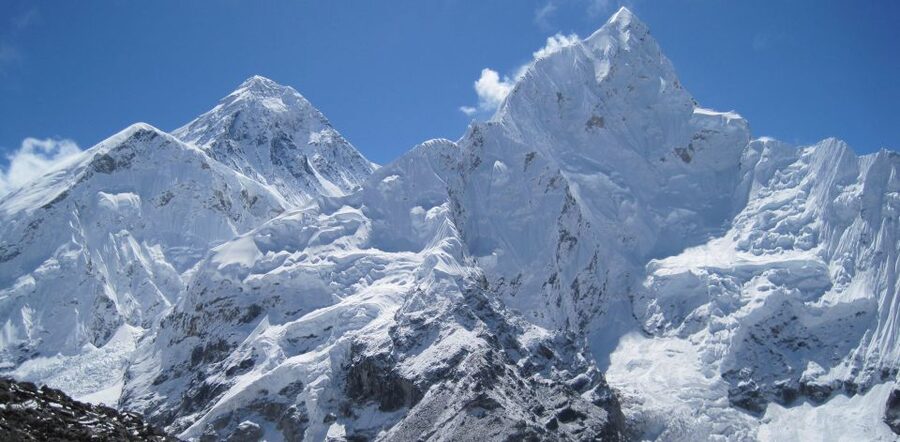
This is where good planning matters. At this altitude, you’re managing effort, temperature, and breathing all at once. Kala Patthar is popular because it gives sweeping perspectives of the Everest range, and the tour also sets you up for those classic sights like Everest, Lhotse, Nuptse, and Ama Dablam.
Then you shift into descent mode. Days eleven through twelve are the long return downward through the high country, and day thirteen brings you back to Kathmandu. There’s a final evening built into the schedule before departure the next day, which is a nice touch. It’s not just a beat-you-up route with no recovery.
Guide and team support: English help that keeps you moving
A trek like this only feels manageable when the team runs tight. The tour includes an experienced, helpful guide, and in multiple accounts the English level was described as excellent. Names came up too, including guides like Anjan and Padam, which matters because it signals continuity and real experience in how to keep the group informed.
What I like about this kind of setup is that you’re not just relying on yourself for every decision. You’re also not stuck guessing how to handle paperwork or park entry requirements. The package includes Sagarmatha National Park entry permits and fees, plus the paperwork needed for the trek.
Porters are another key piece. The data is clear that porter cost isn’t included, but the setup assumes a ratio of 1 porter for 2 people. Also, guide and porter support is built into the package operations through their salary, meals, accommodation, transport, and insurance. Translation: you’re paying for a system that values shared load and safe running, not just people trekking and hoping for the best.
Flights, weather, and route changes: what to expect with Lukla
Even with a well-planned schedule, Lukla can be the wildcard. The route includes round-trip flights Kathmandu–Lukla–Kathmandu, and those flights can get delayed when conditions are rough.
In at least one recent case, the Everest Base Camp portion had to be adjusted when flights to Lukla weren’t possible, and the team reportedly tried multiple days and worked with the traveler before switching to an alternate trek plan using the same guide (named Padam). That tells you something important about how the team behaves: they don’t just shrug and vanish.
So my practical advice is simple: treat the dates as flexible in spirit. If your main goal is Everest Base Camp itself, understand that weather can affect when you reach the region. A good provider tries again, then pivots when it truly can’t happen on schedule.
Price and value: what $1,296 covers, and what you still budget for
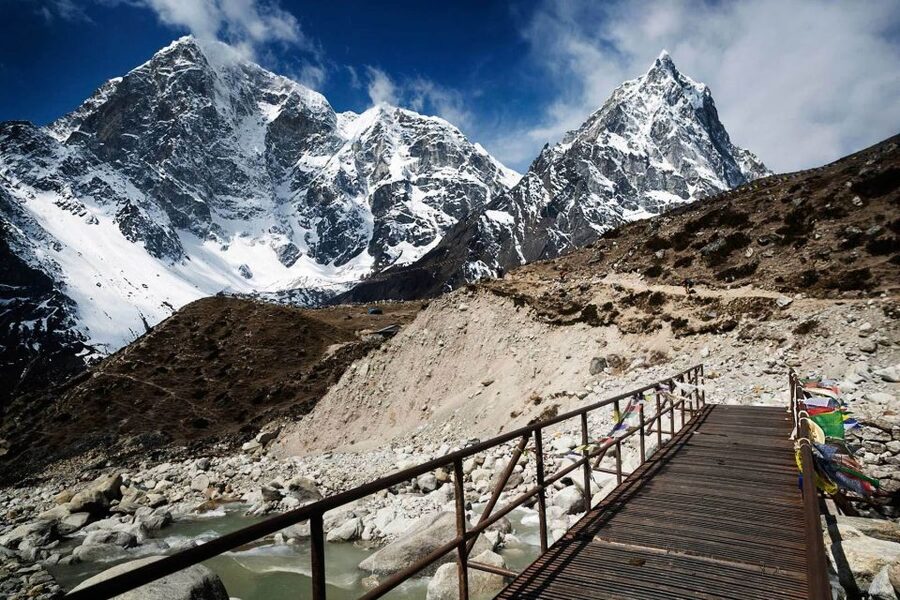
At $1,296 per person for 14 days, this trek can feel like a lot until you break it down. You’re paying for more than walking. The package includes two nights of standard accommodation in Kathmandu with breakfast, plus transfers, domestic flight tickets, national park permits, and all lodge accommodations during the trek.
You’re also paying for the human infrastructure: an English-speaking guide, and porter support in a 1-to-2 ratio (even though the porter fee itself is not included in the price). That often ends up being the difference between a stressful climb and a steady rhythm.
What’s not included is also crucial for budgeting:
- No trekking breakfast, lunch, and dinner
- No lunch and dinner in Kathmandu
- No alcohol or non-alcoholic drinks
- No hot showers during the trek
This is why you should plan a real food budget. Tea houses will feed you, but you need cash for meals and drinks. If you show up thinking the trek meals are covered, you’ll be surprised.
What to bring for Kala Patthar-level cold and long days
The basics are straightforward, and the list includes what you actually need: sunglasses, a hat, hiking shoes, sunscreen, and insect repellent. Add layers for cold lodge nights and a sunburn risk that can feel unfair up high.
The provider also offers a jacket, sleeping bag, and duffle bag to use (if required). That can save you from buying expensive gear just for one trip, but still plan on bringing your own trekking shoes and socks since fit matters.
Packing the “repeatable comfort” items is the smart move. You’re advised to bring multiple clothing options (like extra t-shirts), plus toilet paper. When you’re at high altitude, small comfort items aren’t optional. They turn exhaustion into tolerable.
Who this trek fits best (and who should skip it)
This trek is not for everyone. It’s listed as not suitable for pregnant women, people with heart problems, or anyone with mobility impairments. That’s not just a legal checkbox. Altitude strain and uneven trails are real.
This is best for people who can handle long days of hiking, usually 5–7 hours, plus a major high-altitude push to Base Camp and Kala Patthar. If you like structured pacing, clear daily goals, and you’re ready to respect acclimatization stops, you’ll likely thrive.
It’s also a good fit if you care about Sherpa culture, because Namche Bazaar is part of the plan and you spend real time there, not just passing through.
Should you book this Everest Base Camp with Kala Patthar trek?
If your goal is the classic combo—Everest Base Camp plus Kala Patthar views—and you want a plan that includes acclimatization days and an English-speaking guide, this is a solid option. The biggest strength is the way the schedule treats altitude seriously while still getting you to the places that people come for.
Book if you:
- Can handle 5–7 hour trekking days
- Want a supportive guide and organized logistics
- Are willing to budget for trekking meals and cold shower realities
Skip or choose a different plan if:
- You need guaranteed flight timing into Lukla
- You can’t manage high-altitude effort and cold conditions
- You prefer a fully supported all-inclusive food-and-drink package
FAQ
Is this trek 14 days long?
Yes. The duration is 14 days, with the trek starting after your arrival and ending with a return to Kathmandu and a final evening before departure.
What’s the highest point on the trek?
The highest point listed is Kala Patthar at about 5,545 meters.
Do I fly to Lukla as part of the tour?
Yes. The tour includes flights from Kathmandu to Lukla and then back to Kathmandu.
How long is the hike from Phakding to Namche Bazaar?
It’s listed as between 6 and 7 hours.
Where do you do acclimatization during the trek?
Acclimatization/rest days are scheduled in Namche Bazaar and again in Dingboche.
Are meals included during the trek?
No. Breakfast, lunch, and dinner during the trek are not included.
Are hot showers included on the trek?
No. Hot showers during the trek are not included.
Does the tour include park permits for Sagarmatha National Park?
Yes. Sagarmatha National Park entry permit and fees are included.
Do I need my own sleeping bag and jacket?
Not necessarily. The tour states that you can use a jacket and sleeping bag if required, plus a duffle bag if required.
Who is the guide, and what language do they speak?
The tour includes a live guide who speaks English.
Is this trek suitable for people with mobility issues or heart problems?
No. It is not suitable for people with mobility impairments or heart problems, and it is also not suitable for pregnant women.
More Trekking Out of Kathmandu
More Tour Reviews in Kathmandu
Just Reviewed in Kathmandu
- Mountain Bike Tour
★ 5.0 · 3 reviews - Annapurna Panaroma
★ 5.0 · 3 reviews - Mount Everest Scenic Flight 50 Minutes
★ 5.0 · 3 reviews - Kathmandu : Swambhunath & Durbar Square Guided Half Day Tour
★ 3.3 · 3 reviews - Chandragiri Cable Car & Monkey Temple Tour – Private/Group
★ 5.0 · 3 reviews - Kathmandu: Shivapuri National Park Hiking Day Trip
★ 3.3 · 3 reviews
Gokyo Lakes & Everest High Passes, compared.
 ★ 5.0Gokyo to Everest Base Camp TrekFrom $2,200113 reviews
 ★ 5.0Everest Base Camp – Cho La Pass – Gokyo TrekFrom $1,39465 reviews
 ★ 5.012 Days Everest Base Camp Kala Patthar TrekFrom $1,79961 reviews
 ★ 5.0Guaranteed Landing at Everest Base Camp Kalapathar by HelicopterFrom $3,50038 reviews
 ★ 5.0Everest Gokyo Valley Trek – 12 daysFrom $1,39927 reviews
 ★ 5.0Landing Private Helicopter at Everest base camp & Gokyo for photoFrom $4,39920 reviews
 ★ 5.0Gokyo Valley TrekFrom $1,51419 reviews
 ★ 5.0Everest Base Camp Kalapathar Trek 14 DaysFrom $1,99017 reviews
Browse the lists this tour appears in