
Review · GOKYO LAKES & EVEREST HIGH PASSES
12 Days Everest Base Camp Kala Patthar Trek
Everest has a way of making the days count. This private 12-day Everest Base Camp and Kala Patthar trek is set up so you hike more and worry less, with an experienced guide, porter support, meals, permits, and domestic flights from Kathmandu all handled. I especially like the mix of family-run tea houses in the mountains and the cultural anchor at Tengboche Monastery.
One thing to plan for: the Lukla flight weather can mess with timelines, and if you’re stuck in Kathmandu longer than expected, extra hotel nights aren’t included. Also, during the trek you’re sleeping in lodges/tea houses with outside toilets and no hot showers.
In This Review
- Key highlights you’ll feel in real life
- Private Everest Base Camp and Kala Patthar: what you’re really buying
- Kathmandu start: transfers, mobile ticket, and what you pay for yourself
- Flight to Lukla: the 12 kg limit and the weather reality
- Lodges and tea houses: what sleeping outside toilets really means
- Tengboche Monastery: the culture stop that breaks up the climb
- Guides, porters, and the names that keep showing up
- Trek days: pacing, what to pack, and how to stay comfortable
- Gear you’re expected to bring
- Hot shower and drinks reality check
- Price and value: is $1,799 fair for a guided EBC trek?
- Best fit: who should book, and who should pause
- Should you book this Everest Base Camp and Kala Patthar trek?
- FAQ
- Is this trek private or shared with other groups?
- What does the $1,799 price include during the trek?
- Do I get a porter if I’m traveling solo?
- What happens if the Lukla flight is cancelled or delayed?
- Do you include hot showers and drinks like coffee or tea?
- Do I need travel insurance?
Key highlights you’ll feel in real life
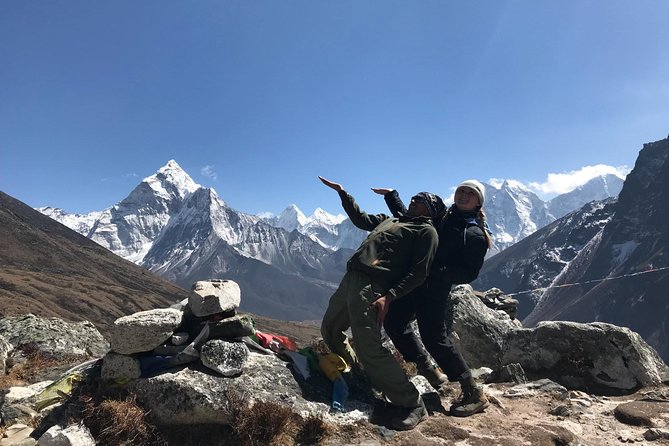
- Private, guided trek with an experienced leader and the Sherpa culture you’ll actually meet in daily life
- Tea-house style lodging for 10 trek nights (twin sharing, outside toilet), so you travel light and keep moving
- Tengboche Monastery visit, a classic spiritual stop on the Everest route
- Meals included (breakfast, lunch, dinner during the trek), while drinks are mostly on you
- Known guide and porter service strengths from past trips, including patient guidance and even help during medical evacuations
- Kala Patthar focus, where the viewpoint effort pays off with big-mountain payoff
More trails out of Kathmandu, boots ready
- Everest Base Camp Trek – 14 Days★ 5.0 · 1,499 reviews
- Everest Base Camp Trek★ 5.0 · 842 reviews
- Everest Base Camp Trekking★ 5.0 · 485 reviews
- Nagarkot Sunrise View and Day Hiking from Kathmandu★ 5.0 · 471 reviews
Private Everest Base Camp and Kala Patthar: what you’re really buying
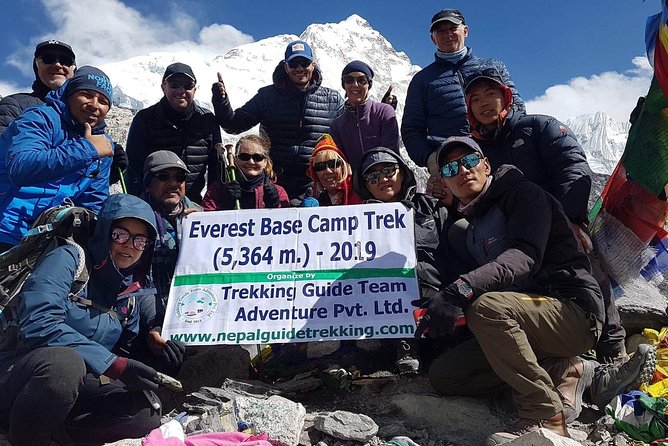
This is not a bare-bones trek where you figure everything out. You’re paying for a guided, fully serviced setup across the Nepal part of the journey: guide, porters (with limits), lodge stays, meals, permits, and the domestic flights from Kathmandu.
For me, the biggest value is that the “hard-to-organize” pieces are handled before you arrive. You still have to do the hiking. But the daily logistics are built around keeping you fed, moving, and safely supported if something goes sideways.
And based on the way guides and porters get praised on past trips, you’re not just buying a route on paper. People highlight caring, patient leadership—naming guides like Shambu, Ram, and Deepak Gurung—and a Kathmandu coordinator (often referenced as Kabi) who stays on top of communication. That matters on trek days when you want calm, not chaos.
Kathmandu start: transfers, mobile ticket, and what you pay for yourself
Your trek is anchored in Kathmandu, but you should know what’s covered and what isn’t.
Included: you get pickup offered and all transportation as per itinerary, plus a mobile ticket. Also, permits are included as part of the overall package.
Not included: accommodation in Kathmandu. So you’ll likely spend at least one night (sometimes more) in your own hotel while you prep and wait for flights. If your Lukla flight gets disrupted, you might need extra Kathmandu nights too—and those additional hotel costs aren’t covered.
You’ll also handle your own Nepal entry visa on arrival at Tribhuvan International Airport. The data here is clear: you’ll need 2 passport-size photos and $30 USD per person.
Practical tip: pack your first-day Kathmandu items so you’re not scrambling. When the plan revolves around a Lukla flight, delays can be stressful, and you’ll feel better if your basics are ready.
Flight to Lukla: the 12 kg limit and the weather reality
Most Everest trips live or die by the flight into Lukla. This one includes domestic flights from Kathmandu, but the logistics have important limits.
- Your luggage allowance on the Lukla flight is 12 kg included.
- If you bring extra baggage, you pay Rs 100 per kg.
Now for the real-world consideration: Lukla weather is unpredictable. Flights can be delayed or cancelled. If cancellation happens, the transportation back to your hotel and accommodation for that night are not included, and you’ll pay out of pocket.
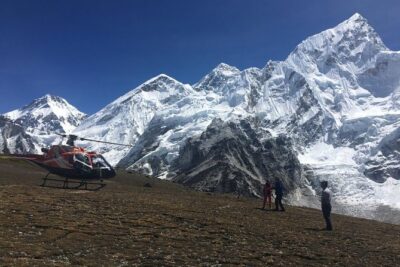
If weather clears the next day, you’ll take an additional 3rd or 4th flight to Lukla. If it stays bad, there’s a helicopter option. The helicopter cost isn’t fixed. It’s quoted by airlines same-day using your flight ticket plus an additional about $150 to $200 USD, making the total around $300 USD (approx).
That’s the drawback to plan around. The upside is that the trek provider flags it up front, which means you can build your budget and expectations accordingly.
Lodges and tea houses: what sleeping outside toilets really means
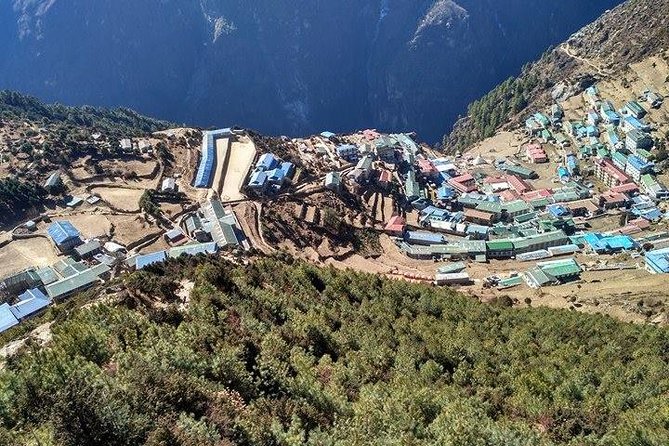
During the trek you’ll sleep in lodges/tea houses run by Nepalese families. The details are specific:
- 10 nights on trek in lodges/tea houses
- Twin sharing basis
- Outside toilet during the trek run by families outside toilet (not private in-room bathrooms)
You’ll also get breakfast, lunch, and dinner every trek day.
What you don’t get (and you should plan for):
- Hot shower during the trekking is not included.
- Alcohol and non-alcoholic drinks like tea and coffee are not included.
So, yes, you’ll be living the classic tea-house rhythm: shared dining spaces, simple rooms, and the comfort that comes from clean enough basics and good food. But you’re also signing up for an outdoorsy setup. If you’re expecting spa-level amenities, you’ll be disappointed. If you’re okay with practical comfort, you’ll be fine.
The practical win: because meals are included, you’re less likely to spend your limited trekking calories on finding food deals. That keeps your energy steady for the days ahead.
Tengboche Monastery: the culture stop that breaks up the climb
The highlight on the cultural side here is clear: you’ll visit Tengboche Monastery.
On Everest route treks, monasteries do more than check a sightseeing box. They’re places where you slow your pace, see how Sherpa communities live and worship, and notice that the mountains aren’t just a backdrop—they’re part of the worldview.
This trek also includes a typical Nepali cultural dinner on the last day. Even when the route is all about endurance, finishing with a local meal is a smart way to bring the trip to a human scale. You’ll remember the mountains, sure. But you’ll also remember the people.
Guides, porters, and the names that keep showing up
A fully serviced trek lives or dies by the people on the ground. This trip includes an experienced, helpful, friendly guide and porters with a stated rule:
- Porter ratio: 1 porter for 2 people
- If you’re solo: porter is not included, but you can add one for $250 USD
This is where the reviews give you useful signal, not just compliments. Names like Shambu, Ram, and Deepak Gurung appear alongside comments about patience and day-to-day care. Past trip experiences also credit a Kathmandu coordinator (often named Kabi) for monitoring from Kathmandu, plus porters such as Mahes, Gyayen, Keshab, Geshap, and Sita Ram for looking after luggage and helping when things got complicated.
One particularly reassuring theme: people describe support during medical situations, including medical evacuation help. That doesn’t mean you’re guaranteed no issues. But it does suggest the team takes responsibilities seriously and reacts with experience.
Also worth noting: one review points out a guide with senior military background. Even if you don’t care about credentials, the takeaway is practical—people feel safer with a leader who’s calm under pressure.
Trek days: pacing, what to pack, and how to stay comfortable
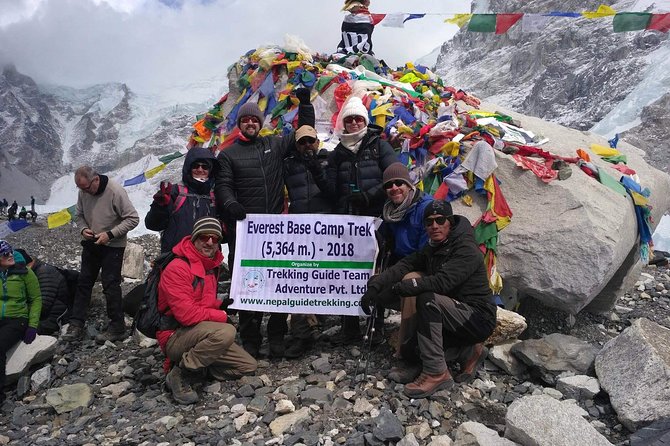
You’ll need a strong physical fitness level to do this trek. That’s not marketing fluff. Everest-style trekking demands stamina day after day, plus time spent walking at altitude where your body works harder.
The good news: the provider is servicing the “non-body” side—meals, accommodation, permits, and guide support. Your job is to show up prepared.
Gear you’re expected to bring
The trip explicitly lists equipment you should pack, including:
- Sleeping bag (-15)
- Down jacket
- Trekking shoes
- Personal towel
- Torch light
- Gloves
- Trekking stick (bring one if you use it)
- Warm clothes, sunglasses, sunscreen, socks
- Basic medication and supplies like headache and fever meds, bandage, pain killer, stomach ache/diarrhea meds (and notes like dimox)
You’ll see the pattern: warm and functional. On mountain treks, comfort comes from layers, dry hands, warm feet, and sane footing. If any of those are missing, the trek feels harder than it needs to.
Small humor, big truth: if you forget sunscreen, you won’t just miss comfort—you’ll miss sleep and mood. Sun hits harder up high.
Hot shower and drinks reality check
Since hot showers are not included, plan to handle daily hygiene the old-school way. And because tea/coffee and other drinks are not included, bring a hydration plan and budget for beverages at tea houses.
Price and value: is $1,799 fair for a guided EBC trek?
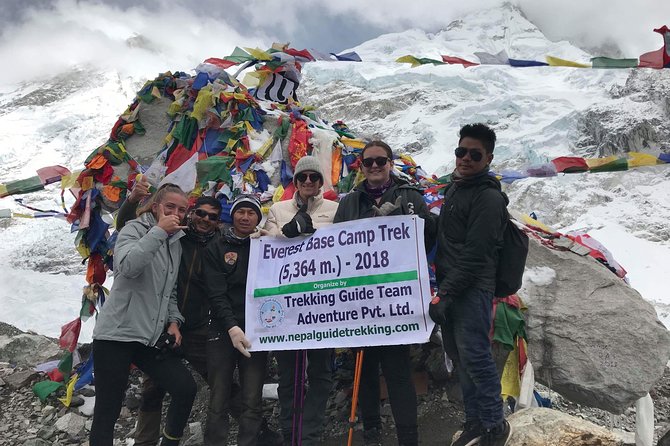
At $1,799 per person, this trek is positioned as mid-to-premium value compared to doing it yourself or going with a basic group setup.
What you’re getting for your money:
- Private guided trekking
- Lodge/tea house accommodation for 10 trek nights
- Meals: breakfast, lunch, dinner during the trek
- Permits
- Domestic flights from Kathmandu
- Porters and support staff costs (including guide and porter insurance, salary, food, drinks, accommodation, transportation)
- Typical Nepali cultural dinner on the last day
- Pickup offered and mobile ticket
What you’re paying extra for:
- Visa fee ($30) and 2 passport photos
- Your own travel insurance, which should cover helicopter rescue and medical bills
- Kathmandu lodging (not included)
- Trekking gear (sleeping bag -15, down jacket, etc.)
- International airfare
- Tips for guide and porter
- Hot showers and drinks
- Any extra baggage beyond 12 kg to Lukla
My honest take: the value is strongest if you want an organized, guided experience and don’t want to spend your energy managing logistics in Nepal. If you already have the gear, don’t mind cold showers, and are comfortable handling your own insurance and budgeting for beverages, the price feels coherent.
If you need a porter due to solo travel, that’s an additional $250. If you get a Lukla delay, additional Kathmandu nights can also add cost.
So yes, $1,799 is fair for what’s included. Just don’t ignore the extras that are specifically flagged.
Best fit: who should book, and who should pause
This trek makes the most sense for you if:
- You want a private guided experience (only your group participates)
- You like tea-house trekking and can handle outside toilets and no hot shower
- You value a team that communicates and shows up consistently with guide and porter support
- You’re ready for cold nights, warm layers, and steady effort
You might want to think twice if:
- You’re counting on hot showers and lots of included beverages
- You’re not in strong physical shape
- You hate weather uncertainty and aren’t comfortable with potential Lukla delays or potential helicopter costs
Solo hikers should pay attention to the porter rule. The trek includes a porter only on the 1 porter for 2 people model. If you travel alone, you can request one for $250.
Should you book this Everest Base Camp and Kala Patthar trek?
If your dream is to reach Everest Base Camp and take on Kala Patthar with a guide-led, fully serviced setup, this booking looks strong. The included team support—guides like Shambu, Ram, and Deepak Gurung, plus porters named across past trips—gets consistent praise for care, patience, and practical help. And the fact that they call out the Lukla weather risk upfront helps you plan like an adult, not like a gambler.
Book it if you’re prepared for the real tea-house side of trekking: outside toilets, no hot showers, simple meals, and cold gear needs. Book it if the idea of Tengboche Monastery and a Nepali cultural dinner at the end feels like the right balance between nature and people.
Don’t book it if you’re seeking luxury comfort or if you want every cost included. Here, you’ll handle your own visa, insurance, Kathmandu lodging, and trekking gear. That’s normal for Nepal treks, but it’s still money and planning.
If you want, I can also help you build a quick checklist for packing your sleeping bag, -15 rated warmth, and the meds list you’ll actually use on an Everest-style trek—based on the gear requirements listed here.
FAQ
Is this trek private or shared with other groups?
It’s a private trek/activity. Only your group will participate.
What does the $1,799 price include during the trek?
It includes 10 nights in lodges/tea houses on a twin sharing basis, breakfast/lunch/dinner during the trek, an experienced guide, porter support, permits, and all transportation as per the itinerary. A typical Nepali cultural dinner is included on the last day.
Do I get a porter if I’m traveling solo?
No. Porters are included on a 1 porter for 2 people basis. If you are solo, a porter is available by additional cost of $250 USD.
What happens if the Lukla flight is cancelled or delayed?
If your Lukla flight is cancelled, you return to your hotel, but the transportation back and accommodation for that night are not included. The next flights may go out when weather clears, and if it stays bad, helicopter flight is an option with a variable quote, using your flight ticket plus about $150 to $200 extra (total around $300 USD approx).
Do you include hot showers and drinks like coffee or tea?
Hot showers are not included during the trek. Alcoholic and non-alcoholic drinks like tea and coffee are also not included.
Do I need travel insurance?
Yes, your personal travel insurance is not included. The plan notes that insurance should cover helicopter rescue and medical bills.
More Trekking Out of Kathmandu
More Tour Reviews in Kathmandu
Just Reviewed in Kathmandu
- Mountain Bike Tour
★ 5.0 · 3 reviews - Annapurna Panaroma
★ 5.0 · 3 reviews - Mount Everest Scenic Flight 50 Minutes
★ 5.0 · 3 reviews - Kathmandu : Swambhunath & Durbar Square Guided Half Day Tour
★ 3.3 · 3 reviews - Chandragiri Cable Car & Monkey Temple Tour – Private/Group
★ 5.0 · 3 reviews - Kathmandu: Shivapuri National Park Hiking Day Trip
★ 3.3 · 3 reviews
Gokyo Lakes & Everest High Passes, compared.
 ★ 5.0Gokyo to Everest Base Camp TrekFrom $2,200113 reviews
 ★ 5.0Everest Base Camp – Cho La Pass – Gokyo TrekFrom $1,39465 reviews
 ★ 5.0Guaranteed Landing at Everest Base Camp Kalapathar by HelicopterFrom $3,50038 reviews
 ★ 5.0Everest Gokyo Valley Trek – 12 daysFrom $1,39927 reviews
 ★ 4.214-Day Everest Base Camp with Kala Patthar TrekFrom $1,29621 reviews
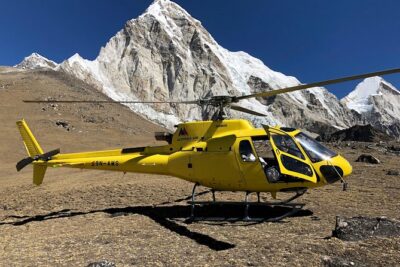 ★ 5.0Landing Private Helicopter at Everest base camp & Gokyo for photoFrom $4,39920 reviews
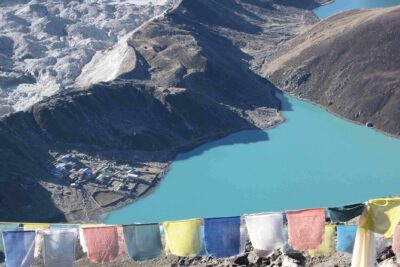 ★ 5.0Gokyo Valley TrekFrom $1,51419 reviews
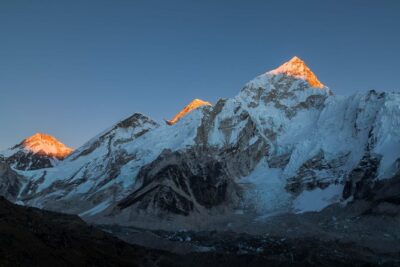 ★ 5.0Everest Base Camp Kalapathar Trek 14 DaysFrom $1,99017 reviews
Browse the lists this tour appears in