
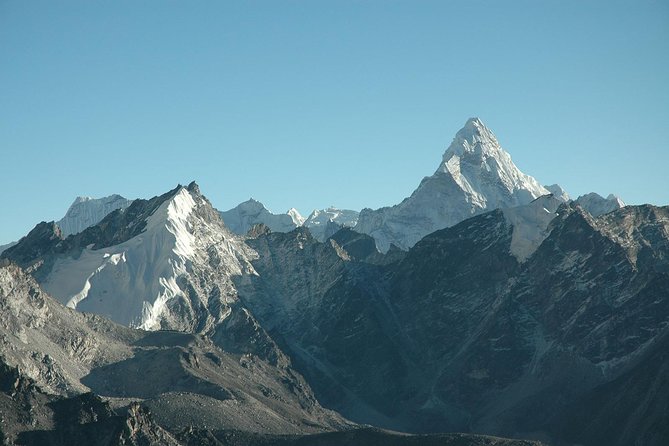
Review · GOKYO LAKES & EVEREST HIGH PASSES
Everest Base Camp with Gokyo Lake 17 Days
Everest and Gokyo both in one go. I like how this route builds acclimatization step by step while still giving you big-ticket days like Gokyo Ri and Everest Base Camp. I also love the practical support built into the trip, from guides (often praised like Pemba and Pasang) to porters and the full meal plan. One thing to plan for: the itinerary asks you over a major high pass—Cho La Pass (5,420m/17,778ft)—so it’s not a walk in the park.
You’ll start in Kathmandu with hotel and airport transfers, then fly to Lukla and work your way upward through Khumbu’s classic villages. The pace is structured with a rest day in Namche Bazaar and gradual climbs toward Machhermo and the Gokyo Basin. And yes, you’ll have enough time to enjoy the mountain rhythm instead of just racing through.
The main consideration is effort. This trek is listed as requiring moderate physical fitness, and several days climb to above 4,000m with long walking hours. If you’re coming from sea level or you hate early starts, build in extra training before you go.
In This Review
- Key things I’d zero in on before booking
- How This Everest + Gokyo Trek Really Feels
- Kathmandu Setup: Hotels, Transfers, and Getting Permits Ready
- Flying to Lukla and the First Trek Day: Phakding (2,620m)
- Namche Bazaar: The Smart Rest Day That Matters
- Dole and Machhermo: The Climb Toward the Gokyo Basin
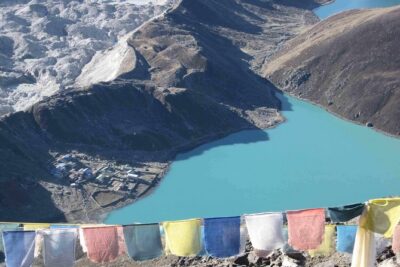
- Gokyo (4,760m): Lake Country at High Altitude
- Cho La Pass Day: The Hard Work Behind the Big Views
- Gorak Shep to Everest Base Camp (5,365m) or Kala Patthar (5,550m)
- Tengboche, Monjo, and the Final Trek Rhythm Back Down
- Price and Logistics: Is $1,480 Good Value?
- Gear, Lodges, and the Comfort Wins That Prevent Burnout
- The Team Experience: Guides, Porters, and Service Style
- Who This Trek Suits Best (and Who Should Be Careful)
- Should You Book This Everest Base Camp + Gokyo Lake Trek?
- FAQ
- How long is the Everest Base Camp with Gokyo Lake trek?
- Where does the trip start and end?
- What’s included for meals during the trek?
- Are trekking permits and the TIMS card included?
- What is the maximum group size?
- Do I need to bring my own international airfare?
- What happens if I need gear like a sleeping bag or down jacket?
- Is free cancellation available?
Key things I’d zero in on before booking
- Small group limit (max 18) helps keep the trek calm and organized.
- Cho La Pass adds the big “peak-to-lake” challenge and changes the feel of the whole route.
- Gokyo Ri + Gokyo Lake gives you a second major highlight beyond Everest.
- Everest Base Camp or Kala Patthar is built into the plan, so you get options for the morning.
- Full trekking meals (breakfast, lunch, dinner) reduces the daily decision fatigue.
- Support team included: guide, porter arrangements (two guests share one Sherpa porter), permits, and lodge stays.
Not sure yet? Here are other Kathmandu tours worth a side-by-side look.
- Everest Base Camp Trek – 14 Days★ 5.0 · 1,499 reviews
- Everest Base Camp Trek★ 5.0 · 842 reviews
- Private Kathmandu Sightseeing Tour | UNESCO World Heritage sites★ 5.0 · 756 reviews
- Kathmandu: 7 UNESCO Sites with Lunch★ 4.8 · 744 reviews
How This Everest + Gokyo Trek Really Feels
This trek is for people who want the best “two-world” combo in the Everest region: the Everest Base Camp side and the quieter, stunning high-country of Gokyo Lake. You’ll move through Sagarmatha National Park and pass traditional villages tied to the Khumbu story. The route is long enough to feel like a real journey, not a rushed checkbox.
What makes it interesting is the mix of walking styles. Some days are steady uphill days, then you get rest and exploration in Namche Bazaar. Later, you’ll spend serious time above 4,000m, with the high pass day to Dzonglha and the classic Everest-area approach toward Gorak Shep.
You should also like structure. This trip is clearly planned by altitude and timing. Even if weather or lodge space changes your comfort level, the overall rhythm is designed to keep you moving safely and efficiently.
Kathmandu Setup: Hotels, Transfers, and Getting Permits Ready
Your trip starts in Kathmandu with airport pick-up and drop-off plus a three-star hotel in twin sharing with breakfast. That’s not glamorous, but it’s useful. You don’t need to guess how you’ll get from airport to bed or worry about finding the right place to meet your trekking team.
The big behind-the-scenes win is that key trekking paperwork is handled: TIMS card (Trekking Information Management System) and the trekking permit are included. You’ll also get support for guide and porter logistics, including their accommodation, meals, and insurance. That means you can focus on packing, hydration, and sleep instead of paperwork.
One more small comfort: they include all transportation connected to the itinerary (including an A/C car and tourist deluxe bus during trips). That helps when your day starts with an airport or a transfer and you’d rather not spend your energy haggling.
Flying to Lukla and the First Trek Day: Phakding (2,620m)
On day 2 you fly from Kathmandu to Lukla, then trek to Phakding at about 2,620m (8,594ft). That early transition is a big part of how the trek works. You’re already in the mountain zone quickly, which sets the stage for altitude adaptation right away.
Phakding is a useful first stop because it’s a gentler introduction compared with what comes later. You’ll walk, settle into a lodge, and start to feel how the air changes. This is also your first taste of the classic Khumbu valley travel vibe—tea houses, familiar trails, and steady mountain village life.
You’ll also appreciate having meals handled early. Breakfast, lunch, and dinner during the trek are included, and you can count on tea or coffee with meals. That removes a daily planning stress when your body is already working hard.
Namche Bazaar: The Smart Rest Day That Matters
By day 3 you trek up to Namche Bazaar at roughly 3,420m (11,218ft). Namche isn’t just a place to sleep. It’s where the trek teaches you pacing. The altitude jump is noticeable, so the itinerary gives you a dedicated acclimatization/exploration/rest day on day 4.
If you’re serious about enjoying the experience (and not just surviving it), this is one of the smartest parts of the whole plan. A rest day in Namche lets you check your breathing, your appetite, and your hydration without the pressure of making miles each day. It also gives you time to explore the monastery and the town’s Everest-region culture.
This is also where strong guides help. If your team is led by someone like Pemba (and you’ve had that kind of experience on past trips), the way they guide your pacing can make a real difference. Reviews consistently highlight friendly, helpful guidance from named guides like Pemba and Pasang.




Dole and Machhermo: The Climb Toward the Gokyo Basin
Day 5 brings you to Dole at about 4,110m (13,481ft), with around a 6-hour trek. Day 6 continues to Machhermo at roughly 4,410m (14,465ft), listed as about 3 to 5 hours. On paper that sounds fine. In real life, it’s a great example of how altitude changes your pace even when distance isn’t crazy.
These days are the “gear check” part of the trek. You’re likely to notice where your pack is sitting, how your boots feel, and whether you’re drinking enough water. This is where the porter setup helps—your bags can be carried by the team while you focus on moving.
Also, lodge stays and full meals are included in the trek plan. That means once you reach the village, you can actually recover. There’s less scrambling for food or trying to figure out what’s open.
Gokyo (4,760m): Lake Country at High Altitude
Day 7 brings you to Gokyo around 4,760m (15,613ft). This is the start of the lake-and-ridge feeling people travel for. On day 8 you hike to Gokyo Ri and then trek on to Thagnak at about 4,678m (15,343ft).
What I like about adding Gokyo to an Everest itinerary is that it changes the “Everest-only” mindset. Instead of only tracking one mountain’s story, you’re moving in a broader high-alpine zone where the views and glacial scenery dominate your attention.
And the Gokyo experience isn’t just about scenery. Higher-altitude lake treks often reward steady movement and good recovery habits. You’ll want to keep your warm layers ready, your water consistent, and your sleep protected.
Cho La Pass Day: The Hard Work Behind the Big Views
Day 9 is a key highlight and the clear workout day: trek to Dzonglha via Cho La Pass (5,420m/17,778ft). Even without adding extra distance notes, that altitude tells you the day will demand focus. This is where you’ll feel the difference between “I can walk” and “I can walk well at altitude.”
From a value perspective, this is why the trek is worth doing through this kind of route. A single high pass day can completely change your sense of the region—how it unfolds, which peaks you see, and how you remember the trip later.
Day 10 drops you to Lobuche around 4,940m (16,203ft). Day 11 brings you to Gorak Shep at about 5,147m (16,882ft). These days keep you high, but they also set you up for the Everest-area morning options.
Gorak Shep to Everest Base Camp (5,365m) or Kala Patthar (5,550m)
Day 12 is the “choose-your-morning” part. The plan is: a morning hike to Everest Base Camp (5,365m/17,597ft) or Kala Patthar (5,550m/18,204ft), then trek down to Pheriche at about 3,950m (12,956ft).
This is a great design because the morning goal depends on how you’re feeling. Base Camp is the iconic destination. Kala Patthar tends to be the choice when you want the highest effort with maximum panoramic potential. If your energy is strong and you’re acclimatized well, you can target the summit-feeling hike.
The drop to Pheriche afterward is also smart. After spending morning time up high, you get a descent back to a more breathable elevation. That helps you stay upbeat instead of turning the trek into an endless grind.
Tengboche, Monjo, and the Final Trek Rhythm Back Down
Day 13 takes you to Tengboche around 3,860m (12,661ft). Day 14 goes to Monjo at about 2,635m (8,61ft)—and yes, that’s a big altitude change. Day 15 brings you back to Lukla around 2,840m (9,315ft), then day 16 flies to Kathmandu.
This downhill stretch is when you feel the trek “finish.” Your body won’t be perfect, but your breathing usually improves. It’s also where you get a clearer sense of how much you’ve gained: altitude, stamina, and mountain confidence.
Tengboche is especially meaningful on many Everest routes because it links you to high-mountain culture. The itinerary also includes the promise of seeing Khumbu’s biggest monastery earlier, and that kind of stop helps you remember this is more than trekking mileage.
Price and Logistics: Is $1,480 Good Value?
At $1,480 per person, the value mainly comes from what’s included. You’re not just paying for a trail leader. The package includes:
- City hotel (three-star) with breakfast in twin sharing
- Trekking lodge accommodations during the trek
- Full meals during the trekking days (breakfast, lunch, dinner) with tea/coffee
- Trekking permits and TIMS card
- Guide support and porter arrangements (including porter coverage for shared baggage)
- Important trip extras like a T-shirt, trip achievement certificate, and a cultural show plus farewell dinner
- Airport transfers and land transportation between key points
When you price this kind of trek on your own, those pieces add up fast. The itinerary also explicitly covers whole accommodations and the guide team’s basics (their insurance, meals, and lodging). That removes a lot of uncertainty.
The main trade-off is that some costs are still on you: extra meals in Kathmandu, personal expenses, bar bills, any entrance fees not included, international airfare, travel insurance, and tips. If you’re already paying for your own international flight and insurance, budget for that upfront so the trekking package doesn’t surprise you.
Gear, Lodges, and the Comfort Wins That Prevent Burnout
You might need a sleeping bag and down-jacket during the trek, and the package says these are provided if you need them. That matters, especially if you don’t want to buy bulky cold-weather gear before your trip.
Lodges are part of the plan, and since accommodations are included, you’re not stuck searching for a place to sleep after a long day. You’ll want to remember that lodge comfort is always basic up high, so what you’re really buying is reliable shelter and an organized schedule.
The inclusion of first aid medicine item is also a practical touch. It won’t prevent altitude issues, but it supports the reality that medical problems can happen on treks.
The Team Experience: Guides, Porters, and Service Style
This trek runs with a guiding team plus porters, and the package spells out that porter support is provided (one Sherpa porter carries baggage for two guests). Reviews praise guides like Pemba and Pasang as friendly and helpful, which is exactly what you want on days when your body is tired and decisions matter.
A good guide is not just about knowing the route. It’s about getting the pacing right, explaining what to expect, and keeping the day’s plan realistic. When a guide is calm and supportive, you’re more likely to stick to your walking rhythm and keep your energy steady.
The same goes for porters. When porters handle baggage well and stay organized, you feel lighter and more in control. You can spend your attention on hydration, warmth, and safe steps instead of your pack weight.
Who This Trek Suits Best (and Who Should Be Careful)
This plan is best for you if you want a serious trekking experience with a lot of structure: high-altitude villages, a classic Everest-area approach, and the added bonus of Gokyo and Cho La Pass.
It’s also a fit if you can handle a moderate fitness level and you’re willing to walk uphill multiple days. The route includes long-ish days like the Dole segment and the high pass day to Cho La.
Be careful if you know you struggle with altitude. The plan reaches high elevations across the trek, including 5,420m on Cho La Pass and over 5,000m during the Gorak Shep/EBC approach. In that case, you might need more training, more preparation, or a different route that spends more time lower.
Should You Book This Everest Base Camp + Gokyo Lake Trek?
If you want one trek that covers both Everest Base Camp country and Gokyo Lake high-altitude scenery, this itinerary makes sense. The value is strong because permits, meals, lodge stays, airport and in-country transport, and key support are included in the package price.
I’d book it if you’re the type who likes a clear plan, appreciates guided pacing, and wants a small group setting (max 18). If you’re sensitive to high altitude or you’re not prepared for a real effort day over Cho La Pass, consider training harder first or asking for a route that matches your current fitness.
FAQ
How long is the Everest Base Camp with Gokyo Lake trek?
The trek runs about 14 to 19 days, depending on the schedule.
Where does the trip start and end?
It starts in Kathmandu and concludes in Kathmandu, with the final departure after flying back on day 16 and finishing on day 17.
What’s included for meals during the trek?
Full meals during trekking days are included as listed: breakfast, lunch, and dinner (with tea/coffee).
Are trekking permits and the TIMS card included?
Yes. The trekking permit and TIMS card are included.
What is the maximum group size?
The group has a maximum of 18 travelers.
Do I need to bring my own international airfare?
Yes. International air tickets are not included.
What happens if I need gear like a sleeping bag or down jacket?
If you need a sleeping bag and down-jacket during the trek, the package indicates you can get them.
Is free cancellation available?
Yes, you can cancel up to 24 hours in advance for a full refund. If you cancel less than 24 hours before the start time, the amount paid is not refunded.
More Tour Reviews in Kathmandu






Just Reviewed in Kathmandu
- Mountain Bike Tour
★ 5.0 · 3 reviews - Annapurna Panaroma
★ 5.0 · 3 reviews - Mount Everest Scenic Flight 50 Minutes
★ 5.0 · 3 reviews - Kathmandu : Swambhunath & Durbar Square Guided Half Day Tour
★ 3.3 · 3 reviews - Chandragiri Cable Car & Monkey Temple Tour – Private/Group
★ 5.0 · 3 reviews - Kathmandu: Shivapuri National Park Hiking Day Trip
★ 3.3 · 3 reviews
Gokyo Lakes & Everest High Passes, compared.
 ★ 5.0Gokyo to Everest Base Camp TrekFrom $2,200113 reviews
 ★ 5.0Everest Base Camp – Cho La Pass – Gokyo TrekFrom $1,39465 reviews
 ★ 5.012 Days Everest Base Camp Kala Patthar TrekFrom $1,79961 reviews
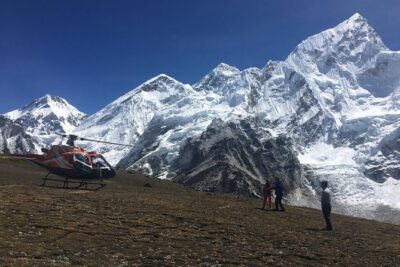 ★ 5.0Guaranteed Landing at Everest Base Camp Kalapathar by HelicopterFrom $3,50038 reviews
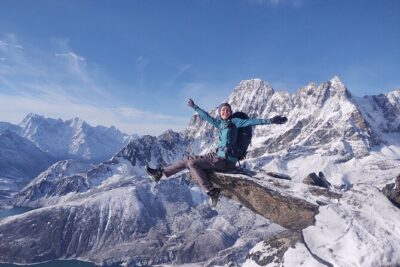 ★ 5.0Everest Gokyo Valley Trek – 12 daysFrom $1,39927 reviews
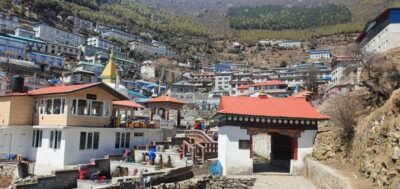 ★ 4.214-Day Everest Base Camp with Kala Patthar TrekFrom $1,29621 reviews
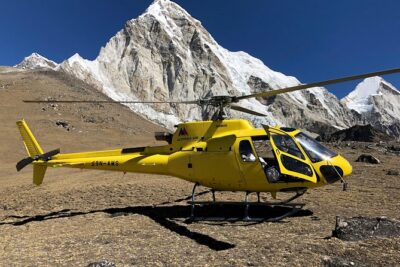 ★ 5.0Landing Private Helicopter at Everest base camp & Gokyo for photoFrom $4,39920 reviews
 ★ 5.0Gokyo Valley TrekFrom $1,51419 reviews
Browse the lists this tour appears in