
Review · EVEREST BASE CAMP TREKS
Everest Base Camp with Island Peak
Island Peak makes Everest Base Camp feel different. This is a trek built around Island Peak plus classic Everest Base Camp scenery, so you get both high-altitude views and a hands-on climb step. I like the way the trip centers Sherpa culture along the route, not just the summit goal. One thing to keep in mind: you’ll need strong fitness, and you should expect basic facilities—especially when it comes to hot showers.
I also like that the logistics are handled from the start: arrival in Kathmandu, pickup/drop-off, surface transfers, and then twin-sharing guest houses during the trekking days. Meals are largely covered, and the trek includes a long list of essentials like permits, a first aid kit, porters, and key climbing gear. The possible drawback for your comfort is that hot showers are limited on the trek, with exceptions noted for Lukla, Phakding, and Namche.
In This Review
- Khumbu + Island Peak in Practice: what you’re really buying
- Key points that matter on the ground
- Arriving in Kathmandu: transfers and getting oriented fast
- Trekking through the Khumbu: guest houses, food, and acclimation pacing
- Guest houses and shared comfort
- Meals included (and what that means for your wallet)
- Hot showers: plan for cold, not convenience
- Fitness matters, because altitude is not negotiable
- Everest Base Camp: the payoff of day after day uphill
- Island Peak: the climb you’ll feel in your hands and legs
- Equipment and safety setup
- The human part: you’re guided, not pushed
- Comfort details that affect real value: what’s included vs what’s on you
- Included items that reduce your gear stress
- The gear contradiction you should clarify
- What you should expect to pay separately
- Price reality check: $3,190 for 17 days—what makes it worth (or not) the money
- Who this Everest Base Camp + Island Peak trek suits best
- Should you book Everest Base Camp with Island Peak?
- FAQ
- How long is the Everest Base Camp with Island Peak trip?
- What is the price per person?
- Where does the trip start and end?
- Does the package include pickup or transfers?
- What meals are included during the trek?
- Are permits included for the trek and Island Peak?
- Will I have a guide for the trekking and Island Peak?
- What trekking and sleeping gear should I bring?
- Is there hot water or hot shower during the trek?
- Is free cancellation available?
Khumbu + Island Peak in Practice: what you’re really buying
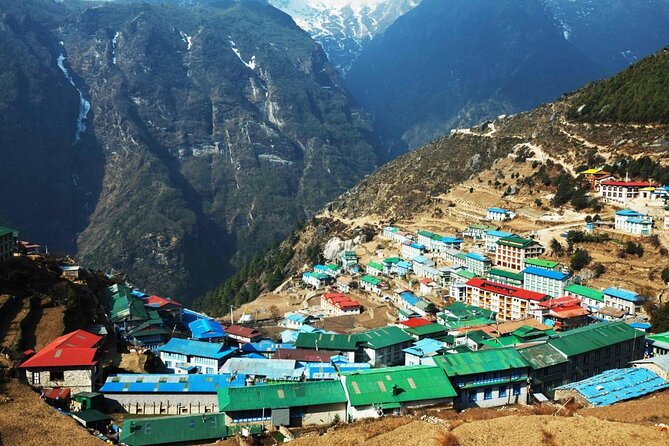
This trip isn’t for someone who wants an easy hike and a nice dinner. It’s for you if you want a serious altitude experience where the program takes you from tea-house trekking into a technical climb window. You’re following professional guidance and Sherpas, and the “thrilling” part isn’t marketing fluff—it’s baked into the included climbing permits, equipment, and dedicated climbing guide for Island Peak.
From a value angle, I think the smart part is that you’re not just paying for your own effort. You’re also paying for the paperwork (TIMS, Sagarmatha NP, Island Peak climbing permits), the support structure (guide, climbing guide, porters), and the gear handoffs (down jacket and sleeping bag listed in inclusions, plus climbing hardware).
Not sure yet? Here are other Kathmandu tours worth a side-by-side look.
- Everest Base Camp Trek – 14 Days★ 5.0 · 1,499 reviews
- Everest Base Camp Trek★ 5.0 · 842 reviews
- Private Kathmandu Sightseeing Tour | UNESCO World Heritage sites★ 5.0 · 756 reviews
- Kathmandu: 7 UNESCO Sites with Lunch★ 4.8 · 744 reviews
Key points that matter on the ground
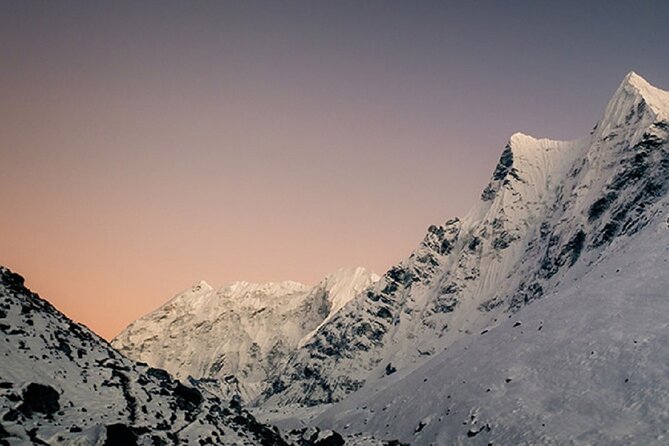
- Island Peak permit and climbing support included so you’re not scrambling to figure out the legal and safety side last minute.
- Guide + climbing guide staffing means your technical section isn’t left to chance.
- Porter support (2 guest: 1 porter) helps keep your load reasonable on the trek.
- Guest-house trekking with included meals keeps your daily budget simple.
- Limited hot shower access (with only Lukla, Phakding, and Namche noted) helps you plan your expectations.
Arriving in Kathmandu: transfers and getting oriented fast
Most Everest trips start with the same question: can you get your bearings quickly in Kathmandu? This program aims to answer that with pickup & drop-off by car/van as per the schedule and surface transfers by private vehicle. That matters because the first day in Kathmandu is usually when things are easiest to mess up—missed SIM cards, forgotten permits, or just plain jet lag.
If you’re thinking about support quality, it’s worth noting the names that show up in feedback for this operator. You may interact with people like Hari Daju (with support from his son Himal) and Sherpa partners such as Ongchu Sherpa, plus staff like Samden. Another guide name you might see referenced is Shiva. The common thread in the feedback is English communication and availability during the trip, including questions handled ahead of time.
Practical tip: before you leave Kathmandu, double-check your clothing layers and your climbing-layer system. The trek and Island Peak both expose you to cold hands and feet, and the program’s success depends on you arriving with a workable kit.
Trekking through the Khumbu: guest houses, food, and acclimation pacing
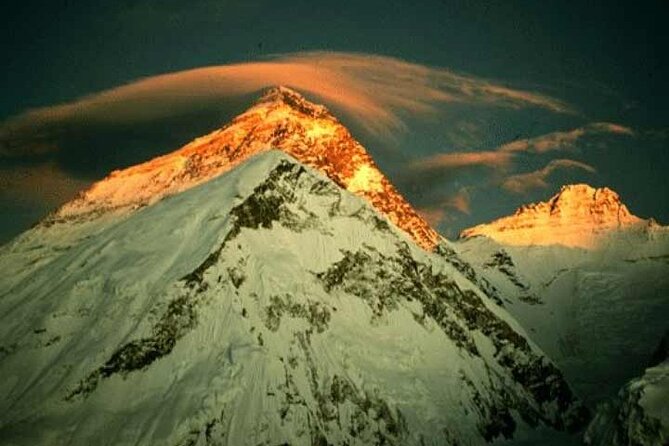
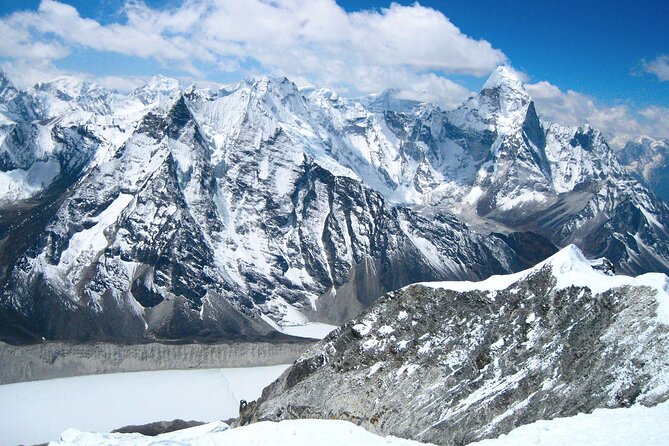
The Khumbu region is famous for drama—ice, ridges, and long looks up at higher walls of rock and snow. The program leans into that with the promise of vast snowy ridges and big stretches of ice as you work upward.
Guest houses and shared comfort
During the trek, you get twin-sharing accommodation at guest houses. Twin sharing is common on Everest routes, but it changes your planning: you should pack like you’ll be living out of your bag more than you’ll be living out of a suitcase. The program also includes a duffle bag, and that often helps you separate “trek daily stuff” from “sleeping and cold-weather stuff.”


Meals included (and what that means for your wallet)
You’ll have lunch and dinner, and the package lists breakfast (3) during the trek, plus seasonal fruits. In real-world terms, this is the part that makes the trip easier on your budget: you’re not budgeting daily meals while also trying to figure out the cost of tea-house snacks, battery charging, and small comfort purchases.
What you might still pay for: personal items and anything outside the included meals. Also, the trip notes that hot water, hot shower, cold drinks, laundry, phone call, and internet are not included, so don’t assume your lodge bill is already fully covered.
Hot showers: plan for cold, not convenience
This is the comfort detail you should not ignore. The program states hot shower during the trek is available only in Lukla, Phakding, and Namche. That means most nights you’re probably working with cold water or limited washing options. Bring a realistic mindset and keep your health first: clean socks, dry base layers when possible, and a consistent layering routine beat chasing a hot shower.
Fitness matters, because altitude is not negotiable
The trip explicitly says travelers should have a strong physical fitness level. That’s not a scare tactic—it’s because your schedule includes both trekking days and a climbing objective. Higher elevations also punish rushed pacing. You’ll want to move steadily, hydrate, and let acclimation do its job.
Everest Base Camp: the payoff of day after day uphill
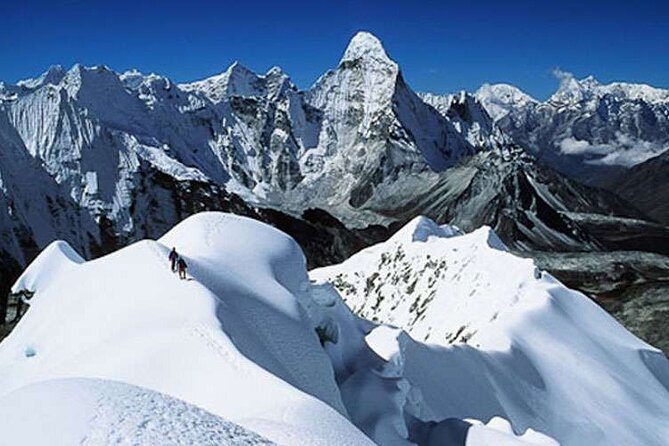
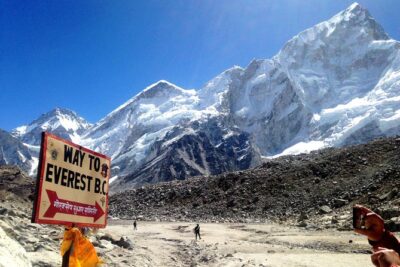
Even without a day-by-day listing in front of you, you can expect the Base Camp portion to feel like a sequence of hard-earned altitude moments. The experience description talks about vast snowy ridges and big expanses of ice, and that’s exactly what you’re working toward: that feeling where the world gets quieter, colder, and bigger.
This is also where the Sherpa-culture angle becomes practical. As you move through the Khumbu, you’re not just passing through scenery. You’re moving through communities with deep ties to mountaineering, trade routes, and seasonal life. If you care about the human side of Everest—not just the famous photos—this program is structured to keep that part in view.
A balanced truth: Base Camp is powerful, but it’s also weather-dependent. Wind and cold can make even a short break feel like hard work. The best way to enjoy it is to treat it as the moment you’ve trained for, not as a stop you power through while freezing.
Island Peak: the climb you’ll feel in your hands and legs
Island Peak turns this from a trekking adventure into a mountain-climbing challenge. The trip includes the Island Peak climbing permit fee and lists a dedicated climbing guide for Island Peak, including their food, accommodation, salary, and insurance. That’s a big deal: it signals you’re not just being handed a map and told to “go up.”
Equipment and safety setup
You’re also given a bundle of technical support. The inclusions list general climbing equipment such as rope, ice screw, and snow bar. Plus, there’s a comprehensive first aid medical kit.
What this means for you: you’re likely to spend less time worrying about whether the right gear exists and more time focusing on technique, spacing, and how you manage fatigue at altitude. On a route like this, small mistakes cost you strength. Having the setup ready is part of the value.
The human part: you’re guided, not pushed
The description promises following professional guides and Sherpas to reach the top. That matters because climbing is as much about decision-making as it is about physical effort. Weather, visibility, and team pacing can change the feel of the climb. With an experienced climbing guide, you’re more likely to get clear calls about when to move, how to manage rope systems, and how to stay safe.
Important note: this trip requires good weather and says poor weather can lead to a different date or a full refund. That’s not something to fear—it’s just the reality of mountain schedules.
Comfort details that affect real value: what’s included vs what’s on you
Here’s where this package can feel genuinely good for your planning, and where you’ll still need to budget mentally.
Included items that reduce your gear stress
From the inclusions list, you get:
- Duffle bag
- Down jacket
- Sleeping bag (listed in inclusions)
- An Accessible Adventure T-shirt, trekking map, and a trip achievement certificate
- Permits including TIMS, Sagarmatha NP, and Island Peak climbing permits
And you get porters with a stated ratio of 2 guest: 1 porter, including their food, accommodation, salary, equipment, and insurance. That porter support is worth paying for because it keeps your energy where it belongs—on your own steps and the climb effort.
The gear contradiction you should clarify
One line in the “Not included” section says: “Trekking Equipments (please bring 4 seasons sleeping bag).” At the same time, the inclusions list a sleeping bag.
To avoid packing mistakes, do this: confirm with the operator what they actually provide versus what you must bring. If you assume you have nothing and pack wrong, it’s your trip and your comfort at stake.
What you should expect to pay separately
The “not included” list covers travel insurance, personal items, alcoholic drinks, hot water/hot shower (except noted places), cold drinks, laundry, and phone/internet. Tips for trekking staff and drivers are also not included.
If you want the trip to feel smooth, add a small buffer for incidentals and tips so the included meals and lodging don’t make you forget you’re still in Nepal on a climbing route.
Price reality check: $3,190 for 17 days—what makes it worth (or not) the money
$3,190 per person for a 17-day Everest Base Camp with Island Peak program looks expensive at first glance. Then you break it down and the number starts to make sense.
You’re paying for:
- Extensive permits (TIMS, Sagarmatha NP, Island Peak)
- Private transfers and Kathmandu support (pickup/drop-off and surface transfer)
- Twin-sharing guest houses over multiple trekking days
- Meals (lunch and dinner, plus three breakfasts listed)
- Dedicated staffing: one experienced guide, plus an Island Peak climbing guide
- Porter system (2 guest: 1 porter) with porter costs covered
- Climbing gear such as rope and ice screws noted in inclusions
- First aid kit and general safety support
So the value isn’t only the view—it’s the systems around the climb. If you want to reduce your mental workload and let experienced people handle permits, porters, and climbing logistics, this price can feel fair.
When it might not be worth it: if you already have the skills to organize permits and guides yourself, or if you’re extremely price-sensitive and willing to manage the friction. Also, because hot showers are limited, and travel insurance isn’t included, your “true cost” depends on your personal comfort standards.
My advice: treat this as paying for fewer unknowns. If that sounds good to you, it’s likely a smart use of your budget.
Who this Everest Base Camp + Island Peak trek suits best
This tour fits you best if:
- You want the thrill of a climbing objective, not just a high-altitude walking trip
- You have strong physical fitness and can handle long days moving uphill
- You prefer an organized approach with an experienced guide and climbing guide
- You care about Sherpa culture and want it part of the experience, not a side note
It may not fit you if you’re hoping for frequent hot showers, luxury comfort, or a purely relaxed pace. Also, if you’re unclear about your technical comfort level (cold hands, breath control, and climbing basics), you should ask questions early rather than hoping training will cover everything.
Should you book Everest Base Camp with Island Peak?
If you’re the type of traveler who wants one trip that delivers both Everest Base Camp atmosphere and a real mountaineering moment, this program is worth serious consideration. I like that the heavy-lifting items are included: permits, porter support, climbing gear, and named types of guide support like Hari Daju and Sherpa partners such as Ongchu Sherpa that have shown up in feedback.
Just don’t ignore the trade-offs. The cold is real, hot shower access is limited, and the success of the climb depends on fitness and weather. If you’re ready for that—and you confirm the sleeping bag situation before you pack—this can be one of those Nepal trips that gives you a story with real stakes behind it.
FAQ
How long is the Everest Base Camp with Island Peak trip?
The duration is listed as about 17 days.
What is the price per person?
The price is $3,190.00 per person.
Where does the trip start and end?
It starts in Kathmandu, and the activity ends back at the meeting point (also in Kathmandu).
Does the package include pickup or transfers?
Yes. Pickup and drop-off by car or van is included as per the program, along with surface transfer by private car.
What meals are included during the trek?
Lunch and dinner are included, and the package also lists breakfast (3). Seasonal fruits during the trek are also included.
Are permits included for the trek and Island Peak?
Yes. The inclusions list permits including TIMS, Sagarmatha NP, and Island Peak climbing permits (and also TIMS and Annapurna Conservation permits are listed).
Will I have a guide for the trekking and Island Peak?
Yes. The package includes 1 highly experienced guide, and it also includes a climbing guide for Island Peak.
What trekking and sleeping gear should I bring?
The not-included section says to bring trekking equipment and specifically a 4-season sleeping bag. At the same time, the inclusions list a sleeping bag and down jacket, so it’s smart to confirm what you personally receive versus what you must pack.
Is there hot water or hot shower during the trek?
Hot shower is not included during the trek except Lukla, Phakding and Namche. Hot water is also listed as not included.
Is free cancellation available?
Yes. Free cancellation is offered if you cancel at least 24 hours in advance for a full refund, and the experience is weather-dependent (poor weather can result in a different date or a full refund).
More Tour Reviews in Kathmandu






Just Reviewed in Kathmandu
- Mountain Bike Tour
★ 5.0 · 3 reviews - Annapurna Panaroma
★ 5.0 · 3 reviews - Mount Everest Scenic Flight 50 Minutes
★ 5.0 · 3 reviews - Kathmandu : Swambhunath & Durbar Square Guided Half Day Tour
★ 3.3 · 3 reviews - Chandragiri Cable Car & Monkey Temple Tour – Private/Group
★ 5.0 · 3 reviews - Kathmandu: Shivapuri National Park Hiking Day Trip
★ 3.3 · 3 reviews
Everest Base Camp Treks, compared.
 ★ 5.0Everest Base Camp Trek – 14 DaysFrom $1,8001,499 reviews
 ★ 5.0Everest Base Camp TrekFrom $1,790842 reviews
 ★ 5.0Everest Base Camp TrekkingFrom $1,350485 reviews
 ★ 5.0Everest Base Camp Trekking – 13 DayFrom $1,399365 reviews
★ 5.0Everest Base Camp TrekFrom $1,445350 reviews
★ 5.0Everest Base Camp Trek -14 DaysFrom $1,420321 reviews
 ★ 5.012 Days Everest Base Camp TrekFrom $1,099289 reviews
 ★ 5.0Everest Base Camp Trekking – 2025/2026From $1,339199 reviews
Browse the lists this tour appears in