
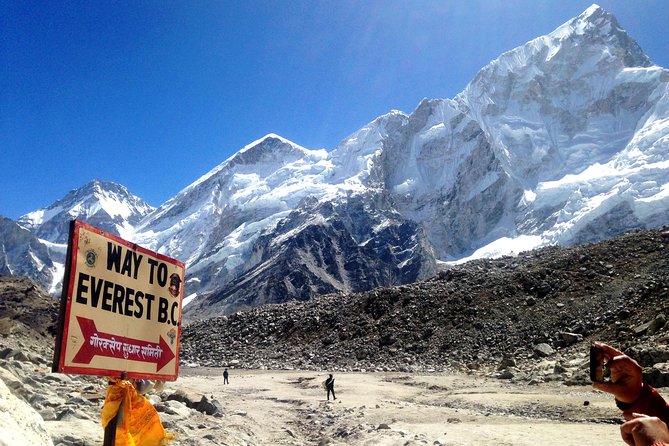
Review · EVEREST BASE CAMP TREKS
Everest Base Camp Trekking – 2025/2026
Everest feels real the day you fly to Lukla. This private guided Everest Base Camp trek threads in Lukla domestic flights plus a slow-and-steady hiking pace through Sherpa villages and Buddhist monasteries toward Everest. The focus is on comfort in motion: you go at your own speed with a guide who helps you stay on track.
I also love the built-in support that reduces stress: an experienced English-speaking, government-licensed local guide (plus a porter system) and most meals, permits, and trekking-lodge accommodation included. The main drawback to plan for is that the Everest-region lodges are basic, and the high-altitude cold is real, so you need to show up ready for simple rooms and chilly nights.
In This Review
- Key things that make this trek work
- Lukla Flights: Why they matter on an Everest Base Camp trek
- Your trekking day from 6 a.m. wake-up tea to lodge dinner
- Day 1 in Kathmandu: set up for the trek before you leave the city
- Lukla to Phakding: the gentle start around 2,652 m
- Namche Bazaar: acclimatization and Sherpa culture in one town
- Pangboche: monasteries, altitude vibes, and steady hiking time
- Lobuche: pushing toward the higher camps (and feeling the cold)
- Gorak Shep and Everest Base Camp: the big finish around the rough edges
- The return: Pangboche back to Namche, then Lukla and Kathmandu
- Price and value: what you pay for (and what you still need to plan)
- Lodges, meals, and water: how “comfortable” really works at altitude
- Meals: menu choice, but still tea-house style
- Water: purification tablets included, plus a bottle strategy
- Gear that prevents misery (and what the trek provides)
- Your guide and porter setup: safety, pacing, and respect
- Responsible tourism: what you’ll be asked to do on the trail
- Best season timing: when the mountains are most likely to cooperate
- Should you book this Everest Base Camp trek?
- FAQ
- What city do I start from?
- Is pickup offered?
- How long is the trek?
- Are domestic flights included?
- Are permits included?
- What meals are included?
- Who provides the guide and what language?
- Are trekking lodges included?
- Is travel insurance included?
- Can I cancel for free?
Key things that make this trek work
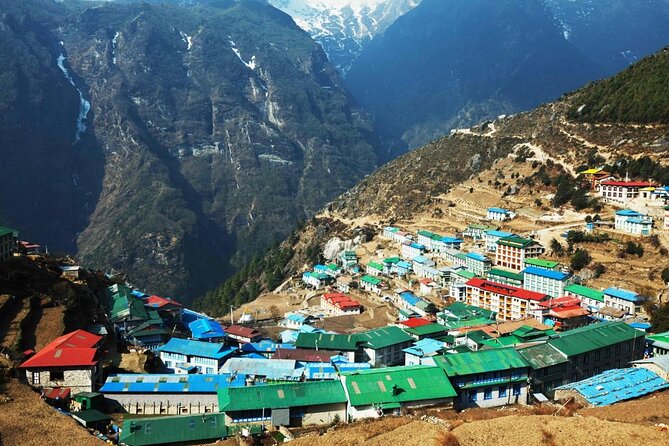
- Domestic flights to and from Lukla included so you’re not guessing logistics
- Government-licensed, English-speaking local guide for route confidence and cultural context
- Permits included (Everest National Park fees and TIMS card)
- Lodge stays + most meals included so your day-to-day budgeting stays simple
- Water purification tablets included for safer drinking on the trail
- Private tour setup (only your group participates)
More trails out of Kathmandu, boots ready
- Everest Base Camp Trek – 14 Days★ 5.0 · 1,499 reviews
- Everest Base Camp Trek★ 5.0 · 842 reviews
- Everest Base Camp Trekking★ 5.0 · 485 reviews
- Nagarkot Sunrise View and Day Hiking from Kathmandu★ 5.0 · 471 reviews
Lukla Flights: Why they matter on an Everest Base Camp trek
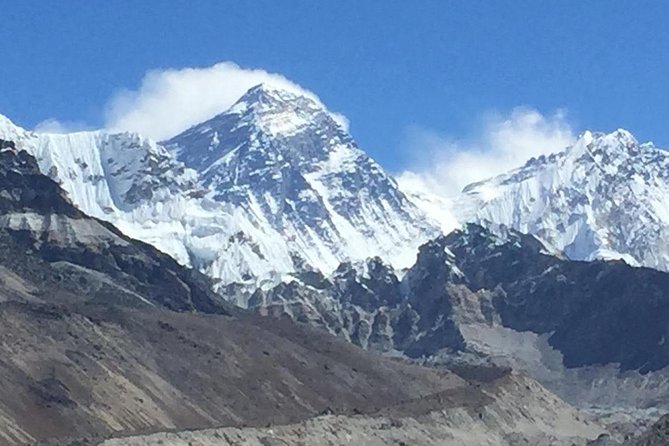
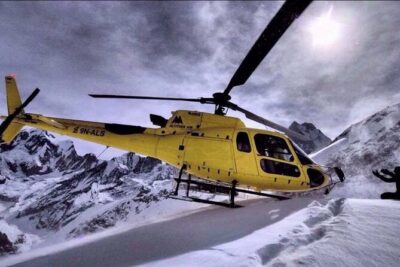
The day you fly from Kathmandu/Manthali to Lukla is usually the big psychological switch. Before that, Everest feels like a destination on a map. After that, it becomes a route with real legs, real breath, and real views.
This trek includes domestic flights to and from Lukla, which is a genuine value boost. It also means your schedule is designed around those flight windows, rather than you trying to stitch together flights yourself. One practical note: the experience information flags that flight delays are possible in Kathmandu and Lukla, so build flexibility into your expectations, and keep a little extra patience for weather.
Also, don’t underestimate what the included flights buy you mentally. When you’re dealing with altitude and cold, shaving off a chunk of travel uncertainty helps you focus on the hike, not the scramble.
Your trekking day from 6 a.m. wake-up tea to lodge dinner
What makes this trek feel manageable is how it runs your day. It’s not an all-day slog with random breaks. It’s more like a steady rhythm you can get used to quickly.
Expect mornings to start early: you’ll be greeted around 6 a.m. with wake-up tea, then time for bag packing and breakfast around 7 a.m. Before you walk, there’s a quick warm-up and stretching, then you’ll move at a steady pace with frequent short rests.
Typical structure:
- Morning walk to lunch: about 2–3 hours to the lunch camp
- Lunch window: usually 12–1 p.m. with about 40 minutes, typically from the lodge menu
- Afternoon walk to your lodge: another 2–3 hours, then rest before dinner
- Dinner timing: you order before 5 p.m.
- Evening briefing: after dinner, the guide briefs you for the next day
There’s also a cultural angle built in. The guide encourages you to visit local Sherpa settlements and learn about daily Himalayan life while you’re in the area. That’s the kind of detail that turns a hike into something you’ll remember for reasons beyond altitude.
Day 1 in Kathmandu: set up for the trek before you leave the city
You start with an arrival day in Kathmandu. You’ll be welcomed by an airport representative and transferred to your Kathmandu hotel. In the evening, you’ll be introduced to your tour plan.
Even if you feel fine, Day 1 is still your chance to get your gear sorted: double-check your warm layers, charge your phone/camera, and make sure your water bottles are ready. It’s also smart to use that time to mentally shift from city pace to mountain pace.
The trek also notes that private vehicles can be used for Kathmandu valley sightseeing and a small city tour. If that’s on offer for your dates, it’s a nice way to balance “hike mode” with a little city context.
Lukla to Phakding: the gentle start around 2,652 m
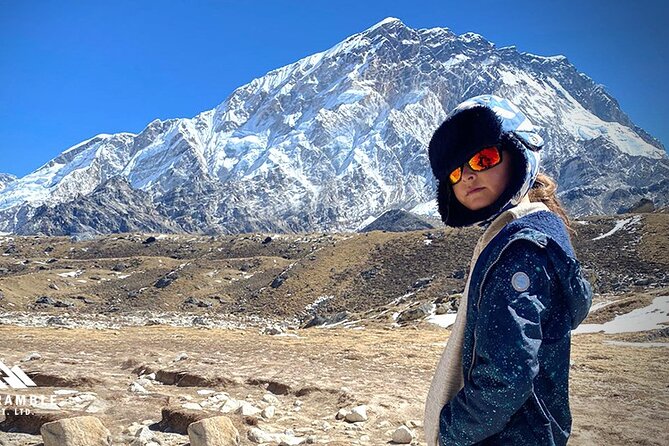
Your trek proper begins after the flight to Lukla. From there, you hike to Phakding (2,652 m). The walking time listed is about 3 hours.
This part matters because it’s your warm-up hike. It’s short enough that most people can settle into the rhythm without feeling like they’re sprinting toward exhaustion. You’ll also get a feel for the trail flow—what it’s like to walk with a pack, adjust to altitude breathing, and keep steady on uneven ground.
A drawback here is simple: even “easy” hiking at altitude can feel slower than you expect. The good news is the trip is built around that reality, with pacing support from your guide.
Namche Bazaar: acclimatization and Sherpa culture in one town
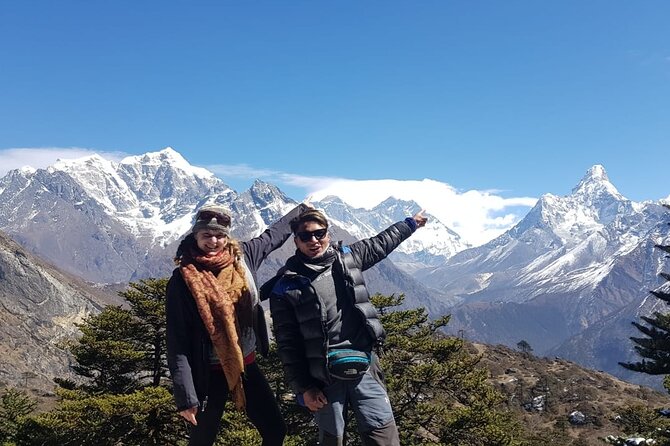
Next up is Phakding to Namche Bazaar, about 10–12 km and around 5 hours. Namche Bazaar is a major hub in the Everest region, and it’s where you start to see more of the Sherpa community rhythm and mountain-facing life.
This day tends to be a turning point. The altitude climb isn’t just physical; it changes how you think. I like treks that give you structured progression here, and this one does. You’re not dropped into a straight jump from low altitude into the high zone.
Namche is also where Buddhist monasteries and Sherpa village life become more than background. You’re hiking through places with living traditions, not just “scenery.”
Pangboche: monasteries, altitude vibes, and steady hiking time
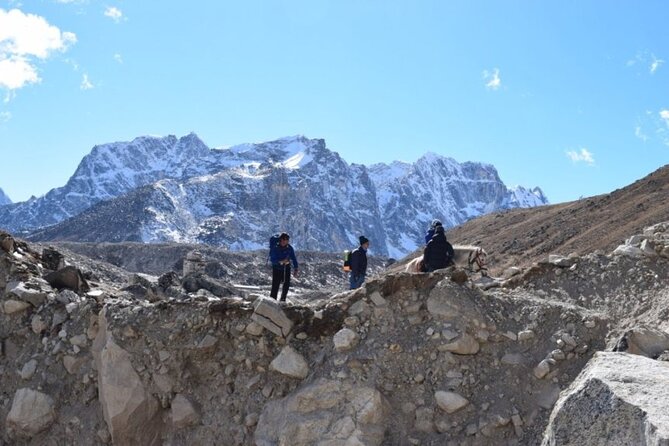
From Namche to Pangboche, the schedule lists about 5 hours.
Pangboche is a great place to appreciate why this trek is so popular. The days between Namche and higher areas often feel like you’re moving through layers: villages, prayer-influenced spaces, and then the increasing sense of “we’re getting closer.”
What I’d watch: as you go higher, the cold gets more noticeable, even when the hiking feels fine. Plan to keep your layers manageable during the walk and ready to zip up quickly at rest stops.
Lobuche: pushing toward the higher camps (and feeling the cold)
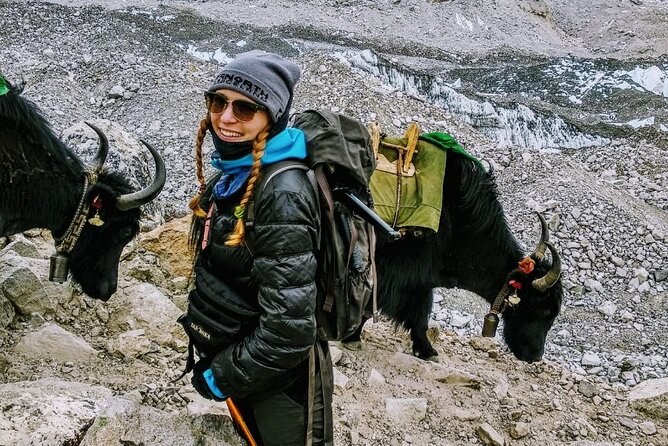
The hike from Pangboche to Lobuche (listed as Labuche) is about 5 hours.
This is where the trek transitions from “nice village walking” toward “high-country hiking.” Trails at this stage can feel more rugged, and the air can be sharper. Even if you’re not struggling, you’ll likely feel a stronger wind chill near the top of the day.
If you’re the type who gets cold fast, bring your warm hat and gloves and use them earlier than you think you need. The biggest mistake people make is waiting until they’re already uncomfortable.
Gorak Shep and Everest Base Camp: the big finish around the rough edges
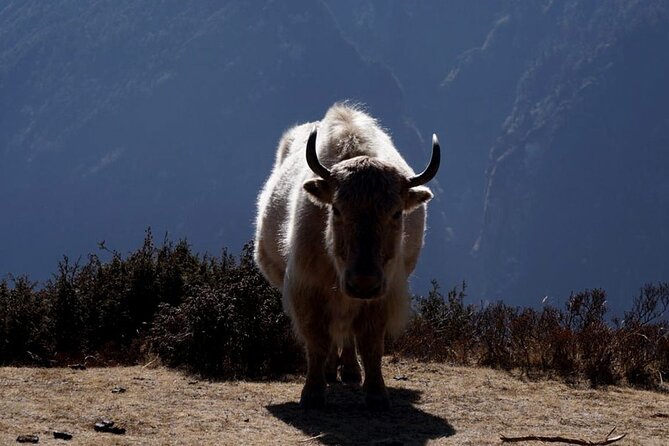
The trek reaches Gorakshep, and the schedule includes a full high-zone day around:
- Labuche/Gorakshep
- Base camp time
- Back to Gorakshep (as the stop description suggests you connect base camp with Gorakshep)
This is the day most people remember, because Everest Base Camp is a physical place you can stand at, not a concept. It’s also typically the day where you notice how fatigue works in altitude. You might feel like you’re walking slowly, but you’re also stacking small wins.
Two practical tips here:
- Go slow on the way up to base camp. Your goal is to arrive feeling calm, not wrecked.
- Keep your head warm. Wind and cold around camp areas can be brutally efficient at draining energy.
Even without technical climbing, you’re still in a harsh environment. That’s why this trek emphasizes being non-technical and accessible to basic fitness levels, while also being honest about cold and rugged ground.
The return: Pangboche back to Namche, then Lukla and Kathmandu
After the high-zone day, the plan brings you back down through familiar nodes.
You’ll hike from Pangboche to Namche Bazaar (about 4 hours) and later make your way back toward Lukla. The schedule includes:
- Namche Bazaar to Lukla in about 5 hours
- Then fly back to Kathmandu, with a transfer to your hotel
That back half is more than just “going home.” Descending can feel easier on your lungs, but it can be tough on knees and ankles, especially on rocky trail sections. This is also where your stride and hydration habits pay off. If you’re careful, the return can feel surprisingly smooth.
When you land back in Kathmandu, you’re done with the altitude grind. That’s a moment to celebrate, but also a chance to eat well and get decent sleep.
Price and value: what you pay for (and what you still need to plan)
The price is $1,339.20 per person for an approximately 14-day trek. The big value drivers in what’s included are:
- Domestic flights Lukla in/out
- Accommodation at trekking lodges
- Most meals (breakfast, lunch, dinner on a full-board basis)
- Permits (Everest National Park fees and TIMS card)
- A licensed English-speaking local guide plus a porter system
- Water purification tablets
What you should expect to pay extra (not included):
- Visa fee and Nepal entry visa
- International flights
- Travel insurance
- Extra hotel nights/meals in Kathmandu before or after the trek
- Shopping and drinks (and the small stuff like Wi‑Fi or showers that you might want)
Value-wise, this works best if you want a guided, supported route where you don’t have to coordinate everything yourself. The included Lukla flights alone can make or break the smoothness of the trip, especially if you’d rather not spend days managing logistics.
Lodges, meals, and water: how “comfortable” really works at altitude
This trek is built around trekking lodges. That means you get warm blankets, pillows, and comfortable mattresses, but you should not expect high-end hotel standards. It’s basic, functional, and what you need for sleep and recovery.
Accommodation is twin-sharing in trekking lodges. If you’re traveling solo, a single supplement applies.
Bathrooms are an important realism check. The information notes that you might need to share bathroom space at higher altitudes in places where attached baths aren’t available.
Meals: menu choice, but still tea-house style
Meals are included on a full-board basis during the trekking days, and you’ll typically eat at the same tea house where you stay. Breakfast and dinner are usually at the lodge; lunch may be at a chosen lunch stop along the route.
You’ll have menu choices like:
- Dal Bhat
- soups (including garlic and onion soup types)
- noodle options
- eggs and potato items
- bakery-style items like apple pie
- and hot drinks like black tea, lemon tea, ginger tea, hot chocolates, and more
One more practical note: the info suggests that meat items in the Everest region aren’t recommended for health/hygiene reasons. If you want to play it safe, stick with the standard, reliably cooked options (soups, rice/dal, vegetables).
Water: purification tablets included, plus a bottle strategy
Water is available along the route, and purification tablets are included. The trek also notes that bottled water is sold in the area, and you’ll see people paying for it.
It also specifically advises bringing a separate bottle for hot water, because cold water might not be comfortable or suitable in high-altitude conditions.
Gear that prevents misery (and what the trek provides)
You don’t need to be a mountain expert to succeed on this trek, but you do need the right basics. The pack list is pretty clear, and you’ll save yourself a lot of discomfort by not improvising.
Key items listed include:
- Sun hat, warm hat, scarf
- Headlight
- Sunscreen SPF +40 and sunglasses
- Face wipes and towels
- Lightweight gloves and warm gloves
- Down or fiber-filled jacket (the company provides rental)
- A poncho or rain jacket
- Proper trekking boots and extra socks
- Day backpack above 30 L
- Pack covers, thermal bottle, water pouches
- Umbrella (optional but listed)
- Sleeping bag (rental and/or bring one; thick sleeping bag is advised)
Health support is also explicitly included in the suggested kit. The list includes Diamox (acetazolamide), lozenges, moleskin, anti-nausea medication, loperamide, and rehydration salts. I’d treat that as a menu of options to discuss with your doctor before you go, especially if you’ve never used altitude medication before.
Your guide and porter setup: safety, pacing, and respect
This experience uses a government-licensed, English-speaking local guide. It also includes porters with a clear load limit: your luggage shouldn’t exceed about 18 kg per person/porter carrying setup (as described), and they emphasize they never overload porters.
The porter structure noted is:
- One porter for your luggage
- One porter for 2 trekkers
- Porters can be provided for each traveler if required
That matters more than it sounds. A lighter pack helps you keep a steady pace, and a steady pace helps you manage altitude and energy. Plus, a respectful porter system makes the whole trip feel more human.
The experience information also shows that communication and planning are praised, and guide names that appear in prior trek stories include Sujal, Samir, Krishna, and Hairy. The owner/operator name Dil also comes up for responsiveness and smooth coordination. You can use that pattern as reassurance that people here focus on both logistics and care, not just the route.
Responsible tourism: what you’ll be asked to do on the trail
This trek explicitly stresses good behavior in the mountains. You’ll be encouraged to:
- respect local people and laws/customs
- ask guides for permission before doing things in local communities
- keep the trail and settlements clean by disposing of rubbish properly
It sounds like “common sense,” but it’s worth calling out. This is the kind of instruction that keeps your impact small and your interactions respectful, especially around Sherpa communities and monastery areas.
Best season timing: when the mountains are most likely to cooperate
The info recommends trekking in the dry seasons for the Everest region:
- Autumn: mid-September to May
- Spring: March to May
Those windows generally mean clearer views and more stable weather. Nights can drop very cold, sometimes below freezing, so plan your cold-weather layers as if you’ll need them every day, not only on the coldest days.
Should you book this Everest Base Camp trek?
You should strongly consider booking if:
- you want Lukla flights and permits handled, not figured out by yourself
- you prefer a private guided approach where pacing stays under your control
- you’re moderately fit and comfortable hiking 3–5 hours a day over rugged terrain
- you want cultural context through a guide who can explain Sherpa village life and monasteries
You might rethink it if:
- you want luxury comforts or reliable high-altitude hot showers
- you’re not ready to deal with basic lodges, cold nights, and the realities of altitude
- you don’t plan to bring proper cold-weather gear and basic trekking shoes
If you book, do one thing that pays off fast: prepare your body and gear for cold and altitude before you arrive. With that done, this trek is set up to give you the best kind of Everest experience—one that feels organized, human, and focused on the trail.
FAQ
What city do I start from?
You start in Kathmandu, Nepal.
Is pickup offered?
Yes, pickup is offered.
How long is the trek?
The duration is listed as 14 days (approx.).
Are domestic flights included?
Yes. Domestic flights from Kathmandu/Manthali to Lukla and return are included.
Are permits included?
Yes. Everest National Park fees and the TIMS card are included.
What meals are included?
Meals are included on a full-board basis during the trek: breakfast, lunch, and dinner.
Who provides the guide and what language?
You get an experienced government-licensed English-speaking local guide.
Are trekking lodges included?
Yes. Accommodation at trekking lodges during the trek is included, usually on a twin-sharing basis.
Is travel insurance included?
No. Travel insurance is not included.
Can I cancel for free?
Yes. Free cancellation is available up to 24 hours in advance for a full refund. Weather-related cancellation may offer a different date or a full refund.
More Trekking Out of Kathmandu
More Tour Reviews in Kathmandu
Just Reviewed in Kathmandu
- Mountain Bike Tour
★ 5.0 · 3 reviews - Annapurna Panaroma
★ 5.0 · 3 reviews - Mount Everest Scenic Flight 50 Minutes
★ 5.0 · 3 reviews - Kathmandu : Swambhunath & Durbar Square Guided Half Day Tour
★ 3.3 · 3 reviews - Chandragiri Cable Car & Monkey Temple Tour – Private/Group
★ 5.0 · 3 reviews - Kathmandu: Shivapuri National Park Hiking Day Trip
★ 3.3 · 3 reviews
Everest Base Camp Treks, compared.
 ★ 5.0Everest Base Camp Trek – 14 DaysFrom $1,8001,499 reviews
 ★ 5.0Everest Base Camp TrekFrom $1,790842 reviews
 ★ 5.0Everest Base Camp TrekkingFrom $1,350485 reviews
 ★ 5.0Everest Base Camp Trekking – 13 DayFrom $1,399365 reviews
★ 5.0Everest Base Camp TrekFrom $1,445350 reviews
★ 5.0Everest Base Camp Trek -14 DaysFrom $1,420321 reviews
★ 5.0Everest Base Camp Trekking – 13 DayFrom $1,399365 reviews
★ 5.0Everest Base Camp TrekFrom $1,445350 reviews
★ 5.0Everest Base Camp Trek -14 DaysFrom $1,420321 reviews
 ★ 5.012 Days Everest Base Camp TrekFrom $1,099289 reviews
★ 5.0Everest Base Camp TrekFrom $1,408193 reviews
★ 5.012 Days Everest Base Camp TrekFrom $1,099289 reviews
★ 5.0Everest Base Camp TrekFrom $1,408193 reviews
Browse the lists this tour appears in