
Review · EVEREST BASE CAMP TREKS
12 Days Everest Base Camp Trek
Everest Base Camp gets safer with a plan. This 12-day trek from Kathmandu is built around guided route support and Lukla flights, so you’re not figuring out logistics at altitude. You also get the official pieces sorted like Sagarmatha National Park fees, equipment support, and a pre-trek setup in Kathmandu.
I love that the “hard-to-organize” parts are handled for you—domestic flights between Kathmandu/Ramechhap and Lukla, plus transfers around your trek dates. I also love the pacing, with built-in acclimatization stops in Namche Bazaar and a rest day in Dingboche, instead of a push-at-all-costs schedule.
The trade-off is that Everest is still Everest: weather-dependent flights can delay or disrupt Lukla travel, and tea-house comfort gets basic at higher altitudes. If you go in expecting a camping trip with real mountain conditions, you’ll be happier when it’s time to sleep simply.
In This Review
- Key Things to Know Before You Go
- Why a Guided Everest Base Camp Trek Feels Worth It
- Kathmandu Setup: Pickup, Gokarna Forest Resort, and the Trek Warm-Up
- Lukla Flight Day: Gateway to the Khumbu
- Phakding to Namche Bazaar: The Trail Gets Scenic and Serious
- Tip for this section
- Acclimatization at Namche Bazaar and Syangboche Views
- Tengboche and Deboche: Monastery Culture and Mountain Light
- Dingboche Rest Day and the Nangkartshang Peak Option
- Lobuche, Thukla Pass, and Gorakshep: Where the Air Changes
- Everest Base Camp and Kala Patthar: The Two Big Payoffs
- The Descent Back to Namche and Lukla: Relief, but Not Done Yet
- Guides, Sherpa Support, and How Your Day-to-Day Feels
- Tea Houses, Food, and the Comfort Reality at Altitude
- Price and Value: What Your $1,099 Covers
- Who This Trek Suits Best (And Who Should Rethink It)
- Should You Book This 12-Day Everest Base Camp Tour?
- FAQ
- What’s the duration of the Everest Base Camp trek?
- Are flights to Lukla included, and from where do I fly?
- Are Sagarmatha National Park fees and local entrance fees included?
- Will I have a guide and porter support on the trek?
- What kind of accommodation and meals are included during the trek?
- Do I need a passport and travel insurance?
Key Things to Know Before You Go
- One night in Kathmandu at Gokarna Forest Resort helps you start the trek rested
- Sagarmatha National Park permits and local taxes are included, so you avoid surprise paperwork
- Licensed English-speaking guide + porter support (1 porter for 2 travelers) keeps the trip feeling manageable
- Acclimatization built into the route at Namche Bazaar and Dingboche lowers risk from rushing
- Kala Patthar + Everest Base Camp day is the big payoff, with sunrise photography built in
- Smallish group size (max 30) helps avoid the chaotic “everyone at once” feeling on trail
More trails out of Kathmandu, boots ready
- Everest Base Camp Trek – 14 Days★ 5.0 · 1,499 reviews
- Everest Base Camp Trek★ 5.0 · 842 reviews
- Everest Base Camp Trekking★ 5.0 · 485 reviews
- Nagarkot Sunrise View and Day Hiking from Kathmandu★ 5.0 · 471 reviews
Why a Guided Everest Base Camp Trek Feels Worth It
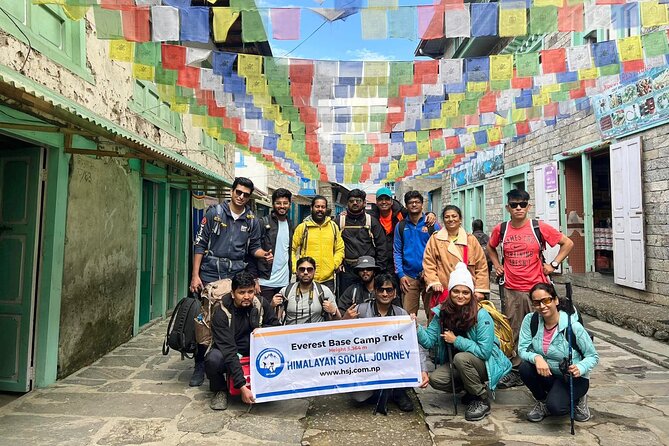
Everest Base Camp is one of those goals that sounds simple until you’re staring at a map full of similar-looking valleys and switchbacks. With a guide, you gain something practical: you know the right direction every day, and you’re not spending your energy decoding route details while your body is already working hard.
This trek also treats the admin side like part of the journey. You’re not chasing permits, trying to line up a flight to Lukla, or figuring out what you’re carrying versus what gets moved for you. That matters because altitude turns decision-making into a fatigue tax.
Kathmandu Setup: Pickup, Gokarna Forest Resort, and the Trek Warm-Up
Your trip starts in Kathmandu with hotel/port pickup and drop-off, so you’re not negotiating transport right after you arrive. The offer includes one night at Gokarna Forest Resort in Kathmandu, which is a nice buffer before the mountains take over your schedule.
On the ground, you’ll also want to be ready for the reality of Nepal trekking logistics: you’ll likely deal with confirmations and documentation up front. The tour note specifically asks you to bring your original passport and travel insurance details, so keep those accessible.
A simple mindset helps here: arrive with time to adjust, not time to sprint. That one night in Kathmandu isn’t just “a hotel stop.” It’s your chance to eat normally, hydrate, and mentally switch from city pace to trekking pace.
Lukla Flight Day: Gateway to the Khumbu
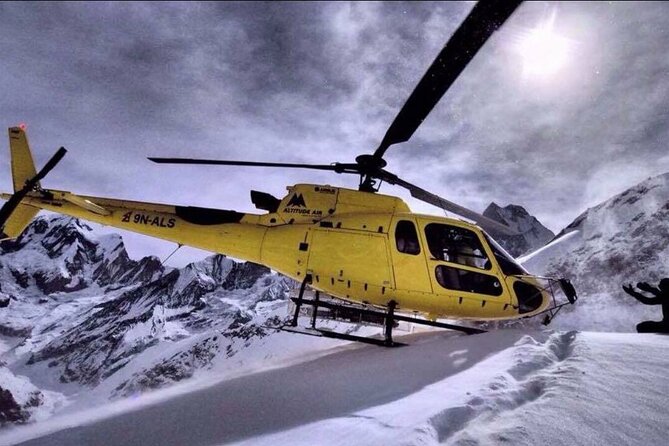
The trek is built around the classic Lukla entrance: you fly from Kathmandu to Lukla (the flight time listed is about an hour). Lukla is your jump-off point for the Everest region, and this route does the heavy lift for you by bundling the flights into the price.
One thing I’d take seriously: weather can affect Lukla flights. The policy says the experience depends on good weather, and if it’s canceled due to poor conditions, you’ll get offered a different date or a full refund. In practice, it means you should travel with flexibility in mind.
The flip side is big value. Flights are expensive when booked last-minute and annoying to coordinate. Getting them handled for you turns “logistics day” into “trek starts” day.
Phakding to Namche Bazaar: The Trail Gets Scenic and Serious
After landing in Lukla, you start walking toward Phakding. This first stretch includes descending through pine forests and passing Sherpa villages, then finishing in a tea house for the night. It’s a useful warm-up because it gets you moving and familiar with trail rhythm without immediately throwing you into the highest, harshest air.
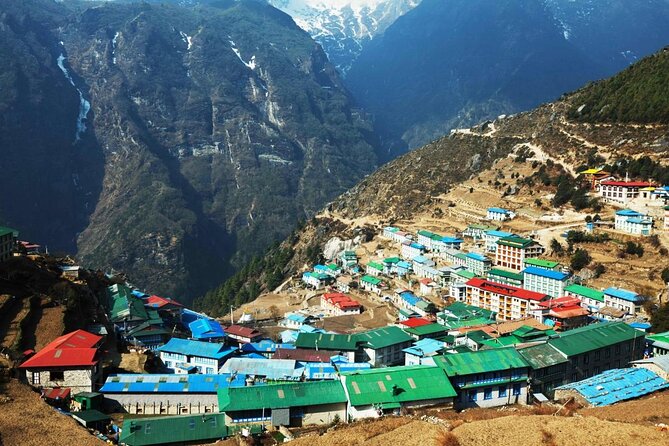
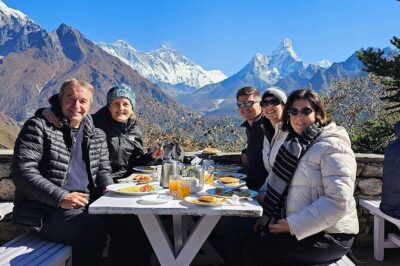
Then comes Namche Bazaar, which is where the trek shifts gears. You cross suspension bridges, walk alongside the Dudh Koshi River, and pass through Monjo for entry verification into Sagarmatha National Park. After that, the ascent to Namche includes steep climbing, and it rewards you with major mountain views in the process.
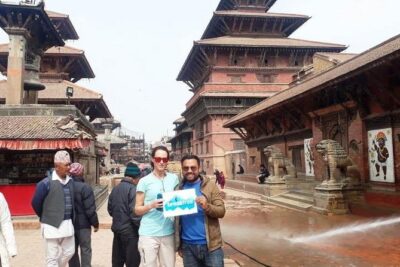
For Namche itself, expect a real working town: market streets, ATMs, government offices, shops, and restaurants. It’s also where the itinerary slows down on purpose.
Tip for this section
If you’ve never trekked at altitude before, treat this day like a pacing test, not a speed challenge. Save your power for steady climbs, short breaks, and good breathing.
Acclimatization at Namche Bazaar and Syangboche Views
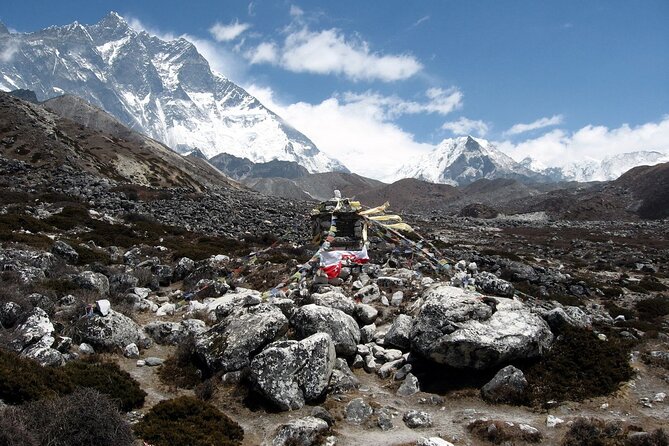
The trek specifically builds in acclimatization in Namche Bazaar. That matters because altitude issues are not “motivational problems.” They’re physical, and a guide’s job is to help you avoid the classic mistake: rushing upward because you feel okay in the moment.
You also get an extra hike option tied to acclimatization—Syangboche and the Hotel Everest View area for big views. Think of this day as training your body to handle higher elevation while still giving you time to rest.
If you like structured days, this is one. You’re not just wandering; you’re doing purposeful walking at altitude with a view payoff.
Tengboche and Deboche: Monastery Culture and Mountain Light
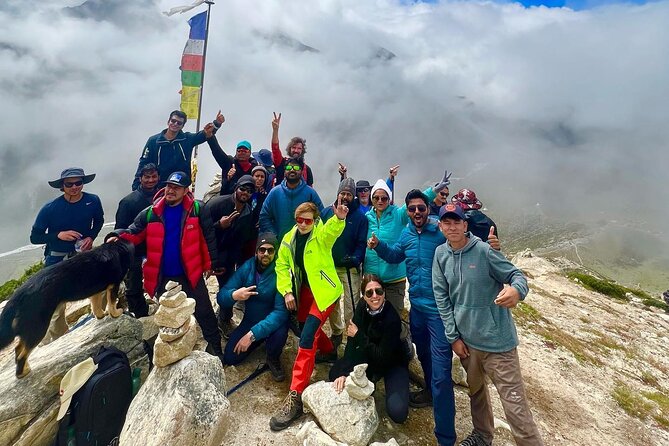
From Namche, the route takes you toward Tengboche, where the famous Tengboche monastery is a highlight. It’s one of those places where the scenery feels spiritual even when you’re just trying to catch your breath.
The next step is Deboche, crossing the Imja River along the way. You’ll then settle into a tea house for your overnight stay. This section is less about “another big accomplishment” and more about getting the rhythm right: walk, pause, enjoy, repeat.
One consideration: religious sites and viewpoints are often packed with day hikers and trekkers. If you want quieter moments, aim to move early or plan a slower pace for photos.
Dingboche Rest Day and the Nangkartshang Peak Option
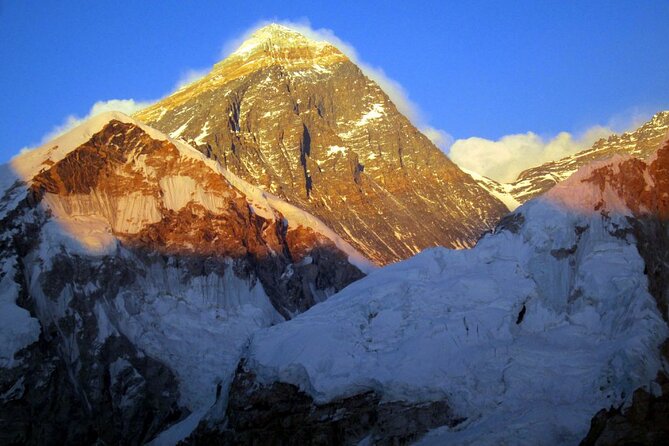
Dingboche is both beautiful and strategic. The trek includes a rest day here, explicitly for acclimatization and safe progress higher up. This is the part of the journey where your body has to catch up to your itinerary.
There’s also an optional acclimatization hike to Nangkartshang Peak for views of several big mountains—Makalu, Lhotse, Cholatse, Tawache, and Ama Dablam are all listed. Even if you don’t go for the full hike, the point is clear: you’re not just resting because you’re tired. You’re resting because it helps you trek smarter later.
And yes, tea houses are going to feel more basic as you gain altitude. That’s normal. What makes the rest day valuable is that you’ll likely feel it: fewer “why did I do that” moments and more “okay, I’m ready for the next climb.”
Lobuche, Thukla Pass, and Gorakshep: Where the Air Changes
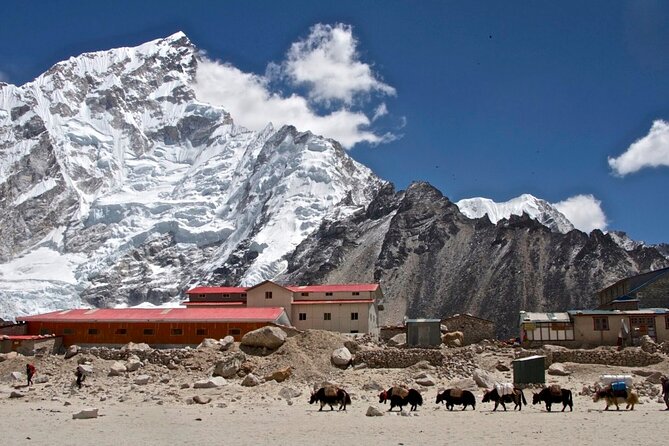
As you move from Dingboche toward Lobuche and then onward, the scenery gets tougher and the air gets thinner. The route includes ascending toward Thukla Pass and taking a lunch break around there, then continuing to Lobuche.
On paper, the daily time blocks look long in this zone, with trekking days listed around 12 hours and some days even longer. The practical takeaway: don’t treat the time estimate like a goal. Treat it like a planning window. Your pace at altitude will decide whether the day feels smooth or exhausting.
The next morning brings a climb to Gorakshep, described as the last settlement before Everest Base Camp. You check into a tea house, then you make your way toward Base Camp—so this is your staging moment.
Everest Base Camp and Kala Patthar: The Two Big Payoffs
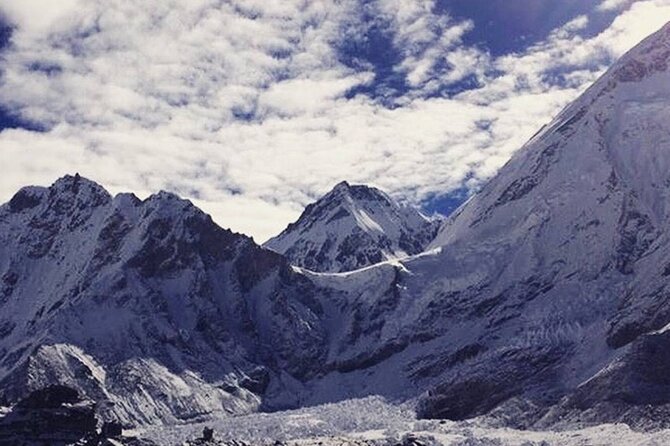
This is the heart of the trip. From Gorakshep, you walk to Everest Base Camp, including the section described as taking you through the Khumbu Glacier. You reach the destination, enjoy lunch, take photos, and soak it in for what it is: the world’s most famous trekking endpoint.
Then you turn around and head back to Gorakshep. That out-and-back structure can feel repetitive, but it’s also part of what makes EBC achievable on a fixed itinerary. You get the moment at the end of the day without permanently exhausting yourself before the next key task.
The next morning is early for Kala Patthar sunrise. The route calls this out as the stunning sunrise option with photography time, then the descent back toward Pheriche. In mountain terms, sunrise days reward good timing and decent windproof layers more than they reward speed.
The Descent Back to Namche and Lukla: Relief, but Not Done Yet
After Base Camp and Kala Patthar, the itinerary shifts from “big climbs” to controlled descents. You trek down to Pheriche, with lunch breaks that can include familiar stops like Lobuche or Thukla along the way. Then you continue down to Namche Bazaar.
Descending feels good, but it still takes effort. Your knees will notice. Your legs will feel heavy even when the altitude is dropping. So keep your step controlled, especially on rocky sections where you can’t rely on traction.
Eventually you reach Lukla, the gateway to the Everest region. Then you fly back to Kathmandu from Lukla in the morning and transfer to your trip hotel.
Guides, Sherpa Support, and How Your Day-to-Day Feels
The support side is a major reason this trek gets such strong feedback. The tour includes a professional and licensed English-speaking guide, plus porter support with a ratio of one porter for two travelers.
In the feedback you shared with me, certain guide names show up repeatedly—Mingmar, Khilraj, Dawa Sherpa, Indra (@mountain_guide_nepal), Santosh, and Sonam. The common theme is guidance that feels practical: support throughout the day, help with staying on track, and answering the questions that pop up when the cold hits and your energy drops.
One extra detail worth noticing: some guides are praised for daily briefings about what to wear. That’s not small stuff. Getting dressed right at altitude can mean the difference between finishing the day comfortable and finishing the day grumpy.
Tea Houses, Food, and the Comfort Reality at Altitude
Tea houses are part of the standard EBC experience, and this tour leans into that. You’ll stay in guesthouses during trekking days and you’re listed as getting breakfast on twin sharing during those days.
At higher altitude, expect simpler rooms. One note in the feedback mentions discomfort with accommodation around 5,000m, with the fair point that you can’t expect luxury at that height. That matches the reality: if you want hotel bedding, you picked the wrong mountain.
Food-wise, the tour data lists breakfast as included via the included section, but it also lists breakfast/lunch/dinner and drinks during the trip as not included. That contradiction is important for your budgeting. I’d treat it as a “confirm before you go” item with your operator, so you don’t run out of money mid-trek.
Alcoholic drinks are clearly listed as not included (but available to buy). That’s a good reminder: at altitude, you want to keep your decisions simple and your hydration consistent.
Price and Value: What Your $1,099 Covers
At $1,099 per person, this isn’t a bargain on paper. But it can be good value because it bundles the stuff that usually costs more when you do it yourself.
Included items on the package list:
- Domestic flights between Kathmandu/Ramechhap and Lukla (round-trip)
- Sagarmatha National Park fees, Lukla entrance fees, and local tax
- A licensed English-speaking guide plus porter support
- Guesthouse accommodations during trekking days (twin sharing) and breakfast as listed
- First aid kit and government taxes/office expenses
- Equipment support like duffle bags if needed
- Hotel/port pickup and drop-off, plus transport before and after the trek
Not included items include personal equipment and clothing, your travel insurance, and accommodation in Kathmandu (though the highlights say one night at Gokarna Forest Resort is included). Alcohol is also not included.
This is the value math: if you’d have to hire a guide, secure permits, arrange Lukla flights, and handle national park fees alone, you’re paying for coordination. This package wraps those costs together so you can focus on training for the trek and enjoying it.
Who This Trek Suits Best (And Who Should Rethink It)
This trek is best for active travelers with moderate physical fitness and some mountain trekking experience. If you’ve hiked a few days with elevation before, you’ll likely handle the long hiking days better.
It may be less ideal if you:
- Hate basic sleeping setups and unpredictable mountain comforts
- Want zero time spent on acclimatization days
- Get stressed by flight changes tied to weather
If you’re the kind of traveler who likes structure—clear guidance, known stops, and help with decision-making—this fits well. The itinerary is designed to keep you moving forward while still allowing your body time to adapt.
Should You Book This 12-Day Everest Base Camp Tour?
I’d book it if you want a guided, well-supported approach to a serious trek—and you value having flights, permits, and the day-by-day plan taken care of. The porter ratio and licensed guide support are the practical backbone here, and the acclimatization stops are the safety layer that makes the effort more reasonable.
You should think twice before booking if your budget is tight for on-the-ground meals and drinks, or if you’re the type of traveler who can’t tolerate flight uncertainty. Everest doesn’t run on your schedule. The better you handle weather-and-altitude realities, the more this trip will feel like a once-in-a-lifetime win.
FAQ
What’s the duration of the Everest Base Camp trek?
The experience runs about 12 days, with flights and trekking days included in the overall schedule.
Are flights to Lukla included, and from where do I fly?
Yes. The package includes domestic flights between Kathmandu/Ramechhap and Lukla, plus the return flight from Lukla to Kathmandu.
Are Sagarmatha National Park fees and local entrance fees included?
Yes. The price includes Sagarmatha National Park fees, Lukla entrance fees, and local taxes.
Will I have a guide and porter support on the trek?
Yes. You get a professional licensed English-speaking guide, and porter support is included at a ratio of 1 porter for 2 travelers.
What kind of accommodation and meals are included during the trek?
You’ll stay in guesthouses during trekking days on a twin-sharing basis with breakfast included as listed in the included section. The package also lists breakfast, lunch, and dinner as not included, so you should confirm exactly what meals are covered for your departure.
Do I need a passport and travel insurance?
Yes. You’re asked to bring your original passport and travel insurance. Travel insurance itself is listed as not included.
More Trekking Out of Kathmandu
More Tour Reviews in Kathmandu
Just Reviewed in Kathmandu
- Mountain Bike Tour
★ 5.0 · 3 reviews - Annapurna Panaroma
★ 5.0 · 3 reviews - Mount Everest Scenic Flight 50 Minutes
★ 5.0 · 3 reviews - Kathmandu : Swambhunath & Durbar Square Guided Half Day Tour
★ 3.3 · 3 reviews - Chandragiri Cable Car & Monkey Temple Tour – Private/Group
★ 5.0 · 3 reviews - Kathmandu: Shivapuri National Park Hiking Day Trip
★ 3.3 · 3 reviews
Everest Base Camp Treks, compared.
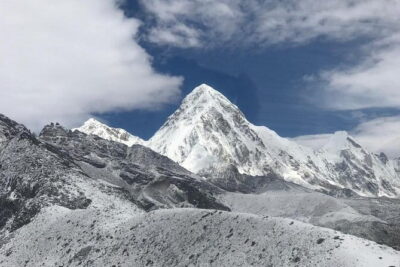 ★ 5.0Everest Base Camp Trek – 14 DaysFrom $1,8001,499 reviews
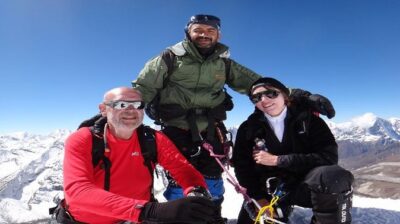 ★ 5.0Everest Base Camp TrekFrom $1,790842 reviews
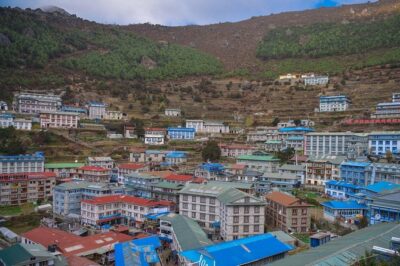 ★ 5.0Everest Base Camp TrekkingFrom $1,350485 reviews
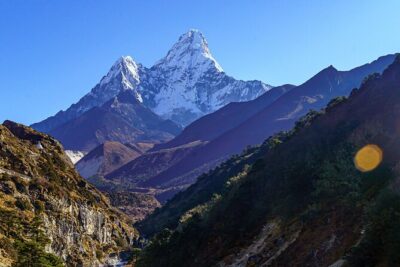 ★ 5.0Everest Base Camp Trekking – 13 DayFrom $1,399365 reviews
★ 5.0Everest Base Camp TrekFrom $1,445350 reviews
★ 5.0Everest Base Camp Trek -14 DaysFrom $1,420321 reviews
★ 5.0Everest Base Camp Trekking – 13 DayFrom $1,399365 reviews
★ 5.0Everest Base Camp TrekFrom $1,445350 reviews
★ 5.0Everest Base Camp Trek -14 DaysFrom $1,420321 reviews
 ★ 5.0Everest Base Camp Trekking – 2025/2026From $1,339199 reviews
★ 5.0Everest Base Camp TrekFrom $1,408193 reviews
★ 5.0Everest Base Camp Trekking – 2025/2026From $1,339199 reviews
★ 5.0Everest Base Camp TrekFrom $1,408193 reviews
Browse the lists this tour appears in