
Review · GOKYO LAKES & EVEREST HIGH PASSES
Everest Base Camp+Gokyo Ri
A long hike up high is one thing. Everest Base Camp + Gokyo Ri is another, because you stack world-class peaks like Everest, Lhotse, Makalu, Cho Oyu, and more into one route. I like the way this trek blends serious altitude ambition with day-to-day human details, especially Sherpa life, yak herding, and the short cropping season in the hills.
Two things I especially like: the sheer snow-mountain viewing (people specifically call this route out for the quality of winter-style peaks), and the guidance quality, including experienced leaders such as Nara and Raj, plus friendly porters who help keep the hard days manageable. One thing to think about first: this experience depends heavily on weather, so your best views come when the sky cooperates.
In This Review
- Key Points Before You Go
- Everest and Friends: Why This Route Feels Like More Than One Trek
- How 15 Days Really Works: Pace, Early Starts, and Big Effort
- The Gokyo Ri Day: Where the Snow-Mountain Views Pay Off
- Cho La Pass to Everest Base Camp: Turning a Trek into a High-Mountain Story
- Sherpa Life, Yaks, and Crops: Culture You Can Read at Walking Speed
- Plants, Wildlife, and the Stuff You Might Miss Without a Guide
- Meals, Tea Houses, and Comfort: What to Plan For
- Price and Value: Does $1,333 Make Sense for This Route?
- Who Should Book This Trek (and Who Might Want Another Option)
- Booking Decision: Should You Choose Everest Base Camp + Gokyo Ri?
- FAQ
- How long is the Everest Base Camp + Gokyo Ri trek?
- Where does this trip start, and when?
- Is this a private tour?
- What fitness level do I need?
- What meals and drinks are included?
- Do they offer pickup and a mobile ticket?
- What happens if weather is poor?
- Is there free cancellation?
Key Points Before You Go
- Gokyo Ri + Everest Base Camp in one trip, so you get multiple best-view moments for the Everest skyline.
- Cho La Pass connection, which turns the trek into a real high-mountain journey rather than just hiking upward.
- Sherpa culture and everyday work, from yak herding to tourism, plus what a short cropping season looks like.
- Wildlife and plant variety along the route, so you notice more than just rocks and snow.
- Professional, human-first guiding, with guides and porters described as experienced, kind, and steady.
- Moderate fitness needed, because the route is demanding even with support.
Not sure yet? Here are other Kathmandu tours worth a side-by-side look.
- Everest Base Camp Trek – 14 Days★ 5.0 · 1,499 reviews
- Everest Base Camp Trek★ 5.0 · 842 reviews
- Private Kathmandu Sightseeing Tour | UNESCO World Heritage sites★ 5.0 · 756 reviews
- Kathmandu: 7 UNESCO Sites with Lunch★ 4.8 · 744 reviews
Everest and Friends: Why This Route Feels Like More Than One Trek
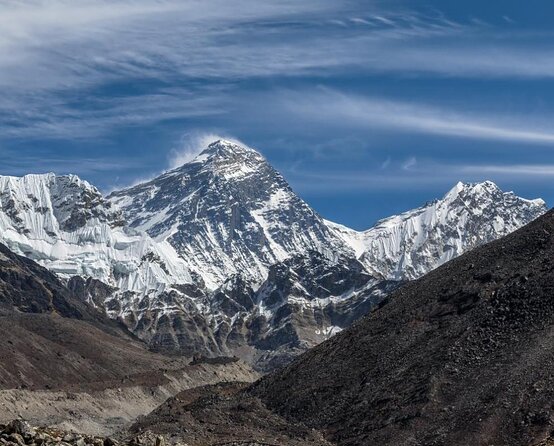
This is not just an Everest checkbox. The whole point of Everest Base Camp + Gokyo Ri is stacking viewpoints. Instead of spending all your effort chasing one horizon, you get repeated chances to see a broad lineup of major mountains: Everest (8848m), Lhotse (8511m), Makalu (8463m), Cho Oyu (8153m), Nuptse (7861m), and Thamserku (6623m), plus others.
That matters because weather in the Himalaya can be moody. When visibility is good, you’ll feel like you’re walking through a live mountain atlas. When clouds roll in, you still get a strong sense of the route’s big-picture purpose: moving between high viewpoints designed for seeing peaks and ridgelines clearly.
Another reason I like this combination: it gives you more time to learn what life looks like away from the main tourism hubs. You’ll spend days among Sherpa communities where work is practical and seasonal—yak herding is a major livelihood, and during the short cropping season, you’ll see only limited cultivation. Tourism also shows up as an occupation, so the landscape of daily life has a mix of old rhythm and modern visitors.
How 15 Days Really Works: Pace, Early Starts, and Big Effort
The trip runs about 15 days, and it’s framed as a private tour/activity, meaning you’re trekking as one group rather than getting mixed into strangers. That usually makes the days feel smoother, since schedules and walking pace can stay consistent.
The listed start time is 5:00 am, which is a clue about how the trek tends to run: early mornings are part of the plan, often to catch better light and make the day’s hiking window work. Even when you’re not told the exact day-by-day structure, you can count on a rhythm of long walking days, rest or slower segments, and at least one major viewpoint push.
Fitness-wise, the guidance is “moderate physical fitness.” In real terms, that means you don’t need to be an ultra-runner, but you do need to be ready for sustained uphill walking, steady breathing, and the kind of fatigue that builds daily. If you’re the sort of traveler who expects one tough day and then a spa day, you’ll probably feel uncomfortable. If you’re the sort who likes to focus on walking, scenery, and small wins (one more step, one more viewpoint), you’ll fit right in.
The Gokyo Ri Day: Where the Snow-Mountain Views Pay Off
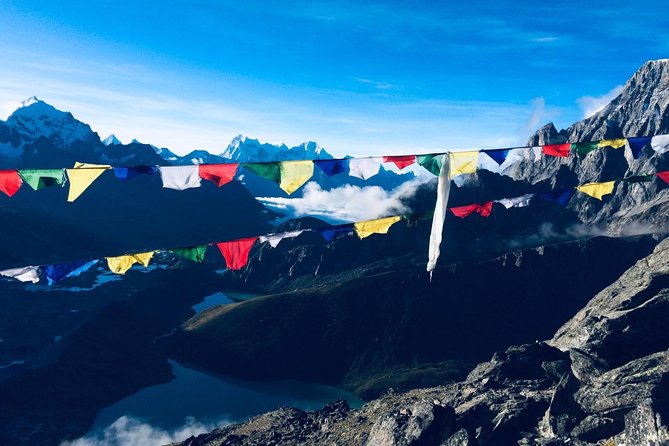
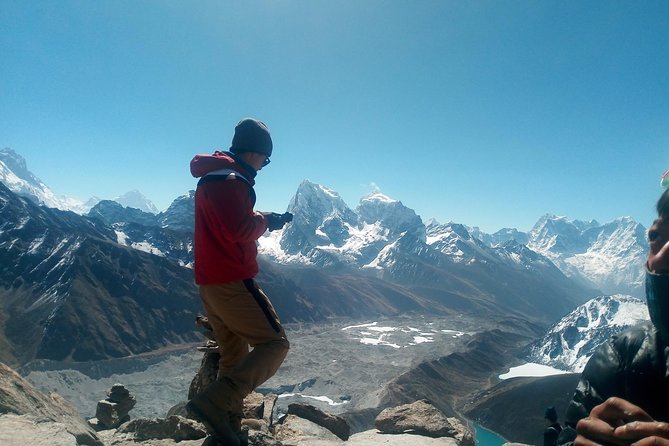
The trek includes Gokyo Ri, and the strongest praise in the reviews is tightly linked to this part of the route. People talk about five-star snow mountain views, and they specifically say that if you like snow peaks, EBC + Gokyo is the best. That tells you something important: Gokyo Ri isn’t a side stop. It’s a headline.
Why it works so well is simple: it gives you a high vantage point meant for seeing multiple giants at once. When the sky clears, you get a dramatic read of the Everest region—how peaks stack in layers and how ridges cut the horizon. The mountain lineup described for this trek includes not only Everest, but also neighboring giants like Lhotse and Makalu, plus Cho Oyu and others. At a viewpoint like Gokyo Ri, those names become real shapes instead of numbers on a map.
The drawback to keep in mind is also obvious but worth stating: high viewpoints require good visibility. You might get stunning panoramas, or you might get a day where clouds soften the edges. The trek operator notes that the experience requires good weather, which is your hint that weather can change what you see.
Cho La Pass to Everest Base Camp: Turning a Trek into a High-Mountain Story
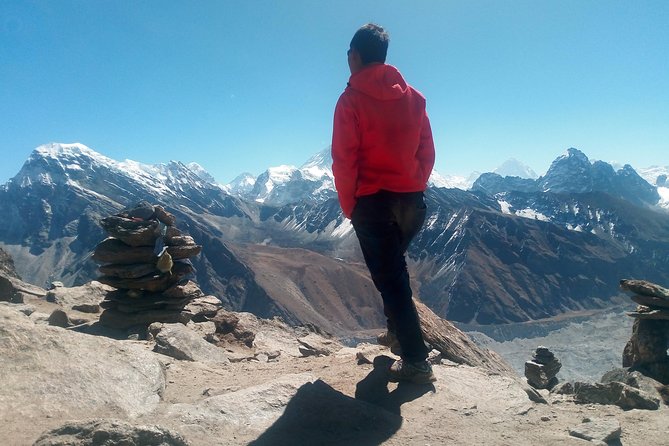
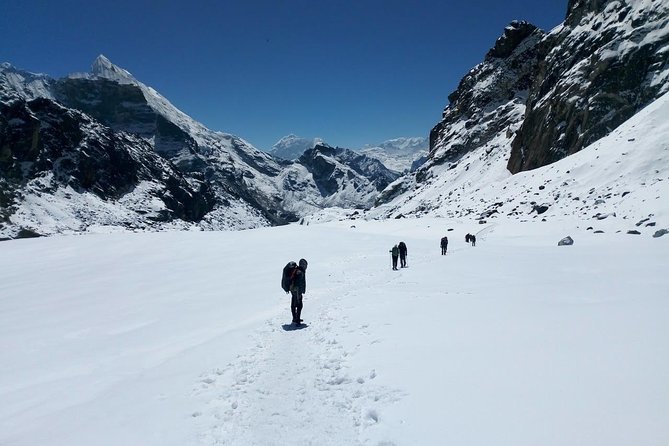
One review mentions the route specifically: Gokyo Ri, then over the Cho La Pass to Everest Base Camp. Even without getting into an exact tactical breakdown, you should understand what that implies. A pass like Cho La is where the trek stops being just endurance hiking and turns into true high-mountain travel, where the day feels more exposed and your body notices the altitude and effort more.
This is the section that often separates a “nice trek” from a “I’ll remember this for years” trek. The views tend to feel wider, the walking can feel more demanding, and the landscape becomes more about mountain engineering—ridges, slopes, and dramatic changes in the terrain.
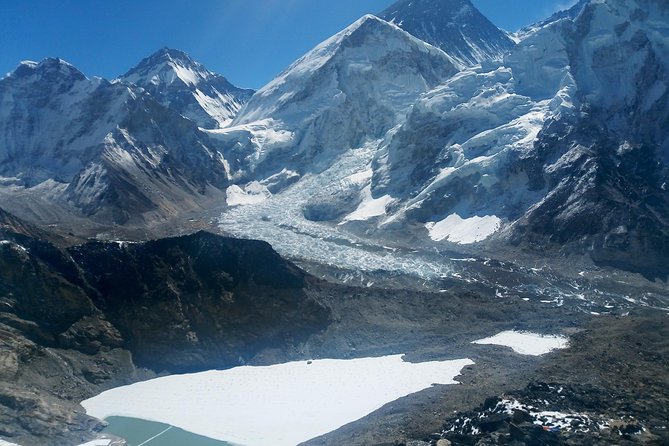
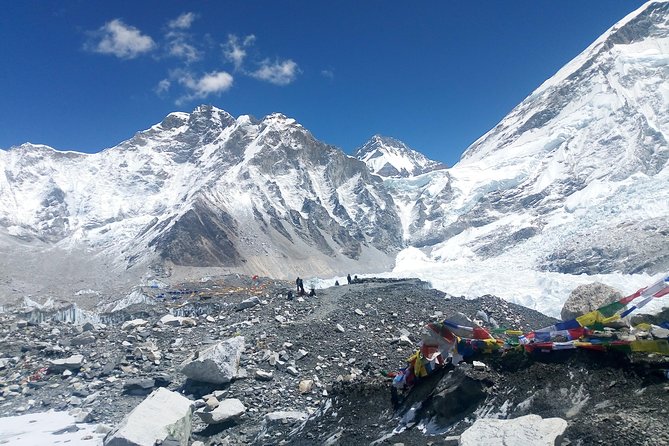
And then you reach the reason most people come: Everest Base Camp. Here, the focus is on the Everest skyline and the surrounding giants named in the route description—Everest and its neighbors like Lhotse and Nuptse, plus Makalu and Cho Oyu in the broader region. Base Camp is where your effort connects to the big promise: seeing the world’s highest mountain complex up close, even if you’re not climbing it.




Sherpa Life, Yaks, and Crops: Culture You Can Read at Walking Speed
This trek is built around more than scenery. The route takes you through areas where many local people are Sherpa, and the daily details are part of what makes the experience feel authentic.
Here’s what you’re likely to notice:
- Yak herding as a working livelihood, not a tourist costume
- Tourism as another major occupation, tied to guides, porters, lodges, and travelers’ seasons
- A short cropping season, which affects what you see in terms of planted fields and the pace of rural life
This combination—work that depends on season, plus tourism that depends on hikers—creates a distinctive atmosphere. You’ll likely spend your days in places where people understand trekking better than most outsiders do. That can change how interactions feel: less like a performance, more like neighbors helping travelers move safely through a demanding environment.
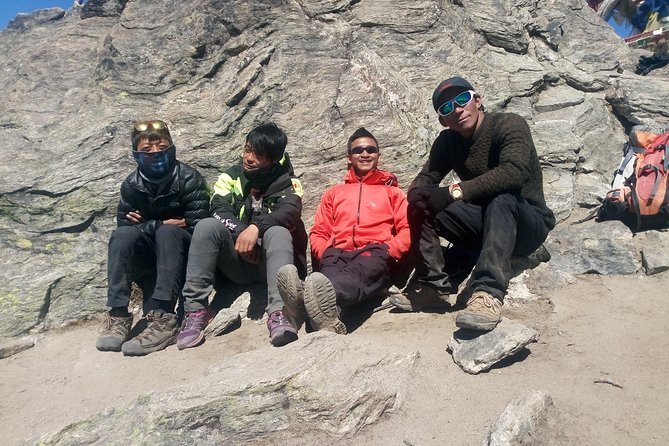
In the reviews, the guiding support comes up repeatedly, including compliments for friendliness and professionalism. That matters because it’s what turns cultural encounters from brief awkward moments into real conversation and context. When your guide is experienced, you can ask better questions and get answers that connect daily life to the physical trek you’re doing.
Plants, Wildlife, and the Stuff You Might Miss Without a Guide
The trek description mentions different plant species and wild animals. That’s a reminder that this isn’t only snow and stone. In mountain regions, vegetation can change fast with altitude, exposure, and season, and wildlife sightings—when they happen—often come from noticing movement and sound rather than looking for a cartoon animal.
A good guide helps you slow down just enough to notice. And a good porter team helps you keep your energy, so you’re not too exhausted to pay attention when a moment appears. The reviews mention that guides and porters are experienced and friendly, which is exactly the mix you want when you’re balancing effort with observation.
Practical tip: bring your curiosity, not just your phone. When you see a plant you can’t identify, ask your guide what it is or what it’s used for locally. When you hear an animal shift in the distance, pause your stride and look once. You don’t need long, dramatic stops—just one thoughtful glance can be the difference between missing a living detail and remembering it.
Meals, Tea Houses, and Comfort: What to Plan For
Food is a big deal on any trek, and this one is designed around breakfast and dinner being included, along with coffee and/or tea. Lunch is described as something you can choose from tea house or hotel options. That’s useful because it means you can adapt day-to-day to your appetite and energy.
One warning: the provided info lists lunch and dinner in the included section, but also lists lunch dinner and Kathmandu stay under exclusions. So before you go, confirm what’s included in your exact booking. This is the kind of mismatch that happens in the wild, and it’s worth checking early rather than discovering it after you’ve already planned your spending.
Comfort-wise, you’ll want to treat this as a tea-house style trek where warm drinks are part of the experience. Reviews highlight the overall trek quality, including mountain views and friendly guiding. The dining side may not be the headline, but it’s your recovery tool. If you feel cold or under-fueled, your next hiking push gets tougher than it needs to be.
Price and Value: Does $1,333 Make Sense for This Route?
At $1,333.34 per person, you’re paying for a private trekking experience with a structured team. The operator is listed as Nepal Himalayan Hiker (P) Ltd., and features include pickup offered and a mobile ticket.
Here’s how I’d think about value, not just cost:
- You’re paying for high-touch support in a place where small mistakes matter. Hiring an experienced team helps keep the trek safer and smoother.
- Reviews praise the human element—guides and porters described as experienced, friendly, and professional. That matters more here than on a casual hike.
- The route itself covers major ambition: Gokyo Ri, Cho La Pass, and Everest Base Camp in one multi-day trip.
What could make the price feel less fair is if you end up needing to pay a lot of extras you assumed were included. Because meal inclusions are a bit inconsistent in the provided info, your best move is to get your final inclusions/exclusions in writing before you pay. That way, your budget matches reality.
Also note what’s excluded: items like personal insurance, any bar bills, alcoholic drinks, and Kathmandu stay are mentioned. Insurance matters most because high-altitude trekking can create costs quickly if something goes wrong. If your insurance doesn’t cover trekking in Nepal, you’ll want to fix that before you arrive.
Who Should Book This Trek (and Who Might Want Another Option)
This is a strong match if you want:
- A trek that delivers big Everest-region views from multiple angles
- Snow-mountain scenery as a major priority
- Sherpa culture in a practical, day-to-day way—work, seasons, and tourism life
- A private group experience with experienced guiding support
It may be less ideal if you:
- Struggle with sustained uphill walking and fatigue
- Hate weather uncertainty (visibility affects the payoff at viewpoints)
- Need a fully predictable daily plan down to the minute, because high-mountain travel often adjusts to conditions
The reviews lean heavily toward one clear message: people come for the views, and they leave impressed by the support. Guide names like Nara and Raj appear in the feedback, and the overall tone is that the team was kind and professional. If that style fits how you like to travel, this trek should suit you well.
Booking Decision: Should You Choose Everest Base Camp + Gokyo Ri?
If your heart wants the Everest skyline but you also crave variety, I’d call this a smart choice. Gokyo Ri gives you a viewpoint designed for snow-peak drama, while Cho La Pass to Everest Base Camp turns the trek into a real high-mountain storyline instead of just a single destination sprint.
Before you book, do two quick checks:
- Confirm exactly what your booking includes for lunch, dinner, and Kathmandu stay, since the provided sections don’t fully match.
- Make sure your body and schedule fit a demanding, early-start trek that depends on weather.
If you get those lined up, this is the kind of trek where the mountains feel close enough to count their layers—and the people you meet along the way make the journey feel grounded.
FAQ
How long is the Everest Base Camp + Gokyo Ri trek?
The duration is listed as approximately 15 days.
Where does this trip start, and when?
The tour location is Kathmandu, Nepal, with a stated start time of 5:00 am.
Is this a private tour?
Yes. It is described as a private tour/activity, so only your group participates.
What fitness level do I need?
The information says you should have moderate physical fitness.
What meals and drinks are included?
The included items list breakfast, dinner, and coffee and/or tea. Lunch is described as something you can choose from tea house or hotel. Note: the exclusions section also mentions lunch and dinner, so confirm the exact inclusions for your booking.
Do they offer pickup and a mobile ticket?
Yes. Pickup offered and a mobile ticket are listed features.
What happens if weather is poor?
The experience requires good weather. If it’s canceled due to poor weather, you’ll be offered a different date or a full refund.
Is there free cancellation?
Yes. There is free cancellation, with a full refund if you cancel up to 24 hours in advance. If you cancel less than 24 hours before the start time, the amount paid is not refunded.
More Tour Reviews in Kathmandu






Just Reviewed in Kathmandu
- Mountain Bike Tour
★ 5.0 · 3 reviews - Annapurna Panaroma
★ 5.0 · 3 reviews - Mount Everest Scenic Flight 50 Minutes
★ 5.0 · 3 reviews - Kathmandu : Swambhunath & Durbar Square Guided Half Day Tour
★ 3.3 · 3 reviews - Chandragiri Cable Car & Monkey Temple Tour – Private/Group
★ 5.0 · 3 reviews - Kathmandu: Shivapuri National Park Hiking Day Trip
★ 3.3 · 3 reviews
Gokyo Lakes & Everest High Passes, compared.
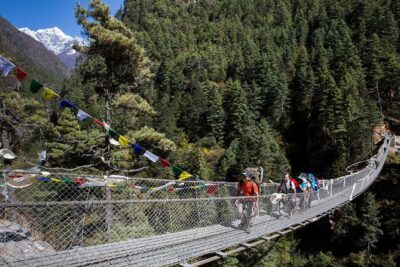 ★ 5.0Gokyo to Everest Base Camp TrekFrom $2,200113 reviews
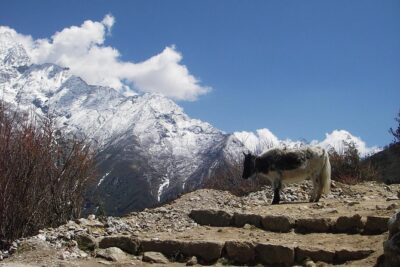 ★ 5.0Everest Base Camp – Cho La Pass – Gokyo TrekFrom $1,39465 reviews
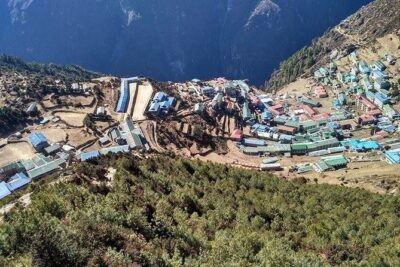 ★ 5.012 Days Everest Base Camp Kala Patthar TrekFrom $1,79961 reviews
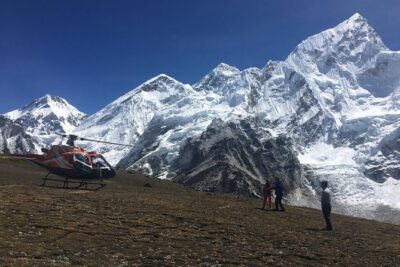 ★ 5.0Guaranteed Landing at Everest Base Camp Kalapathar by HelicopterFrom $3,50038 reviews
 ★ 5.0Everest Gokyo Valley Trek – 12 daysFrom $1,39927 reviews
 ★ 4.214-Day Everest Base Camp with Kala Patthar TrekFrom $1,29621 reviews
 ★ 5.0Landing Private Helicopter at Everest base camp & Gokyo for photoFrom $4,39920 reviews
 ★ 5.0Gokyo Valley TrekFrom $1,51419 reviews
Browse the lists this tour appears in